
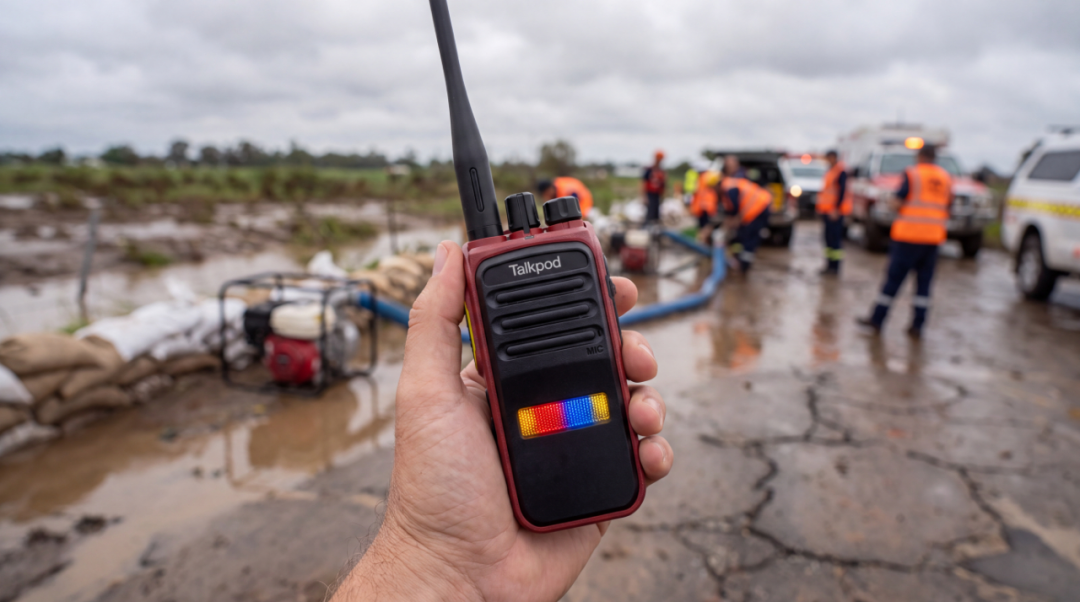
Talkpod A50Ex: Supporting Emergency Communication During Flood and Drought Response
Floods and drought-related emergencies often damage the very infrastructure responders normally depend on. Power failures can take mobile base stations offline. Floodwater may isolate villages or c...
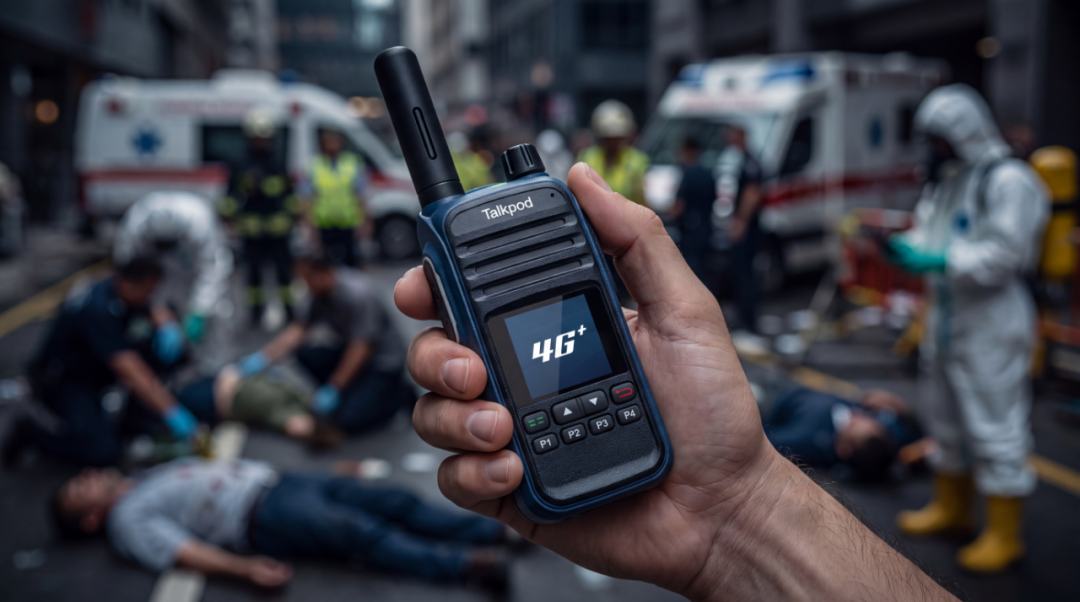
Talkpod N37: Supporting Multi-Team Communication During Mass-Poisoning Emergencies
A mass-poisoning incident quickly becomes more than a medical response. Ambulance crews may be triaging patients at one location while public-health personnel investigate the possible source elsewh...

Talkpod N56: Supporting Wider-Area Emergency Coordination in Fu County
Emergency management begins long before an emergency. Inspectors travel through mountain roads, valleys and remote settlements looking for unstable slopes, flood risks and other potential hazards. ...
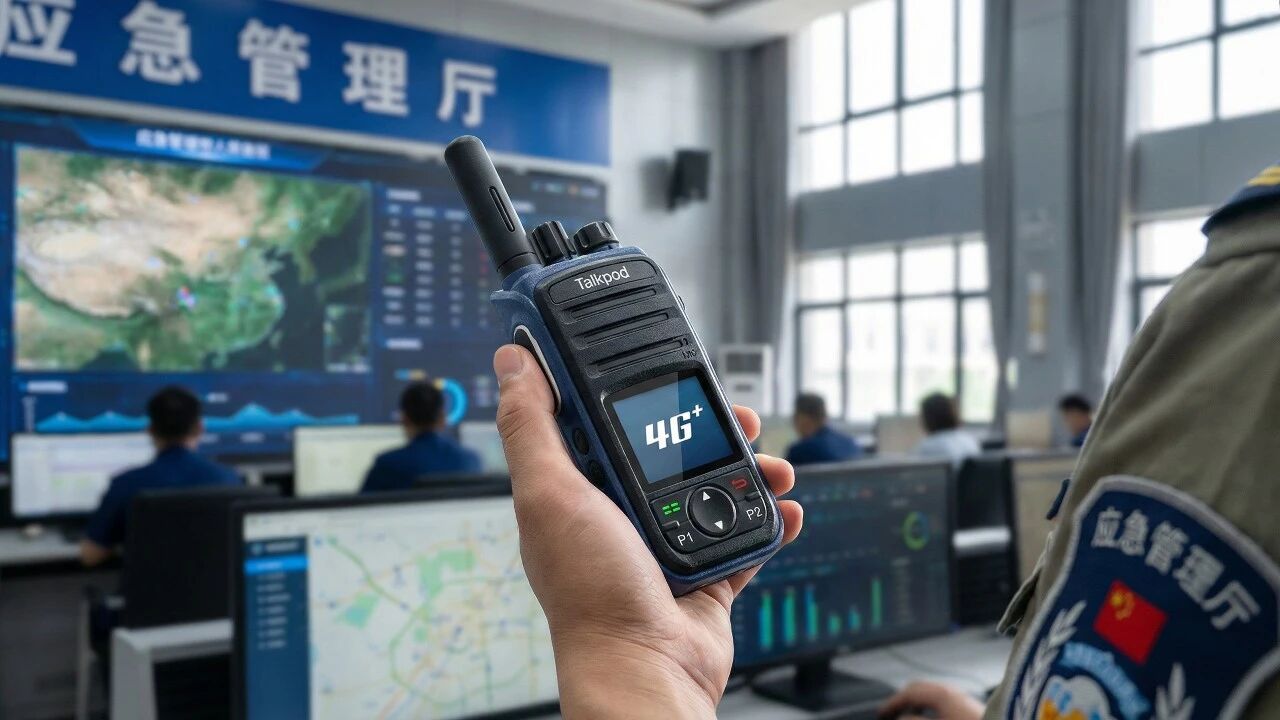
Talkpod N56: Supporting the Modernisation of Emergency Management in Shanxi
Emergency management in Shanxi is shaped by geography and industry. Mountain valleys, mining districts, industrial parks and widely dispersed counties create a difficult operating environment for e...
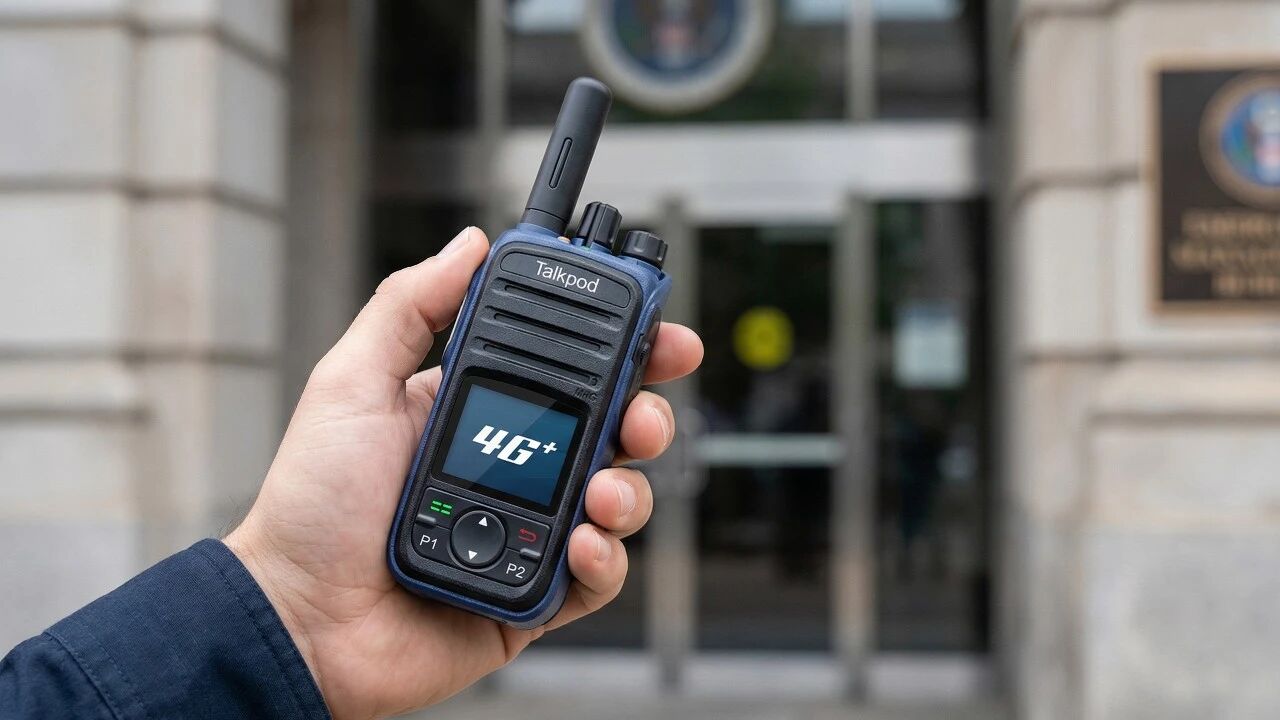
Talkpod N56: Strengthening Communications for Blue Sky Emergency Response
Rescue work is rarely conducted in convenient places. A search team may be spread across a mountain. Water-rescue personnel may operate far from the command post. An urban emergency may require sev...
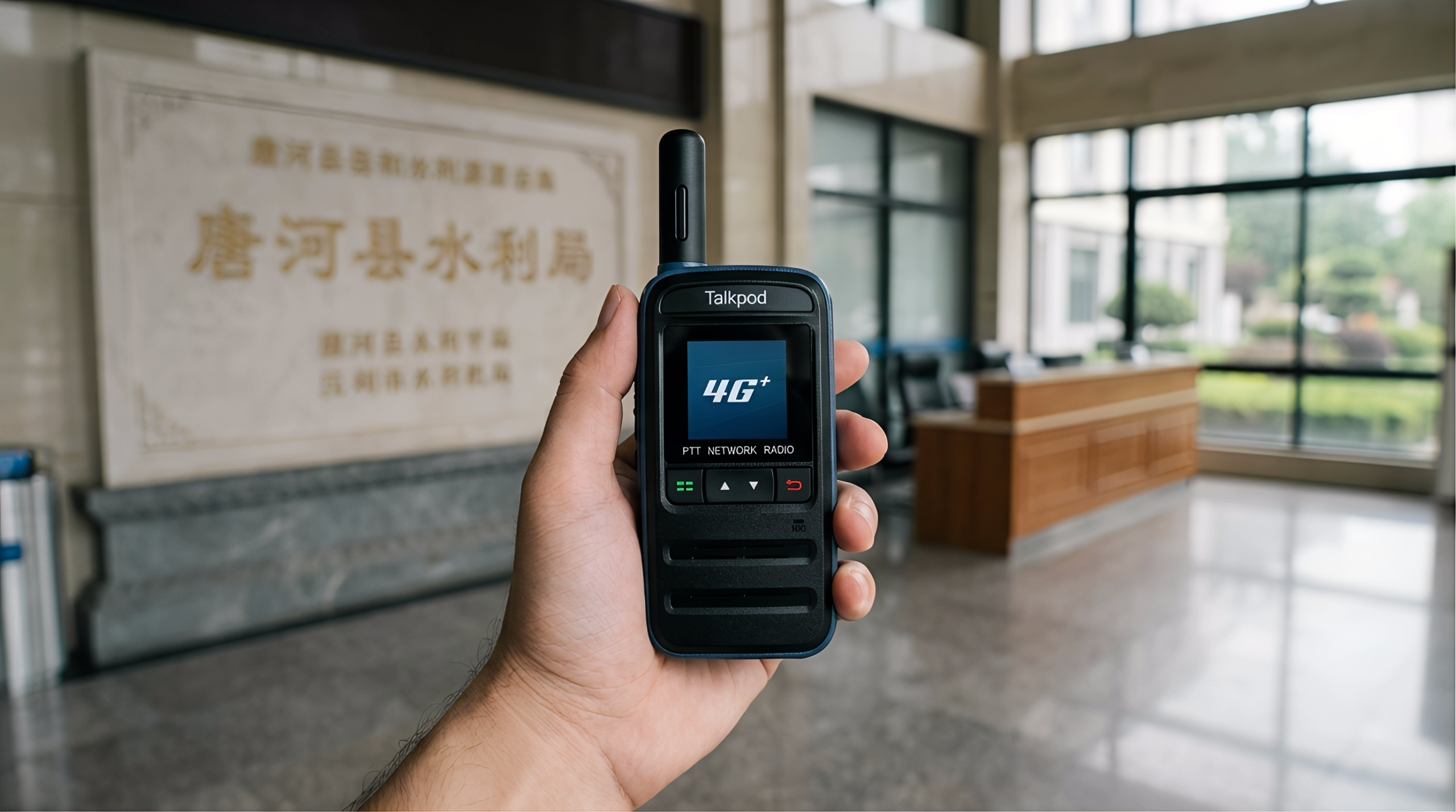
Water management is usually measured in levels, flows and forecasts. But when floods rise or drought pressure builds, it is also measured in the speed of communication. Field teams must report cond...
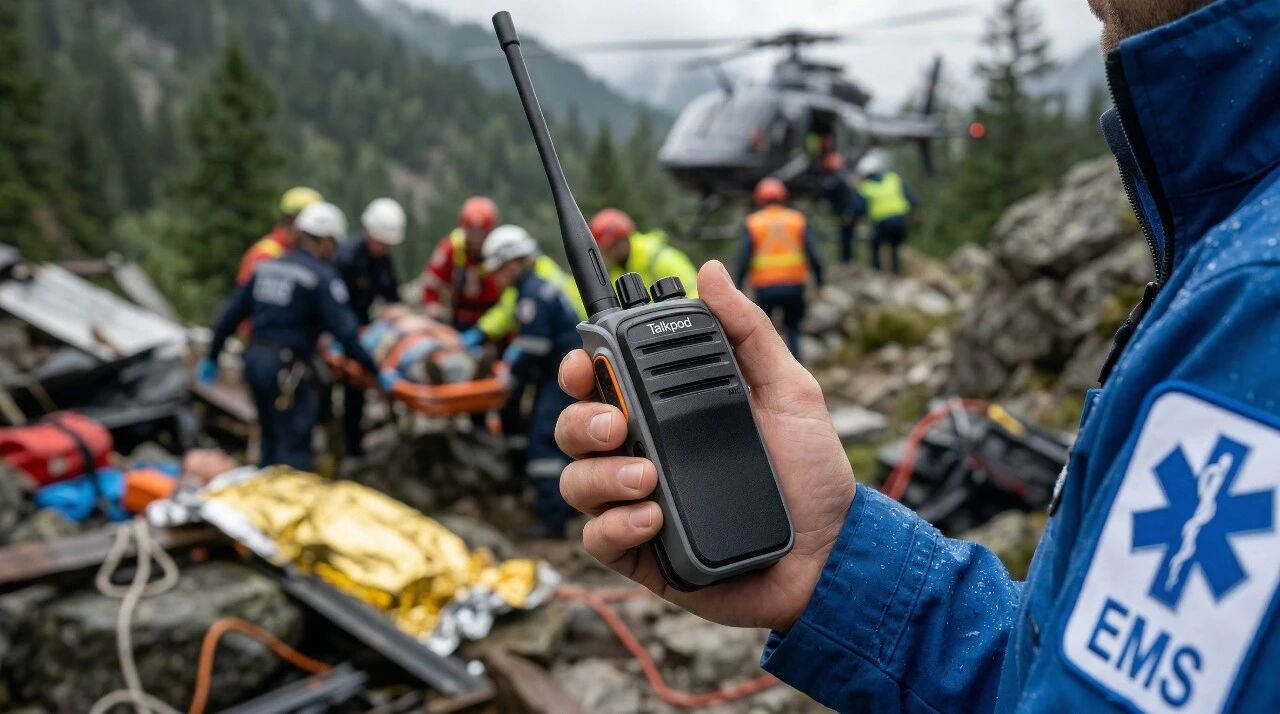
How Talkpod’s A50P ad hoc-network radio supports medics in outdoor rescue operations
Outdoor emergencies rarely happen in convenient places. A hiker is injured far from a road. A worker falls in remote terrain. A villager is trapped in the mountains. Medical responders must reach t...
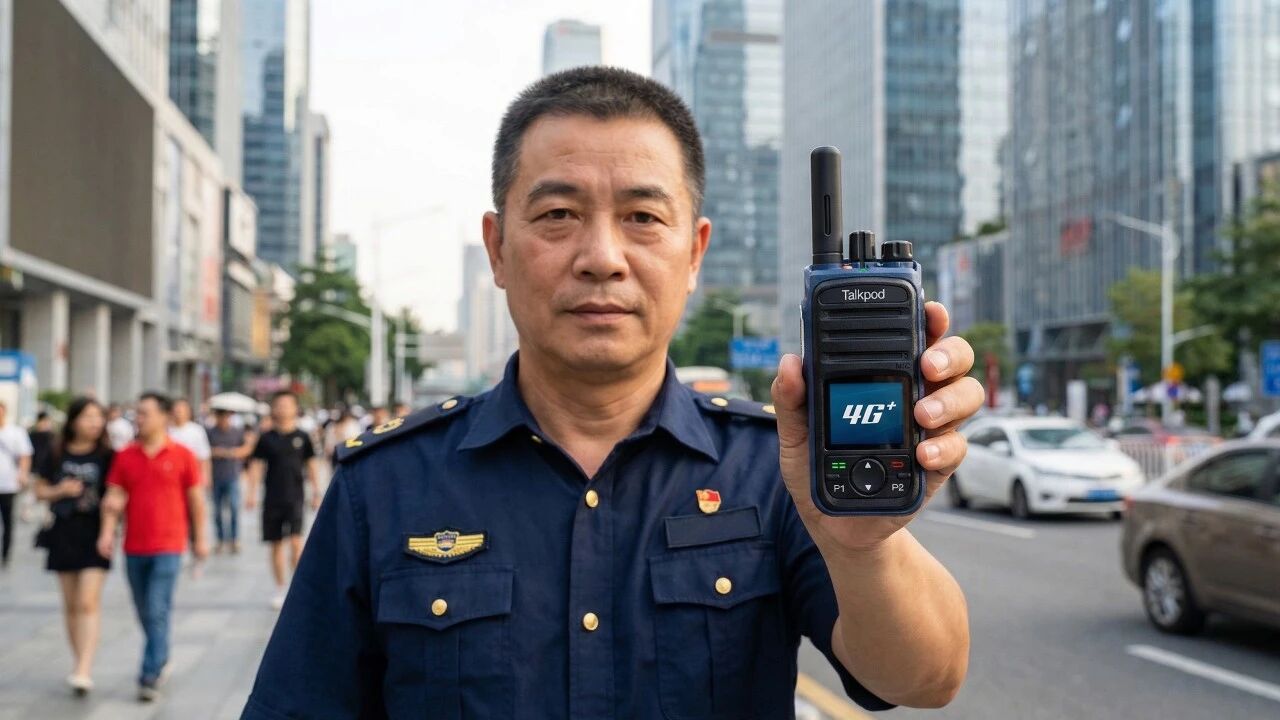
Talkpod N56: Smarter Emergency Command for Fu County
Emergency management in Fu County is shaped by geography. Mountainous terrain, widely distributed disaster risks and dispersed response resources make communication difficult, particularly in remot...
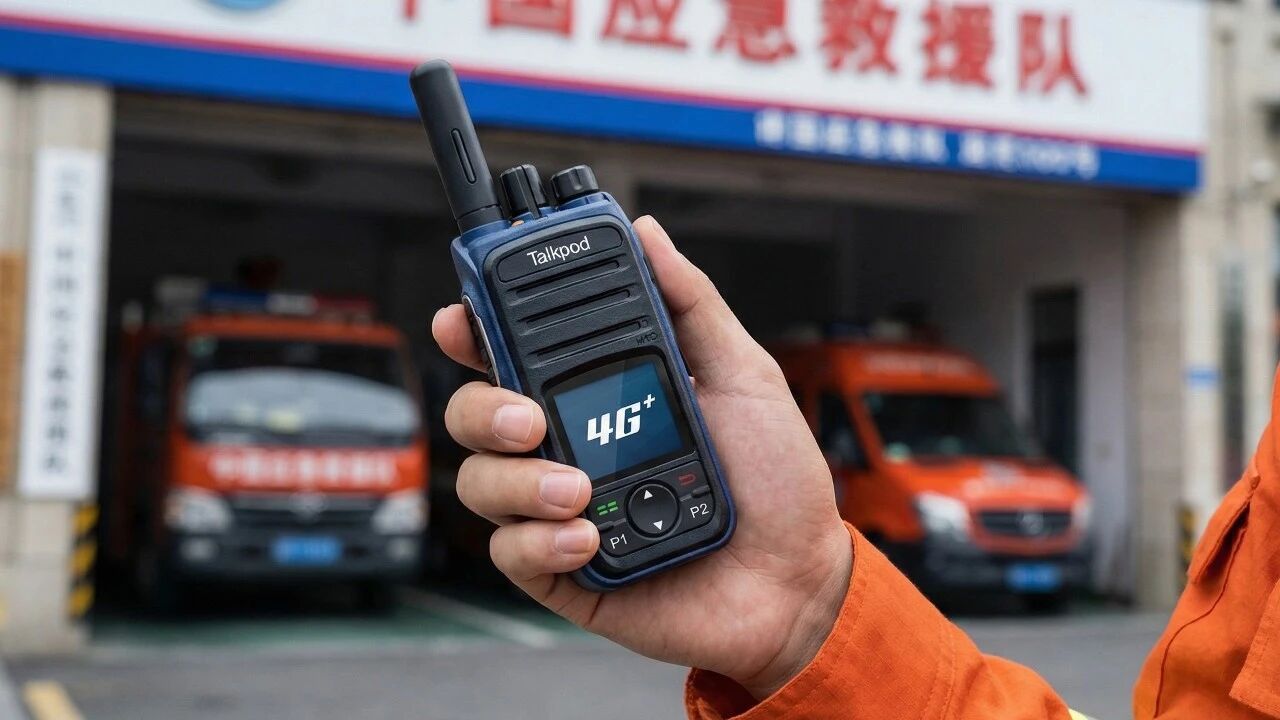
Talkpod N56: Strengthening Emergency Command in Taishan
Emergency management in Taishan is shaped by weather and terrain. Typhoons, floods and other natural disasters can arrive quickly, while rescue teams, vehicles and supplies may be spread across mou...
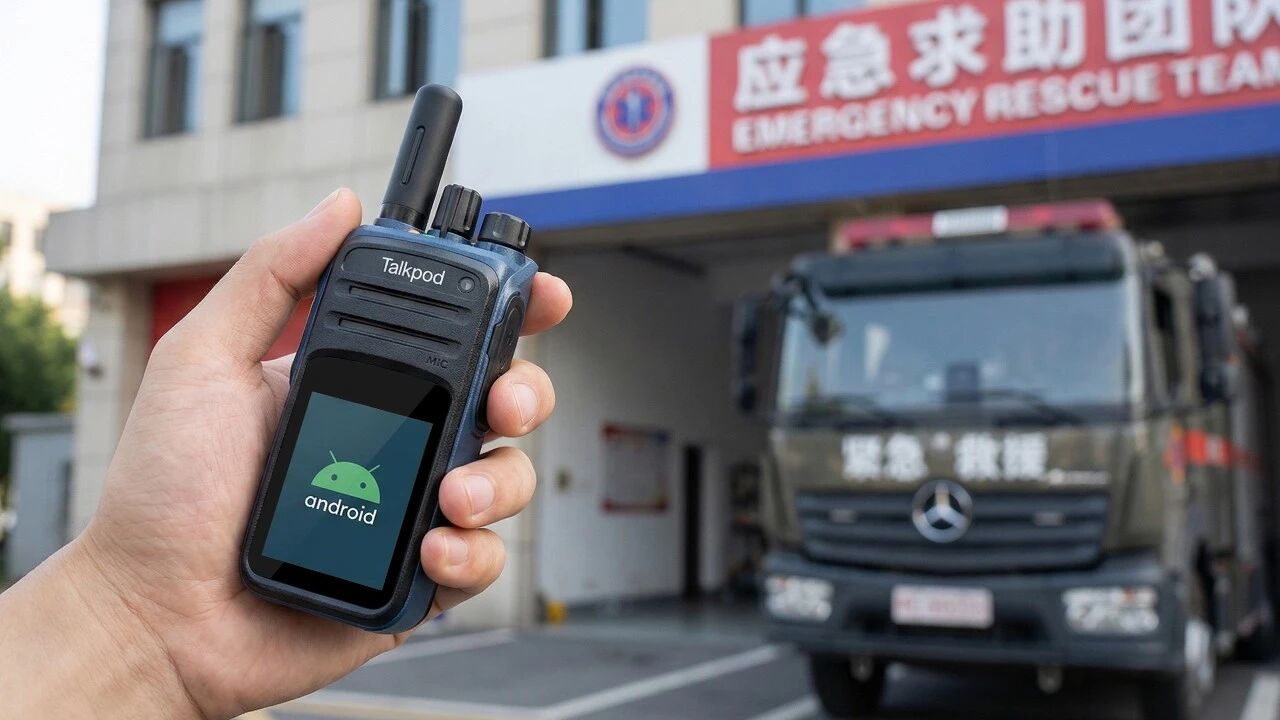
Talkpod N59: Bringing Visual Command to Emergency Management in Yueyang
Emergency management is no longer only a matter of voice communication. When incidents spread across regions and field conditions change quickly, command centres need to see more, know more and dec...

How Talkpod’s N56 public-network radio supports trunk-line emergency maintenance
A broken fibre-optic cable in a rainstorm, a base-station fault after midnight, a buried line cut open on a mountain road: the workplace of a trunk-line repair crew is rarely an office. It is more ...

How Talkpod’s A50P ad hoc-network radio supports emergency bridge repair teams
Bridges are more than structures of steel and concrete. They are the arteries of transport systems. When a bridge is damaged, cracked or at risk of collapse, repair teams must move fast. Roads ma...

How Talkpod’s A50P ad hoc-network radio supports search-and-rescue teams in the field
Field rescue is a contest with uncertainty. Terrain is complex, signals are scarce and the environment is rarely forgiving. Search-and-rescue teams may have to move through forests, valleys, caves ...

Talkpod A50P: A Resilient Field Network for Emergency Response in Yuxi
Emergency work in Yuxi is shaped by terrain. Mountains, valleys, forests, tunnels, underground spaces and large buildings all create difficult conditions for communication. During geological-disast...

How Talkpod’s A50P ad hoc-network radio supports medical commanders in landslide rescue operations
A landslide turns a disaster site into an island. Earth and rock bury roads, cut off power and silence ordinary networks. For medical commanders working at the centre of the affected area, the task...