
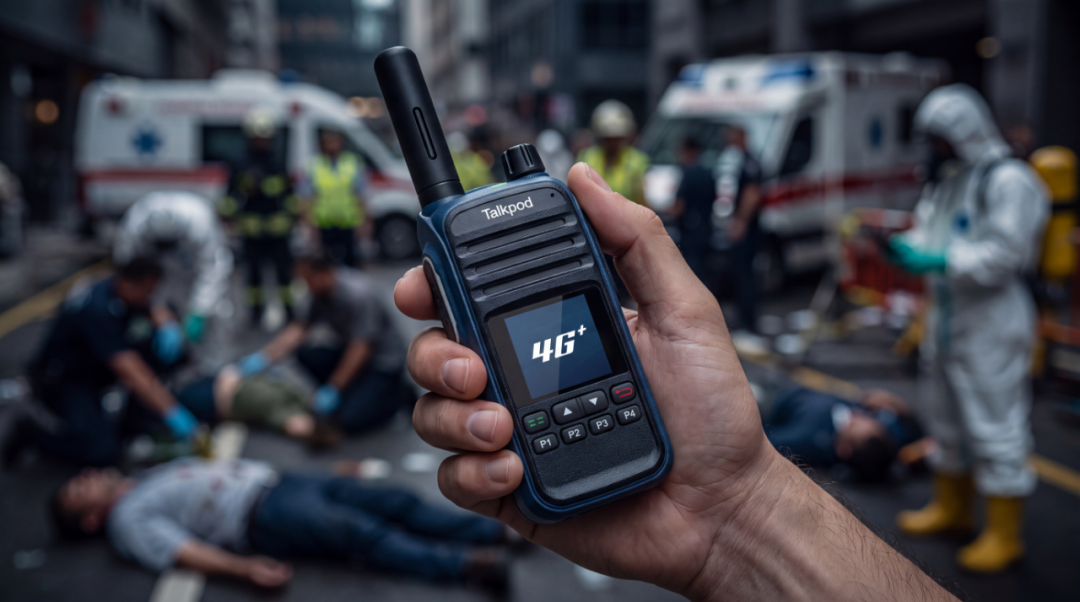
A mass-poisoning incident quickly becomes more than a medical response.
Ambulance crews may be triaging patients at one location while public-health personnel investigate the possible source elsewhere. Police or site-management teams may be controlling access, hospitals prepare to receive patients, and logistics personnel move protective equipment, antidotes or other supplies between several points.
All of these teams need information, but not necessarily the same information at the same time.
That makes communication structure almost as important as communication range.
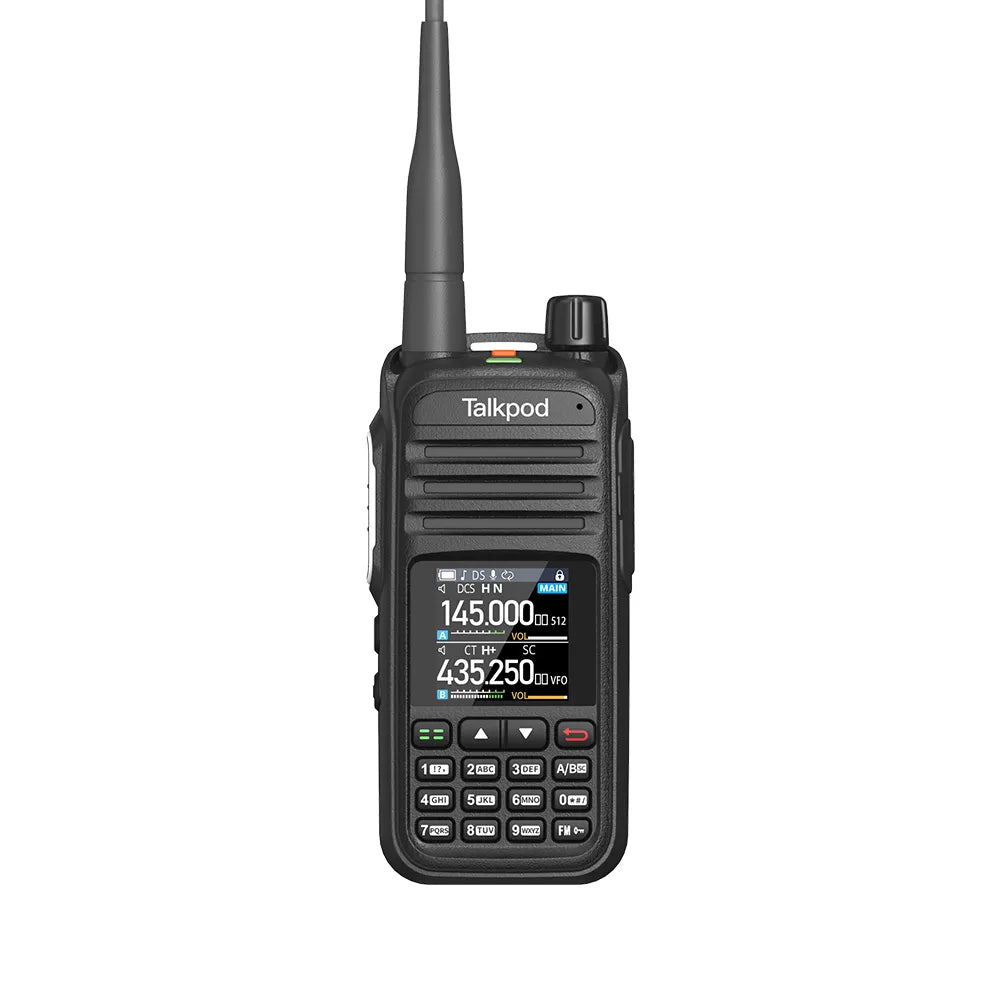
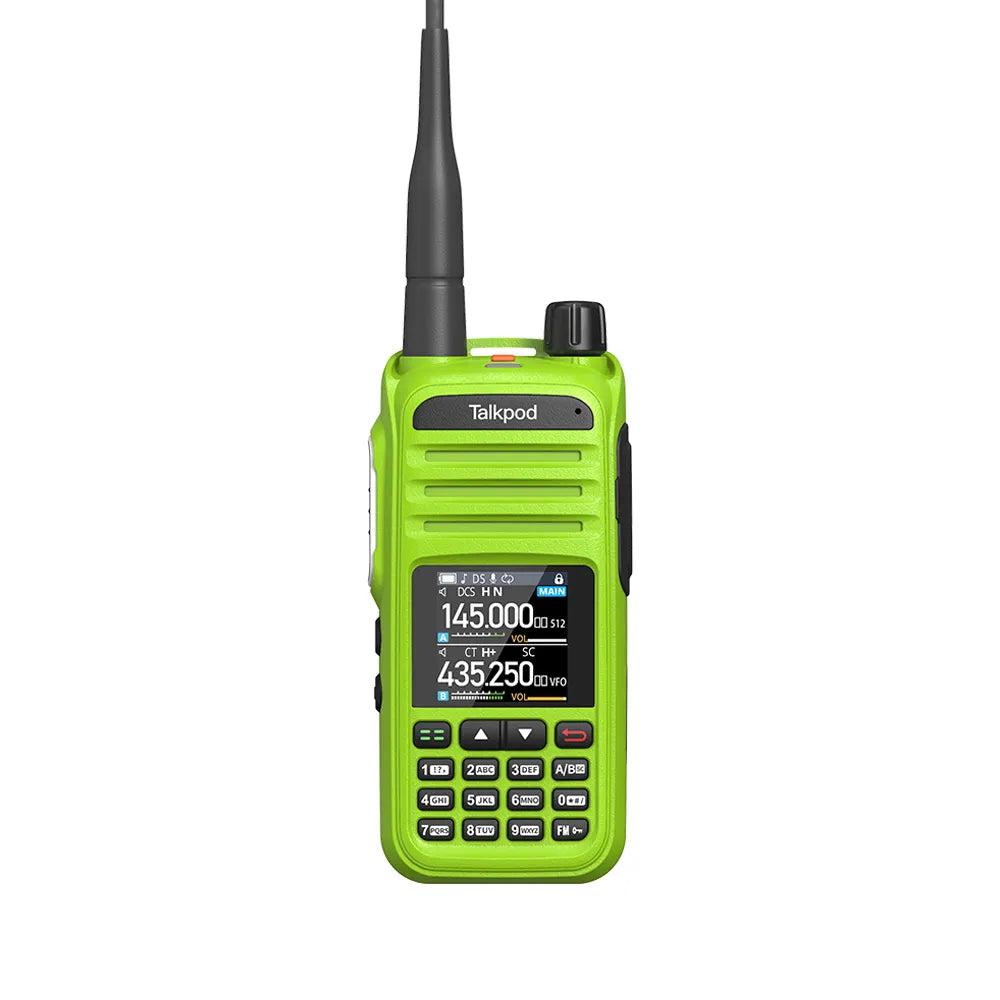
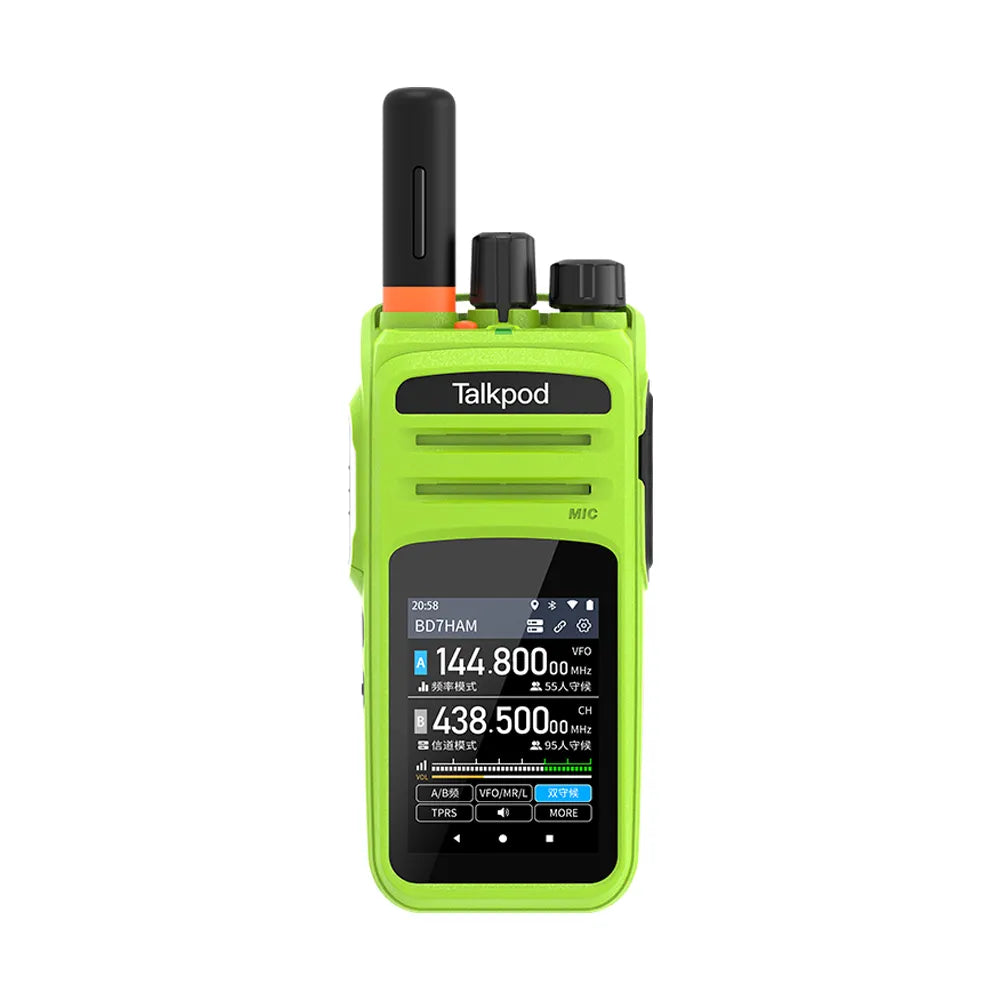
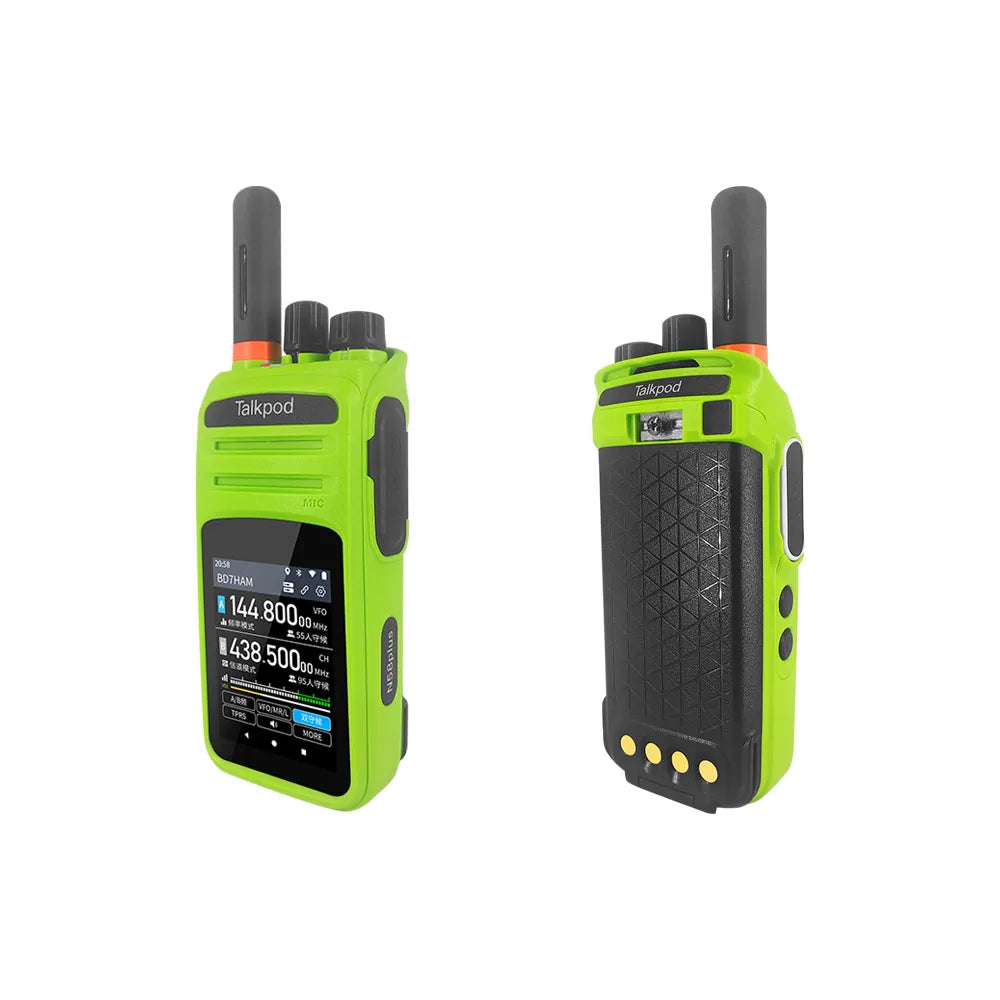
The Talkpod N37 public-network trunked radio provides a wide-area push-to-talk layer for distributed emergency teams where compatible mobile-network service is available. Features such as speaking-priority settings, centralized account management and managed communication groups can help organize traffic when many users need access to the system simultaneously.
[Image]
Priority settings can help critical calls stand out
During the early stage of a poisoning incident, radio traffic can increase very quickly.
Medical teams may be reporting patient numbers, public-health personnel may need resources at another location, and logistics teams may be coordinating vehicles or protective equipment at the same time.
If every user has the same communication priority, routine traffic can compete with more urgent operational messages.
The N37 platform supports speaking-priority settings, allowing selected users or roles to be assigned different levels of access according to the system configuration.
Command personnel or designated frontline responders can therefore be given a higher communication priority than routine support traffic.
This can help critical messages receive faster access when communication demand is high.
It should not, however, be described as an absolute guarantee that every high-priority message will always pass instantly.
The device still depends on the availability of the public mobile network, the push-to-talk platform and the configured system capacity.
Priority helps manage congestion.
It does not eliminate every possible source of delay.
Communication groups should reflect the incident structure
A mass-casualty or poisoning response does not benefit from putting every user into one large conversation.
Medical triage personnel may need one group. Public-health investigators may use another. Site control, transport and logistics teams may each have different communication needs.
The N37 platform can be organized around those operational roles.
This allows routine traffic to stay within the relevant team while authorized coordinators can communicate across groups when several functions need to work together.
For example, an incident coordinator might need to connect the medical and logistics groups when additional transport is required, without exposing every unrelated conversation to every user.
The objective is not more radio traffic.
It is clearer routing of information.
Public-network communication extends reach between sites
Poisoning incidents can involve more than one physical location.
Patients may be transported to several hospitals. Investigators may trace a suspected food, chemical or environmental source to another site. Supplies may come from a distant warehouse or emergency center.
Conventional handheld radios become less practical when these teams move beyond the same local coverage area.
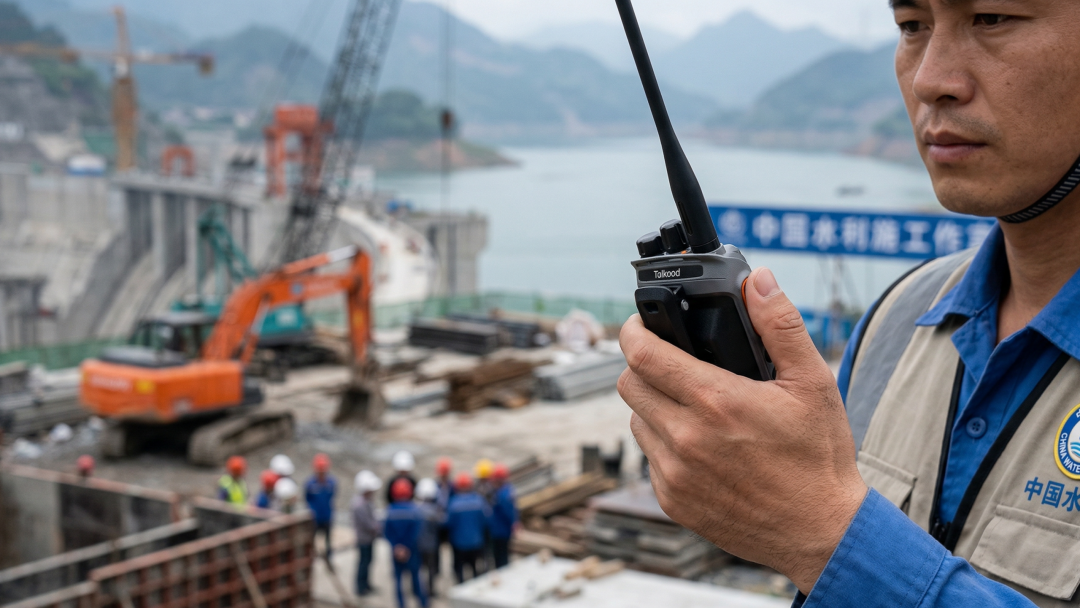
The N37 uses compatible public mobile networks, allowing geographically separated users to remain within the same managed push-to-talk system where network coverage is available.
That can make cross-site coordination easier.
But it should not be described as unlimited or always available.
Basements, remote areas, overloaded networks and local infrastructure failures can all affect service.
A public-network radio should therefore complement the broader emergency communication plan rather than become the only communication method on which the response depends.
[Image]
Remote account control can help manage temporary personnel
Large emergencies often bring temporary users into the communication system.
Additional medical personnel, public-health teams or logistics staff may receive devices for a limited part of the response.
The N37 platform supports centralized account administration, allowing authorized managers to activate, suspend or remove communication access according to the configured deployment.
This becomes useful when personnel rotate out of the incident.
Instead of relying solely on physical recovery of every device before access can be changed, administrators can update the corresponding account permissions from the backend.
If a radio is reported lost, suspending its account can also reduce the risk of continued unauthorized access.
That is a useful security control, but it should not be described as eliminating information-security risk entirely.
Device security also depends on account authentication, administrator permissions, platform architecture and how users handle the equipment.
Remote suspension is one layer of access control—not a complete security system.
Patient information needs stricter discipline than ordinary radio traffic
A poisoning emergency may involve sensitive medical and personal information.
That creates an important boundary for voice communication.
Operational messages such as “two additional ambulances are needed at Sector B” may be appropriate for a shared group.
Detailed patient identities, medical histories, laboratory results or other sensitive information should normally remain in the organization's approved medical, public-health or incident-management systems unless operational circumstances and policy specifically require otherwise.
Communication groups can reduce unnecessary exposure, but group membership alone should not be treated as proof that sensitive medical information is fully protected.
The safest principle is to transmit only what the receiving team needs to perform the immediate task.
The radio helps coordinate care.
It should not become the patient record.
CW interference detection can help with certain signal conditions
The source describes the N37 as supporting CW interference detection and suppression.
In radio terminology, CW interference generally refers to a relatively narrow, continuous signal that can interfere with reception under certain conditions.
Detection and filtering functions can help reduce the effect of some types of narrowband interference.
That should not be translated into a promise of a completely interference-free communication environment.
Emergency scenes can contain medical electronics, vehicles, generators, temporary communications equipment and many other RF sources.
Voice quality on a public-network push-to-talk device also depends heavily on mobile-network performance, data latency and platform conditions.
Interference mitigation can improve robustness against particular signal problems.
It cannot make every congested electromagnetic environment “pure” or guarantee perfect audio.
Clear speech still depends on the whole communication path
For medical and emergency teams, intelligibility matters more than audio fidelity.
A short message about patient numbers, destination hospitals or a change in site conditions needs to be understood correctly the first time.
Digital push-to-talk can help provide clear voice communication when network conditions are suitable.
Good operating discipline matters just as much.
Users should keep messages short, identify themselves or their team when necessary, repeat critical numbers and obtain acknowledgement when an instruction affects patient movement or safety.
No radio feature can compensate fully for ambiguous communication.
IP54 provides useful field protection—with limits
The source specifies an IP54 rating for the N37.
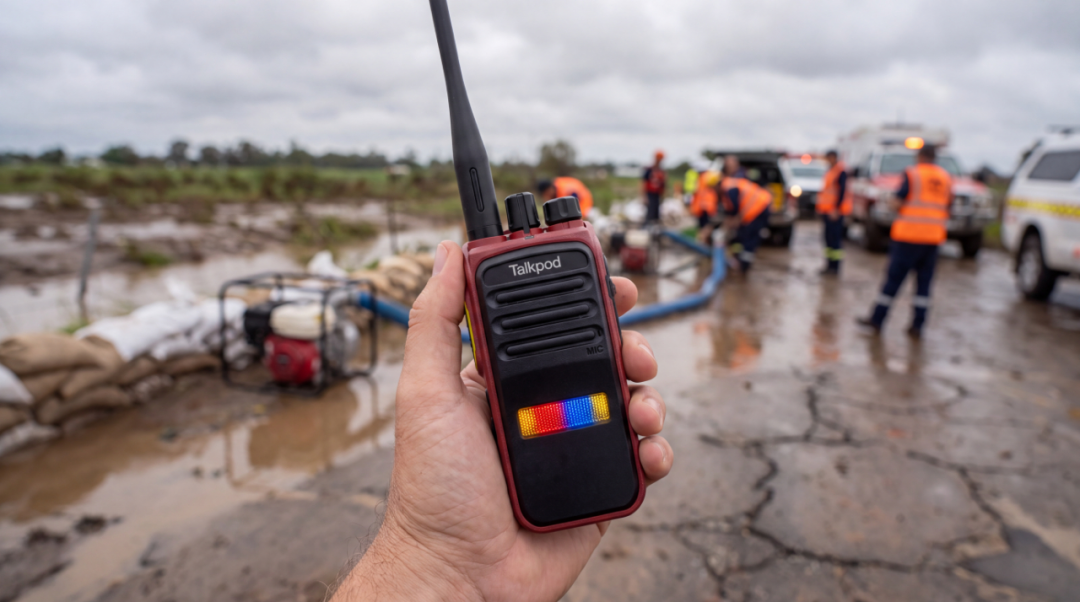
That provides defined protection against limited dust ingress and splashing water, which can be useful during outdoor emergency operations.
It does not mean the device is waterproof, suitable for immersion or resistant to every disinfectant.
That distinction matters in a medical response.
If radios are exposed to cleaning agents or decontamination procedures, the organization should follow the manufacturer's approved cleaning instructions rather than assume that an ingress-protection rating automatically establishes chemical compatibility.
The source also references MIL-STD-related environmental reliability testing.
Those claims should be interpreted according to the specific tests performed rather than as evidence that the device is indestructible.
[Image]
A poisoning incident may also create a hazardous-material problem
“Mass poisoning” covers very different types of events.
Some may involve contaminated food. Others may involve carbon monoxide, industrial chemicals, pesticides or an accidental release of toxic gas.
Those distinctions affect radio use.
The N37 is a public-network trunked radio, not automatically an explosion-protected device.
If an incident creates a classified flammable or explosive atmosphere, ordinary communication equipment may not be permitted inside the affected area.
Responders should follow hazardous-material procedures and use communication equipment approved for the specific environment where required.
A radio suitable for medical coordination outside the exclusion zone is not necessarily suitable for entry into every contaminated area.
Radio communication does not replace medical command
The N37 can help information move between ambulances, field teams, investigators and logistics personnel.
It does not determine clinical priorities.
Triage, antidote administration, hospital destination decisions and public-health control measures remain the responsibility of appropriately qualified personnel operating under the incident's medical and command procedures.
Likewise, formal patient counts, exposure records, laboratory information and epidemiological data should remain in the approved information systems used by healthcare and public-health authorities.
The radio is most useful for the fast operational layer around those systems.
A managed communication layer for a rapidly changing response
Mass-poisoning events are difficult to manage because both the number of people and the structure of the response can change quickly.
Additional ambulances arrive. Temporary teams are added. Patients move to different hospitals. Investigators may identify another location requiring attention.
The Talkpod N37 can support that changing structure through wide-area public-network push-to-talk, configurable user priorities, centralized account administration and managed communication groups.
These features can help emergency teams reduce unnecessary radio traffic and give critical operational messages a clearer path.
Their value should remain realistic.
Priority settings do not guarantee instant communication. Remote account suspension does not eliminate every security risk. Interference detection does not create perfectly clean RF conditions, and public mobile networks can still fail or become congested.
Used alongside formal medical command, public-health information systems, backup communications and disciplined information handling, the N37 can provide a useful coordination layer for the many teams that have to turn a fragmented emergency scene into one organized response.

Leave a comment
All comments are moderated before being published.
This site is protected by hCaptcha and the hCaptcha Privacy Policy and Terms of Service apply.