

Emergency management begins long before an emergency.
Inspectors travel through mountain roads, valleys and remote settlements looking for unstable slopes, flood risks and other potential hazards. Most days, the work consists of observation, reporting and follow-up. When conditions change, however, the same personnel may suddenly become the first source of information for an emergency response.
For the Fu County Emergency Management Bureau, geography made that communication more difficult. Hazard points were distributed across a wide area, while mountains and distance limited the usefulness of conventional direct radio communication between field teams and the command side.
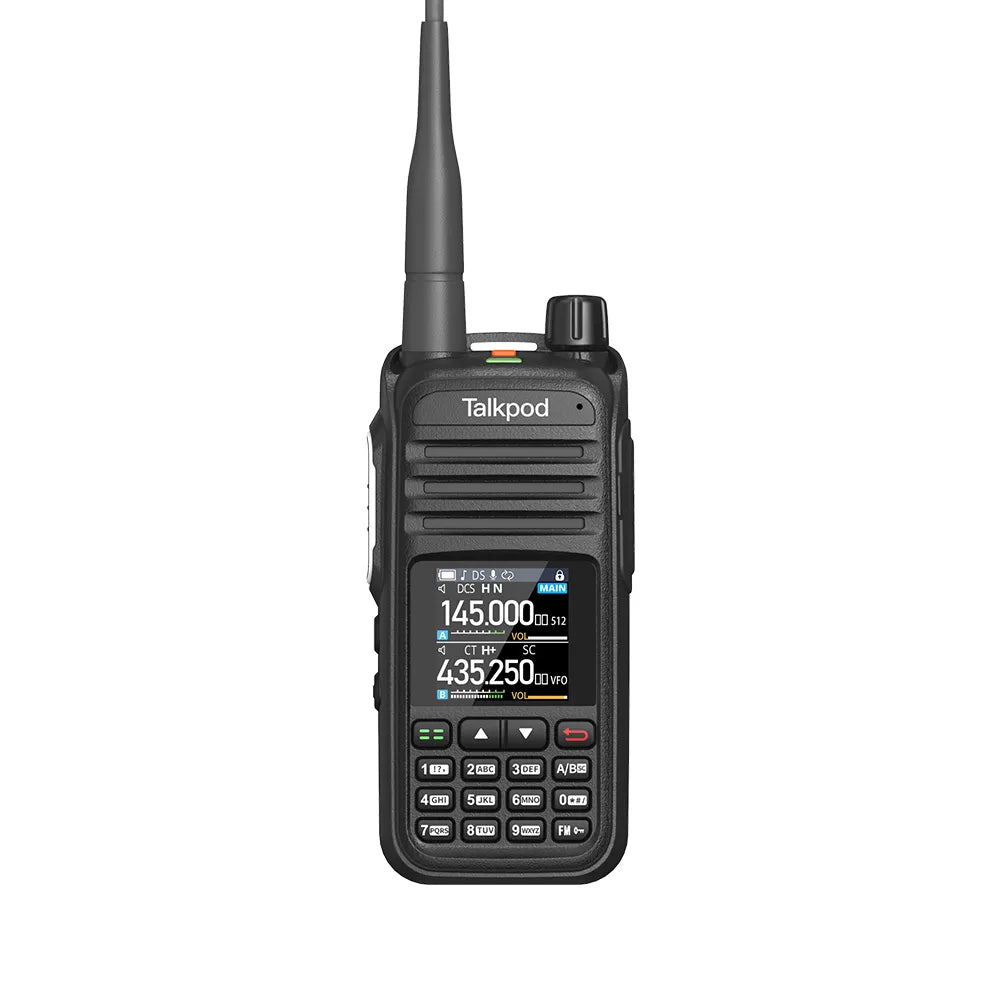
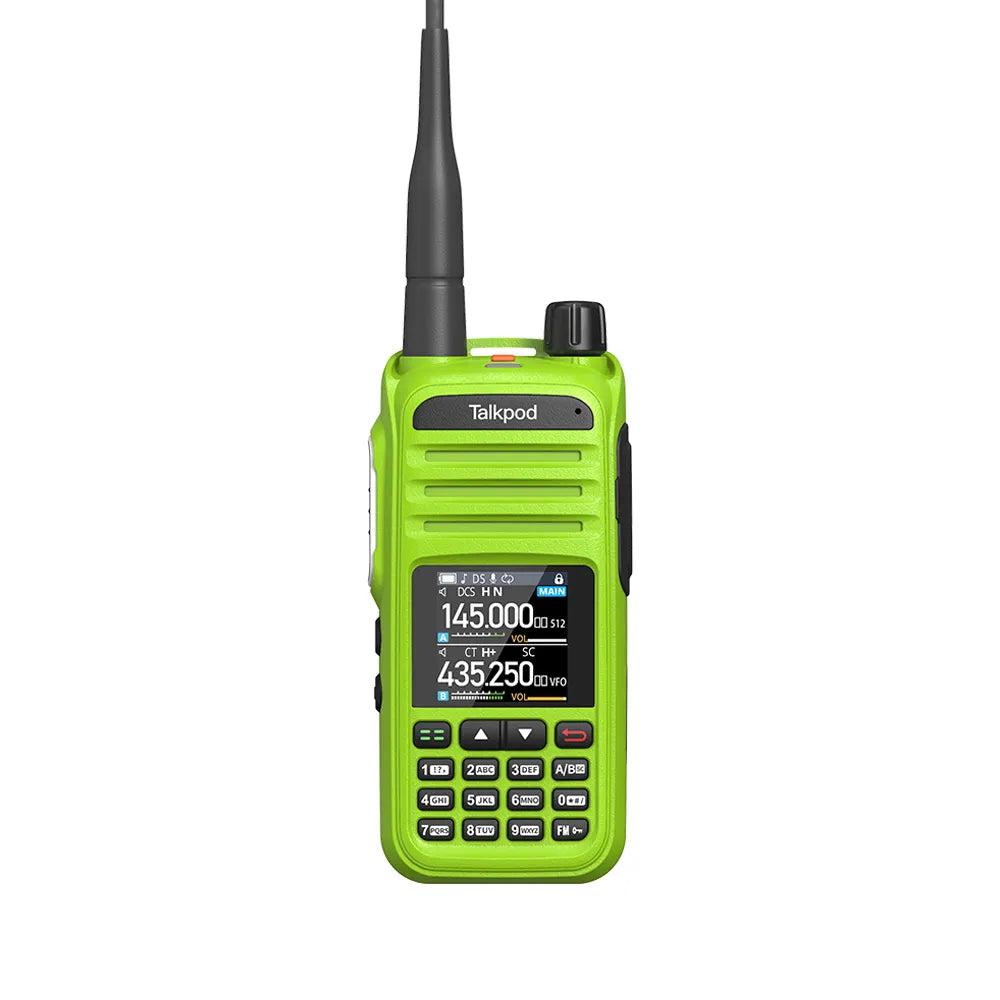
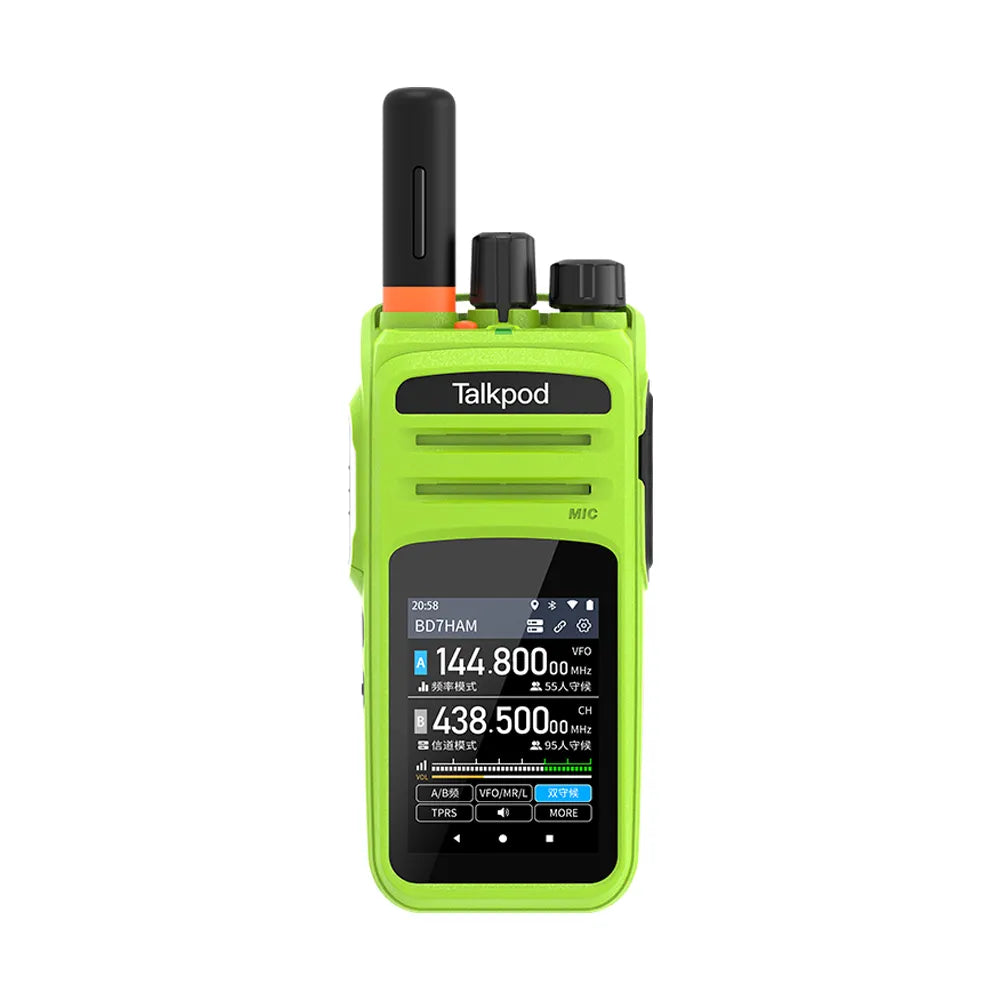
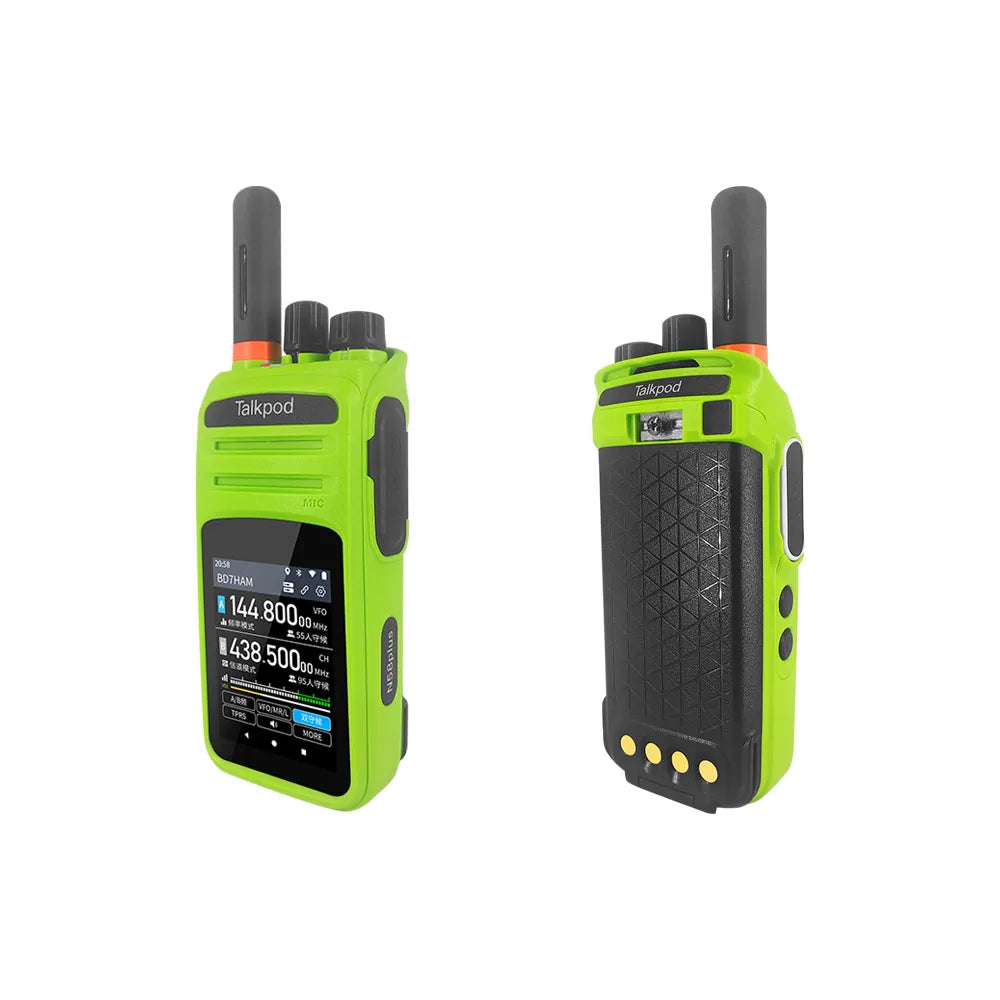
The Talkpod N56 public-network radio was introduced as an additional wide-area communication and dispatch tool, allowing personnel to remain connected through compatible mobile networks wherever suitable coverage is available.
Connecting inspectors across a dispersed county
Hazard inspection rarely takes place close to the office.
One team may be checking a hillside after heavy rain while another is visiting a village several kilometres away. Supervisors may need updates from both locations while coordinating other personnel elsewhere in the county.
The N56 uses compatible public mobile networks to support wide-area push-to-talk communication.
Authorized users can remain within managed communication groups even when they are far outside one another's direct radio range. An inspector can report conditions from the field, while supervisors and other teams receive the update through the appropriate group.
This reduces the number of separate calls needed to move information through the organization.
The practical advantage is not unlimited range. It is the ability to use available mobile infrastructure to connect personnel distributed across a much larger area than a conventional direct handheld system normally could.
Remote terrain remains a network challenge
The same mountains that make emergency inspection necessary can also make communication unreliable.
Valleys, isolated roads and sparsely populated areas may have weak or unavailable cellular coverage. Severe weather may further affect telecommunications infrastructure at exactly the moment when demand for communication is highest.
A public-network radio cannot remove that dependency.
For this reason, important patrol routes and known hazard locations should be tested using the actual mobile operators and devices intended for deployment.
Areas with weak coverage should be identified in advance, together with alternative communication procedures.
For emergency-management organisations, the N56 is most useful as one layer within a broader communications plan. Satellite systems, dedicated radio networks, ad hoc networking or other approved backup methods may still be required when public infrastructure is unavailable.
Reporting hazards from the place where they are found
An inspector who identifies an abnormal condition should not have to return to the office before the response begins.
With the N56, personnel can use push-to-talk communication to report observations while remaining at the inspection point.
That may include a change in a slope, blocked access, rising water or another condition that requires attention.
Supervisors can receive the report and coordinate follow-up personnel according to the bureau's established procedures.
The radio does not determine whether a condition constitutes an emergency, nor does it automatically issue a public warning.
Those decisions depend on verified information, professional assessment and the appropriate emergency-management process.
Its role is to shorten the communication chain between the person who sees the problem and the people responsible for deciding what happens next.
Using the dispatch platform to organize field teams
Wide-area voice communication becomes more useful when it is connected to a management platform.
The N56 can operate with a backend dispatch system that allows authorized users to manage accounts, communication groups and related functions remotely.
For a county emergency-management bureau, groups can be organized around geographic areas, duties or incident types.
Routine hazard-inspection traffic can remain within the appropriate team, while supervisors can coordinate a broader group when several departments or locations need to respond.
This helps prevent ordinary communication from overwhelming users during busy periods.
A good dispatch structure is not simply about connecting more people. It is about making sure the right people receive the right information at the right time.
One-touch SOS for personnel working alone
Field inspectors may spend long periods away from colleagues.
A fall, sudden weather event or other abnormal situation can leave an individual needing assistance quickly.
The N56 includes a dedicated SOS function that can provide a faster way to raise an alert than navigating through menus or making a conventional call.
When correctly configured with the platform, an SOS activation can notify designated personnel that the user requires attention.
The button does not automatically guarantee rescue, however.
Its effectiveness depends on network connectivity, platform configuration and the organisation's emergency-response procedure.
Personnel should know in advance who receives the alert, how it is acknowledged and what actions follow.
An SOS button is most useful when it is part of a practiced response process rather than treated as a standalone safety feature.
Clearer voice in outdoor environments
Mountain inspections are not always quiet.
Wind, vehicles, rainfall and nearby machinery can make weak audio difficult to understand. During an incident, repeated messages can add unnecessary delay.
The N56 uses digital voice processing and a high-output speaker intended to improve speech intelligibility in demanding field conditions.
This can make short operational messages easier to understand, particularly when personnel need to report a location or request support.
Critical information should still be confirmed.
If a message concerns evacuation, personnel safety or another important operational decision, clearer audio does not remove the need for verification through established procedures.
A radio does not replace the hazard-management system
Communication is only one part of emergency management.
The N56 does not detect landslides, measure rainfall, monitor river levels or determine whether an evacuation is necessary.
Nor should verbal information transmitted over the radio become the only formal record of an inspection.
Hazard observations, measurements and assessment results should still be entered into the organisation's approved monitoring, reporting or incident-management systems.
The radio helps move information quickly.
The formal systems preserve, verify and act on that information.
Keeping these roles separate becomes particularly important when field reports may influence major emergency decisions.
Training for normal days and difficult ones
Talkpod supported the Fu County deployment with platform configuration and practical training for personnel using the system.
Training should cover more than basic push-to-talk operation.
Users need to understand which group should receive an inspection report, how an SOS alert is handled, when information needs to be formally recorded and what to do when the public network becomes unavailable.
Scenario-based exercises are particularly valuable for emergency organisations because equipment that works well during ordinary patrols may be used very differently during a real incident.
The aim is to make communication procedures familiar before conditions become difficult.
Making communication resilience part of preparedness
The Talkpod N56 cannot guarantee uninterrupted communication across every mountain road or during every disaster.
That is precisely why it should be deployed as part of a layered plan rather than presented as a single complete solution.
Where mobile-network coverage is available, wide-area push-to-talk can connect inspectors, supervisors and response personnel across a large county. Backend dispatch can help organize those users, while SOS and digital voice functions provide additional support to personnel in the field.
Where public infrastructure becomes unreliable, other planned systems need to take over.
For an emergency-management organisation, resilience does not come from believing that one network will never fail.
It comes from knowing what each communication system can do—and having another option ready when it cannot.



Leave a comment
All comments are moderated before being published.
This site is protected by hCaptcha and the hCaptcha Privacy Policy and Terms of Service apply.