

Railway maintenance is often carried out far from the people coordinating it.
A bridge-inspection team may be working several kilometres from the nearest station. Another crew may be inside a tunnel, while supervisors and engineering personnel are distributed across separate maintenance areas.
For the Qinzhou railway maintenance section, this created a familiar problem. Conventional handheld radios remained useful within individual worksites, but direct radio range could make communication between distant teams difficult. Remote bridge and tunnel sections added another layer of complexity.
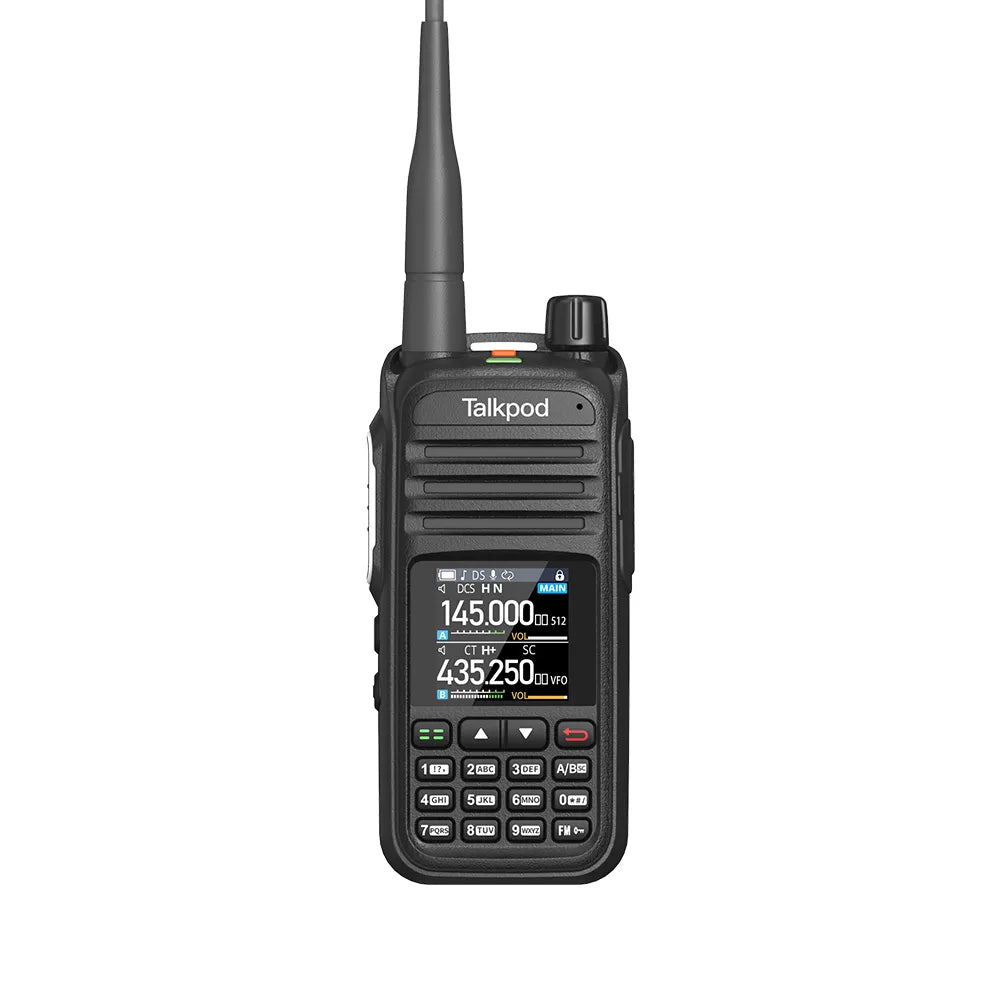
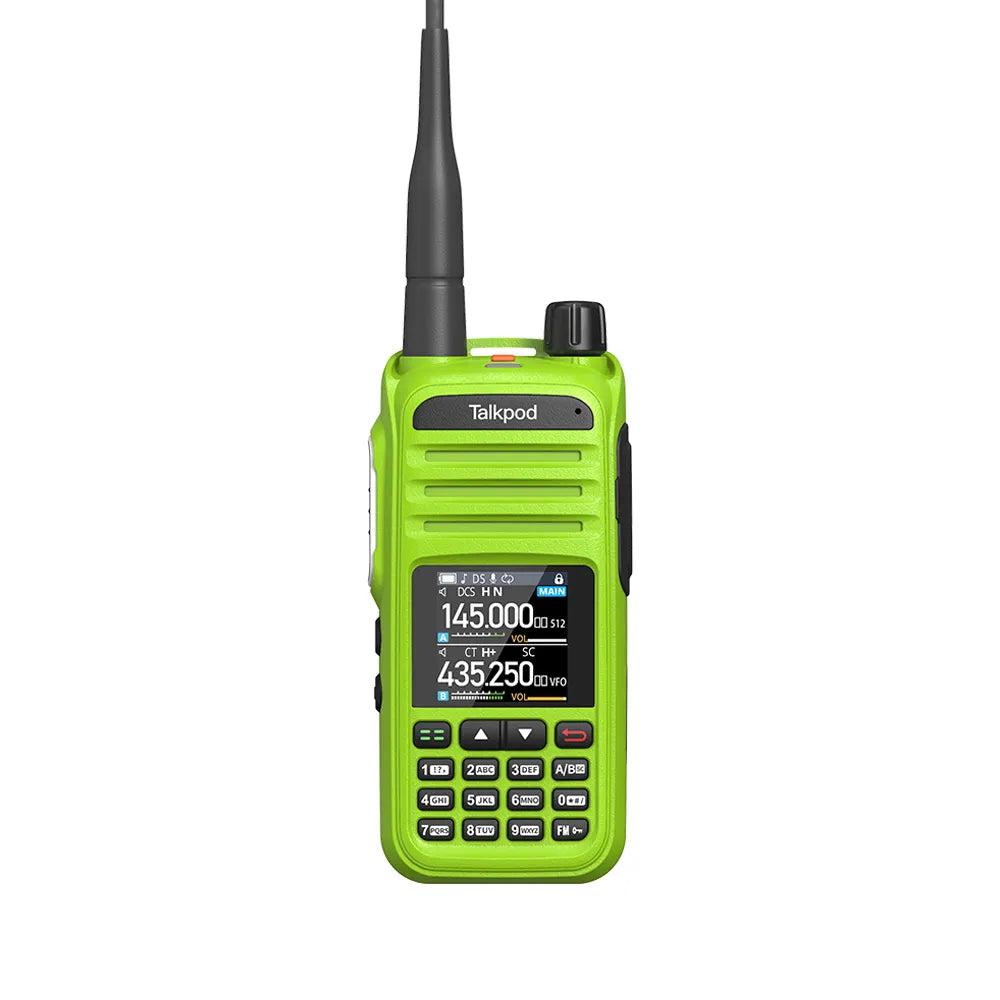
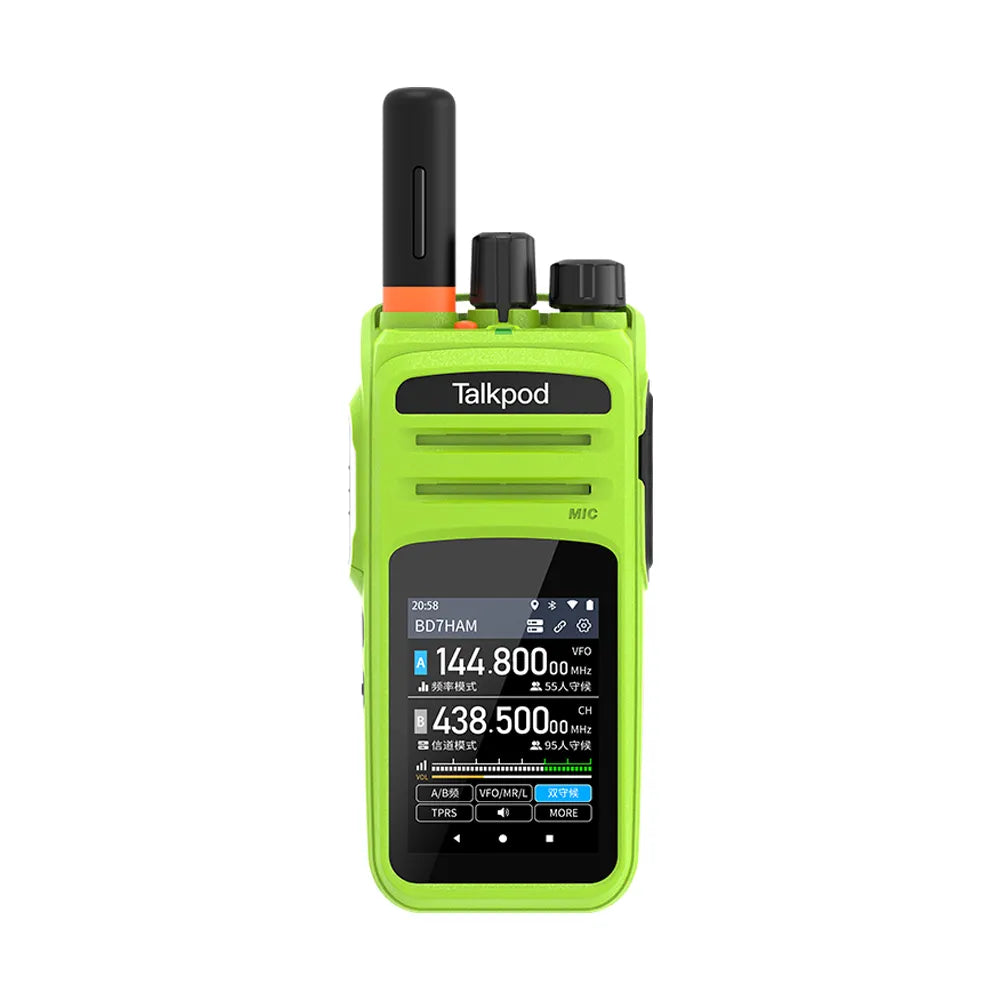
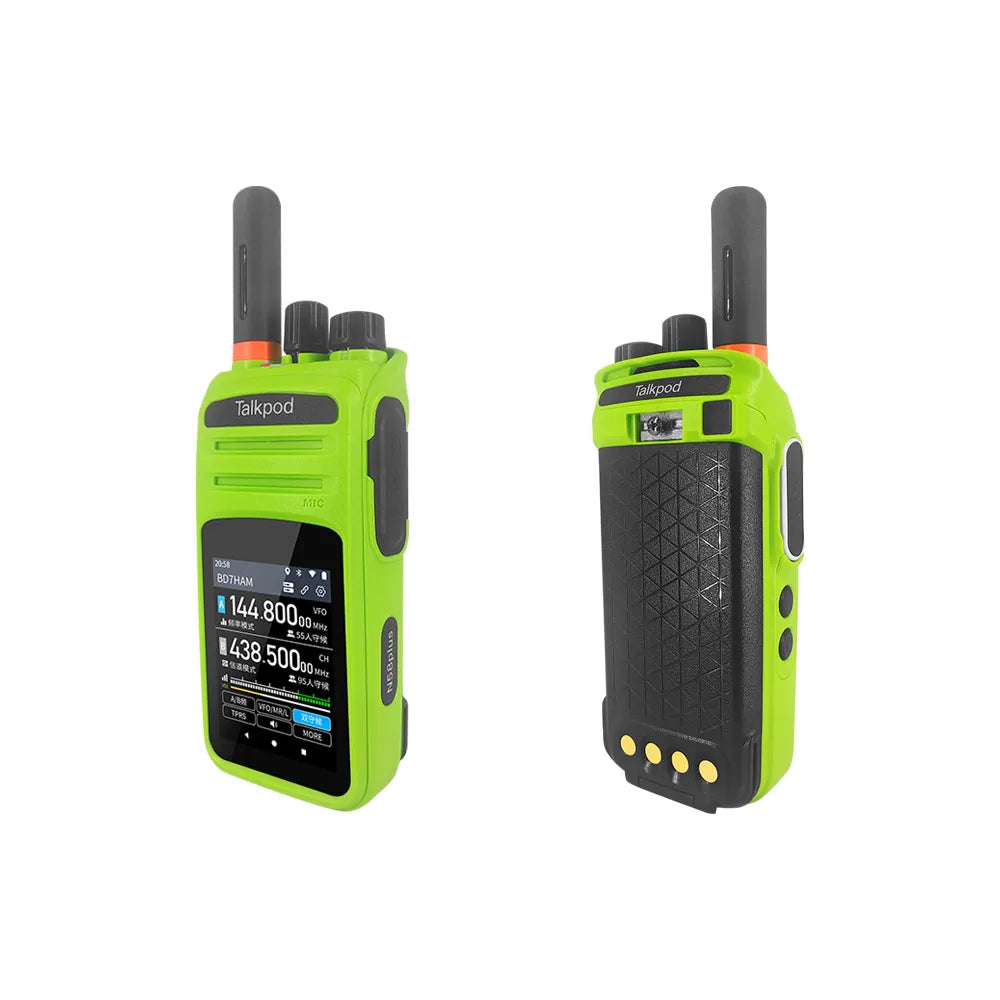
The Talkpod N56 public-network radio was introduced as an additional communication and dispatch tool, using compatible mobile networks to connect personnel across wider areas where suitable coverage is available.
Connecting maintenance teams across different sections
Railway infrastructure stretches continuously, but maintenance teams do not.
Crews may be responsible for different bridges, tunnels and track sections at the same time. When personnel are separated by distance, relying only on direct handheld-to-handheld communication can make coordination cumbersome.
The N56 uses public mobile networks to support wide-area push-to-talk communication.
Authorized personnel can remain within managed communication groups even when they are working in different maintenance areas. A bridge-repair crew can contact supervisors without returning to a fixed point, while another team elsewhere along the line can receive relevant updates through the appropriate group.
This reduces the importance of physical distance between users.
It does not eliminate the importance of network coverage.
Tunnels are where public-network limitations become most visible
A tunnel is one of the most challenging places for any radio system.
Concrete, rock and the enclosed geometry of the structure can limit both direct radio propagation and cellular service. Some tunnels may have dedicated network infrastructure; others may have weak coverage or none at all.
The N56 cannot create a mobile signal where no supporting infrastructure exists.
For that reason, communication should be tested along actual bridge and tunnel maintenance routes before deployment. Tunnel entrances, deep interior sections, cuttings and remote approaches should all be included.
Where coverage is insufficient, other approved railway communication systems and fallback procedures must remain available.
For safety-critical work, the N56 should complement—not replace—dedicated railway communications, worksite protection and formal operational procedures.
Faster reporting from the worksite
Bridge and tunnel maintenance can change quickly from routine inspection to fault response.
A worker may identify loose components, drainage problems, structural abnormalities or another condition requiring additional personnel.
Without an immediate communication link, the first delay may occur before the repair process even begins.
With the N56, field personnel can report conditions through push-to-talk communication while remaining at the inspection location. Supervisors can then coordinate the appropriate response according to established procedures.
This can reduce unnecessary travel and the need for repeated individual phone calls.
The radio helps information move faster. Decisions about traffic restrictions, engineering intervention or other operational measures remain the responsibility of authorized railway personnel.
Using predefined groups to simplify daily coordination
A large maintenance organization generates a great deal of routine communication.
Bridge teams, tunnel teams, supervisors and support personnel do not need to hear every message sent across the entire organization.
The N56 supports predefined communication groups that can be arranged around work areas or responsibilities.
Routine traffic can remain within a specific team, while supervisors retain the ability to communicate with broader groups when several crews need to coordinate.
This helps keep communication more orderly and reduces unnecessary radio traffic.
A well-designed group structure is not about connecting everyone to everyone else.
It is about ensuring that the right people hear the message that concerns them.
One-touch SOS as an additional field safeguard
Bridge and tunnel workers may operate at isolated locations or in environments where reaching a colleague quickly is difficult.
The N56 includes a dedicated SOS control that can provide a rapid way to raise an emergency alert.
When correctly configured with the backend platform, activation can notify designated personnel that the user may require assistance.
The feature should not be treated as an automatic rescue system.
Its effectiveness depends on network connectivity, platform configuration and the organization’s emergency procedures. Personnel should know who receives an SOS alert, how it is acknowledged and what response follows.
For workers at height or in remote railway locations, the button is most useful when it forms part of a clearly defined emergency process.
It does not replace fall protection, worksite supervision or rescue planning.
Clearer audio in noisy maintenance environments
Railway bridges and tunnels can be noisy workplaces.
Maintenance tools, ventilation equipment, nearby road traffic and passing trains can make speech difficult to understand.
The N56 uses a high-output speaker intended to make short voice messages easier to hear in demanding conditions.
This can help workers receive routine instructions without repeated calls.
Safety-critical information should still be confirmed according to railway procedures.
A louder speaker can improve intelligibility. It cannot guarantee that every message has been understood correctly.
A backend platform for wider-area dispatch
The N56 can also operate with a remote dispatch and management platform.
Authorized personnel can use the platform to manage accounts, communication groups and related functions without treating every radio as an isolated device.
For the Qinzhou maintenance section, this provides a more structured way to manage personnel distributed across different work areas.
Teams can be organized around maintenance responsibilities, while supervisors can make changes when shifts, work locations or operational requirements change.
The value is administrative as well as operational.
Good communication depends not only on the radio in a worker's hand, but also on whether the communication structure behind it reflects the way the organization actually works.
Training around bridge and tunnel workflows
Introducing a new communication platform requires more than handing devices to personnel.
Talkpod provided account configuration, group setup guidance and operational training to help maintenance teams become familiar with the system.
Training can be built around real situations: which group should receive a bridge-inspection report, how an SOS alert is handled, what to do when network coverage disappears inside a tunnel, and how supervisors should reorganize groups when crews move between worksites.
This makes the technology easier to integrate into existing railway maintenance procedures.
Ongoing technical support also gives administrators a way to adjust the system as operating requirements change.
Communication should support, not distract from, high-risk work
Bridge and tunnel maintenance already demands concentration.
Personnel may be working close to operating railway infrastructure, at height or in confined sections where environmental awareness matters more than the device in their hand.
The communication system should therefore remain simple.
Push-to-talk operation, predefined groups and a dedicated emergency control reduce the number of steps required for routine use.
The less attention the radio demands, the more attention workers can give to the worksite itself.
Making distance less disruptive to railway maintenance
The Talkpod N56 does not inspect a bridge, repair a tunnel or protect a work crew from every hazard.
It also cannot guarantee communication in every remote or underground section of a railway.
Its role is more practical.
Where suitable mobile-network coverage exists, the N56 gives bridge and tunnel maintenance personnel another way to communicate across wider distances. Predefined groups help organize teams, the dispatch platform supports centralized management, and SOS provides an additional route for raising an alert.
For the Qinzhou railway maintenance section, the value lies in reducing the communication gaps between people who may be working far apart.
On a railway, the infrastructure connects distant places.
A good communication system should help the people maintaining it do the same.



Leave a comment
All comments are moderated before being published.
This site is protected by hCaptcha and the hCaptcha Privacy Policy and Terms of Service apply.