

A large hotel operates more like a small campus than a single building.
Guest rooms may be spread across several towers. Banquet halls and conference spaces can sit apart from restaurants, kitchens and service corridors. Security, engineering and front-of-house teams may all be working in different parts of the property at the same time.
For a Hilton hotel complex with multiple accommodation areas, conference facilities, dining spaces and surrounding service zones, this creates a simple operational problem: the person receiving a guest request is often not the person who can solve it.
Traditional handheld radios can work well within a local area, but dense walls, separate buildings and long distances across a property can make direct radio coverage less predictable.
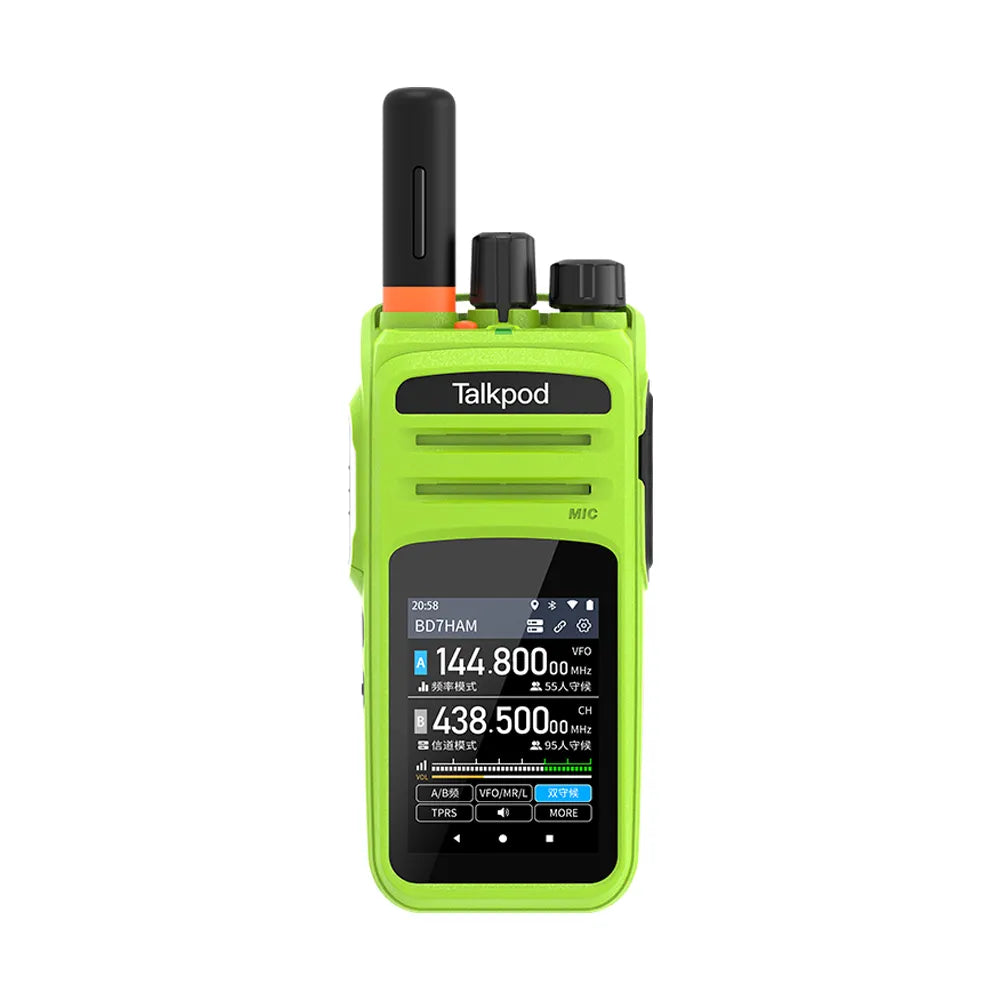
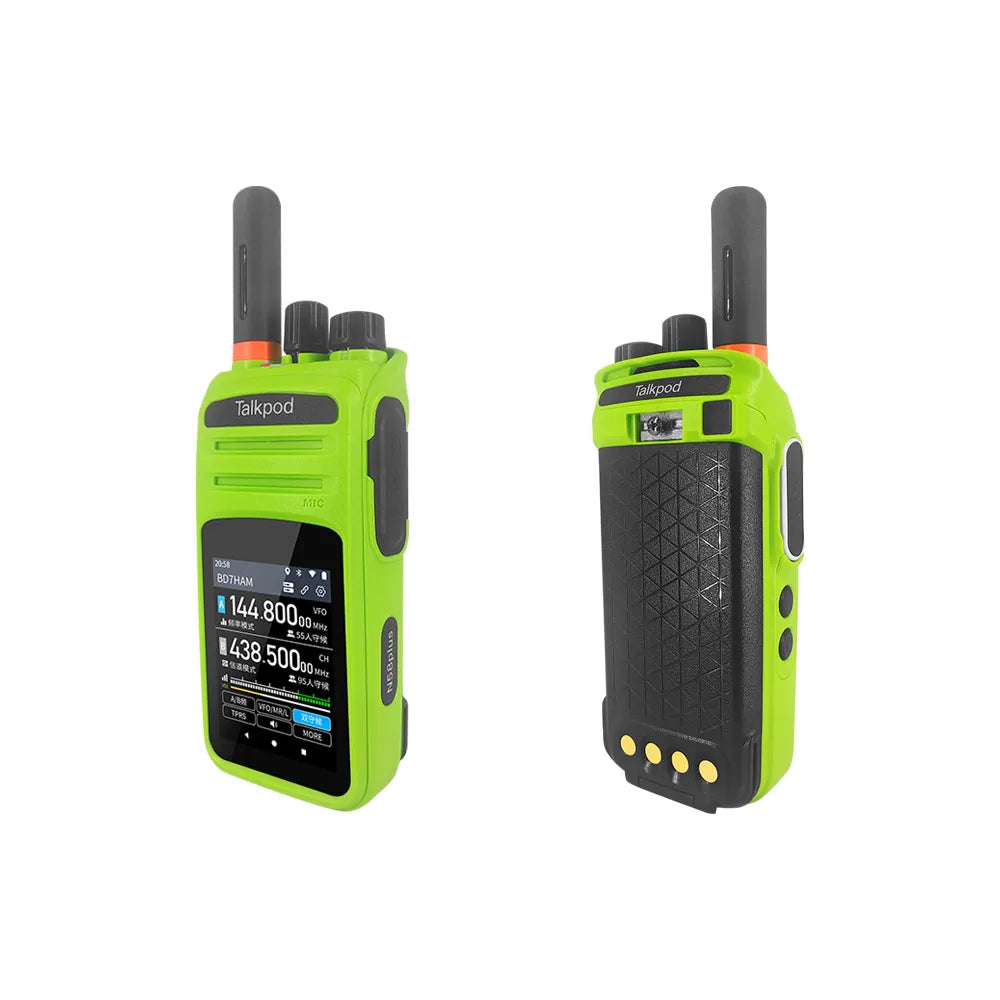
The Talkpod N56 public-network trunked radio uses compatible mobile networks to provide a wider-area push-to-talk layer, supported by managed groups and backend dispatch tools. Where suitable network coverage is available, it can help hotel teams stay connected across parts of the property that would otherwise be difficult to coordinate through a single local radio system.
Connecting teams across a large hotel property
The communication challenge in a hotel complex is often created by separation.
A banquet manager may be in a ballroom while kitchen staff are preparing food in another part of the building. Front-office personnel may be handling a guest request while engineering is working several floors away. Security may be covering entrances or outdoor areas.
The N56 carries push-to-talk traffic through compatible public mobile networks rather than relying entirely on direct radio-to-radio range.
This can make it easier for employees in different buildings or operating zones to remain within the same managed communication structure.
The useful advantage is wider-area coordination.
It should not be described as guaranteed “full coverage.”
Basements, underground parking areas, enclosed kitchens and heavily reinforced parts of a hotel can all affect mobile-network performance. The actual property should therefore be tested before the radios are relied upon for daily operations.
Faster coordination during large banquets
Banquet operations can change quickly.
A table may need additional seats. A guest may request an alternative meal. Service staff may need more tableware, while kitchen personnel are already handling several courses for hundreds of guests.
These situations often involve several departments at once.
Using predefined groups on the N56, a banquet manager can quickly reach front-of-house, kitchen and banquet-service personnel without making several individual calls.
That can reduce the time spent passing the same information from one person to another.
The benefit is particularly noticeable during high-volume events, where a small communication delay can quickly become a service delay.
Food-allergy requests need both speed and formal control
A guest reporting a food allergy is different from an ordinary service request.
The information needs to reach the relevant kitchen and service personnel quickly, but it also needs to be handled accurately.
A radio can help start that coordination.
For example, a banquet manager can alert the kitchen team that an allergy-related meal change requires attention.
But the radio should not become the only record of the request.
Allergen details, meal identity, table or guest reference, preparation requirements and final verification should remain within the hotel's approved ordering, kitchen and food-safety procedures.
A voice message can accelerate the response.
It should not replace the controls designed to prevent an allergen-related mistake.
Managed groups reduce unnecessary radio traffic
Large hotels generate a considerable amount of internal communication.
Housekeeping does not need to hear every banquet instruction. Kitchen staff do not need routine security traffic. Engineering teams should not be distracted by every front-desk request.
Public-network trunked communication allows the hotel to organize users into groups based on role or operating area.
Banquet service, kitchen, engineering, security and front-of-house teams can each have their own normal communication structure, while authorized supervisors can coordinate across groups when a situation requires several departments.
This keeps everyday traffic more focused.
The objective is not to put everyone on the same channel.
It is to make sure that the right people hear the right information.
Cloud dispatch provides a management layer
The N56 can also work with a centralized backend dispatch environment.
For hotel administrators, this creates a more structured way to manage user accounts, groups and communication relationships across a larger radio fleet.
The source also describes ongoing backend access and secondary-development support for the hotel deployment.
That can be useful when the communication workflow needs to evolve around the property's operational systems or service structure.
Any deeper integration should still be treated according to the actual interface, permissions and security configuration rather than assumed to work universally with every hotel platform.
A useful dispatch system is one that reflects the hotel's real operating structure—not simply one that exposes more technical features.
IP66 helps with demanding service environments
The source specifies an IP66 ingress-protection rating for the N56.
That provides defined protection against dust and powerful water jets, which can be useful in service environments where radios may be exposed to moisture, cleaning activity or outdoor conditions.
It should not, however, be interpreted as permission to immerse the radio or ignore normal equipment care.
Hotel staff should still store, clean and charge the device according to the manufacturer's instructions.
Ingress protection is a useful durability feature.
It is not a substitute for routine fleet maintenance.
Simple controls matter during service
Hospitality staff often use a radio while carrying trays, paperwork or service equipment.
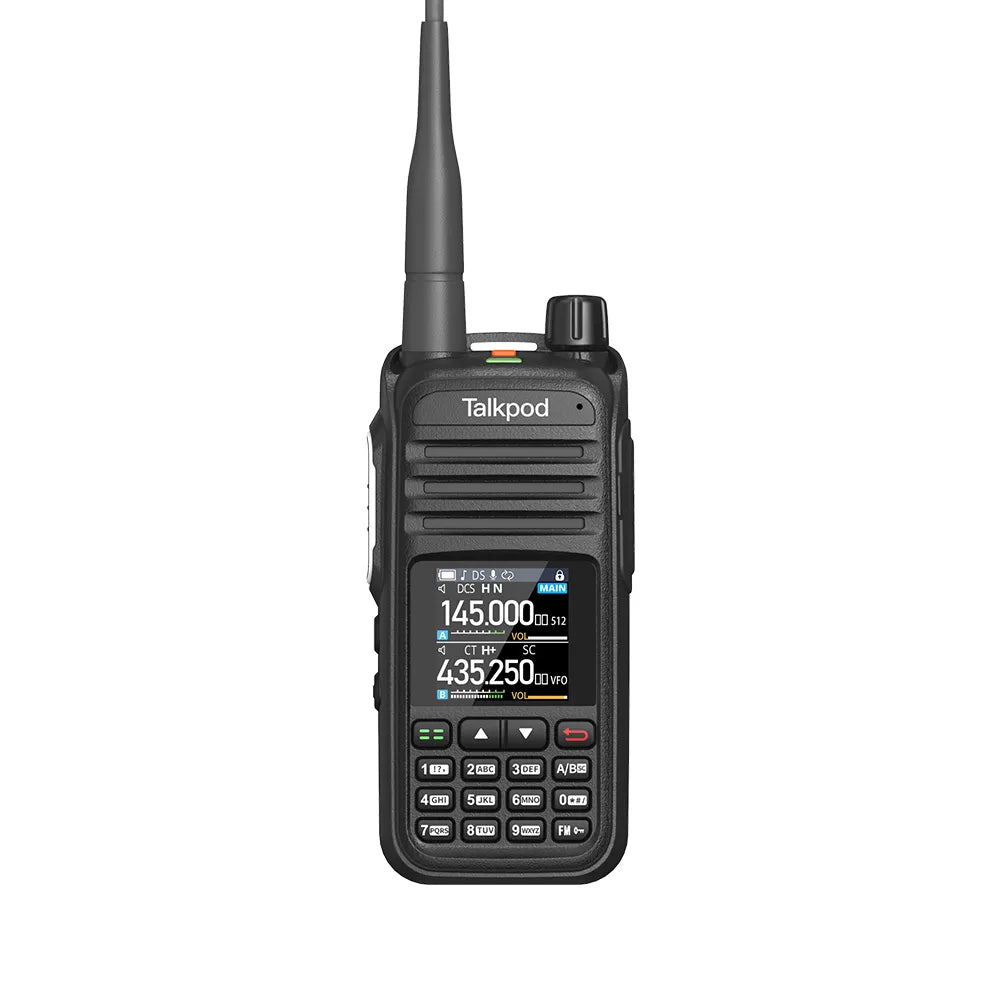
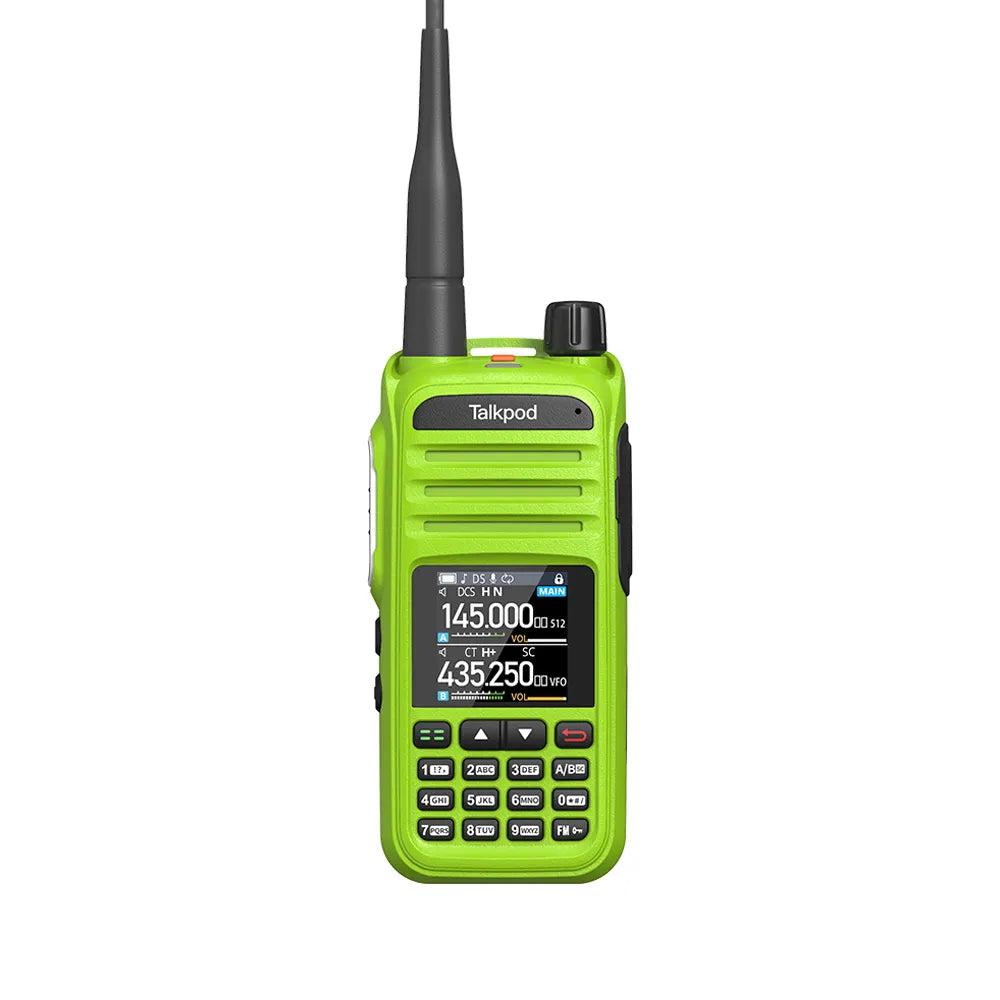
The N56 combines a color display with straightforward physical controls and a textured handheld body intended for frequent operational use.
That can make routine functions easier to access without requiring staff to navigate complicated menus while serving guests.
In a hotel environment, ease of operation is especially important because radio users may include employees from several departments with different levels of technical experience.
The less attention the device requires, the more attention staff can give to the guest in front of them.
Guest information still needs privacy discipline
Hotel radio communication can occasionally involve personal information.
Room numbers, guest names, medical needs, payment issues or other sensitive details should not automatically be spoken over a shared communication group simply because the radio is convenient.
The N56 can help employees coordinate operational tasks, but sensitive guest information should remain within the hotel's authorized property-management, service or security systems whenever possible.
A short radio message such as “front desk assistance needed in the banquet hall” may be sufficient.
The detailed guest information can then be handled through the appropriate secure workflow.
Good hotel communication depends not only on reaching staff quickly, but also on knowing what should—and should not—be said over voice.
Public-network communication still needs a fallback
The N56 can reduce many of the range limitations associated with conventional direct handheld radios, but it depends on mobile-network and platform availability.
A large hotel should therefore test the actual locations where radios will be used, including guest towers, banquet halls, kitchens, service corridors, parking areas and outdoor spaces.
Weak areas should be identified in advance.
If communication is important to emergency or security operations, the hotel should also maintain suitable alternatives rather than treating a public-network system as the only available channel.
Resilience comes from knowing the limits of the system before a busy event exposes them.
Making premium service easier to coordinate
The Talkpod N56 does not create good hospitality on its own.
What it can do is reduce some of the communication friction behind it.
A banquet manager can reach several departments more quickly. Kitchen and service teams can coordinate around last-minute changes. Managed groups reduce unrelated traffic, while backend dispatch provides a clearer structure for a large property.
For a hotel complex, those small improvements can matter.
Guests may never see the radio or the dispatch platform.
They simply notice that an extra seat appears quickly, an engineering problem reaches the right person or a special meal request is handled without unnecessary delay.
That is the most useful role for communication technology in hospitality: not becoming part of the guest experience, but making the experience run more smoothly behind the scenes.



Leave a comment
All comments are moderated before being published.
This site is protected by hCaptcha and the hCaptcha Privacy Policy and Terms of Service apply.