

Railway vehicle maintenance rarely happens in one place.
At Nanjing East Railway Depot, inspection and repair teams work across multiple workshops and operating areas. Technicians may be examining vehicles on one side of the site while supervisors and supporting crews are working elsewhere. Inside maintenance halls, machinery, tools and vehicle movement create constant background noise, making short operational messages harder to hear.
Conventional handheld radios can also become less practical when teams move beyond the coverage of the same local radio system.
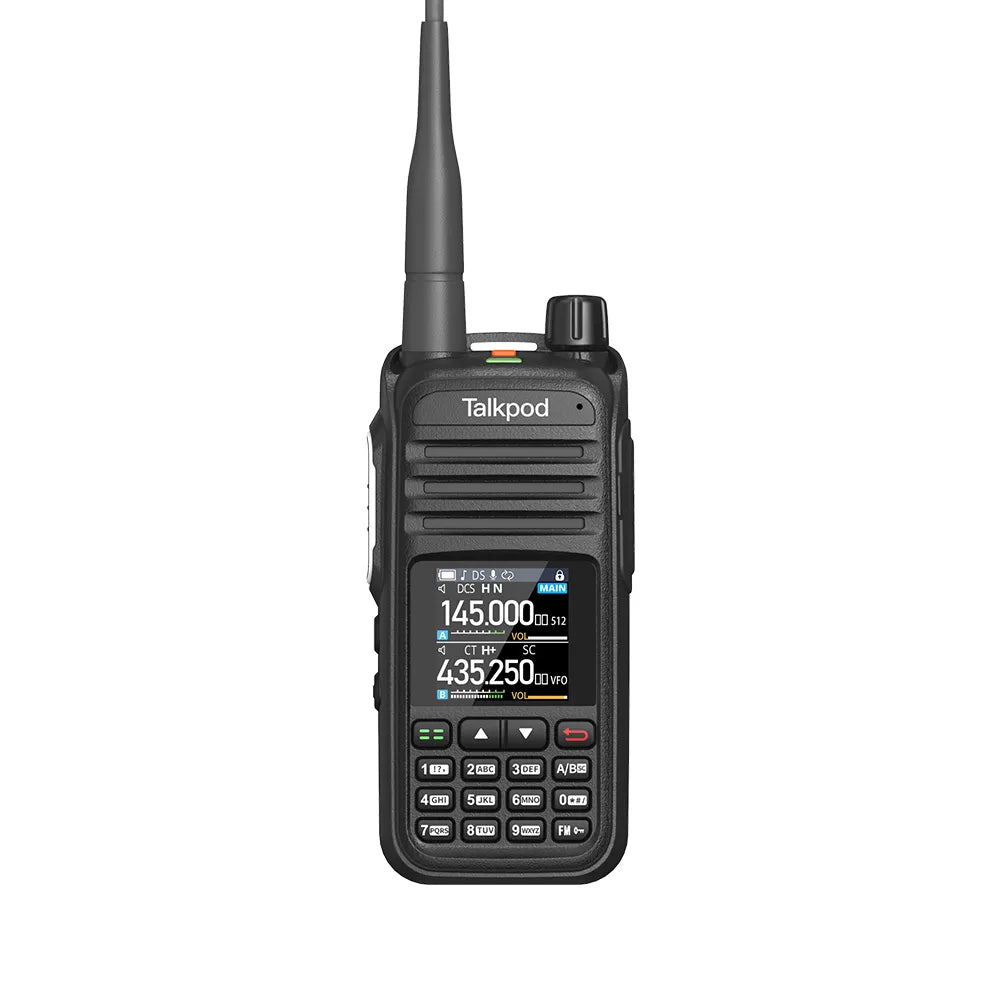
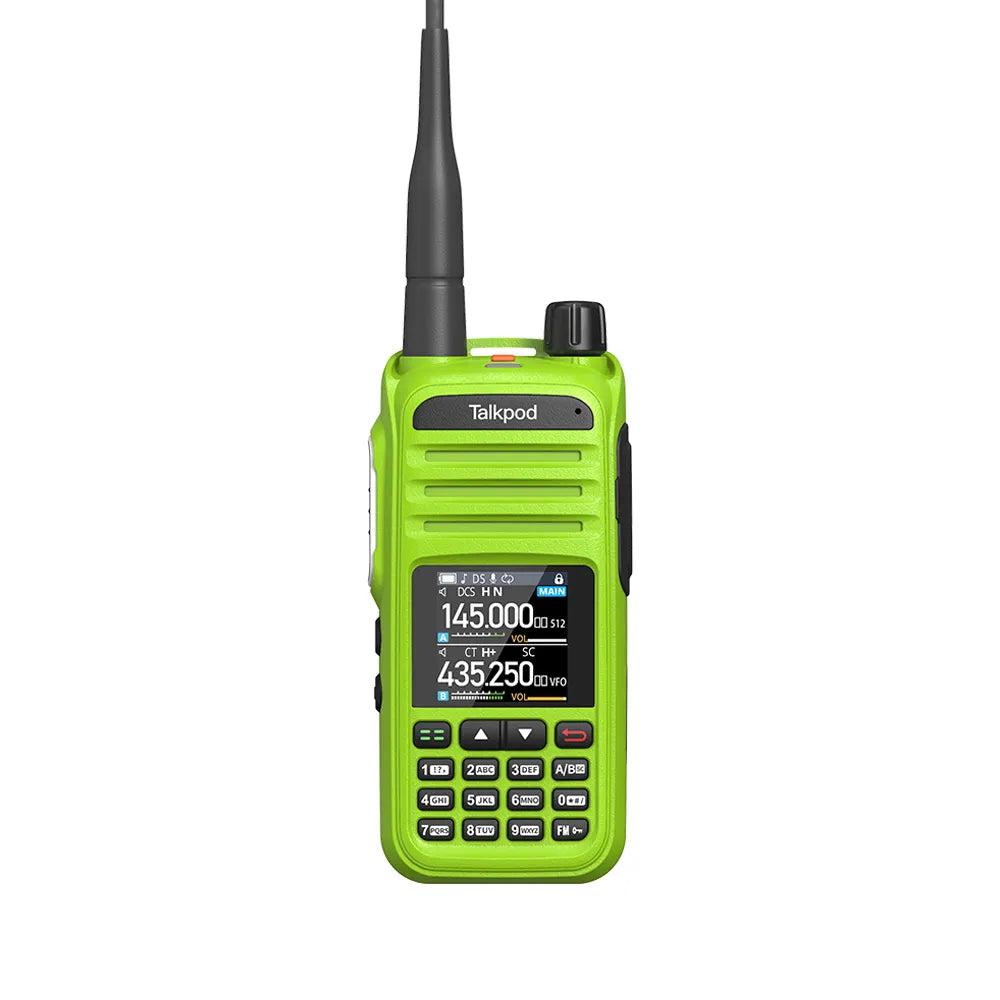
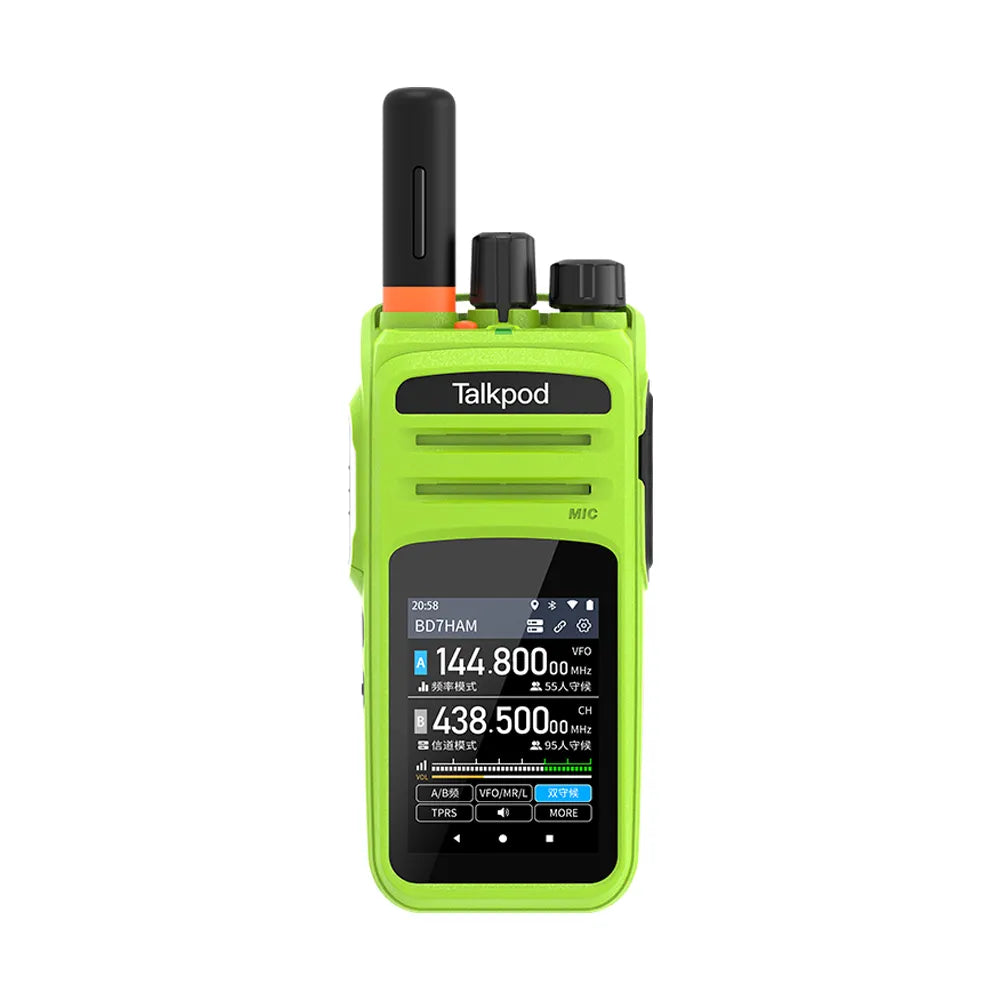
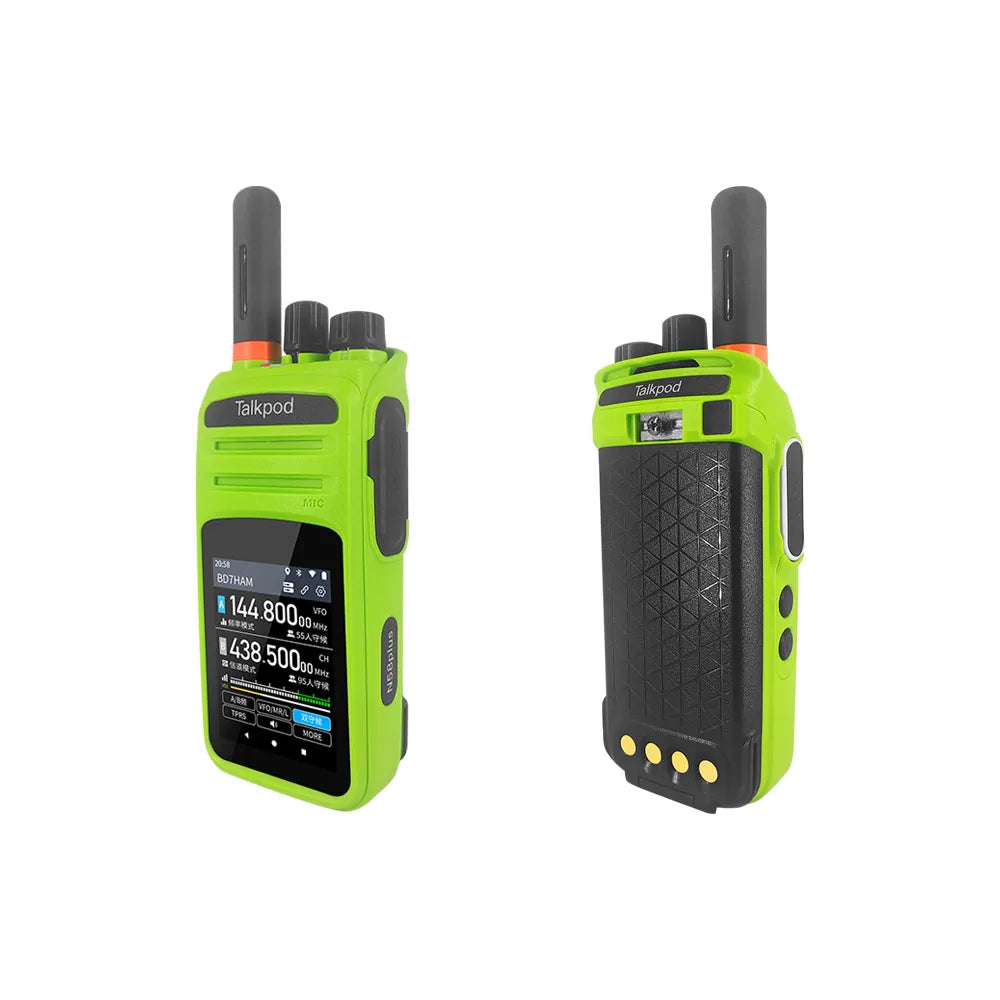
The Talkpod N56 public-network radio provides an additional wide-area push-to-talk communication layer for these dispersed teams wherever compatible mobile-network coverage is available. Combined with digital voice, backend dispatch and one-touch alerts, it can help shorten the communication path between the people who find a problem and those responsible for coordinating the response.
Extending communication across a large maintenance site
A large railway depot can contain several maintenance workshops, inspection areas and support facilities.
When teams are spread across these locations, communication based entirely on direct handheld-radio range can become restrictive.
The N56 carries push-to-talk traffic through compatible public mobile networks, allowing personnel in different areas to remain within the same managed communication structure where network service is available.
A technician can report an inspection result from the work location, while a supervisor elsewhere can receive the information and coordinate the appropriate team without waiting for the worker to return to a fixed point.
The advantage is wider-area coordination rather than literally unlimited range.
Network quality can still vary between outdoor areas, workshops and heavily structured buildings, so real operating locations should be tested before deployment.
Clearer communication in noisy workshops
Railway maintenance halls are rarely quiet.
Power tools, machinery, ventilation and vehicle movements can all compete with radio audio.
The N56 uses digital voice processing and speaker output designed to make short operational messages easier to understand in these conditions.
That can help technicians confirm inspection findings, request support or report maintenance progress while remaining close to the vehicle they are working on.
For safety-related instructions, however, one transmission should not automatically be assumed to have been understood.
Important information should still be repeated, acknowledged or recorded according to the depot's established procedures.
Reducing unnecessary steps for frontline workers
Maintenance personnel often use radios while wearing gloves, holding tools or working in confined positions around railway vehicles.
In that environment, complicated device operation quickly becomes a disadvantage.
The N56 is designed around straightforward controls and preset communication groups, reducing the need for users to repeatedly adjust settings during routine work.
This allows technicians to reach the appropriate team more quickly without spending unnecessary time navigating menus.
The source also describes maintenance areas with significant oil contamination.
As with other handheld equipment used in workshop environments, radios should be cleaned and maintained according to the manufacturer's instructions and the depot's equipment-management procedures. Oil, dirt or physical damage should not simply be ignored because the device is described as rugged.
Organizing communication through preset groups
A railway depot may have several maintenance teams working at the same time.
If everyone receives every radio conversation, communication can quickly become crowded.
For the Nanjing East deployment, Talkpod configured communication groups around the depot's working structure.
Routine traffic can therefore remain within the relevant team, while supervisors can coordinate across groups when a maintenance issue requires support from several departments.
This helps reduce unrelated radio traffic and gives frontline personnel a clearer idea of where to report a problem.
The result is not necessarily more radio communication.
It is more structured communication.
Linking radios with the dispatch platform
Talkpod also configured the devices to work with the depot's local dispatch environment.
The backend platform can help administrators organize accounts, groups and communication relationships across the radio fleet.
For supervisors, this provides a more centralized way to manage communication between distributed work teams instead of treating every handheld device as an isolated endpoint.
Integration should still be understood according to the actual system configuration.
Rather than describing the connection as universally “seamless,” it is more accurate to say that the radios and dispatch workflow were configured and tested for the depot's operational requirements.
One-touch alerts for abnormal situations
Equipment faults and unexpected situations can require rapid notification.
The N56's alert function provides an additional way for a worker to notify designated personnel without navigating through several operating steps.
Its usefulness depends on the response process behind it.
The depot should define who receives an alert, how it is acknowledged and what happens next.
The function also depends on device status, network connectivity and platform configuration.
It should therefore complement established railway emergency procedures rather than be treated as an automatic rescue or safety system.
Public-network radios remain a supplementary railway tool
The N56 can make everyday maintenance coordination more flexible, but its role needs to remain clearly defined.
Public-network push-to-talk depends on mobile-network availability. Workshops with reinforced structures or other shielded areas may produce weaker service than outdoor sections of the depot.
Coverage should therefore be tested in the actual maintenance halls and operating areas where the radios will be used, with alternative communication methods retained where necessary.
More importantly, the N56 should not replace dedicated railway communication systems or formal operating procedures.
Shunting authority, train movement instructions and other safety-critical railway communications must continue to use the designated systems and processes required by the operator.
Making maintenance communication easier to manage
Talkpod's deployment at Nanjing East Railway Depot included device configuration, preset groups, dispatch-platform integration and practical training for frontline users.
Taken together, these measures can make routine maintenance communication easier to organize.
A technician can report a defect from the work location. A supervisor can route the information to the appropriate team. An alert can provide an additional path for urgent notification. Digital voice can help messages remain understandable in a noisy workshop.
None of these features replaces the technical procedures that determine whether a railway vehicle is safe to return to service.
Their role is simpler: to reduce avoidable communication delays around those procedures.
In a maintenance depot where many teams must work in parallel, that can make everyday operations easier to coordinate and manage.



Leave a comment
All comments are moderated before being published.
This site is protected by hCaptcha and the hCaptcha Privacy Policy and Terms of Service apply.