

Railway maintenance is spread along the line.
Track workers may inspect one section in the mountains while another crew is repairing equipment several kilometres away. Supervisors coordinate from a work area or dispatch point, and an unexpected defect can require several teams to respond at once.
For the Changsha railway maintenance section, geography made that coordination more difficult. The lines under its responsibility pass through mountainous terrain and tunnels, where distance and physical obstructions can limit conventional handheld-radio communication.
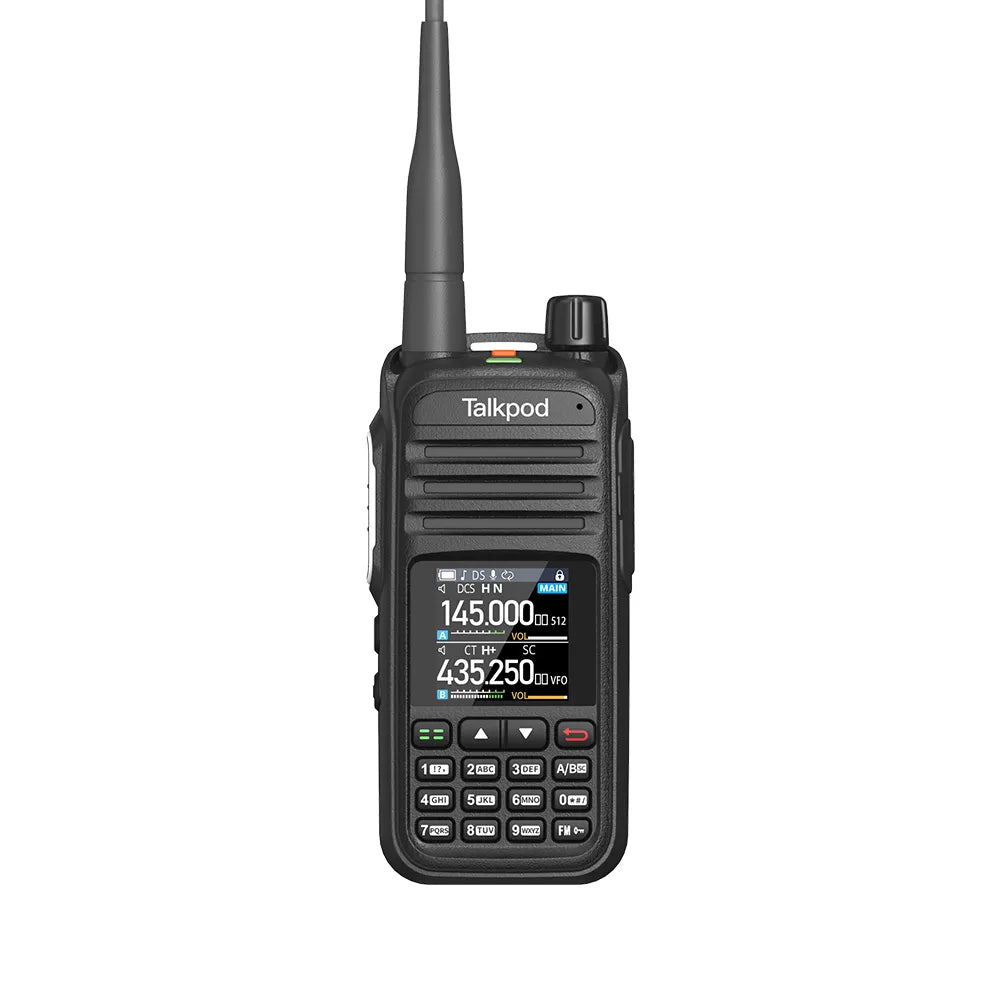
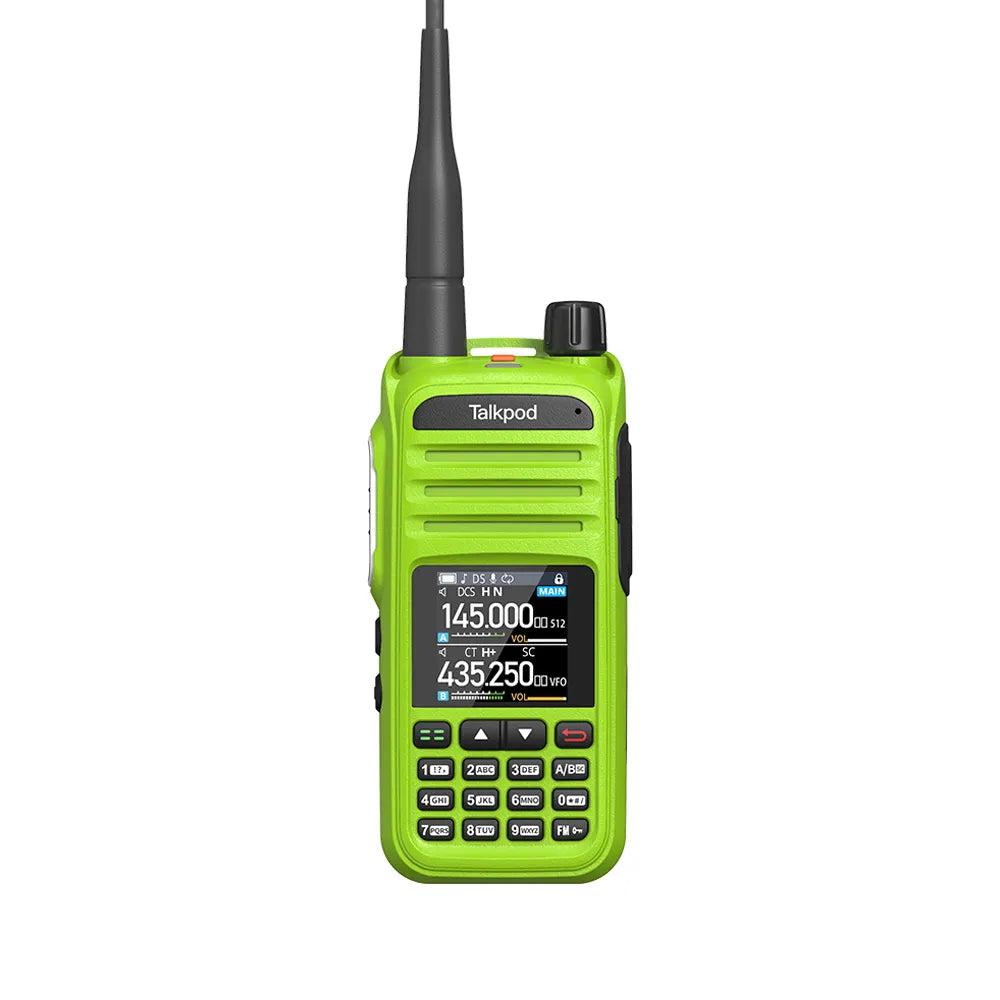
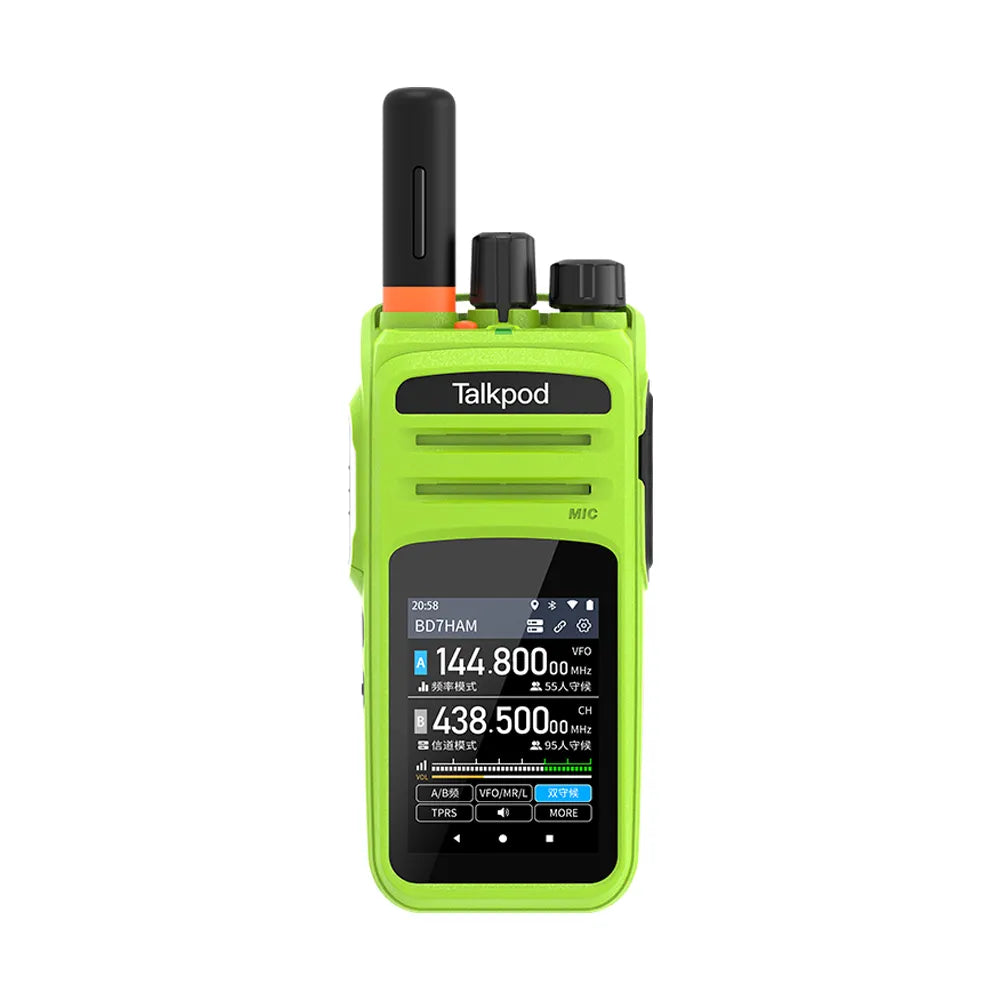
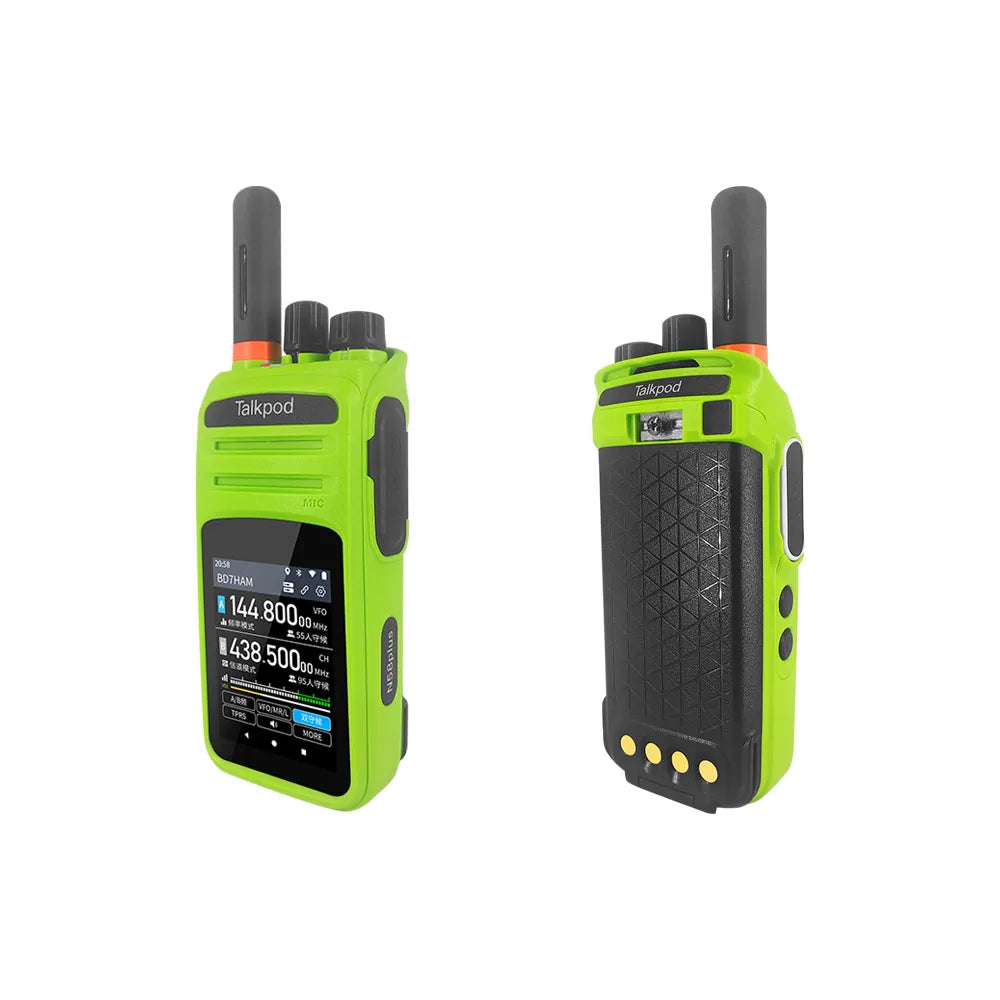
The Talkpod N56 public-network radio was introduced as an additional wide-area communication and dispatch tool, allowing maintenance personnel to remain connected through compatible mobile networks wherever suitable coverage is available.
Connecting maintenance teams across different work areas
Railway maintenance rarely takes place within one compact site.
Inspection teams may be distributed along many kilometres of track, while engineering personnel, supervisors and support staff work from different locations.
A conventional direct radio link can be effective within a local work area, but it becomes less practical when crews are separated by long distances or terrain.
The N56 uses compatible public mobile networks to support wide-area push-to-talk communication.
This allows authorized personnel in different work areas to remain within managed communication groups without depending solely on the direct radio range between individual handhelds.
A track inspector can report a defect from the field. Another crew can receive an update from elsewhere along the line, while supervisors can coordinate personnel through the same communication structure.
The practical benefit is not “unlimited range.” It is the ability to use available mobile infrastructure to connect teams that would otherwise be outside one another’s direct radio coverage.
Public networks help with distance, but tunnels remain difficult
Railway tunnels illustrate both the advantage and the limitation of public-network radios.
Outside the tunnel, a 4G-based device may provide wide-area communication over substantial distances. Inside a tunnel, however, radio and cellular signals depend heavily on the infrastructure installed along that section.
Long tunnels, cuttings, mountainous routes and other shielded locations may have weak or unavailable public-network coverage.
The N56 cannot create cellular coverage where none exists.
For that reason, railway operators should test communication along real maintenance routes, particularly inside tunnels, at tunnel portals, in cuttings and on remote mountain sections.
Where public-network service is unreliable, other approved communication systems and fallback procedures must remain available.
For safety-critical railway work, the N56 should complement rather than replace dedicated railway communication systems and operational protection procedures.
Faster reporting when a defect is found
Routine inspection can turn into fault response within minutes.
A worker may discover damaged track components, drainage problems, an obstruction or another abnormal condition requiring additional personnel.
Without a reliable communication link, the first delay may occur before repair work even begins.
With the N56, field personnel can report the situation through push-to-talk communication while remaining at the inspection point. Supervisors can then coordinate the appropriate maintenance team according to established procedures.
This reduces the need to return to a fixed location simply to pass information or make a series of individual telephone calls.
The radio does not determine whether a line should be restricted, closed or repaired immediately. Such decisions remain subject to railway operating rules and authorized personnel.
Its role is to shorten the communication chain between finding a problem and bringing the right people into the response.
A dispatch platform for managing a dispersed workforce
Wide-area voice communication becomes more useful when it is connected to a management platform.
The N56 can operate with a client-based dispatch system that allows authorized supervisors to manage users, groups and related communication functions remotely.
For a railway maintenance organization, groups can be organized around work areas, teams or responsibilities.
Routine inspection traffic can remain within the relevant group, while supervisors can communicate across several groups when a fault requires wider coordination.
This is particularly useful when several work sites are active simultaneously.
Rather than treating every radio as an isolated device, the platform provides a more structured way to manage the people using them.
One-touch SOS for field personnel
Railway maintenance can involve personnel working at isolated locations, sometimes away from the rest of the team.
The N56 includes a prominent SOS control that can provide a quick way for a user to raise an emergency alert.
When correctly configured with the platform, an SOS activation can notify designated personnel that assistance may be required.
The function should not be interpreted as automatically dispatching a rescue team or guaranteeing the user’s exact location.
Its effectiveness depends on network availability, platform configuration and the organisation’s response procedures.
A useful SOS system therefore requires more than a button. Personnel need to know who receives the alert, how it is acknowledged and what actions follow.
Communication beside an active railway
Trackside environments can be noisy.
Maintenance machinery, passing trains, vehicles and wind can make weak audio difficult to understand, particularly when workers are wearing protective equipment.
The N56 uses a high-output speaker intended to make voice communication easier to hear in demanding outdoor environments.
This can reduce unnecessary repetition during routine coordination.
Safety-critical instructions should still be confirmed according to railway procedures. Clearer audio is valuable, but it does not remove the need to verify information when personnel are working around operating railway infrastructure.
Equipment for outdoor maintenance work
A railway handheld radio spends much of its life outdoors.
It may be carried along ballast, used in rain or dust and repeatedly handled throughout a maintenance shift.
The N56 uses a textured housing designed for regular field use, helping personnel maintain a more secure grip while moving around outdoor work sites.
Durability should nevertheless be judged from the product’s specified environmental ratings rather than general claims that the device can withstand every condition.
A radio that has suffered serious impact, water ingress or enclosure damage should be inspected before returning to operational use.
Railway maintenance equipment has to remain dependable because it is used repeatedly, not because it is assumed to be indestructible.
Training and technical support after deployment
Introducing a new radio platform also changes the way people communicate.
Talkpod provided technical support and operating guidance based on the distribution of the Changsha maintenance section’s work areas.
This included assistance with platform setup and adjustments required during day-to-day use.
Such support is particularly useful during the early stages of deployment.
Teams need to learn which communication groups should be used, how the dispatch platform fits existing workflows and what to do when network coverage becomes unavailable.
The objective is for the N56 to fit into railway maintenance procedures already understood by personnel rather than create a separate communication process around the device.
Measuring the result carefully
According to the deployment feedback provided for the project, coordination became more efficient and emergency-response time was reduced by close to 30 percent.
Such figures are most useful when tied to a defined baseline and measurement method. Response times can also be influenced by staffing, work processes, incident type and network conditions.
The more durable operational benefit is easier to describe.
Field teams can pass information without returning to a fixed point. Supervisors can communicate with personnel across several work areas. Routine dispatch becomes easier to organize through a common platform.
These changes remove small communication delays that can accumulate across a large maintenance network.
Making distance less disruptive to railway maintenance
The N56 does not maintain the track.
It does not detect a defect, authorize work on the line or replace the railway’s dedicated operational communication and protection systems.
What it can do is reduce the communication distance between the worker who finds a problem and the people responsible for acting on it.
Where suitable mobile-network coverage exists, wide-area push-to-talk can connect crews across dispersed work areas. A dispatch platform can make those connections more orderly, while SOS and high-output audio provide additional support for personnel working in the field.
For railway maintenance, that is the useful role of a public-network radio.
Not to promise that every tunnel will always have a signal, but to make better use of the connectivity that exists—and to know where other systems must take over.



Leave a comment
All comments are moderated before being published.
This site is protected by hCaptcha and the hCaptcha Privacy Policy and Terms of Service apply.