

Oil and gas exploration often takes place where communications infrastructure is at its weakest.
Seismic acquisition crews, survey teams and exploratory drilling personnel may work across deserts, mountains and sparsely populated regions, with individual sites separated by tens or even hundreds of kilometers. A problem discovered at one location may need to be reported to a base team far beyond the practical range of a conventional handheld radio.
Exploration can also introduce a second challenge. Around exploratory wells and other hydrocarbon-handling areas, flammable gases or vapors may create classified hazardous locations in which ordinary electronic equipment is unsuitable.
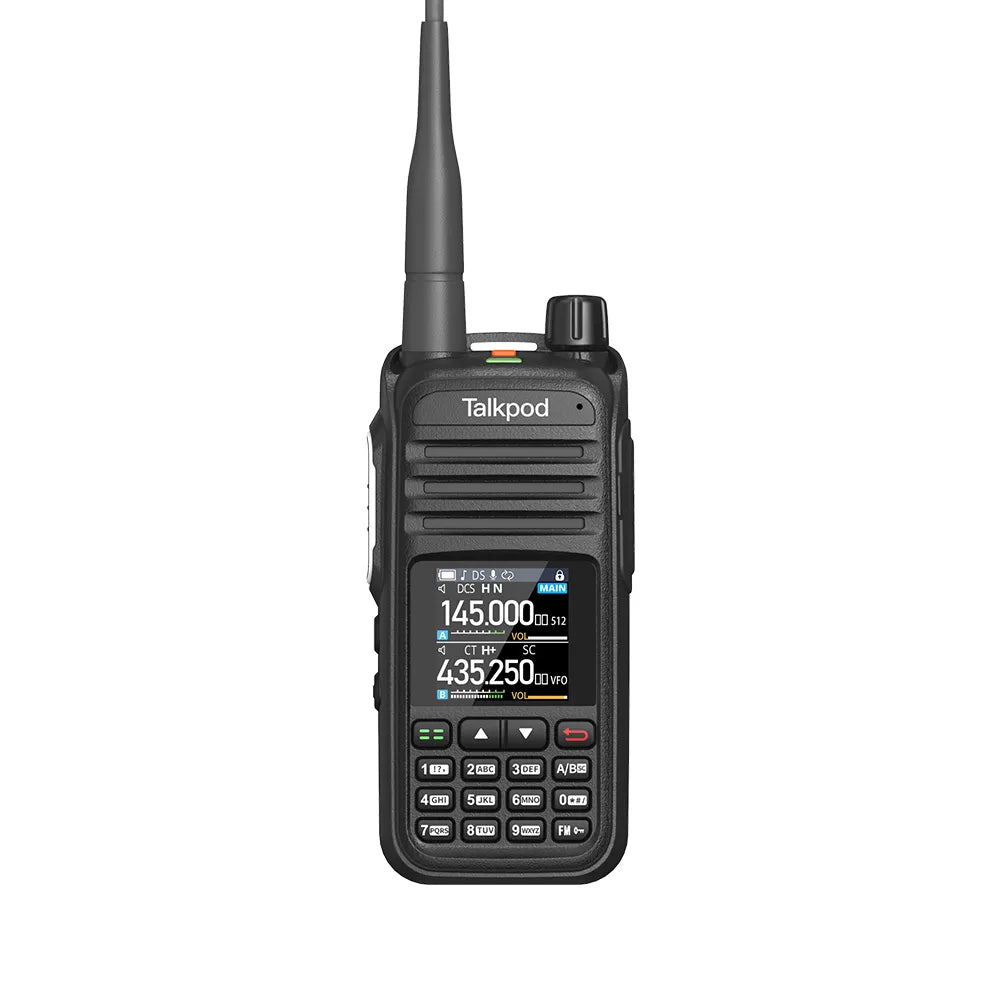
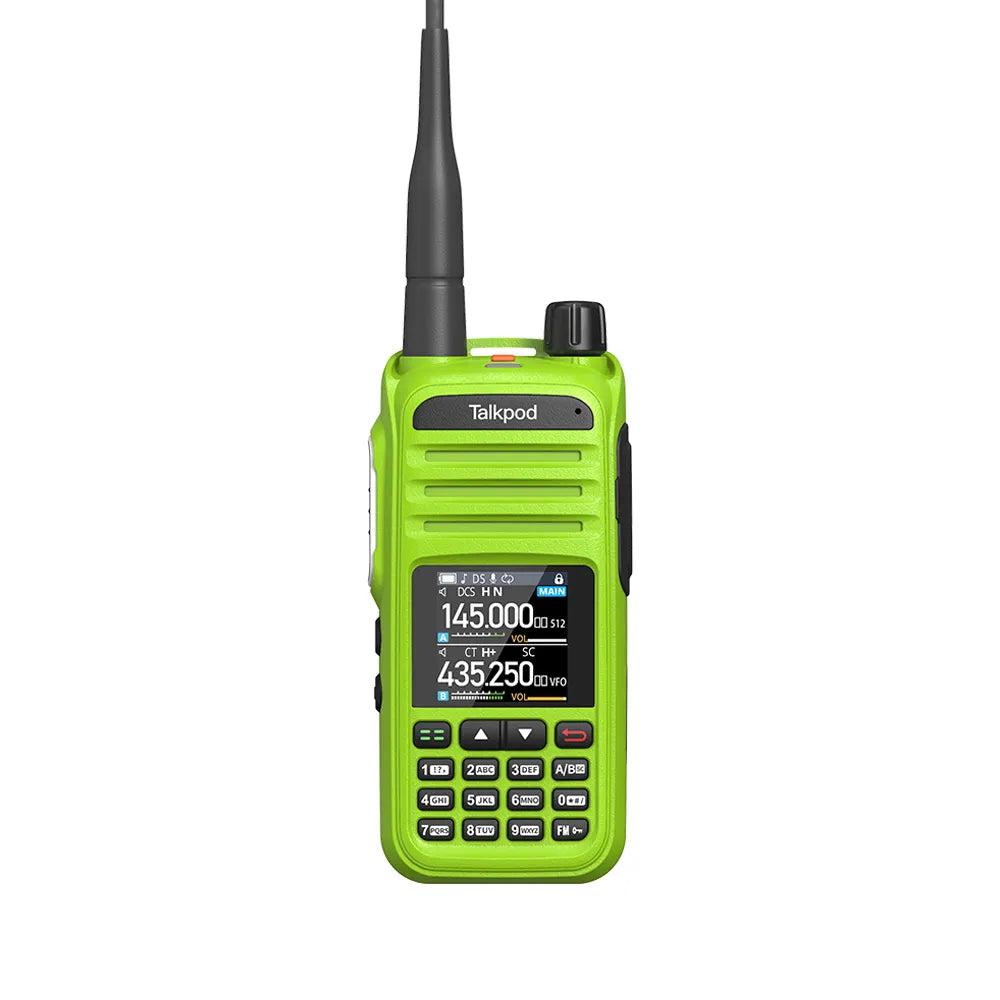
The Talkpod N56Ex explosion-protected public-network radio combines wide-area push-to-talk communication with a design intended for hazardous industrial environments. Where compatible mobile-network coverage is available—and where its exact certification matches the intended hazardous area—it can provide an additional communication layer for geographically dispersed exploration teams.
[Image]
Connecting exploration sites separated by long distances
An exploration project may cover an enormous operating area.
Seismic teams can be spread across multiple acquisition points, while exploratory drilling sites, equipment bases and logistical support teams operate at completely different locations.
Traditional direct handheld radios remain useful for local communication, but their coverage becomes restrictive once teams are separated by substantial distance or terrain.
The N56Ex uses compatible public mobile networks to carry push-to-talk traffic.
Where suitable network service exists, a crew working at a distant survey or exploration point can communicate with a base or coordination team without depending on direct radio range between the two locations.
That can make routine reporting easier: personnel can communicate equipment faults, work progress or requests for support while remaining at the field location.
The advantage is wide-area communication.
It is not unlimited communication.
Remote terrain remains the biggest limitation
Deserts, mountains and sparsely populated exploration areas are precisely the places where public mobile coverage can be inconsistent.
A PoC radio can overcome the normal distance limitation of direct handheld communication, but it cannot create a cellular network where none exists.
Mountain valleys, remote desert tracks and isolated exploration blocks may have weak service or no service at all.
For this reason, actual field routes and work sites should be tested before the N56Ex becomes part of the operational communication plan.
Coverage maps alone are not enough.
Where mobile service is unavailable, exploration teams may require another method—such as an appropriate local professional radio system, dedicated infrastructure or satellite communication depending on the site's risk and operating requirements.
A credible field communication plan begins by identifying where each system stops working.
Hazardous-area certification matters around exploratory wells
Exploratory drilling introduces a different communication requirement.
If a well encounters hydrocarbons, particular areas around the wellhead and associated equipment may be classified as hazardous because flammable gases or vapors could be released.
Ordinary electronic devices should not automatically be carried into those locations.
The source describes the N56Ex as meeting explosion-protection requirements and using an anti-static design. Before deployment, however, the operator should verify the device's exact certification and nameplate against the hazardous-area classification of the intended work location.
That includes the applicable zone, gas group, temperature class and permitted ambient operating range.
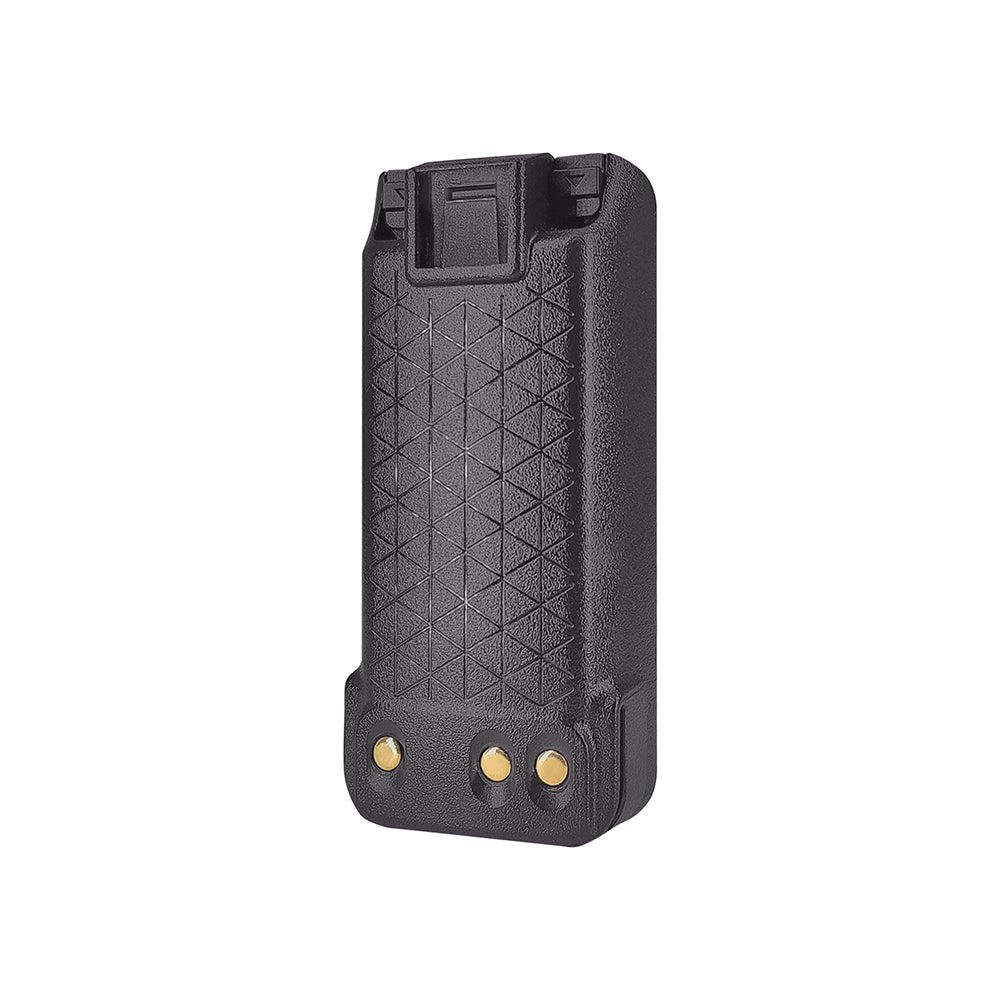
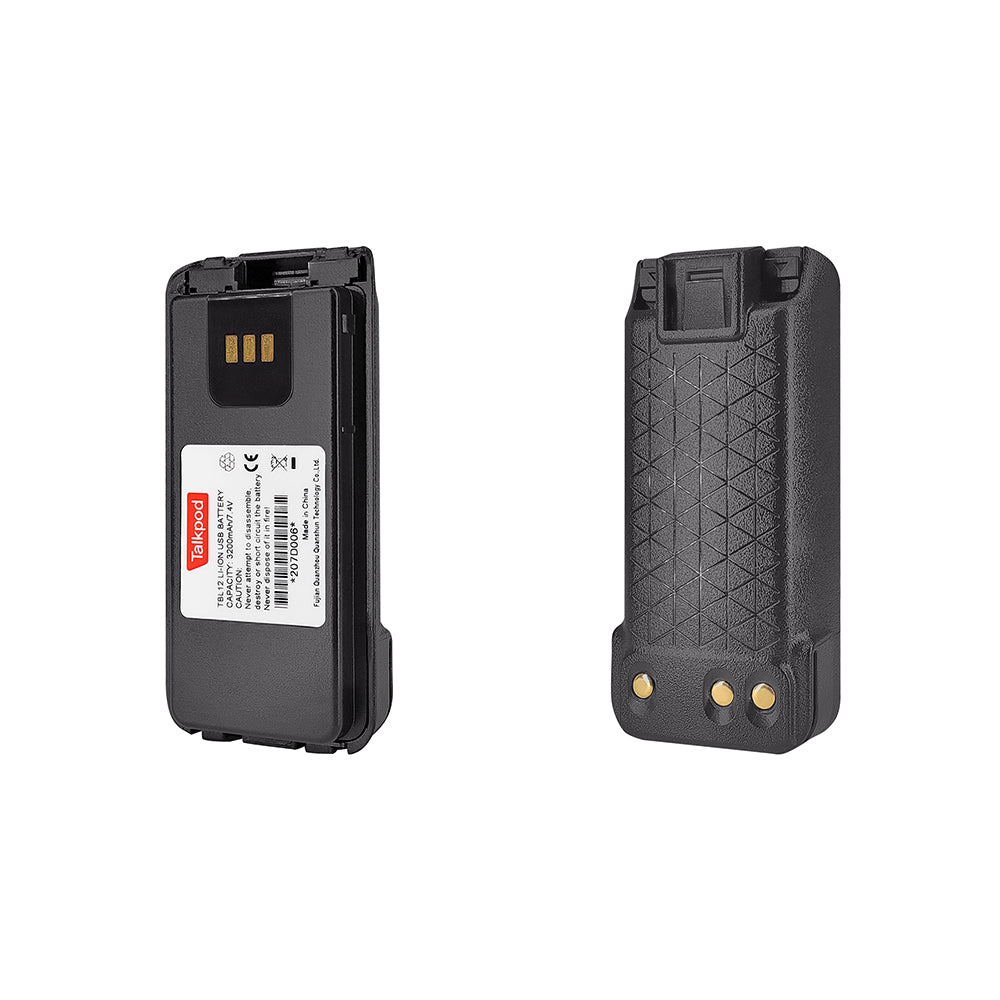
Only approved batteries and accessories should be used. Charging, repair and battery replacement should follow the manufacturer's instructions and the site's hazardous-area procedures.
Explosion protection also does not mean personnel can remain indefinitely in a dangerous hydrocarbon atmosphere.
The certification addresses the radio as a potential ignition source within defined limits.
It does not make the atmosphere safe for people.
[Image]
Reporting abnormal well conditions more quickly
When an exploratory well behaves unexpectedly, communication speed becomes more important.
A field worker may notice an abnormal condition and need to inform drilling supervisors, safety personnel or another specialist team.
Where the N56Ex has network service and is approved for the location, push-to-talk communication can shorten that first reporting step.
But the radio does not determine whether the well is safe.
Gas detectors, pressure instrumentation, drilling data, well-control equipment and formal operating procedures remain responsible for identifying and controlling abnormal conditions.
The N56Ex carries the human report around those systems.
It does not replace them.
A radio does not replace well-control communication
A suspected kick, uncontrolled hydrocarbon release or other serious well event requires a defined command and response process.
Personnel may need to secure equipment, initiate well-control procedures, move away from an affected area or evacuate according to the drilling program and emergency plan.
The N56Ex can support voice coordination during such events when the relevant network and device remain available.
It should not become the sole emergency communication system.
Well-control procedures, fixed alarms, gas detection, emergency shutdown arrangements and the site's designated emergency communications all retain their own roles.
For remote exploration projects, this is particularly important because a public mobile network may be least dependable precisely where the field operation is most isolated.
Wide-area voice can simplify field logistics
Not every communication problem in exploration is an emergency.
Much of the day is spent coordinating people and equipment.
A remote crew may require replacement equipment. A seismic acquisition point may finish earlier than expected. A vehicle may be delayed reaching the next location.
Wide-area push-to-talk can give geographically separated teams a common voice channel for these routine updates.
That can reduce the number of individual calls and make it easier for base personnel to communicate with several field teams operating across a large project.
Operational and geological data that require formal records should still remain in the organization's approved data-management systems.
A voice report can trigger the next action quickly.
It should not become the sole repository for technical exploration information.
Ruggedness should be judged against documented ratings
Remote exploration exposes handheld equipment to dust, vibration, vehicle transport and repeated handling.
The source describes the N56Ex as suitable for demanding outdoor work and resistant to impact.
Those characteristics can be useful, but general descriptions such as “rugged” should not be interpreted as unlimited resistance to drops, dust, water or extreme temperatures.
Field operators should rely on the product's documented environmental specifications and use the device within those limits.
Radios should also be inspected periodically.
A unit with significant enclosure damage, damaged accessories or compromised seals should be assessed before returning to hazardous-area service.
With explosion-protected equipment, physical condition is not merely a cosmetic concern.
A communication layer for dispersed exploration teams
The Talkpod N56Ex addresses two problems that often overlap in oil and gas exploration.
The first is distance.
Where compatible public mobile coverage exists, it can connect field personnel across locations far beyond the practical range of conventional direct handheld radios.
The second is hazardous-area suitability.
Where the N56Ex's exact explosion-protection certification matches the classified work area, it can provide an appropriately specified communication option around certain exploration and drilling operations.
Neither capability should be overstated.
Public networks do not cover every desert or mountain site, and explosion protection does not make a hydrocarbon release safe.
Used within those limits—and backed by appropriate alternative communications, gas detection, well-control systems and emergency procedures—the N56Ex can provide a useful wide-area communication layer for exploration teams working across some of the industry's most geographically difficult environments.



Leave a comment
All comments are moderated before being published.
This site is protected by hCaptcha and the hCaptcha Privacy Policy and Terms of Service apply.