

Fuel does not remain in one place for long.
It may move from a storage terminal into a pipeline network, travel by road tanker or rail, stop at intermediate loading points and eventually reach another terminal or distribution site. The people responsible for that movement can be separated by tens or hundreds of kilometers.
At the same time, parts of this chain—particularly tank farms, loading racks and transfer areas—may contain flammable vapors and be classified as hazardous locations.
This creates two different communication requirements.
Personnel need to communicate across long distances, and any electronic equipment used inside classified areas must also be suitable for those environments.
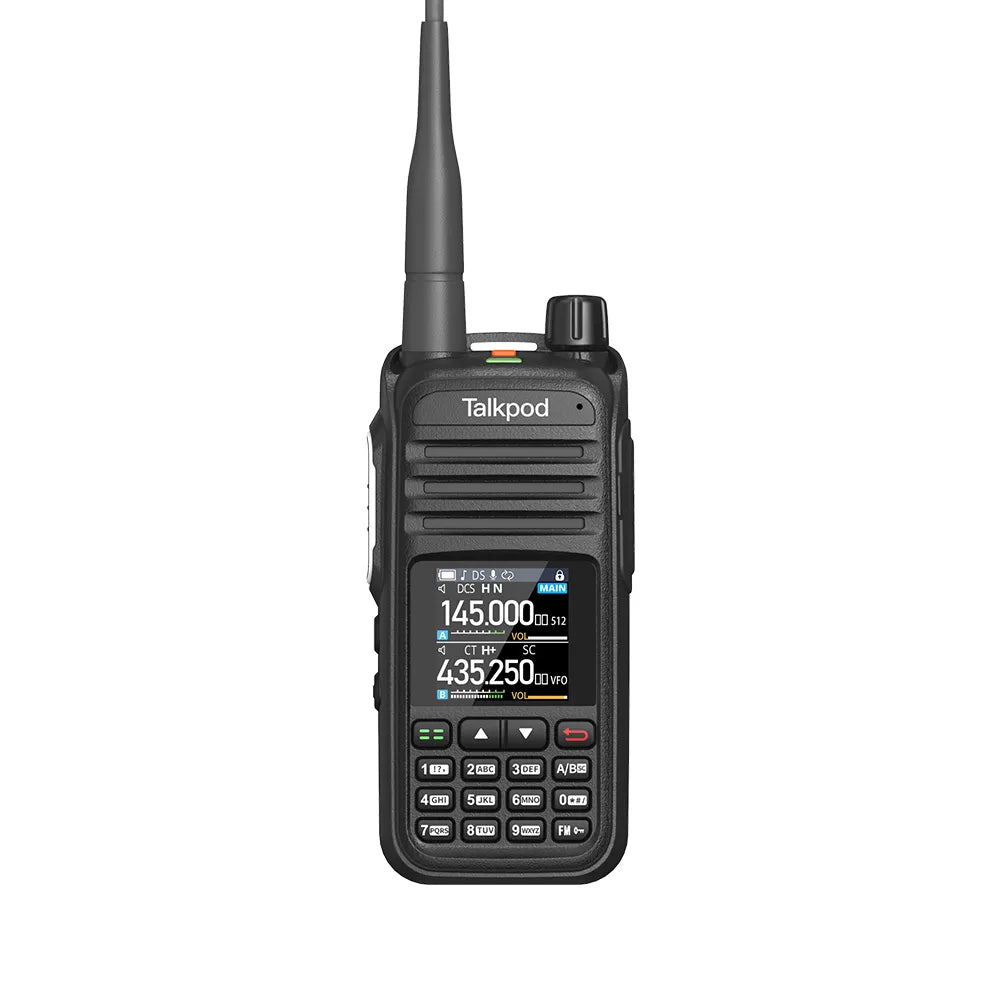
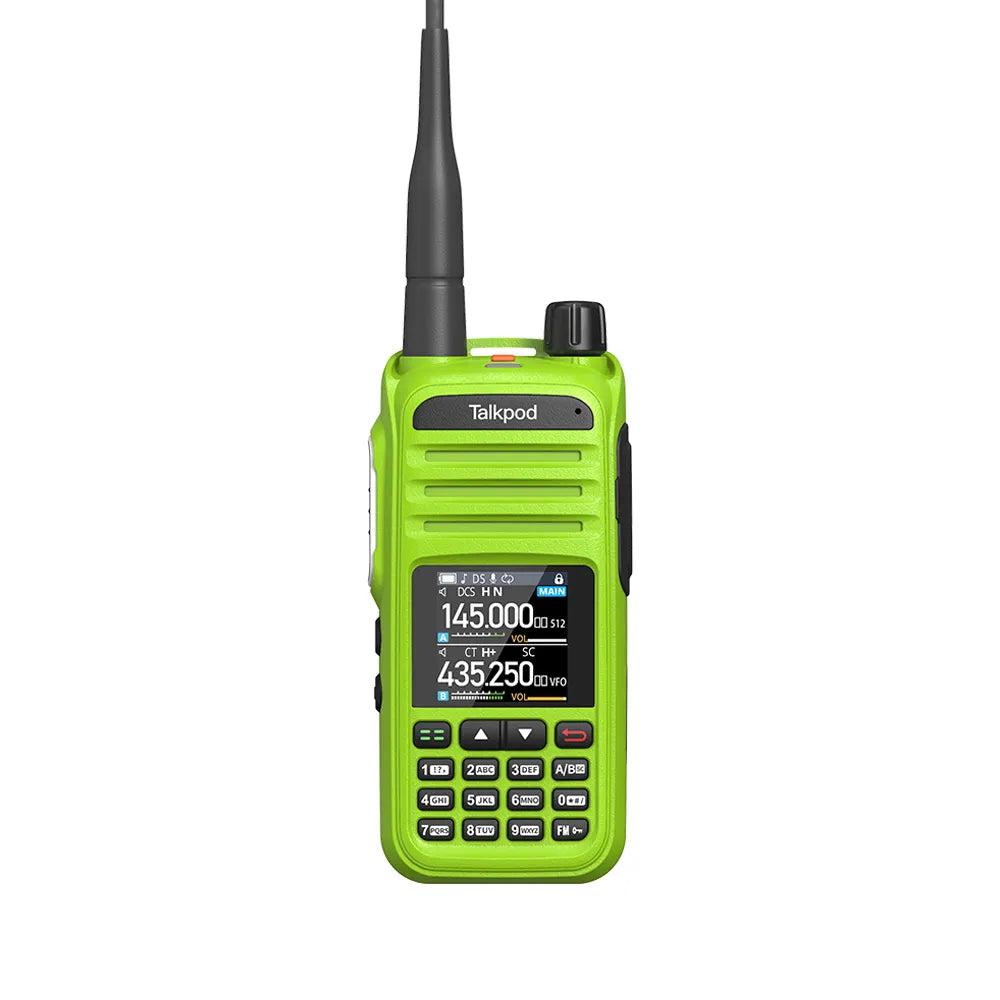
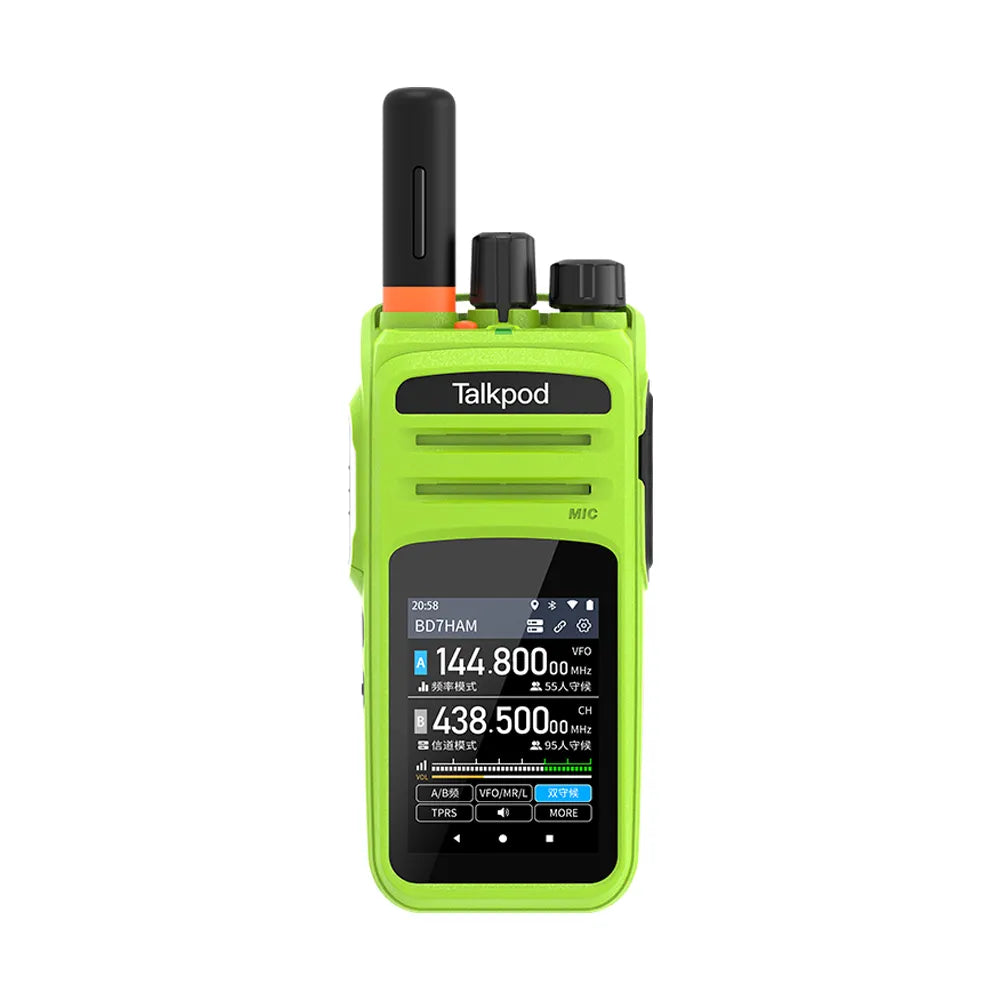
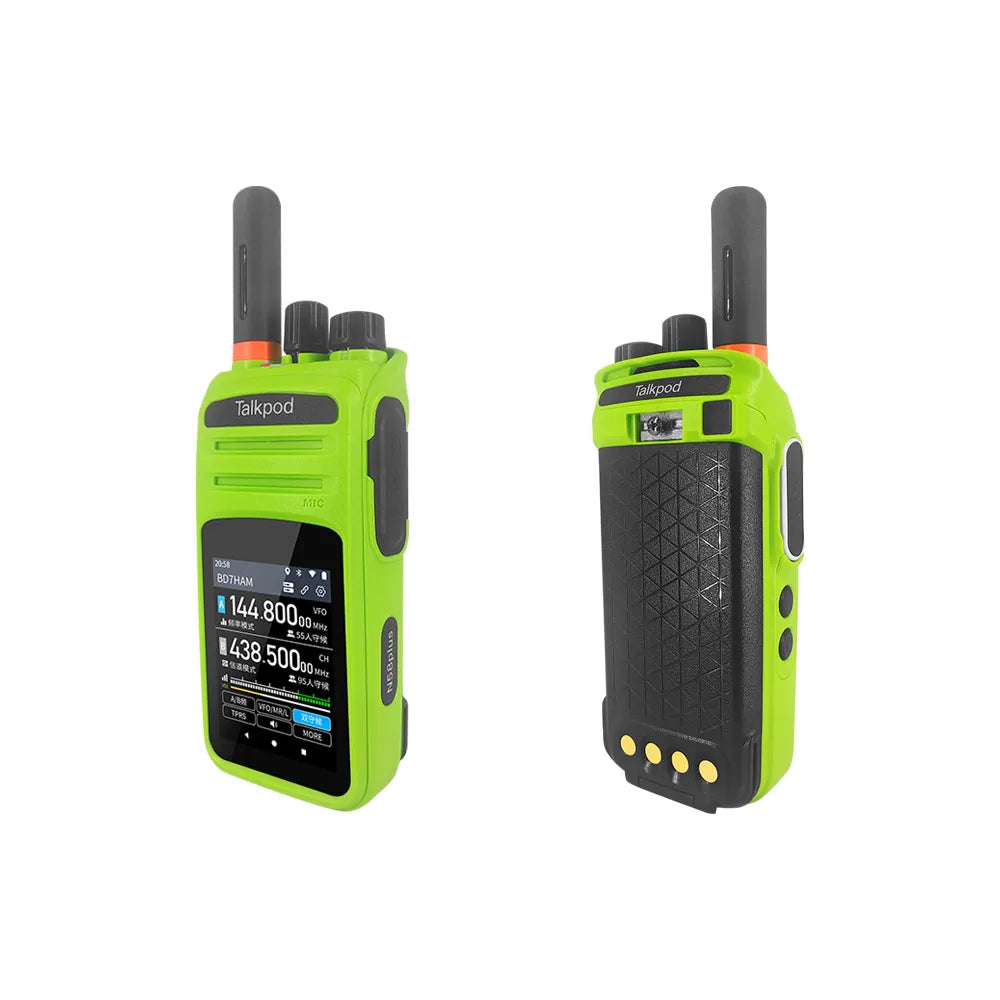
The Talkpod N56Ex explosion-protected public-network radio combines wide-area push-to-talk communication with a portable interface designed for frontline work. Where compatible mobile-network coverage is available, and where the radio's exact certification matches the hazardous-area classification concerned, it can provide an additional communication layer across fuel storage and transportation operations.
[Image]
Extending communication beyond the terminal
A conventional handheld radio works within a defined local coverage area.
That becomes a limitation once a tanker, escort team or field worker leaves the terminal and begins a journey that may extend hundreds of kilometers.
The N56Ex carries push-to-talk traffic through compatible public mobile networks. Where service is available, personnel traveling between cities or provinces can remain within the same managed communication system as a dispatch center.
A transport team can report a delay, unusual vehicle condition or change in the route without relying on direct radio range back to the depot.
The useful distinction is that communication range is no longer determined primarily by the distance between two handheld radios.
It is determined by the supporting mobile network.
That also means it is not genuinely “borderless.”
Mountain roads, remote industrial areas, tunnels and sparsely covered highway sections can still have weak or unavailable service. Operators should therefore review actual transport routes and retain alternative communication procedures for locations where the public network is unreliable.
Hazardous-area certification matters at loading and storage sites
Long-distance communication is only one half of the problem.
Fuel terminals, tank farms, loading racks and certain transfer locations may be classified as hazardous because flammable vapors can be present.
The source describes the N56Ex as using an intrinsically safe explosion-protection design. In operational use, however, the exact certification and product nameplate should determine whether it can legitimately be described as intrinsically safe for a particular location.
Before deployment, operators should compare the certification with the site's requirements, including the applicable hazardous zone, gas group, temperature class and ambient operating range.
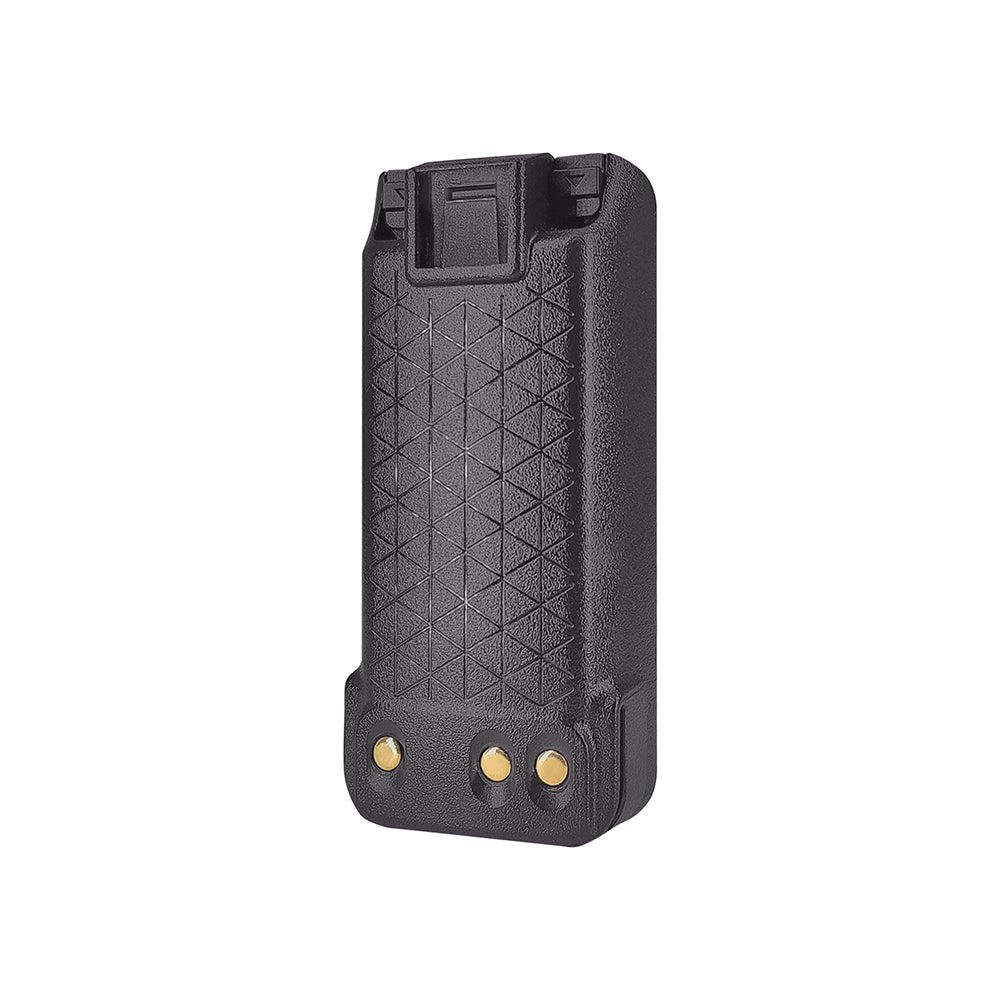
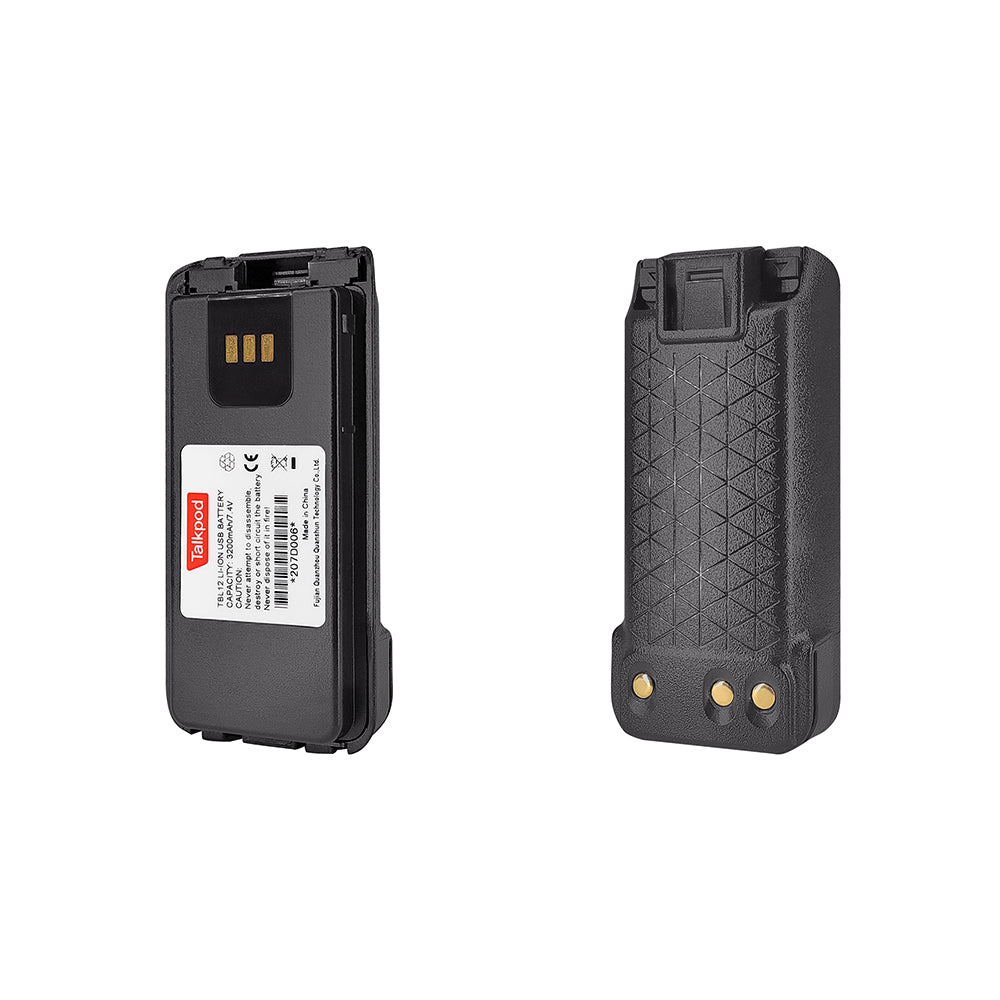
Only approved batteries and accessories should be used.
Charging, maintenance and battery replacement should follow the manufacturer's instructions and the site's hazardous-area rules, with charging normally carried out in an approved safe location unless the certification explicitly allows otherwise.
An explosion-protected radio does not make a fuel-vapor atmosphere safe.
Its purpose is to avoid introducing an unacceptable ignition risk when the device is used within the limits defined by its certification.
[Image]
Keeping storage, transport and unloading teams in the same communication structure
Fuel logistics involves several groups whose work is connected but physically separated.
Terminal inspectors monitor storage areas. Loading personnel prepare tankers or rail vehicles. Transport crews move the product. Receiving personnel coordinate unloading at the destination.
If each group communicates through separate phone calls, information can become fragmented.
A managed push-to-talk system allows organizations to structure communication around actual operating roles.
Routine terminal traffic can remain within one group, transport personnel within another, while supervisors can coordinate across several groups when a shipment requires wider attention.
This does not replace transport-management, loading documentation or formal chain-of-custody systems.
It provides a faster voice layer around them.
A radio message may confirm that a vehicle has arrived or that unloading can be prepared, while quantities, cargo identity, documentation and safety checks should remain in the organization's approved operational systems.
Simpler controls for frontline personnel
The people using communication equipment in fuel logistics are not always sitting behind a desk.
Terminal operators may be wearing gloves and other PPE. Transport personnel may carry the radio for long periods. Loading and unloading crews often need to communicate while moving between vehicles, hoses, valves and workstations.
The N56Ex uses a color display, shortcut controls and a compact handheld form intended to make routine functions easier to access.
Users can switch groups, place individual calls and review available information without navigating unnecessarily complicated menus.
That matters because communication equipment should reduce operational friction rather than add another difficult task.
Actual durability should still be judged against the product's documented environmental ratings rather than assumptions based on the housing design alone.
Communication during transport still has to respect driving safety
Wide-area push-to-talk can be useful during road transport, but the ability to communicate does not override normal driving-safety requirements.
Vehicle crews should follow applicable traffic laws and company procedures governing the use of handheld communication equipment.
Drivers should not be expected to manipulate a radio while driving if doing so would create distraction or conflict with local rules.
Where communication is required while a vehicle is moving, the operating procedure should define how it is handled safely—whether by another crew member, during an appropriate stop or through another approved arrangement.
The communication system should support transport safety rather than compete with it.
Dispatch works best when the structure is prepared in advance
The advantage of a public-network radio becomes more apparent when many shipments and work locations have to be coordinated at once.
Backend management can be used to organize user accounts and communication groups around terminals, routes, teams or operational responsibilities.
A dispatch center can then contact a defined group instead of calling individual workers one by one.
If an abnormal condition occurs during transport, the relevant personnel can be brought into the same communication structure more quickly.
The effectiveness of this arrangement depends on configuration and procedures.
Who is responsible for each group, how urgent messages are escalated and which information must also be entered into formal transport systems should all be defined before the radios are deployed.
[Image]
Public-network communication still needs resilience
Fuel transport routes can pass through places where mobile coverage is inconsistent.
That makes backup planning important.
The N56Ex can extend communication far beyond the normal range of a conventional handheld radio, but it should not become the sole communication method for every safety-critical activity.
Organizations should identify weak-coverage sections in advance and decide what alternative method will be used if the public network is unavailable.
The appropriate backup may differ between a storage terminal, a long-distance highway route and a rail transfer operation.
Communication resilience comes from combining systems according to risk, not from assuming that one technology will work everywhere.
One communication layer within a larger safety system
Fuel storage and transportation depend on far more than voice communication.
Gas detection, grounding and bonding procedures, loading interlocks, vehicle inspections, fire protection, spill response, transport documentation and emergency plans all retain their own roles.
The Talkpod N56Ex does not replace any of them.
Its role is narrower and more practical.
Where suitable mobile-network coverage exists, it can connect teams across long distances. Where its exact explosion-protection certification matches the hazardous location, it can also provide a communication option for appropriately classified areas.
Combined with structured groups and simple frontline operation, this gives fuel-storage and transport organizations an additional way to keep dispersed personnel connected.
The value is not “unlimited communication” or absolute safety.
It is a communication layer that can follow the fuel farther than a conventional local radio network—while still respecting the network, hazardous-area and operational limits that define how the system should be used.



Leave a comment
All comments are moderated before being published.
This site is protected by hCaptcha and the hCaptcha Privacy Policy and Terms of Service apply.