

A stage is often built faster than it looks.
Truss crews may be working overhead while lighting technicians prepare fixtures, audio teams run cables and security personnel control movement around the work area. These jobs overlap physically, but they also depend on one another in sequence: a lifting operation may need to stop before another crew can move equipment, while a lighting adjustment may depend on confirmation from several positions around the venue.
When communication becomes crowded or unclear, the problem is not simply inconvenience.
A missed instruction can delay a lift, send the wrong crew to the wrong position or create unnecessary movement around heavy equipment.
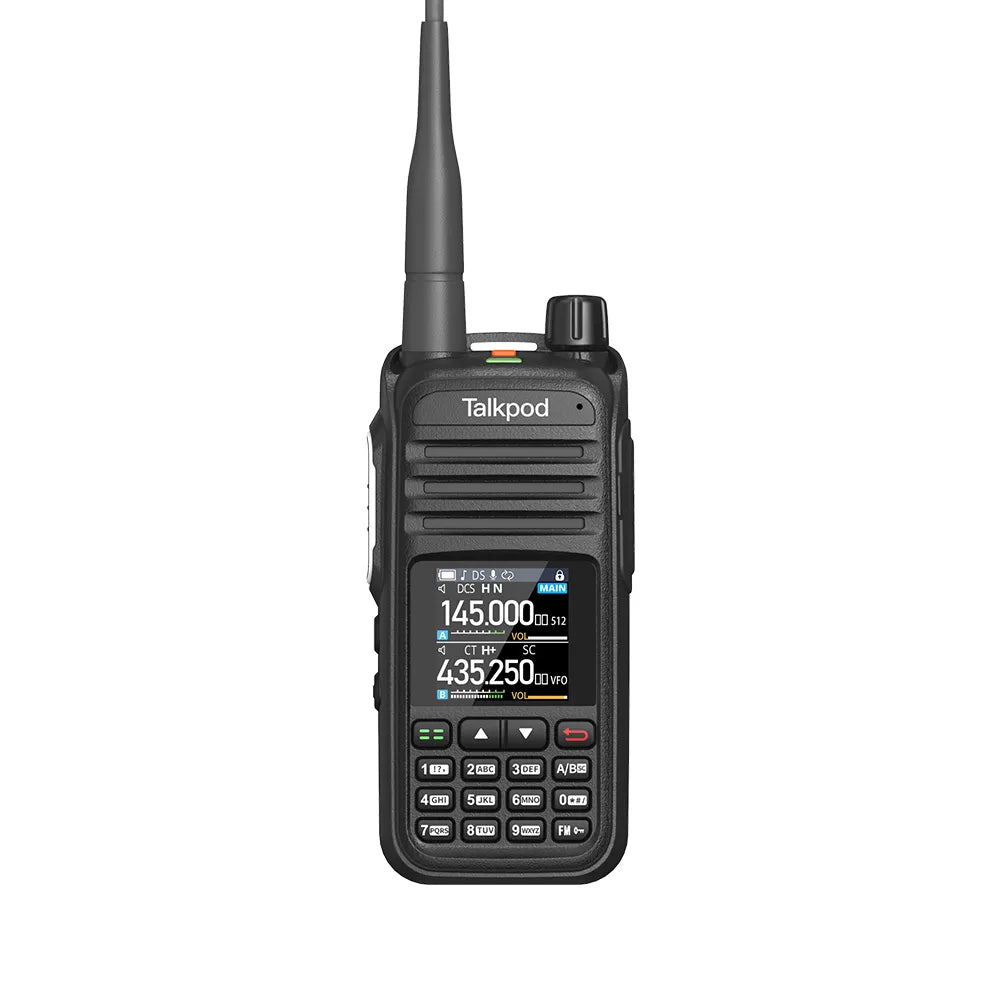
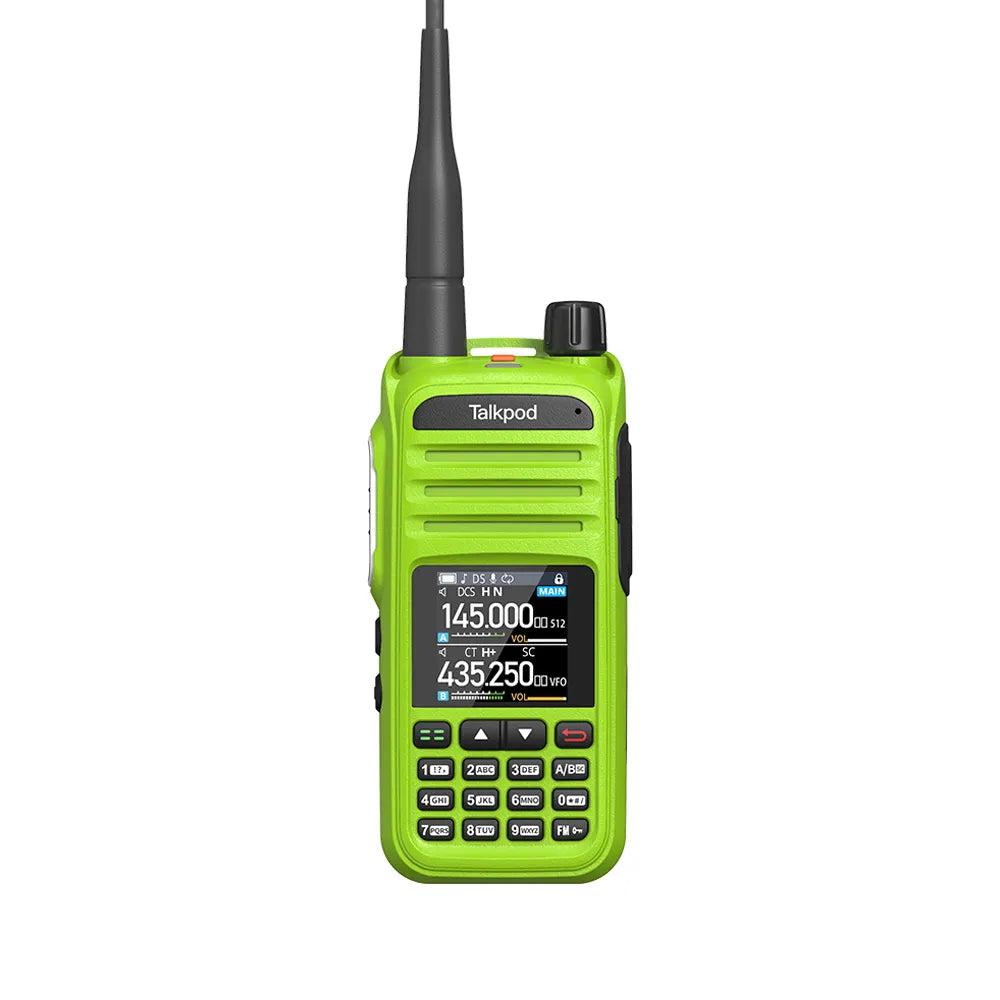
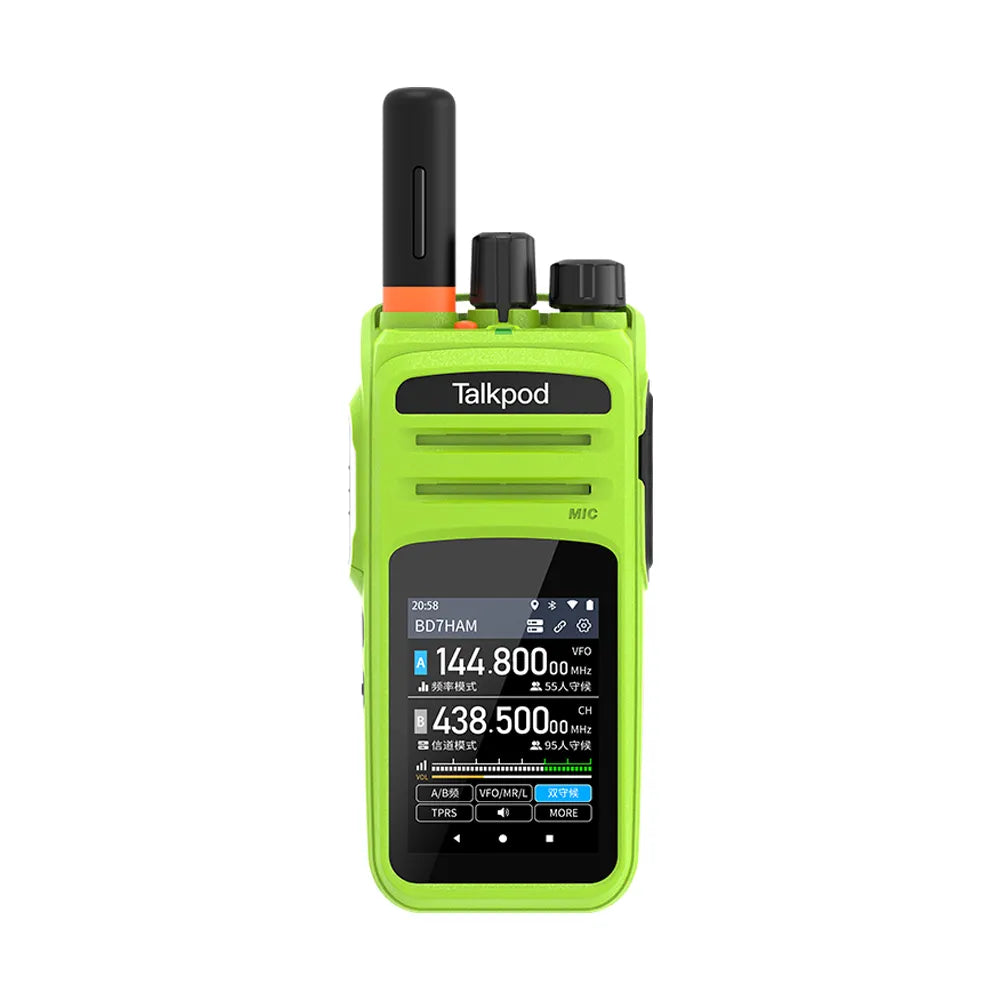
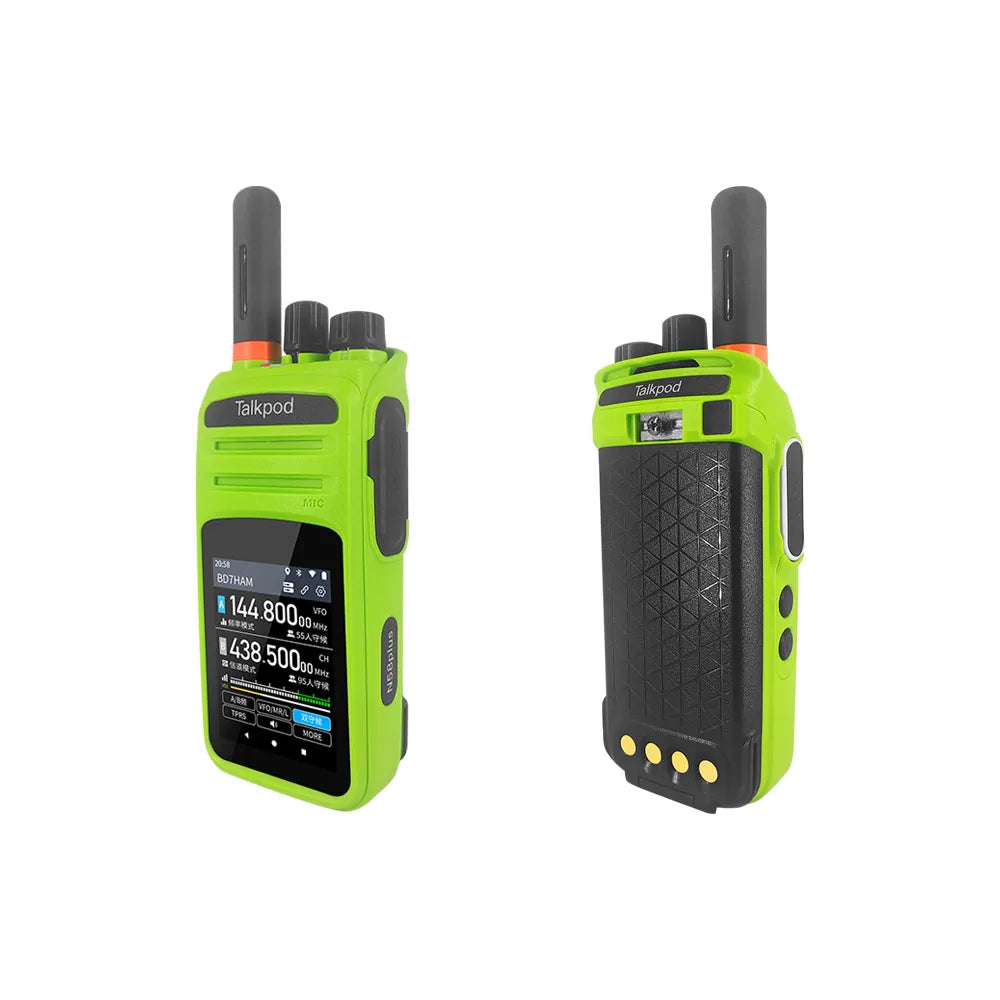
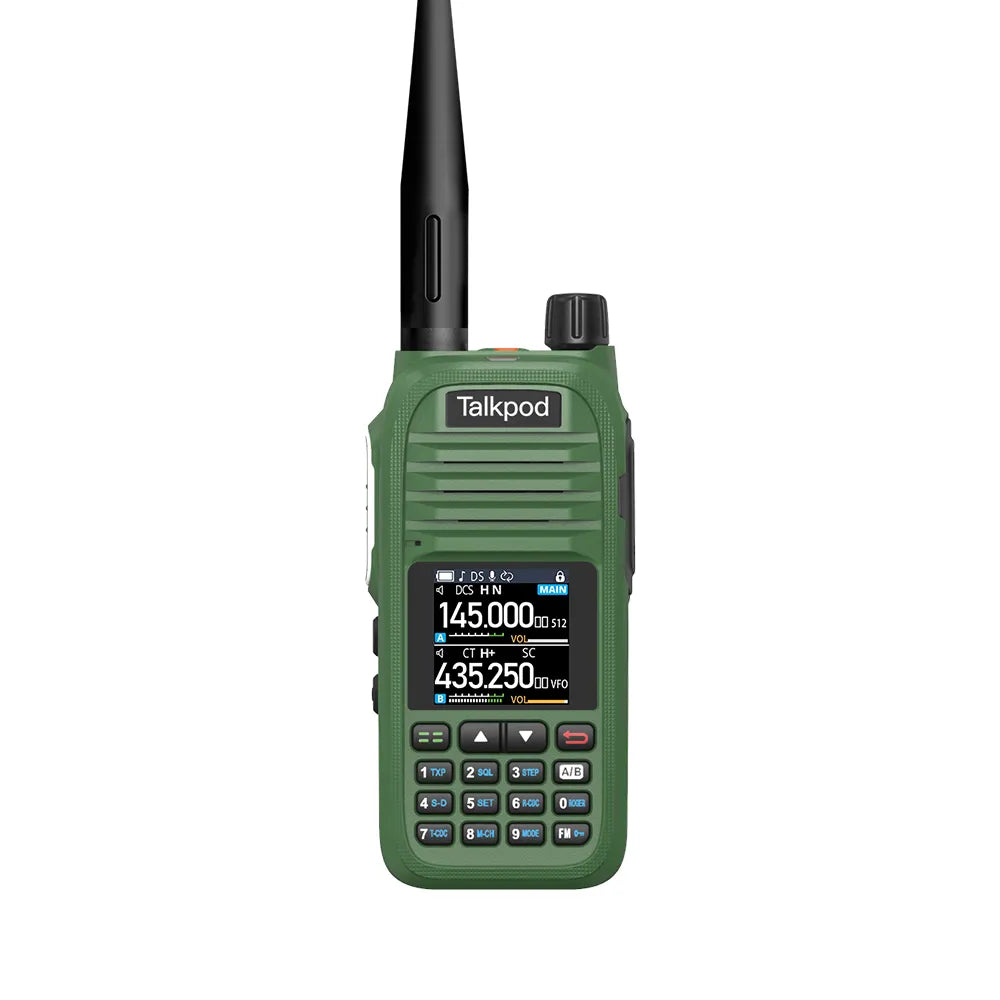
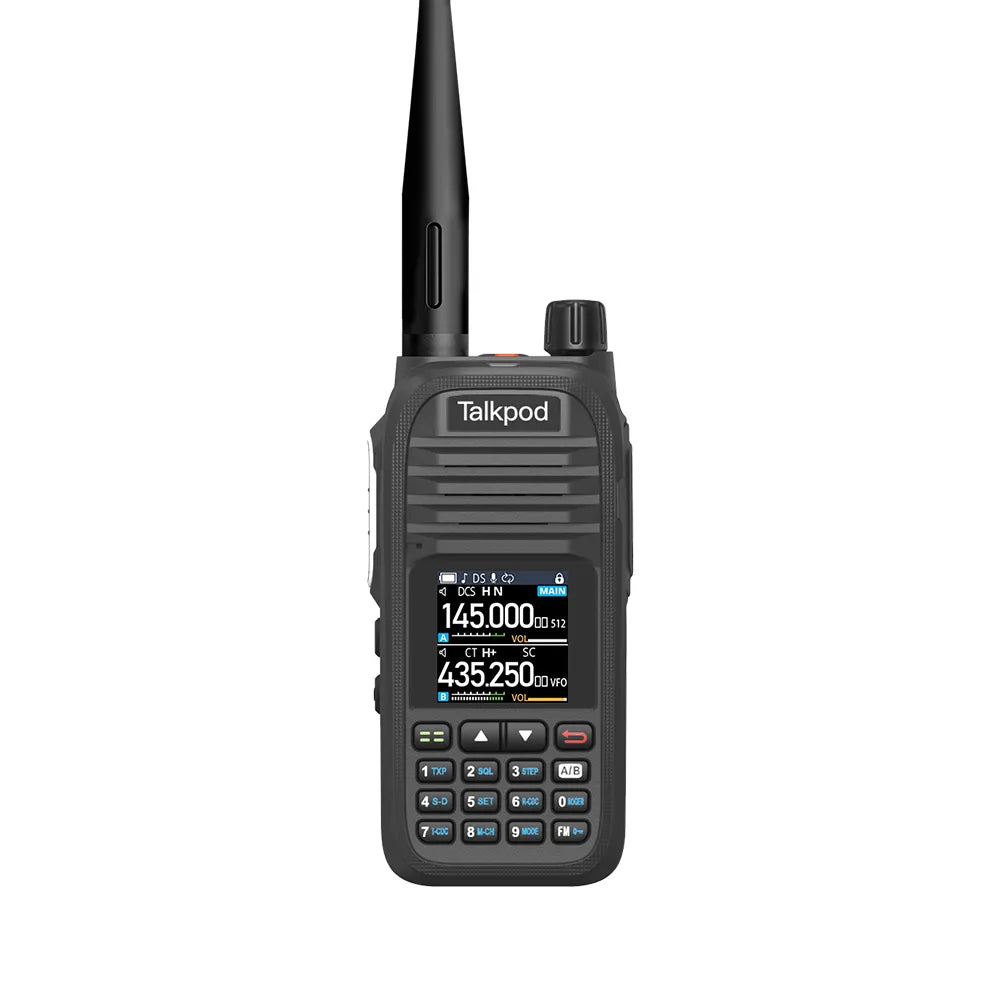
The Talkpod D30 digital radio is designed as a local communication tool for this sort of multi-team environment, with digital contacts, channel-status indication, configurable Color Codes and two programmable side keys that can simplify day-to-day coordination during stage construction.
Knowing when the channel is already busy
One of the simplest communication problems at a busy build is also one of the most common: several people try to talk at the same time.
During truss positioning or lighting installation, different teams may all need the same channel. If a user presses PTT while someone else is already transmitting, the result can be overlapping or missed information.
The D30 provides a channel-status indication that can alert the user when the channel is already occupied.
That does not eliminate congestion, but it gives personnel an additional cue before speaking over active traffic.
In practice, this can reduce unnecessary repeated calls during time-sensitive operations such as lifting, alignment and equipment positioning.
It should not be described as creating “zero-conflict” communication.
Good radio discipline still matters: keep transmissions short, wait for the channel to clear and use separate work groups where the operation is large enough to justify them.
Digital contacts make targeted calls easier
Large event builds often involve far more teams than a single open channel can comfortably support.
A truss crew may need to reach lighting, while the audio team needs to speak to stage management. Security personnel may be operating nearby but do not need to hear every technical conversation.
The D30 supports up to 16 preset digital contacts, allowing frequently used teams or individuals to be stored in advance.
Instead of asking frontline users to remember a series of IDs, the radio can be programmed around the working structure of the event.
A technician can then select the relevant contact and call the intended person or group without broadcasting every routine message to everyone on site.
This makes the system easier to use, especially for temporary crews who may only be working together for a few days.
Color Code helps separate systems—but it is not encryption
The original description refers to 16 “encrypted Color Codes.”
That wording should be avoided.
In a DMR system, Color Code is not an encryption function. It acts more like a system identifier, helping radios distinguish between digital systems using the same or nearby frequencies.
The D30 supports 16 Color Code settings, which can help separate one event team's traffic from another appropriately configured system.
This is useful in convention centers, exhibition halls or event districts where several production crews may be operating radios nearby.
But Color Code does not make a conversation private.
Another compatible radio using the correct frequency and Color Code may still be able to access that system, depending on the wider configuration. It also does not guarantee that two nearby systems will never interfere with one another if they are transmitting on the same frequency at the same time.
For larger venues, good frequency planning remains more important than relying on Color Code alone.
Communication plans should match the build structure
The most useful stage-radio setup is usually not one giant channel.
A better approach is to divide communication according to actual responsibilities.
Truss and lifting personnel may need one working group. Lighting can use another. Audio can remain separate, while stage management or supervisors retain access to the groups required for overall coordination.
Digital contacts and Color Code settings can help support that structure.
The objective is not to maximize the number of channels.
It is to reduce irrelevant traffic so that when someone does speak, the people listening are more likely to need the information.
For critical lifting or movement instructions, teams should also use a clear acknowledgement procedure rather than assuming that silence means the message was received.
Two programmable side keys for gloved operation
Stage crews often operate radios under less-than-ideal conditions.
Workers may be wearing protective gloves, carrying tools or stabilizing equipment when they need to communicate. Looking down at a small screen and navigating several menu levels is not always practical.
The D30 provides two programmable side keys that can be assigned to frequently used functions.
Depending on the configuration, a team could use one key for quick access to a commonly used channel or contact and another for an alert or other frequently required function.
The advantage is not the number of features.
It is reducing the number of actions required to reach them.
For a worker wearing gloves beside heavy stage equipment, being able to identify a control by touch can be more useful than having additional menu options.
Local radio coverage still depends on the venue
Digital radio is well suited to local stage and event communication, but coverage should not be treated as unlimited.
Large exhibition halls, concrete walls, backstage rooms, steel truss structures, LED walls and temporary production equipment can all affect RF propagation.
A radio that performs well on the main floor may behave differently in a loading dock, behind the stage or inside another section of the venue.
For larger builds, teams should test the actual working areas before the event begins.
If communication is weak in a critical lifting zone or backstage route, the team should address that before live operations rather than discovering it during a time-sensitive cue.
Radio planning is part of production planning.
A radio does not replace lifting and stage-safety procedures
Stage construction can involve suspended loads, powered lifting equipment, temporary structures and work at height.
Communication is important, but it is only one part of safe coordination.
Formal lifting plans, designated signal personnel, exclusion zones, fall-protection procedures and equipment checks remain responsible for controlling those risks.
The D30 can help a supervisor tell a team to stop, reposition or wait.
It should not become the sole safeguard that determines whether a lift is safe to continue.
Critical commands should be standardized, understood by everyone involved and acknowledged where the procedure requires it.
Keeping multiple crews moving as one production
The Talkpod D30 is most useful in stage construction when it is configured around the way the event crew actually works.
Channel-status indication can help reduce accidental talk-over. Preset digital contacts make targeted communication easier. Color Codes can help separate appropriately configured nearby digital systems, while programmable side keys reduce operating steps for workers wearing gloves.
None of these features guarantees interference-free or private communication.
Their value is more practical.
They help turn a handheld radio into a structured local coordination tool for crews who may be working only meters apart physically but operating in very different parts of the production.
When the communication plan is prepared as carefully as the stage plan, the result is not more radio traffic.
It is fewer wasted calls at the moments when the next instruction actually matters.



Leave a comment
All comments are moderated before being published.
This site is protected by hCaptcha and the hCaptcha Privacy Policy and Terms of Service apply.