

A city gas network extends far beyond the visible pressure-regulating station.
Inspectors may move from enclosed regulator skids to underground valve chambers, roadside pipeline points and unmanned regulating boxes on the outskirts of a city. Some locations have reliable mobile coverage. Others do not. Underground structures, metal equipment and distance can make communication more difficult still.
At the same time, these are not ordinary workplaces. Natural gas may be present during abnormal conditions or leakage, meaning that electrical equipment used in classified hazardous areas must be selected carefully.
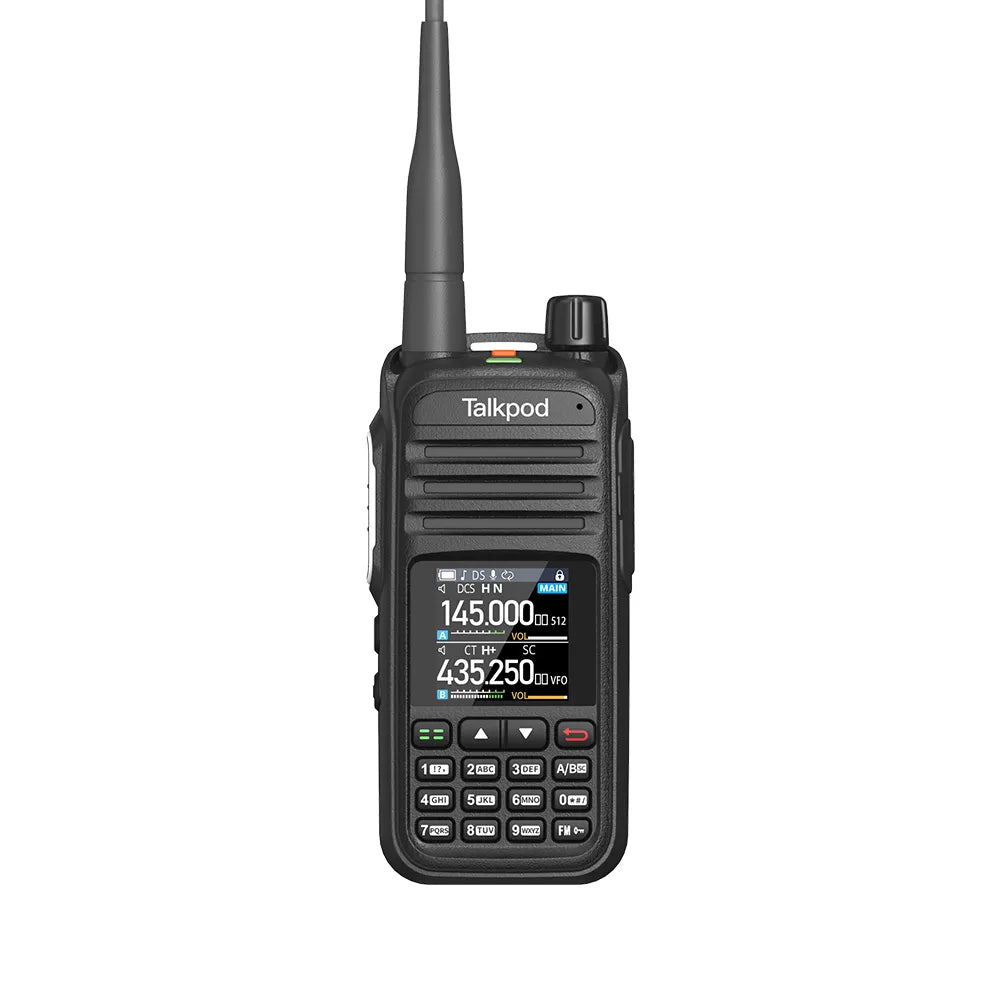
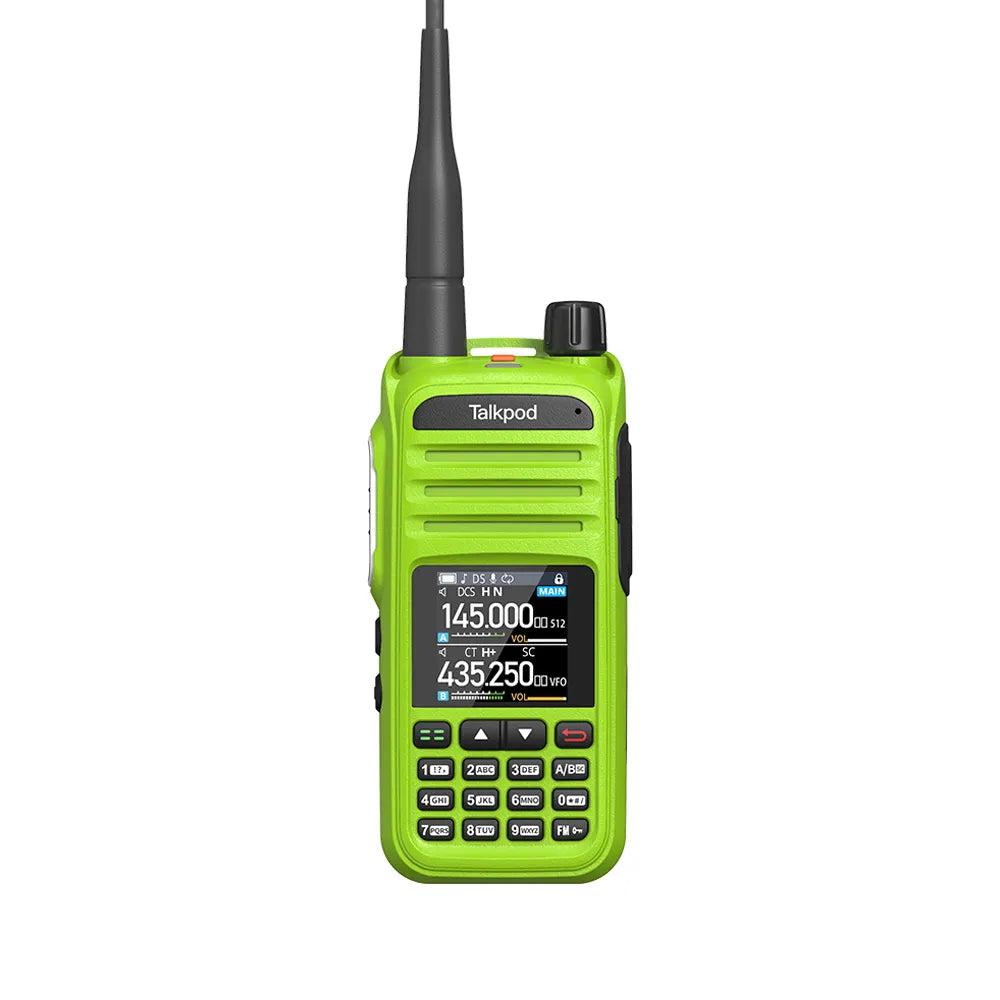
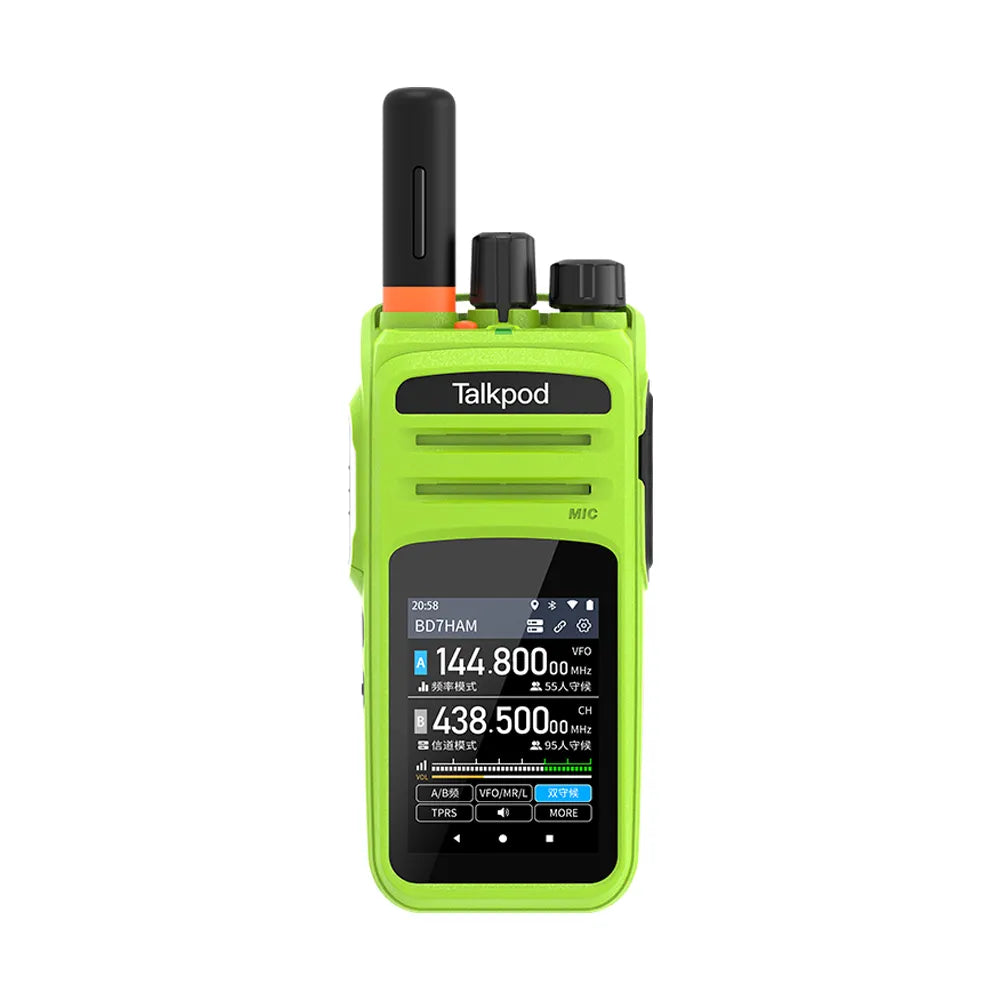
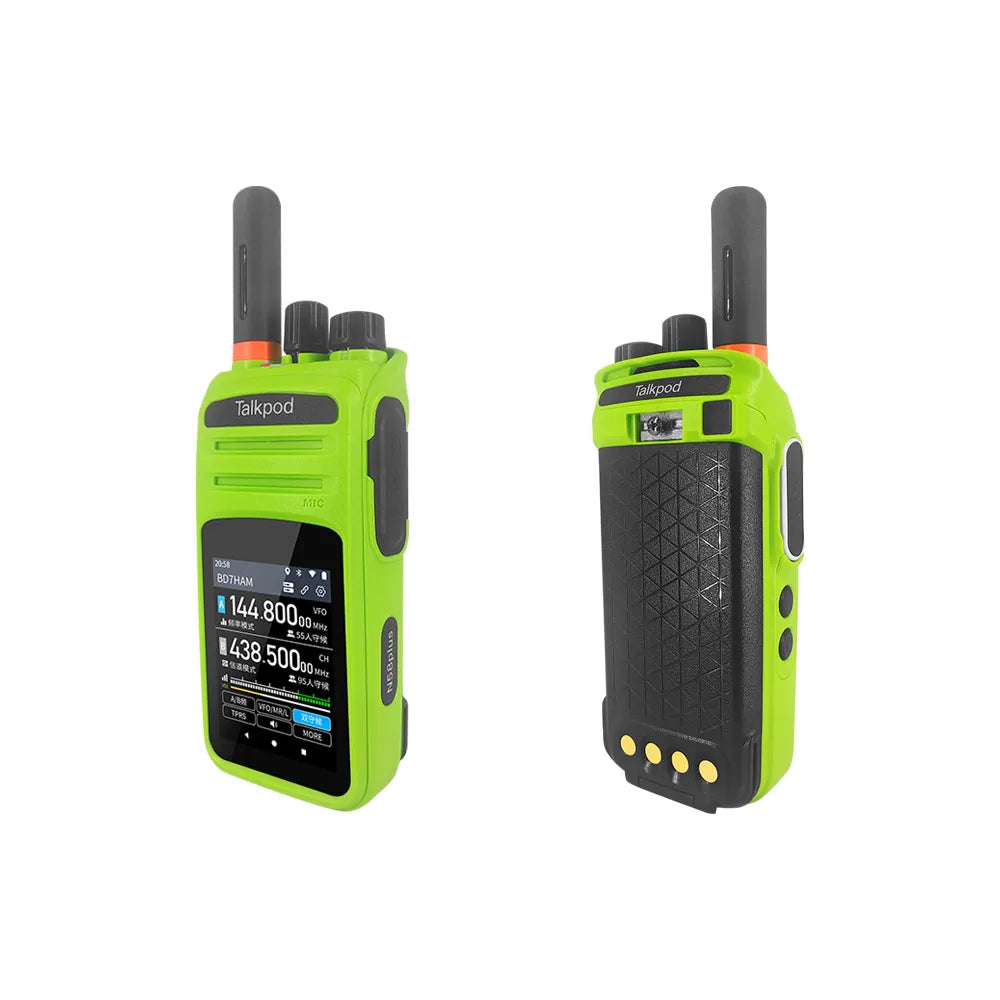
The Talkpod A50Ex combines explosion-protected construction with automatic ad hoc networking, providing a portable communication option for gas-maintenance teams working in areas where public mobile networks cannot always be relied upon.
Its usefulness begins with two requirements: the radio must be approved for the intended hazardous location, and the communication network must be planned around the actual inspection route.
Hazardous-area suitability must be verified
Gas stations, regulator installations and valve chambers can contain flammable gas under certain operating or fault conditions.
An unsuitable electrical device may introduce potential ignition sources through sparks, electrical faults or excessive surface temperatures. For this reason, a radio described as explosion-protected should never be selected only by product name.
Before deploying the A50Ex, operators should verify its exact certification marking against the hazardous-area classification of the intended site.
This includes the permitted zone, gas group, temperature class, ambient operating range and any restrictions stated on the certificate or product nameplate.
If the applicable certification specifically identifies the radio as intrinsically safe, it can be described and managed accordingly. Otherwise, the broader term “explosion-protected” is more appropriate.
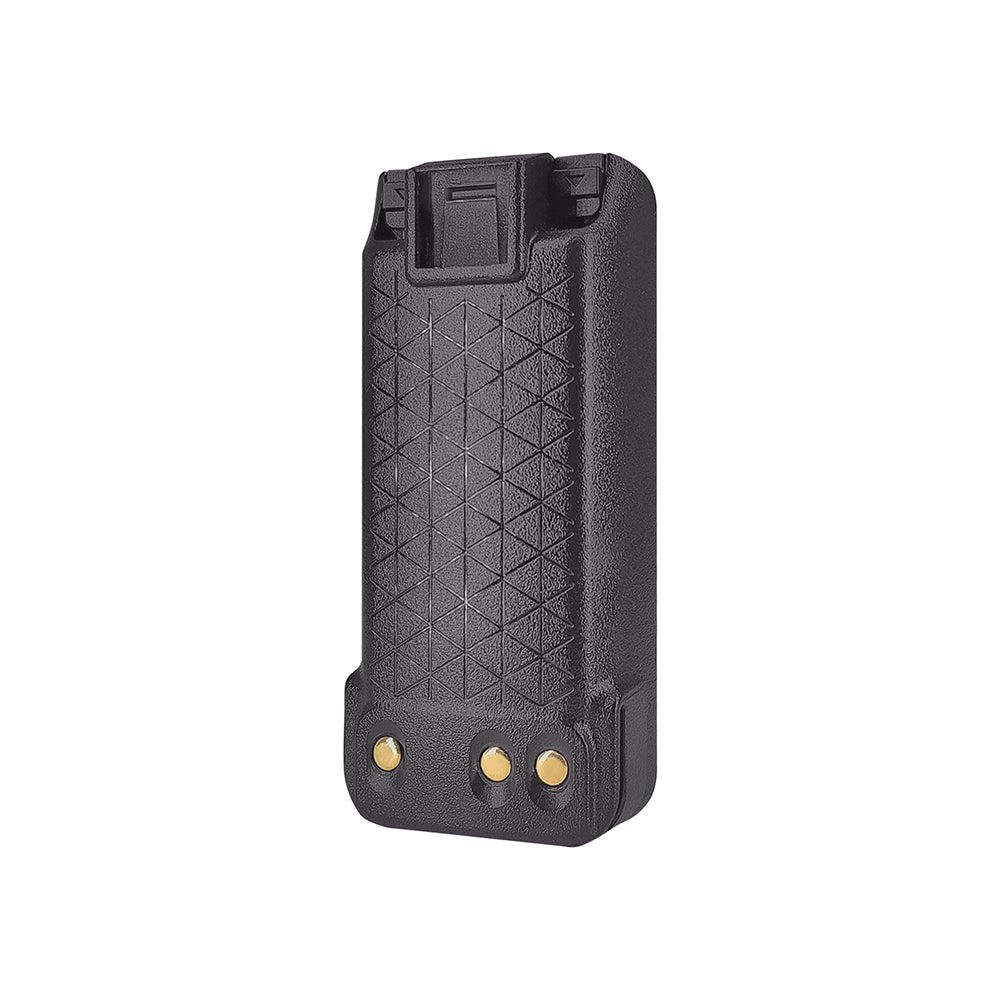
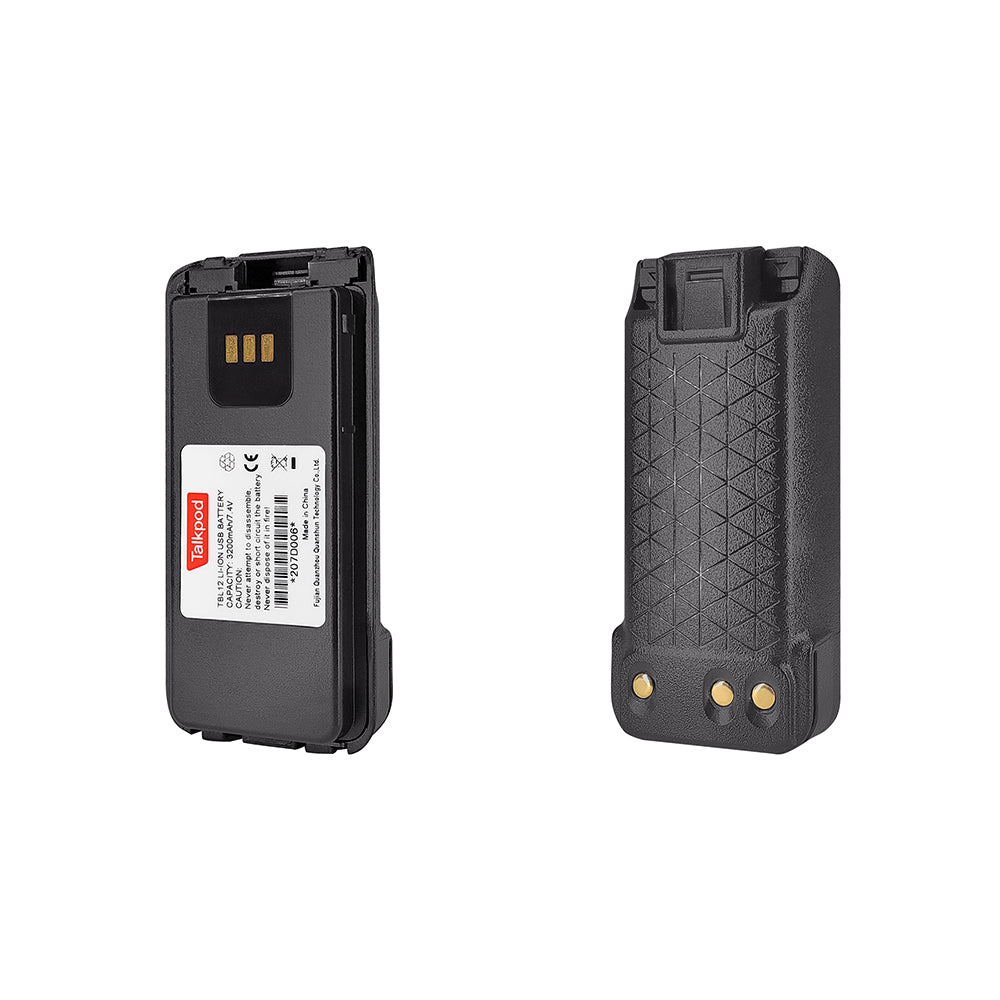
Approved batteries and accessories are also part of the protection concept. Unauthorized replacements, physical modifications or damage to the enclosure may affect the radio’s suitability for hazardous-area service.
The radio can reduce the ignition risk introduced by communication equipment when correctly selected and maintained. It does not make a gas-filled space safe.
Underground valve chambers require more than an explosion-protected radio
An underground valve chamber presents a second set of risks.
Depending on its design and local regulations, entry may be treated as confined-space work. Gas can accumulate, oxygen levels may change and access for emergency rescue can be limited.
Communication therefore forms only one part of the entry procedure.
Gas detection, ventilation where required, entry authorization, an attendant or monitoring arrangement, personnel accountability and a defined rescue plan may all be necessary under the operator’s safety rules.
The A50Ex can help the person entering the chamber remain in contact with colleagues outside, provided that its certification is suitable for the location and a viable radio path exists.
It does not replace a gas detector or confined-space monitoring system.
If atmospheric conditions exceed the permitted working limits, the correct response is determined by the operator’s safety procedure—not by the continued availability of radio communication.
Building a communication path without cellular coverage
Underground valve chambers and remote pipeline routes may have little or no public mobile service.
They can also be difficult for ordinary direct radio communication. Soil, concrete, metal covers and nearby equipment can attenuate signals sharply.
The A50Ex addresses this problem through automatic ad hoc networking and multi-hop relay.
Compatible radios can relay voice traffic between one another rather than requiring every inspector to establish a direct radio path to the same endpoint.
Along a pipeline inspection route, for example, personnel or appropriately positioned nodes can form a chain between separated working locations. Depending on the supported configuration, the network can use chain, mesh or tree-like structures to adapt to the layout.
This can extend communication into areas where a single direct radio link would be unreliable.
It does not create unlimited range.
Every relay still requires an adequate link to the next node.
A valve chamber is a particularly difficult radio environment
The difference between communicating along an open pipeline route and communicating from inside a buried chamber can be substantial.
A metal cover, reinforced concrete and surrounding soil can severely weaken radio signals. A handheld used deep inside a chamber may therefore be unable to reach another radio hundreds of metres away even though both devices support multi-hop networking.
A more realistic deployment places intermediate radios or dedicated nodes where reliable links can be maintained.
For example, one unit may remain with personnel at the chamber entrance while another communicates farther along the route. Additional nodes can then extend the network toward a field coordination point.
If communication must ultimately reach a remote dispatch centre, the system also needs an approved interface or gateway into the wider communication infrastructure.
The ad hoc network itself does not automatically turn a radio deep underground into a long-distance link to a control room several kilometres away.
Planning the network around the inspection route
Gas-pipeline communication should therefore be tested in the same places where inspectors actually work.
Regulator skids, valve chambers, roadside sections, enclosed equipment areas and remote pipeline points may all behave differently.
Teams should identify weak links before routine deployment and determine where intermediate nodes are required.
The route may also change over time.
Construction work, parked vehicles, new metal structures or a different chamber cover can alter radio propagation. Communication planning should therefore be reviewed as operating conditions change.
The objective is not to claim that the pipeline has no signal dead zones.
It is to know where those dead zones are—and design the working procedure around them before an inspector depends on the radio.
Clearer communication beside roads and construction sites
Pipeline inspection does not always take place in quiet industrial compounds.
Routes may follow roads, construction areas or other locations filled with traffic, machinery and wind noise.
The A50Ex uses digital audio processing and noise-reduction functions intended to improve speech intelligibility in these environments.
This can make short operational messages easier to understand: a valve number, pressure condition, inspection location or request for support.
Digital processing cannot guarantee perfect audio.
When an inspector reports a suspected leak, abnormal pressure or other safety-critical condition, the information should be repeated or confirmed according to the operator’s procedures.
A radio can make a report easier to hear. It cannot verify the measurement itself.
Separating inspection teams without promising absolute secrecy
Several maintenance teams may work in neighbouring areas at the same time.
Configured digital groups can help separate routine traffic and reduce unwanted cross-team communication. Depending on system configuration, communication-protection functions may also restrict ordinary unauthorized access.
This can make the network more orderly and improve operational privacy.
It should not be described as making communication impossible to intercept.
Security depends on system configuration, encryption implementation where applicable, key management, device control and organisational procedures.
Pressure readings, leak reports and other operational information should therefore continue to be handled according to the gas operator’s approved information and safety procedures.
Equipment for long outdoor inspection routes
Pipeline inspectors may spend much of a shift outdoors.
Rain, low temperatures, dust, repeated handling and accidental impacts all place stress on handheld equipment.
The A50Ex uses a sealed, reinforced construction intended for demanding field use and has undergone environmental-reliability testing associated with conditions such as temperature variation, moisture, dust, vibration and impact.
The exact level of environmental protection should still be taken from the product’s specified ratings rather than broad claims such as “weatherproof under any condition.”
If a unit suffers severe impact, water ingress or visible damage to its housing, seals or battery assembly, it should be inspected before returning to hazardous-area service.
With explosion-protected equipment, enclosure integrity is a safety issue as well as a durability issue.
Battery planning matters on long shifts
Extended operating time can reduce the need to interrupt a pipeline inspection simply to recharge a radio.
Actual battery endurance, however, depends on transmission frequency, relay activity, audio volume, temperature and battery condition.
Cold weather can reduce available capacity, while a radio acting frequently as an intermediate relay may experience a different duty cycle from one used only occasionally for voice calls.
Gas operators should therefore plan charged approved units or batteries around the length of the inspection shift rather than assume that one charge will always cover several days.
Charging, battery removal and replacement should take place only under conditions permitted by the manufacturer and the site’s hazardous-area procedures.
Designed for inspectors already carrying other instruments
Communication equipment is only one item carried by a gas inspector.
Portable gas detectors, test instruments, tools and protective clothing can already make long pipeline routes physically demanding.
The A50Ex uses a compact body with large physical controls intended to make routine push-to-talk operation easier when personnel are wearing gloves.
This becomes particularly useful in winter, when thicker protective clothing can make small controls difficult to operate.
A communication device should require as little visual attention as possible.
The inspector’s primary focus remains the pipework, atmosphere and surrounding environment.
An additional visual aid for night work
The A50Ex also incorporates a high-visibility warning light that can provide an additional visual cue during low-light work.
On a night inspection or poorly lit outdoor route, it may help nearby colleagues identify the position of another equipped worker more easily.
Its function remains supplementary.
The radio light does not replace approved personal lighting, high-visibility clothing, traffic-control measures, gas detection or personnel-accountability procedures.
Visibility is one element of field safety, not a substitute for it.
Communication as part of the inspection system
The Talkpod A50Ex cannot detect a gas leak, ventilate a valve chamber or guarantee communication from every underground location.
Nor does an explosion-protection designation mean that it can automatically be used in every gas installation without checking the exact certification.
Its role is more focused.
When appropriately certified and deployed, the A50Ex provides gas-maintenance personnel with a portable communication layer that does not depend on public mobile coverage for its core radio links. Multi-hop networking can extend communication along difficult inspection routes, while digital audio and practical controls support personnel working in noisy and demanding environments.
For gas-pipeline inspection, the most useful network is not the one that promises to cover every metre.
It is the one whose limits have already been tested before an inspector enters the place where communication matters most.



Leave a comment
All comments are moderated before being published.
This site is protected by hCaptcha and the hCaptcha Privacy Policy and Terms of Service apply.