

Large-scale security exercises place unusual demands on a radio system.
Personnel may be distributed across open terrain, enclosed structures, underground passages and temporary training zones, while command staff need to coordinate several teams operating simultaneously.
Those environments create two different communication challenges.
The first is coverage. Distance, terrain and reinforced structures can weaken direct radio links.
The second is equipment suitability. Some exercises may include controlled hazardous-area scenarios, industrial facilities or training zones where communication equipment must meet defined safety requirements.
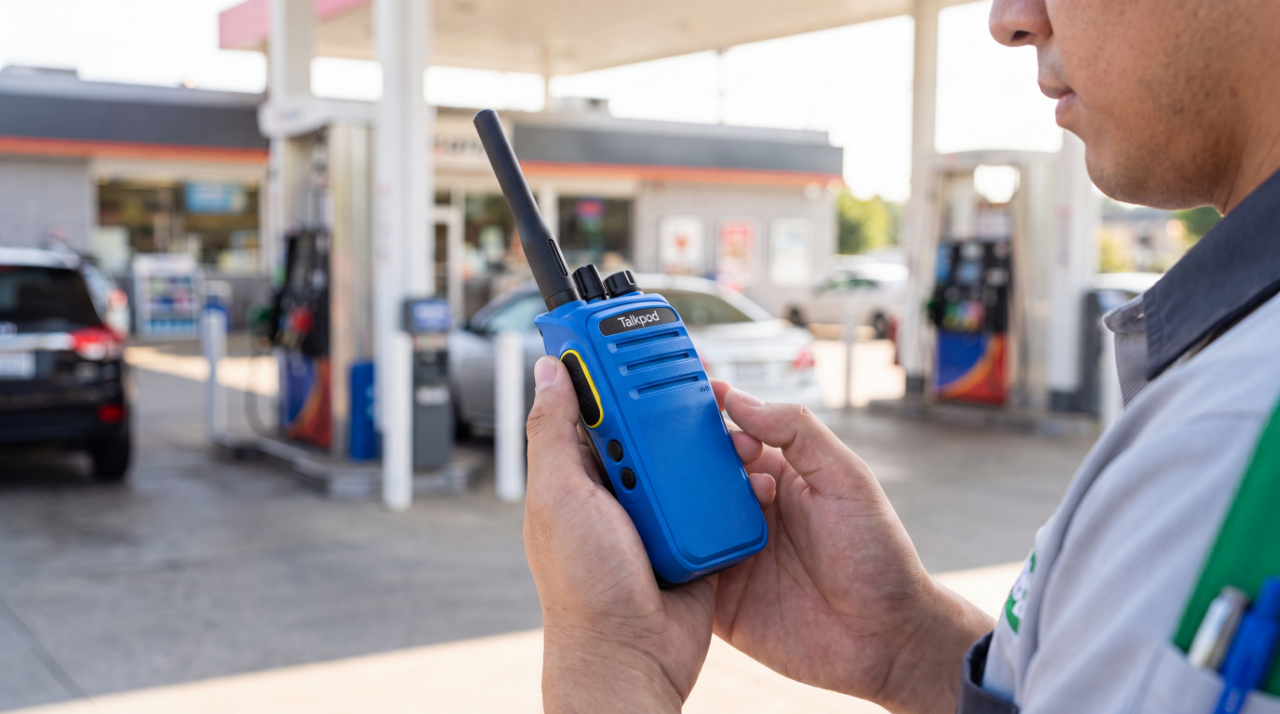
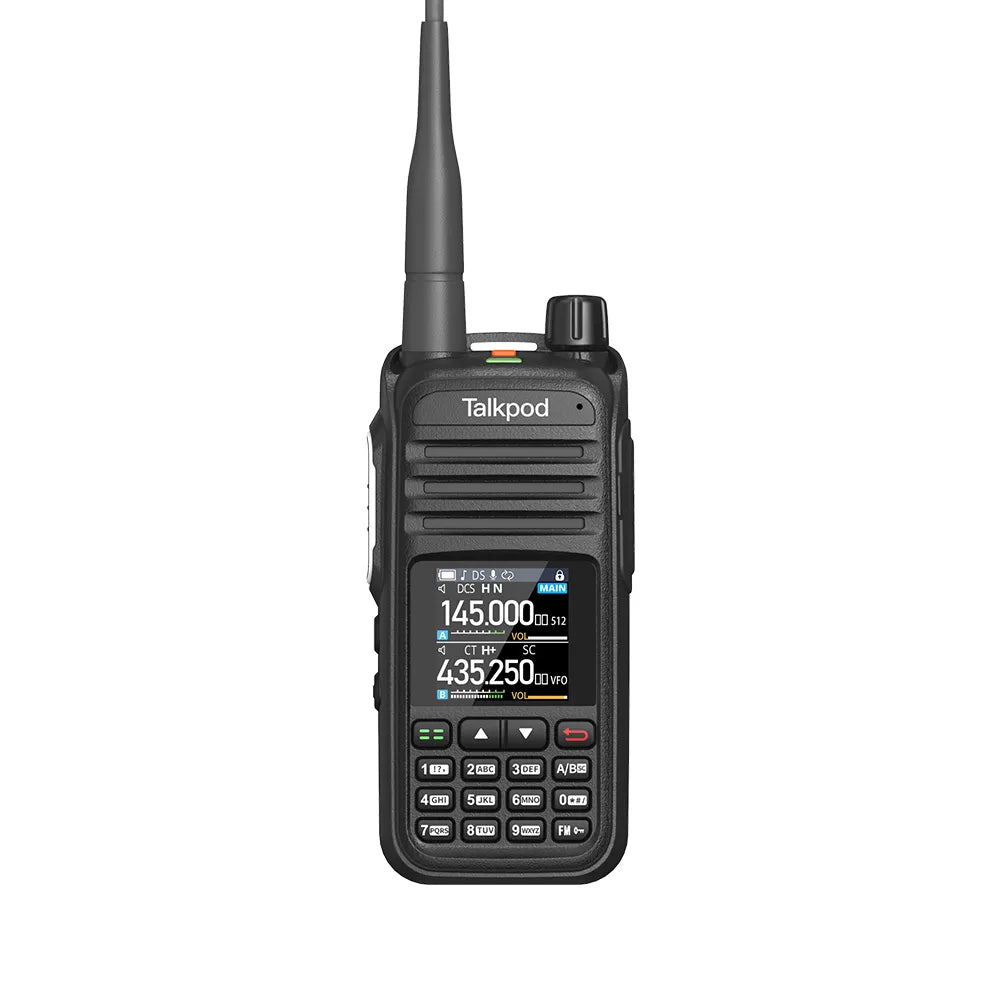
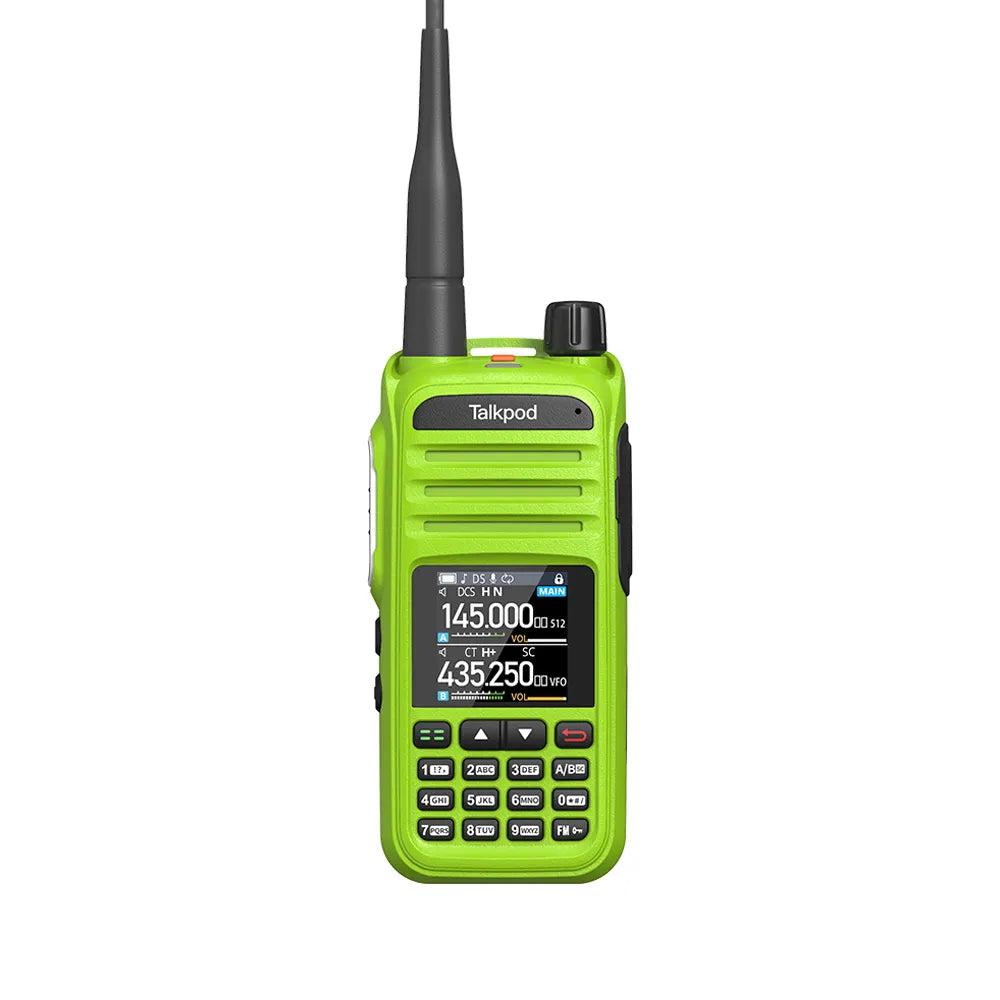
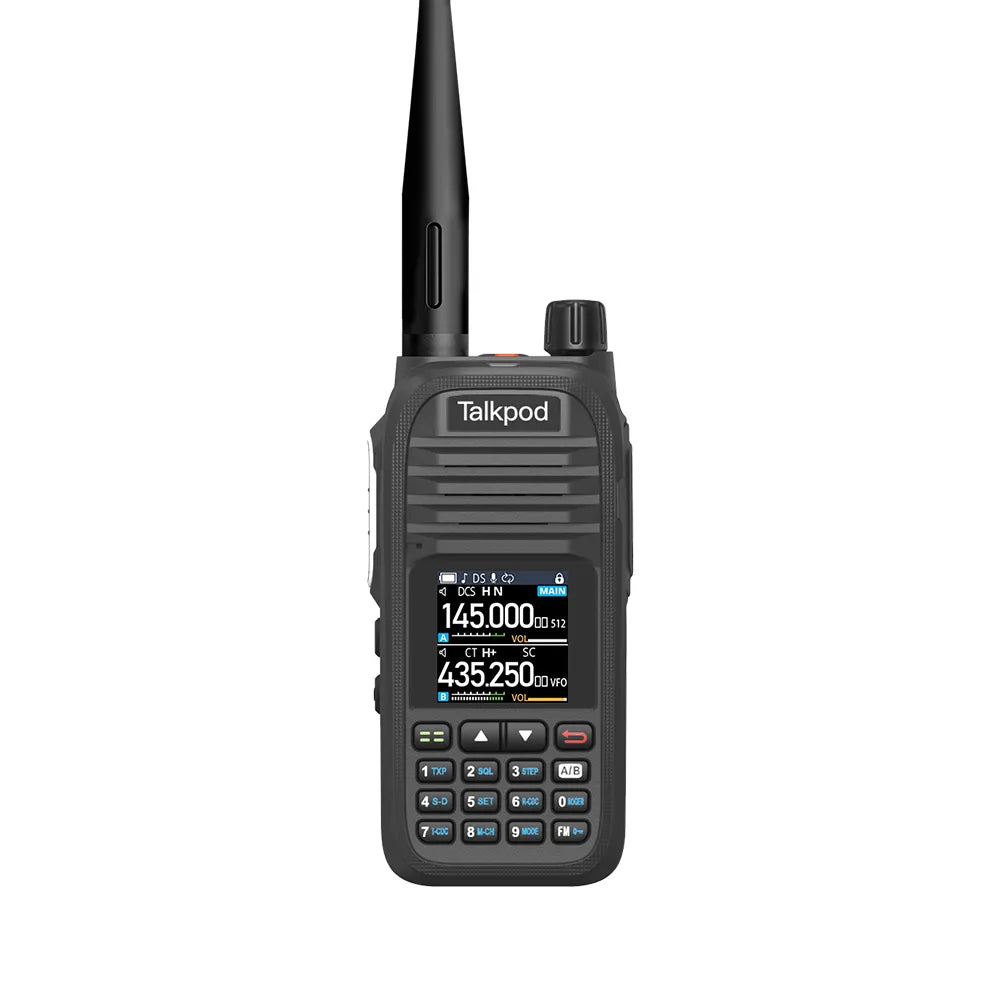
The Talkpod A50Ex explosion-protected digital radio combines high-power local communication, adjustable audio parameters, physical channel selection and a rugged industrial design intended for demanding field operations.
Higher transmit power can extend local coverage
Large training areas can place personnel several kilometers apart.
The source specifies a 10 W transmit-power configuration for the A50Ex together with an optimized UHF antenna, with direct communication distances of approximately 3–5 km under favorable open-area conditions.
That can provide useful local reach across open training grounds without depending on a public mobile network.
The figure should not, however, be treated as a guaranteed operating radius.
Buildings, hills, vegetation, vehicles, antenna position and surrounding RF activity all affect usable range.
A radio that covers several kilometers across open terrain may perform very differently inside a reinforced building or behind significant terrain.
For large exercises, communication routes should therefore be tested in the actual operating area before the event begins.
Audio settings can be adapted to different environments
An exercise may move between relatively quiet staging areas and locations dominated by vehicles, machinery, alarms or training effects.
The A50Ex supports separate adjustment of microphone gain and speaker gain, allowing administrators or users to tune audio behavior for the surrounding environment.
Microphone gain controls how strongly the radio picks up the user's voice and surrounding sound.
In a quieter environment, moderate settings can provide natural speech pickup. In a very noisy environment, simply increasing microphone gain is not necessarily helpful—it may also amplify background noise or produce distorted audio.
Speaker gain, meanwhile, can be adjusted to help received speech remain audible where ambient noise is higher.
The useful principle is not “maximum gain.”
It is configuring microphone and speaker levels so that speech remains understandable without introducing unnecessary background noise or distortion.
Physical channel selection simplifies team organization
Large exercises often involve several teams that need separate communication paths.
The A50Ex provides a 16-position physical channel selector, allowing users to move between predefined channels without navigating through an on-screen menu.
That can be particularly useful when personnel are wearing gloves or operating under time pressure.
Teams can be assigned different programmed channels before the exercise begins, with supervisors using an agreed communication plan for coordination.
This reduces the need for users to remember complicated menu sequences.
It does not, however, eliminate the need for frequency planning.
If several teams or neighboring organizations operate on the same or overlapping frequencies, interference can still occur.
The radio plan should therefore be prepared in advance and coordinated with the frequencies legally and operationally available at the training site.
Hazardous-area certification must match the actual scenario
The source describes the A50Ex as carrying both gas and dust explosion-protection certifications and using flame-resistant construction.
That can be important when exercises take place in or around real industrial hazardous areas.
But “gas and dust certified” should not be interpreted as permission to use the radio in every explosive atmosphere.
Gas and combustible-dust environments have different classification systems, and suitability depends on the exact certification marking.
Operators should verify the device certificate and nameplate against the required zone or division, gas or dust group, temperature class and permitted ambient operating range.
The source also states a maximum surface-temperature figure of 135°C under the referenced certification conditions.
That value only has meaning when interpreted together with the complete explosion-protection marking.
It should not be used by itself to claim universal suitability for any hazardous material.
A simulated hazardous scenario is not always a real hazardous area
Training exercises often recreate industrial accidents, chemical releases or explosion-risk environments without actually introducing a flammable atmosphere.
In those cases, explosion-protected equipment may help reproduce realistic equipment procedures, but certification does not create additional safety where no classified atmosphere exists.
Conversely, if the training takes place at an actual refinery, chemical plant, fuel facility or another classified location, the normal hazardous-area rules still apply regardless of whether the activity is “only an exercise.”
The actual environment determines the equipment requirement.
The exercise scenario does not override it.
Pyrotechnics and RF safety are separate questions
Large exercises may also use controlled pyrotechnics, explosive simulators or other training effects.
Explosion protection and radio-frequency safety should not be treated as the same issue.
A radio may be approved for a particular hazardous atmosphere but still be subject to restrictions around electrically initiated pyrotechnics or other RF-sensitive equipment.
Where such devices are used, organizers should follow the training plan, manufacturer instructions and applicable safety rules governing radio transmission near the initiation system.
If a stop-transmitting distance or stage is required, that should be built into the exercise communication procedure.
An explosion-protection certificate should never be interpreted as automatic permission to transmit beside every explosive or pyrotechnic device.
Ruggedness matters during long field exercises
Training radios may be exposed to repeated handling, vehicle transport, dust, temperature changes and outdoor use over many hours.
The source states that the A50Ex has undergone MIL-STD-810-series environmental reliability testing.
That can support confidence in demanding field use, but the claim should still be tied to the specific tests actually completed.
MIL-STD-related testing does not mean the device is indestructible or immune to every environmental condition.
Inspection and routine maintenance remain necessary, especially for explosion-protected equipment.
A damaged enclosure, unauthorized battery or compromised accessory can affect the basis on which hazardous-area approval was granted.
Battery planning is part of communication planning
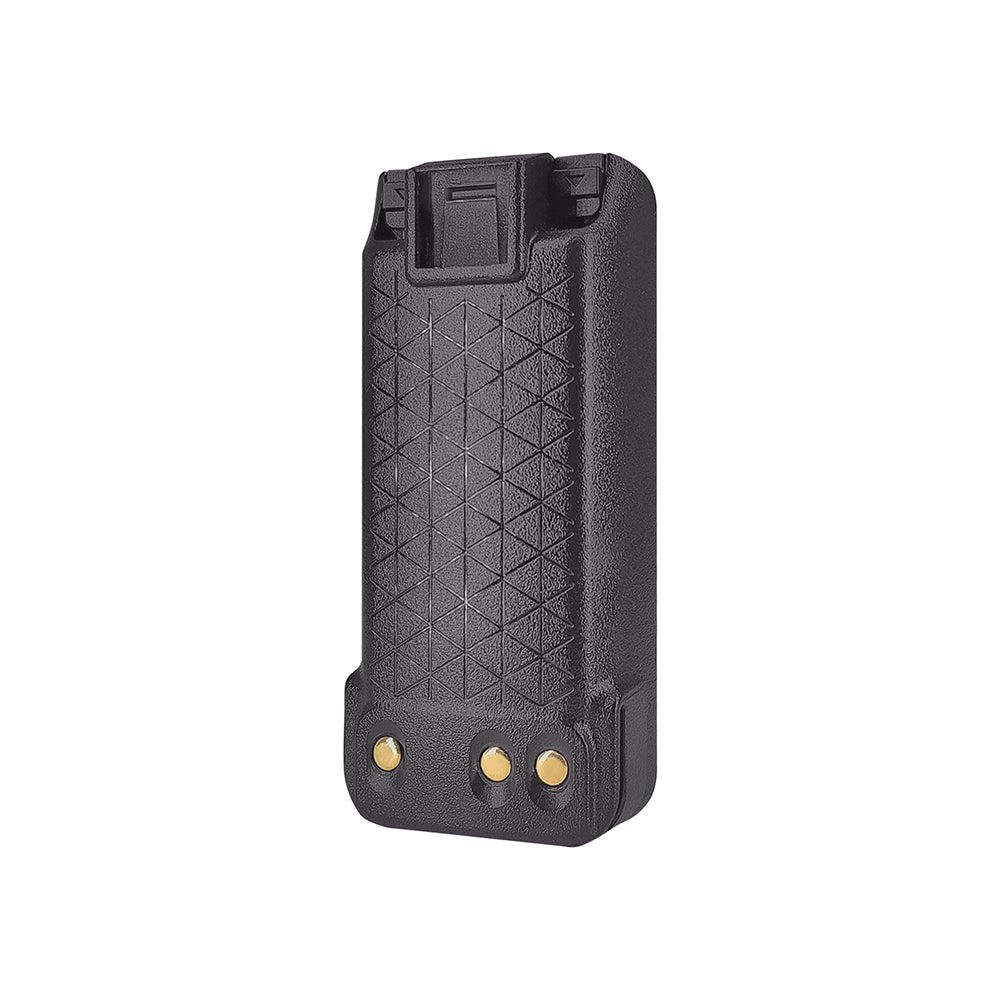
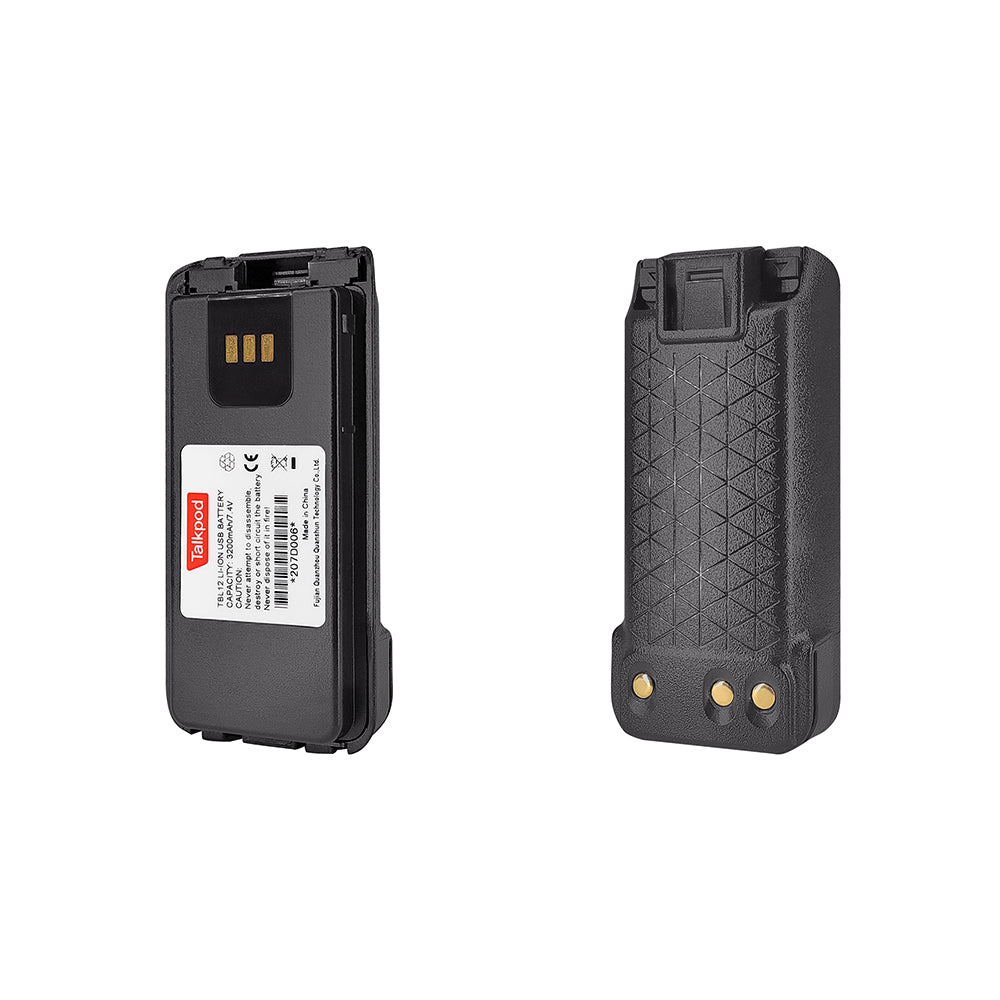
The source specifies a 7.4 V, 3200 mAh battery and cites operating time of up to approximately 36 hours under the referenced conditions.
That can be useful during exercises extending across long daytime periods or overnight stages.
Actual endurance will still depend on transmit duty cycle, receive time, audio level, temperature, battery age and other operating conditions.
For long exercises, radios should begin fully charged and spare approved batteries should be managed according to the equipment instructions.
Where hazardous-area certification applies, only approved battery types should be used.
Battery endurance should be treated as part of logistics planning rather than assumed from the maximum specification alone.
Communication should support the exercise structure
A radio system is most useful when its configuration reflects the way the exercise is organized.
Predefined channels can separate functional teams. Physical controls make channel changes easier. Adjustable audio settings can help adapt the radios to different noise environments, while higher transmit power can improve usable direct range in appropriate terrain.
These features can make coordination more practical.
They do not replace command procedures, safety officers, exercise-control systems or established emergency protocols.
Likewise, the radio should not be treated as the sole communication method where loss of connectivity would create a serious operational or safety problem.
Critical exercises should define backup communication arrangements before deployment.
A practical communication layer for complex field exercises
The Talkpod A50Ex combines several features that can be useful in a large-scale security or emergency exercise: high-power local digital communication, physical channel selection, adjustable microphone and speaker parameters, industrial environmental testing and explosion-protected construction.
Its value should remain realistic.
A 10 W radio does not guarantee coverage through every building or terrain feature. Higher audio gain does not automatically improve speech in noise. Gas and dust certification does not make the device universally suitable for every hazardous location.
Used within its documented limits—and supported by proper radio planning, hazardous-area verification and exercise safety procedures—the A50Ex can provide a practical local communication layer for teams operating across complex training environments.


Leave a comment
All comments are moderated before being published.
This site is protected by hCaptcha and the hCaptcha Privacy Policy and Terms of Service apply.