
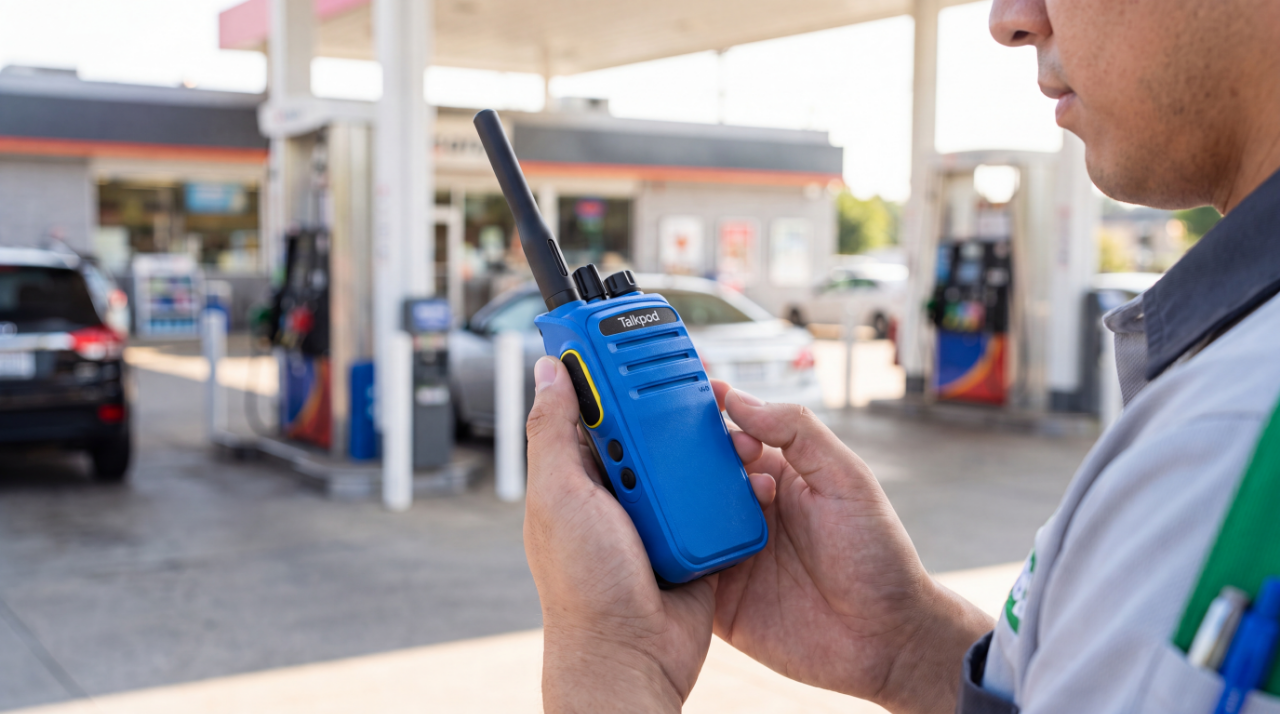
A fuel station is a small site with unusually demanding communication requirements.
Attendants work around vehicle traffic, fuel dispensers and customer queues. Storage and unloading areas may sit away from the forecourt, while supervisors need to coordinate several positions without repeatedly leaving their posts.
At the same time, gasoline vapors can create classified hazardous locations around particular equipment and operations. That means portable electronics used in those areas cannot be selected on convenience alone.
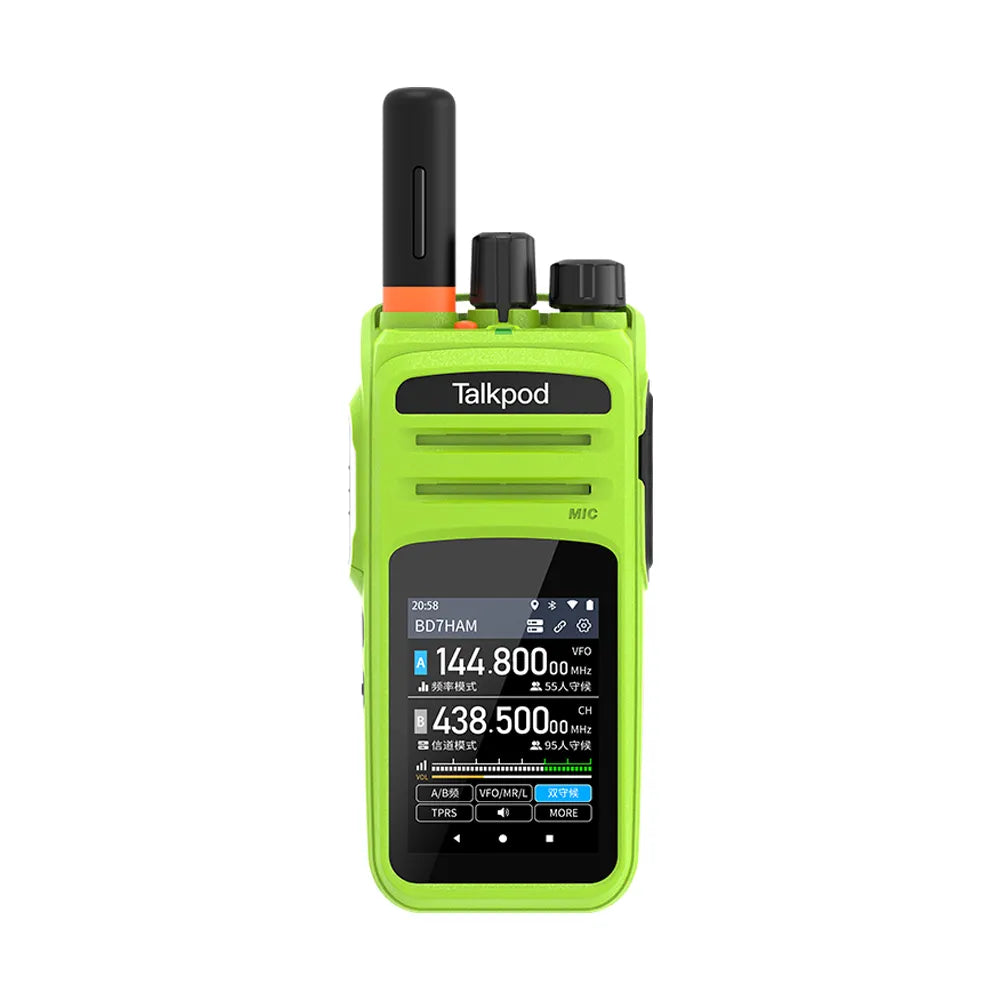
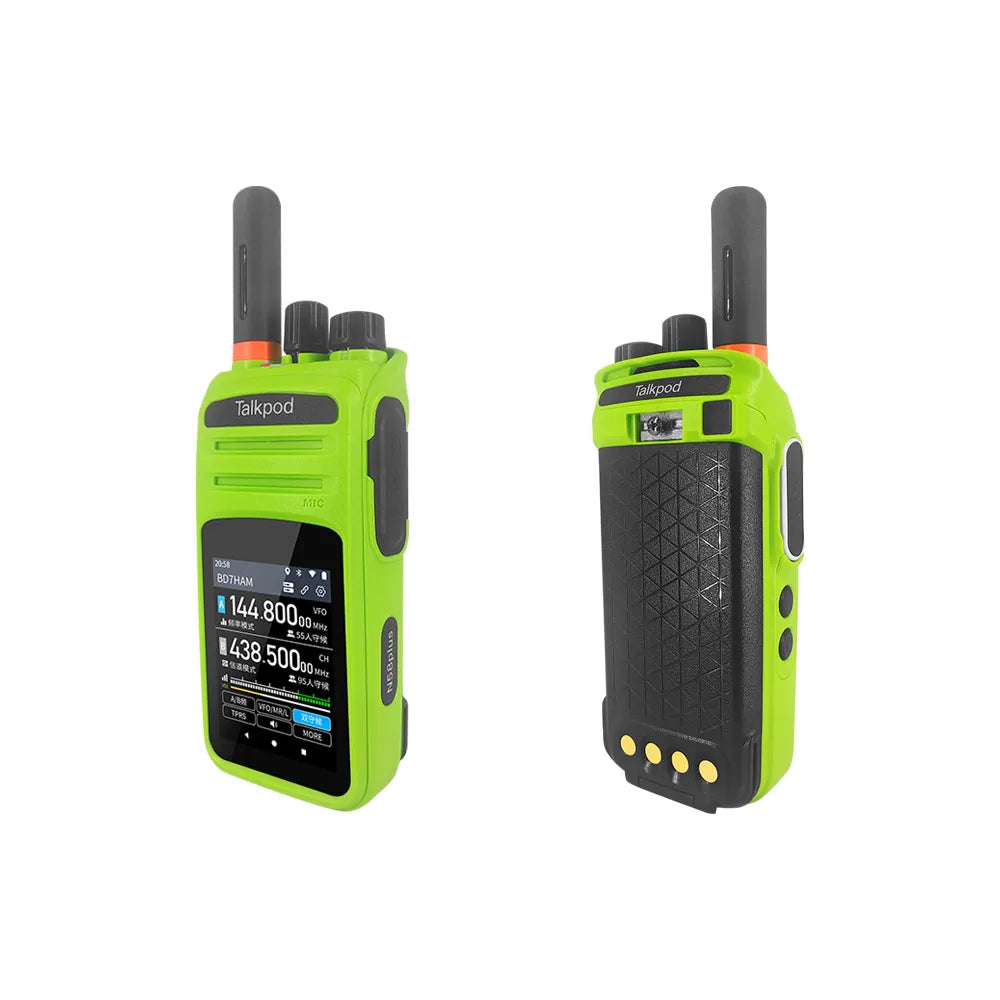
For PetroChina's Xingan Branch in Inner Mongolia, the Talkpod D50Ex explosion-protected digital radio provides a local communication option designed for demanding industrial environments. Its digital and analog operating modes, programmable controls and local group communication can help station personnel coordinate routine work more efficiently—provided that the radio's exact certification matches the hazardous area in which it is used.
[Image]
Hazardous-area suitability comes before radio performance
At a fuel station, not every location presents the same level of risk.
Areas around dispensers, tank vents, tanker unloading connections and underground storage systems may be classified differently depending on the facility design and applicable regulations.
Before deploying the D50Ex, the operator should therefore verify the radio's exact explosion-protection certificate and product marking against the hazardous-area classification of each intended location.
That includes the applicable zone, gas group, temperature class and permitted ambient conditions.
The source describes the D50Ex as using an intrinsically safe explosion-protection design that complies with national standards. In practice, the certificate and nameplate should determine whether that description applies to the specific fuel-station area concerned.
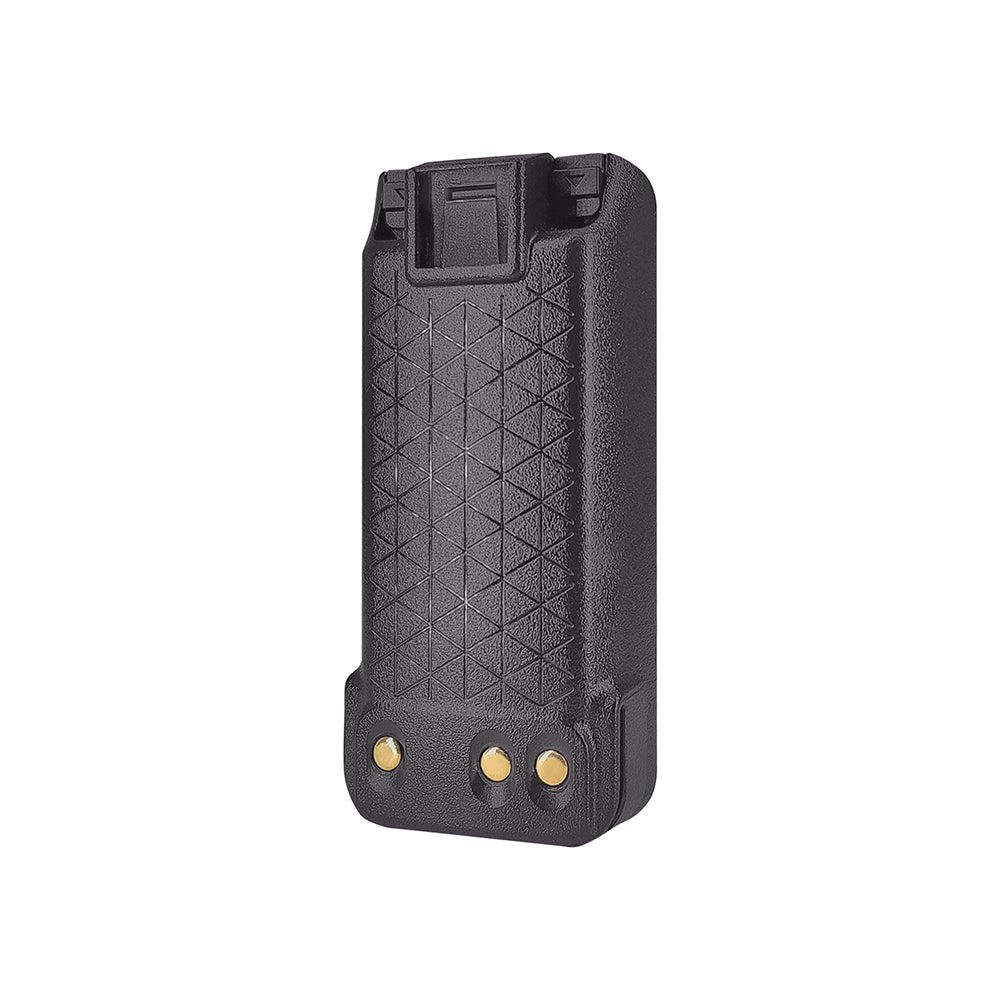
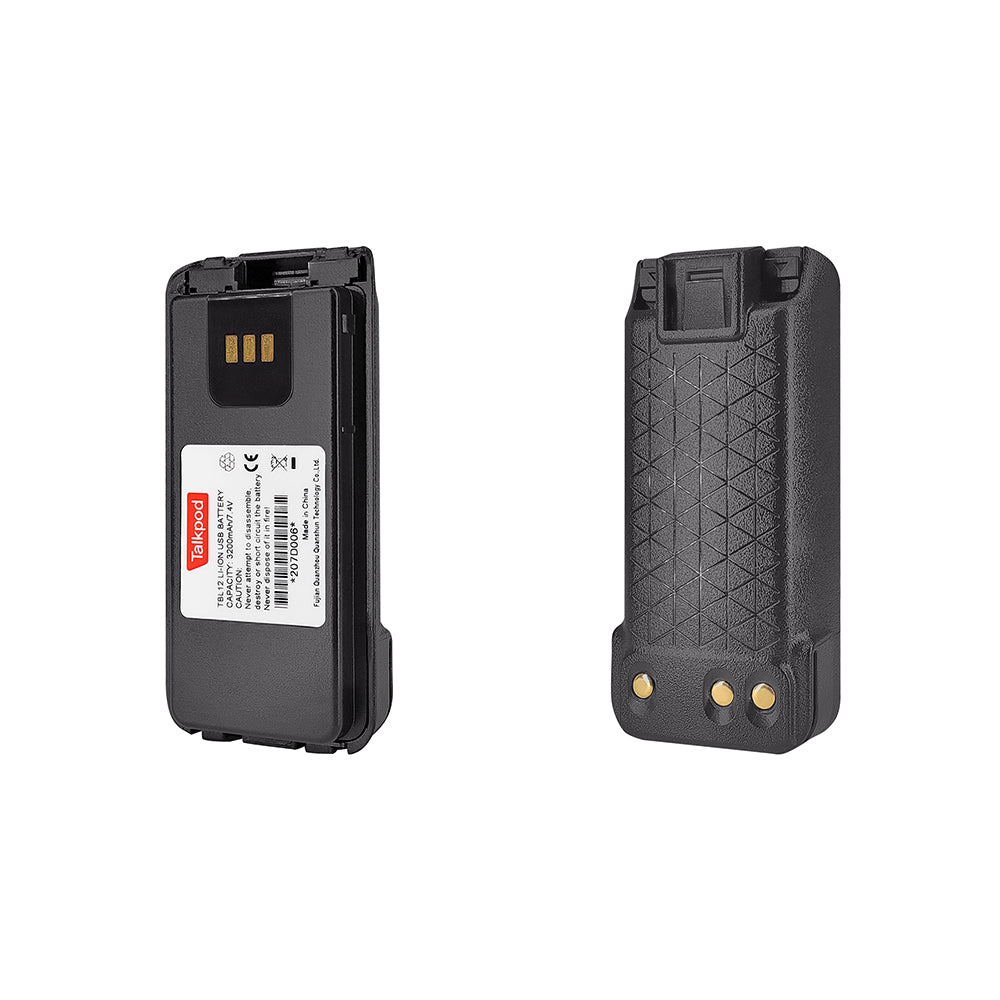
Only approved batteries and accessories should be used. Charging, battery replacement and maintenance should follow the manufacturer's instructions and station procedures, normally outside classified areas unless the certification explicitly permits otherwise.
Explosion protection does not make gasoline vapor harmless.
It is intended to prevent the radio from introducing an unacceptable ignition risk when used within its certified limits.
Keeping attendants connected without leaving their posts
Many of the communication problems at a filling station are routine rather than dramatic.
One attendant may need support with a vehicle queue. Another may notice an equipment abnormality. A supervisor may need several employees to respond to the same situation while maintaining normal service elsewhere.
Without a common radio channel, workers may have to leave their position or rely on individual phone calls.
The D50Ex allows station personnel to exchange short local messages without repeatedly moving away from their assigned work areas.
That can be particularly useful during busy periods, when maintaining awareness across the forecourt matters as much as completing individual fueling tasks.
The radio does not replace formal operating procedures.
Its value is in shortening the communication path between the person who notices a problem and the colleagues responsible for responding.
Digital and analog modes can support an existing fleet
The D50Ex supports both digital and analog operation.
For stations that already use conventional radios, this can make an equipment upgrade easier to manage.
Existing analog communication may continue to serve part of the site while newer digital radios are introduced gradually.
Compatibility, however, should not be assumed simply because both devices have an analog mode.
Frequency, channel spacing, signaling and programming settings must still match. Digital communication also requires compatible protocols and configuration.
For the Xingan deployment, the radio system should therefore be configured and tested against the station's existing communication equipment before operational use.
When properly planned, dual-mode operation can provide a practical transition path rather than forcing an entire fleet to be replaced at once.
[Image]
Radio coverage still depends on the station layout
The source describes the D50Ex as providing strong signal performance across areas such as the fueling forecourt and fuel-storage zones.
That can be useful, but local radio coverage is always influenced by the physical environment.
Canopies, reinforced walls, underground structures, tanks, vehicles and service buildings can all affect signal propagation.
A handheld radio should therefore not be described as guaranteeing uninterrupted coverage across every part of a station.
The better approach is to test communication in the locations where personnel actually work: dispensers, cashier areas, tank-farm boundaries, unloading points and maintenance spaces.
If weak areas are identified, the site can adjust radio planning or introduce additional infrastructure where appropriate.
Coverage is most reliable when it has been measured rather than assumed.
Faster reporting of abnormal situations
Fuel-station personnel may encounter situations ranging from minor operational disruption to genuine emergencies.
A vehicle may obstruct access. Equipment may behave abnormally. A spill, suspected leak or fire may require immediate escalation.
Programmable controls on the D50Ex can reduce the number of steps required to contact a defined group or initiate an alert.
For frontline attendants, that matters.
They can notify colleagues while remaining focused on the area in front of them rather than navigating a complicated menu or leaving their post to find a supervisor.
But a one-touch alert does not manage the incident by itself.
The station should define who receives the alert, how it is acknowledged and what action follows.
Fire and fuel emergencies require more than a handheld radio
If a fuel leak or fire develops, radio communication becomes only one part of the response.
Personnel may need to stop dispensing, isolate the affected area, activate emergency shutdown, contact fire services or evacuate according to the station's emergency plan.
The D50Ex can support voice coordination during those actions.
It should not replace fixed alarms, emergency stop systems, fire extinguishing equipment, spill-control measures, bonding and grounding procedures or the site's formal emergency-response process.
Likewise, the radio does not detect fuel vapor or determine whether an area is safe to enter.
Those decisions depend on the station's approved safety systems and procedures.
The radio helps people communicate within that framework.
Custom controls can make adoption easier
Radio systems often fail operationally not because the equipment lacks features, but because users find those features difficult to access.
For the Xingan Branch deployment, Talkpod customized frequently used functions and provided practical training for station personnel.
That can make a meaningful difference for frontline users.
A defined key can be assigned to a commonly used call function, while communication groups can be arranged around actual station responsibilities.
Employees then spend less time learning menus and more time using a consistent communication routine.
Training should also cover limitations: which areas the radio is approved for, where charging is allowed, how alerts are handled and what to do if the radio system becomes unavailable.
Communication as one part of fuel-station safety
For PetroChina's Xingan Branch, the D50Ex can provide a useful local communication layer around daily fuel-station operations.
Its explosion-protected design can support use in appropriately classified hazardous locations when the exact certification matches the site. Digital and analog modes can make integration with existing radio systems more flexible, while programmable controls help attendants contact colleagues with fewer operating steps.
Those benefits should remain in perspective.
A radio does not prevent fuel leakage, remove an explosive atmosphere or replace the safety systems that control dispensing and storage operations.
Its role is narrower: helping station personnel exchange information quickly while working within those systems.
In a fuel-retail environment where several small issues may develop at once, that faster communication can make routine coordination—and the first response to an abnormal event—easier to manage.


Leave a comment
All comments are moderated before being published.
This site is protected by hCaptcha and the hCaptcha Privacy Policy and Terms of Service apply.