
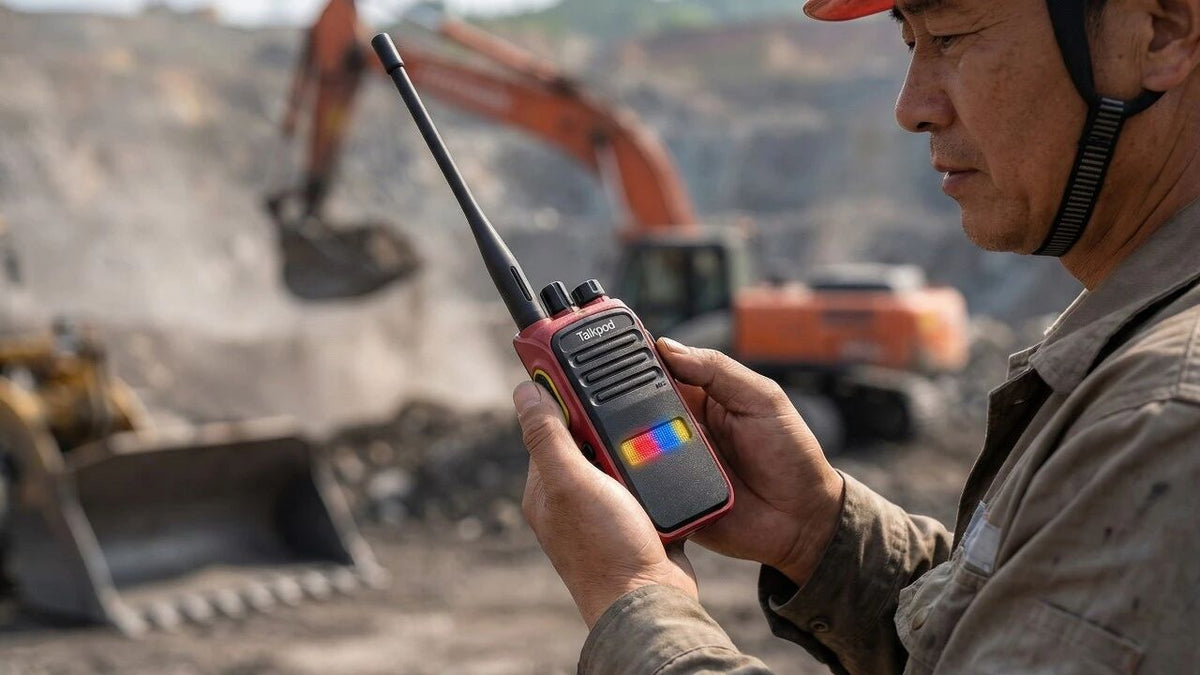
A blast lasts seconds. Preparing for one can take hours.
Before firing, mining teams may need to drill and charge blast holes, establish exclusion zones, inspect underground workings, clear personnel and confirm that every responsible group is in position. The work may involve surface pits, underground roadways and remote sections of a mine where public mobile coverage is weak or unavailable.
Communication is therefore part of the control process.
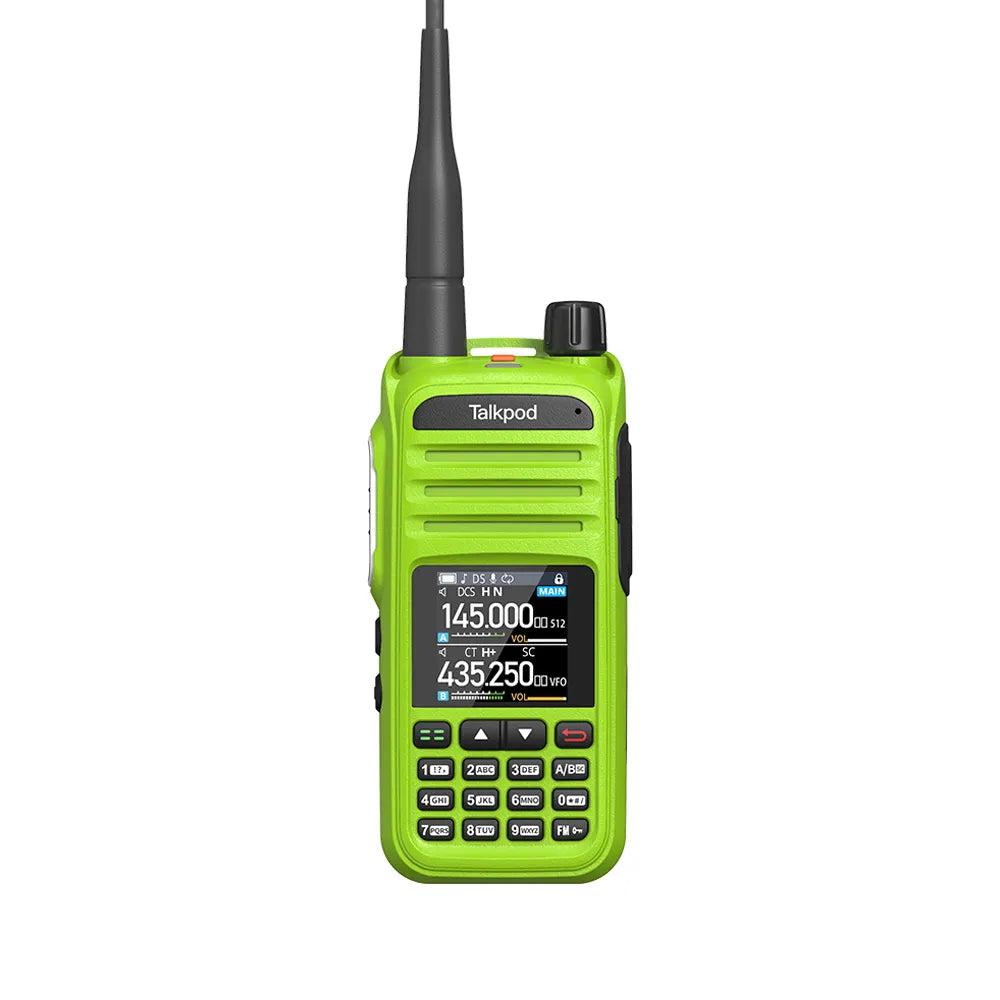
The Talkpod A50Ex combines explosion-protected construction with automatic ad hoc networking, allowing compatible radios to form multi-hop voice links without relying on a public mobile network or a conventional fixed repeater for every connection.
For blasting operations, however, communication equipment must meet two separate requirements: it must be suitable for the surrounding industrial environment, and its use must also comply with the mine's specific blasting procedures.
Explosion protection is only one part of blasting safety
Mining hazards vary considerably from one site to another.
Some underground mines may contain methane or combustible dust, while other operations are primarily concerned with explosives, machinery, dust and difficult terrain. Electrical equipment used in classified hazardous locations must therefore be selected according to the actual environment.
The A50Ex incorporates explosion-protection measures intended for specified hazardous conditions, but the exact certification must be verified before deployment.
Mine operators should check the applicable certification marking, permitted hazardous-area classification, gas or dust group where relevant, temperature limits and any restrictions stated on the certificate or product nameplate.
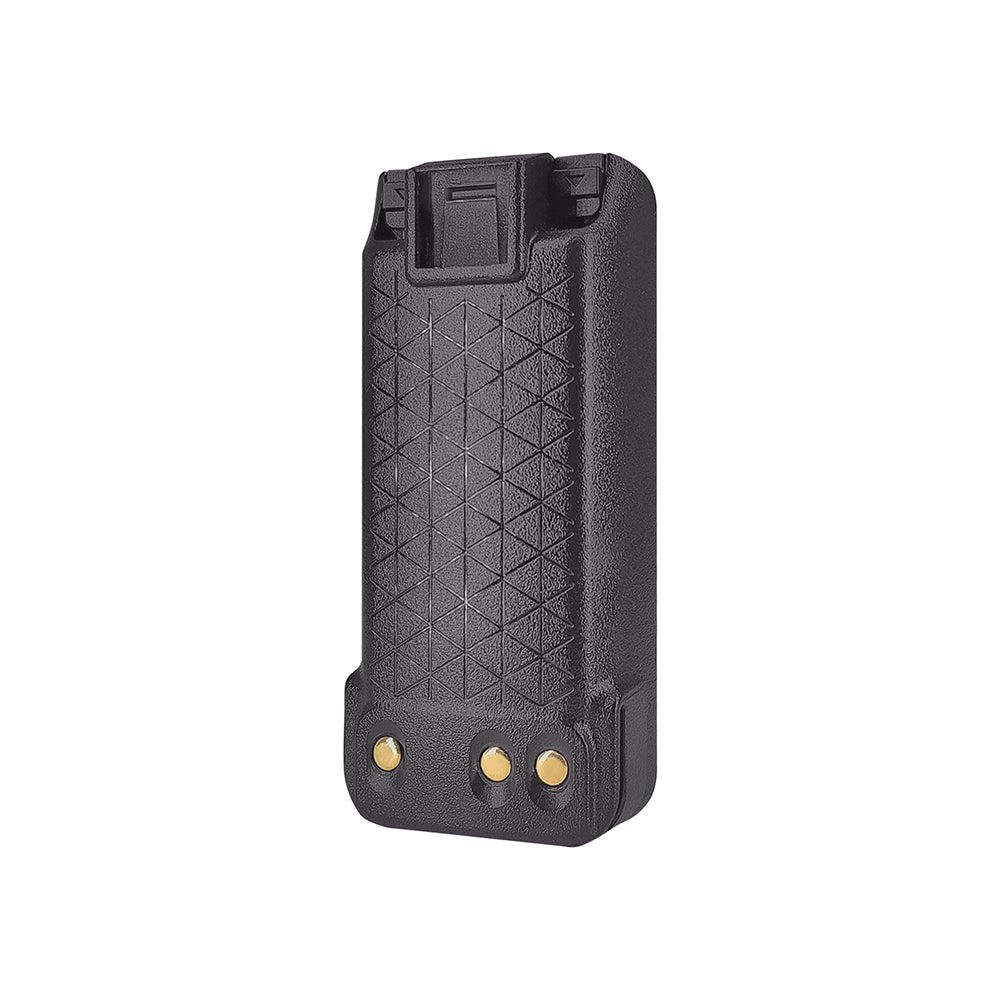
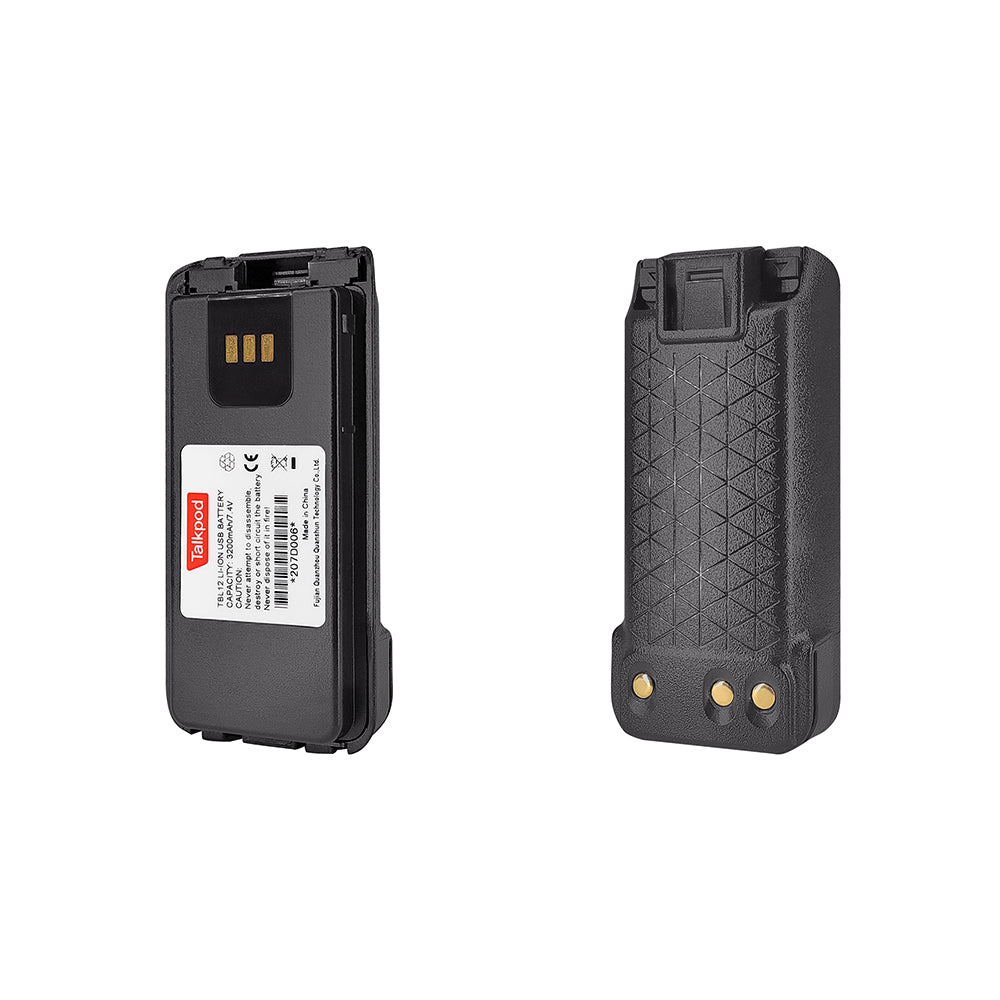
Approved batteries and accessories form part of the same protection concept. Unauthorized replacement batteries, modifications or serious enclosure damage may compromise the equipment's approved status.
Explosion-protected construction does not make a radio universally safe around blasting equipment.
Radio-frequency energy and electrical equipment may be subject to additional restrictions near detonators, firing circuits, initiation systems or charged blast areas. Required separation distances and shutdown procedures should follow the approved blast plan, detonator and initiation-system manufacturer instructions, and applicable mine regulations.
In other words, a radio may be approved for a hazardous atmosphere while still being restricted during a particular stage of a blast.
Building communication where there is no public network
Many mining operations cannot depend on cellular coverage.
Underground roadways may be separated by rock and multiple bends, while surface mines can extend across large areas broken up by benches, haul roads and terrain.
The A50Ex supports automatic ad hoc networking and multi-hop relay between compatible devices.
Instead of requiring every radio to communicate directly with the blast-control point, intermediate units can relay voice traffic from one part of the operating area to another. Depending on the supported configuration, networks can be organized in chain, mesh or tree-like structures.
This provides greater flexibility when work areas change.
A team moving deeper into a roadway can maintain contact through appropriately positioned relay units. On a surface mine, radios distributed between work areas and control points can help bridge locations that do not share a reliable direct radio path.
The system does not provide unlimited relay distance.
Every hop still requires an adequate radio link, and rock, tunnel geometry, heavy machinery and terrain can interrupt that link. Network routes therefore need to be tested rather than assumed.
Planning relay positions before the blast
Automatic networking is useful precisely because mine layouts are difficult.
But “automatic” does not mean “planning-free.”
Before a blasting operation, communication should be checked along the actual working route. Underground bends, chambers, doors and equipment positions can create weak points. Surface terrain and machinery can have similar effects.
Relay radios or dedicated nodes can then be positioned where necessary to maintain the planned communication path.
This is especially important when one group is working near the blast area while another controls access from farther away.
A few personnel carrying radios into a mine will not automatically create complete coverage across several underground levels. Nor can a handheld several kilometers underground communicate directly with the surface merely because the system supports multi-hop operation.
A reliable network is built from reachable links.
Keeping blast-control teams coordinated
Blasting involves more than the person responsible for initiation.
Drilling crews, explosive-handling personnel, safety staff, sentries, equipment operators and supervisors may all need to coordinate at different stages.
Digital communication groups allow routine traffic to be separated according to role or working area.
A sentry group can handle exclusion-zone communication. Site personnel can use another group for routine operating traffic. Supervisors can coordinate across groups when the blast sequence requires wider confirmation.
This reduces unnecessary radio traffic and makes important calls easier to recognize.
Before initiation, however, radio communication should support a formal confirmation procedure rather than replace it.
Clearance of personnel, establishment of exclusion zones, withdrawal of equipment and authorization to fire should remain governed by the mine's approved blasting procedure. A casual radio acknowledgment should never substitute for a required safety check.
Making speech easier to understand around mining machinery
Mining environments are noisy.
Drills, ventilation systems, engines, crushers and haul equipment can make ordinary speech difficult to understand. Poor audio becomes particularly problematic when a message concerns a warning or change in operating status.
The A50Ex uses digital audio processing and noise-reduction functions intended to improve speech intelligibility in demanding environments.
This can help users understand short operational calls more easily and reduce unnecessary repetition.
No noise-processing system can guarantee perfect communication.
Critical messages—particularly those concerning blast clearance, abnormal conditions or personnel status—should be repeated or positively confirmed according to the site's communication procedure.
Communication technology can make a message clearer. It cannot make an ambiguous instruction safe.
Digital communication does not mean absolute secrecy
Mining and blasting operations may involve information that should not be broadcast unnecessarily.
Digital communication and configured access controls can help separate users and reduce unwanted cross-group traffic. Depending on the system configuration, communication-protection functions may also restrict ordinary unauthorized access.
These capabilities should not be described as making a conversation impossible to intercept.
Security depends on the radio configuration, encryption implementation where applicable, key management, device control and operating procedures.
More importantly, safety-critical information should never depend on secrecy for protection.
Blast timing, exclusion areas and authorization procedures should be handled according to the mine's established security and safety policies rather than relying solely on a radio feature.
Equipment durability for long mining shifts
Mining equipment is routinely exposed to dust, moisture, vibration and accidental impact.
The A50Ex uses a sealed and reinforced construction intended for demanding industrial use and has undergone environmental-reliability testing associated with conditions such as impact, temperature variation, humidity, dust and vibration.
The exact environmental protection level should still be taken from the product's specified ratings rather than from broad terms such as “military-grade.”
If a radio suffers a severe drop, water ingress or visible damage to its housing, seals or battery assembly, it should be inspected before being returned to hazardous-area service.
That is particularly important for explosion-protected equipment, because physical damage can affect more than ordinary reliability—it may affect the protection concept itself.
Battery management requires similar discipline.
Extended battery capacity can support long shifts, but actual operating time depends on transmission frequency, temperature, audio use and battery condition. Approved spare units or batteries should be planned for long operations rather than assuming a single charge will always last through multiple blasting cycles.
Charging and battery replacement should take place only under conditions permitted by the manufacturer and mine safety procedures.
Controls that work with gloves and protective equipment
Blasting personnel rarely carry only a radio.
Helmets, lamps, protective clothing and other equipment already compete for attention. In underground workings, workers may also be moving over uneven ground while carrying specialized tools.
The A50Ex uses a compact body and physical controls intended to make routine operation straightforward.
Larger buttons can be easier to operate with gloves, while simple push-to-talk communication reduces the need to navigate menus during field work.
This is a modest design feature, but an important one.
In high-risk work, a communication device should demand as little attention as possible from the environment around the user.
Improving visibility without replacing mine-safety equipment
The A50Ex also incorporates a multicolor warning light that can provide an additional visual cue in low-light or dusty environments.
It may help nearby personnel identify another equipped worker or radio position more quickly.
Its role remains supplementary.
A radio light does not replace approved cap lamps, reflective PPE, blasting warning signals, personnel-accountability systems or mine lighting.
The same principle applies throughout the product: useful communication features should strengthen an existing safety system rather than be presented as substitutes for it.
Communication during blasting needs a defined stop point
One issue deserves particular attention in blasting operations.
There may be stages of the blast sequence during which radios or other transmitting devices are restricted near initiation systems.
The precise rules depend on the explosives, detonators, firing system, radio power, frequencies, mine procedures and applicable regulations.
For this reason, a communication plan should define not only where radios are used, but also where and when transmitting must stop if required.
Personnel should know the final communication point before firing, the method used to confirm clearance, and what alternative procedure applies once radio restrictions take effect.
Explosion protection and RF safety are separate questions. Both have to be answered.
A communication layer—not the safety system itself
The Talkpod A50Ex cannot make a blast safe.
It cannot guarantee coverage throughout every underground working, prevent premature initiation or replace the mine's blasting controller, warning systems, personnel tracking, gas monitoring, fixed communications and formal clearance procedures.
Its role is narrower.
When appropriately certified and deployed, the A50Ex can provide a portable communication layer for teams working where public mobile networks are unavailable. Multi-hop networking can extend communication around difficult terrain, while digital audio and configurable groups can help keep dispersed personnel coordinated.
For mining and blasting teams, that can remove an important source of uncertainty.
But the most important communication before a blast is not the longest-range call.
It is the confirmed message that everyone who should be clear, is clear—and that every device still in use is permitted to be there.

Leave a comment
All comments are moderated before being published.
This site is protected by hCaptcha and the hCaptcha Privacy Policy and Terms of Service apply.