
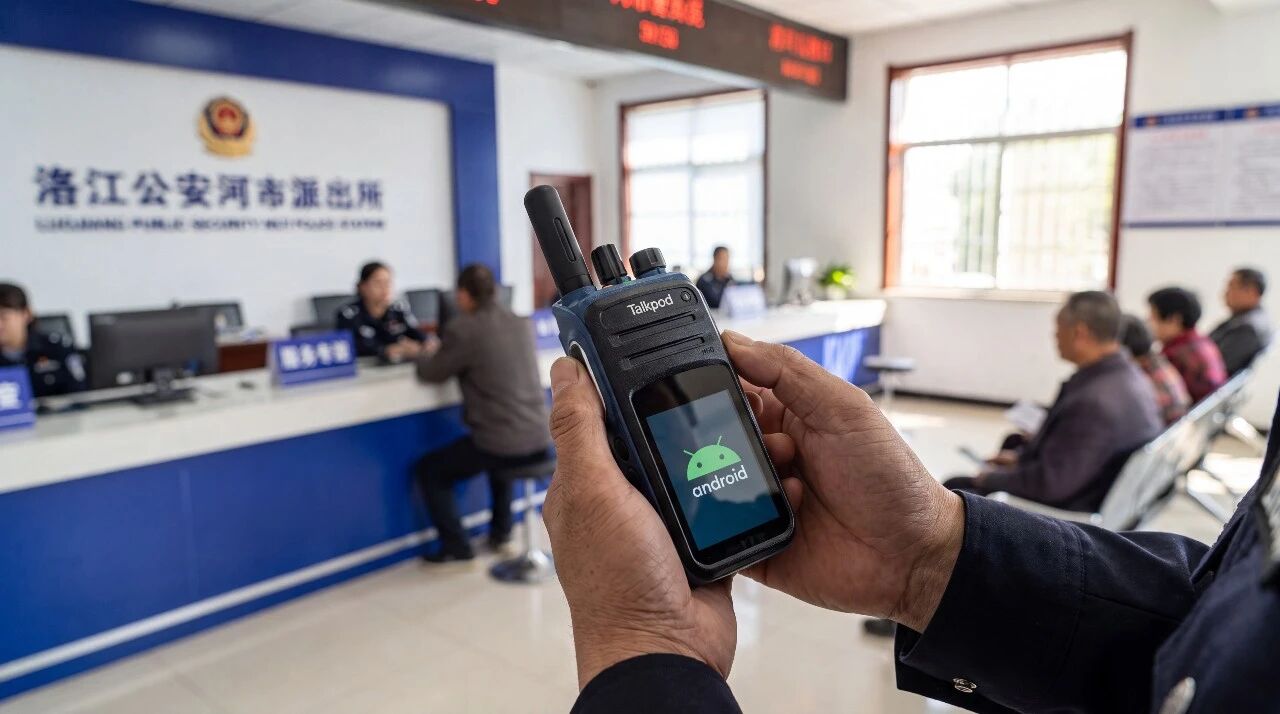
A local police station may cover a surprisingly varied landscape.
In the jurisdiction of Heshi Police Station in Luojiang, officers work across mountainous villages, industrial parks and suburban streets. A patrol team may be checking a rural road while another unit is handling an incident near a factory zone and colleagues at the station are coordinating the wider response.
That diversity creates a communication problem. Terrain can obstruct conventional radio links, while voice-only communication provides limited context when field personnel need to share locations, images or changing conditions.
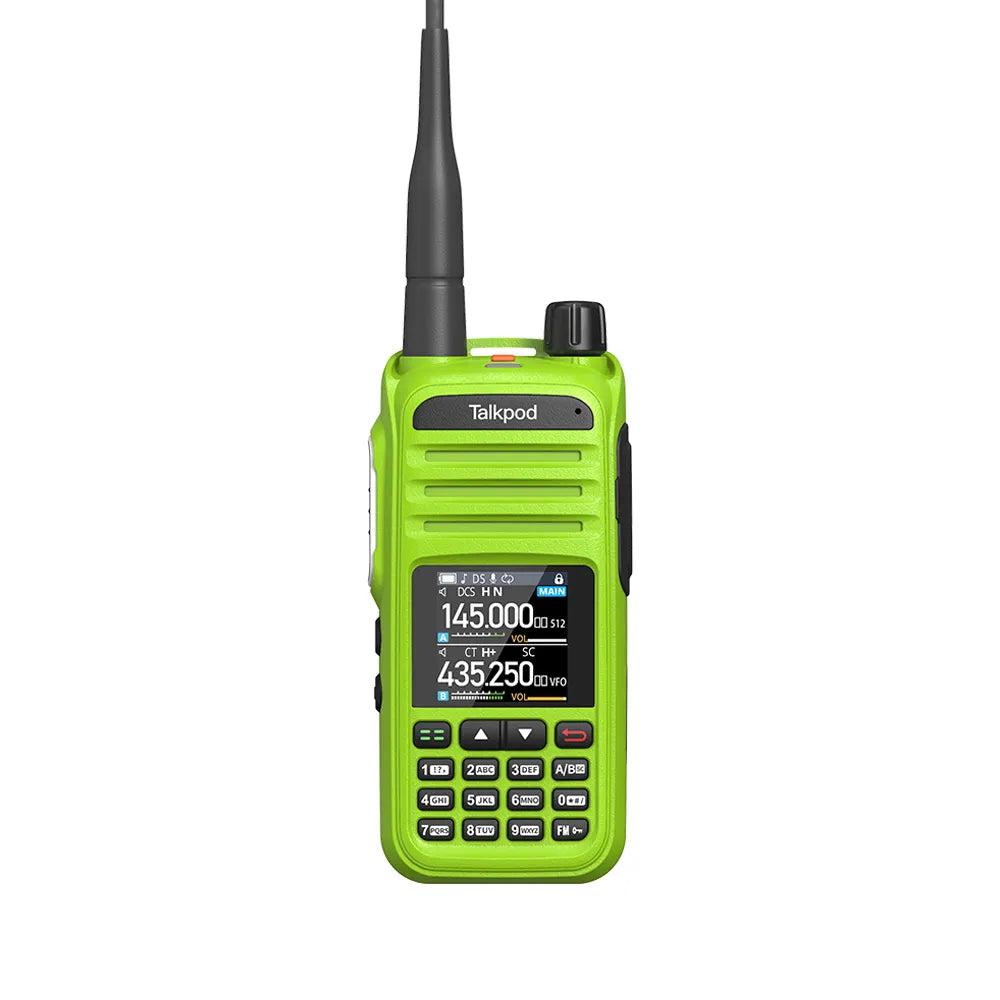
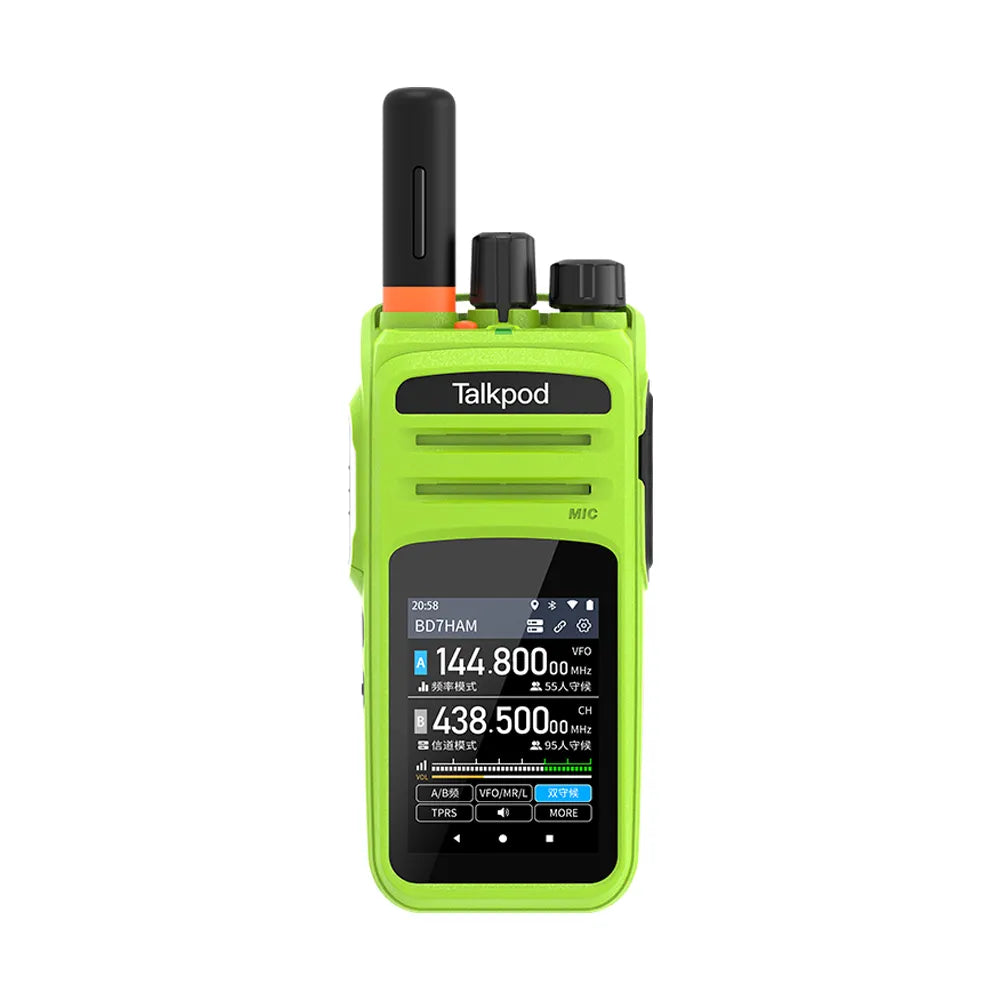
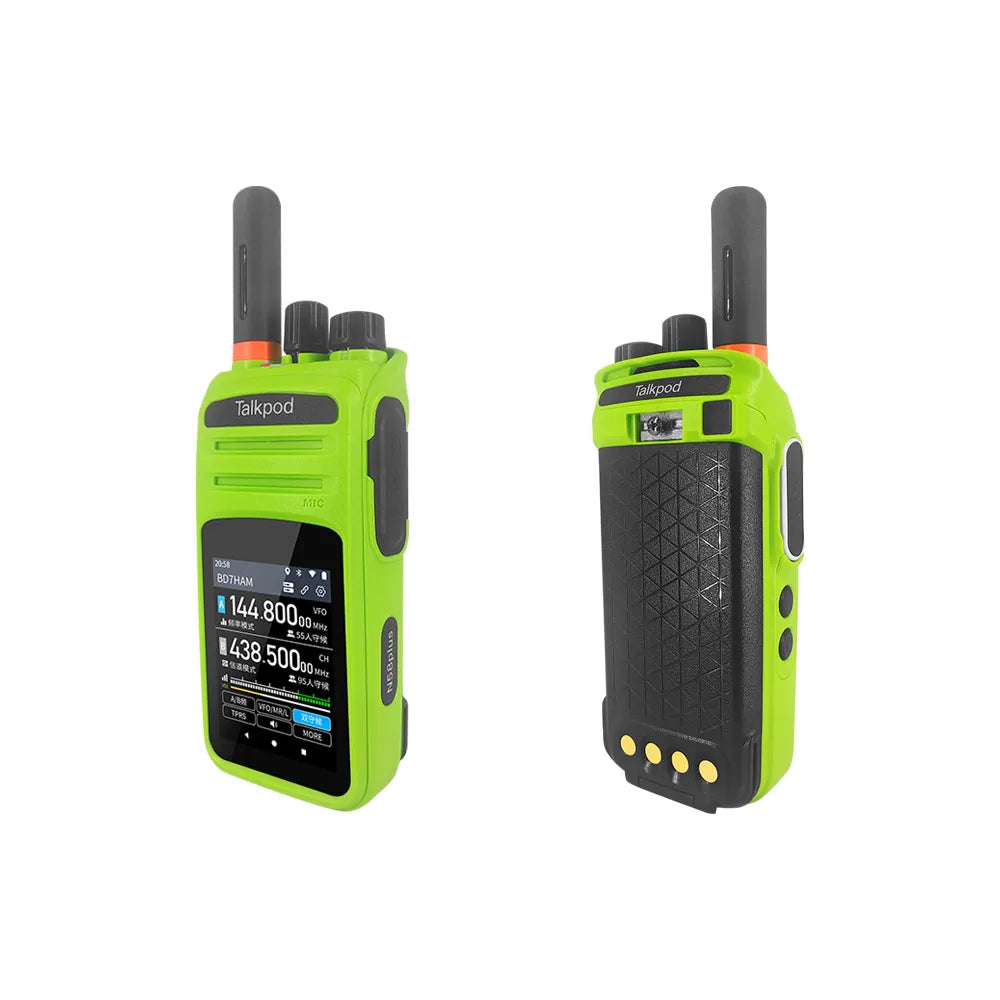
The Talkpod N59 smart public-network radio was introduced as an additional field communication tool, combining wide-area push-to-talk, multimedia capture and platform-based dispatch functions wherever suitable mobile-network coverage is available.
Connecting officers across different parts of the jurisdiction
Mountain roads and scattered villages are difficult environments for conventional direct radio communication.
Hills, buildings and distance can weaken or block a local radio path, making it harder for officers operating in different areas to remain in contact.
The N59 uses compatible public mobile networks to support wide-area push-to-talk communication. Authorized personnel can remain within managed communication groups even when they are working in separate parts of the jurisdiction.
An officer in a rural village can update colleagues at the station. A team in an industrial park can request support from personnel operating elsewhere. Information does not have to travel through several intermediate calls before reaching the people responsible for the response.
Network availability remains a limitation. Mountain valleys, basements and remote areas may still have weak or unavailable mobile service.
The N59 should therefore complement existing police communication systems and fallback procedures rather than be treated as a guaranteed connection in every location.
Adding visual context to field reports
Some situations are difficult to explain through voice alone.
The N59 incorporates front and rear cameras that can support authorized image and video capture during field operations. Where departmental policy, platform configuration and network conditions permit, relevant visual information can be transmitted to the dispatch side.
This gives personnel at the station additional context when assessing what is happening at a remote location.
A photograph or short video may show the layout of a scene, road access, crowd conditions or other operational factors more clearly than a verbal description alone.
Such functions require careful governance.
Police images may include identifiable individuals, private property, vehicles or other sensitive information. Recording, transmission, retention and access should therefore follow applicable law, evidence rules, data-protection requirements and departmental authorization procedures.
The camera can support field reporting. Whether a recording forms part of formal evidence depends on the organisation’s approved evidence-management process.
Keeping the field and station on the same operational picture
One of the recurring difficulties in dispersed policing is that the situation on the ground may change faster than information reaches the station.
With the N59, officers can use managed talk groups to report developments while remaining at the scene. Where available, location and multimedia information can give the dispatch side additional context.
This helps reduce the gap between what field personnel know and what supervisors know.
If a routine patrol develops into a more complicated incident, the officer can update the appropriate group and request support. The dispatch side can then coordinate personnel according to established procedures and verified information.
The technology does not make the operational decision. It helps ensure that the people making it have more timely information.
Using location information as a dispatch aid
The N59 can also support location-related functions when the device, platform and service configuration allow them.
Location information can help the dispatch side understand where field units are operating and reconstruct their movement history for authorized operational purposes.
This can be useful when officers are working across a wide rural or suburban area, particularly when several teams are deployed at the same time.
Location data should not be treated as infallible. GPS performance can be weaker indoors, around dense structures or in other difficult environments, and network-based reporting may also be affected by connectivity.
For that reason, location information should support—not replace—radio confirmation, dispatch procedures and other methods of verifying an officer’s position.
Protecting operational communications
Police work may involve sensitive information, but a product feature alone does not guarantee confidentiality.
The N59 can operate within managed communication groups and platform security settings designed to restrict access to authorized users. Depending on system architecture and configuration, communication protection may also include encryption and account-level controls.
The overall security of the system, however, depends on more than the radio.
Platform design, encryption implementation, account management, device permissions, network configuration and organisational procedures all contribute to the protection of operational information.
Sensitive intelligence, personal data and evidential material should therefore remain within approved police information systems and handling procedures.
The N59 can provide a more controlled communication environment. It should not be described as making information impossible to intercept or disclose.
Adapting the device to an existing police platform
A new handheld terminal becomes more useful when it works with the systems already familiar to officers.
Talkpod assisted Heshi Police Station with configuration work to adapt location reporting and related functions to the existing dispatch platform.
This allowed field information to be incorporated into the station’s established operating structure rather than forcing personnel to use a completely separate workflow.
Communication groups and permissions could also be configured according to patrol area, duty or operational role.
Routine information can remain within the relevant team, while supervisors retain access to broader coordination groups when an incident requires support across several areas.
Training around real policing scenarios
A feature is only useful when officers know when and how to use it.
Talkpod provided scenario-based training around routine patrols, incident response, multimedia reporting and interaction with the dispatch system.
The emphasis was on fitting the device into existing police procedures.
Personnel need to know which group to contact, when location or visual information is appropriate, how to protect sensitive information and how to escalate an incident through the established command structure.
Low-profile device operation may also be useful in situations where officers need to avoid unnecessary disruption, but any recording or transmission still needs to follow legal and departmental authorization requirements.
The objective is not hidden surveillance. It is disciplined use of a field communication tool.
Designed for outdoor frontline work
Officers working across villages, industrial areas and suburban streets may encounter rain, dust, repeated handling and accidental impacts.
The N59 is designed for demanding field use and has undergone environmental-reliability testing associated with conditions such as drops, vibration and temperature variation.
This supports routine durability, but expressions such as “military-grade” should not be interpreted as meaning that the device is indestructible.
Actual protection depends on the specified ratings, operating conditions and maintenance. A unit that has suffered serious impact or enclosure damage should be inspected before being returned to service.
Reducing the information gap in grassroots policing
The challenge facing a local police station is not simply that officers work far apart.
It is that distance can create an information gap between the people at the scene and the people coordinating the response.
The N59 helps narrow that gap by combining wide-area voice communication with authorized visual and location reporting.
An officer can remain in the field while updating the station. Supervisors can obtain more context before coordinating support. Different teams can share developments without relying entirely on a sequence of individual phone calls.
The N59 does not replace professional judgment, dedicated mission-critical police communications or formal evidence systems.
Its role is to help the officer in the village, the patrol team in the industrial park and the dispatcher at the station work from a more consistent picture of what is happening.
For grassroots policing, better coordination often begins there.

Leave a comment
All comments are moderated before being published.
This site is protected by hCaptcha and the hCaptcha Privacy Policy and Terms of Service apply.