
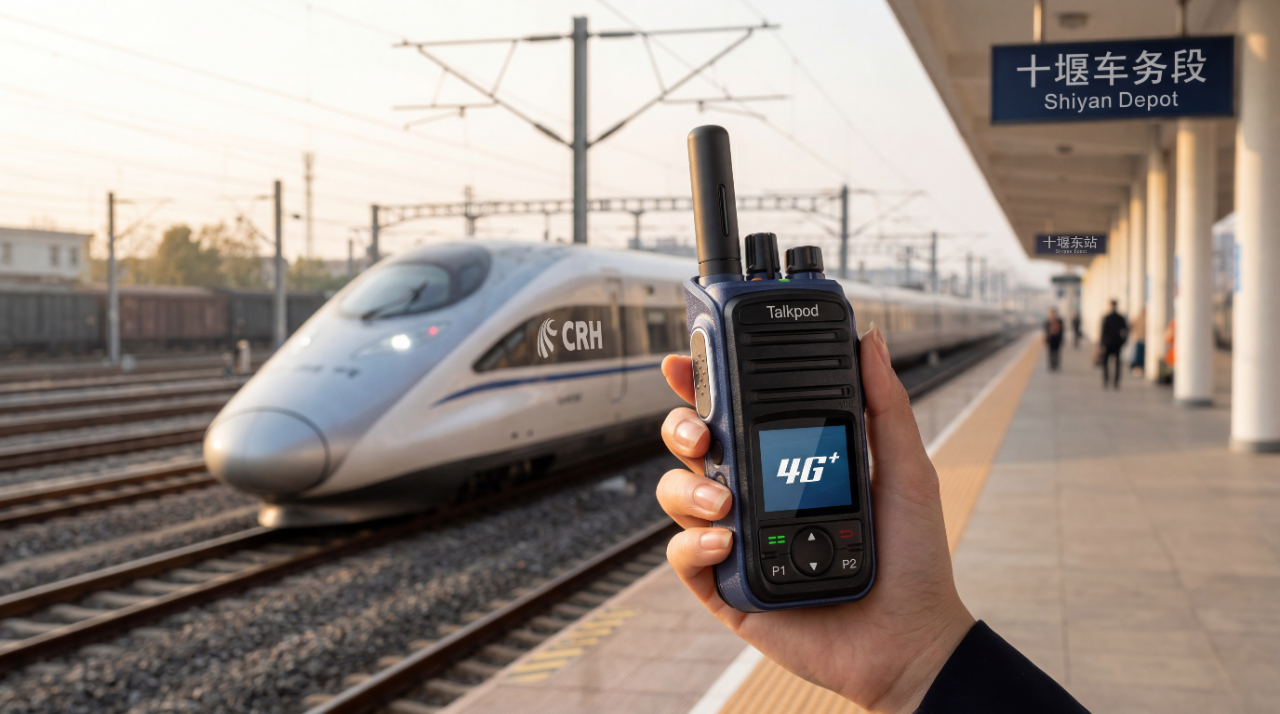
Mountains make a railway difficult to build. They can also make it difficult to communicate along.
The railway operations managed from Shiyan extend through the Qinba mountain region, where stations, freight facilities and working teams are separated by steep terrain, valleys and tunnels. Passenger-service staff may be working inside a station while shunting personnel operate outside, with supervisors responsible for coordinating activities across several locations.
Conventional handheld radios remain useful within local working areas, but terrain and distance can make communication between dispersed teams more difficult.
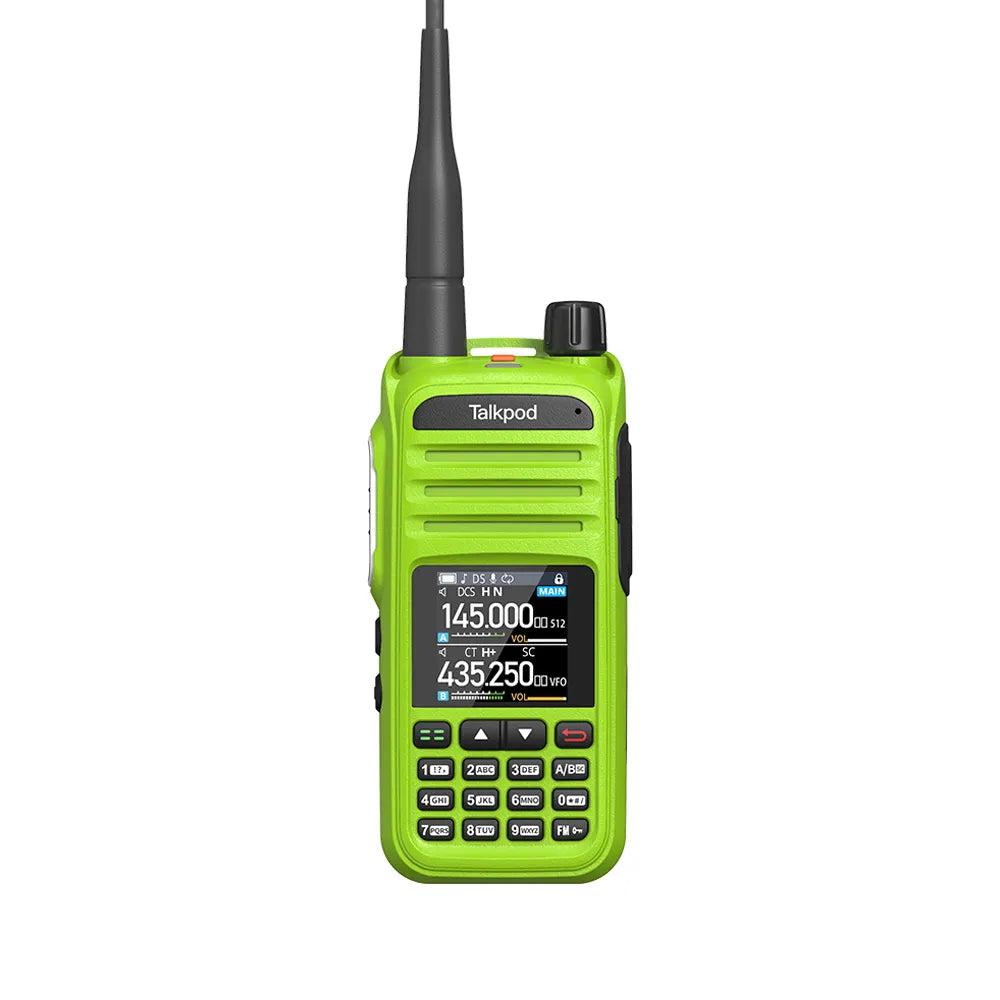
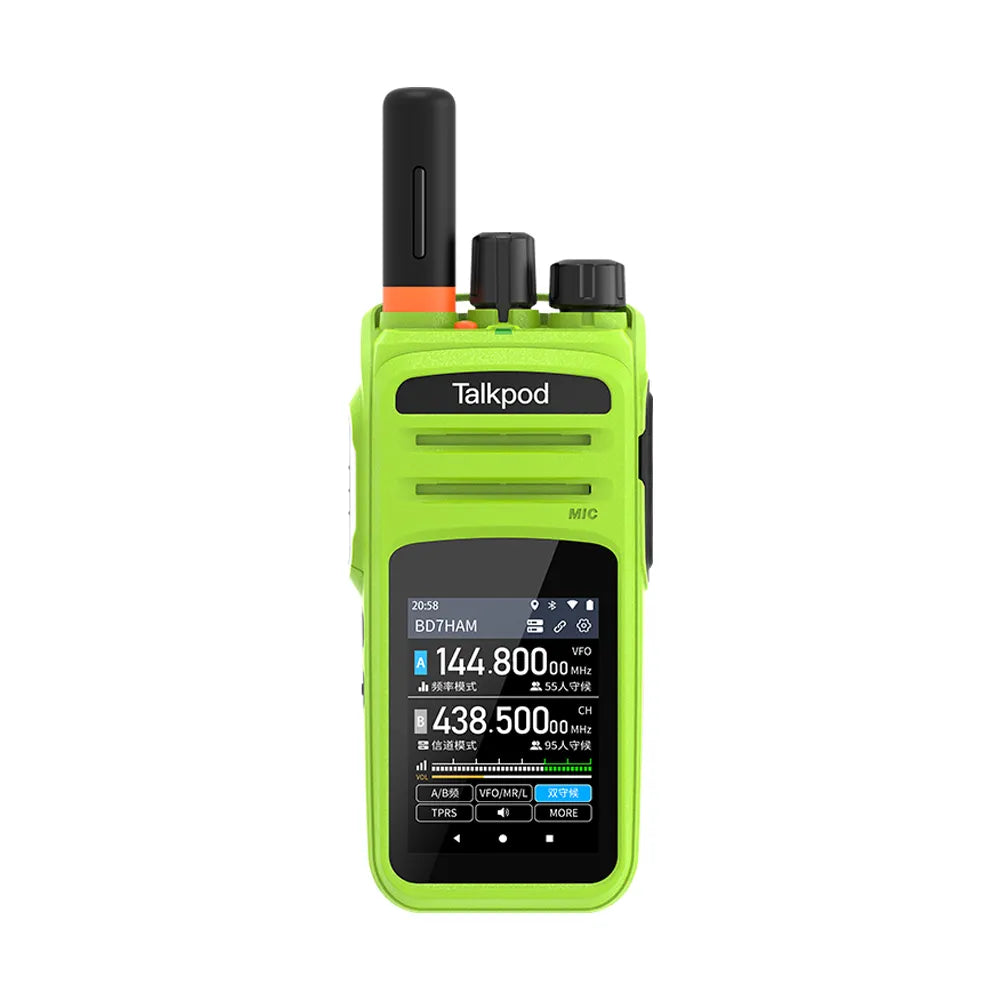
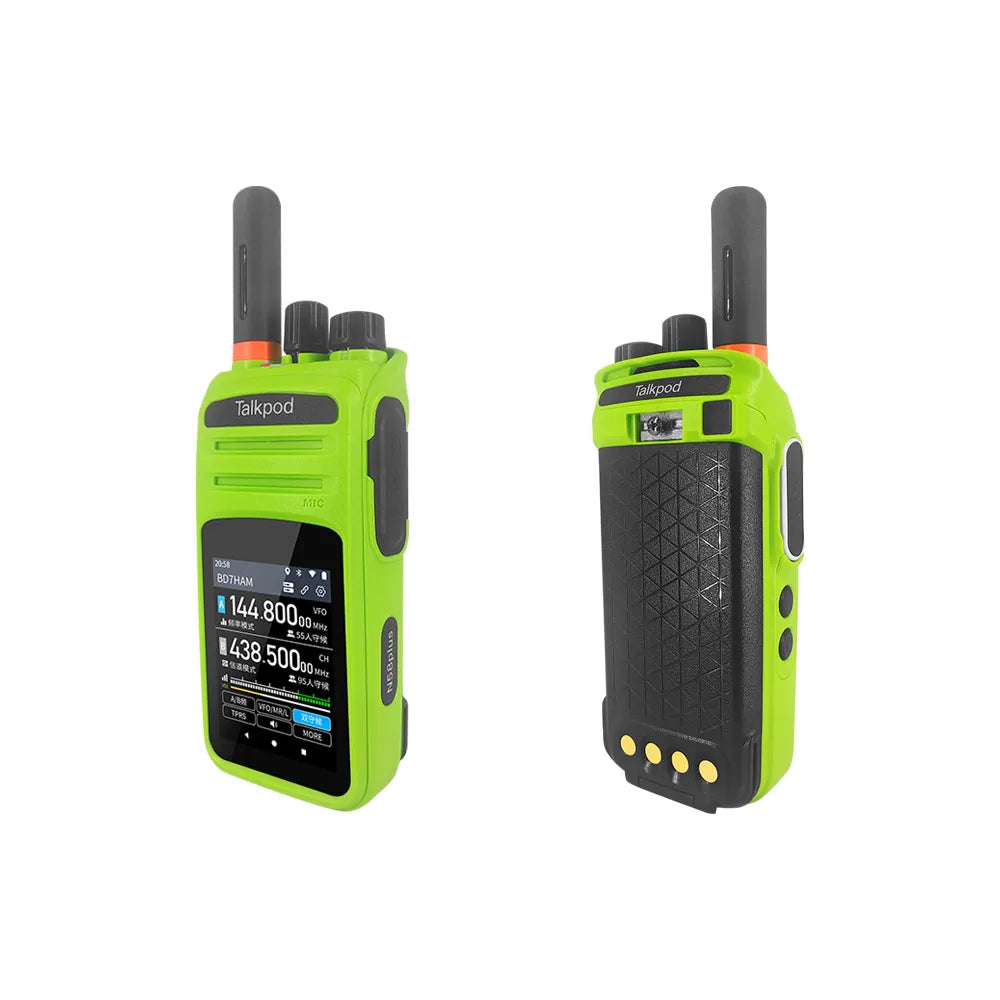
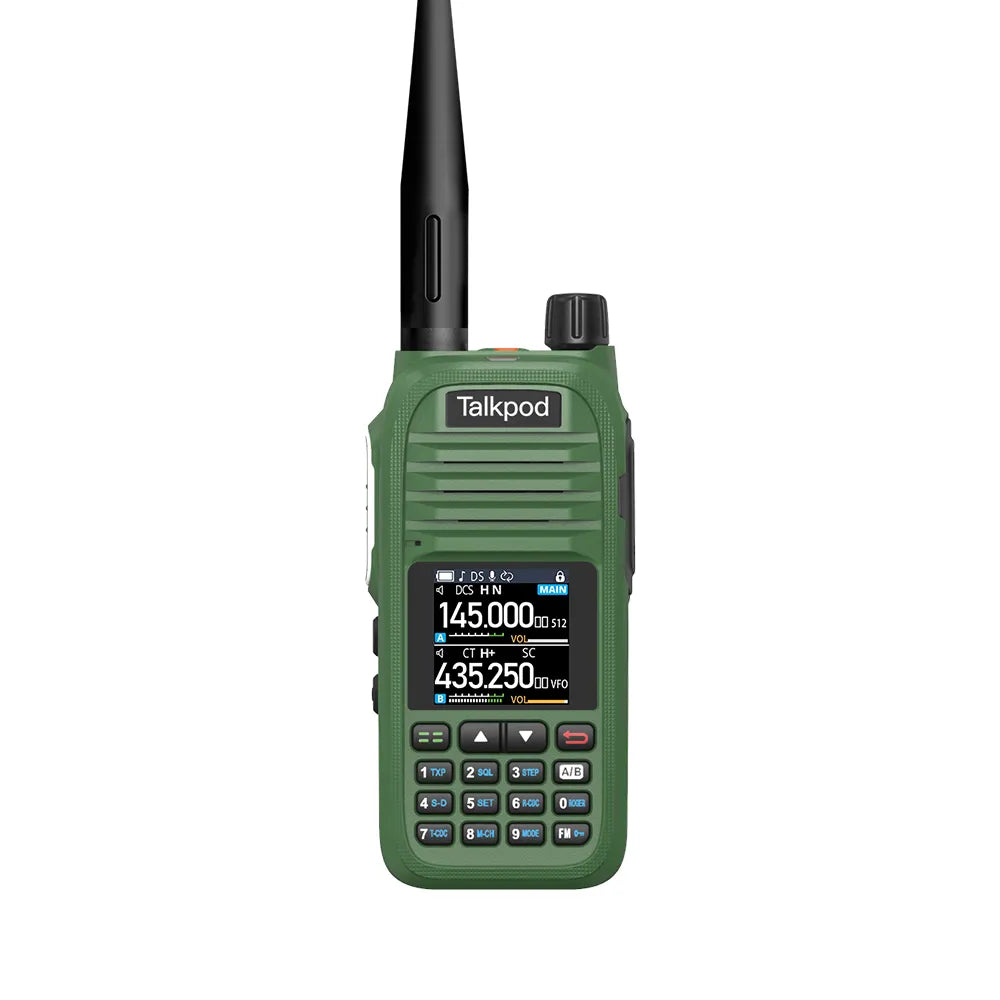
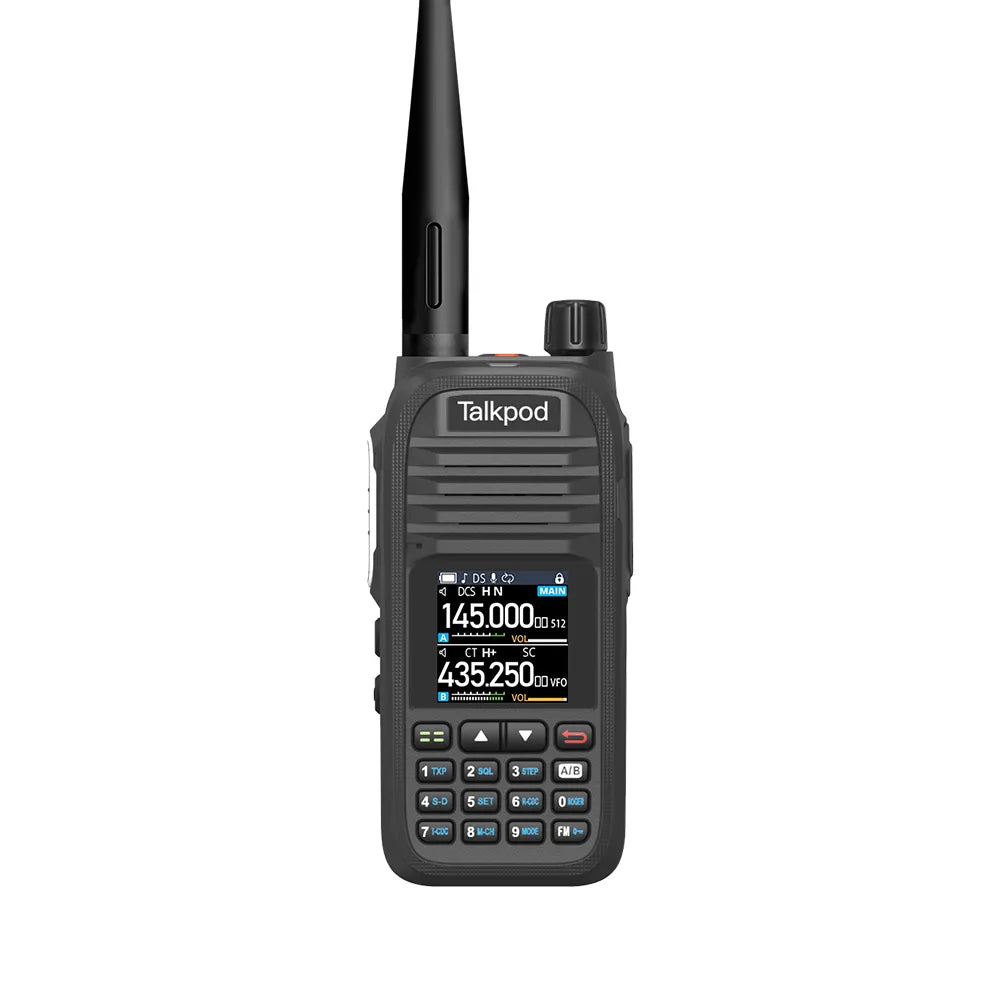
The Talkpod N56 public-network radio was introduced as an additional wide-area communication and management tool, allowing authorized personnel to use managed push-to-talk groups through compatible mobile networks wherever suitable coverage is available.
Connecting teams across a mountainous railway
Railway work is distributed by nature.
One team may be handling passenger movements at a station while another is working in a freight yard several kilometres away. Personnel at smaller or more remote stations may need to communicate with supervisors without being within direct radio range.
The N56 uses compatible public mobile networks to support wide-area push-to-talk communication.
Where suitable network service is available, users at different stations can remain within the same managed communication structure without depending solely on a direct handheld-to-handheld radio path.
This can be useful for administrative coordination, staffing updates, service support and communication between geographically separated teams.
The advantage is not unlimited range. It is the ability to use available public-network infrastructure to reduce the effect of distance between users.
Mountain tunnels remain a communications challenge
The Qinba terrain also exposes an important limitation of public-network radios.
Mountain valleys, long tunnels and remote freight facilities may have weaker mobile-network coverage than urban stations. A radio that works well outside a tunnel may lose service once the user moves deeper inside if appropriate cellular infrastructure is not installed there.
The N56 cannot create a mobile signal where none exists.
For that reason, actual stations, yards, tunnels and work routes should be tested before deployment rather than assuming that access to several national mobile operators automatically eliminates dead zones.
Different network configurations may provide additional flexibility, but overall performance still depends on local operator infrastructure.
Where public-network coverage is weak or unavailable, the railway’s approved alternative communication systems and procedures must remain in place.
Shunting requires a clear boundary between coordination and safety control
Shunting is particularly sensitive because communication can affect the movement of railway vehicles.
The N56 can help personnel coordinate supporting activities across different locations, but a public-network radio should not be treated as a substitute for railway communication, signalling or operating systems specifically required for shunting and train movements.
Movement authority, route confirmation, coupling procedures and other safety-critical instructions must continue to follow the railway operator’s approved rules and designated communication systems.
A public-network radio can help a supervisor reach a team or communicate a non-safety-critical operational update.
It should not create an informal parallel channel for commands that regulations require to be issued, acknowledged or recorded through dedicated railway systems.
The distinction matters because convenience and safety assurance are not the same thing.
Supporting passenger-service teams during busy periods
Passenger operations present a different communication problem.
Staff may be spread across entrances, waiting areas, platforms and baggage-handling points, particularly during peak periods.
The N56 can give these personnel a more immediate way to contact colleagues or supervisors without leaving the area they are managing.
A staff member assisting passengers can request additional support. Another team can report congestion at an entrance. A supervisor can update several relevant users through a managed group rather than making individual calls.
The radio does not replace passenger-information systems or station operating procedures.
Its role is to make the people implementing those procedures easier to reach.
A contact structure built around stations and work groups
As the number of users grows, finding the right person becomes almost as important as reaching them.
Talkpod configured the N56 contact structure around the distribution of Shiyan’s stations and working teams.
Users can be organized according to station, responsibility or operational group, reducing the need for personnel to search through an undifferentiated list of contacts.
Routine passenger-service communication can remain with the relevant staff, while other working teams use their own groups.
Supervisors can maintain broader access where cross-site coordination is required.
A well-designed directory does not make communication more complicated.
It makes a large organization feel smaller.
Clearer audio around stations and yards
Railway environments can be noisy.
Public-address announcements, passengers, locomotives, vehicles and baggage-handling activity all compete with radio audio.
The N56 uses digital voice processing and a high-output speaker intended to make short operational messages easier to understand in demanding environments.
That can be useful when staff need to hear a staffing request, location update or passenger-service instruction without repeatedly checking a phone.
Audio performance will still depend on network conditions, background noise and how the device is worn.
Safety-critical railway instructions should therefore continue to use the prescribed communication and confirmation procedures rather than relying on a single public-network transmission.
Managing communication security realistically
The N56 can operate within managed communication groups and may support protected voice communication depending on platform and system configuration.
Such controls can reduce casual unauthorized access to operational conversations.
They should not be described as making communication completely secure.
Protection depends on system architecture, encryption implementation where applicable, account management, device permissions, network configuration and organizational procedures.
Sensitive passenger information, freight documentation and safety-critical railway data should remain within the railway operator’s approved information systems.
A handheld radio is best used for concise operational coordination, not as a substitute for controlled business or safety records.
Backend recording for authorized operational review
The platform can also support voice recording where permitted by configuration, policy and applicable requirements.
Authorized supervisors may use recordings to review routine communication, reconstruct how a service issue developed or support training.
That can be useful in an organization with personnel spread across many locations.
Recording, however, introduces its own governance requirements.
Access, storage, retention and review should be controlled according to the railway organization’s policies. Public-network voice recordings should not automatically be treated as the formal record for safety-critical railway instructions unless the applicable railway procedure specifically recognizes them as such.
The feature adds operational visibility.
It does not replace designated railway logging systems.
Low-battery warnings reduce an avoidable failure
A sophisticated communication platform is of little use if the handheld switches off halfway through a shift.
The N56 provides a low-battery warning so that personnel can identify a device approaching the end of its available charge and arrange a replacement or recharge before it becomes unavailable.
For dispersed stations, this is a small but practical feature.
Battery endurance depends on transmission frequency, network conditions, audio use, temperature and battery condition, so railway teams should still maintain a routine for charging and rotating devices.
A warning does not guarantee uninterrupted service.
It gives the user an opportunity to prevent a predictable interruption.
Designed for people who are already carrying out physical work
Railway personnel do not spend their shifts standing beside a desk.
Passenger staff may move luggage and guide travelers. Yard personnel work outdoors and may need to carry other tools or equipment.
The N56 uses a relatively lightweight body and a textured surface intended to provide a more secure grip during regular field use.
That makes the radio easier to carry through a full shift without becoming unnecessarily intrusive.
For communications equipment used throughout the day, ergonomics is not simply a matter of comfort.
A device that is easier to carry is more likely to be where the worker needs it when a call arrives.
Making a dispersed railway organization easier to coordinate
After deployment, the Shiyan railway operations team gained another way to connect personnel across stations and working groups.
Managed contacts made it easier to identify the appropriate team. Wide-area push-to-talk reduced reliance on direct radio range where public-network service was available, while low-battery alerts and backend management functions supported day-to-day device use.
The N56 does not remove the communications challenges created by mountains and tunnels.
Nor should it replace the dedicated systems used for train movements, shunting safety and formal railway command.
Its role is more practical: to make routine coordination across a geographically dispersed railway organization easier.
In mountain railway operations, distance cannot be removed.
But it can be made less disruptive to the people working across it.



Leave a comment
All comments are moderated before being published.
This site is protected by hCaptcha and the hCaptcha Privacy Policy and Terms of Service apply.