
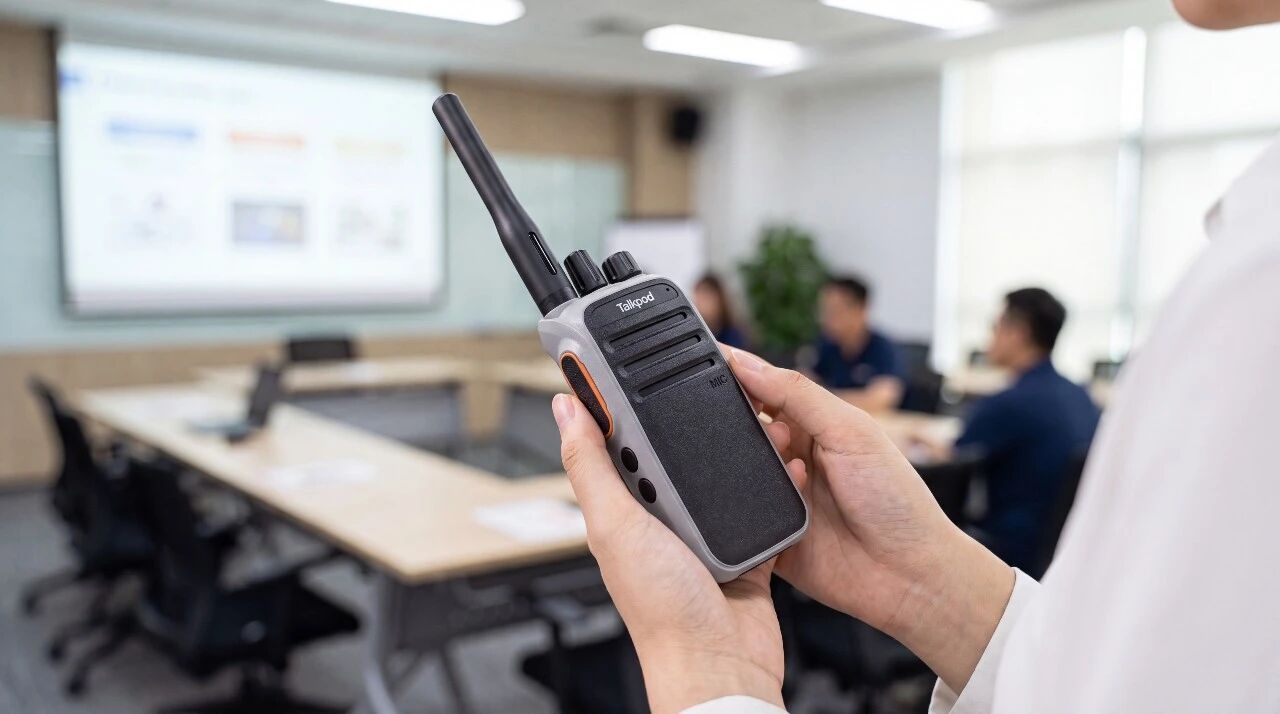
A training center may look orderly from the classroom. Behind the lesson, however, several moving parts must remain in sync.
Instructors teach in separate rooms. Assistants prepare practical exercises. Equipment moves between storage areas and training zones. Students take breaks, change sessions and occasionally require additional support. When several classes run at once, a small communication delay can disrupt the wider timetable.
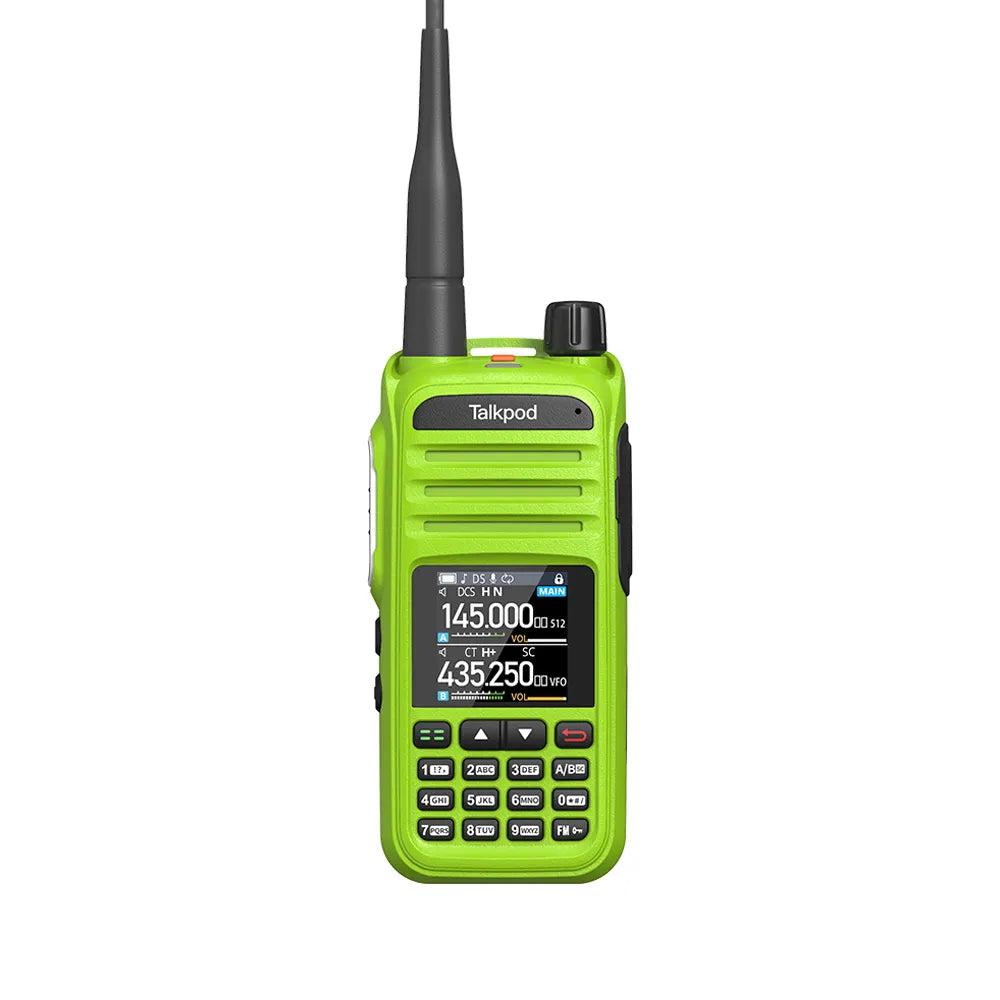
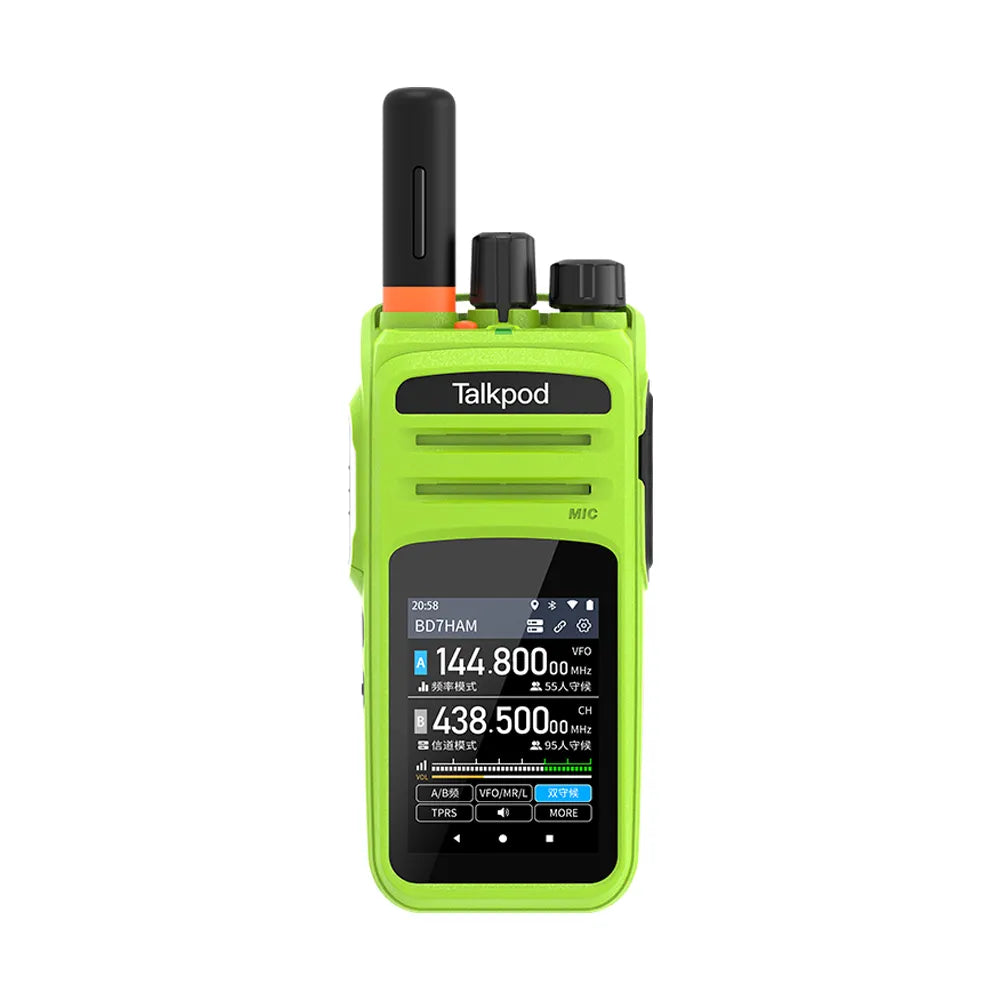
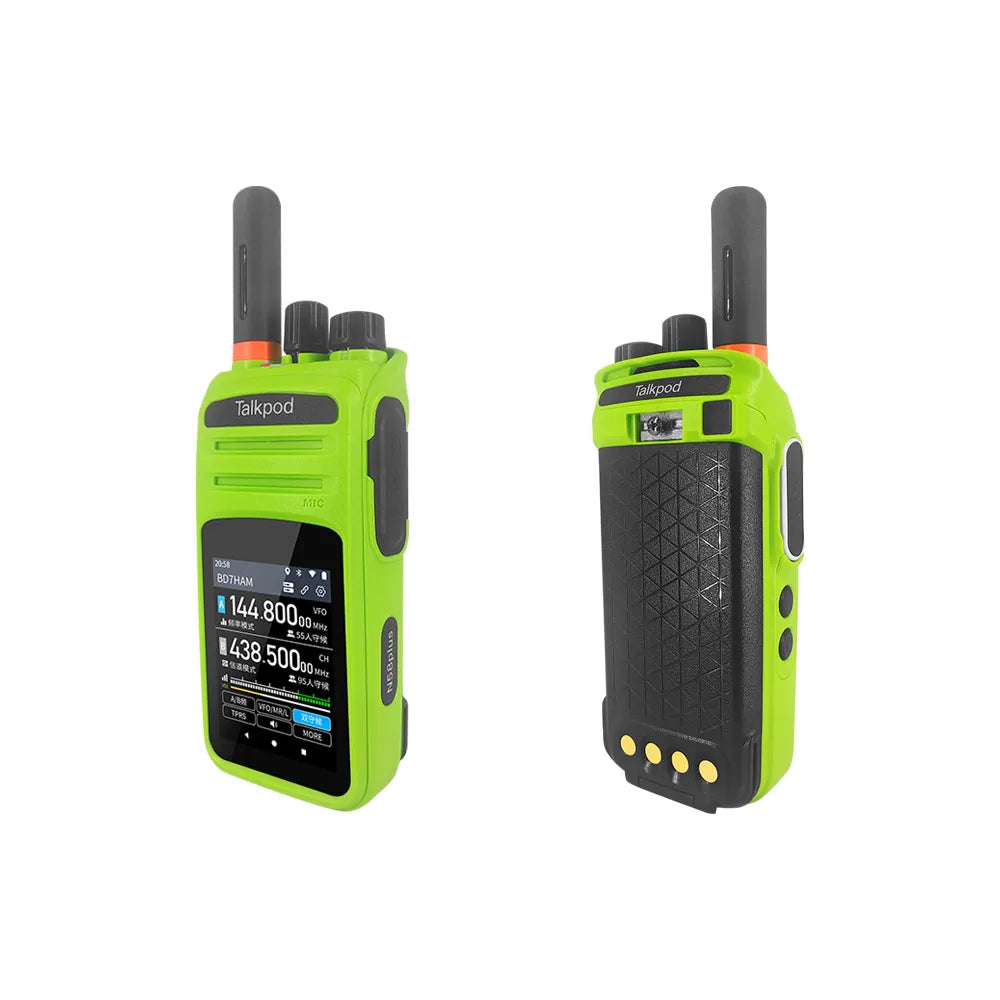
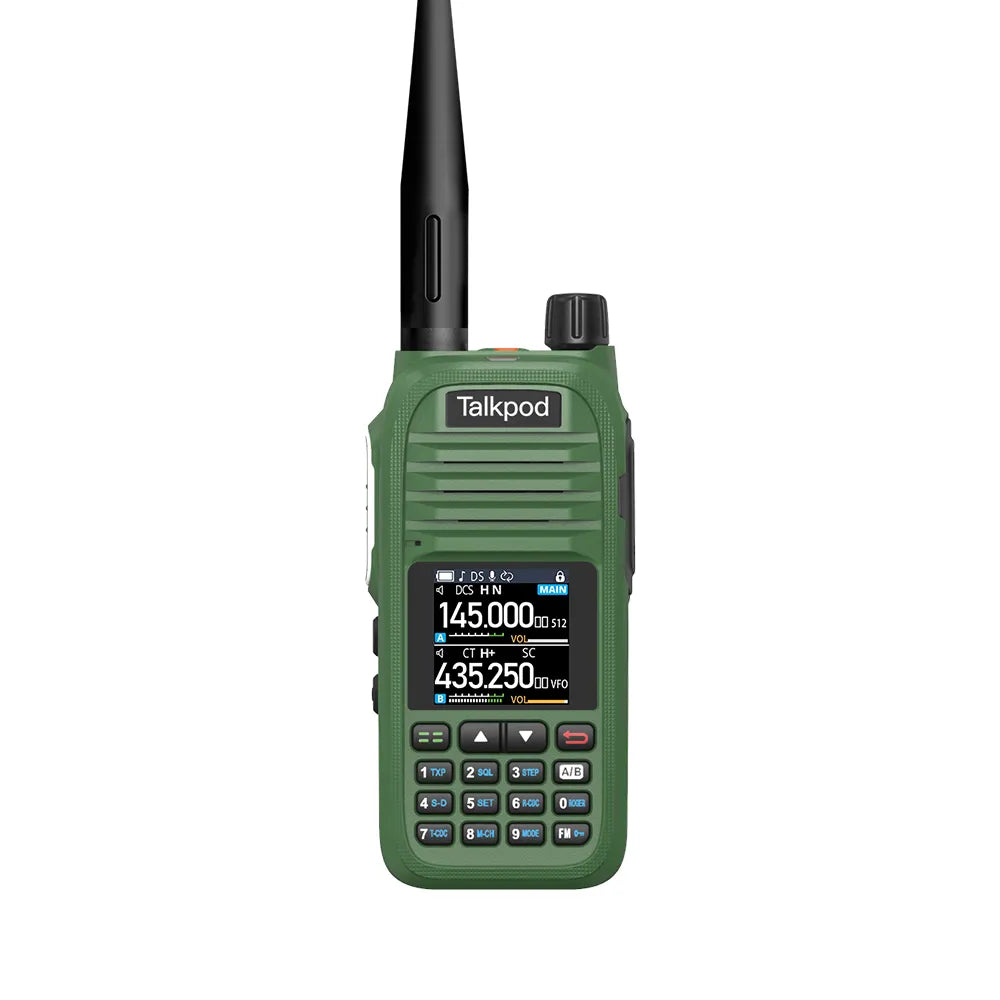
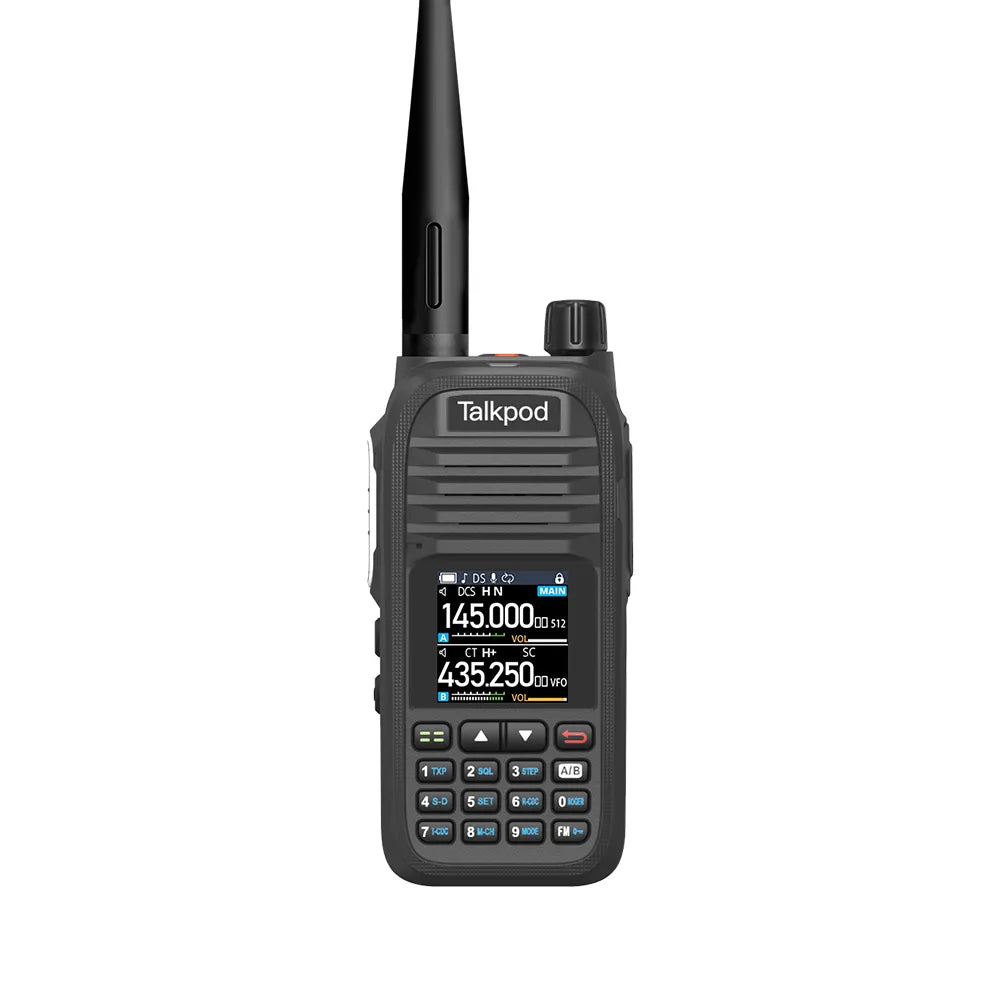
The Talkpod B30 commercial analog radio provides instructors and support staff with a direct communication link for coordinating these activities across the facility.
Connecting classrooms and practical-training areas
Modern training centers often contain sound-insulated classrooms, enclosed equipment rooms and practical-training zones filled with machinery or teaching installations. Walls and equipment can weaken direct radio signals, particularly when staff are working in different parts of the building.
Within its effective operating range, the B30 helps connect instructors, teaching assistants and equipment personnel across these separate areas. A lecturer can request teaching materials without leaving the classroom. An assistant can report that a practical exercise is ready, while a coordinator can notify several rooms of a schedule change.
Actual performance will depend on the size, construction and layout of the facility. A properly planned channel arrangement can nevertheless reduce the need for staff to walk between rooms simply to pass information.
The practical benefit is not dramatic technology. It is fewer interruptions to the teaching itself.
[Image]
Coordinating several courses at once
Training centers often run different classes simultaneously. One group may be attending a lecture while another is completing a practical assessment. A third may be waiting for equipment or preparing to enter the next room.
The B30 allows communication channels to be configured around departments, courses or working teams. Teaching assistants can remain within the group responsible for their class, while supervisors retain a way to coordinate wider operational changes.
This helps prevent every routine message from reaching every instructor. A request for equipment in one room need not interrupt a lesson elsewhere.
When a timetable changes, a trainer is delayed or additional support is required, the relevant team can be contacted directly rather than relying on a chain of verbal messages.
Reducing unwanted channel interference
When several training groups—or neighboring businesses—use radios in the same area, unwanted transmissions can interrupt normal communication.
The B30 supports channel and sub-audio configurations that can help separate working groups and reduce irrelevant traffic. Frequency-hopping-related settings may also make casual channel matching more difficult.
These features can improve communication privacy and order, but they should not be regarded as secure end-to-end encryption. Personal student information, assessment records and other sensitive material should still be handled through the training center’s approved systems and procedures.
For day-to-day teaching operations, the main value is simpler: instructors hear fewer unrelated calls and can concentrate on the group in front of them.
Battery support for a full teaching day
A training day begins before the first class. Staff prepare rooms, test equipment and organize materials. After the final session, devices and teaching aids must still be collected and checked.
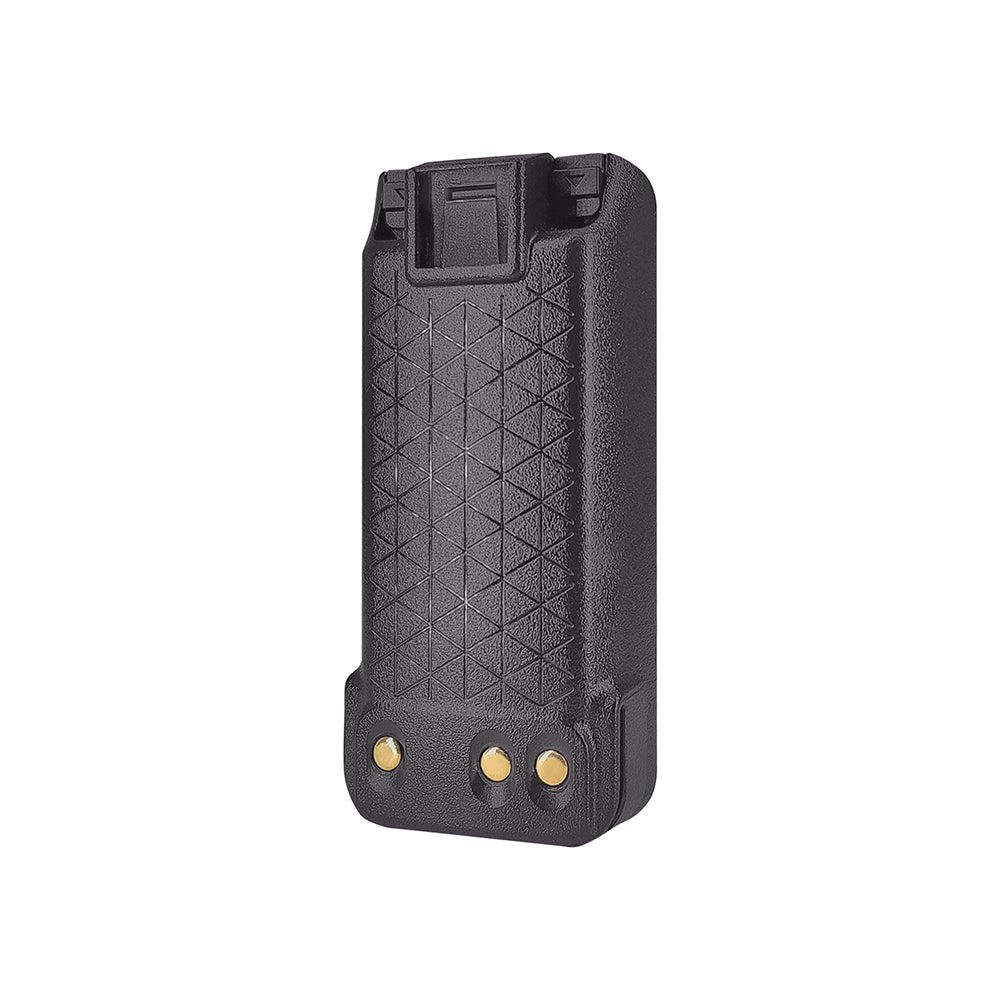
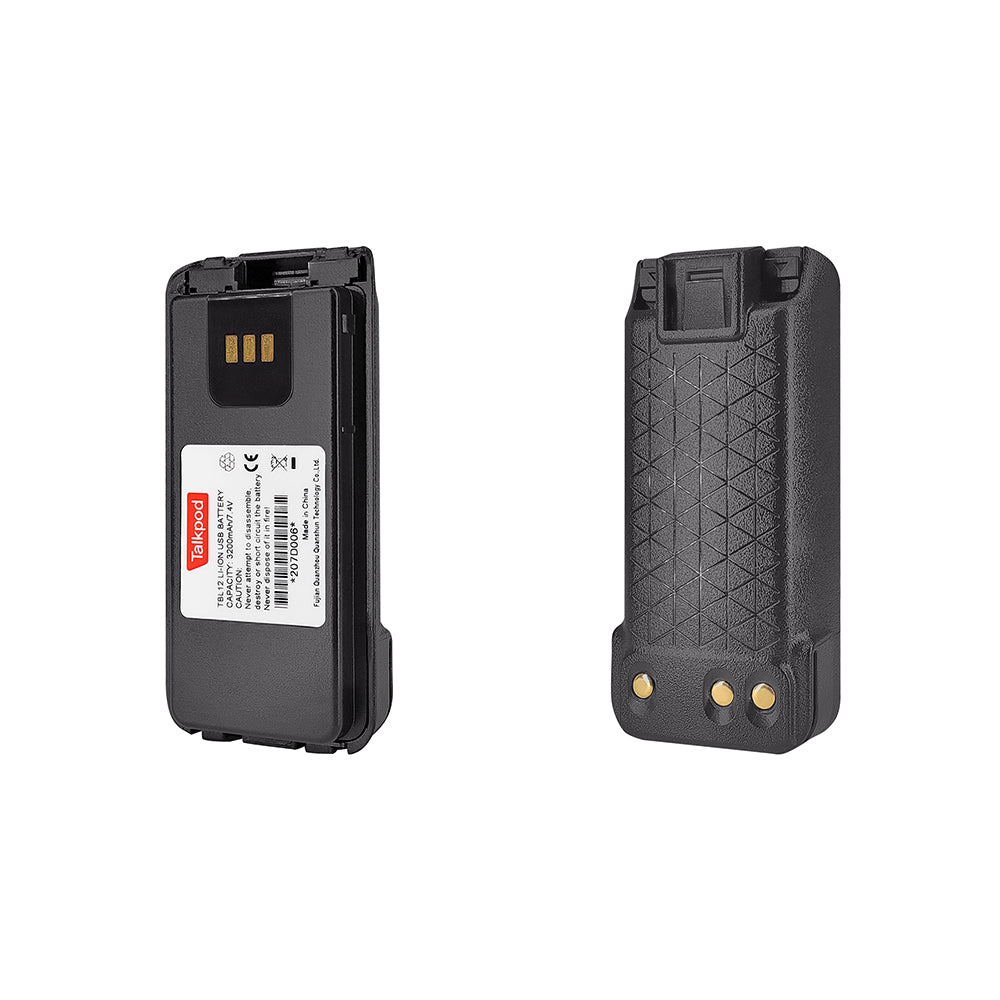
The B30 is designed for extended commercial use, reducing the need for frequent charging during a normal operating day. Support for common USB charging methods also gives staff more flexibility during breaks or between sessions.
A radio can be recharged from compatible power adapters, computers or portable power banks, depending on the charging arrangement provided. Actual operating time will vary with call frequency, volume and working conditions.
The advantage is operational rather than technical: communication equipment is less likely to disappear from the workflow just when several classes require support.
[Image]
Designed for instructors who already have their hands full
Instructors often carry course notes, laptops, demonstration tools and other teaching materials. A radio should not become another awkward item.
The B30 has a compact, lightweight body with a textured surface designed for frequent handling. Its straightforward controls allow instructors and assistants to learn the basic calling procedure without lengthy technical training.
This makes the device suitable for centers with rotating instructors, temporary trainers or staff who have little previous experience with professional radio equipment.
The simpler the operation, the more likely the radio is to be used consistently.
Communication that protects the timetable
The Talkpod B30 does not design a course or improve the quality of instruction. It helps the people responsible for those tasks remain coordinated.
A lecturer can request equipment without abandoning the class. An assistant can report a problem from the practical area. A supervisor can adjust the timetable before one delayed session affects the rest of the day.
For students, the radio remains largely invisible. What they notice is that rooms are ready, materials arrive on time and the training program proceeds with fewer avoidable interruptions.
In a well-run training center, communication should not compete with the lesson. It should quietly keep the lesson moving.

Leave a comment
All comments are moderated before being published.
This site is protected by hCaptcha and the hCaptcha Privacy Policy and Terms of Service apply.