
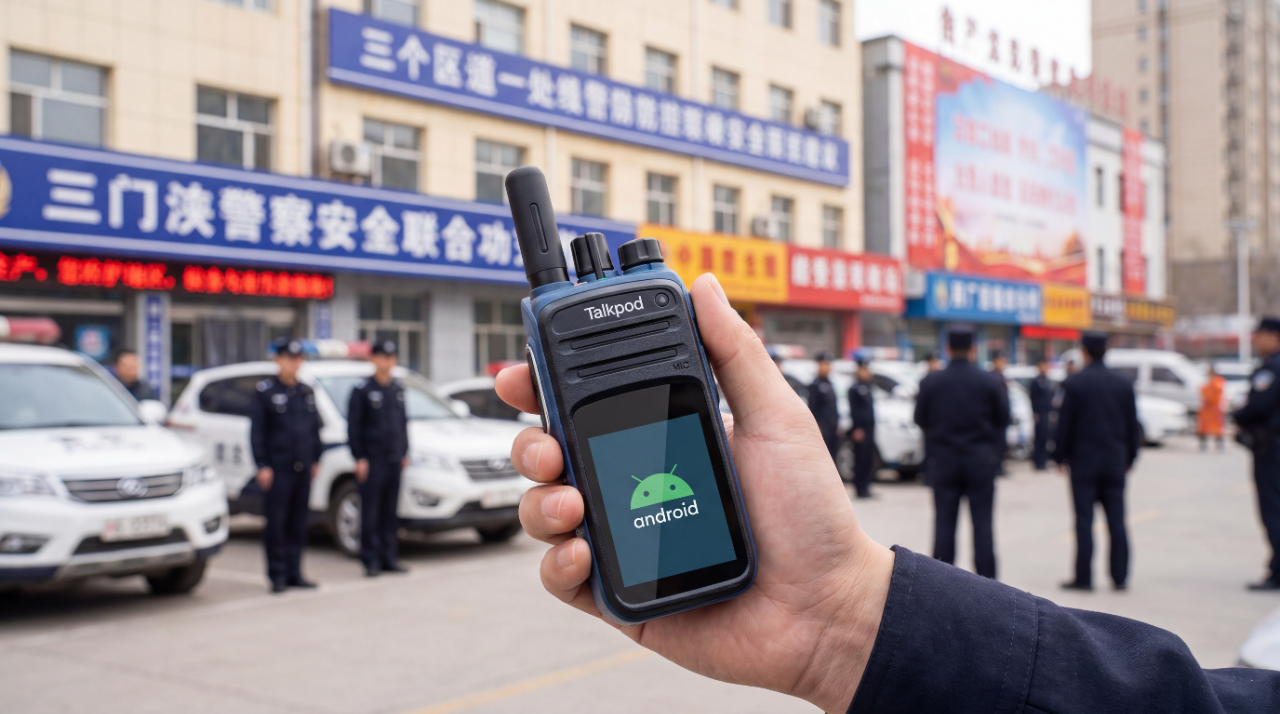
Road incidents rarely respect administrative boundaries.
A traffic problem may begin on one stretch of road and affect another several kilometres away. Patrol personnel can be distributed across urban intersections, suburban roads and rural routes, while a minor collision may suddenly require traffic control, incident documentation and additional support.
For the Sanmenxia police–security coordination project, this geography made communication more difficult. Conventional radios were constrained by direct operating range, making it harder for personnel working in different areas to share road conditions and incident updates immediately. More remote suburban and rural routes created additional communication gaps.
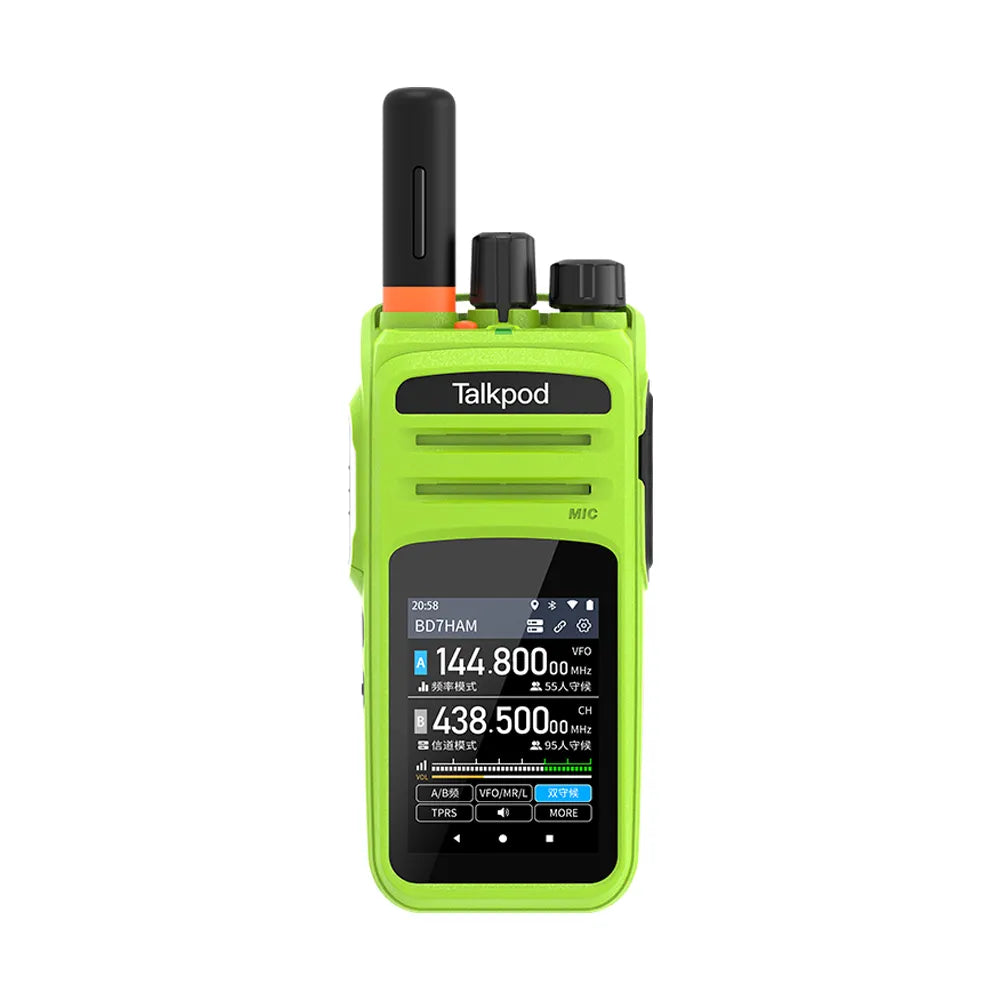
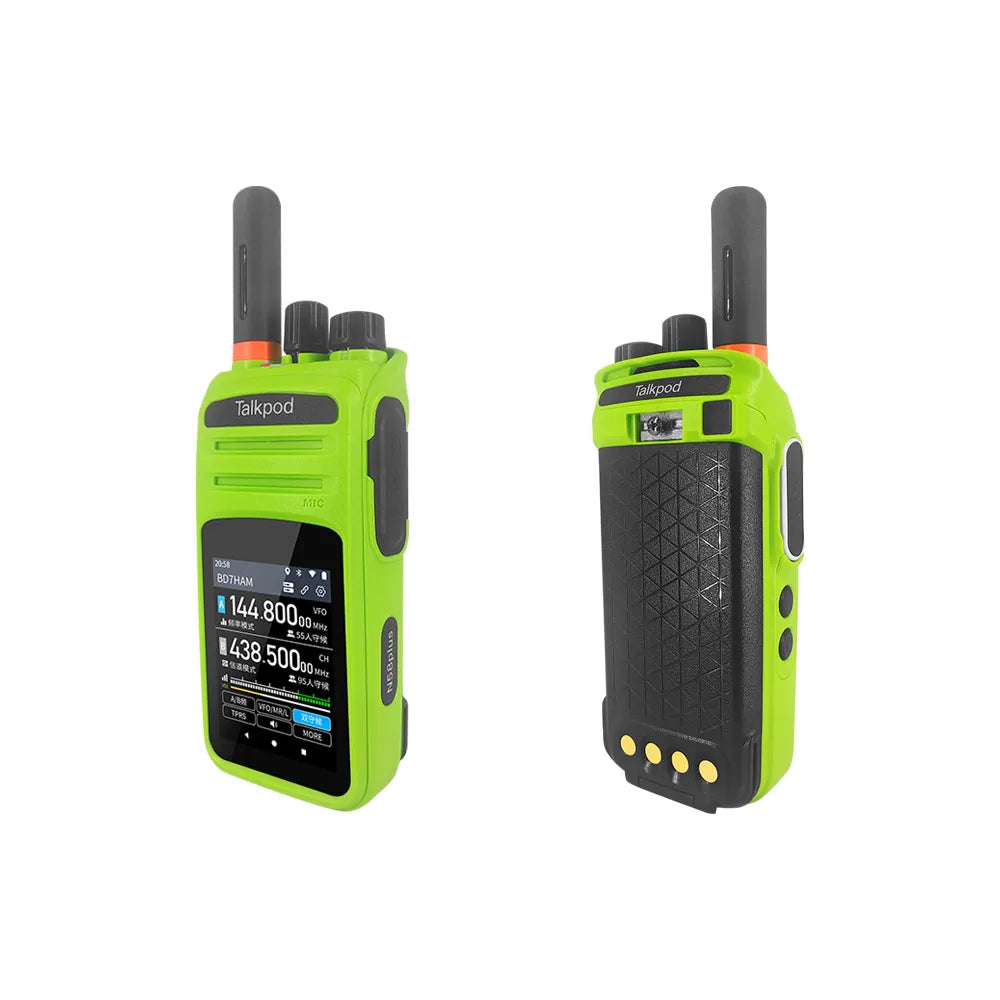
The Talkpod N59 smart public-network radio was introduced to provide a wider communication and information-sharing link between field personnel and the coordination platform wherever compatible mobile-network coverage is available.
Connecting teams across different road sections
Roadside operations are inherently mobile.
Personnel may begin a shift in an urban area, move onto a suburban route and later support an incident elsewhere. A direct radio system can be effective locally, but its useful range becomes a limitation when teams are spread across a larger area.
The N59 uses compatible public mobile networks to support wide-area push-to-talk communication. Authorized users can remain within managed talk groups even when they are operating on different road sections.
A field team can report congestion, a collision or another abnormal condition without waiting to return to a fixed point. Other personnel can receive the update through the appropriate group, allowing coordination to begin earlier.
The system remains dependent on network availability. Mountainous sections, remote villages, tunnels or other weak-coverage areas may still interrupt service. Public-network radios should therefore complement, rather than replace, communication systems and contingency procedures required for critical police or traffic operations.
Making roadside communication easier to understand
Road environments are rarely quiet.
Passing vehicles, horns, engines, wind and crowds can make short voice instructions difficult to hear. Yet roadside communication often depends on details that must be understood correctly: a junction name, vehicle direction, lane number or support request.
The N59 uses digital voice processing and a high-output speaker to improve speech clarity in noisy operating environments.
This helps personnel exchange concise operational information without repeatedly making telephone calls or asking for the same message to be transmitted again.
Clearer audio does not remove the need to confirm critical information. Instructions affecting traffic control, emergency response or public safety should still follow the project’s established command and verification procedures.
Adding visual context to field reports
A voice report can explain that traffic is building. A picture can show how serious the situation has become.
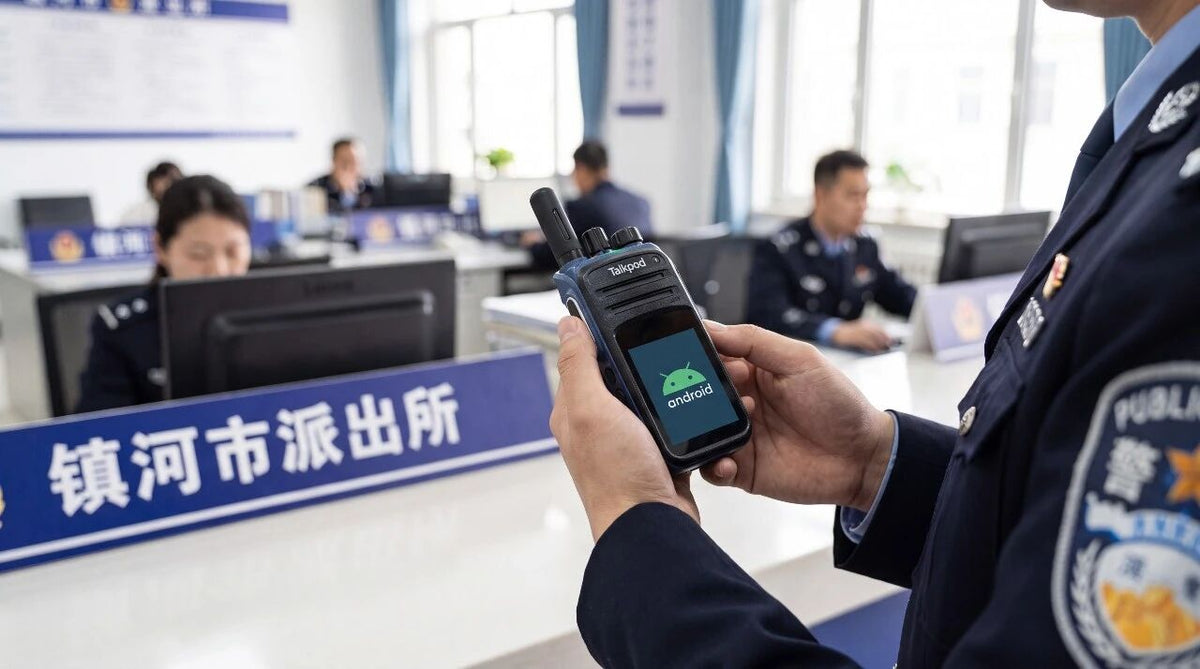
The N59 incorporates front and rear cameras that can support authorized image and video capture. Where the network, platform configuration and operating rules permit, field personnel can transmit visual information to the coordination platform.
This gives dispatch staff additional context when assessing an incident.
For example, an image may help show how many lanes are affected, whether vehicles are blocking the carriageway or what resources may be needed at the scene. Supervisors can then make dispatch decisions using both verbal reports and available visual information.
The camera function should, however, be governed carefully. Images of drivers, passengers, vehicle plates or members of the public may contain personal or evidential information.
Capture, transmission, retention and access should follow applicable law and the organisation’s own authorization, privacy and evidence-management procedures. The presence of a camera does not by itself make every recording formal evidence.
Supporting faster incident coordination
Roadside incidents often require several people to act in sequence.
One team identifies the problem. Another may need to manage approaching traffic. Additional personnel may be requested, while the coordination center needs updates on whether the road is partially or fully obstructed.
With the N59, personnel can use group push-to-talk to share these updates without creating a separate chain of individual telephone calls.
The coordination platform can receive information from the field and help supervisors maintain a broader operational picture. Available resources can then be assigned according to established procedures and verified information.
The technology does not decide which team should respond. That remains a command decision made by authorized personnel.
Its value lies in reducing the communication steps between discovering a problem and organizing the response.
Integrating with an existing coordination system
Introducing another handheld device is only useful if it fits the system already in place.
Talkpod carried out configuration and integration work to adapt the N59 to the existing Sanmenxia police–security coordination platform. This allowed communication functions and field information to be incorporated into the project’s existing operating structure rather than creating an isolated system.
This matters particularly in multi-role operations.
Field personnel, dispatchers and supervisors may perform different tasks, but the information they use should move through a coherent workflow. Communication groups and permissions can therefore be configured around operating areas, responsibilities and coordination requirements.
Routine traffic can remain within the appropriate team, while broader groups can be used when an incident requires cooperation across several locations.
Training for real roadside scenarios
Technology becomes useful only when field personnel can operate it without hesitation.
Talkpod provided scenario-based training for frontline users, covering communication, multimedia functions and interaction with the dispatch system in situations resembling their daily work.
Rather than teaching features in isolation, training can be built around practical questions: which group should receive an accident report, when should an image be transmitted, how should additional support be requested, and what information should not be shared over an ordinary operational channel?
This approach helps make the device part of an existing workflow rather than another piece of equipment personnel must think about separately.
Ongoing technical support also allows configurations and operating procedures to be adjusted as the system is used across different road environments.
[Image]
Reducing unnecessary movement
One of the less visible costs of poor communication is travel.
If field personnel cannot reach another team or provide enough information remotely, somebody may need to return to a fixed location, travel to another road section or repeat an inspection simply to clarify what has happened.
Wide-area voice and authorized visual reporting can reduce some of this unnecessary movement.
A field team can remain at the scene while updating the coordination center. Supervisors can obtain additional context before deciding whether another unit needs to travel there.
Across a large road network, avoiding even some unnecessary journeys can make personnel and vehicles available for more useful work.
A communication layer for wider-area road operations
After deployment, the Sanmenxia project gained a more integrated way to connect personnel working across different road sections. Field teams could share operational updates through managed groups, authorized visual information could provide the coordination center with additional context, and the existing dispatch structure could be used to organize the response.
The N59 does not replace professional judgment, formal evidence systems or dedicated mission-critical communications.
Its role is to connect the people and information involved in roadside work more efficiently.
For a project covering urban streets, suburban routes and rural roads, distance will always remain an operational reality. Better communication cannot remove that distance.
It can make it much less costly.

Leave a comment
All comments are moderated before being published.
This site is protected by hCaptcha and the hCaptcha Privacy Policy and Terms of Service apply.