

A paint factory can look orderly while containing an unusually complicated mix of hazards.
Raw materials move between storage areas, mixing vessels and filling lines. Quality inspectors circulate among them, checking formulations, sampling batches and reporting abnormalities. At the same time, many coating processes involve flammable solvents whose vapours may create hazardous atmospheres under certain operating or fault conditions.
That makes the handheld radio itself part of the safety assessment.
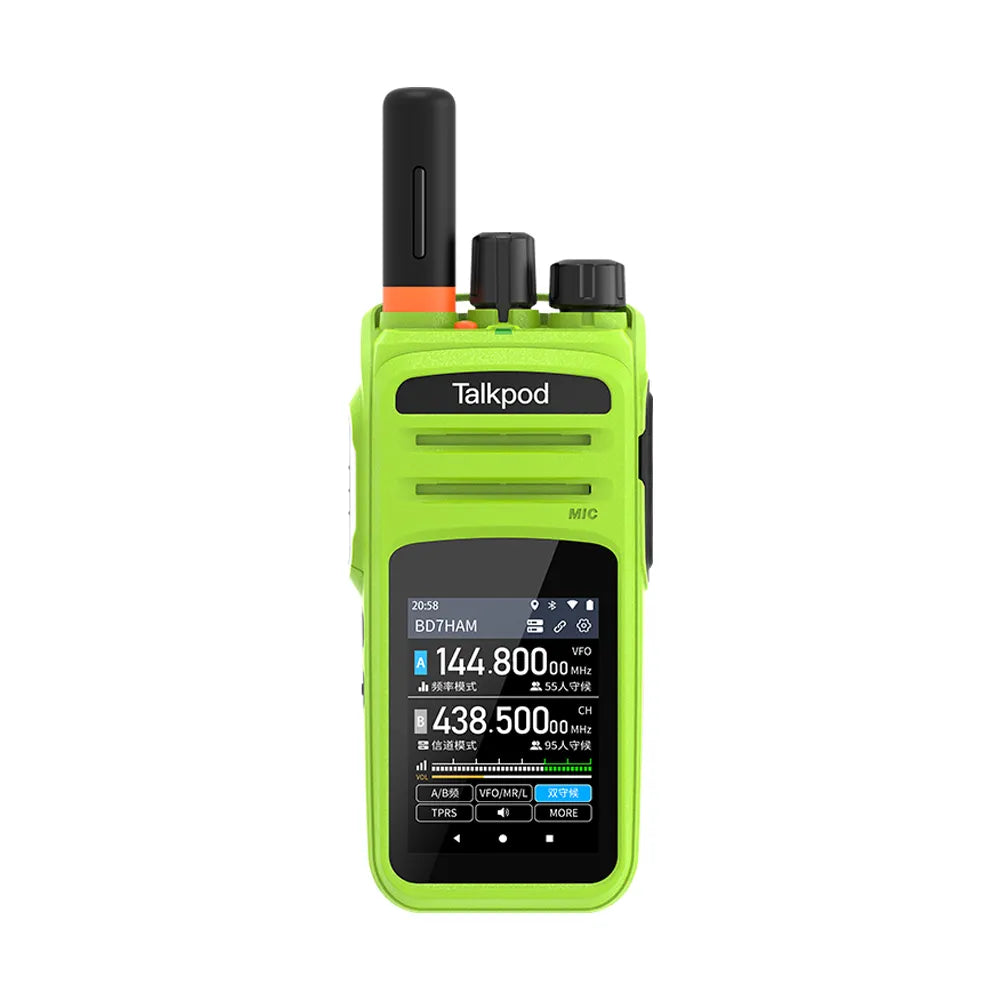
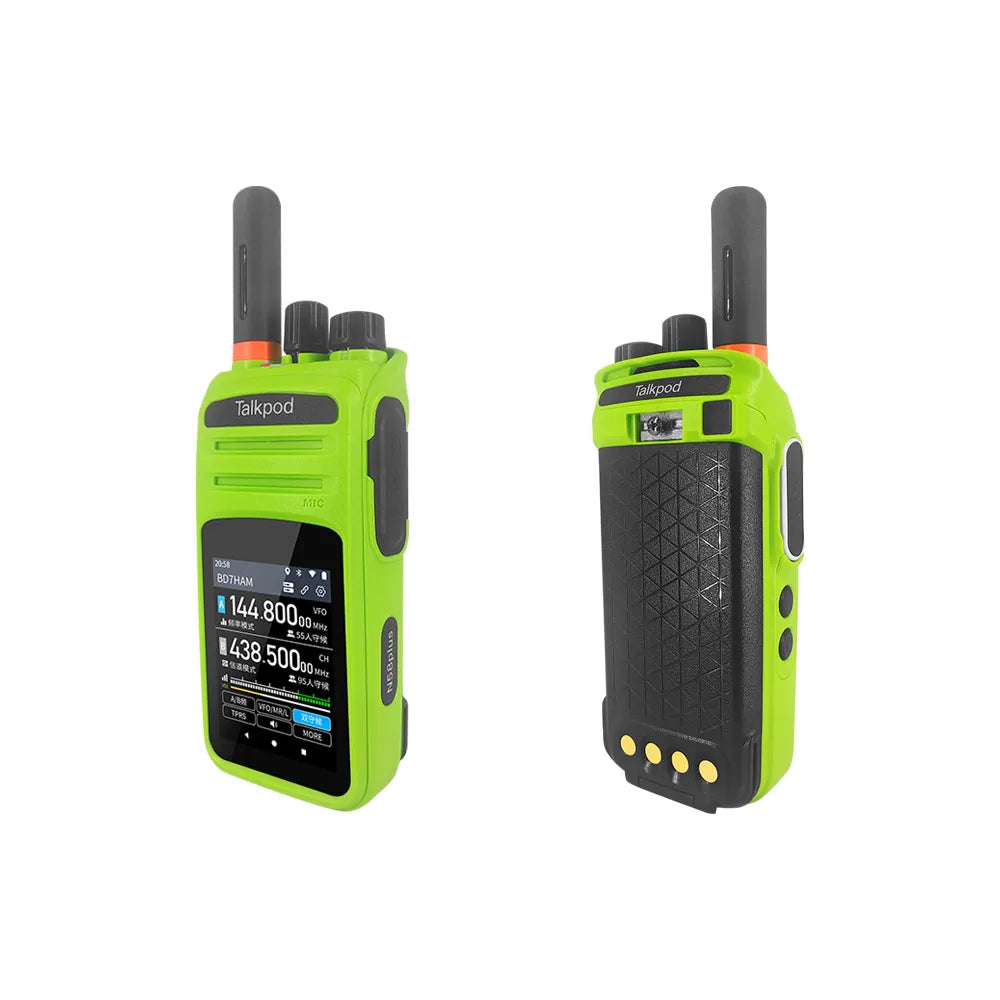
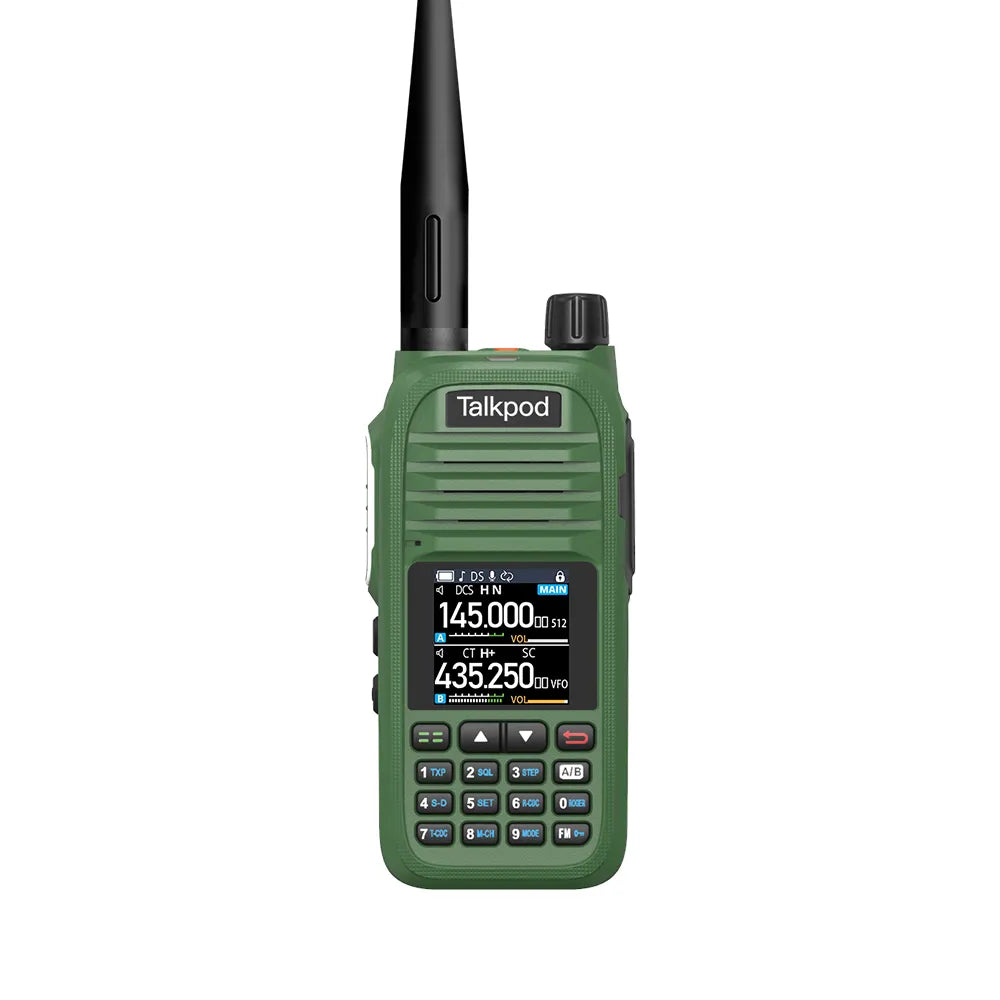
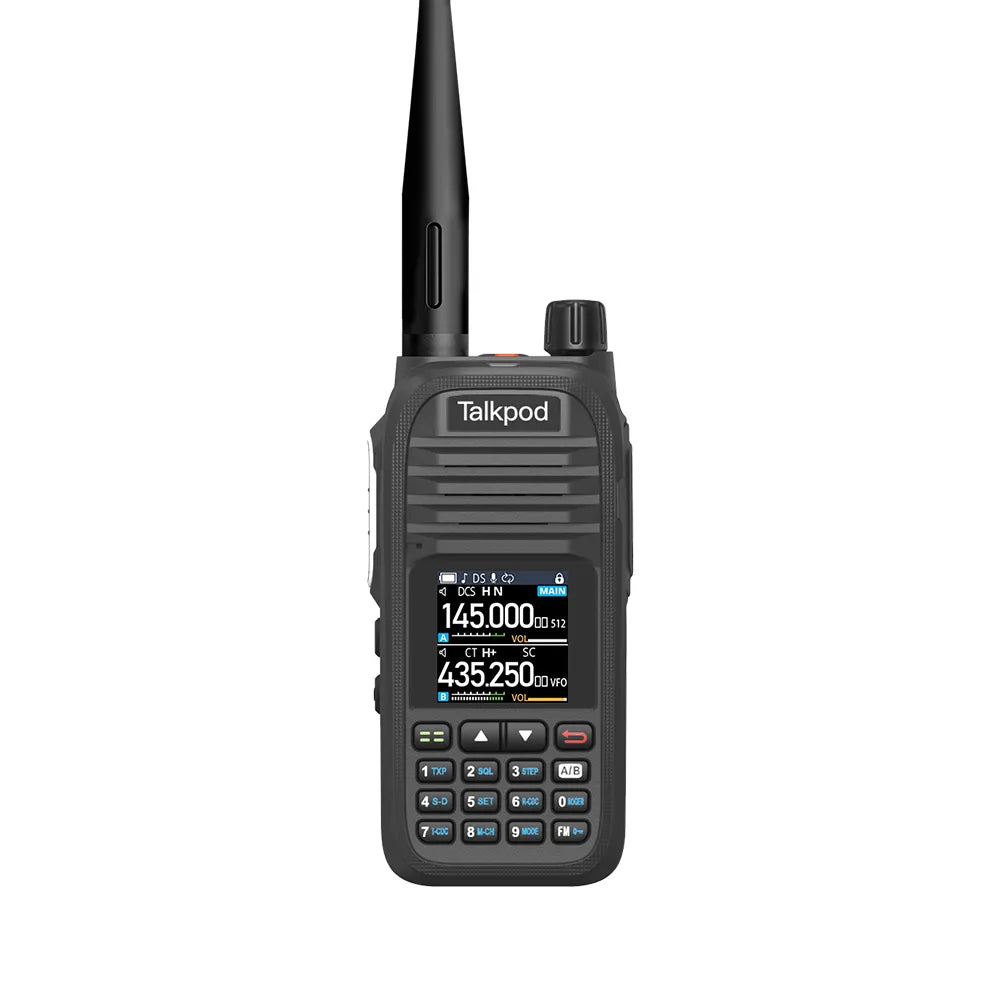
The Talkpod A50Ex combines explosion-protected construction with automatic ad hoc networking, providing a portable communication option for quality-control and production teams working in industrial areas where conventional radio paths or public mobile coverage may be unreliable.
Its value begins with two questions: whether the radio is certified for the intended hazardous area, and whether the communication network has been tested in the actual production environment.
Explosion protection must match the production area
Paint and coatings production can involve flammable solvents and vapours around storage, mixing and filling operations.
Where an area has been classified as hazardous, electrical equipment must be selected according to that classification. Sparks, electrical faults or excessive surface temperatures from unsuitable devices may introduce unacceptable ignition risks.
The A50Ex incorporates explosion-protection measures intended for specified hazardous environments.
Before use, however, operators should verify the exact certification marking against the plant's hazardous-area assessment. The permitted zone, gas group, temperature class, ambient operating range and any limitations stated on the certificate or product nameplate all matter.
If the applicable certification specifically identifies the equipment as intrinsically safe, it may be managed as such within those certified limits. Otherwise, the broader description “explosion-protected” is more appropriate.
Approved batteries and accessories are equally important. Unauthorized replacements, modifications or damage to the enclosure may compromise the protection concept.
The radio can reduce the ignition risk introduced by communication equipment when correctly selected and maintained. It does not make a solvent-rich atmosphere safe.
Metal equipment creates difficult radio paths
A coatings plant is also a challenging environment for radio propagation.
Large stainless-steel tanks, enclosed mixers, pipework and process equipment can reflect or block radio signals. Two employees separated by only a modest physical distance may still have a poor direct radio path if several large metal structures stand between them.
The A50Ex addresses this through automatic ad hoc networking and multi-hop relay.
Compatible units can pass voice traffic through intermediate radios rather than requiring every user to communicate directly with the same endpoint.
This gives quality inspectors and production personnel more flexibility when moving between different sections of the plant.
Depending on the supported configuration, the network can be arranged in chain, mesh or tree-like structures to suit different layouts.
It does not mean that simply carrying several radios into the factory will automatically create complete coverage.
Each relay still requires a usable radio path to the next node.
Closed vessels need particular caution
An enclosed tank is very different from an ordinary workshop.
Metal walls can severely attenuate radio signals, and entry into a storage or process vessel may also qualify as confined-space work under the operator's safety procedures.
An inspector inside a metal vessel should therefore not be assumed to have reliable communication with a control room merely because the radio supports multi-hop networking.
A more realistic arrangement may require an appropriately positioned radio or relay point outside the vessel, with communication tested before entry begins.
If communication with a distant production-control point is required, additional network infrastructure or an approved gateway may also be necessary.
More importantly, radio communication is only one part of confined-space safety.
Atmospheric testing, ventilation where required, entry permits, attendants, personnel accountability and rescue arrangements remain essential. If conditions become unsafe, the response is governed by the plant's confined-space and hazardous-area procedures.
A radio cannot make vessel entry safe by itself.
Planning relay points around the production line
Automatic networking is most useful when the network has been planned around real obstacles.
Before routine deployment, communication should be tested around raw-material storage areas, mixing stations, filling lines, temporary storage rooms and other locations used by inspectors.
Weak areas can then be identified and intermediate relay positions selected accordingly.
Factory layouts can also change.
A newly installed tank, temporary stock of metal containers or modifications to the production line may alter radio propagation even though the distance between users has not changed.
For this reason, coverage should be reviewed when major equipment or workflows change.
The objective is not to claim that the workshop contains no communication dead zones.
It is to discover those dead zones before a quality inspector depends on the radio.
Clearer communication around mixers and filling equipment
Paint production is rarely quiet.
Mixers, pumps, filling machinery, ventilation systems and nearby industrial equipment can make ordinary speech difficult to understand.
The A50Ex uses digital audio processing and noise-reduction functions intended to improve speech intelligibility in these conditions.
This can help quality inspectors report a batch number, production location or abnormal condition without unnecessary repetition.
Noise processing cannot guarantee that every message will be understood correctly.
Information concerning a suspected leak, unsafe process condition or other significant production abnormality should be repeated or confirmed according to the plant's established procedures.
Likewise, a radio report should not become the sole record for important quality-control data.
Formulation results, batch measurements and inspection findings should still be entered into the approved quality or production-management system.
Keeping neighboring teams separate
Several production or quality teams may operate within the same industrial site.
Configured digital groups can help separate routine communication so that users are not distracted by conversations from unrelated areas.
Communication-protection features may also reduce ordinary unauthorized access when correctly configured.
These functions should not be described as completely eliminating interference or making communication impossible to intercept.
Overall performance depends on radio planning, system configuration, encryption implementation where applicable, key management and operating procedures.
For quality-control teams, the more practical benefit is orderly communication: the right group receives the relevant production message without every user hearing every conversation.
Durability in a demanding chemical-production environment
A coatings workshop exposes equipment to more than vapour.
Dust, moisture, repeated handling and accidental splashes can all affect handheld electronics. Paint mist and chemical residues may also attack materials differently depending on their composition.
The A50Ex uses a sealed and reinforced construction intended for demanding industrial use.
However, claims of chemical or corrosion resistance should be based on the product's specific material-compatibility data or test results rather than assumed from general sealing.
If paint, solvent or another process chemical contacts the radio, cleaning should follow the manufacturer's instructions and the plant's hazardous-area procedures.
A unit that has suffered serious chemical exposure, water ingress, enclosure damage or deterioration of seals should be inspected before returning to hazardous-area service.
For explosion-protected equipment, enclosure condition is part of safety—not merely appearance.
Battery planning for repeated inspection rounds
Quality inspection may continue across several shifts.
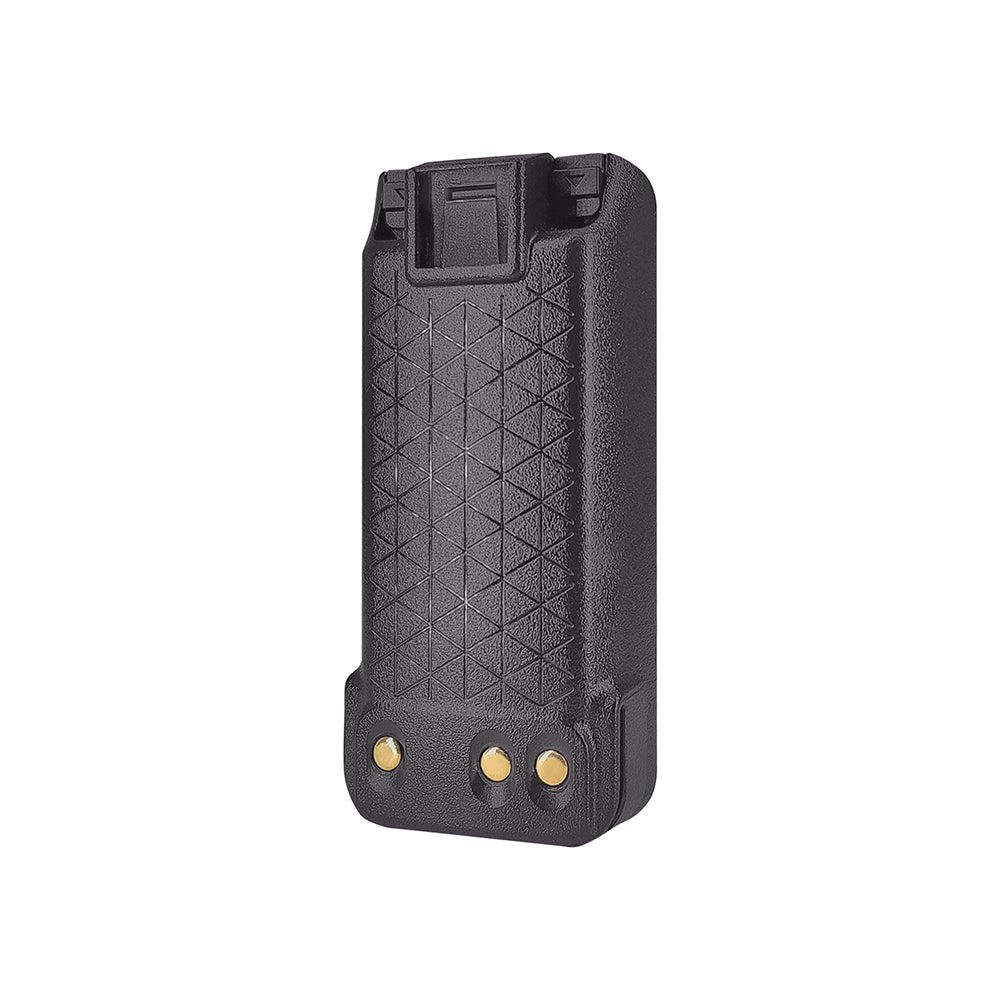
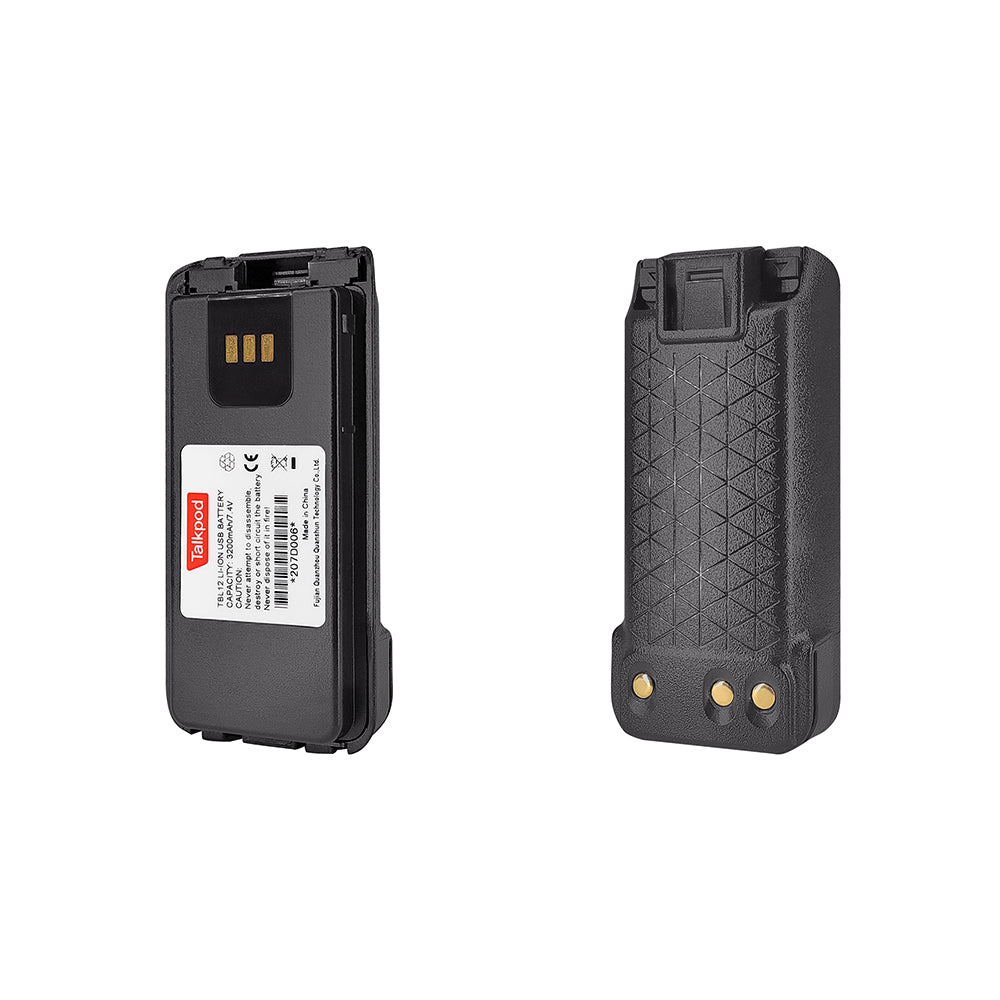
Extended battery capacity can reduce the frequency with which a radio needs to be taken out of service, particularly when inspectors move constantly between production areas.
Actual endurance will depend on transmit time, relay activity, audio volume, temperature and battery condition.
A plant should therefore manage radios as part of an equipment fleet, with approved charged units or batteries available for shift changes rather than assuming one charge will automatically cover multiple production cycles.
Charging and battery replacement should take place only in locations and under conditions permitted by the manufacturer and the site's hazardous-area rules.
Easier operation with gloves and inspection equipment
A quality inspector may already be carrying sampling tools, records or measuring instruments.
Protective gloves can make small controls difficult to use, particularly when personnel need to communicate while continuing an inspection.
The A50Ex uses physical controls and relatively large side buttons intended to make routine push-to-talk operation easier when protective equipment is being worn.
A compact body also reduces the additional burden of carrying another device throughout the shift.
These are simple ergonomic details, but they matter in industrial environments.
The less attention the radio demands, the more attention the inspector can give to the process being examined.
An additional visual cue in low-light areas
The A50Ex also incorporates a warning light that can provide an additional visual cue in dim or visually cluttered working environments.
It may help nearby colleagues identify another equipped worker more quickly.
Its role remains supplementary.
The light does not replace approved workplace lighting, high-visibility PPE, emergency alarms or personnel-accountability procedures.
Visibility is useful, but it is only one layer of workplace safety.
Communication as part of quality and process safety
The Talkpod A50Ex cannot detect a solvent leak, verify a paint formulation or make a confined production space safe.
Nor can it guarantee communication through every metal tank or enclosed process area.
Its role is narrower.
When its certification matches the intended hazardous location, the A50Ex provides quality and production teams with an explosion-protected communication option that does not depend on public mobile infrastructure for its core radio links. Multi-hop networking can help work around some of the obstacles created by large industrial equipment, while digital audio and practical controls support everyday inspection work.
In a coatings plant, good communication is not about promising that every corner will always be connected.
It is about knowing where communication is difficult, designing around those weaknesses, and ensuring that the radio itself does not introduce another hazard into the process.

Leave a comment
All comments are moderated before being published.
This site is protected by hCaptcha and the hCaptcha Privacy Policy and Terms of Service apply.