
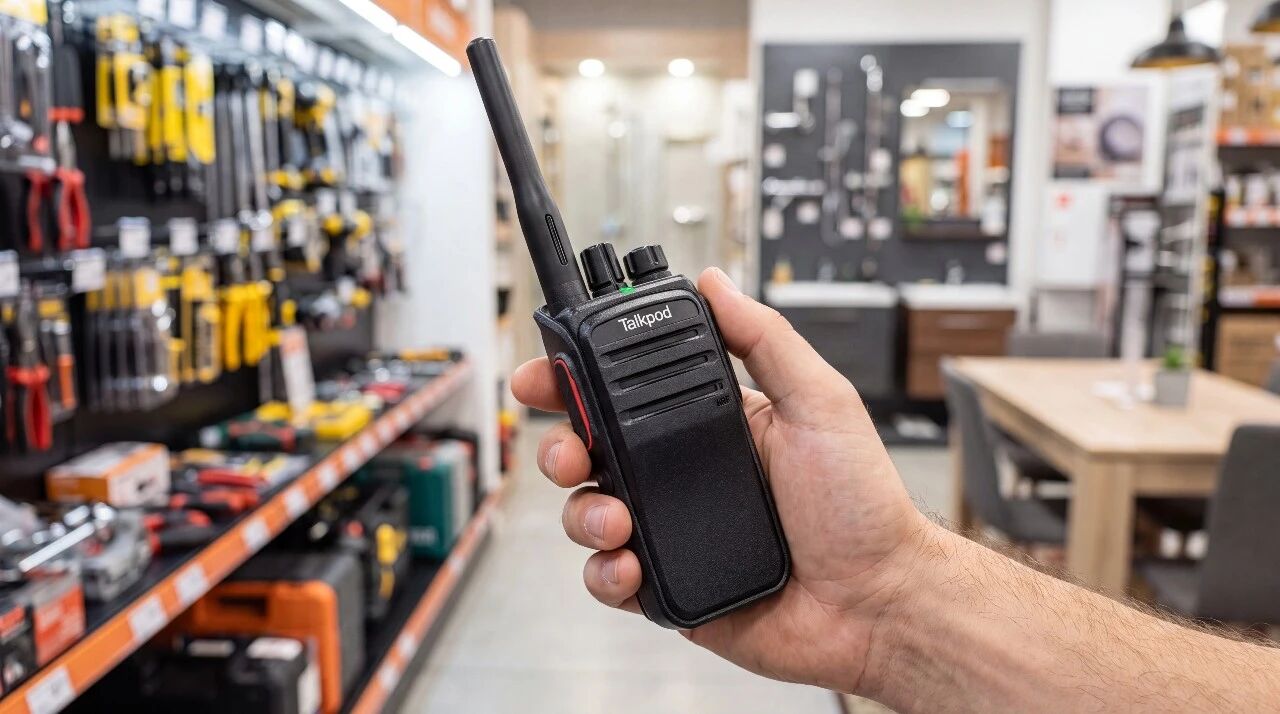
Buying furniture is rarely a single conversation.
A customer may begin with a sofa, move to a bedroom display, ask whether a particular finish is in stock and then want to know how soon the item can be delivered. The sales consultant standing beside that customer may need answers from warehouse staff, a cashier, another showroom or the after-sales team.
In a large furniture store, those colleagues may be hundreds of metres apart.
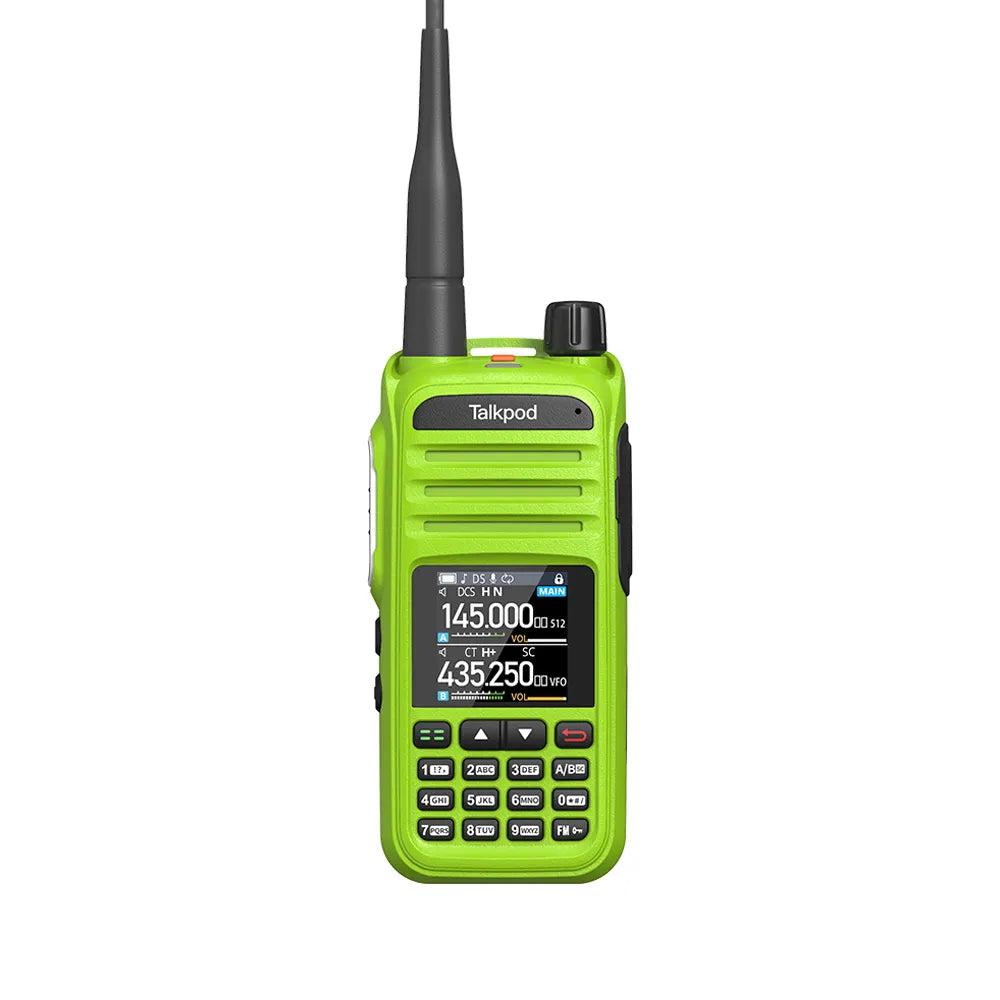
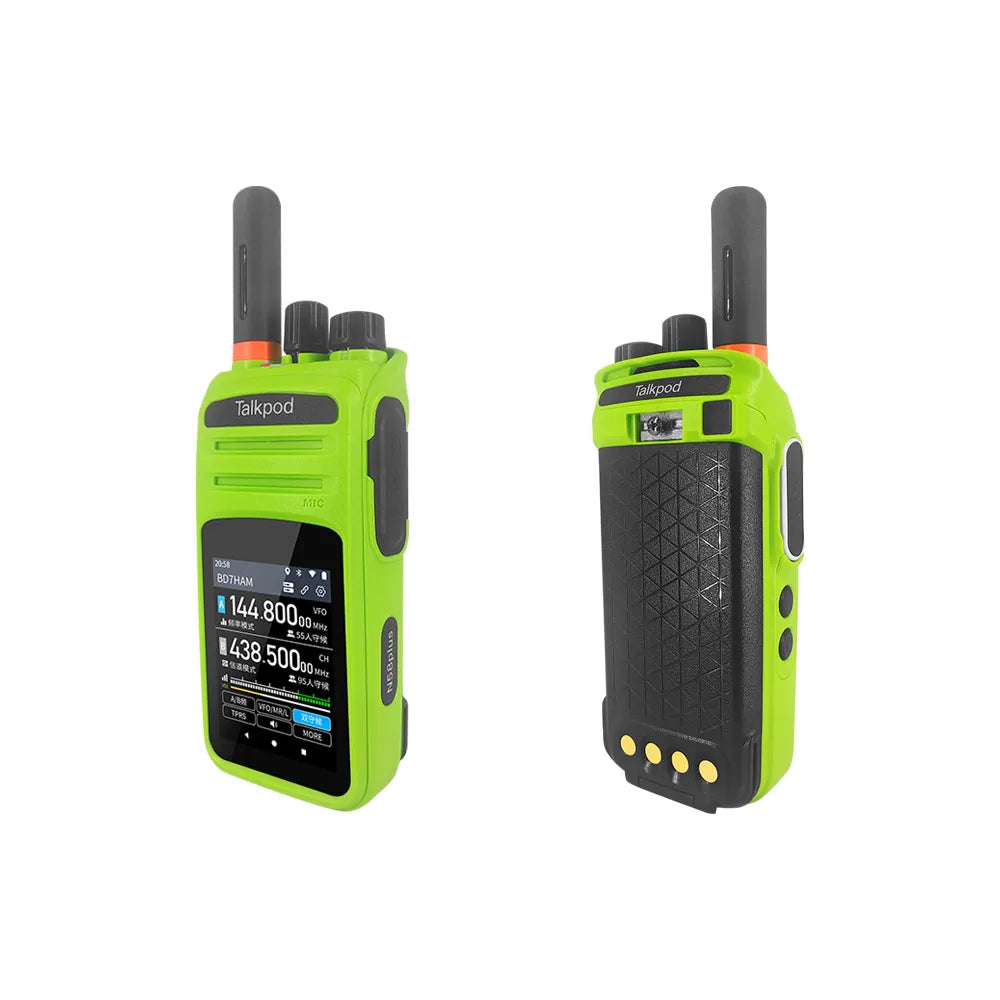
The Talkpod D50 digital radio provides a local communication link between these teams, helping sales consultants obtain information without repeatedly leaving the customer or relying on a chain of phone calls.
Its role is simple: shorten the distance between a question on the showroom floor and the colleague who knows the answer.
Connecting the showroom with the warehouse
Large home-furnishing stores are difficult radio environments.
Display walls, full-size cabinets, metal shelving and densely stocked warehouses can weaken or reflect radio signals. A consultant in a bedroom display area may therefore have a less reliable direct path to a colleague working behind several rows of furniture.
The D50 uses a dedicated antenna design intended to support reliable local radio communication across commercial environments.
This can help sales staff contact warehouses, checkout counters and service areas without leaving the customer they are assisting.
A consultant can ask whether a model is available, confirm that an item has been reserved or request another employee to check a different finish while continuing the sales conversation.
Actual coverage will depend on building size, construction materials, display layout, distance and radio configuration.
No handheld radio can guarantee perfect reception in every storage room or behind every large display. Coverage should therefore be tested throughout the real store before channels and working procedures are finalized.
Reducing the waiting built into customer service
Many delays in retail are not caused by the task itself.
They are caused by finding the person who can perform it.
If a customer asks whether a dining table is available, the answer may require somebody in the warehouse. A delivery question may require another department. A promotional change may need to be confirmed by a supervisor.
Without direct staff communication, the consultant may have to leave the customer, make a phone call or wait for somebody to return.
With the D50, a short radio call can begin that process immediately.
The employee who has the information can respond while the consultant remains on the sales floor.
For the customer, the technology stays largely invisible.
What they notice is that fewer questions turn into long waits.
Digital voice in a busy retail environment
Furniture showrooms are rarely quiet during peak periods.
Background music, appliance demonstrations, customers talking and staff moving equipment can make weak radio audio difficult to understand.
The D50 uses digital voice coding together with a high-output speaker to improve speech intelligibility in suitable radio conditions.
This is particularly useful for short operational messages such as a product code, stock confirmation, department name or request for another employee.
Digital error-correction techniques can also help preserve intelligibility as radio conditions become less favorable, although no digital system can recover a signal that has become too weak or severely obstructed.
Critical information should still be confirmed when there is uncertainty.
A consultant should not assume that a product number or delivery instruction has been understood correctly simply because it was transmitted over a digital radio.
Organizing several sales teams without one crowded channel
A large store may have dozens of employees communicating at the same time.
If every message is transmitted to every user, radio traffic quickly becomes distracting.
Digital radios allow communication to be organized more deliberately.
Different teams or working areas can use appropriately configured channels or talk groups so that routine warehouse traffic, sales-floor coordination and other communications do not all compete for the same attention.
The D50 also supports DMR Color Code configuration, which helps radios identify the intended digital system and can reduce unwanted interaction with other nearby systems using the same frequency.
Color Code should not be confused with encryption.
It is primarily a system-access and separation mechanism rather than a security technology.
The practical objective is not to make every conversation secret. It is to prevent staff from having to listen to communications that do not concern their work.
Protecting customer information requires more than radio encryption
Retail conversations can contain information that should be handled carefully.
A consultant may know a customer's telephone number, address, budget, payment arrangements or customized furniture requirements.
The D50 can support digital communication-protection features, including the stated 32-bit encryption function where correctly configured.
Such functions can make casual interception more difficult, but they should not be described as making radio communication impossible to monitor or decode.
Security depends on the encryption implementation, radio programming, key management and how devices are controlled.
More importantly, radios should not become the normal channel for transmitting sensitive customer information.
Addresses, telephone numbers, payment information and detailed customer records belong in the retailer's approved sales, CRM or order-management systems.
The safest radio message is often simply:
“The customer at the bedroom section needs assistance with order 284.”
The colleague can obtain the sensitive details through the appropriate system instead.
Built for a full retail shift
Furniture-store radios are handled constantly.
They may be clipped to clothing, placed on counters, carried into warehouses or knocked against product displays during a busy day.
The D50 uses a reinforced commercial design and has undergone environmental-reliability testing associated with conditions such as drops, temperature variation, dust and vibration.
That supports everyday durability, but terms such as “military-grade” should not be interpreted as meaning that the radio cannot be damaged.
Actual protection should be judged from the product's specified environmental ratings.
If a radio is seriously dropped, exposed to excessive liquid or develops enclosure damage, it should be inspected before returning to regular use.
Good fleet management is usually more valuable than assuming rugged equipment will survive anything.
Power management for long opening hours
A furniture store may begin preparing before customers arrive and continue operating long after the final sale.
The D50 incorporates power-saving functions intended to extend operating time between charges.
Actual battery endurance will depend on transmission frequency, audio volume, battery condition and the length of the shift.
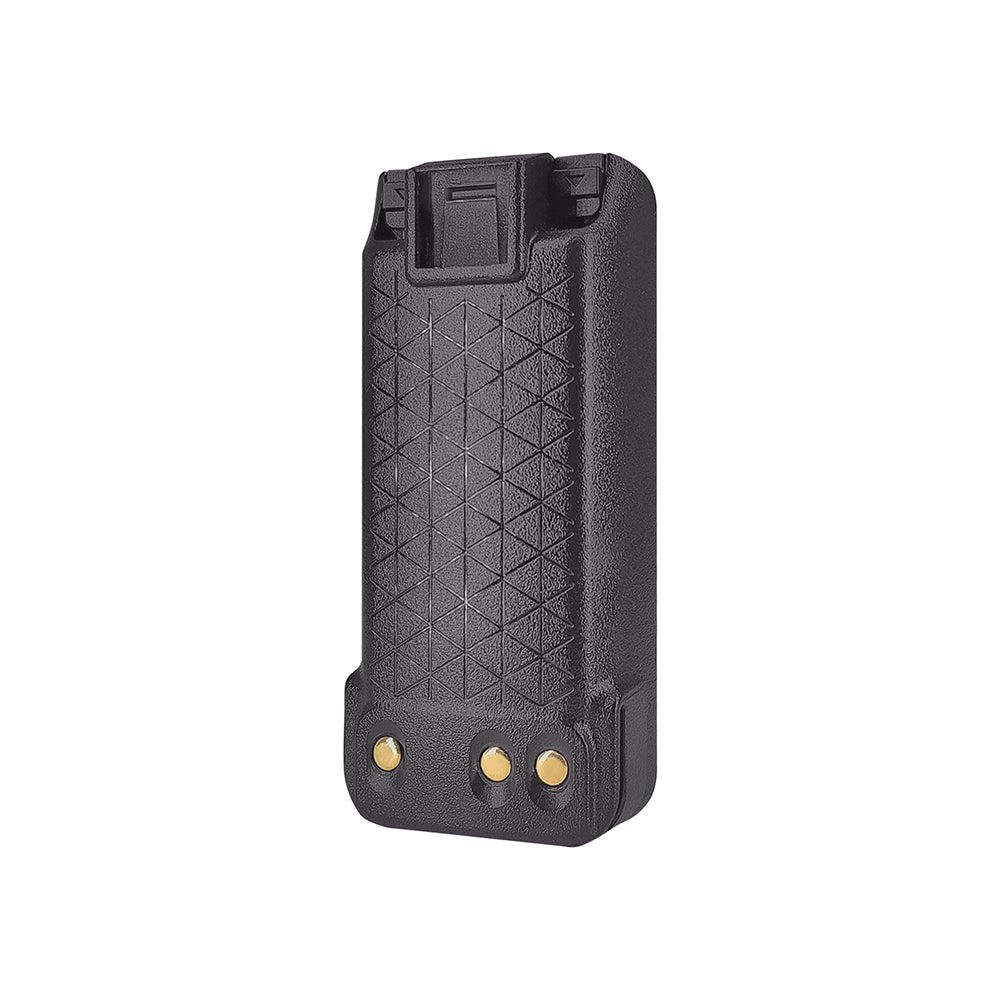
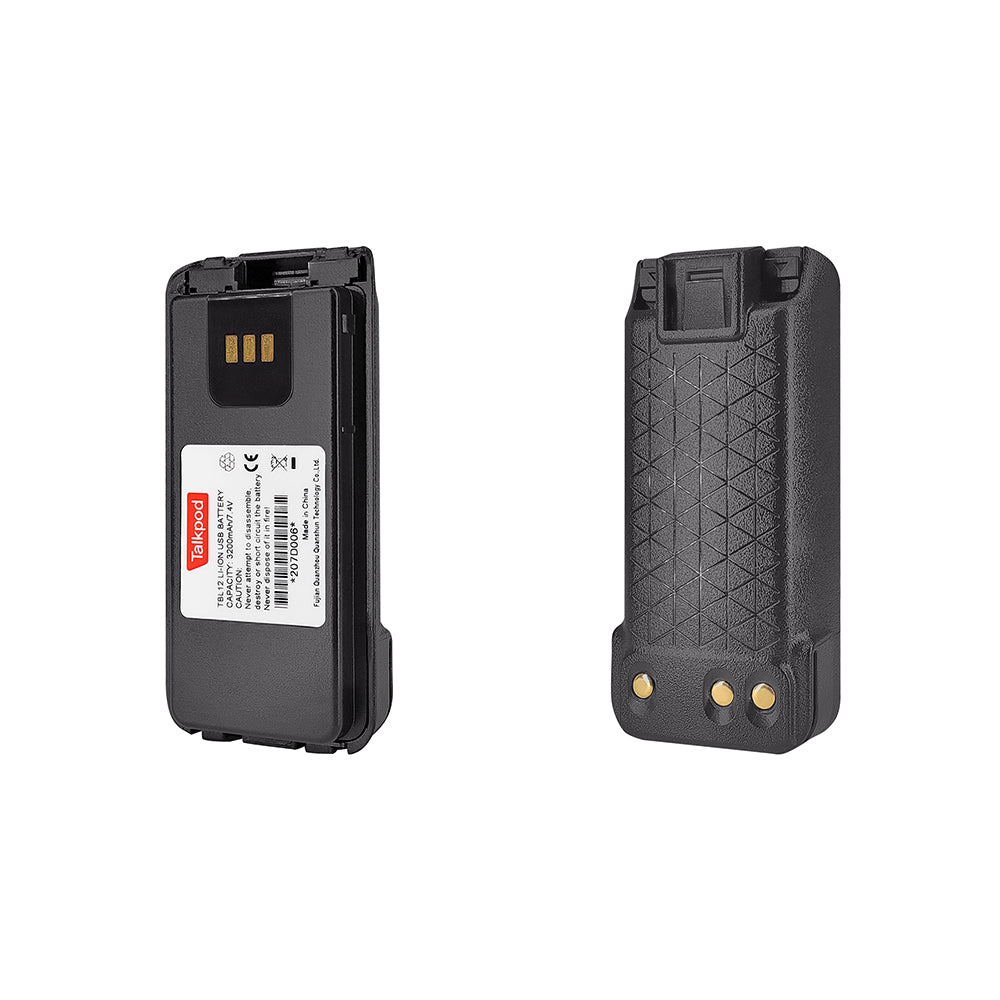
For that reason, retailers should manage radios as shared operational equipment rather than assume that a single charge will automatically last through several days of heavy use.
A practical approach is to establish a central charging location, return radios after each shift and keep charged spare units available for busy weekends.
The aim is not to achieve the longest possible battery claim.
It is to ensure that the radio handed to the next employee is ready for work.
Shortcut controls for staff who already have their hands full
A furniture consultant may be carrying a catalogue, tablet, sample book or product information while walking through the showroom with a customer.
A complicated communication device adds little value.
The D50 uses straightforward push-to-talk operation, while programmable side keys can provide faster access to frequently used functions.
This reduces the number of steps required for routine communication.
A store may, for example, configure commonly used functions around its own working procedures so that sales staff can reach the appropriate team without navigating through multiple menus.
Simple controls also reduce training time for new employees.
The radio becomes part of the service workflow rather than another system staff have to stop and think about.
Keeping the customer in the conversation
The most useful communication technology in a retail store is often the least visible one.
A customer should not have to follow the internal process of locating warehouse staff, checking inventory or finding somebody responsible for delivery.
They should simply ask a question and receive an answer.
The Talkpod D50 helps move those internal conversations away from the customer-facing process.
Digital voice communication can connect sales, warehouse and support teams across the store. Proper channel planning can reduce unnecessary radio traffic, while programmable controls and power-saving functions make the radio easier to use throughout a working day.
It cannot guarantee coverage behind every display, nor should radio encryption be treated as a substitute for responsible handling of customer data.
Its value is more practical.
In a well-run furniture store, the customer should spend more time choosing what they want—and less time waiting for the staff to find one another.

Leave a comment
All comments are moderated before being published.
This site is protected by hCaptcha and the hCaptcha Privacy Policy and Terms of Service apply.