
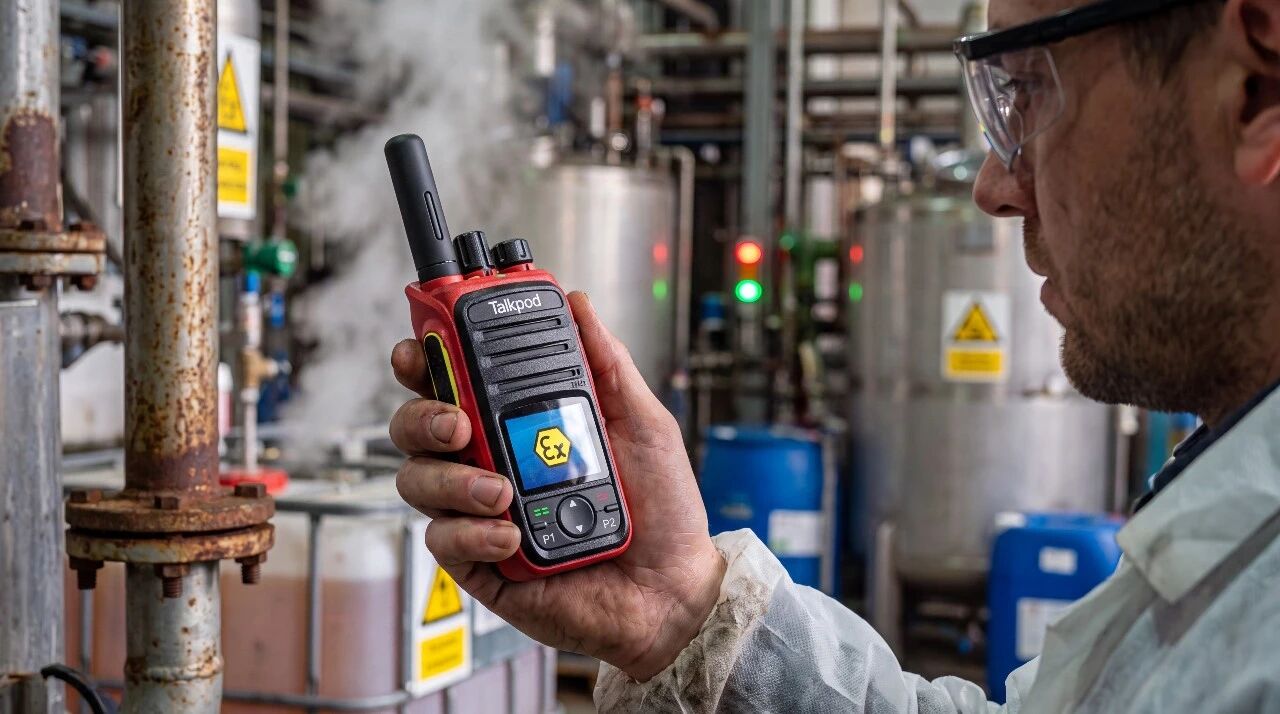
Acid and alkali production sites present an unusual combination of communication challenges.
Raw-material storage, reaction units, tank farms, waste-handling areas and loading points may be spread across a large industrial site—or even separated by several kilometers. Workers need to coordinate material movements and report abnormal conditions while moving between these areas.
At the same time, the chemical environment itself can be demanding. Acidic or alkaline vapors and splashes may attack unsuitable equipment, while some processes can also produce or involve flammable gases and vapors that create classified hazardous locations.
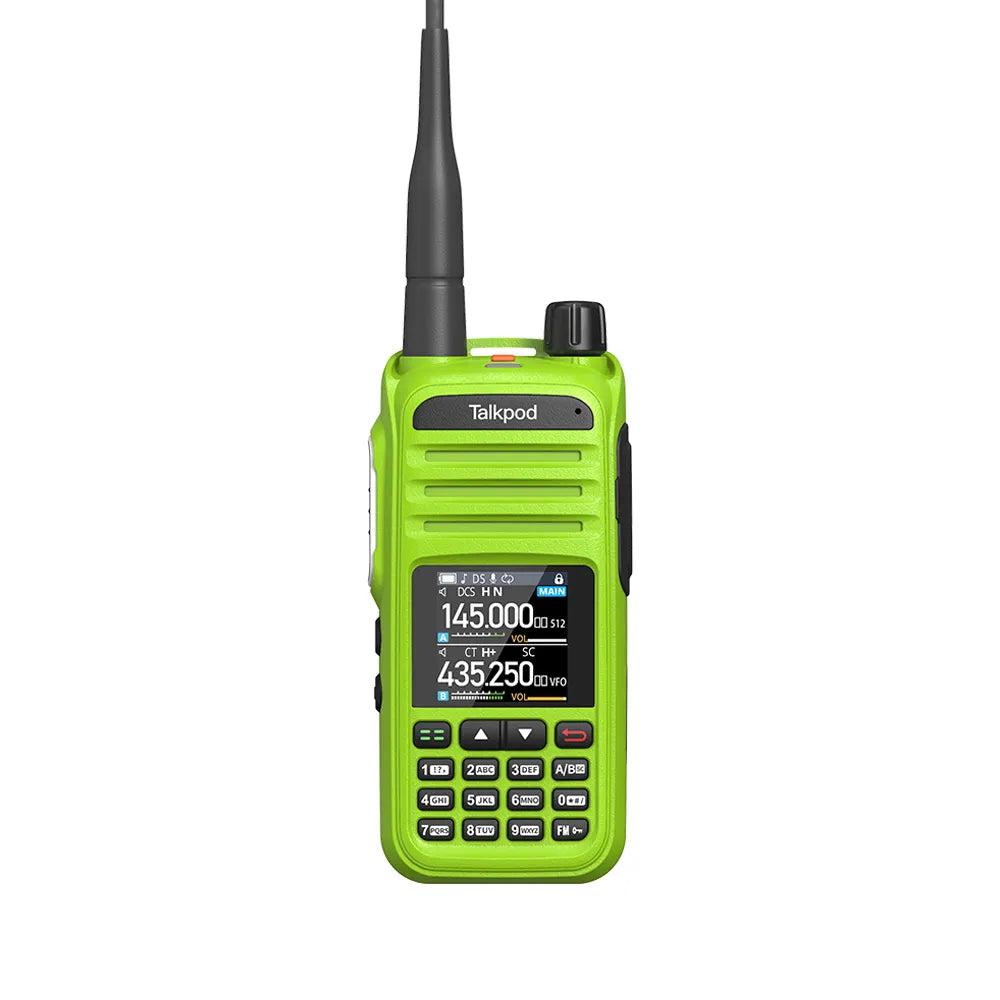
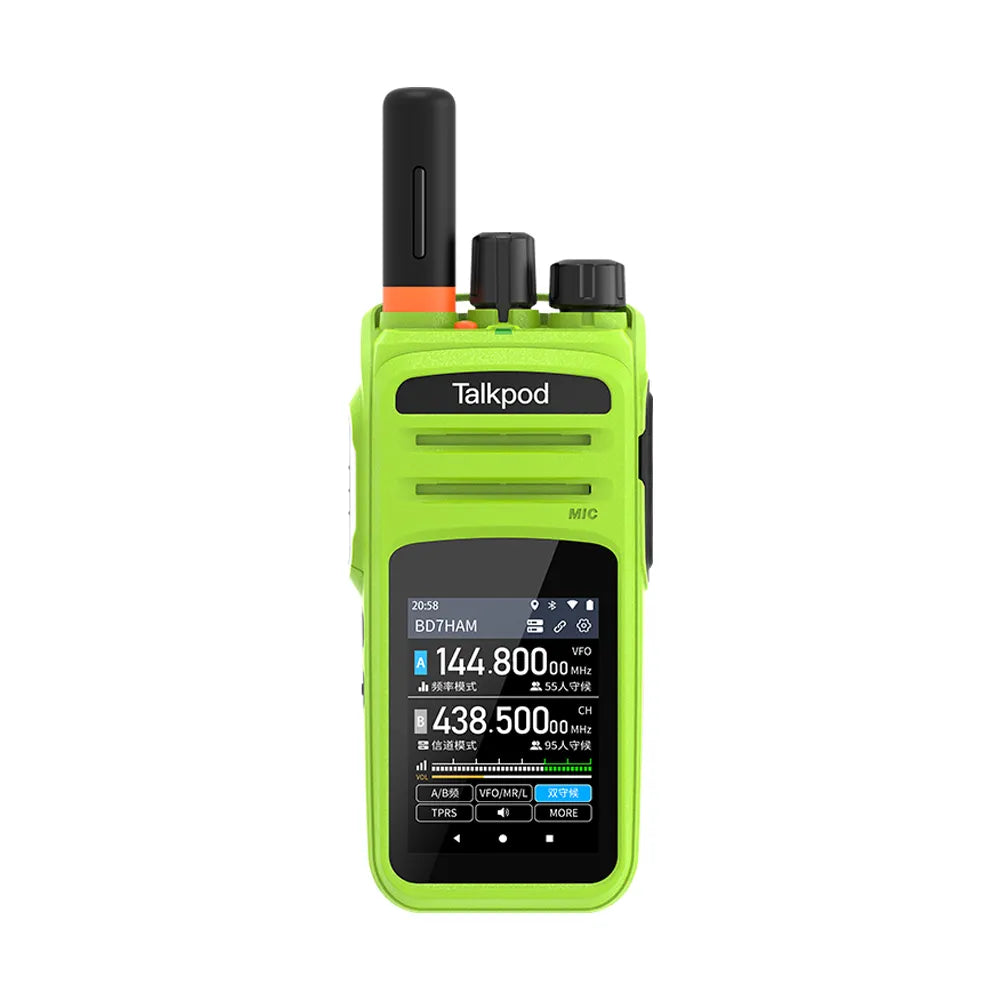
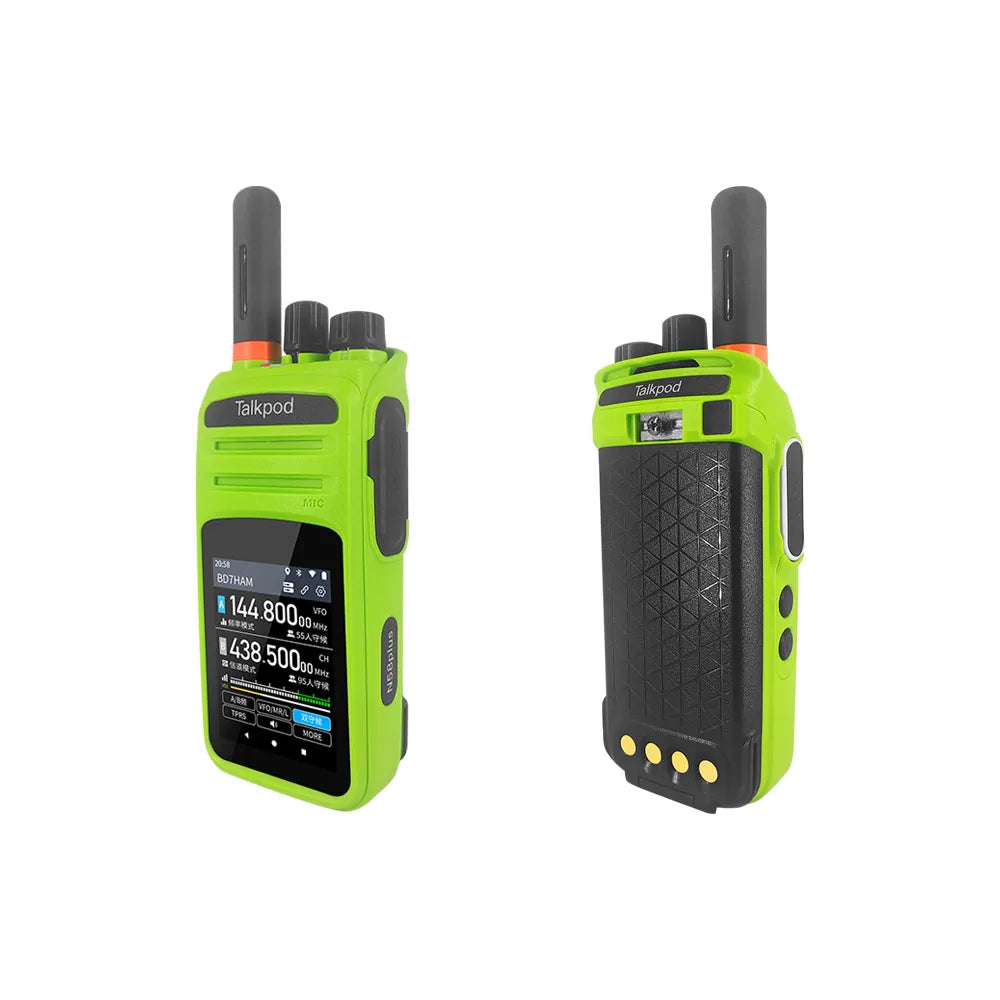
The Talkpod N56Ex explosion-protected public-network radio is designed to provide wide-area push-to-talk communication where compatible mobile-network coverage is available, while supporting use in hazardous environments where its exact certification matches the site's requirements.
Extending communication across a large chemical site
Large chemical complexes rarely operate within a single building.
Storage areas may be separated from production units, while product loading points and transfer stations can sit well beyond the practical range of conventional direct handheld radios.
The N56Ex uses compatible public mobile networks to carry push-to-talk traffic over wider distances.
Where network service is available, personnel moving between storage, production and loading areas can remain within the same managed communication system instead of depending entirely on direct radio range.
A transfer operator working several kilometers from the main production area can report a vehicle problem, suspected leak or delay to the appropriate coordination team without first returning to a fixed communication point.
This can shorten the communication path between field personnel and the people responsible for organizing the next action.
Wide-area does not mean obstacle-proof
Using a public network changes the way distance affects communication, but it does not eliminate the effects of the physical environment.
Chemical plants contain tanks, pipe racks, steel structures and reinforced buildings that can influence mobile-network performance.
A radio may have good connectivity in an outdoor loading area while behaving differently behind a large storage vessel or inside an enclosed process building.
For this reason, the N56Ex should not be described as being completely unaffected by steel structures or site layout.
Actual communication performance should be tested in the locations where personnel work, including tank farms, reaction areas, warehouses and transfer points.
Where coverage is weak, the site should maintain an alternative communication arrangement rather than assume that public-network service will always be available.
Explosion protection must match the actual hazardous area
Not every acid or alkali area is automatically an explosive atmosphere.
The hazardous condition depends on the chemicals involved, the process and any flammable gases, vapors or by-products that may be present.
Where a location is classified as hazardous, the communication device must be suitable for that specific environment.
The source describes the N56Ex as meeting explosion-protection requirements. Before deployment, operators should verify the exact product certificate and nameplate against the site's classification, including the applicable zone, gas group, temperature class and ambient operating range.
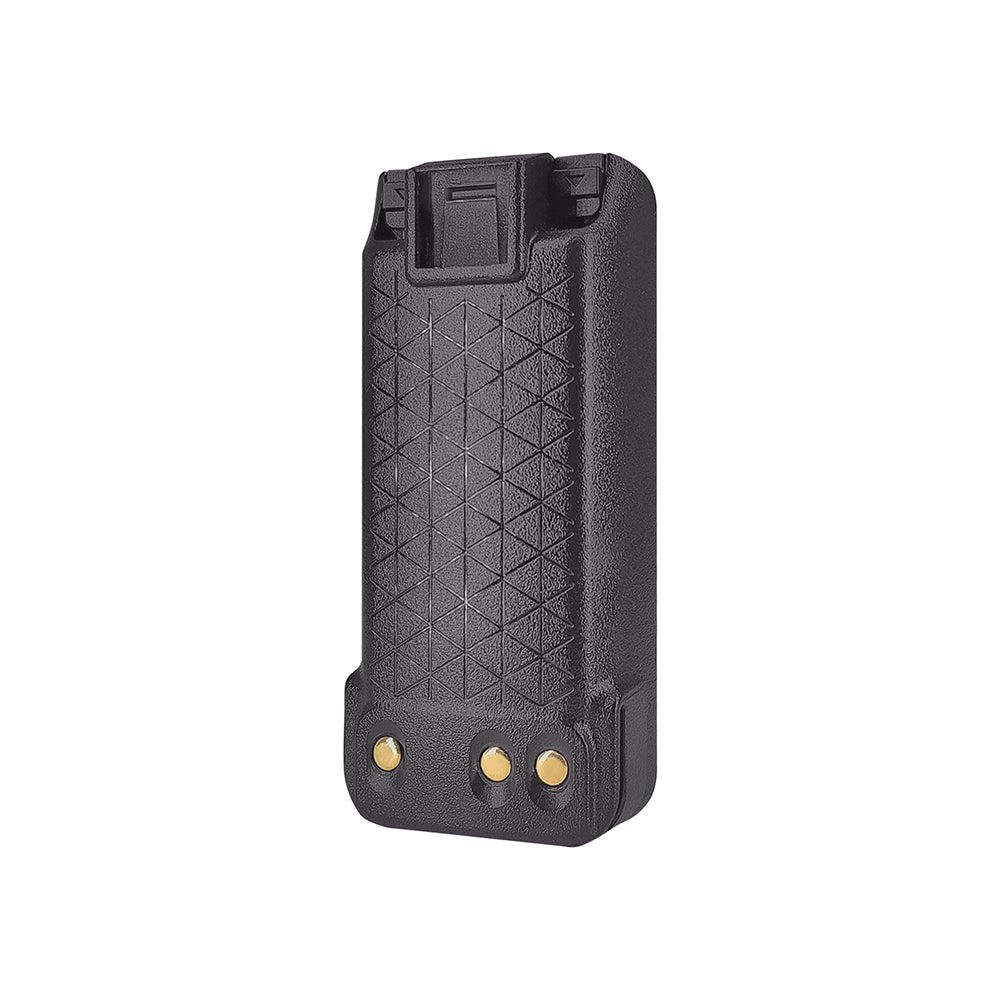
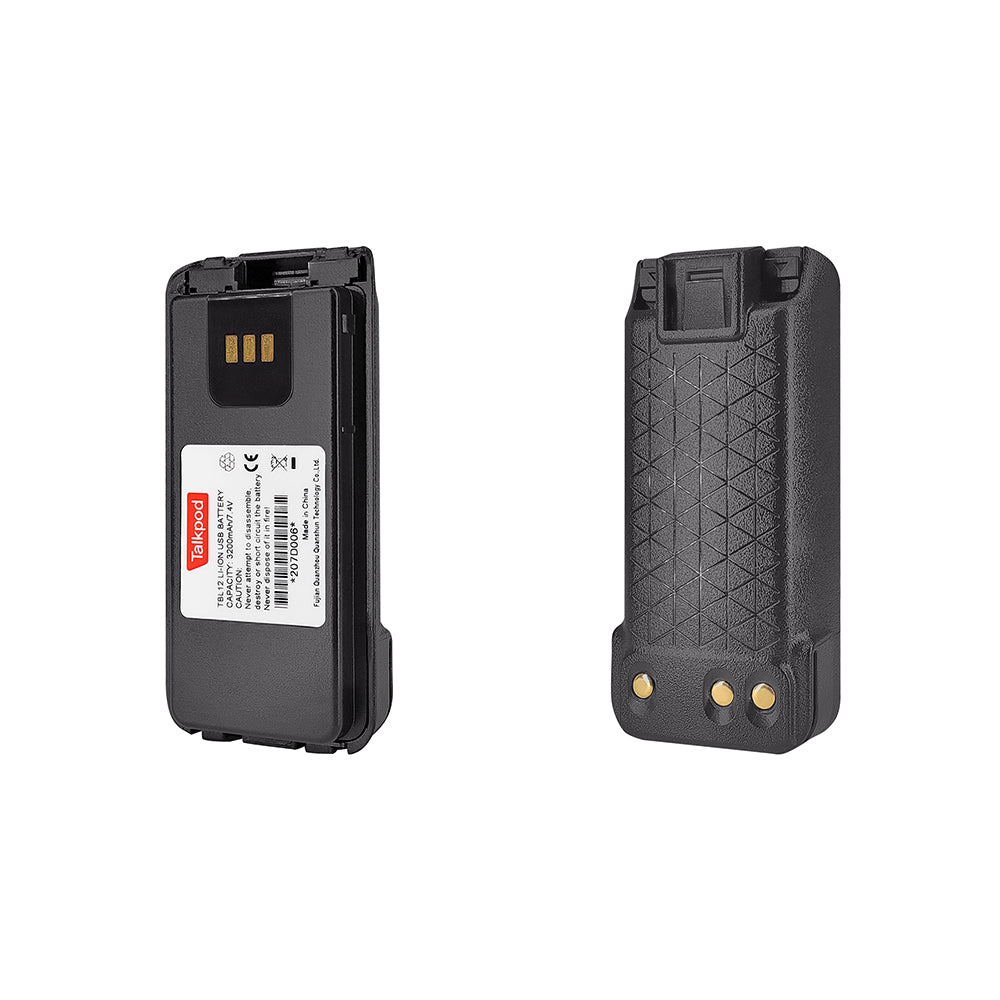
Only approved batteries and accessories should be used.
Charging, maintenance and battery replacement should follow the manufacturer's instructions and the chemical plant's hazardous-area procedures.
Explosion protection does not make a flammable atmosphere safe.
Its purpose is to prevent the radio from introducing an unacceptable ignition risk when it is used within the limits defined by its certification.
Corrosive environments require a separate assessment
Explosion protection and corrosion resistance are not the same thing.
A radio may be suitable for a particular hazardous atmosphere while still requiring careful handling around acids, alkalis or other aggressive chemicals.
The source describes the N56Ex housing as using special treatment intended to improve suitability for demanding chemical environments.
That should not be interpreted as unlimited resistance to every corrosive substance.
Different acids and alkalis attack materials in different ways, and concentration, temperature and exposure time all matter.
Operators should therefore compare the device materials and documented environmental performance with the chemicals present at the site.
If the radio is exposed to splashes, heavy vapor deposition or visible chemical contamination, it should be cleaned and inspected according to the manufacturer's instructions and the site's equipment-management procedures.
A device showing enclosure damage, deterioration or compromised seals should not simply remain in hazardous-area service without assessment.
Faster reporting during material transfer
Material transfer creates many of the day-to-day coordination demands in an acid and alkali plant.
Personnel may be moving chemicals between storage, processing and outbound loading points. A delay, vehicle contact, abnormal odor or suspected leakage may need to be reported before the transfer can continue safely.
Wide-area push-to-talk can allow that information to reach the appropriate supervisor more quickly.
The radio can carry the human report, but it should not become the instrument used to determine whether the process itself is safe.
Leak detectors, level instruments, pressure monitoring, process-control systems and other approved safety equipment remain responsible for technical measurements and alarms.
The N56Ex supports the communication around those systems.
It does not replace them.
Communication during a chemical release
If a chemical leak or another abnormal process condition develops, communication becomes part of a much larger emergency response.
Personnel may need to isolate an area, stop material transfer, call a specialist team or move to a designated safe location according to the site's emergency plan.
The N56Ex can provide an additional voice channel for coordinating those actions.
But a handheld radio should never become the sole emergency system.
Gas detection, fixed alarms, DCS and SIS functions, emergency shutdown, ventilation, fire protection, spill-control equipment and evacuation procedures all retain their own roles.
The radio helps people communicate within that system.
It does not replace the system itself.
Simple operation reduces friction for frontline workers
Chemical operators often use communication equipment while wearing gloves, protective clothing and other PPE.
Complex device operation adds unnecessary friction.
The N56Ex combines a color display with straightforward controls intended to make routine functions easier to access during field work.
That can help personnel switch between defined work groups or contact the relevant team with fewer operating steps.
For organizations using multiple production and logistics teams, communication groups can also help separate routine traffic so that workers are not forced to listen to every conversation occurring across the plant.
The purpose is simple: the radio should make communication easier without distracting workers from the process task in front of them.
A communication layer within chemical-plant safety
Acid and alkali production sites depend on many overlapping safety controls.
Material compatibility, process containment, ventilation, gas detection, PPE, emergency shutdown and hazardous-area procedures all address risks that a handheld radio cannot control.
The Talkpod N56Ex occupies a narrower but useful role.
Where suitable public-network coverage exists, it can connect personnel across a larger site than conventional direct handheld radios. Where its exact explosion-protection certification matches the hazardous location, it can also provide a communication option for appropriately classified areas.
Its value should therefore not be described as “borderless communication,” absolute explosion safety or complete resistance to corrosive chemicals.
A more realistic benefit is the ability to give dispersed chemical-plant personnel a common communication layer—one that can support faster reporting and coordination while fitting, when correctly specified and maintained, into the site's broader hazardous-area and chemical-safety system.

Leave a comment
All comments are moderated before being published.
This site is protected by hCaptcha and the hCaptcha Privacy Policy and Terms of Service apply.