
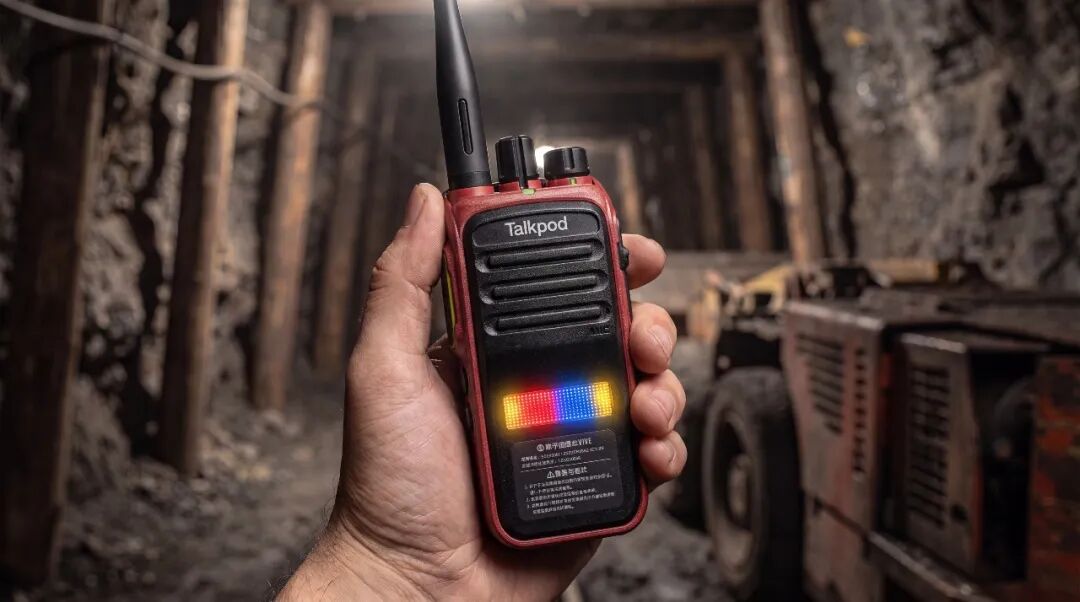
A coal mine is one of the hardest places in which to maintain radio communication.
Roadways extend deep underground, branch repeatedly and pass through rock, coal seams, machinery rooms and newly excavated working areas. There is no public mobile network to rely on, and conventional radio signals can be severely weakened by bends, geological structures and distance.
For gas inspectors, that communication problem is tied directly to safety.
They move between working faces, return-air roadways, equipment chambers and other inspection points while monitoring methane and other atmospheric conditions. If an abnormal reading is found, the information must reach the appropriate personnel quickly.
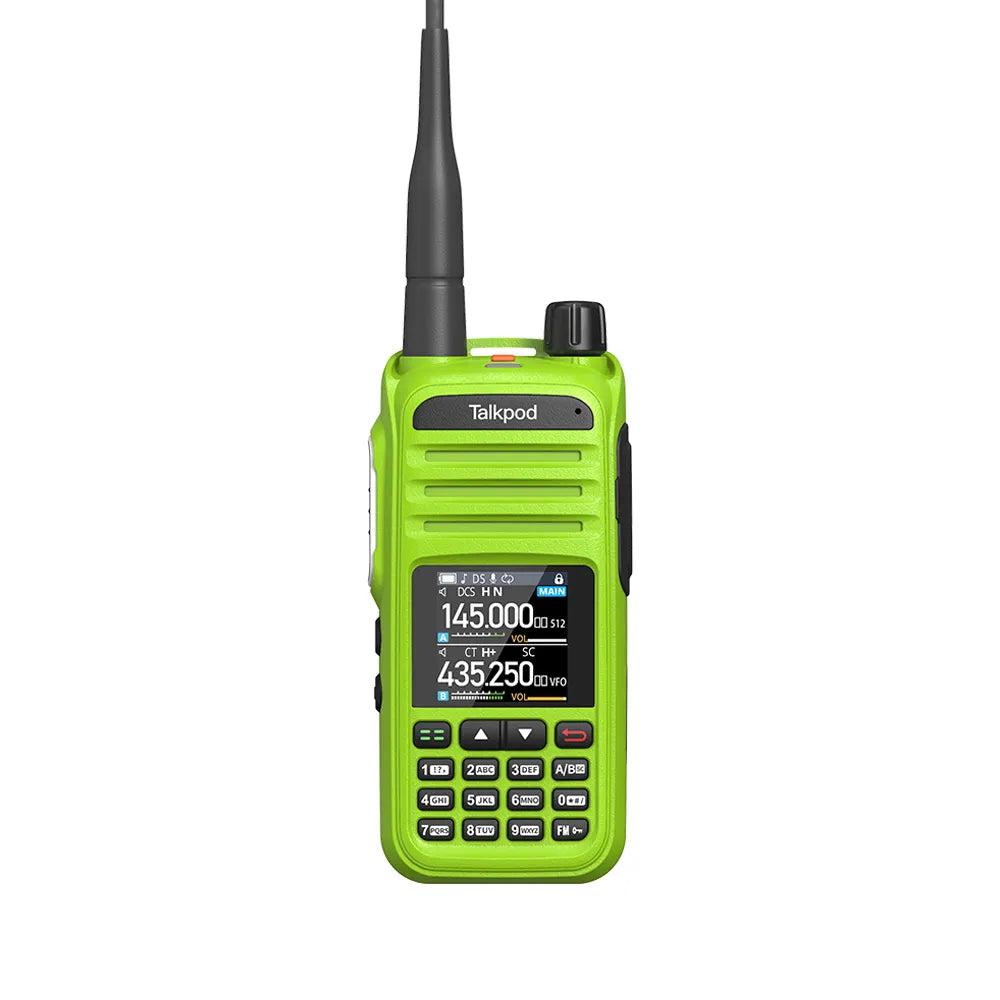
The Talkpod A50Ex combines explosion-protected design with automatic ad hoc networking to provide a portable communication option for demanding underground environments, subject to its exact mining certification and the mine operator’s approved safety procedures.
Underground use begins with certification
Coal mines impose stricter requirements on electrical equipment than most industrial workplaces.
Methane concentrations can change rapidly, while coal dust may introduce an additional explosion hazard. In classified underground areas, even a small electrical fault, spark or excessive surface temperature can become unacceptable.
The A50Ex uses protection measures intended for hazardous environments, but suitability for underground coal-mine use must be determined from the radio’s exact certification—not simply from the description “explosion-proof”.
Before deployment, the mine operator should verify the applicable mining safety approval, explosion-protection marking, equipment category, permitted gas environment, temperature limits and any restrictions stated on the certificate or nameplate.
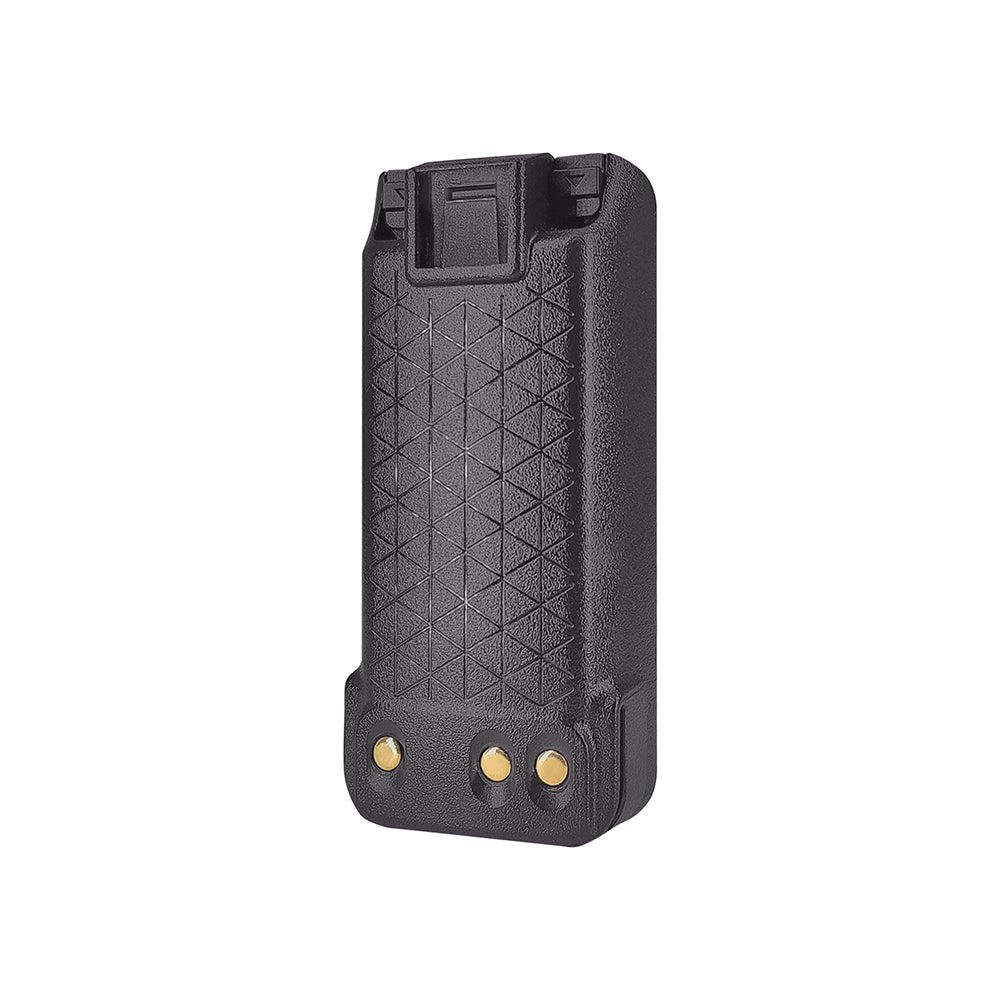
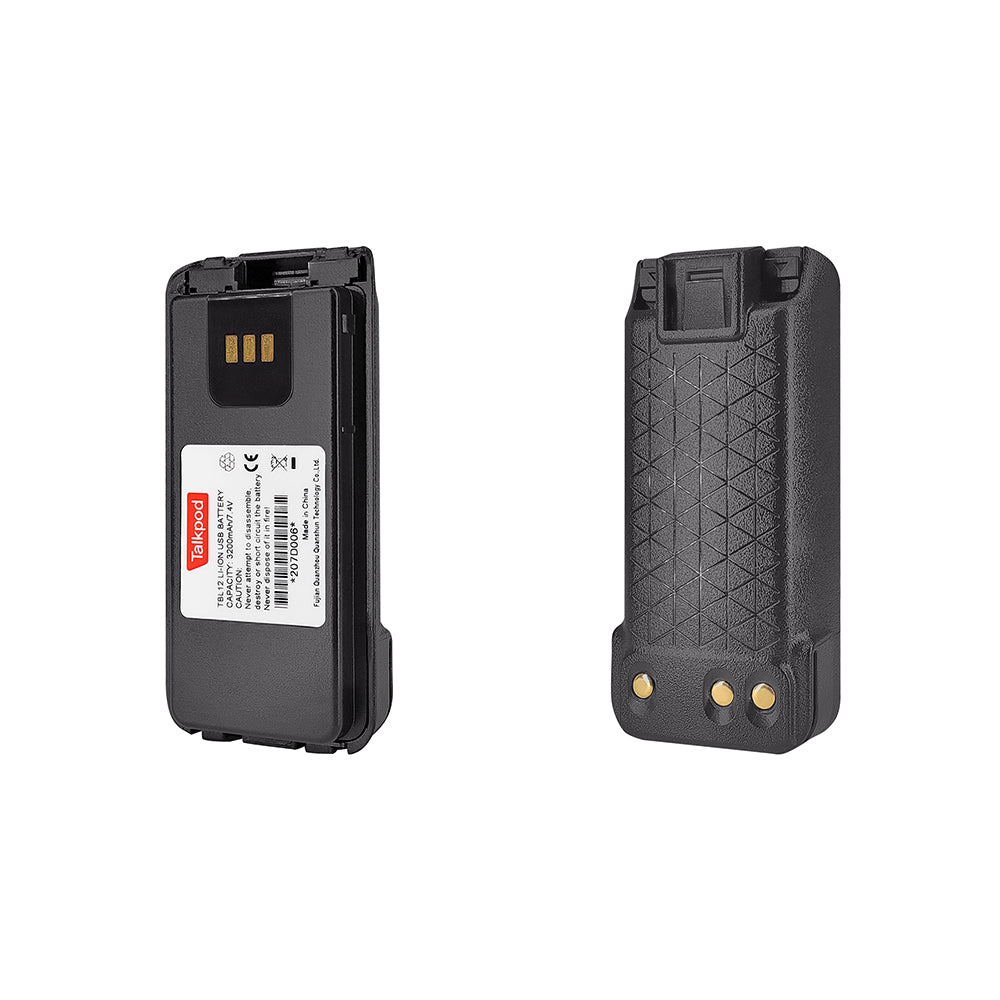
Approved batteries and accessories are part of the same safety system. Unauthorized replacement batteries, damaged housings or modifications may affect the protection on which certification depends.
An explosion-protected radio can reduce the ignition risk introduced by communication equipment when correctly selected and maintained. It cannot make a high-methane area safe by itself.
Extending communication along underground roadways
The physical shape of a mine creates a different radio problem from an open industrial site.
A straight section of roadway may allow useful direct communication, but several bends, rock formations or heavy equipment can sharply reduce the signal. Newly developed headings may also extend beyond existing fixed communication infrastructure.
The A50Ex supports automatic networking and multi-hop relay between compatible radios.
Instead of requiring every user to establish a direct radio path to the same control point, intermediate units can relay communication from one part of the route to another. Properly positioned radios can therefore create a communication chain along an inspection route.
This can be useful when gas inspectors enter deeper sections of the mine while colleagues remain at intermediate points.
The system does not provide unlimited relay distance. Each hop still depends on the radio path between neighbouring units, and underground propagation can change significantly around bends, doors, equipment and geological structures.
Network planning is therefore essential.
Relay positions should be tested in the actual mine, and additional fixed or portable nodes may be required at difficult sections. Simply carrying several radios into a roadway does not guarantee that communication will reach the surface.
From the working face toward the dispatch side
For a gas inspector, the operational objective is not merely to speak with the next worker.
An abnormal reading may need to be reported through the mine’s established communication structure so that supervisors can assess the situation and initiate the appropriate procedure.
An ad hoc radio network can help carry voice traffic between underground users and, where the system architecture provides an approved interface, toward a dispatch or control point.
That distinction matters.
Rock and soil prevent a handheld radio several kilometres underground from communicating directly with a surface station simply because relay technology is available. A practical system requires a planned chain of reachable nodes and, where necessary, an interface into the mine’s wider communication infrastructure.
The A50Ex should therefore be treated as one mobile layer within that architecture rather than as a substitute for fixed underground communications.
Clearer speech around mining machinery
Gas inspection rarely takes place in silence.
Cutting equipment, conveyors, pumps and ventilation systems generate continuous noise. Workers may also be wearing hearing protection while attempting to understand short safety-related messages.
The A50Ex uses digital audio processing and noise-reduction functions intended to improve speech intelligibility in noisy environments.
This can help inspectors report locations, abnormal conditions and requests for assistance without unnecessary repetition.
Noise processing, however, cannot guarantee that every message will be understood correctly.
Important gas readings and safety-critical instructions should be repeated or confirmed according to mine procedures, particularly when the information may lead to evacuation, power isolation or another major operational decision.
The radio supports the report. It should not become the sole verification method for a critical measurement.
Keeping different work groups organised
A mine may have production crews, gas inspectors, mechanical teams, electrical personnel and safety supervisors operating simultaneously.
Putting every conversation onto one shared channel can make important traffic harder to identify.
The A50Ex can support digital communication groups so that routine traffic is organised around responsibilities or working areas. Inspectors can communicate within their assigned group, while supervisors can coordinate across groups when required.
Communication-protection functions can also help restrict ordinary access to authorised users when correctly configured.
They should not be described as making operational information impossible to intercept.
Overall communication security depends on system configuration, key management, device control and organisational procedures. Sensitive operational data should still be handled under the mine operator’s approved information-security policies.
Supporting gas inspection—not replacing gas monitoring
A handheld radio and a gas detector perform fundamentally different jobs.
The gas detector measures the atmosphere. The radio communicates what the inspector has observed.
The A50Ex does not monitor methane concentration itself, replace fixed gas-monitoring sensors or automatically transmit certified gas readings unless it is explicitly integrated with an approved system designed to do so.
An inspector should therefore continue to follow the mine’s established measurement, recording and escalation procedures.
If a dangerous concentration is detected, the communication function helps the inspector notify others more quickly. The response still depends on the mine’s formal safety procedures, alarms, power-control systems and command structure.
Designed for workers carrying other equipment
Gas inspectors already carry substantial equipment underground.
A helmet and lamp, self-rescuer, gas detector and other personal protective equipment leave little room for another cumbersome device.
The A50Ex uses a compact, lightweight body intended to reduce the additional burden during long inspection routes. Large physical controls also make routine push-to-talk operation easier when workers are wearing protective gloves.
This matters particularly underground, where users may need to operate a radio while holding a detector or moving through a confined section.
Straightforward controls reduce the amount of attention taken away from the surrounding environment.
An additional visual aid in low light
Underground roadways depend heavily on personal and fixed lighting.
The A50Ex incorporates a warning light that can provide an additional visual indication in low-light conditions. It may help nearby personnel identify another equipped worker or radio position along a dark roadway.
Its role should remain secondary.
The light does not replace approved cap lamps, reflective clothing, personnel-positioning systems or other mine-safety equipment.
In an underground environment, locating a worker reliably requires more than seeing a flashing light.
Communication should be planned like any other safety system
The main advantage of an ad hoc radio is that the communication structure can adapt as people and work areas move.
But adaptability does not eliminate the need for engineering.
Before using the system for gas-inspection routes, the mine should test roadway sections, bends, working faces and chambers to identify where relay links remain reliable. The effect of closed doors, operating machinery and changing excavation layouts should also be considered.
Routes can then be planned with appropriate relay positions and fallback procedures.
The goal is not to claim that an underground mine has no communication dead zones.
It is to identify those weaknesses before an inspector depends on the network.
A mobile communication layer for underground safety work
The Talkpod A50Ex cannot prevent a methane accumulation, replace a gas detector or guarantee communication from every blind heading to the surface.
Nor should its explosion-protected design be interpreted as permission to take the radio into any underground area without checking its exact mining certification.
Its role is more specific.
When approved for the intended environment, the A50Ex provides gas inspectors with a portable communication device designed around hazardous-area requirements. Multi-hop networking can help extend communication along underground routes where public networks do not exist, while digital audio, physical controls and a portable form factor support workers carrying out demanding inspections.
For underground gas inspection, communication is valuable because it shortens the distance between finding a hazard and informing the people who must act on it.
The technology does not make that hazard disappear.
It helps ensure that the warning does not remain underground with the person who found it.

Leave a comment
All comments are moderated before being published.
This site is protected by hCaptcha and the hCaptcha Privacy Policy and Terms of Service apply.