
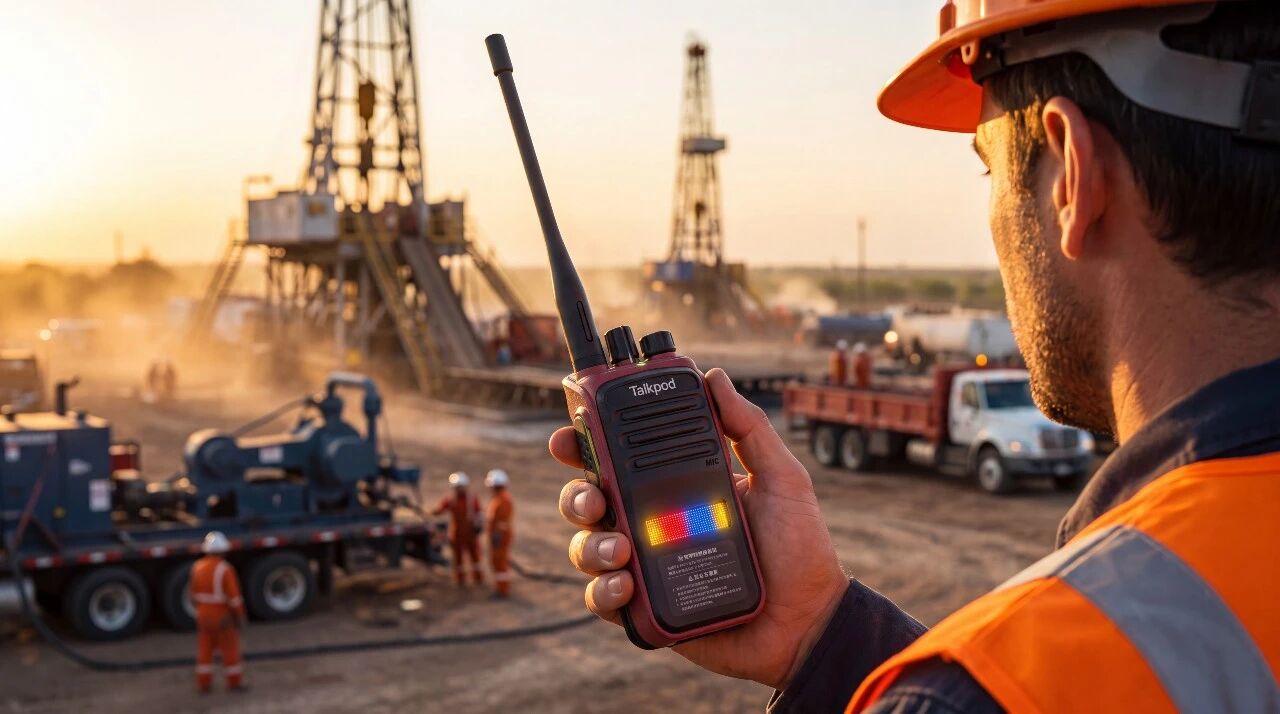
Oil exploration takes place where communications infrastructure is often weakest and operational risk is highest.
Drilling crews, pipeline inspectors, storage-site personnel and logistics teams may work across widely separated locations. Some operate beside heavy machinery; others travel through remote terrain beyond public mobile coverage. In parts of the site, flammable gases or vapours may also be present, turning an ordinary electronic device into a potential ignition risk.
In this environment, a radio must do more than carry a clear voice. It must fit the site’s hazardous-area rules, withstand demanding field conditions and help dispersed teams maintain contact without depending entirely on external infrastructure.
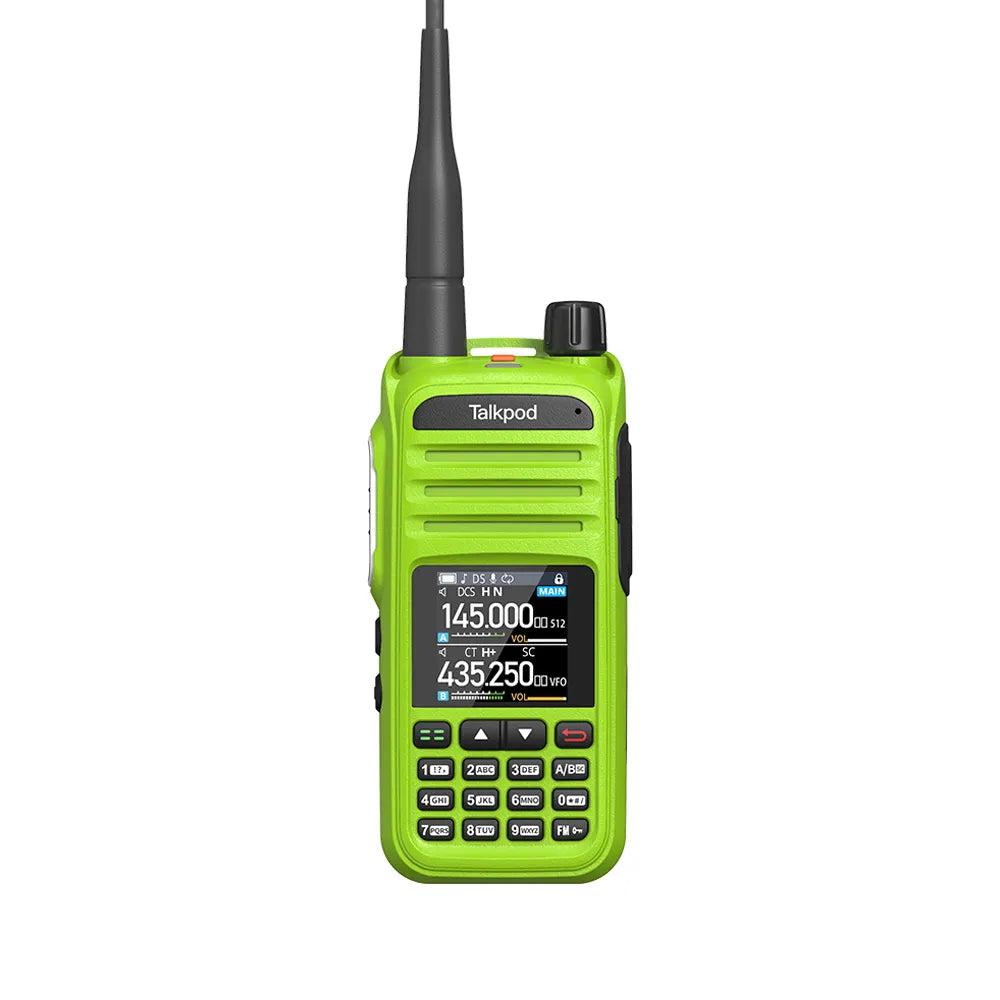
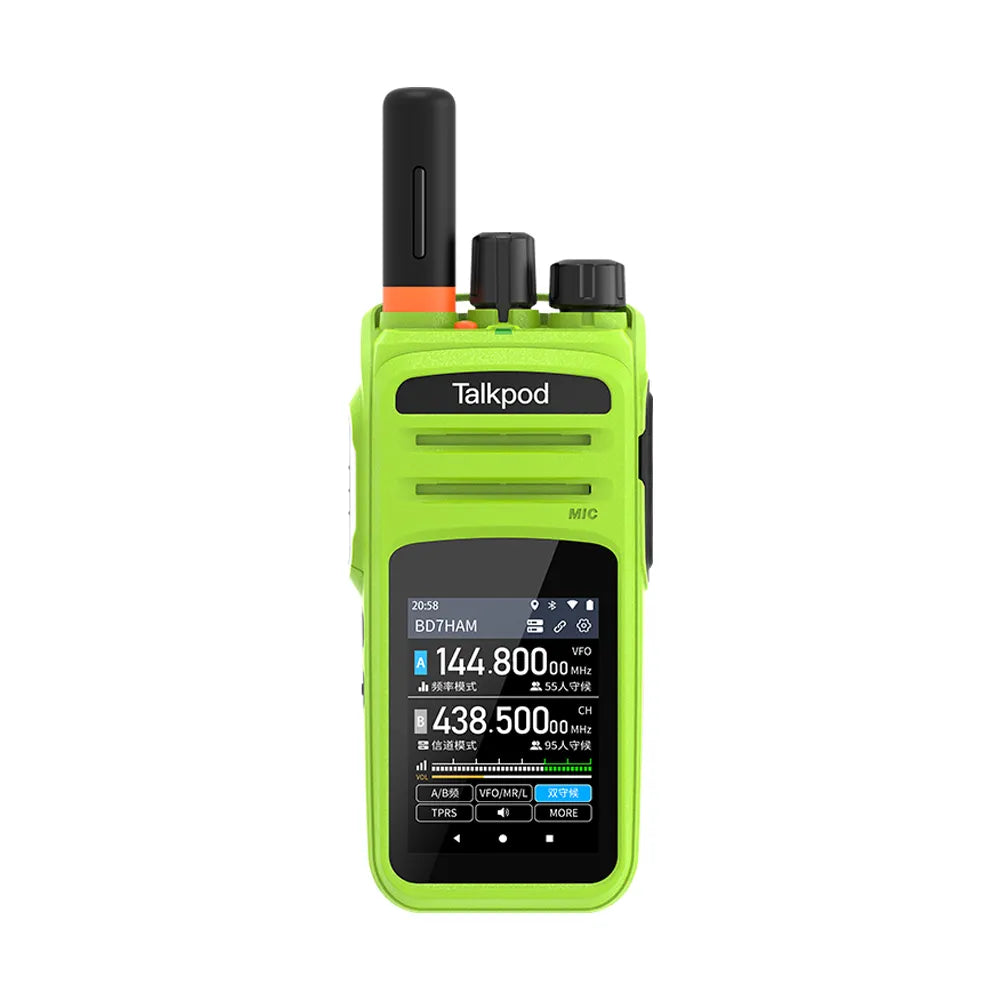
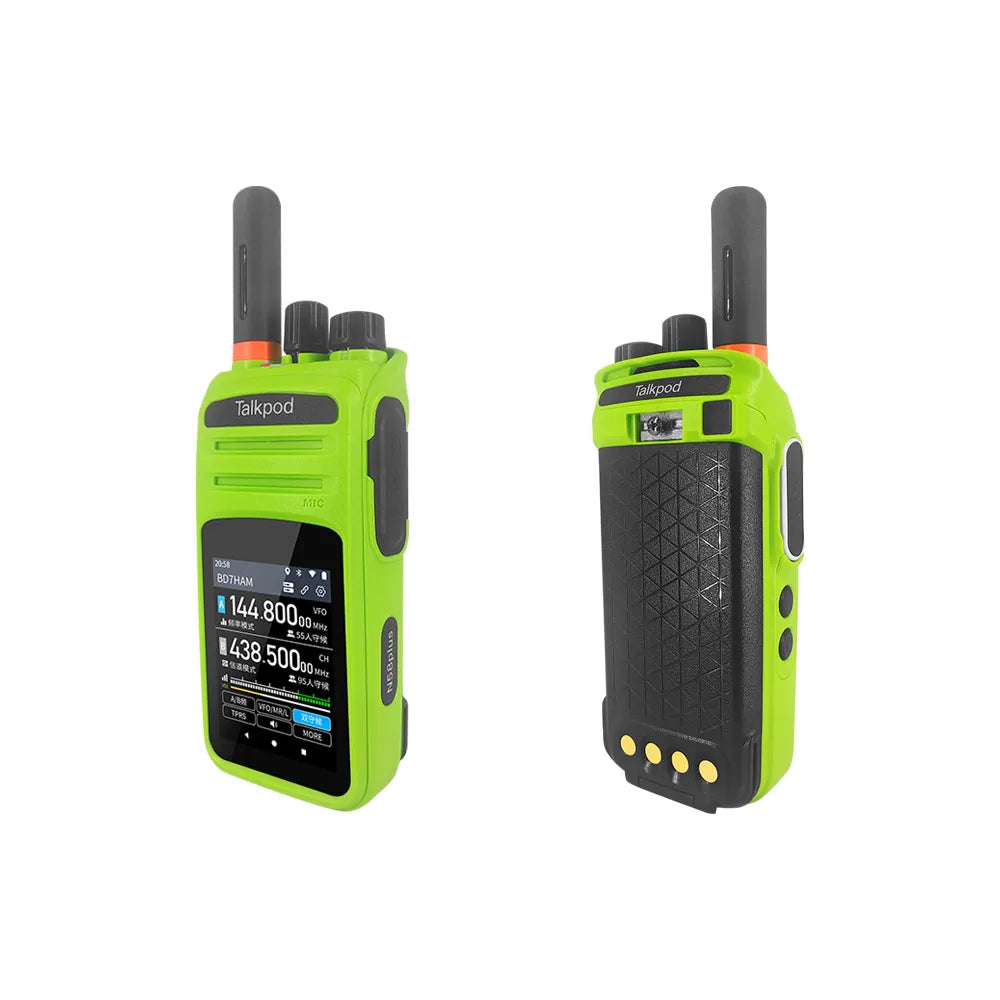
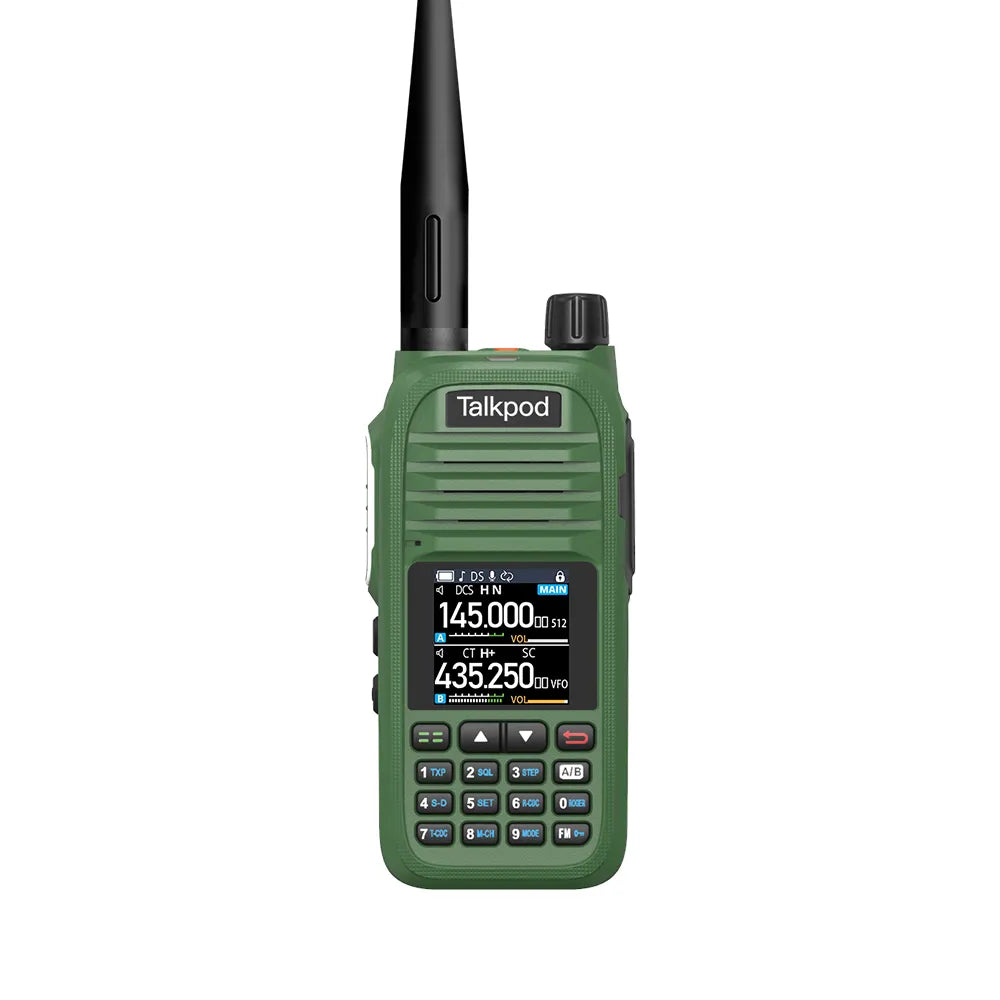
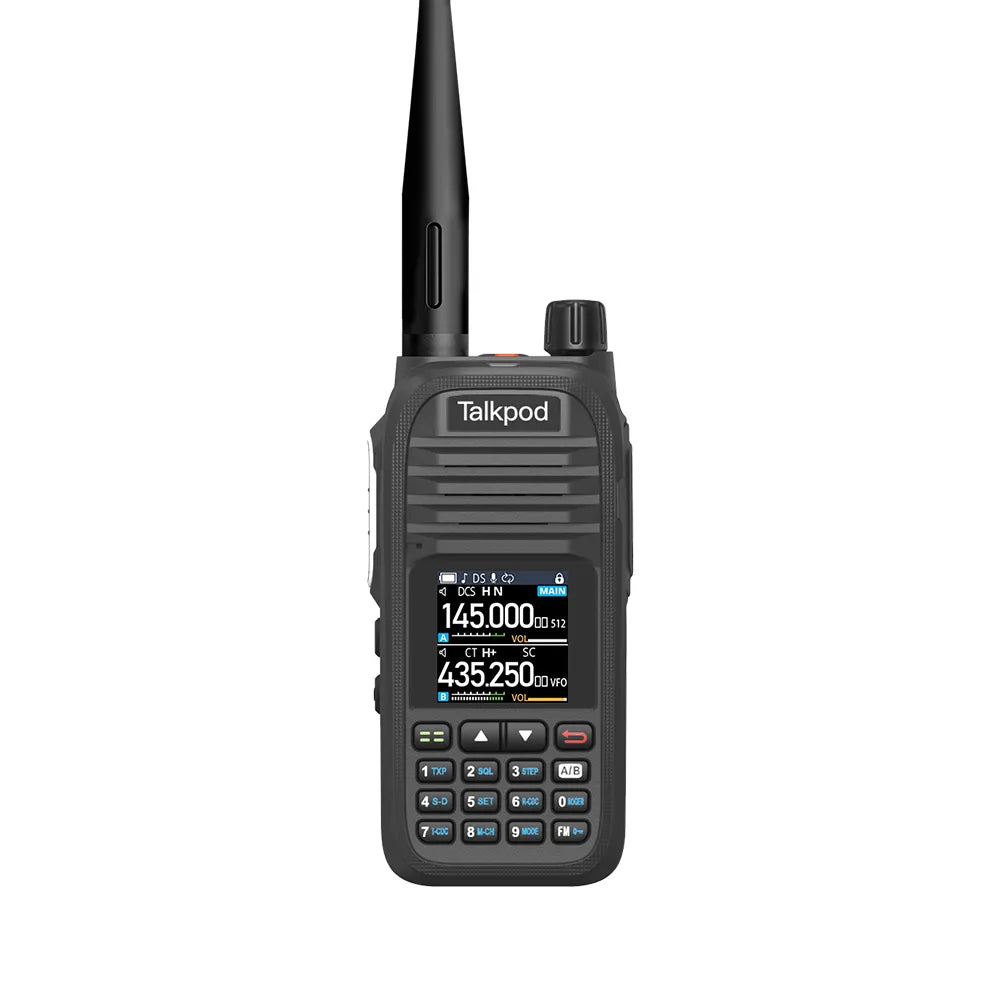
The Talkpod A50Ex is an explosion-protected ad hoc networking radio designed for communication in demanding industrial environments, subject to the hazardous-area classifications and operating conditions stated in its certification.
Communication equipment must match the hazardous area
In oil and gas operations, safety begins before the radio is switched on.
Flammable gases may be released around drilling areas, processing equipment, storage facilities and pipeline installations. Electrical sparks, excessive surface temperatures or the use of unsuitable batteries and accessories can create an ignition hazard.
The A50Ex uses protective design measures and flame-retardant materials intended to reduce these risks. Its suitability for a particular work area, however, must be determined from the exact certification marking—not from the word “explosion-proof” alone.
Before deployment, the operator should verify the permitted hazardous zone, gas group, temperature class and ambient temperature range shown on the device certificate and nameplate. Only approved batteries, chargers and accessories should be used, and equipment must be inspected and maintained according to the manufacturer’s instructions and the site’s safety procedures.
No radio makes a hazardous atmosphere safe by itself. Its role is to provide communication without introducing an unacceptable additional ignition risk when used within its certified limits.
Building a field network beyond cellular coverage
Remote exploration areas often have limited or no public mobile service. Conventional direct radios may also struggle when teams are separated by terrain, drilling structures or long distances.
The A50Ex supports automatic ad hoc networking and multi-hop voice relay. Once compatible radios are powered on and correctly configured, they can connect with nearby units and pass communication through intermediate devices.
This allows the network to be arranged around the operation. Drilling personnel, pipeline patrols, logistics points and the temporary command post can act as communication nodes rather than relying on one fixed base station.
Chain, mesh or other supported network structures can be selected according to the site layout. As crews move and work areas change, the deployment can be adjusted without installing permanent communications infrastructure.
Coverage is not unlimited. It will depend on terrain, distance, antenna position, drilling equipment and the number and placement of radios. For distant inspection points, planned relay positions may still be required. A site survey and field test should therefore form part of the deployment.
Clearer speech beside drilling machinery
Oilfield work is loud. Drilling rigs, pumps, engines and strong wind can cover weak radio audio, increasing the chance that an instruction will be repeated or misunderstood.
The A50Ex uses digital voice processing and noise-reduction technology to help suppress background noise and improve speech clarity. This supports short operational exchanges such as equipment-status reports, work permits, personnel movements and safety warnings.
Clearer audio is particularly important when a message includes a valve number, pipeline section or evacuation instruction. A small misunderstanding in such an environment can have consequences far beyond a delayed task.
Noise reduction cannot eliminate every sound, and hearing protection may affect how audio is perceived. Radio settings and compatible audio accessories should therefore be tested under actual working conditions before full deployment.
Keeping operational traffic more orderly
Exploration projects may involve drilling, geological, electrical, mechanical, pipeline and logistics teams operating simultaneously.
The A50Ex supports digital communication and configurable groups, allowing traffic to be organised by work area or responsibility. Routine messages can remain within the relevant team, while supervisors can coordinate across groups when a task affects the wider operation.
Communication-protection features can help reduce casual interception and unwanted access. Their effectiveness will depend on system configuration, key management and operating procedures. Sensitive geological, production or commercial data should still be handled through the organisation’s approved secure information systems rather than relying on a radio feature alone.
The practical advantage is a cleaner communication structure: fewer unrelated calls and a clearer path for urgent instructions.
Designed for exposed field conditions
Exploration personnel may work through dust, rain, cold, heat, vibration and long periods away from permanent facilities. Their radios must tolerate the same conditions.
The A50Ex uses sealed construction intended for demanding outdoor and industrial work. It has undergone reliability testing covering conditions such as drops, temperature variation, humidity, dust and vibration.
Its textured, wear-resistant body provides a more secure grip when users are wearing protective gloves or carrying other equipment. A portable ergonomic design also reduces the additional burden on technicians walking long pipeline or exploration routes.
The device should still be inspected after severe impact, damage to the housing or exposure beyond its rated limits. In hazardous areas, a damaged enclosure, battery or accessory may affect the protection on which certification depends.
Battery management is part of safe operation
Oil exploration may continue across long shifts, and charging facilities may be far from the active work area.
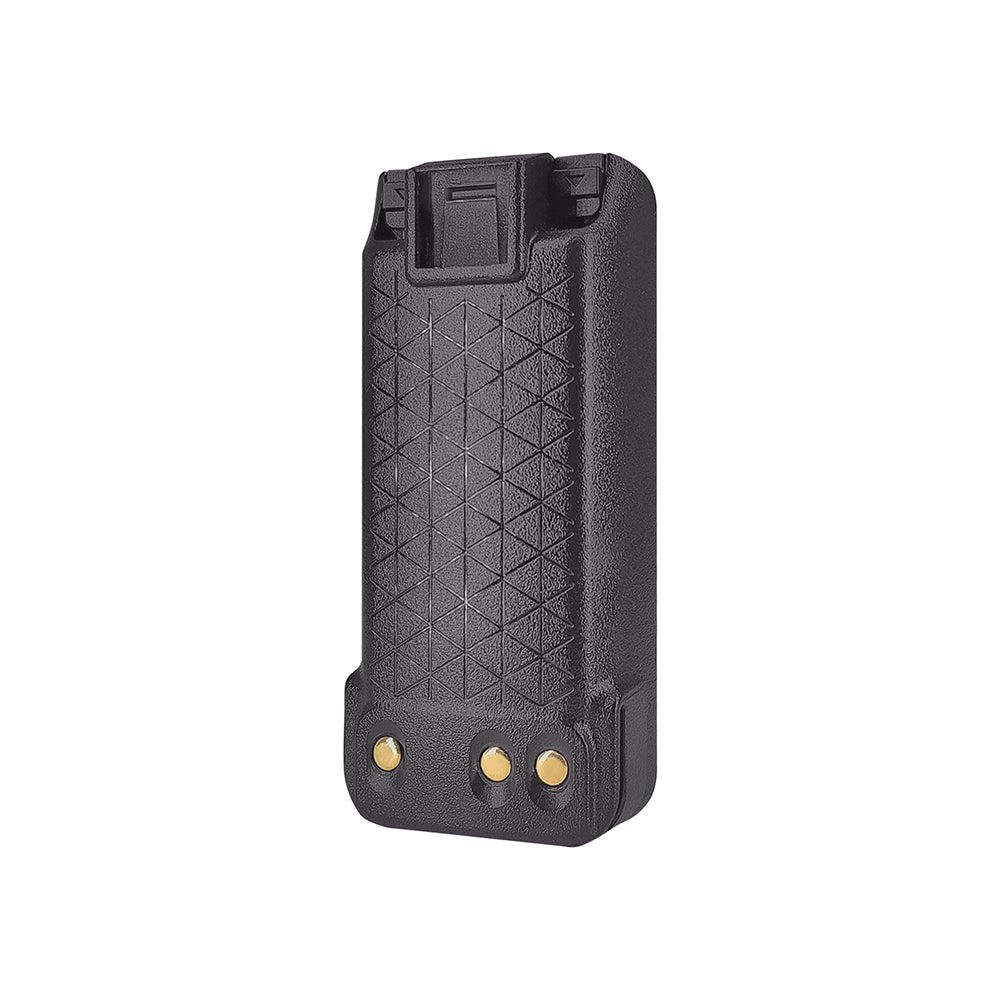
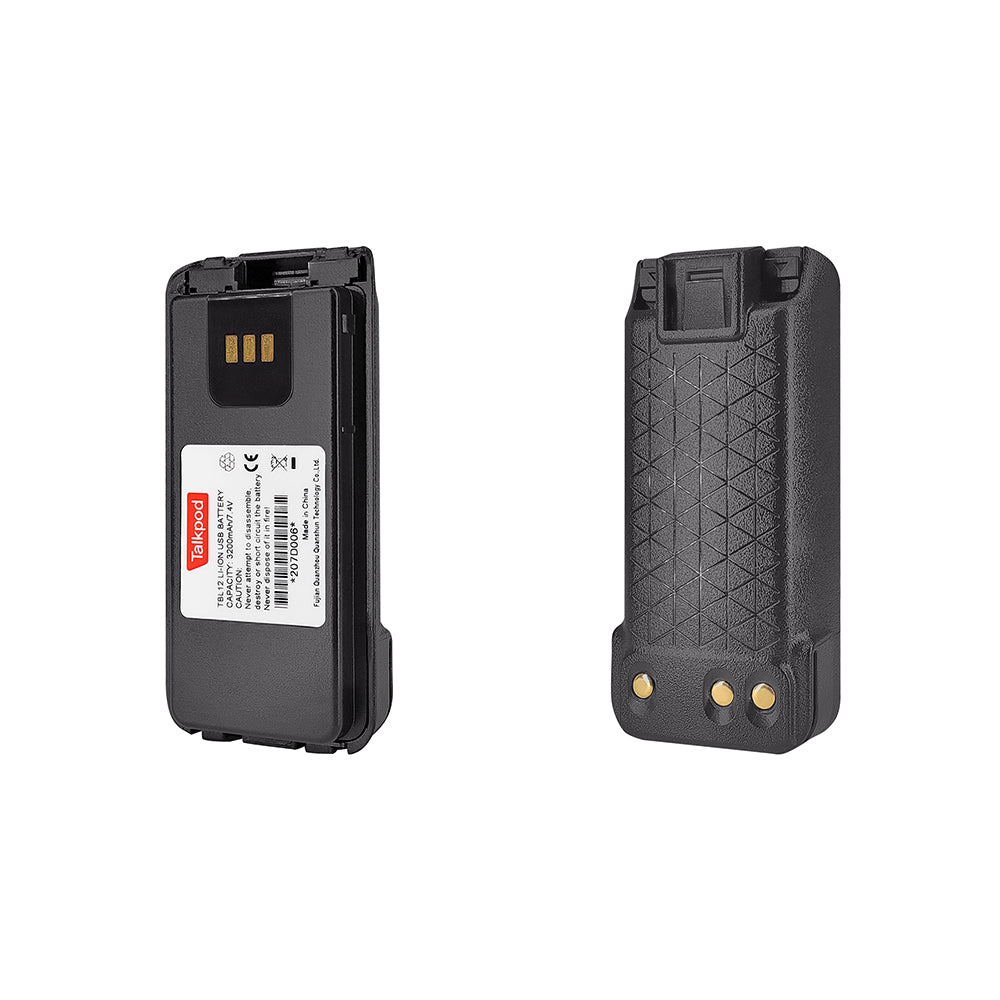
The A50Ex is equipped with a high-capacity battery designed for extended field operation. Actual endurance will depend on call frequency, network-relay activity, temperature and audio settings.
For hazardous-area equipment, battery management is not merely a convenience. Charging, replacement and maintenance must follow the device instructions and the site’s safety rules. Batteries should generally be charged only in approved safe locations unless the certification and operating instructions explicitly permit otherwise.
Teams should plan charging and spare-unit rotation before entering remote work areas rather than waiting until battery levels become critical.
Improving visibility in difficult conditions
Low light, poor weather and complex terrain can make personnel harder to see around an exploration site.
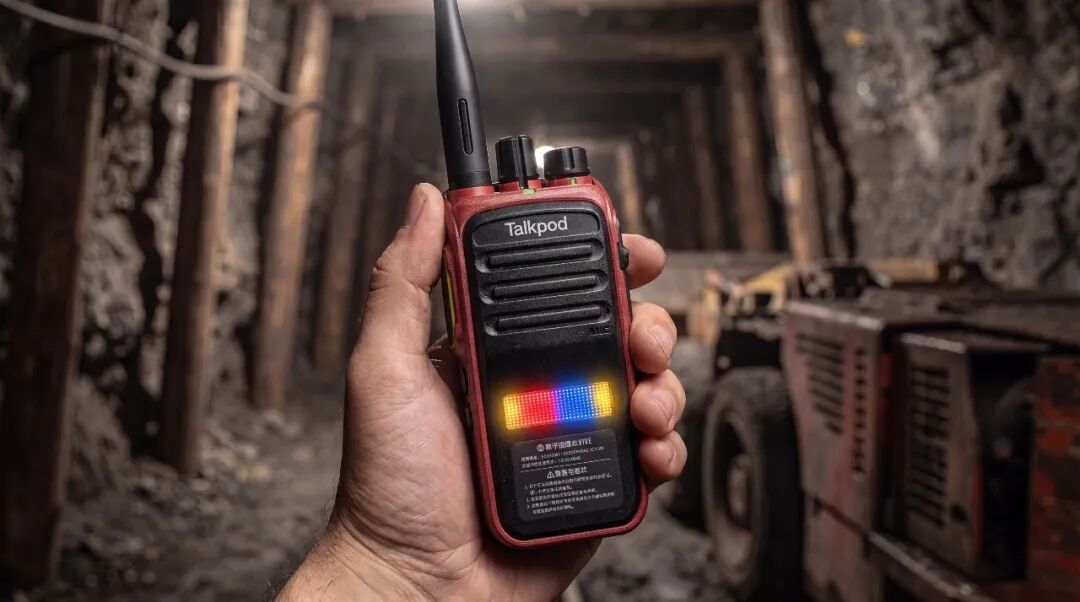
The A50Ex includes a multicolour flashing light that can improve the visibility of equipped personnel in suitable operating scenarios. It may help teams identify colleagues at temporary work points or during low-visibility movement.
The light should complement, not replace, certified high-visibility clothing, personal lighting, gas detection and established personnel-accountability procedures.
A communication layer for safer field coordination
The Talkpod A50Ex does not replace gas detectors, work permits, emergency shutdown systems or dedicated site-safety procedures. Nor can an ad hoc network guarantee coverage across every part of a large exploration area.
Its role is more specific. Hazardous-area protection helps make the device suitable for certified operating environments. Automatic networking and multi-hop relay help teams build communication beyond public infrastructure. Digital audio supports work around machinery, while rugged construction and extended battery capacity suit long field deployments.
For oil-exploration teams, the value lies in combining these functions within one operational tool—provided that the radio is selected, configured and used according to its exact certification.
In a high-risk industrial site, communication is part of the safety system. It must reach the right person quickly, but it must never introduce a new hazard in doing so.

Leave a comment
All comments are moderated before being published.
This site is protected by hCaptcha and the hCaptcha Privacy Policy and Terms of Service apply.