
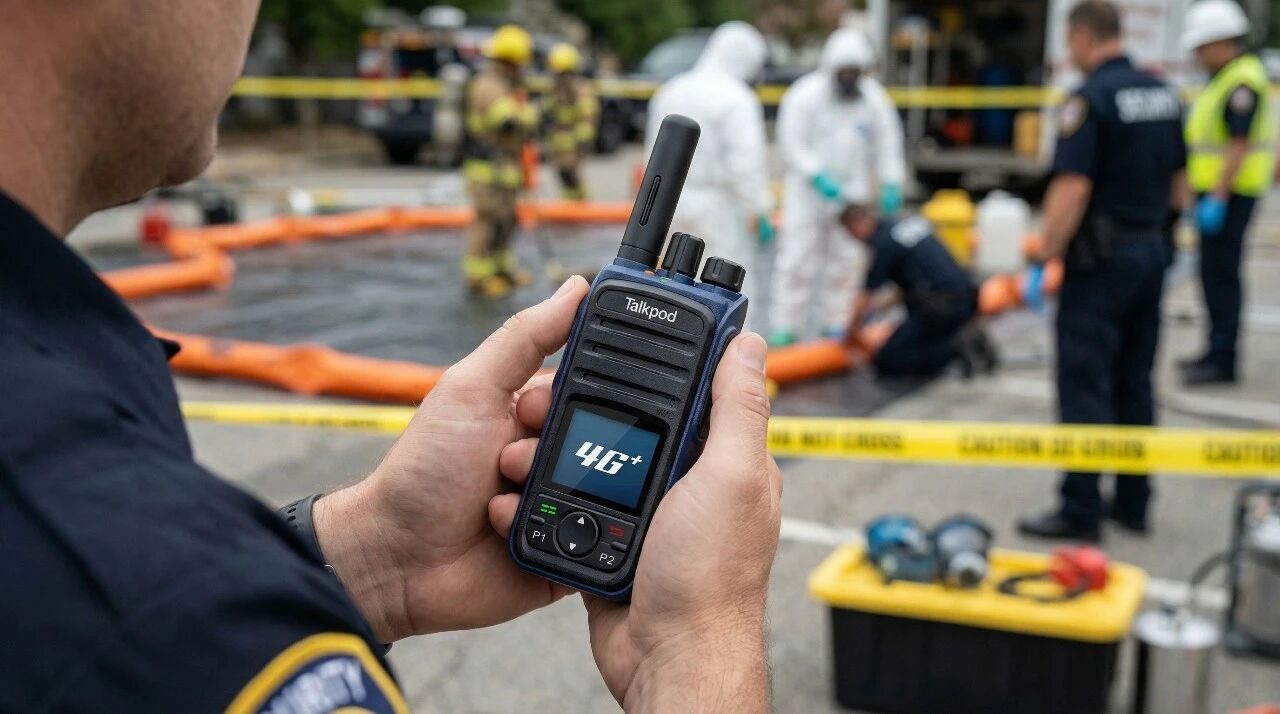
Firefighters rarely enter simple environments.
In Shenzhen’s Pinghu area, rescue teams may respond to incidents in high-rise buildings, underground spaces, industrial facilities and busy roads. Each setting creates a different operational problem. Concrete structures and enclosed floors can weaken communication signals. Several specialist teams may need to work at once, while commanders outside the hazard area try to understand what is happening inside.
In such conditions, communication is part of the rescue structure. It connects the command post with crews responsible for firefighting, forced entry, search and evacuation.
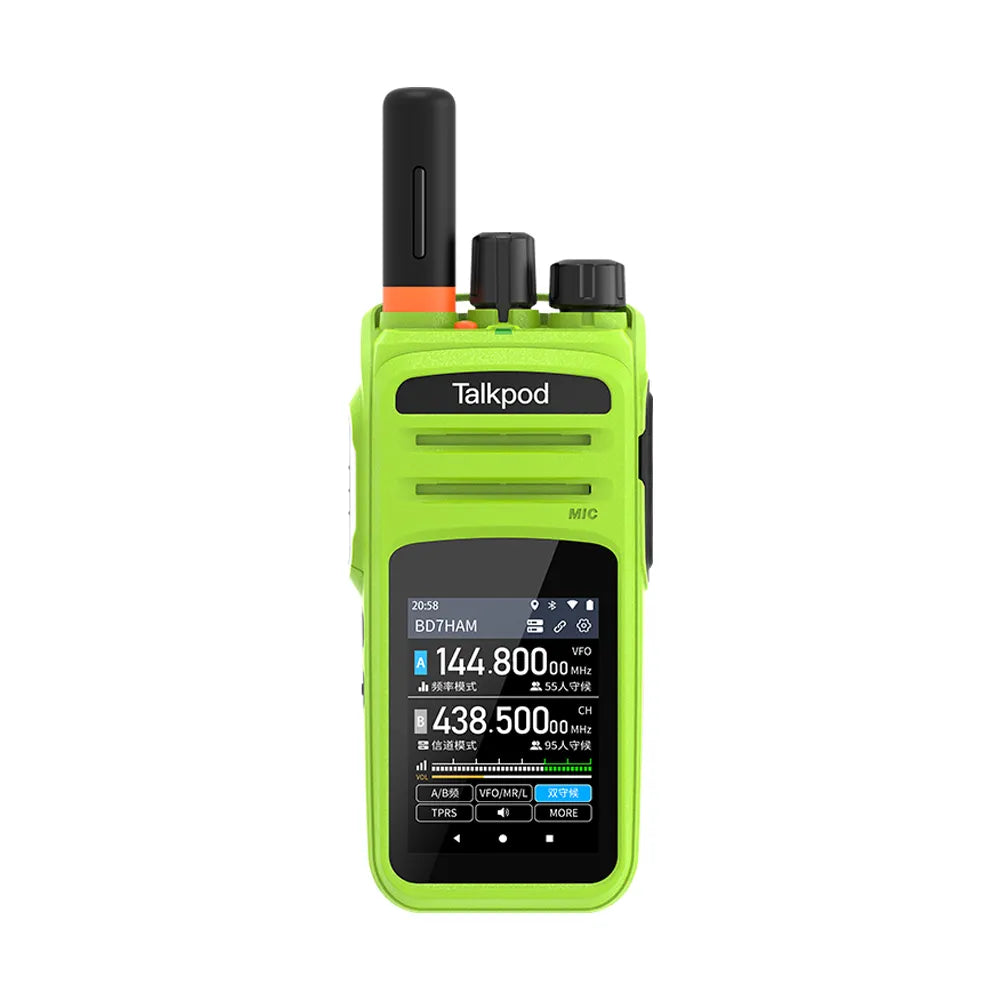
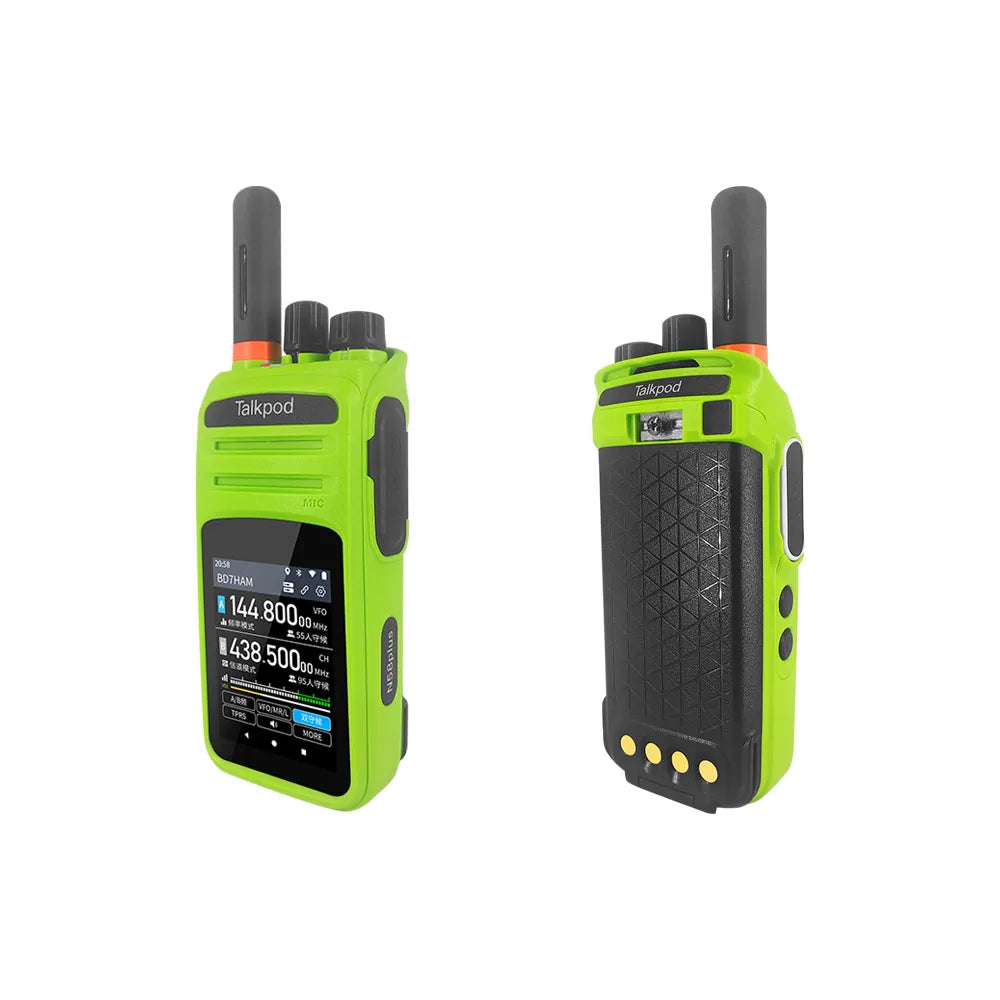
The Talkpod N56 public-network radio was introduced as an additional communication and dispatch tool for Pinghu’s fire and rescue operations. Using compatible mobile networks, it supports wide-area push-to-talk communication, location services and platform-based group management wherever suitable coverage is available.
Connecting the scene with command
A large incident may involve personnel inside the building, teams positioned outside, vehicles approaching from other locations and commanders working from a temporary control point.
The N56 allows these users to be organised within the same platform-managed communication structure. Frontline teams can report conditions, request support and receive updated instructions without relying only on direct radio links between nearby devices.
This can help connect the incident site with personnel operating at greater distances, particularly during multi-location deployments or when additional resources are being sent from elsewhere.
Public-network communication remains dependent on available operator coverage. Signals may be weak or unavailable inside basements, stairwells and heavily reinforced structures. The N56 should therefore complement, rather than replace, dedicated fireground radio systems, repeaters and other mission-critical communication arrangements.
Separating specialist rescue teams
Fire and rescue operations are divided by function. Firefighting teams, entry crews, search units, medical personnel and safety officers may all need different instructions.
The N56 supports configurable communication groups, allowing commanders to organise users according to role, location or assignment. Routine communication can remain within the relevant team, while command staff retain the ability to coordinate several groups during a developing incident.
Preset shortcut groups also allow users to reach frequently used teams with fewer steps. In an emergency, simple access matters. A firefighter should not have to navigate a complicated menu to contact the group responsible for immediate support.
Improving visibility over personnel
Voice reports describe what crews are seeing. Location information can add another layer of context.
Where the required positioning and network services are available, the N56 can provide location data through the dispatch platform. Integration support with a GIS mapping system allows authorised commanders to view equipped personnel and operational points within a broader geographic interface.
This can assist with vehicle deployment, staging-area management and the coordination of teams operating outside complex structures. Indoor positioning may be less precise or unavailable, however, particularly in underground or heavily shielded environments.
The purpose of the map is not to replace radio check-ins or personnel-accountability procedures. It gives commanders another source of information when deciding where resources should move next.
Supporting command records and supervision
The dispatch platform can support real-time call recording and authorised remote monitoring where permitted by law, policy and operational procedure.
Recording may help preserve important instructions, support incident review and identify how information moved during a rescue. Used properly, it can contribute to training and post-incident analysis.
Such functions require strict permissions. Access should be limited to authorised personnel, with clear rules governing when monitoring and recording may be used and how the resulting data is stored.
Configured for difficult rescue environments
Talkpod provided technical integration support based on Pinghu’s high-rise and underground rescue requirements. This included GIS-system connectivity, group-permission management and adjustments intended to match available network conditions at operating sites.
Different teams and command levels could be assigned appropriate platform permissions, while devices and groups were prepared around the brigade’s working structure.
This configuration work is important because emergency communication depends on more than the radio itself. Accounts, groups, permissions, network conditions and command procedures must all fit together before an incident begins.
An additional layer in the rescue network
The N56 cannot remove the physical barriers created by concrete, steel or underground construction. Nor can a public-network device guarantee service in every part of a fire scene.
Its value lies elsewhere. It can connect the incident with wider command resources, organise specialist teams, support location-based dispatch and preserve communication records through one managed platform.
For Pinghu’s fire and rescue teams, that provides an additional layer of coordination around the dedicated systems already used at the scene.
In emergency response, technology is most useful when it makes the command picture clearer without making frontline work more complicated. The right message must reach the right team—and it must arrive while there is still time to act.

Leave a comment
All comments are moderated before being published.
This site is protected by hCaptcha and the hCaptcha Privacy Policy and Terms of Service apply.