
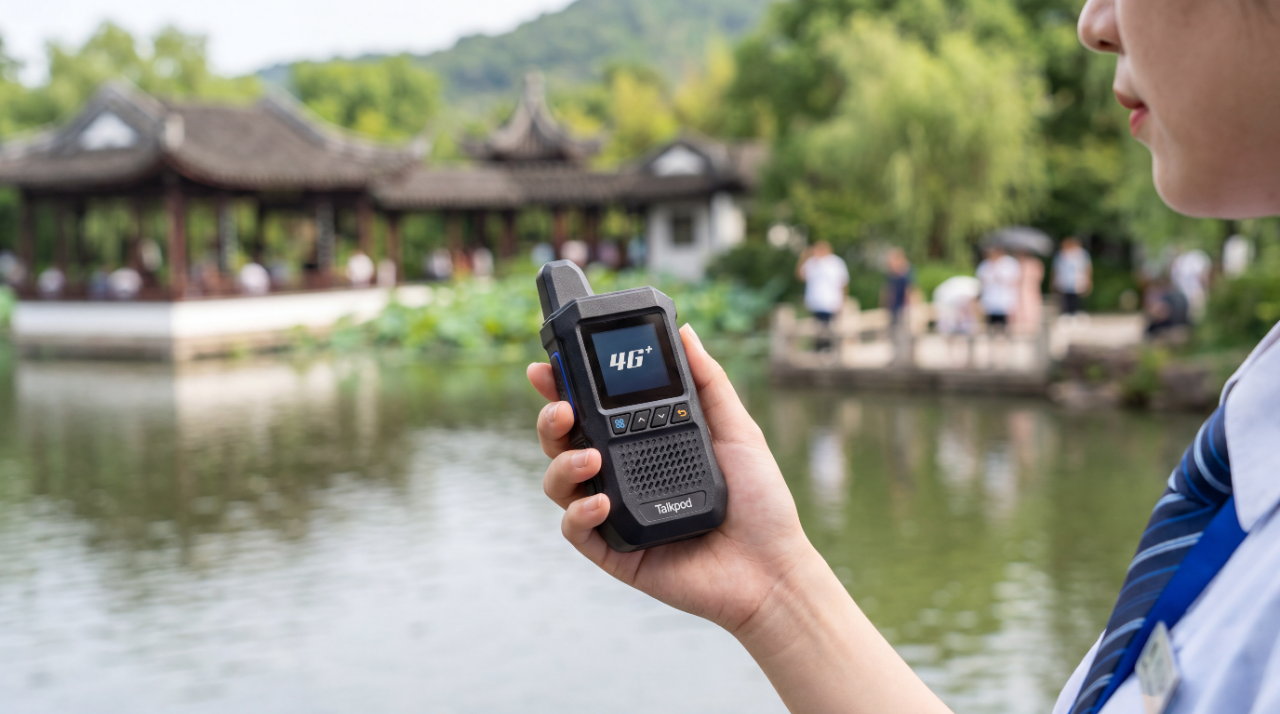
A scenic area may appear tranquil to visitors. Behind the scenes, however, it is a dispersed operation.
Guides lead groups along different routes. Patrol staff monitor paths and public spaces. Service personnel respond to questions, while supervisors coordinate temporary closures, large events and unexpected incidents. When the site covers a wide area, communication between these teams becomes part of the visitor experience.
At Xishanyang Scenic Area, lakeside vegetation, slopes and separated attractions made conventional radio communication less consistent. Staff working in different zones could not always exchange information quickly, creating delays when a visitor became lost, felt unwell or required assistance.
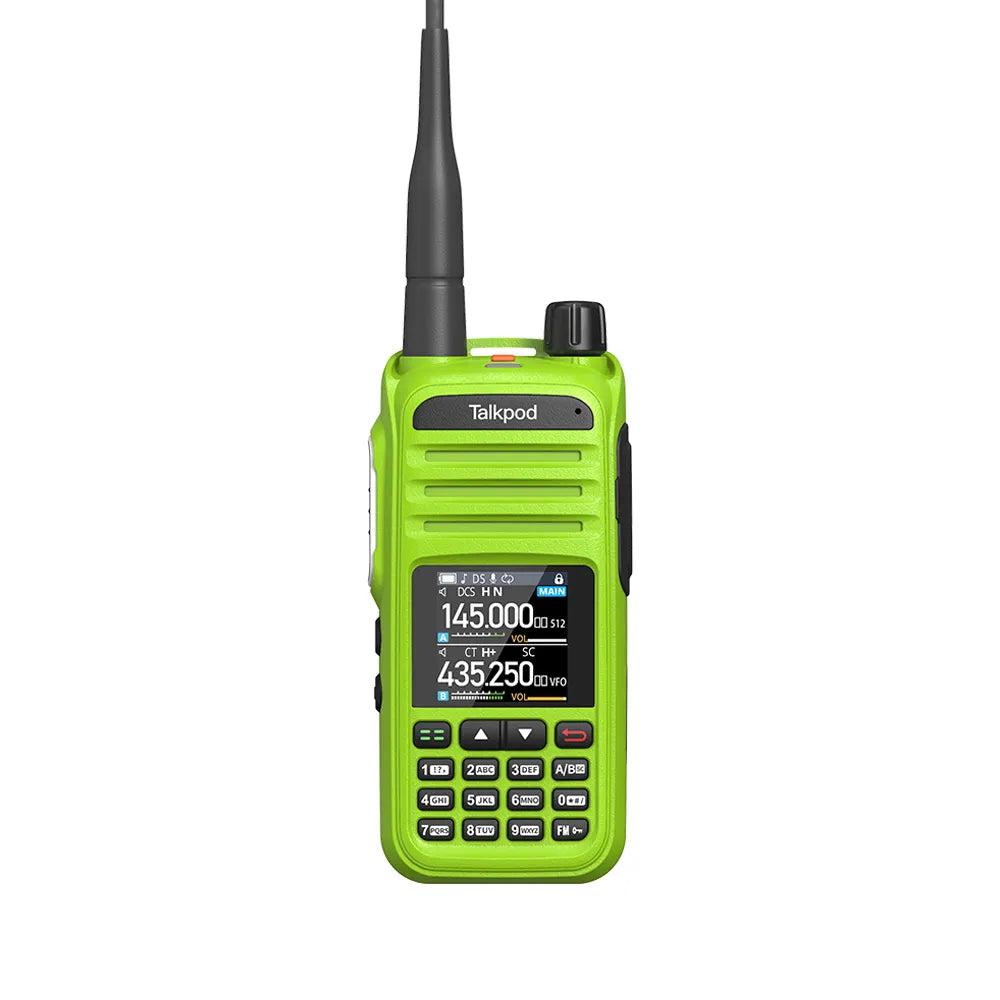
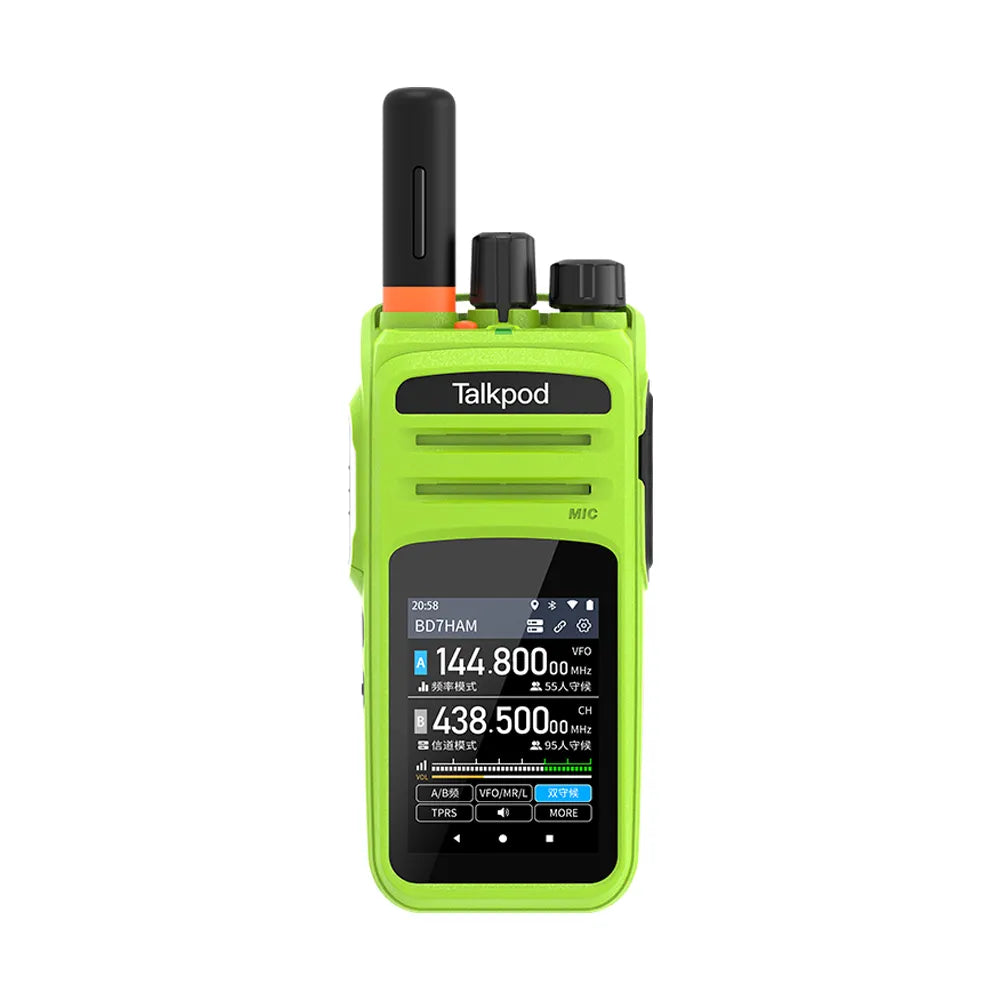
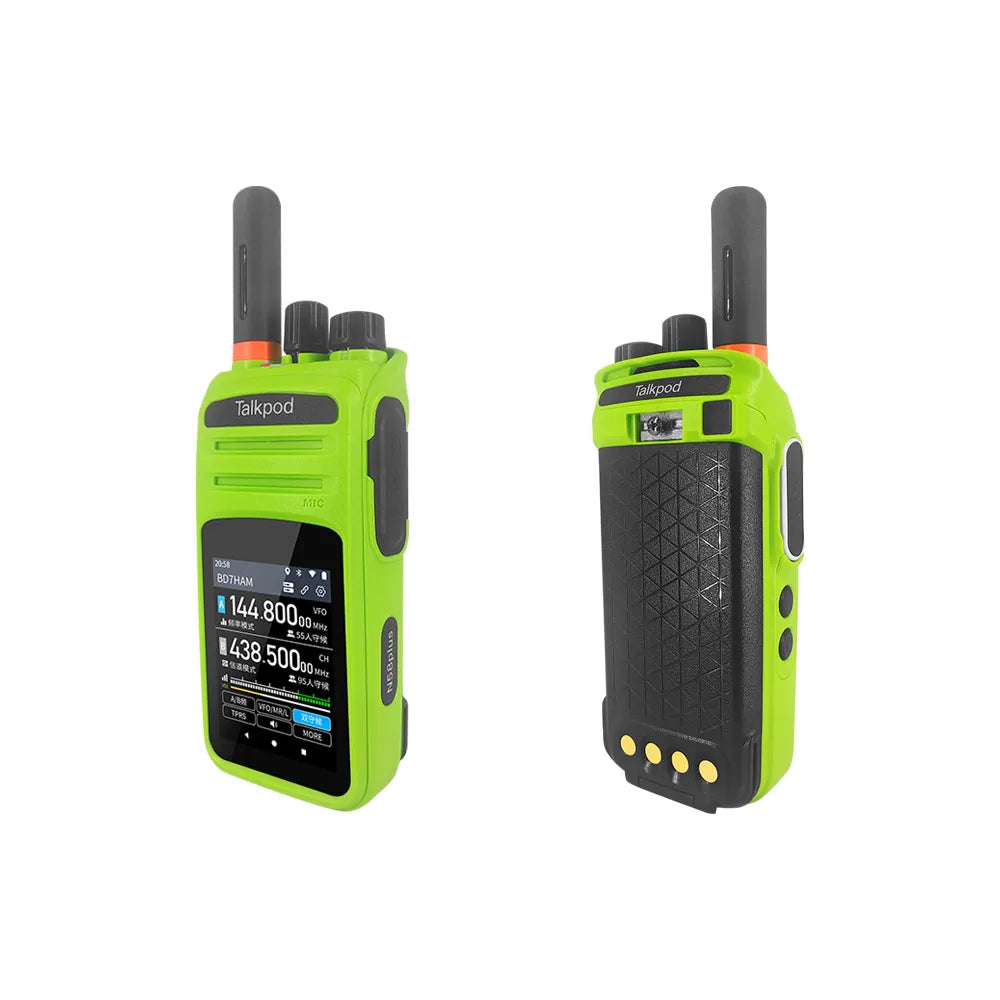
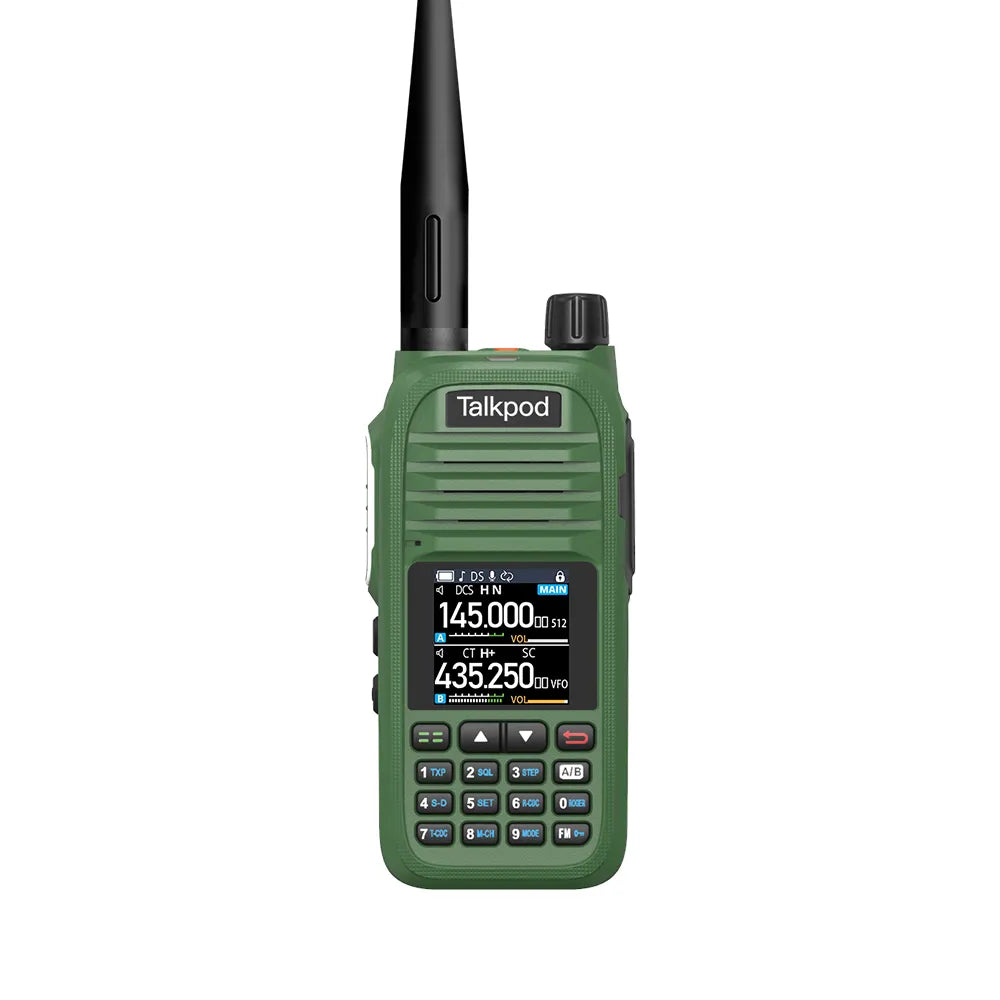
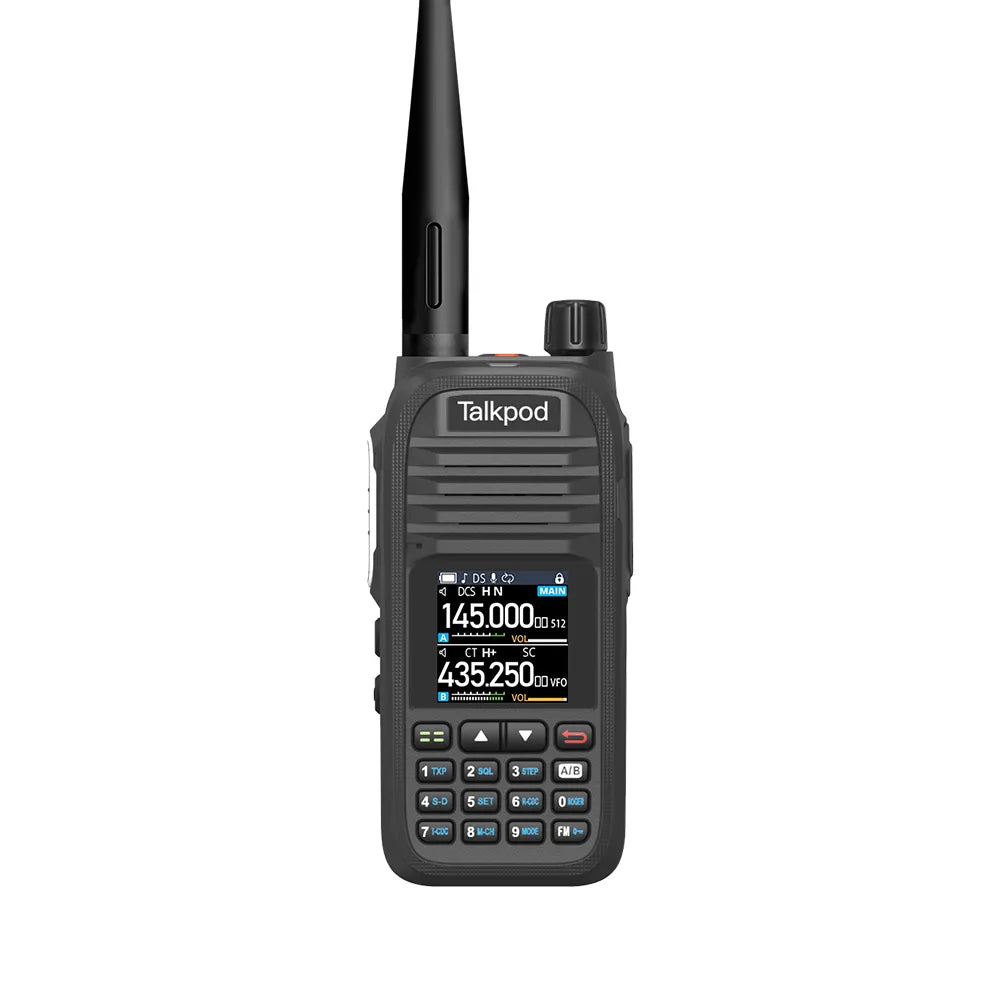
The Talkpod C11 public-network trunked radio was introduced to provide a more direct communication link between guides, patrol personnel and the dispatch team.
Connecting staff across dispersed visitor routes
Scenic areas rarely follow the compact layout of an indoor venue. Paths may extend around lakes, through wooded areas and across uneven ground. Staff can be separated by both distance and terrain.
Using compatible public mobile networks, the C11 supports wide-area push-to-talk communication wherever suitable coverage is available. A guide on one route can contact a nearby patrol team, while supervisors can issue updates to personnel working in several parts of the site.
This reduces reliance on the limited range of a conventional direct radio connection. It also allows staff to remain in contact while moving rather than returning to a fixed office to report a problem.
Public-network performance will still depend on operator coverage. Dense vegetation, low-lying terrain or remote sections may have weaker service. Coverage should therefore be tested along key visitor routes, with alternative procedures retained for areas where mobile signals are unavailable.
Helping guides remain with their groups
A guide’s attention should remain on the visitors, particularly when leading a group through a busy or unfamiliar area.
During a tour, a visitor may need medical assistance, become separated from the group or ask about an unexpected route change. A temporary closure may also require the guide to adjust the itinerary at short notice.
With the C11, guides can contact patrol staff or the back-end dispatch team without leaving the group. Information can be shared while the tour continues, allowing support personnel to respond without unnecessarily disrupting the rest of the visitors.
The practical gain is not simply faster communication. It helps preserve the rhythm of the tour while ensuring that individual requests are not ignored.
Faster coordination when an incident occurs
Most scenic-area operations are routine, but small incidents can become more serious if information travels slowly.
A lost child may require several teams to search different routes. A visitor who feels unwell may need first-aid personnel and assistance reaching an access point. During a large event, crowd movement may require temporary controls at several locations.
The C11 allows staff to communicate within dedicated groups and coordinate through the dispatch structure. Patrol personnel can receive a location update, while supervisors can direct other teams towards the relevant area.
This creates a clearer route from the first report to the operational response. The radio does not replace emergency procedures, but it helps those procedures begin sooner.
[Image]
Designed for mobile outdoor work
Guides and patrol staff may carry communication equipment for much of the day. A device that is too heavy or difficult to operate will eventually be left behind or used inconsistently.
The C11 has a compact, lightweight body suited to everyday carrying. Illuminated buttons make important controls easier to identify in shaded woodland, during evening activities or in other low-light areas.
These features are simple, but they reflect the conditions in which scenic-area staff actually work: moving between locations, speaking with visitors and operating equipment without access to a desk.
Groups shaped around the visitor route
Talkpod configured communication groups according to the layout and working structure of Xishanyang Scenic Area.
Guides, patrol teams, service personnel and dispatch staff could be placed in groups aligned with their responsibilities and operating zones. Routine messages could remain within the appropriate team, while supervisors retained a way to coordinate several groups during events or emergencies.
This structure helps prevent one crowded channel from carrying every conversation. It also makes it easier for employees to identify whom they need to contact when circumstances change.
Keeping a fleet ready for duty
A scenic area may use multiple radios across different shifts and routes. Device management therefore matters as much as individual battery life.
Talkpod supplied a customised charging and storage set for the site. Radios could be collected, organised and recharged centrally, helping staff begin each shift with equipment prepared for use.
Centralised storage also reduces the risk of devices being misplaced or returned without sufficient power. For a team operating across a large site, this is a small administrative improvement with a direct operational effect.
Better service through quicker connections
After deployment, visitor requests could be passed to the appropriate personnel more directly. Guides could request assistance without leaving their groups, while large-event coordination became easier to organise across different areas.
The C11 cannot remove the challenges created by terrain or guarantee mobile service in every corner of the site. Its role is to help the scenic area make better use of the coverage that is available and bring dispersed staff into a more structured communication system.
For visitors, the technology remains mostly invisible. They notice that assistance arrives sooner, guides appear better informed and busy activities feel more orderly.
At Xishanyang Scenic Area, that is the practical value of communication: not making the landscape feel more managed, but making the service around it more dependable.

Leave a comment
All comments are moderated before being published.
This site is protected by hCaptcha and the hCaptcha Privacy Policy and Terms of Service apply.