
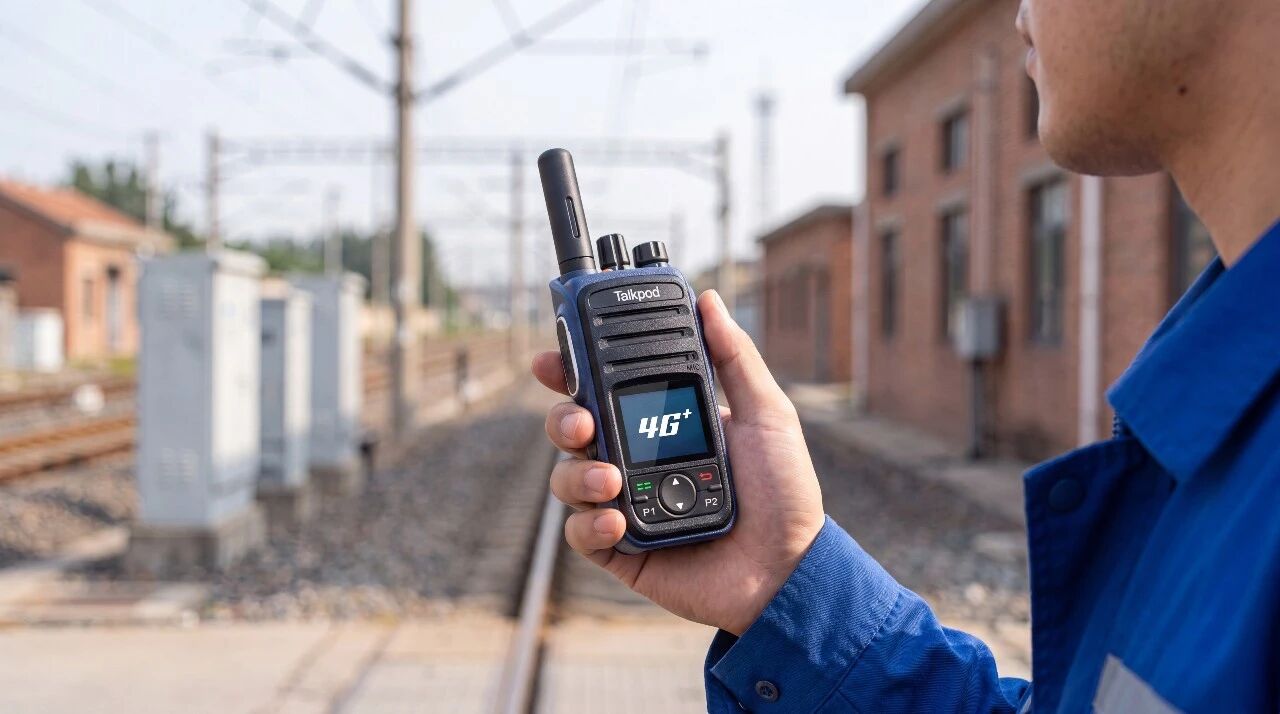
Railway signaling maintenance often takes place far from the office where the work is being coordinated.
For Datong Railway Electrical Depot, inspection and maintenance points are distributed along extended railway routes, with technicians traveling between outdoor locations that may be separated by considerable distance. When equipment faults appear, the people who first discover them are not always close to the supervisors or support teams responsible for organizing the response.
That makes communication a geographical problem as much as a technical one.
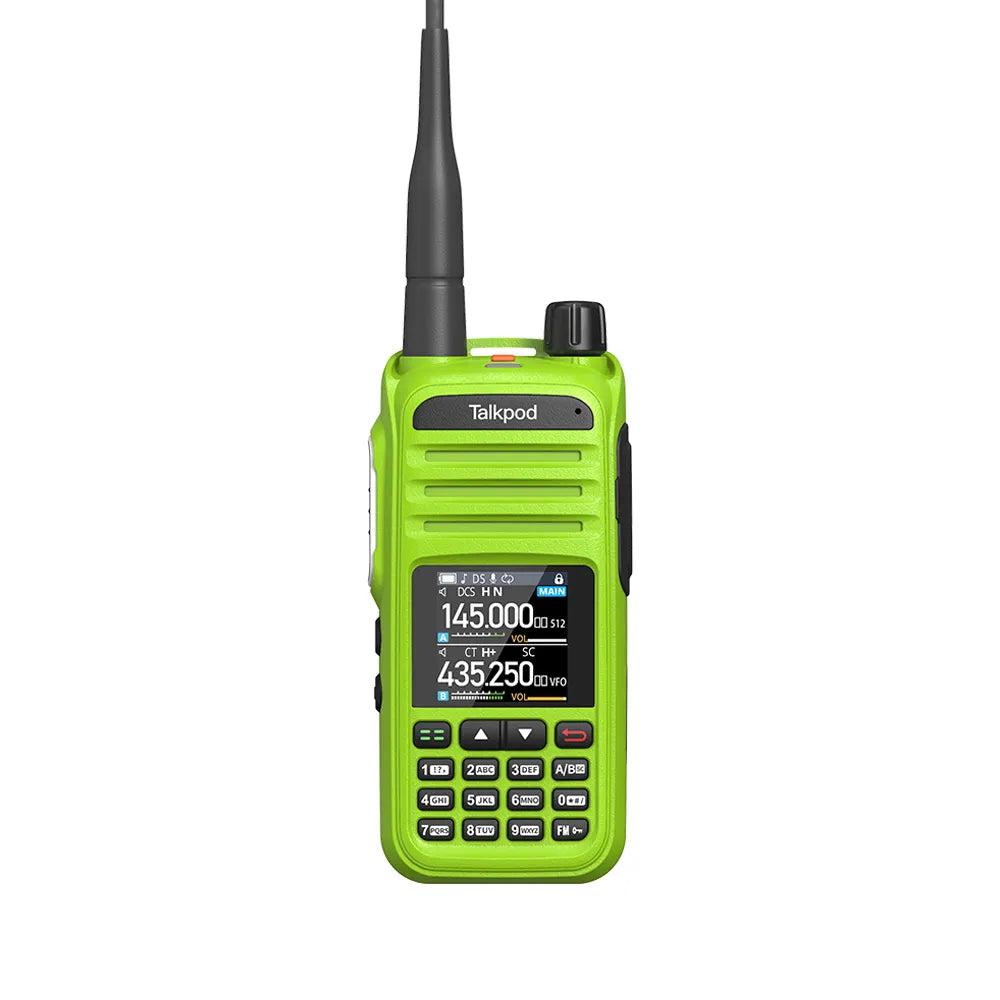
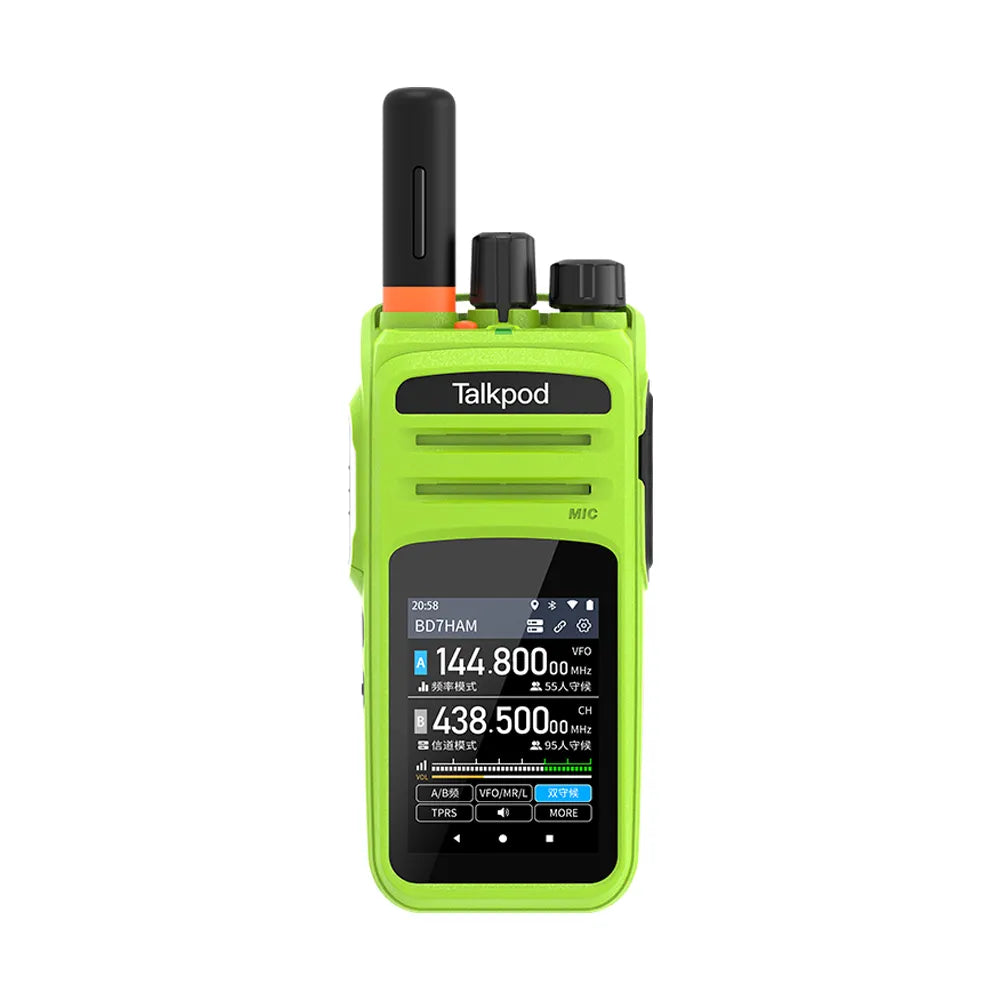
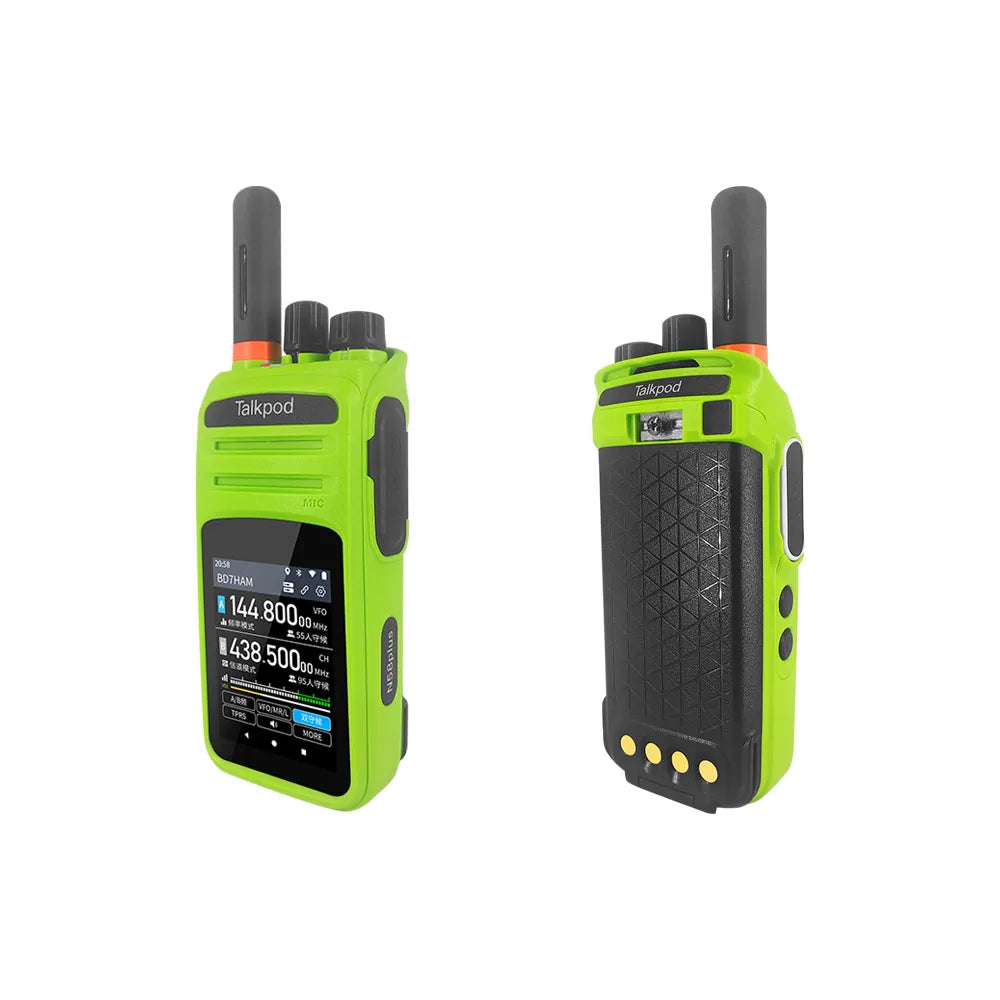
The Talkpod N56 public-network radio provides a wider-area push-to-talk communication layer for dispersed railway maintenance teams wherever compatible mobile-network coverage is available. With digital voice, GPS positioning and backend dispatch capabilities, it can help shorten the communication path between field technicians and operations personnel.
[Image]
Extending communication along dispersed railway routes
Traditional handheld radios are effective within the coverage area of the same local radio system.
That becomes less practical when maintenance personnel move along railway routes extending across large areas.
The N56 uses compatible public mobile networks rather than depending entirely on direct radio-to-radio range. Where suitable service is available, technicians at separate inspection points can remain within the same managed communication system.
A worker examining signaling or other electrical equipment can report an abnormal condition directly from the field rather than waiting to return to a maintenance base.
The benefit is wider-area coordination.
It should not be described as literally unlimited communication, because mobile-network availability still depends on local infrastructure, terrain and the specific location of the worker.
Public-network coverage still needs field verification
The source describes outdoor areas where conventional communication could become unreliable.
A public-network radio can address some distance limitations, but it does not automatically solve weak cellular coverage.
Remote railway sections, cuttings, mountains and sparsely populated areas may still have inconsistent or unavailable mobile service.
For this reason, the actual inspection routes used by Datong Railway Electrical Depot should be tested rather than relying only on theoretical coverage.
Weak sections should be identified in advance, and the depot should retain alternative communication arrangements where public-network service cannot be relied upon.
For railway maintenance, resilience matters more than a claim of universal coverage.
Clearer reporting from field technicians
Railway electrical maintenance involves frequent reporting of equipment condition.
A technician may discover an abnormal signal component, cable issue or other fault during an inspection and need to inform the appropriate team quickly.
The N56 allows that information to be passed through push-to-talk communication where the network is available.
Digital voice processing and speaker output can also help make short operational messages easier to understand in outdoor environments affected by wind, passing trains or maintenance activity.
For routine work, this can reduce repeated calls and unnecessary travel.
For safety-critical information, however, important instructions should still be repeated, acknowledged and documented according to the railway operator's established procedures.
GPS positioning as a dispatch aid
The N56 also supports GPS positioning.
For a dispersed maintenance operation, this can provide authorized dispatch personnel with an additional way to view the approximate location of equipped field radios.
If a technician reports a fault, the dispatch side can use available location information to understand where that radio is and which nearby team may be best placed to respond.
This is useful, but the distinction matters.
GPS identifies the location of the radio carrying the receiver. It does not independently track railway equipment, a work crew or another asset if the radio is no longer with that person or object.
Positioning performance can also vary with satellite visibility and local surroundings.
It should therefore be treated as a dispatch aid rather than the sole source of personnel accountability or safety-critical location information.
[Image]
Connecting location data with the dispatch platform
For the Datong deployment, Talkpod configured the N56 system to exchange location information with the depot's existing dispatch environment.
This allows positioning data from equipped radios to become part of the wider communication workflow rather than remaining isolated on individual devices.
For dispatch personnel, that can make it easier to understand which teams are working in which areas and to organize support when an equipment problem is reported.
Integration should still be described according to the actual configuration.
Rather than assuming universal compatibility, it is more accurate to say that the location-data interface was configured and tested for the depot's operational requirements.
Talkpod also provided backend operational guidance to help dispatch personnel manage the system consistently.
Reducing the time before a fault response begins
When signaling equipment develops a fault, the first delay often occurs before the repair team even begins work.
Someone has to discover the issue, report it, explain the location and contact the appropriate personnel.
A wide-area communication and dispatch system can shorten some of those early steps.
The field technician can report the condition from the inspection point. The dispatch side can review the available location data, identify the relevant team and coordinate the next response.
That does not mean the N56 diagnoses the fault or determines the correct maintenance action.
Those decisions remain with qualified railway personnel following approved inspection, maintenance and safety procedures.
The radio helps information move.
It does not replace the technical process behind the decision.
Public-network radios remain supplementary to railway systems
The role of the N56 needs to remain clearly defined.
It can support maintenance communication, fault reporting and cross-area coordination, but it should not replace dedicated railway communication systems or formal signaling procedures.
Train control, movement authority, safety-critical signaling instructions and other operational commands must continue to use the systems and processes designated by the railway operator.
Likewise, GPS information from a handheld radio should not be treated as part of the signaling or train-positioning system.
The N56 is best understood as an additional operational coordination layer around the maintenance workflow.
Making a dispersed maintenance network easier to coordinate
The communication challenge at Datong Railway Electrical Depot is created largely by distance.
Technicians work across extended routes, faults can occur far from the dispatch center and several teams may need to coordinate before repairs begin.
Where suitable mobile-network coverage is available, the Talkpod N56 can help reduce that distance operationally.
Push-to-talk communication gives field personnel a faster way to report what they find. GPS positioning can provide additional location context. Backend dispatch allows communication and user information to be managed within a more structured workflow.
None of these features replaces the dedicated railway systems responsible for safe train operation.
Their purpose is narrower: to help maintenance personnel and coordinators stay connected around those systems, reducing avoidable delays between discovering a problem and organizing the people who need to respond.

Leave a comment
All comments are moderated before being published.
This site is protected by hCaptcha and the hCaptcha Privacy Policy and Terms of Service apply.