

Oil drilling combines several risks in one workplace.
Flammable gases may be present around drilling and processing equipment. Dust, vibration and large temperature changes place additional stress on electronics. Steel structures and heavy machinery complicate radio propagation, while crews must continue working across long shifts.
In such an environment, a handheld radio is not simply a convenience. It is another electrical device entering a hazardous industrial site, and its suitability must be assessed accordingly.
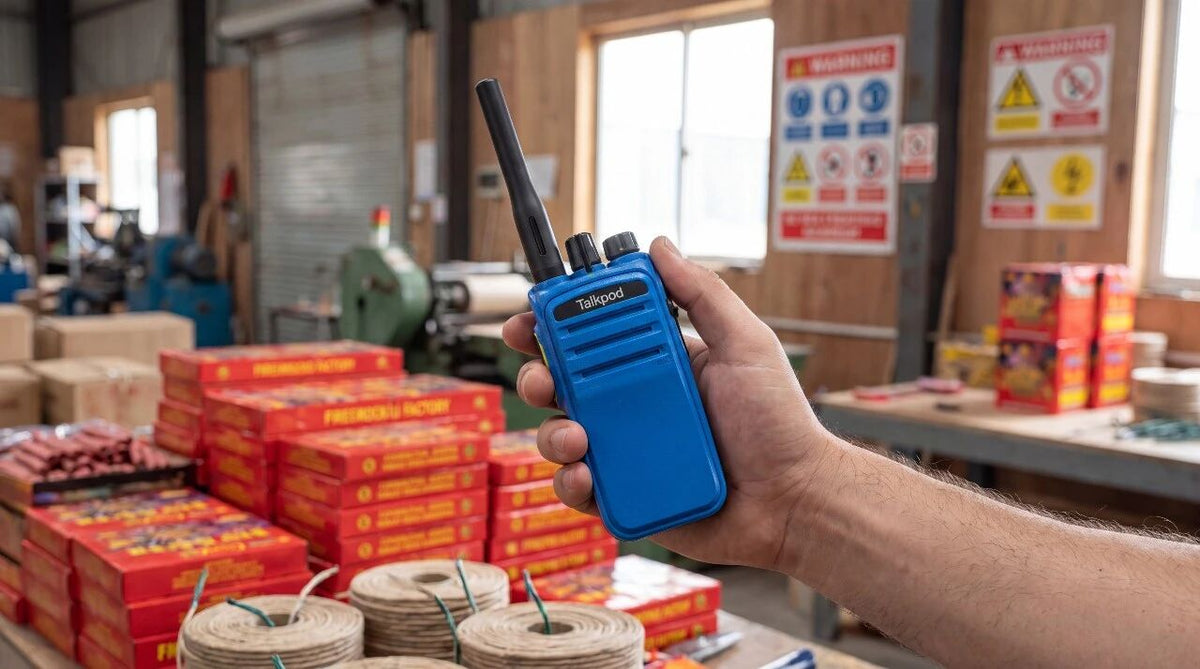
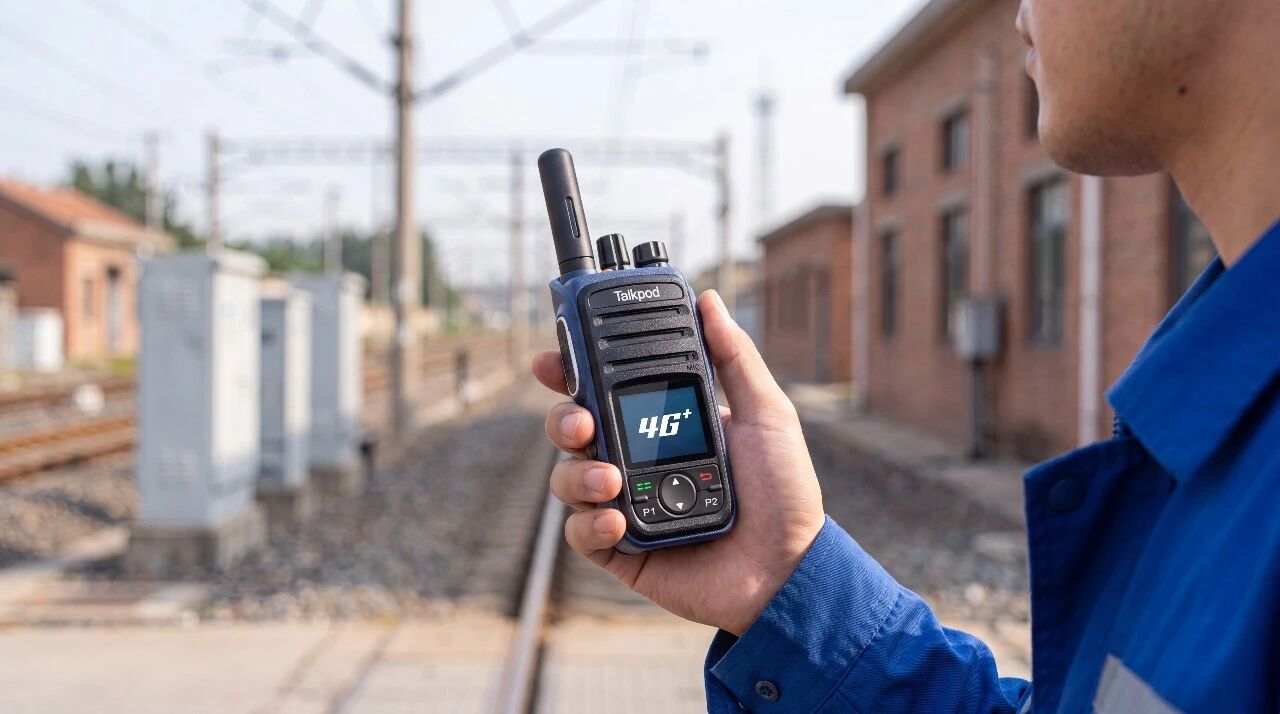
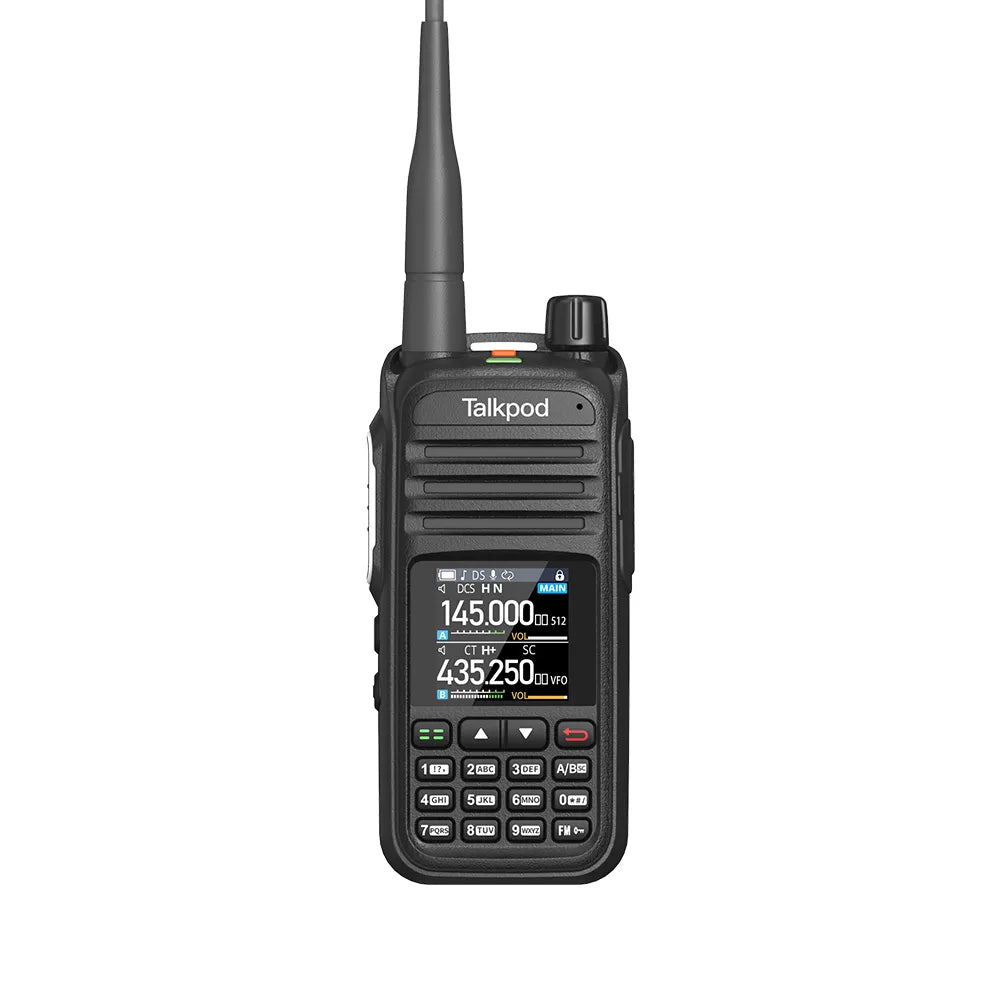
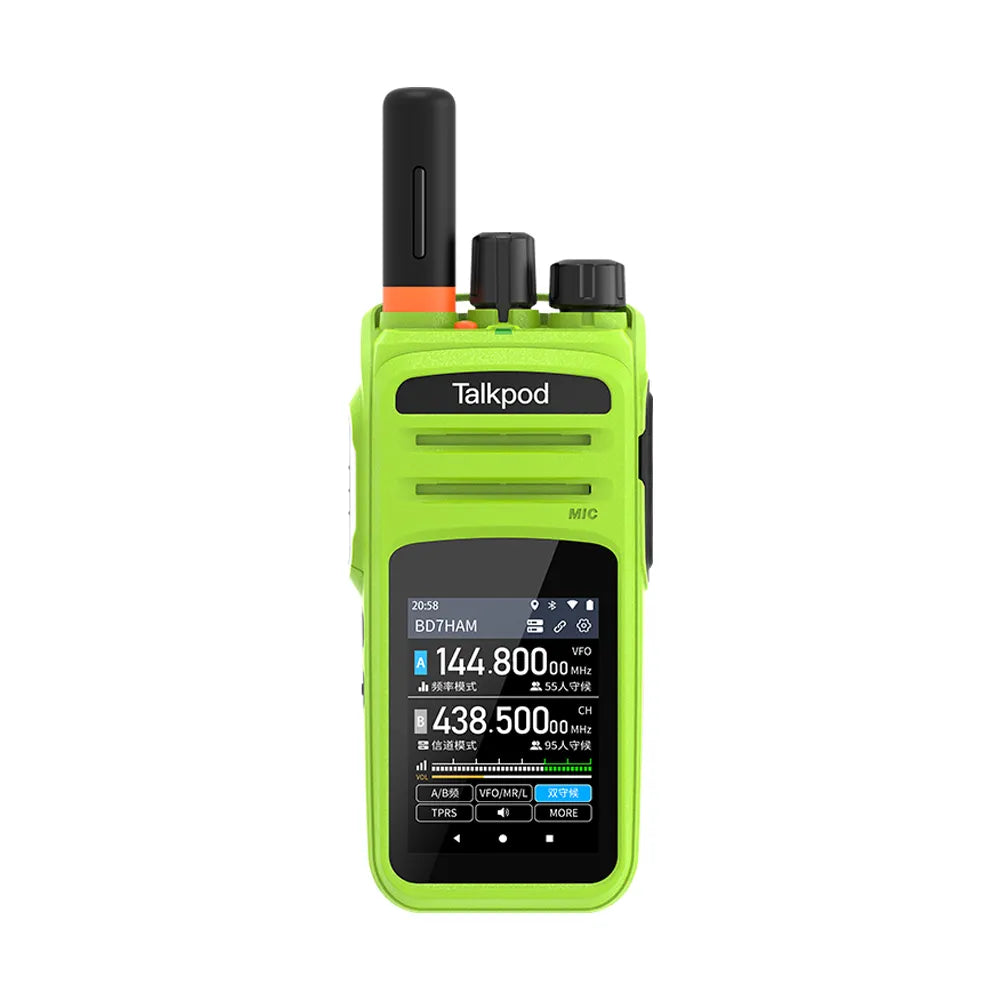
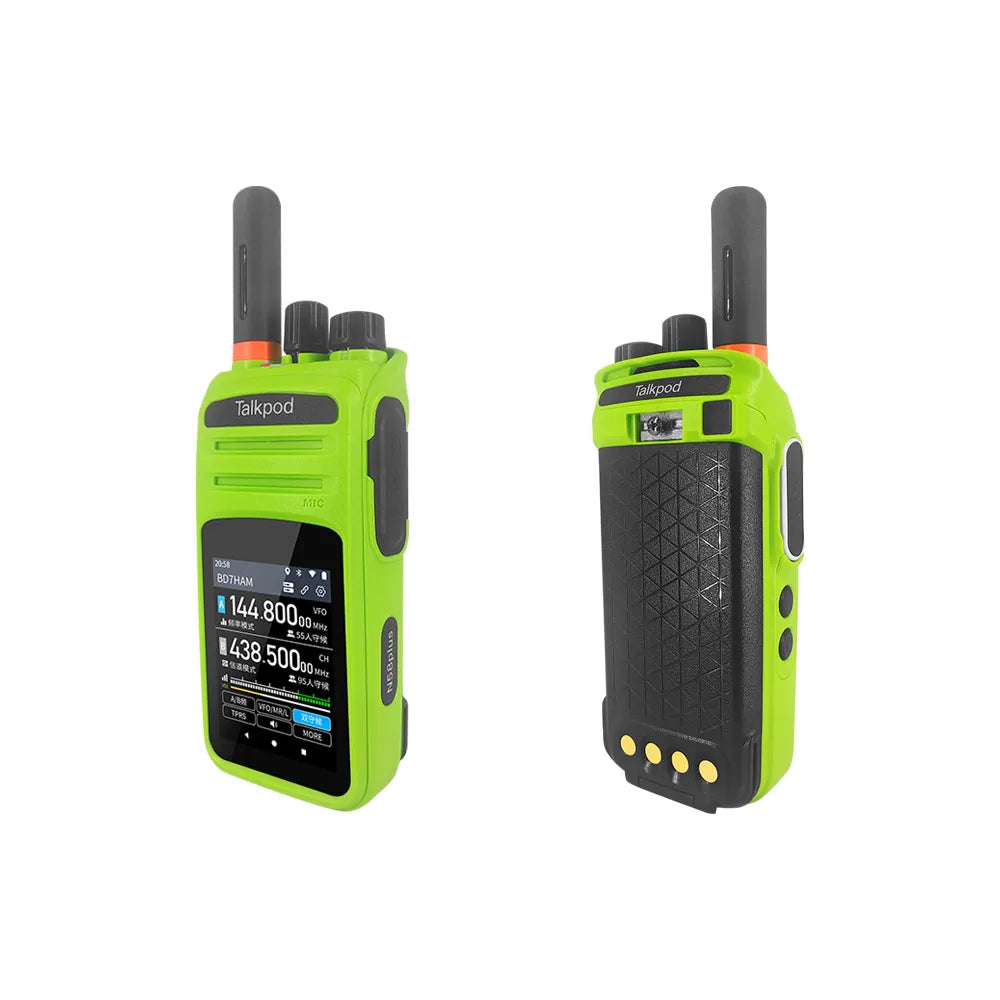
The Talkpod D50Ex is a DMR digital explosion-protected radio designed for communication in specified hazardous environments. It combines digital group communication, rugged construction and extended operating time with protection measures intended for use where flammable gases may be present.
Its value in drilling operations begins with one requirement: the radio must be suitable for the exact hazardous area in which it is used.
Hazardous-area protection comes before communication
A gas release changes the risk profile of a drilling site immediately.
Oil and gas operations may involve flammable hydrocarbons, while some installations can also encounter hydrogen or other gases requiring particularly demanding equipment classifications. In these environments, electrical sparks, arcs or excessive surface temperatures can become potential ignition sources.
The D50Ex incorporates an intrinsically safe or explosion-protected design intended to limit such risks within the conditions specified by its certification.
That qualification is essential.
A radio described as suitable for hydrogen or oil-and-gas environments should only be deployed after its exact certification marking has been checked against the site's hazardous-area classification. Operators should verify the permitted gas group, protection level, temperature class, ambient temperature range and applicable zone before use.
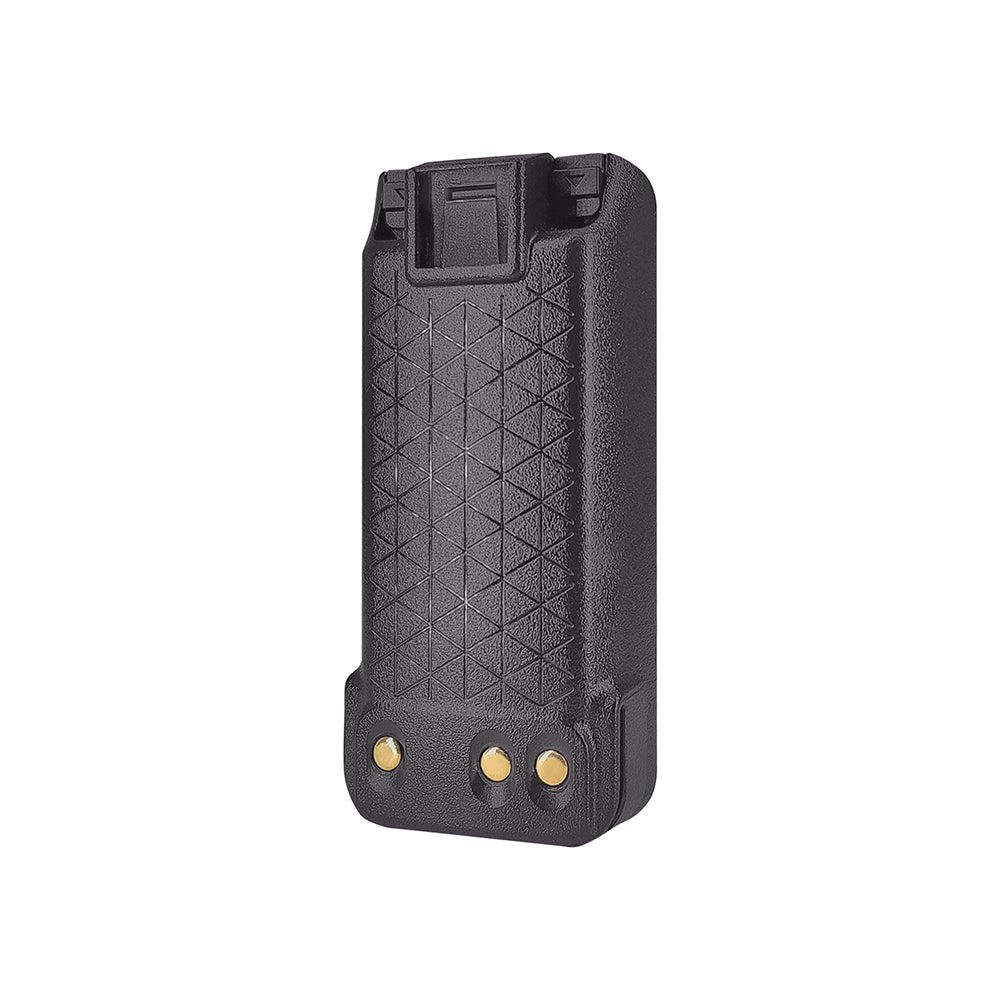
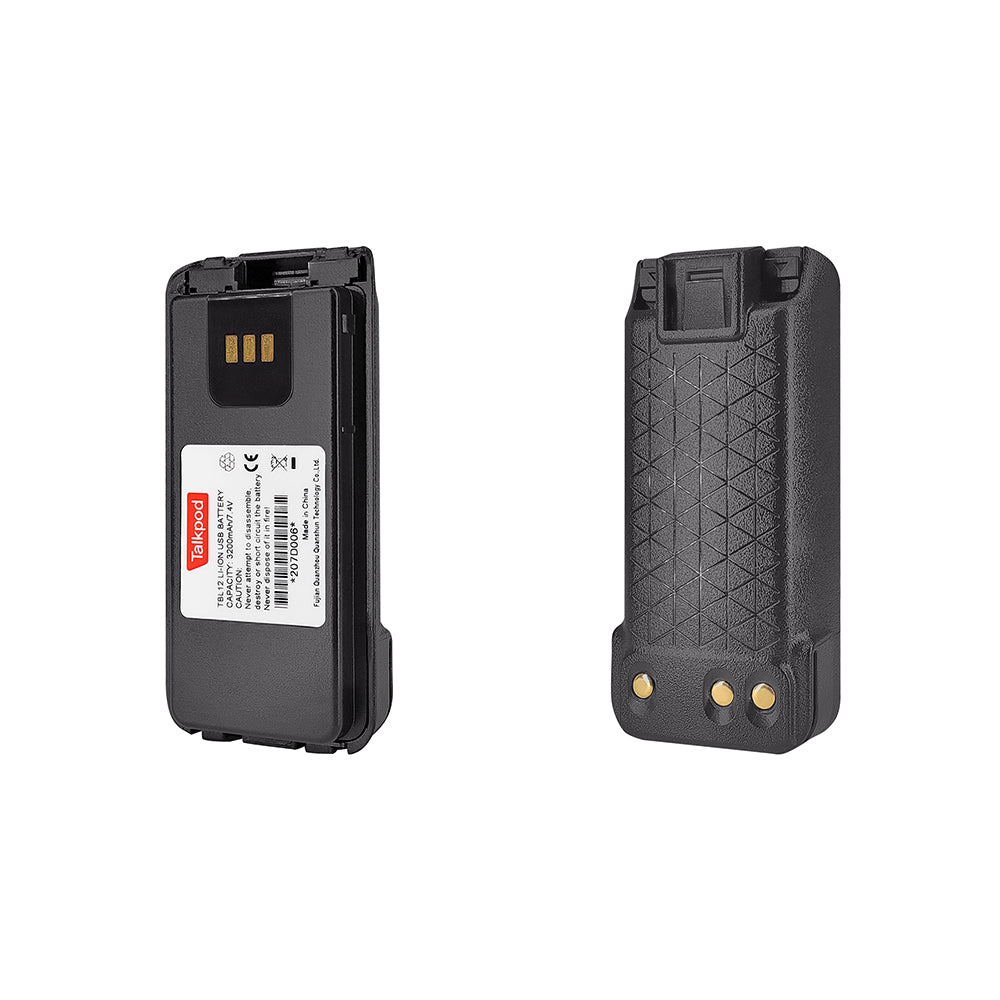
Approved batteries and accessories must also form part of that assessment. Replacing a certified battery with an unauthorized alternative, modifying the radio or continuing to use a damaged enclosure may compromise the protection concept.
The D50Ex can therefore support safer communication in appropriately classified areas. It cannot make a gas release safe, nor should it be assumed suitable for every drilling location simply because it carries an explosion-protection designation.
Communication around steel and heavy equipment
A drilling site is difficult terrain for radio signals.
Steel derricks, tanks, machinery and temporary structures can block or reflect radio energy. Personnel may work at different heights or on opposite sides of large equipment, reducing the reliability of a simple direct radio path.
The D50Ex uses a dedicated extended antenna design intended to support reliable local communication in demanding industrial environments.
This can help drilling crews, safety personnel and support teams maintain contact across different working areas. A technician can report equipment conditions without leaving the worksite, while supervisors can coordinate another team from elsewhere on the rig.
Actual performance will depend on distance, antenna position, surrounding structures and local radio conditions. No handheld radio can guarantee uninterrupted communication through every steel structure or enclosed space.
Coverage should therefore be tested at critical work points before deployment and reviewed as equipment or site layouts change.
Digital voice for demanding working conditions
Drilling sites are noisy.
Engines, pumps, rotating equipment and wind can make ordinary speech difficult to understand. Yet operational radio messages are often short and precise: a piece of equipment needs attention, a work area must be cleared or a safety check has been completed.
As a DMR digital radio, the D50Ex supports digital voice communication intended to provide clearer and more consistent speech within suitable radio conditions.
This can reduce unnecessary repetition and make short operational instructions easier to understand around working machinery.
Digital technology cannot remove all background noise or overcome a completely obstructed radio path. Hearing protection and environmental noise may also affect how audio is perceived.
For that reason, radios and compatible audio accessories should be tested under actual drilling conditions rather than evaluated only in a quiet indoor environment.
Organizing several crews without one crowded channel
Drilling operations involve multiple teams working simultaneously.
Drilling-floor personnel, safety inspectors, maintenance crews and logistics staff may all require radio access, but they do not need to hear every conversation taking place across the site.
The D50Ex supports individual, group and all-call functions, allowing communication to be organized around different responsibilities.
Routine traffic can remain within a specific team. A supervisor can contact one user when a task concerns only that person, while an all-call function can be reserved for instructions that need to reach a broader group.
Programmable side keys can also provide faster access to frequently used functions or preset messages.
This reduces the number of steps required for routine communication and helps keep radio traffic more orderly during busy operations.
Supporting longer drilling shifts
Drilling operations often continue around the clock.
Radios may remain in service through extended shifts, and taking a unit out of operation simply to recharge it can complicate staffing at critical work points.
Compared with conventional analog operation under comparable conditions, DMR technology can provide improved battery efficiency. The D50Ex is designed to offer extended operating time, with claimed endurance advantages of up to around 40% in suitable usage scenarios.
Actual battery life will depend on transmission frequency, receive time, audio volume, temperature and battery condition. It should therefore not be assumed that one charge will automatically cover several shifts.
A safer approach is to manage radios as part of a fleet, with charged units or approved spare batteries prepared for shift changes.
For explosion-protected equipment, charging procedures also matter. Batteries should only be charged, removed or replaced under the conditions permitted by the manufacturer and the site's hazardous-area rules.
Fast communication when conditions change
Drilling sites can move quickly from routine operation to abnormal conditions.
A suspected leak, equipment problem or unexpected change in operating conditions may require several teams to coordinate at once.
The D50Ex gives personnel a direct way to report what they have observed and reach the appropriate working group without leaving the area simply to find another employee.
That can shorten the communication chain between detection and response.
The radio should still be regarded as one element within a much larger safety system. Gas detection, emergency shutdown systems, alarms, evacuation procedures and formal incident command arrangements retain their designated roles.
A handheld radio supports the people carrying out those procedures; it does not replace them.
Simple controls for people wearing protective equipment
Drilling personnel may operate radios while wearing gloves, protective clothing and other PPE.
In those conditions, complicated menus are a disadvantage.
The D50Ex uses straightforward push-to-talk controls, with programmable side keys that can be assigned to commonly used functions. This allows routine communication to be carried out with fewer steps and reduces the amount of attention required from the user.
Such simplicity becomes particularly useful during an abnormal event.
When pressure rises, communication equipment should already feel familiar.
A communication tool within the drilling safety system
The Talkpod D50Ex does not eliminate the hazards of oil drilling.
It cannot guarantee a radio path through every steel structure, prevent a gas leak or substitute for fixed safety systems. Nor should its explosion-protection designation be interpreted as permission to use it in any hazardous area without checking its certification.
Its role is more specific.
When properly matched to the site classification, the D50Ex provides drilling personnel with a digital communication tool designed for hazardous industrial environments. DMR group calling helps organize multiple crews, extended battery efficiency supports long shifts, and explosion-protected construction allows communication equipment to be selected with the risks of the drilling site in mind.
On a drilling rig, reliable communication matters.
But in a hazardous atmosphere, the first question is not how far a radio can talk. It is whether the radio itself belongs there.

Leave a comment
All comments are moderated before being published.
This site is protected by hCaptcha and the hCaptcha Privacy Policy and Terms of Service apply.