
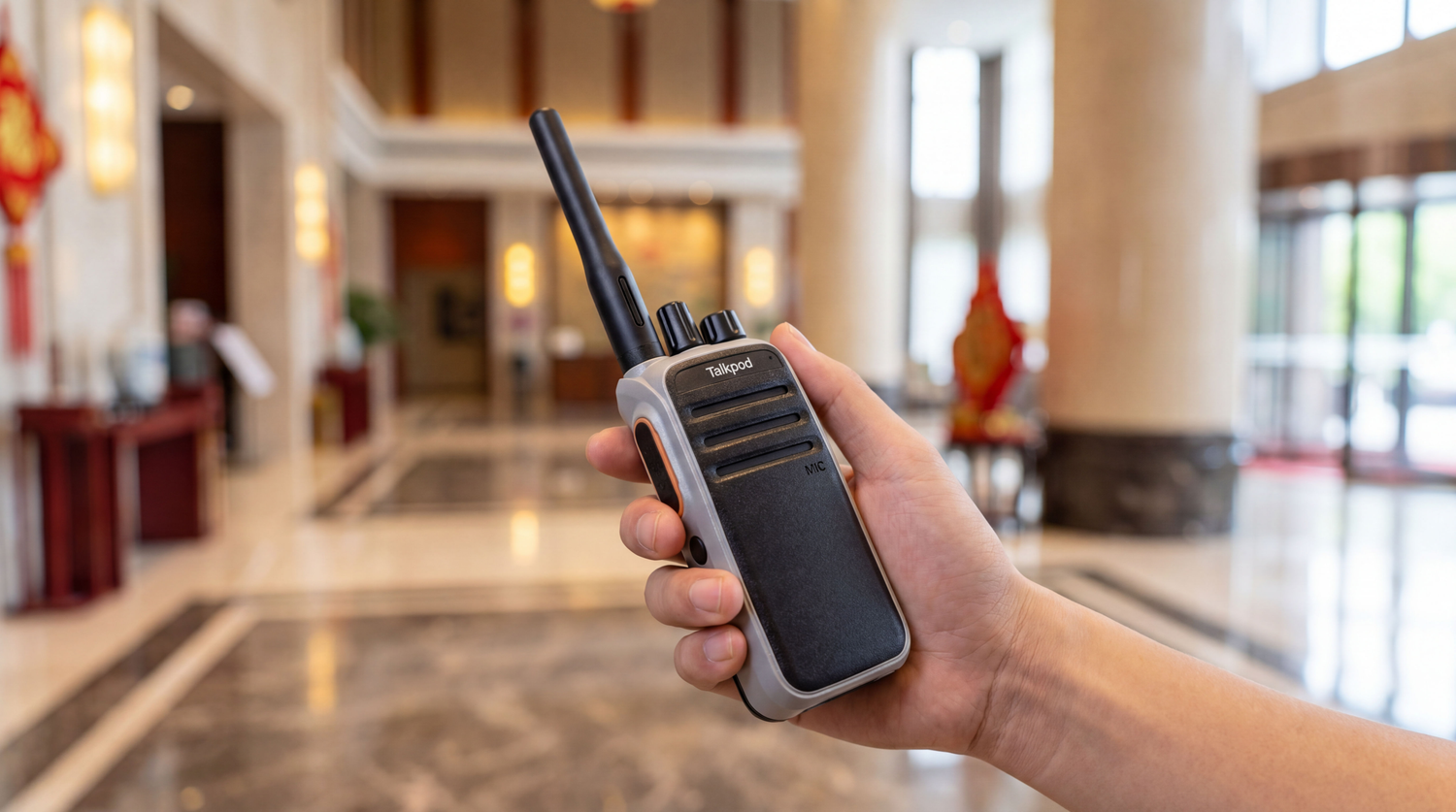
A hotel guest rarely sees the communication behind a quick response.
A request for extra towels may begin at the front desk, move to housekeeping and then require support from a floor attendant. A faulty light or air-conditioning problem may involve engineering. A more urgent situation can require front desk, security and maintenance staff to coordinate at the same time.
At Kunshan Jinbulun Hotel, these teams work across multiple floors and separated guest-room areas. Walls, corridors and reinforced building structures can affect local radio performance, while environmental noise can make quieter handheld radios difficult to hear during busy periods.
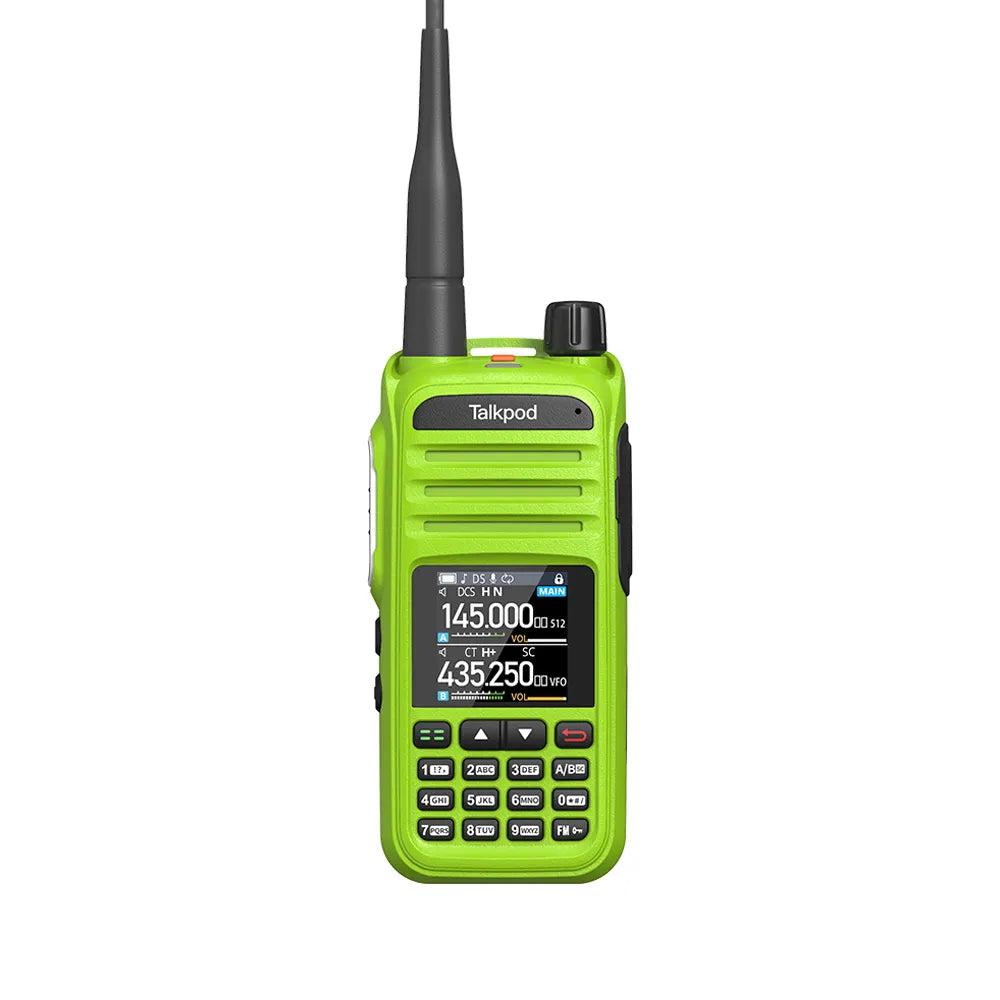
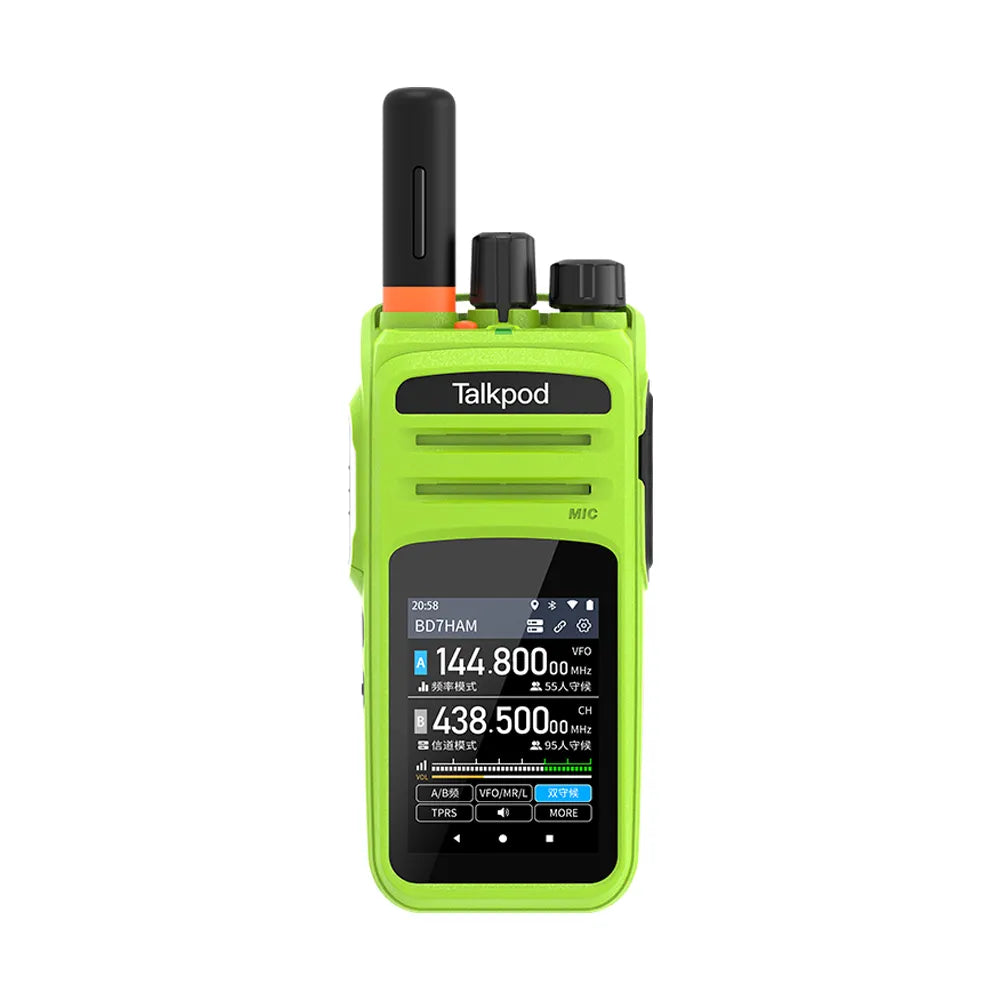
The Talkpod B30 analog radio provides a simple local communication tool for these hotel teams, combining a high-output speaker, straightforward controls and flexible USB charging for daily service operations.
[Image]
Keeping housekeeping connected across multiple floors
Hotel housekeeping is built around constant small updates.
A room has been cleaned. Another needs additional supplies. A guest has requested an item. A supervisor needs to know which rooms are ready and which still require attention.
Without a shared radio system, these updates may require repeated trips to a floor desk, phone calls or messages passed through several people.
The B30 allows frontline staff to report routine information directly from the floor.
A housekeeper can confirm room-cleaning progress, request linen or amenities, or notify the front desk that additional support is needed without leaving the work area.
That shortens the communication path between guest request and staff response.
Louder audio for busy hotel environments
Hotels are not always quiet working environments.
Housekeeping carts, vacuum cleaners, service elevators, lobby activity and corridor traffic can make short radio messages difficult to hear.
The B30 uses a 36 mm speaker with 1 W audio output, designed to provide stronger, clearer sound for frontline communication.
That can help staff understand short service instructions without repeatedly asking for them to be transmitted again.
The practical benefit is not simply volume.
A radio message only helps if the intended employee can hear it clearly while continuing to work.
Multi-floor buildings still need real coverage testing
A handheld analog radio is a local communication system, and its usable range depends heavily on the building.
Concrete walls, elevator shafts, fire doors, metal service areas and reinforced structures can all weaken RF signals.
For this reason, no handheld radio should be described as providing guaranteed coverage across every floor of a hotel.
For the Kunshan deployment, Talkpod adjusted channel programming around the building layout and actual working environment.
That kind of on-site testing is important.
Radios should be checked in guest corridors, stairwells, service rooms, front-desk areas and other locations where staff actually work.
If weak zones remain, they should be identified rather than hidden behind a claim of “full-building coverage.”
Fast escalation between front desk, security and engineering
Not every guest request can be handled by housekeeping alone.
A plumbing problem may require engineering. A damaged door lock may need maintenance. A guest welfare concern may require security and front-desk personnel to respond together.
The B30 can help these departments coordinate locally without requiring each employee to make separate phone calls.
A frontline worker can report the issue immediately and bring the appropriate team into the response.
For more urgent situations, the B30 also supports a silent indicator-light emergency alert, providing an additional way to signal for assistance without relying only on a spoken call.
The response procedure still matters.
Hotels should define who receives an alert, what it means and what action follows. A button by itself does not create an emergency plan.
[Image]
Frequency hopping is not the same as encryption
The original description refers to a “frequency-hopping encryption mode” that prevents outside monitoring.
That wording overstates what the feature can guarantee.
Frequency-hopping or related channel-management functions can help reduce unwanted interference and make it harder for unrelated nearby radio traffic to disrupt normal communication.
But they should not be presented as end-to-end encryption or a guarantee against interception.
For hotel operations, that distinction matters because staff may sometimes discuss information relating to guests.
Sensitive details such as room access information, payment matters or personal data should remain in the hotel's authorized property-management or service systems rather than being spoken openly over a radio unless operationally necessary.
Good communication practice protects privacy more effectively than relying on a radio setting alone.
Flexible charging for shift-based work
Hotel radios may be used throughout long service periods and across multiple shifts.
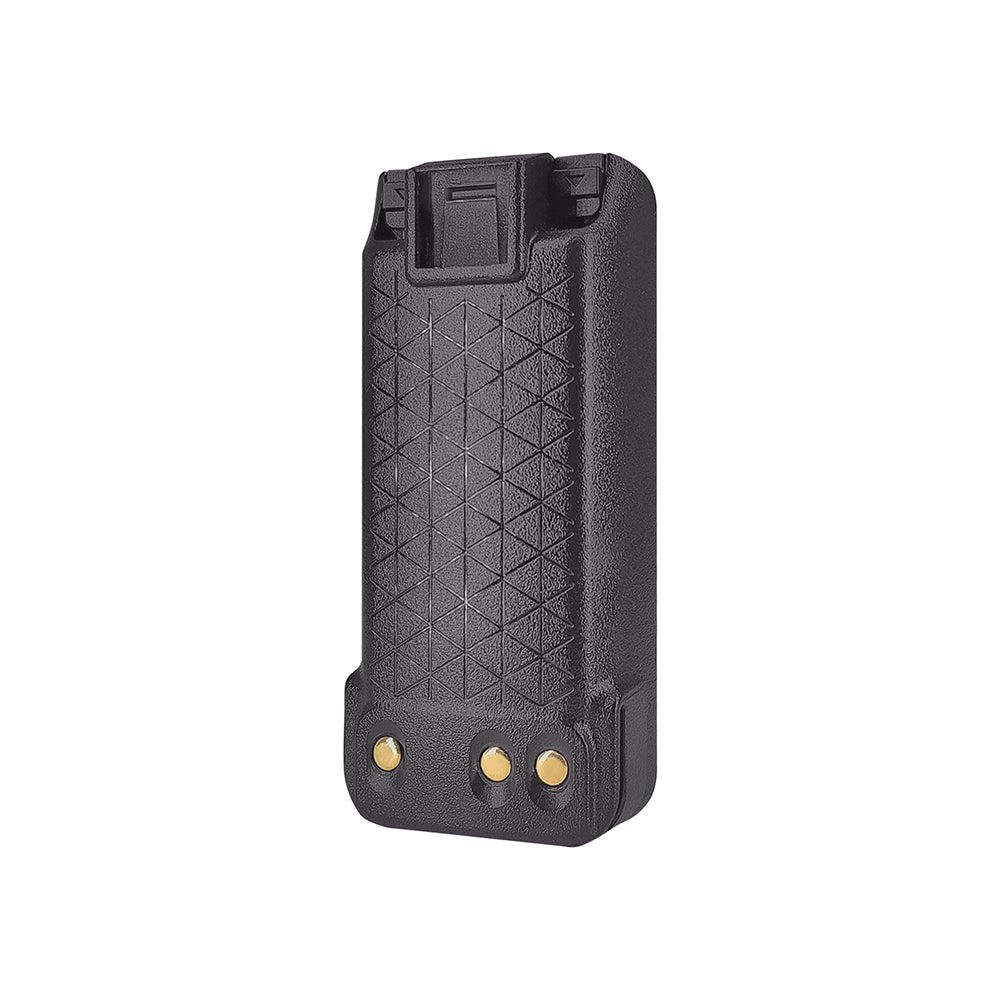
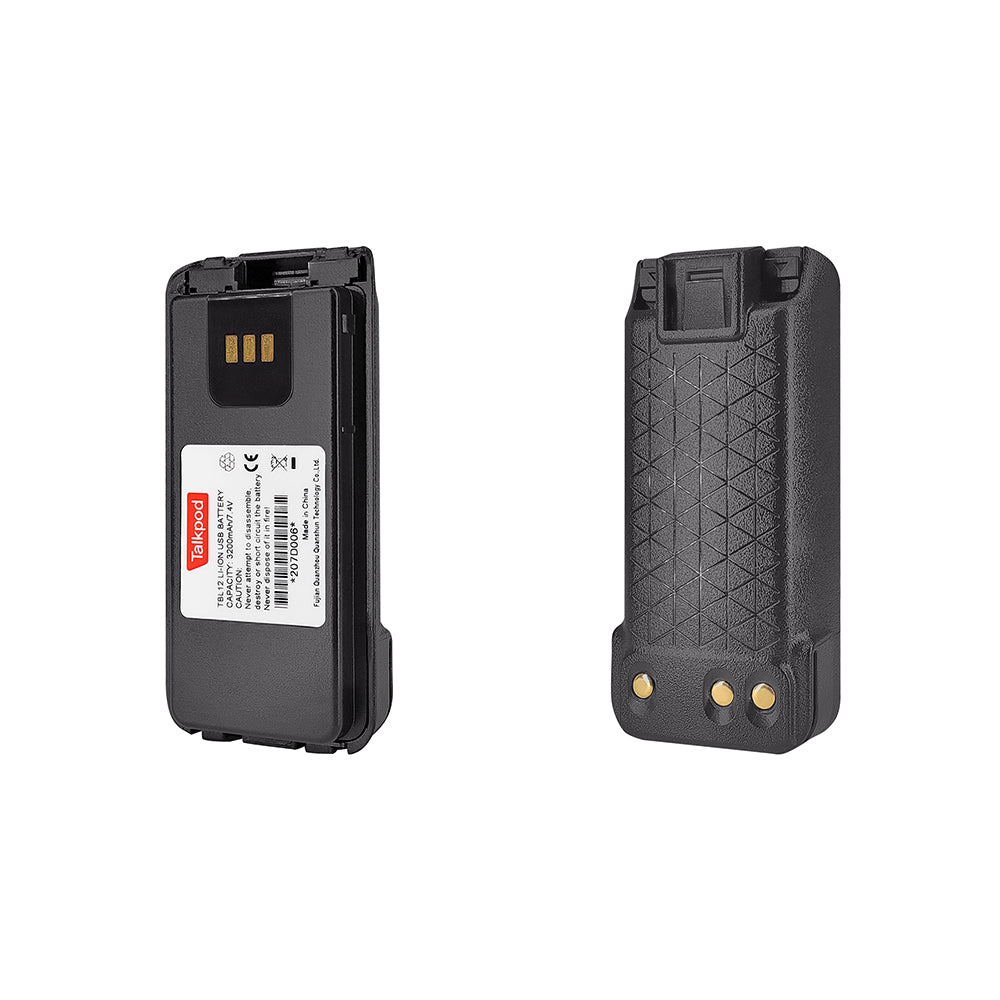
The B30 supports standard USB charging, making it easier for staff to recharge devices through commonly available power sources.
Its operating time can reach up to approximately 36 hours, depending on usage conditions.
That provides useful flexibility for normal hotel operations, but battery management should still be part of the shift routine.
Radios should be charged before deployment, battery condition should be monitored, and spare devices should be available when the hotel relies heavily on radio communication during peak occupancy.
A long battery life is most useful when it is managed rather than assumed.
Programming around actual hotel roles
The usefulness of a radio fleet depends heavily on how it is configured.
Talkpod adjusted the radio programming around the hotel's multi-floor layout and provided customized shortcut settings for different service roles.
Housekeeping, engineering, security and front-desk personnel may not need exactly the same operating arrangement.
Programming the radios around real workflows reduces unnecessary steps for frontline users and makes training easier.
The source also describes ongoing programming and configuration support.
That matters because hotel operations change: departments are reorganized, channels may need adjustment and new employees need a consistent setup.
A radio system works best when its configuration continues to reflect how the hotel actually operates.
Communication should stay simple in guest service
The Talkpod B30 does not replace a hotel's property-management system, work-order platform or emergency procedures.
Its role is more immediate.
It gives staff a quick local voice channel for the small operational exchanges that happen continuously throughout a hotel: a room is ready, supplies are needed, engineering should attend a fault, or security assistance is required.
The high-output speaker helps messages remain audible in busy service areas. USB charging makes day-to-day device management easier. On-site programming can improve usability across different floors and teams.
The biggest advantage is not a claim of perfect building coverage or private encrypted communication.
It is reducing the time staff spend searching for one another.
In hospitality, that communication is mostly invisible to the guest—and when it works well, that is exactly how it should feel.

Leave a comment
All comments are moderated before being published.
This site is protected by hCaptcha and the hCaptcha Privacy Policy and Terms of Service apply.