
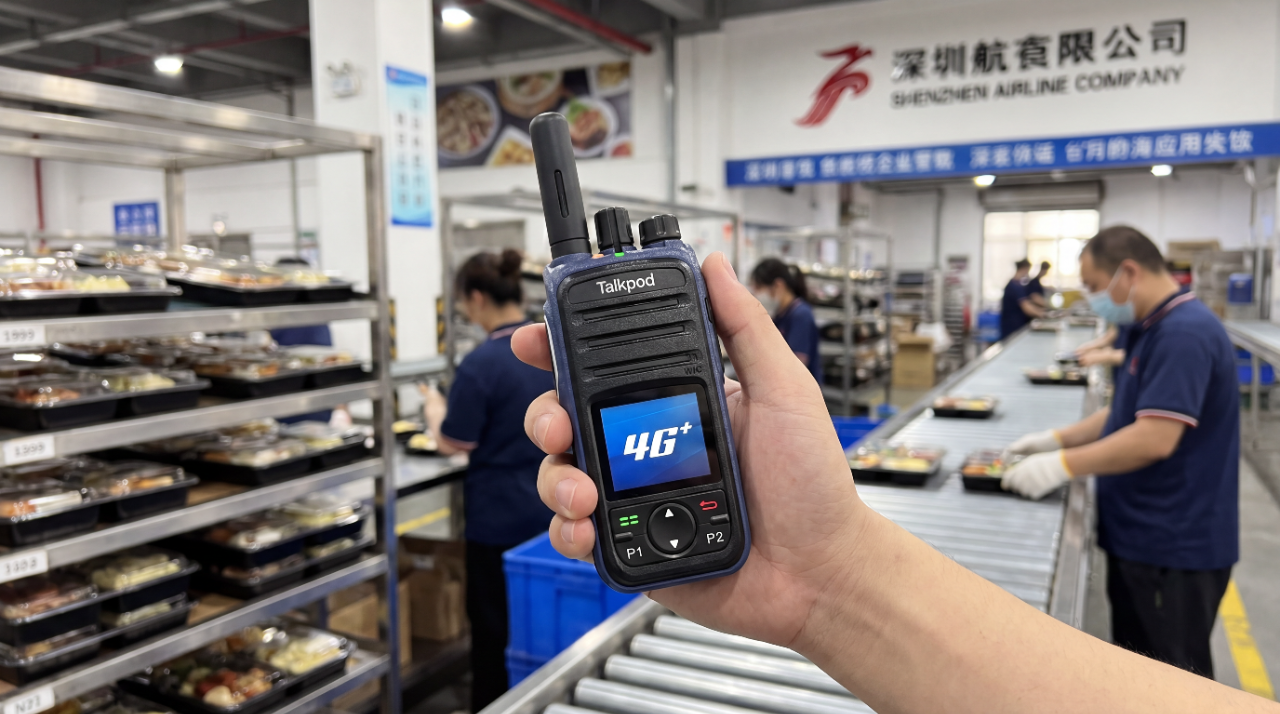
An airline meal starts its journey long before it reaches an aircraft.
Ingredients are sorted and prepared in production areas. Meals are cooked, portioned and sealed. Finished trays move into temperature-controlled storage before being dispatched to the airport and loaded onto the correct flight.
Each stage is time-sensitive, and the people responsible for them are rarely standing in the same place.
For Shenzhen Aviation Food Company, production staff, cold-chain personnel and delivery teams work across separate areas. When a flight schedule changes, a special meal requirement is added or a production line needs additional materials, even a small communication delay can affect the next stage of the process.
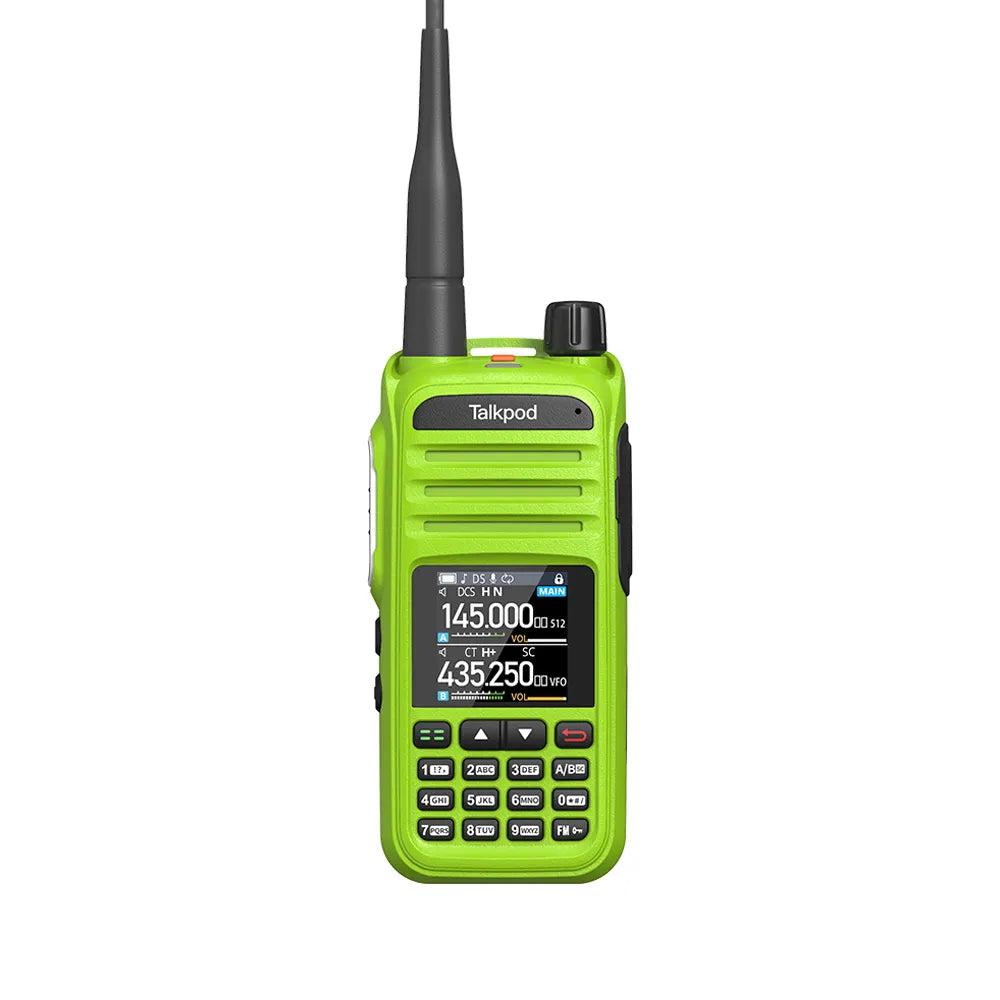
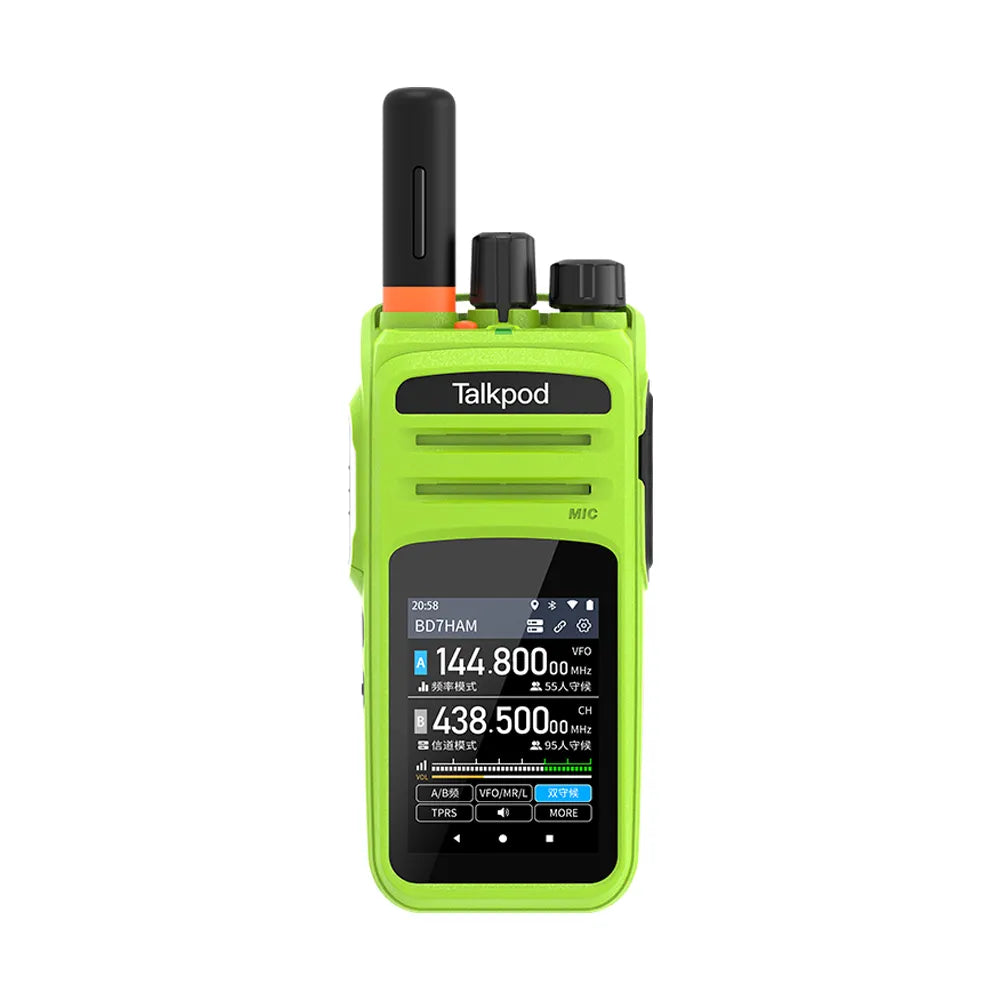
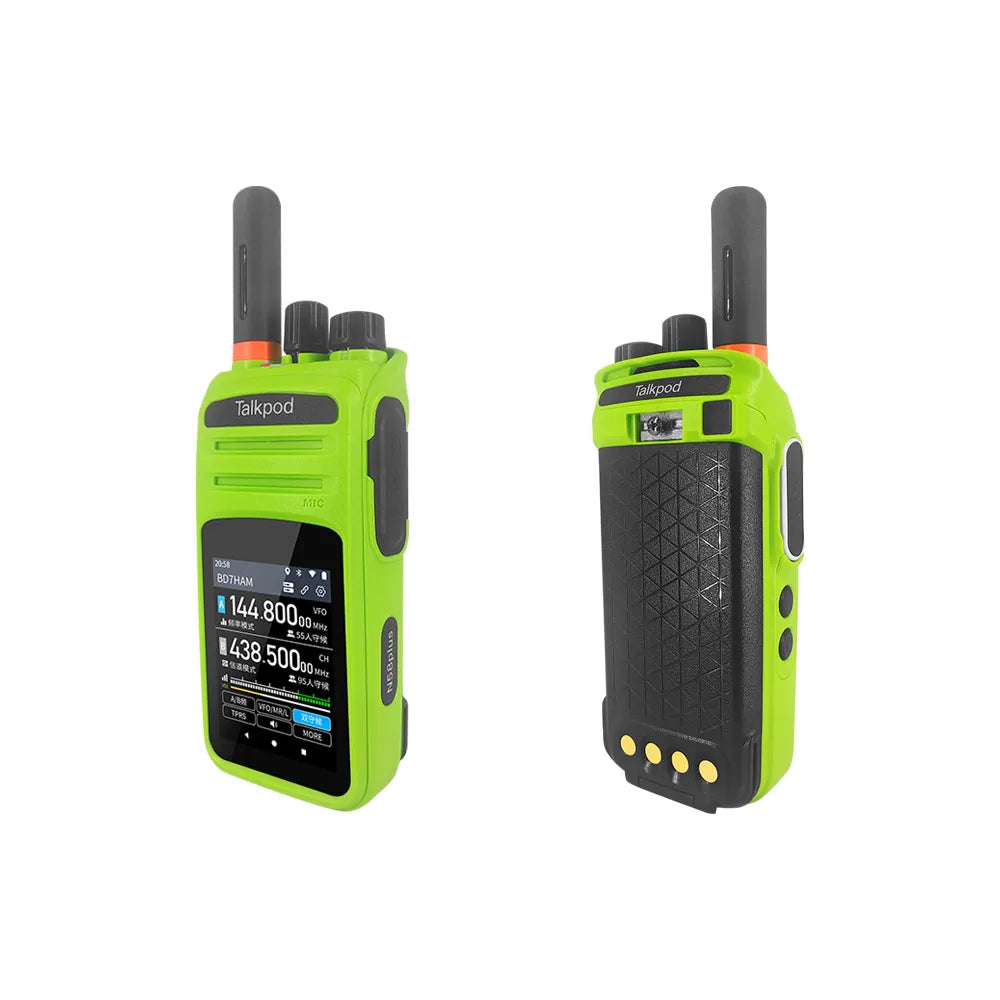
The Talkpod N56 public-network radio provides a wide-area push-to-talk link between these teams wherever suitable mobile-network coverage is available, helping operational information move more quickly across the catering workflow.
Connecting production, cold storage and dispatch
Airline catering combines several different operating environments within one process.
Food-preparation staff may work inside production workshops, while cold-chain teams manage storage areas and dispatch personnel coordinate vehicle loading and airport delivery.
Traditional direct radio communication can become less convenient when these areas are separated by distance or building structures.
The N56 uses compatible public mobile networks to support group push-to-talk communication across different work areas.
A production supervisor can contact the cold-chain team without leaving the line. Dispatch personnel can communicate with catering staff while preparing an outbound load. Employees do not have to rely on repeated individual phone calls to pass routine operational updates from one department to another.
The useful advantage is not unlimited range.
It is the ability to keep separated teams within the same managed communication structure wherever the supporting network is available.
Keeping production changes moving quickly
Airline catering plans can change close to departure.
Passenger numbers may be adjusted. A special meal request may be added. A flight may require a different loading sequence, or a production team may discover that a particular ingredient or tray component is running low.
These changes often affect more than one department.
With preset communication groups on the N56, food-production personnel can quickly report ingredient availability, special-meal requirements or temporary production changes to the teams that need to respond.
The message can reach several relevant users at once rather than passing through a chain of separate calls.
That matters in airline catering because minutes lost at one stage can reappear later as pressure on packing, cold storage or dispatch.
Separating communication by operational role
A catering facility generates a large amount of routine communication.
Kitchen production staff do not need to hear every message from vehicle dispatch, while cold-chain personnel should not have to monitor unrelated production conversations throughout the shift.
Talkpod configured dedicated groups around the company's operating structure, including production control, cold-chain coordination and delivery interface teams.
This helps keep communication focused.
Production staff can stay within their normal group, while supervisors can coordinate across several teams when a change affects the wider workflow.
The result is not simply fewer radio calls.
It is less irrelevant information competing for attention in a time-sensitive production environment.
Clearer speech in busy food-production areas
Commercial food-production facilities are rarely quiet.
Processing equipment, ventilation systems, packaging machinery and movement between workstations all contribute to background noise.
The N56 uses digital voice processing and a high-output speaker intended to make short operational messages easier to understand in these environments.
This can help workers receive instructions without leaving their station or repeatedly stopping to check a phone.
For example, a team can confirm that additional trays are required, report that a special-meal batch is ready or request support from another section.
Critical information should still be verified where necessary.
A radio call should not become the sole record for meal counts, allergen requirements, flight numbers or other information that directly affects food safety and delivery accuracy.
Communication supports food safety—it does not replace it
Airline catering is governed by more than speed.
Meal identification, allergen control, temperature management, hygiene procedures and final flight allocation all require formal controls.
The N56 can help employees communicate changes more quickly, but it should remain separate from the systems used to formally record and verify those changes.
A request such as “special meals for Flight 123 are ready for transfer” can be useful over the radio.
The authoritative details—quantity, meal type, labeling, temperature record and flight assignment—should remain in the company's approved production and food-safety systems.
This distinction reduces the risk that an informal voice message becomes the only source of truth for a critical catering decision.
Working around clean-production requirements
Communication equipment used in food-production environments also needs to fit the site's hygiene procedures.
A handheld radio may move between staff, workstations and different operational zones during a shift. Cleaning, storage and handling should therefore follow the catering company's hygiene rules and the device manufacturer's instructions.
The radio should not be placed directly on food-contact surfaces or handled in a way that compromises clean-zone practices.
This is especially important in a facility where equipment used for operational coordination may travel between production, storage and dispatch areas.
Good communication should support the production process without introducing another contamination risk.
Public-network communication still depends on coverage
The N56 can connect teams across a wider area than conventional direct handheld communication, but it still depends on compatible mobile-network service.
Cold stores, reinforced buildings and service areas can affect network performance differently.
Coverage should therefore be checked in the actual locations where the radios will be used: production workshops, cold rooms, loading bays and dispatch areas.
Where connectivity is weak, the company should retain an alternative communication method rather than assume that public-network service will always be available.
A reliable workflow is built around known coverage, not assumed coverage.
Making the catering chain easier to coordinate
The Talkpod N56 does not prepare meals, manage allergens or decide which tray belongs on which aircraft.
Its role is more practical.
Where suitable mobile-network coverage exists, it gives production, cold-chain and delivery teams a shared push-to-talk communication layer. Preset groups reduce unnecessary traffic, while digital voice makes routine instructions easier to hear in busy operational environments.
For airline catering, that can remove some of the small communication delays that accumulate between preparation and aircraft loading.
The objective is not to replace the systems that control food safety and delivery accuracy.
It is to help the people working inside those systems stay in step with one another as the flight schedule keeps moving.

Leave a comment
All comments are moderated before being published.
This site is protected by hCaptcha and the hCaptcha Privacy Policy and Terms of Service apply.