
Traffic-safety education is often treated as a communications campaign. Operationally, however, it is also a logistics exercise.
One team may be speaking with residents at a village entrance while another is running an event in an urban square. Staff may be visiting companies, schools or scenic-area roads at the same time, with equipment, printed materials and personnel moving between locations throughout the day.
For the Ji’an County traffic-management team, coordinating these dispersed activities through telephone calls and messaging apps could become cumbersome. Information arrived at different times, staff had to contact colleagues individually, and a publicity event could quickly turn into a traffic-management task when crowds or road conditions changed.
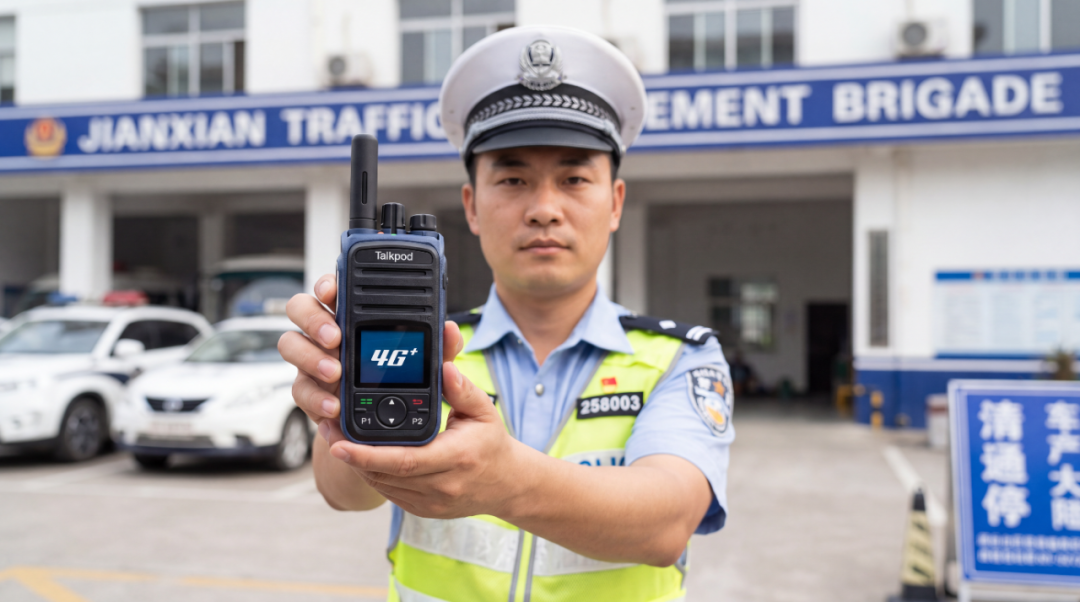
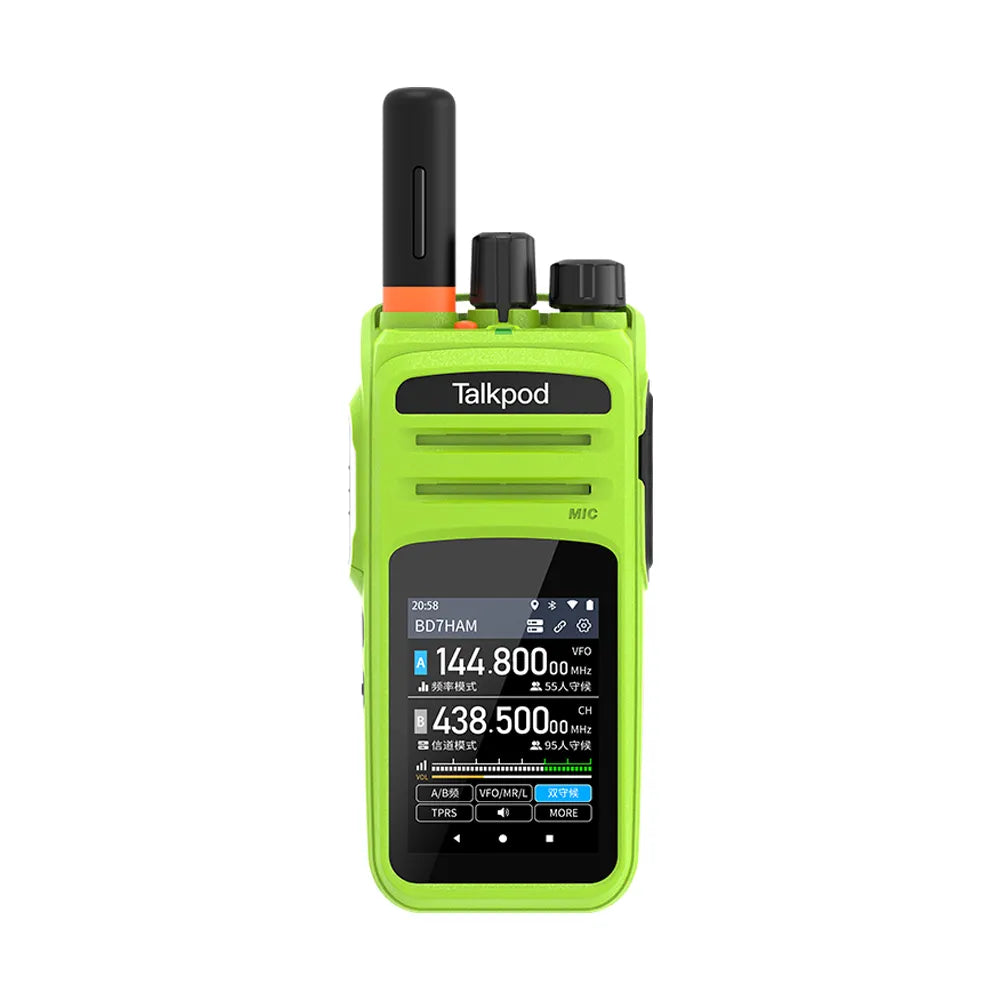
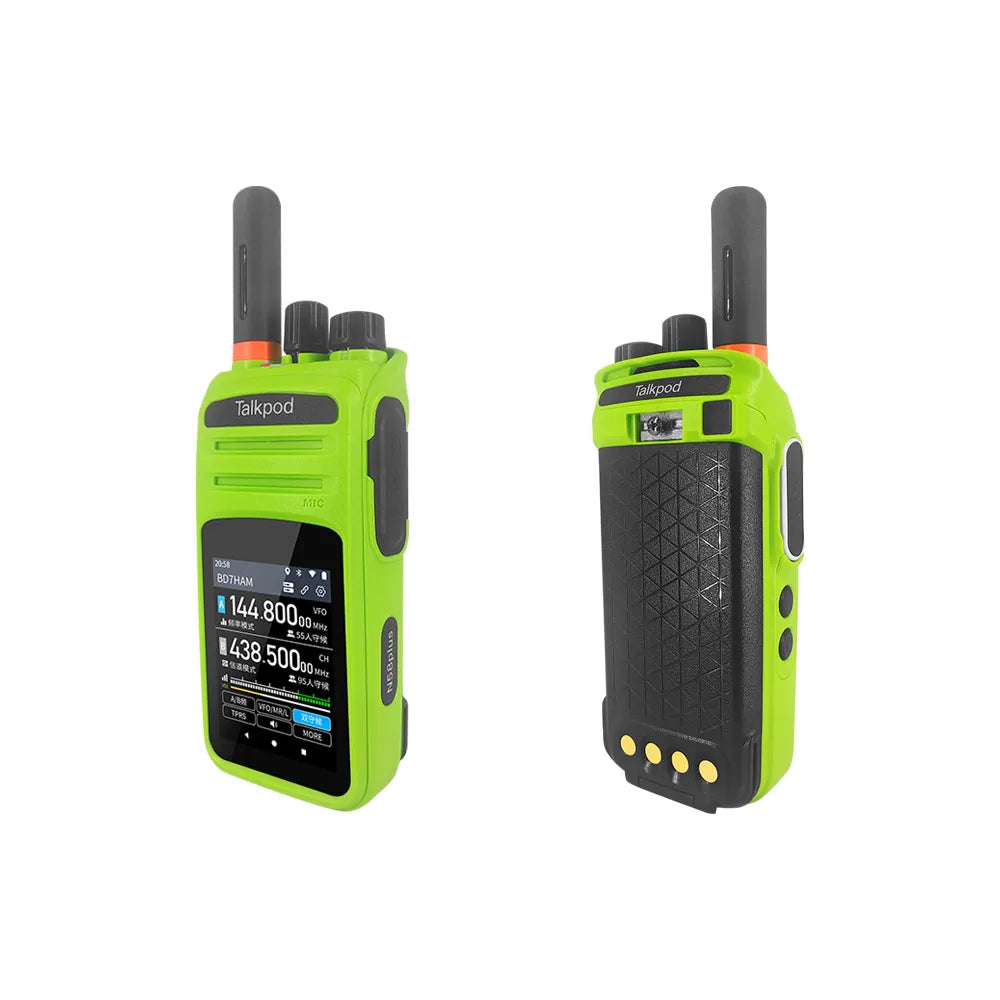
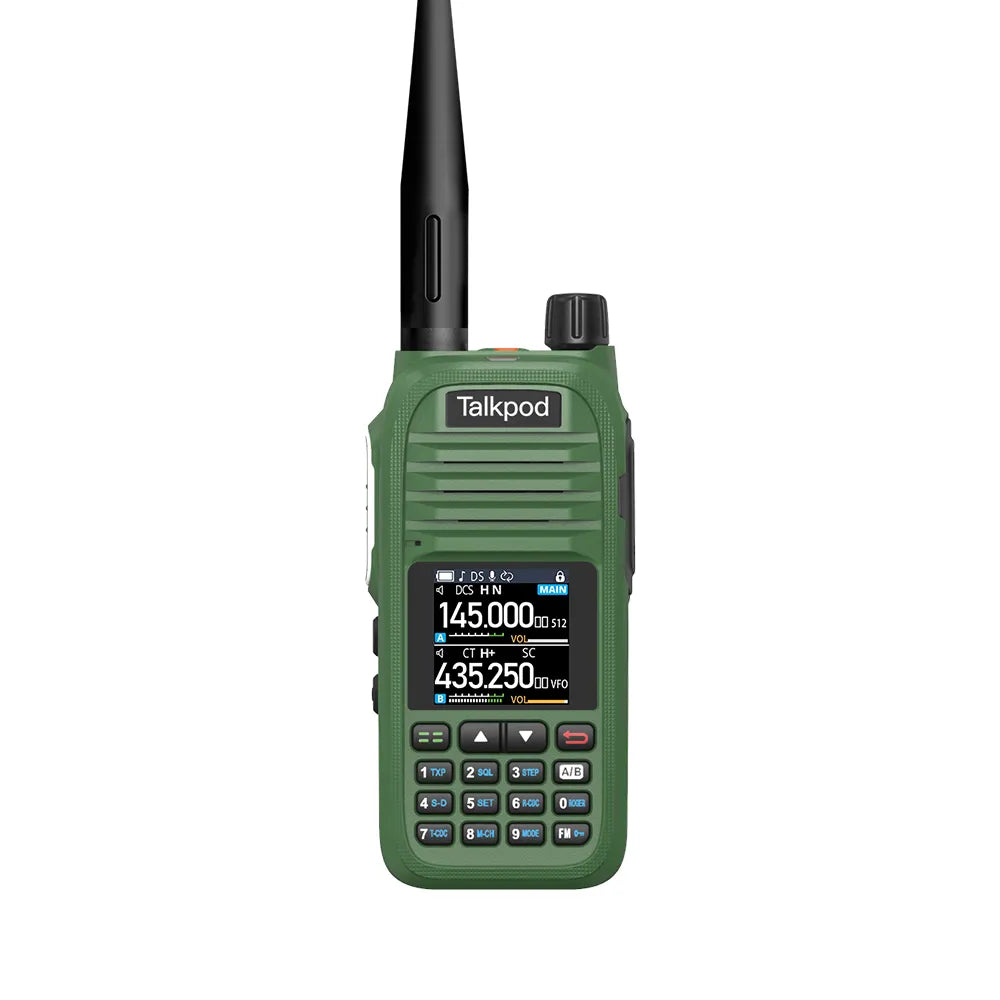
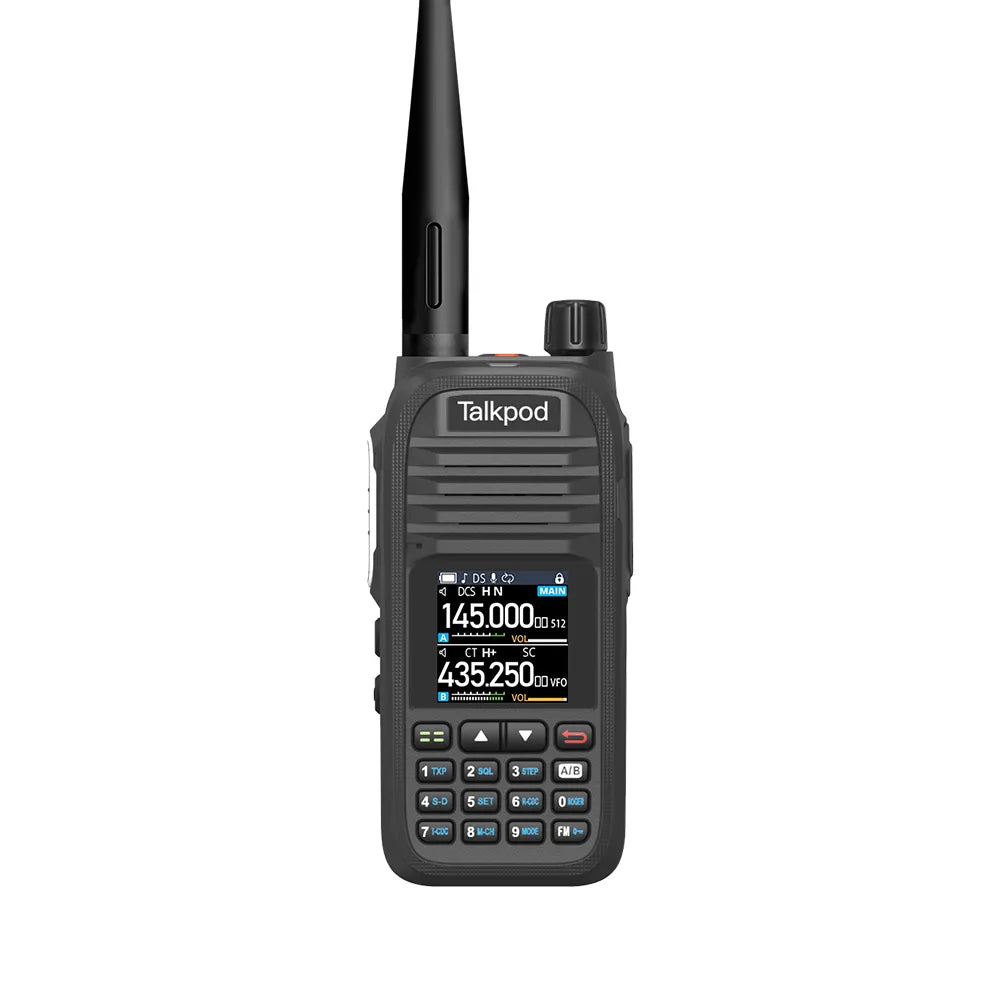
The Talkpod N56 public-network radio was introduced to give field personnel and coordinators a more immediate wide-area push-to-talk link wherever suitable mobile-network coverage is available.
One campaign, many locations
Traffic-safety outreach does not happen in one venue.
Urban plazas may attract large public events. Village teams work closer to local residents. Personnel visiting companies may focus on occupational road risks, while scenic-area activities can involve tourists and temporary increases in traffic.
These teams are part of the same programme but may be separated by considerable distance.
The N56 uses compatible public mobile networks to support wide-area push-to-talk communication. Authorized personnel working at different locations can remain within managed communication groups without relying on the direct radio range between handhelds.
This allows coordinators to update several teams more quickly when schedules, staffing or operating conditions change.
The benefit is not simply longer-range conversation. It is the ability to manage geographically dispersed activities through a common communication structure.
Keeping field staff connected while speaking with the public
A traffic-safety educator may spend much of the day interacting directly with residents.
Leaving a village event or company visit simply to make several coordination calls interrupts that work.
With the N56, field personnel can pass short operational messages while remaining at the activity site.
They may request additional leaflets, ask another team to bring equipment or report that attendance is higher than expected. Coordinators can then contact the appropriate personnel without requiring the staff member to leave the public-facing task.
For a campaign involving many small events, reducing these interruptions can make the overall operation more efficient.
The public sees the presentation.
The radio helps organize everything happening behind it.
Turning publicity teams into a temporary coordination network
Public education and traffic management can overlap unexpectedly.
A large event may attract enough people to affect pedestrian or vehicle movement. A roadside activity may encounter temporary congestion. Staff working in a scenic area may need assistance directing visitors during a peak period.
When that happens, a publicity team may need to communicate with nearby colleagues or the command side quickly.
The N56 allows personnel to report changing conditions through the relevant communication group and request additional support.
Supervisors can then coordinate resources according to established traffic-management procedures.
The radio itself does not decide that a road should be controlled or that personnel should be redeployed. It simply helps the field observation reach the people responsible for making that decision sooner.
Organizing communication with predefined groups
A county-wide campaign can involve many users, but not everyone needs to hear every message.
The N56 can be configured with predefined communication groups based on location, activity or responsibility.
An urban publicity team can handle routine communication within its own group. Rural personnel can use another. Supervisors can retain access to broader groups when several locations need to coordinate.
This reduces unnecessary radio traffic and makes it easier for staff to identify messages that require their attention.
Groups can also be adjusted as activities move from one location to another.
The useful principle is straightforward: communication should follow the organization of the work.
A backend platform for wider-area coordination
The N56 can operate with a remote management and dispatch platform, allowing authorized administrators to manage users, groups and related communication functions.
For Ji’an County, this provides a more structured approach than relying on a collection of individual telephone conversations.
Coordinators can organise personnel around current activities and make adjustments when locations or staffing requirements change.
This becomes particularly useful when several campaigns are taking place at once.
The platform does not replace event planning or field supervision. It gives the people responsible for those tasks a clearer way to communicate with the teams carrying them out.
Clearer voice in busy public spaces
Traffic-safety activities often take place in noisy environments.
Urban squares, roadside locations, markets and scenic areas can contain traffic noise, crowds and public-address systems.
The N56 uses digital voice processing and a high-output speaker intended to make short operational messages easier to understand in such settings.
This can help personnel hear requests for materials, staffing updates or changes in event arrangements without repeatedly checking a phone.
As with any radio, audio quality will still depend on network conditions, environmental noise and the way the device is being used.
Important traffic-control instructions should therefore be confirmed according to established procedures rather than assumed to have been understood correctly after a single call.
Public networks expand reach, but not everywhere
A public-network radio is particularly useful for activities spread across a county because communication is not limited to the direct range between two handhelds.
That advantage depends on cellular infrastructure.
Urban areas may provide strong coverage, while remote villages, mountainous scenic routes or other sparsely populated locations can have weaker service.
The N56 cannot create coverage where the mobile network is unavailable.
Before major activities, organisers should therefore test the actual event locations and travel routes used by field teams.
Where coverage is unreliable, alternative communication methods should remain available.
For traffic-management duties involving safety-critical operations, public-network radios should complement rather than replace dedicated operational communication systems required by the organisation.
Simple controls for personnel focused on outreach
During a public event, the radio should not become the centre of attention.
Staff may already be holding leaflets, demonstration materials or speaking directly with residents. Communication needs to remain quick and unobtrusive.
The N56 uses straightforward push-to-talk operation and accessible physical controls, reducing the steps required for routine communication.
This also makes deployment easier when personnel who do not spend every day using a radio participate in temporary outreach programmes.
A short period of training can focus on practical questions: which group to use, how to request supplies, who should receive an incident report and what to do if network service becomes unavailable.
The simpler that procedure is, the easier it becomes to keep attention on the public rather than the equipment.
Supporting more consistent traffic-safety outreach
After deployment, the Ji’an County traffic-management team gained another way to coordinate personnel working across different publicity locations.
Field staff could report changes without leaving the activity site. Material requests and staffing adjustments could be passed more quickly, while broader groups gave supervisors a way to coordinate several locations when necessary.
The N56 does not teach traffic safety, manage a crowd or resolve a road incident.
Its role is quieter.
It helps the people carrying out those activities remain connected while they are spread across the county.
For public outreach, that matters because the quality of a campaign depends not only on what is said to the public.
It also depends on how well the people delivering that message work together.


Leave a comment
All comments are moderated before being published.
This site is protected by hCaptcha and the hCaptcha Privacy Policy and Terms of Service apply.