

Coal-tar processing is a continuous industrial operation built around heat, pressure and combustible materials.
Workers may be distributed across distillation units, storage tanks, transfer pipelines and product-handling areas, while supervisors need to coordinate several production stages at the same time. Some of these locations may also be classified as hazardous because flammable vapors can be released or accumulate under abnormal conditions.
In such an environment, a handheld radio cannot be selected simply because it is loud or rugged.
It must also be suitable for the hazardous area in which it will be used.
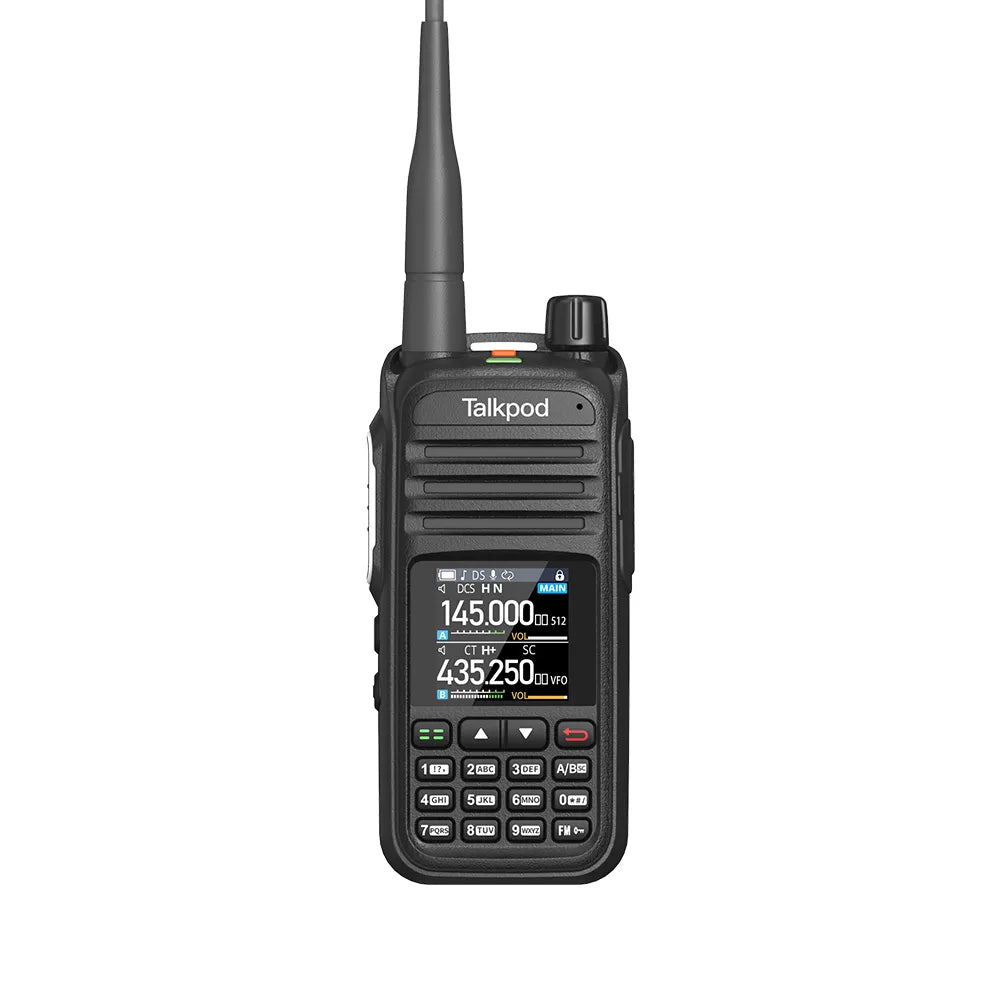
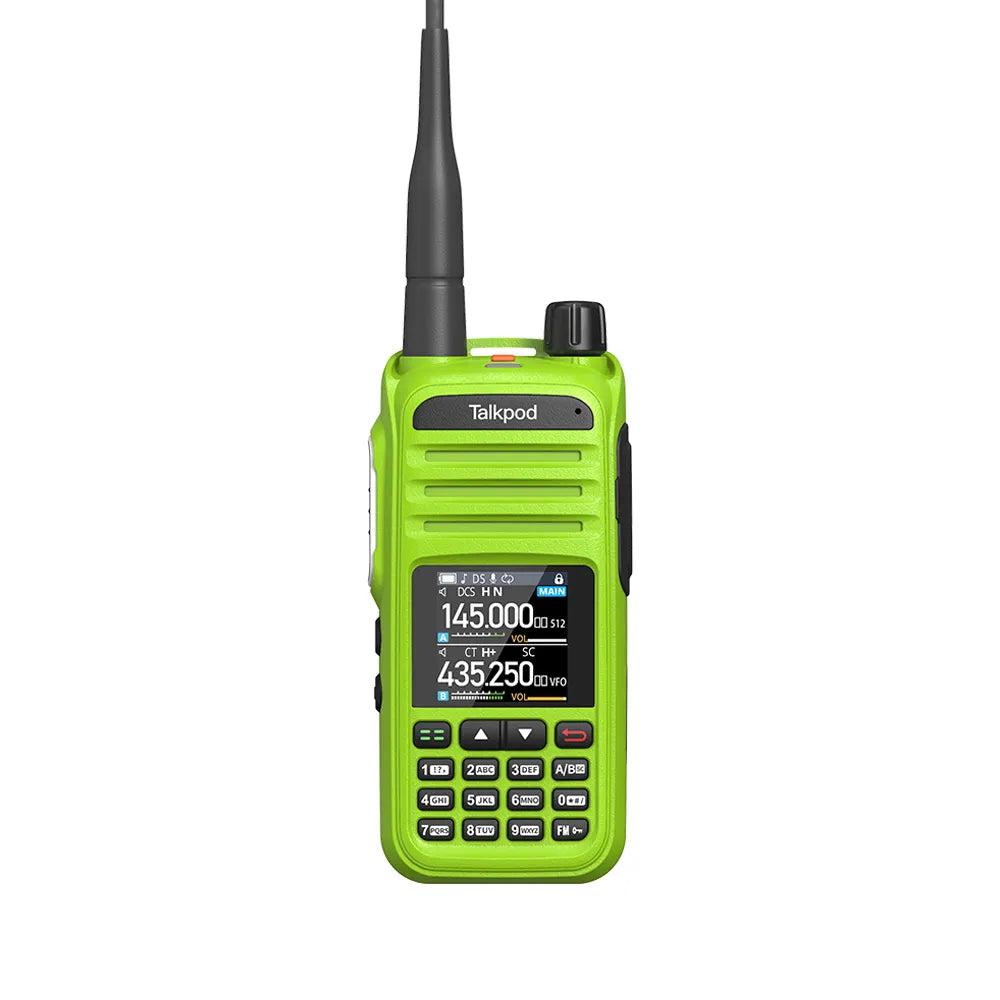
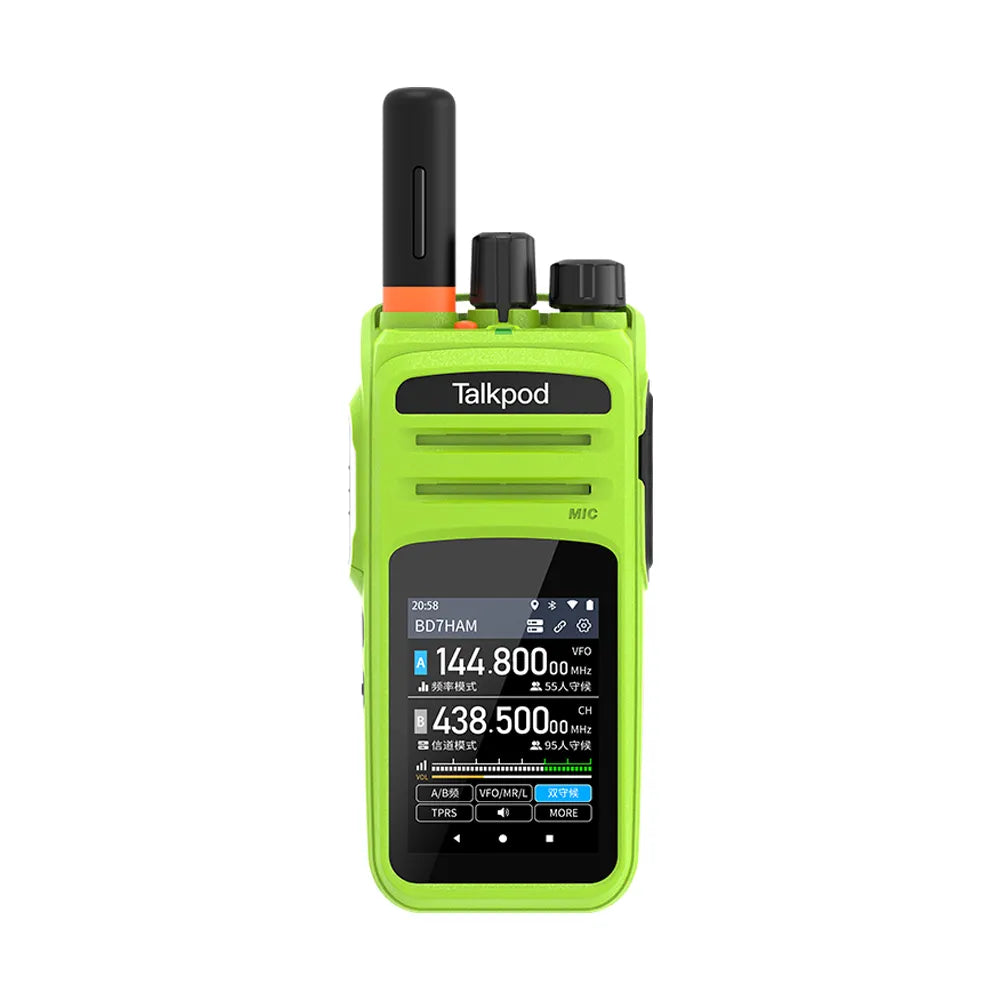
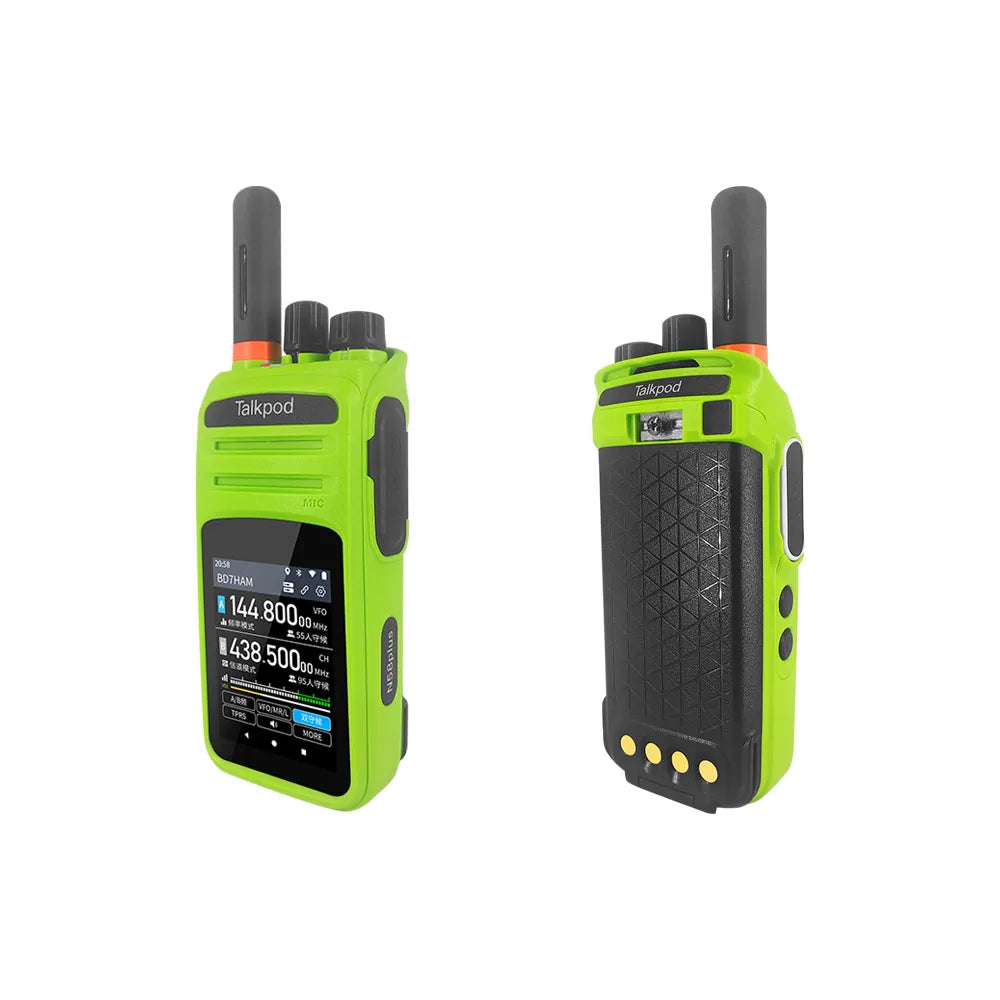
The Talkpod D50Ex explosion-protected digital radio is designed for communication in demanding industrial environments, combining digital voice, multiple calling modes, programmable controls and extended operating time for continuous-process operations.
Hazardous-area compliance comes before convenience
Distillation and tank-storage areas can contain some of the highest-risk locations within a coal-tar processing facility.
Hot equipment, volatile hydrocarbons and potential leaks mean that the exact hazardous-area classification matters.
Before deployment, operators should verify the D50Ex certification marking against the requirements of each intended location, including the applicable zone, gas group, temperature class and ambient operating range.
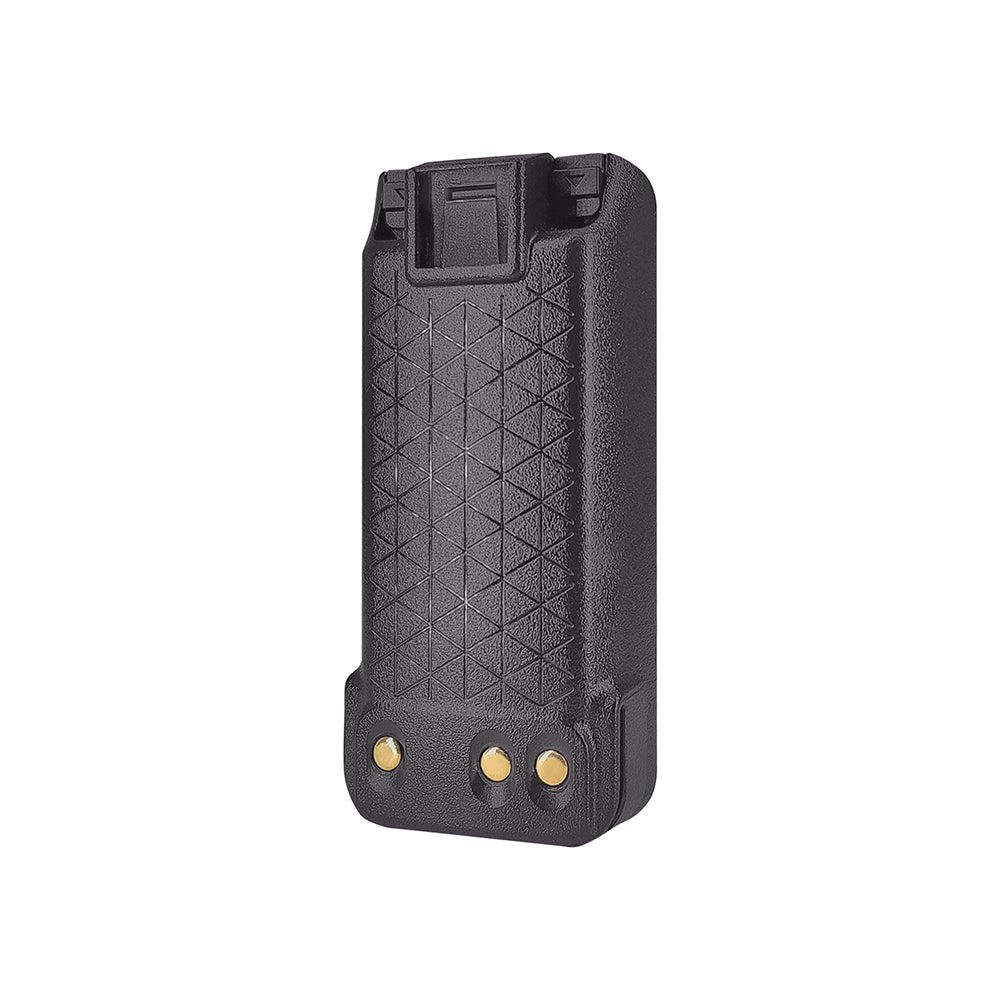
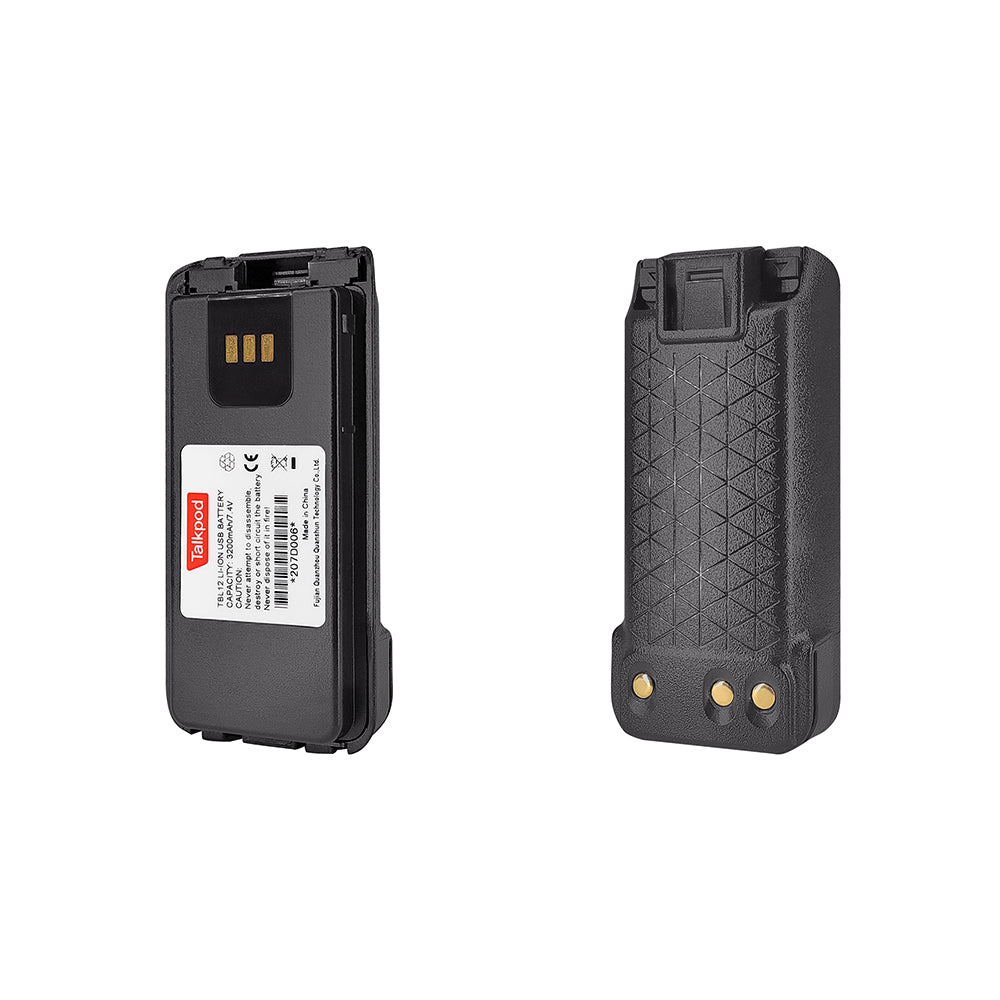
Only approved batteries and accessories should be used. Charging, maintenance and battery replacement should follow both the manufacturer's instructions and the plant's hazardous-area procedures.
An explosion-protected radio does not remove the danger created by a flammable atmosphere.
Its purpose is to avoid introducing an unacceptable ignition risk when it is used within the conditions defined by its certification.
Supporting 24-hour continuous production
Coal-tar processing plants normally operate continuously rather than starting and stopping with each shift.
Operators, maintenance personnel and safety staff may work in rotating teams throughout the day and night, making radio availability part of normal shift preparation.
The D50Ex is designed for extended operating time, helping reduce unnecessary charging interruptions during routine work.
Actual battery endurance, however, depends on transmission frequency, battery condition, temperature and usage pattern.
Rather than assuming one charge will cover several undefined shifts, a more reliable approach is to manage radios as a fleet: check battery status before work begins, maintain approved spare equipment where appropriate and establish a charging schedule in permitted locations.
This makes battery readiness a controlled operating procedure instead of something discovered only when a radio runs low during a shift.
Clearer communication around industrial equipment
A coal-tar processing area is not an easy radio environment.
Steel towers, vessels, piping and structural frames can obstruct or reflect radio signals. Motors, variable-frequency drives and other electrical equipment can also contribute to a complicated electromagnetic environment.
The D50Ex uses a dedicated antenna and digital radio architecture intended to support communication in industrial settings.
That can help personnel maintain clearer contact between process areas, but it should not be treated as a guarantee against all signal loss or interference.
Radio performance should be tested around the actual plant layout, particularly near large tanks, steel structures, enclosed process areas and equipment rooms.
If weak locations are identified, the communication plan should account for them rather than assuming that one handheld radio can overcome every obstruction.
Faster reporting when a process abnormality appears
A small leak or pressure abnormality can quickly become an operational priority.
A field worker may be the first person to notice a change in equipment condition, an unusual odor, visible leakage or another sign that requires investigation.
With a handheld radio, that information can be reported immediately to the relevant team without requiring the worker to leave the area simply to find a telephone or supervisor.
Digital voice and strong speaker output can help make short messages easier to understand around pumps, motors and other operating equipment.
The radio, however, does not replace gas detection, process instrumentation or alarm systems.
Pressure, temperature, gas concentration and other process parameters should continue to come from the plant's approved instrumentation, DCS, SIS and monitoring systems.
The radio carries the human report.
It does not measure the hazard.
Organizing several production stages
Coal-tar processing may involve raw-material preparation, distillation, refining, transfer and finished-product storage.
These operations are connected, but the people working in them do not need to hear every conversation in the plant.
The D50Ex supports group calls, individual calls and all-call communication, allowing radio traffic to be organized according to operational responsibility.
Programmable side keys can also be assigned to frequently used functions, helping workers reach the appropriate team with fewer steps.
For frontline personnel wearing gloves or other personal protective equipment, simple controls matter.
A radio system should reduce the effort required to communicate, not create another complicated task during production.
Defined work groups can therefore help keep routine communication focused while still allowing supervisors to coordinate several sections when a process issue affects more than one area.
Emergency communication must fit the plant response plan
If a material leak, pressure excursion or other abnormal condition develops, rapid communication can help personnel share the location and coordinate the first response.
The D50Ex can provide a local voice channel for these activities.
But emergency response in a chemical-processing facility should never depend on a handheld radio alone.
Fixed alarms, gas detection, emergency shutdown systems, fire protection, plant-wide announcement systems, evacuation procedures and the site's formal emergency command structure all retain their own roles.
Radio instructions should fit within those procedures.
If personnel are required to leave an area, isolate equipment or move to an assembly point, the radio supports that coordination—it does not replace the plant's established emergency systems or process-safety controls.
Communication equipment also needs inspection
Industrial environments gradually wear down portable equipment.
Impact, contamination, chemical exposure and repeated handling can affect housings, seals, accessories and batteries.
For equipment used in hazardous areas, physical condition matters because damage may affect the protection on which the certification depends.
Radios should therefore be inspected as part of normal equipment-management routines.
If a D50Ex suffers significant impact, enclosure damage, liquid ingress or deterioration that could affect its protection, it should be removed from hazardous-area service until its condition has been assessed.
Chemical resistance should likewise be based on documented material and test information rather than assumed from general industrial ruggedness.
A communication layer within process safety
The Talkpod D50Ex is most useful in coal-tar processing when it is treated as one part of a broader plant safety and operating system.
Its explosion-protected design can support communication in appropriately classified areas, while digital voice, structured calling modes, programmable controls and extended operating time help production and maintenance teams coordinate their work.
Its role is not to guarantee uninterrupted communication or eliminate hazardous-process risk.
It is to give workers a practical communication tool that can fit into the plant's existing safety procedures, helping the right people exchange information more quickly when routine production—or an abnormal condition—requires them to act together.



Leave a comment
All comments are moderated before being published.
This site is protected by hCaptcha and the hCaptcha Privacy Policy and Terms of Service apply.