

Long-distance judicial transport creates a communication problem that conventional handheld radios were never designed to solve.
A vehicle convoy may travel across several cities or provinces, while personnel in the vehicles need to remain in contact with an operations center hundreds of kilometers away. The route can pass through urban areas, highways, remote counties and tunnels, each with different communication conditions.
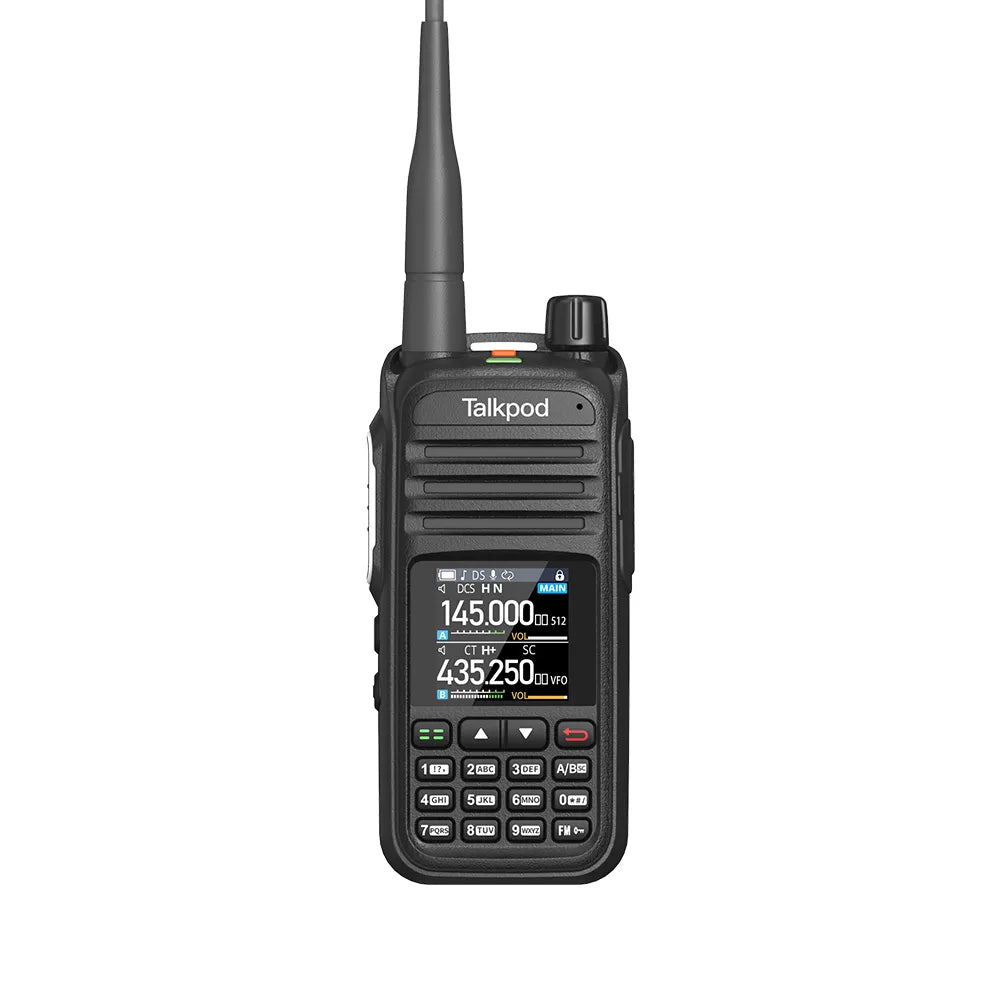
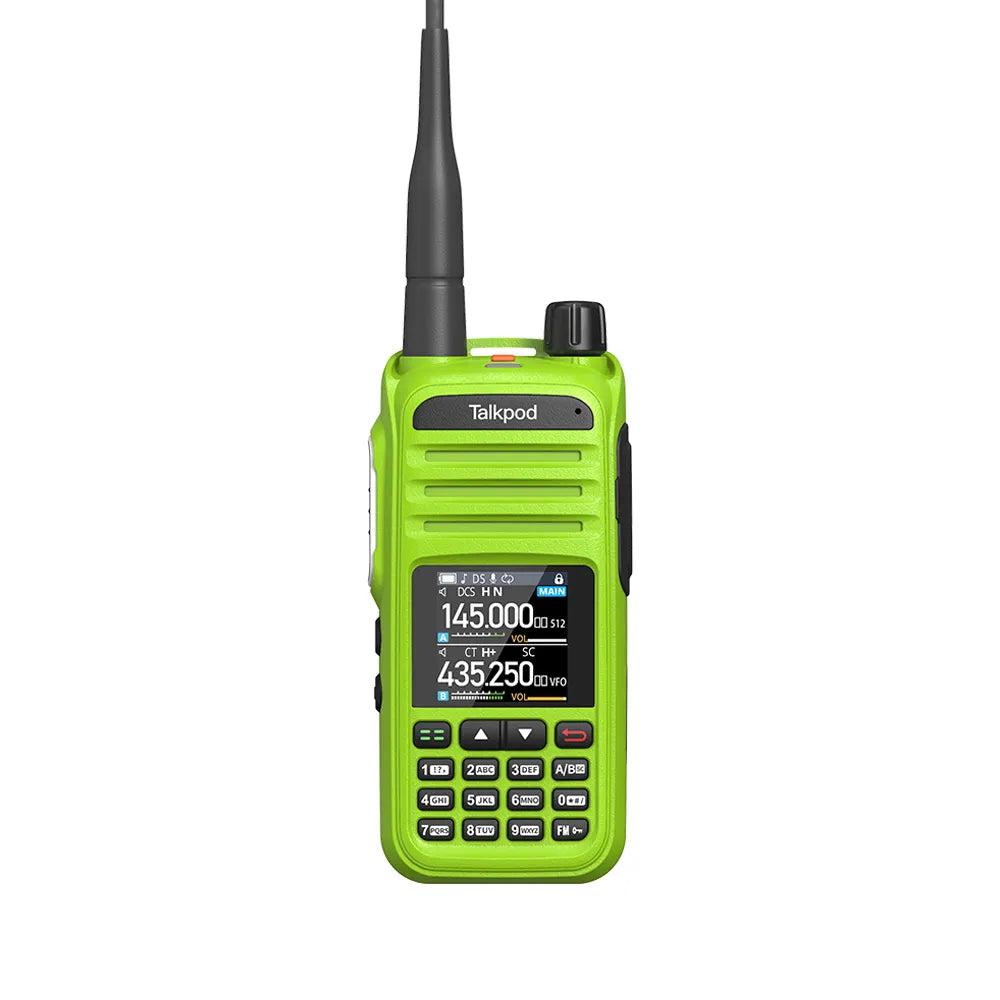
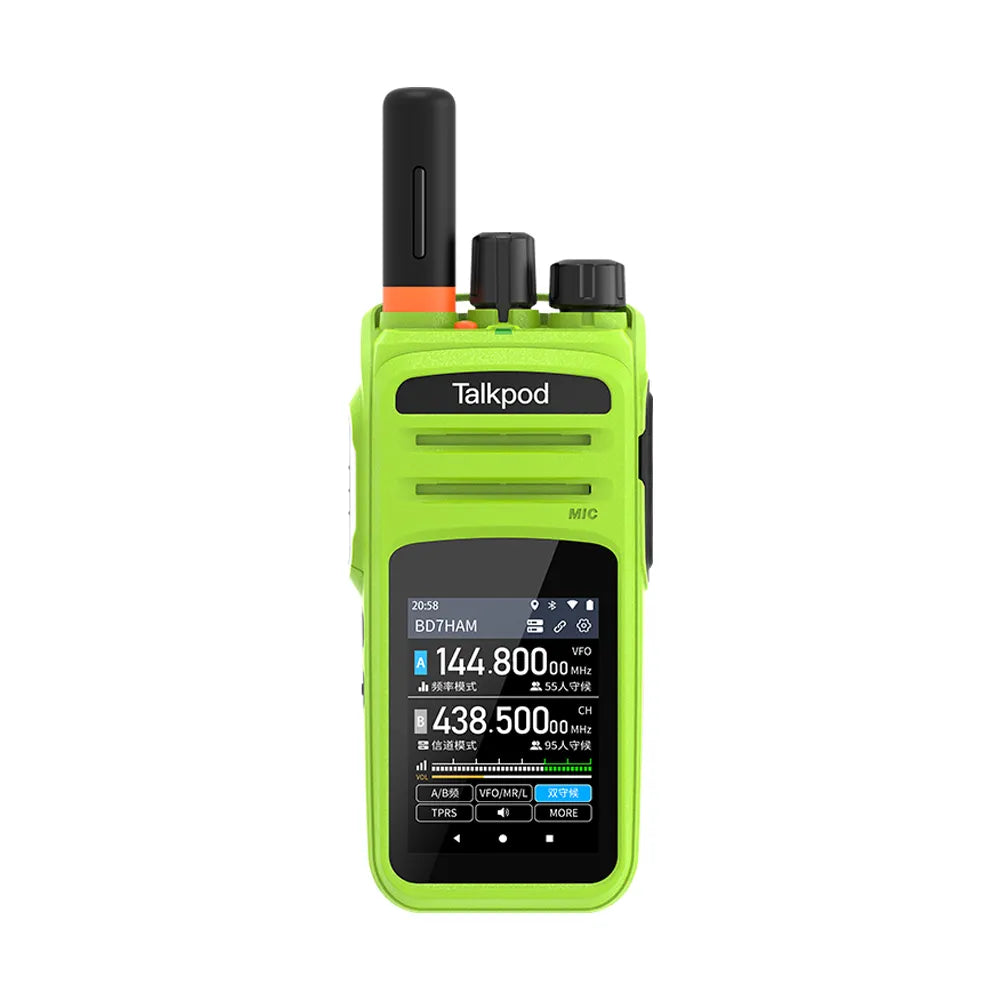
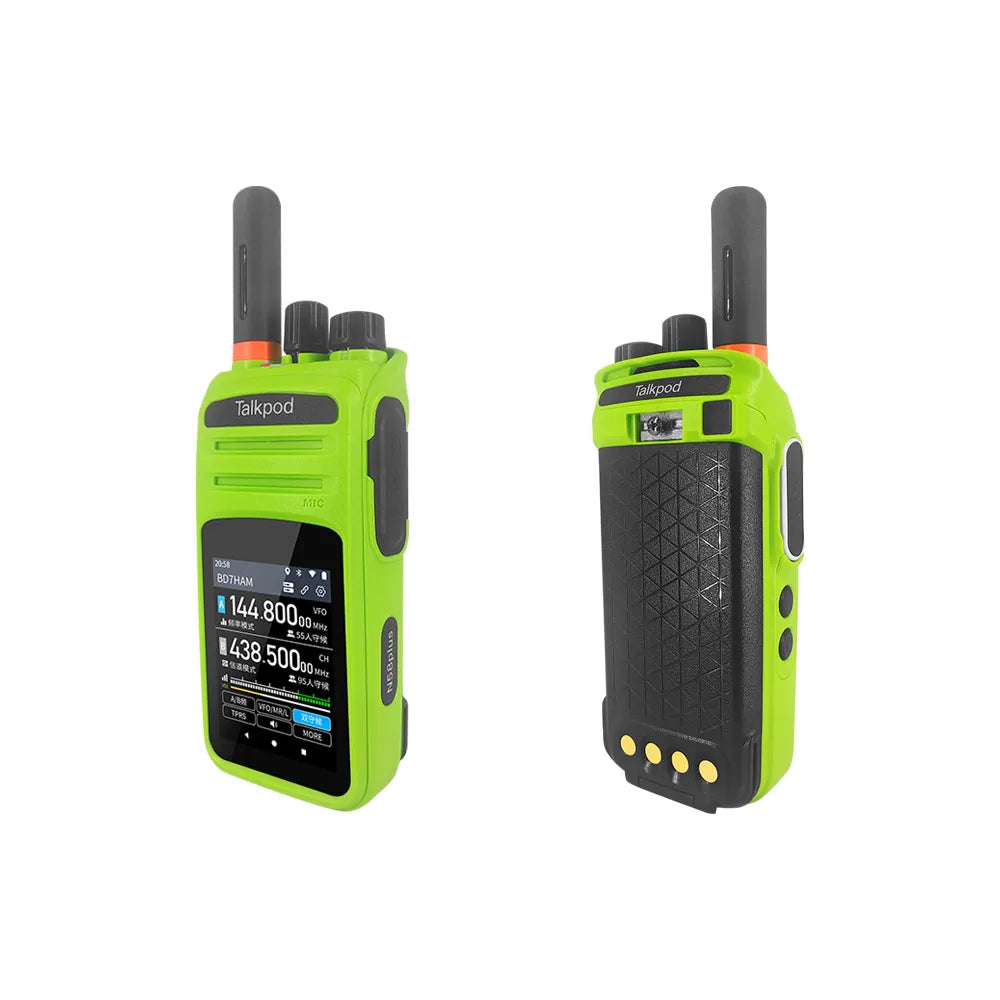
For this type of dispersed operation, the Talkpod N37 public-network trunked radio provides a wide-area push-to-talk layer using compatible public mobile networks.
Combined with GPS positioning, route-history playback and backend dispatch functions, it can give authorized personnel additional information about equipped field units while allowing teams separated by long distances to remain within the same managed communication environment.
Public-network communication changes the distance problem
A conventional handheld radio normally depends on direct radio coverage or dedicated local infrastructure.
That works well when users remain within the same operating area.
Judicial transport is different.
Once a convoy moves beyond the local radio system, maintaining communication with a fixed command location becomes considerably more difficult.
The N37 uses public mobile data networks to carry push-to-talk traffic rather than relying entirely on direct radio range.
Where compatible network coverage is available, personnel traveling in another city or province can remain connected to the same communication platform.
This makes wide-area coordination possible without requiring every vehicle to remain within a few kilometers of the command center.
The benefit is significant—but it is not literally unlimited communication.
Mobile-network coverage still has gaps
A public-network radio works only where the underlying network is available.
Highways, rural areas, mountainous routes, underground sections and tunnels can all produce weak or interrupted mobile service.
For that reason, a judicial transport team should not assume that a public-network radio will remain connected at every point of a long route.
Actual routes should be evaluated in advance where practical, and suitable alternative communication arrangements should remain available for areas where network service cannot be relied upon.
For security-sensitive operations, the N37 is best treated as an additional coordination layer rather than the sole communications system supporting the mission.
Communication resilience comes from having more than one option—not from assuming one network will never fail.
GPS positioning can provide additional route awareness
The N37 supports GPS positioning on appropriately configured versions.
Location data can be uploaded to the dispatch platform, allowing authorized personnel to view the approximate location of equipped radios.
During a long-distance transport task, that can provide useful context.
A command center can see where an equipped field unit is located, compare that information with the expected operating area and better understand where assistance may be required if a problem is reported.
Route-history playback can also allow authorized administrators to review previously recorded device positions where the platform has stored that data.
But GPS should not be described as providing complete real-time control of the convoy.
It is locating the radio.
If the radio is separated from the vehicle or user, the position shown by the platform no longer represents that person or vehicle independently.
Satellite visibility, urban structures and other environmental factors can also affect positioning performance.
Route history is an operational record, not automatically legal evidence
Historical location data can help supervisors review how an operation developed.
For example, it may assist with checking when an equipped device passed through a particular area or understanding the sequence of movements around an operational event.
That does not mean the platform's location history automatically becomes a legally authoritative record.
If such information is expected to support formal judicial review, the responsible organization should define how data is generated, stored, protected, retained and accessed.
Audit logs, time synchronization, account permissions and data integrity all become relevant.
A map on a dispatch platform is useful operationally.
Legal evidentiary status depends on the wider information-management process.
Protected communication needs more than an encryption claim
The source describes the N37 as using an encrypted communication mechanism intended to protect voice traffic.
For judicial transport, that is an important requirement because operational conversations may include sensitive information.
But claims such as “impossible to intercept” or “zero risk of information leakage” should be avoided.
Communication security depends on the complete system architecture: encryption implementation, key management, server configuration, account authentication, network security and administrator controls.
Device loss or compromised credentials can create risks even when the voice transport itself is protected.
For that reason, sensitive information should be limited to what personnel actually need for coordination.
Detailed personal information, custody records, route documentation and other protected material should remain in the organization's approved judicial or case-management systems whenever possible.
The radio should carry the operational message—not become the repository for the entire case.
Dispatch platforms can organize dispersed teams
Wide-area communication becomes more useful when the devices are centrally managed.
The N37 platform allows authorized administrators to organize users and groups around the operation rather than treating each radio independently.
Personnel in different vehicles or support roles can be placed into the appropriate communication groups, while supervisors can maintain access to the groups required for overall coordination.
This helps reduce unnecessary traffic.
Not every user needs to hear every operational conversation.
For a security-sensitive deployment, group membership and account permissions should also be reviewed before and after the task.
Temporary personnel should receive only the access required for their role, and unused accounts should not remain active simply because the physical radio has been returned.
Battery endurance matters during long transport tasks
Cross-regional judicial transport can last for many hours.
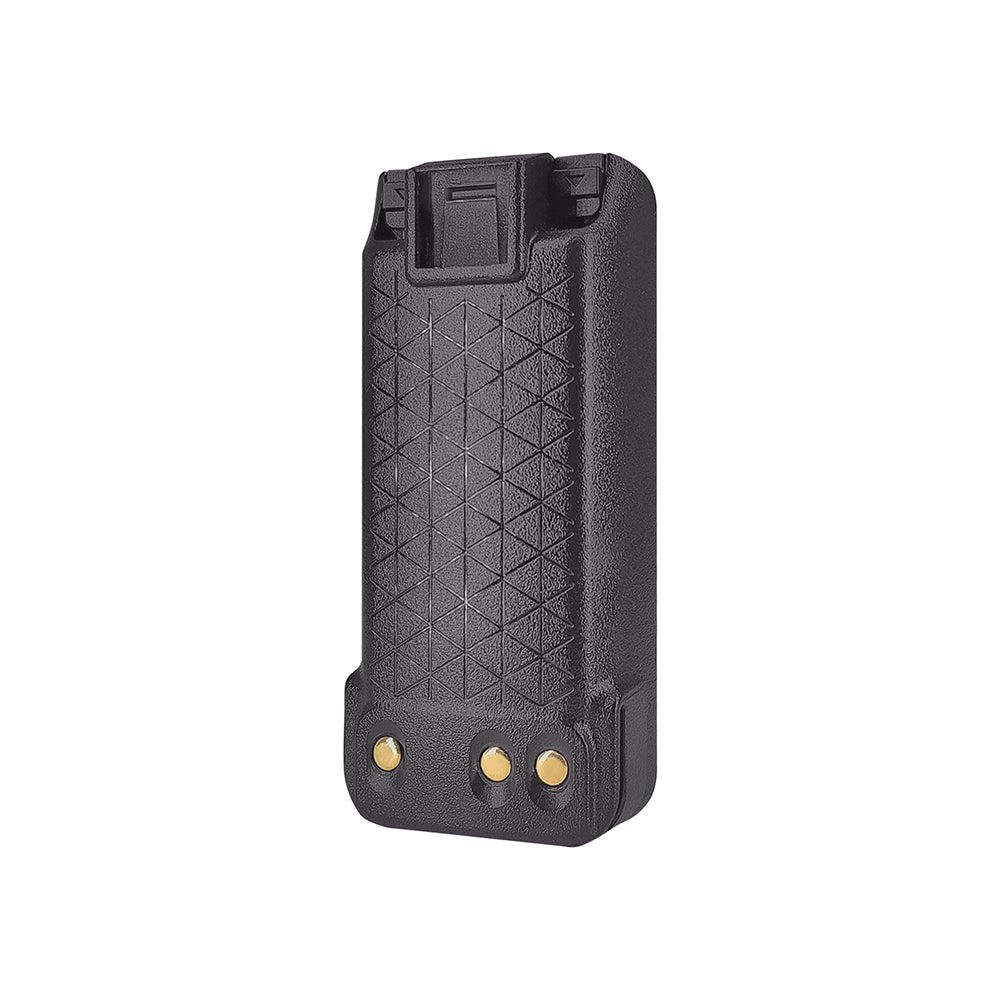
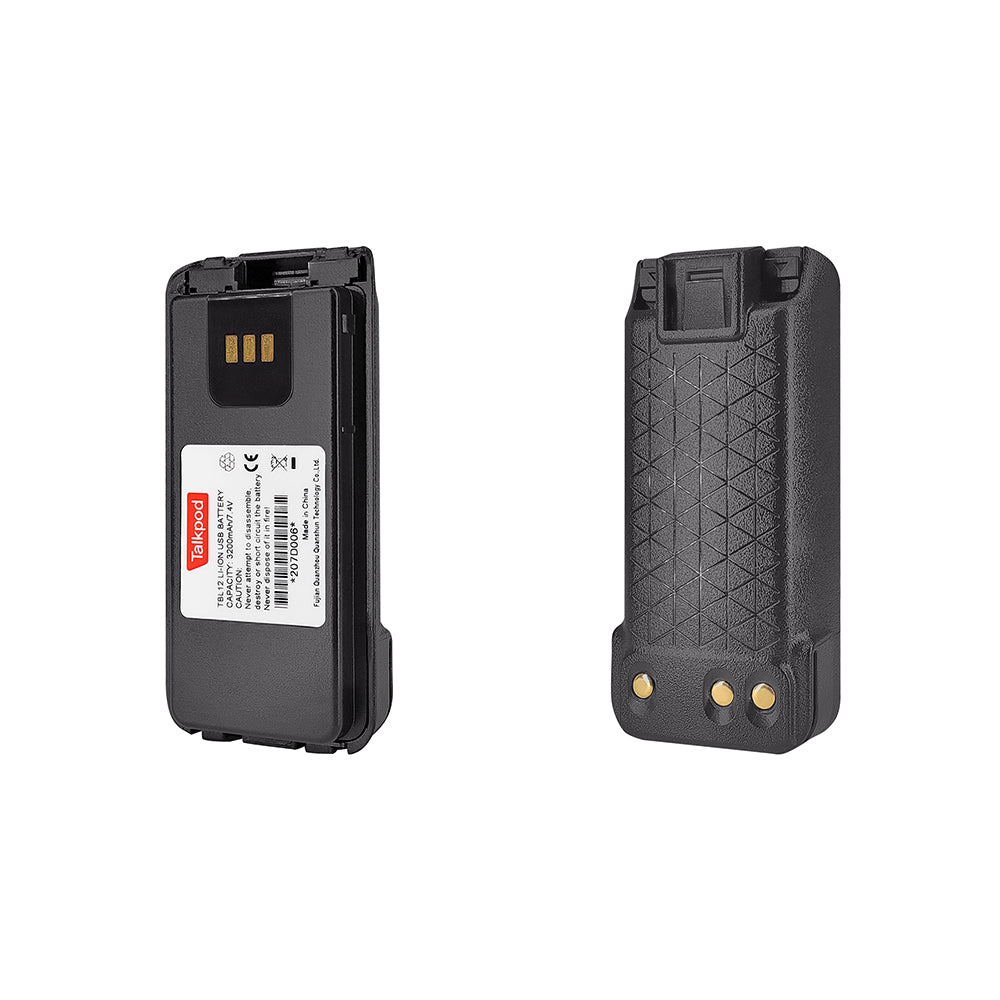
The source specifies a 3.7 V, 3000 mAh battery for the N37 and states operating time of up to approximately 12 hours under the referenced conditions.
That can support many long-duration tasks without requiring frequent charging.
Actual endurance will still depend on transmit time, network conditions, screen use, positioning functions, temperature and battery condition.
For longer operations, the N37 also supports USB Type-C charging, allowing suitable vehicle power sources to be used when permitted by operational procedures.
It is better to treat charging as part of mission preparation than as an emergency afterthought.
Radios should begin the task fully charged, battery condition should be checked and backup power or spare equipment should be planned for operations that may exceed the expected duration.
IP54 supports field use within defined limits
The source specifies an IP54 rating for the N37 and references environmental reliability testing associated with MIL-STD procedures.
IP54 provides defined protection against limited dust ingress and splashing water.
It does not mean the radio is waterproof or suitable for immersion.
Likewise, environmental testing should be interpreted according to the specific tests actually performed rather than as proof that the device is immune to every kind of shock, weather or vehicle-use condition.
For a mobile judicial team, durability is useful.
But basic equipment care, inspection and fleet maintenance remain necessary.
Communication should support custody procedures, not replace them
A radio can help personnel report delays, vehicle issues or requests for support.
It does not determine custody status, authorize route changes or replace the formal procedures governing a judicial transport operation.
Those decisions remain with the authorized personnel and systems designated by the responsible agency.
The same applies during an incident.
Push-to-talk communication may accelerate coordination, but it should operate within the organization's established command, reporting and emergency-response procedures.
For security-sensitive work, technology is most useful when it reinforces those procedures rather than creating a parallel one.
A wider communication layer for a moving operation
The Talkpod N37 addresses several practical challenges of long-distance judicial transport.
Public-network push-to-talk can keep geographically separated personnel within the same managed communication environment where mobile coverage exists. GPS and route-history functions can provide authorized dispatch personnel with additional location context. Backend groups and permissions help structure communication, while a 3000 mAh battery and Type-C charging support longer operating periods.
Those functions should not be described as providing perfect route coverage, absolute confidentiality or complete real-time control of a transport operation.
Their value is narrower and more credible.
The N37 gives dispersed personnel and the command side a common communication layer that can continue across distances far beyond a conventional handheld radio—while the actual security of the operation remains dependent on network resilience, information-security controls and the judicial procedures governing the task.



Leave a comment
All comments are moderated before being published.
This site is protected by hCaptcha and the hCaptcha Privacy Policy and Terms of Service apply.