

A chemical plant does not need a major emergency for communication to matter.
Routine production already depends on operators reporting material charging, equipment condition, maintenance requirements and process abnormalities between workshops. When those production areas are physically separated—and some contain flammable gases, vapors or dusts—the choice of communication equipment becomes more complicated.
At a new-materials manufacturer in Zibo, personnel work across several production areas with different operating conditions. Conventional communication can be slowed by distance, industrial structures and background noise, while electronic equipment used in classified hazardous locations must also meet the relevant explosion-protection requirements.
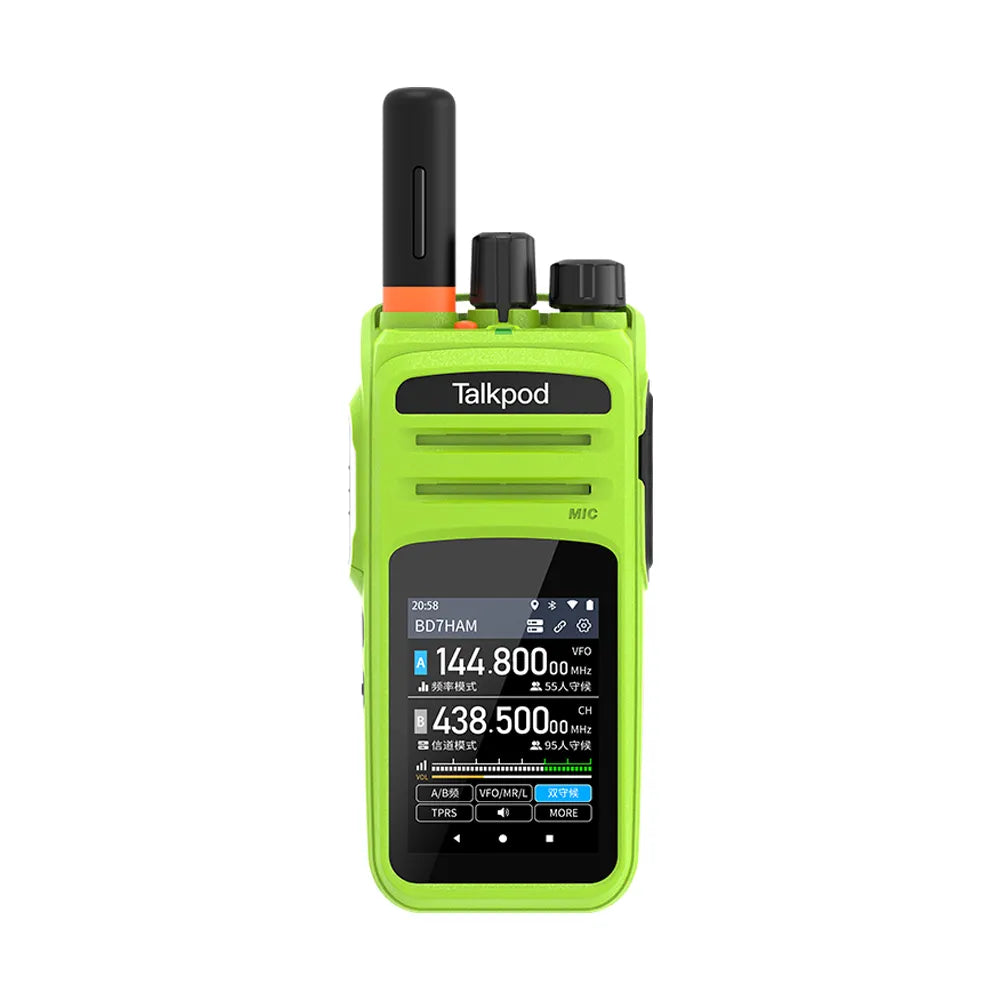
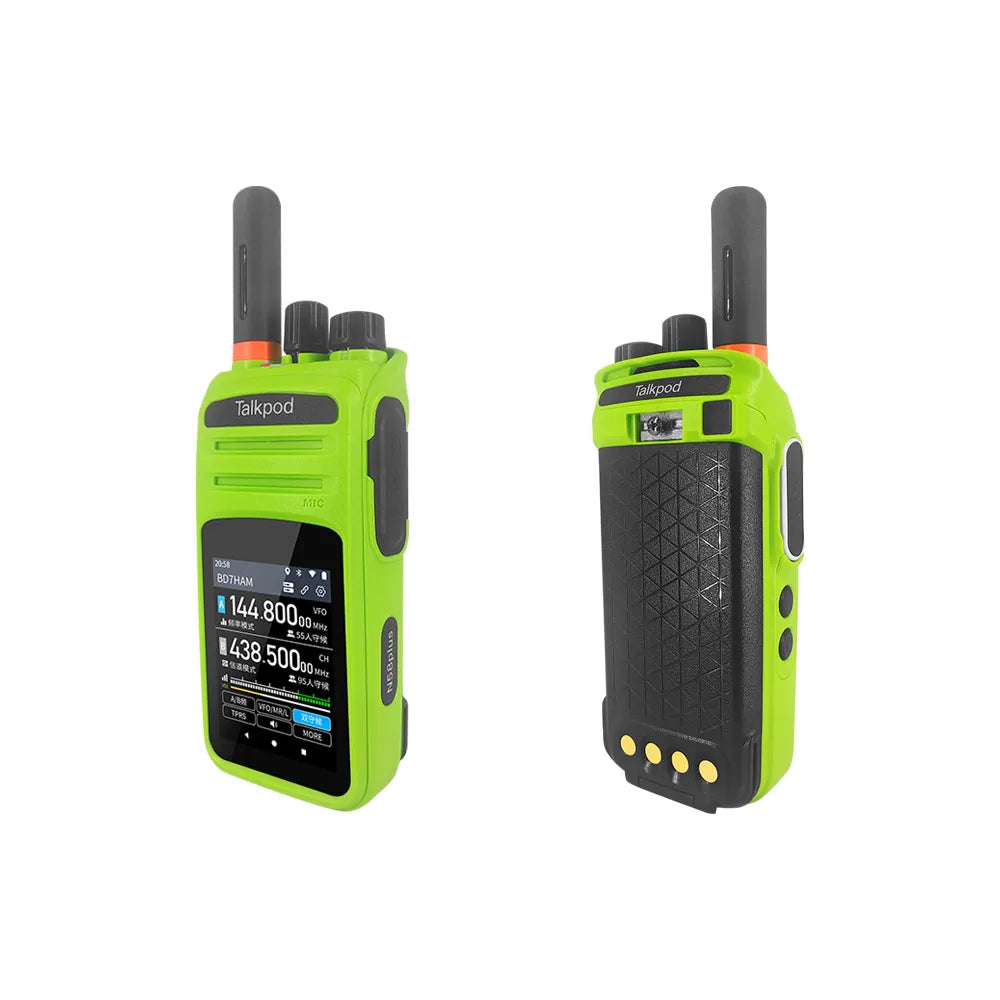
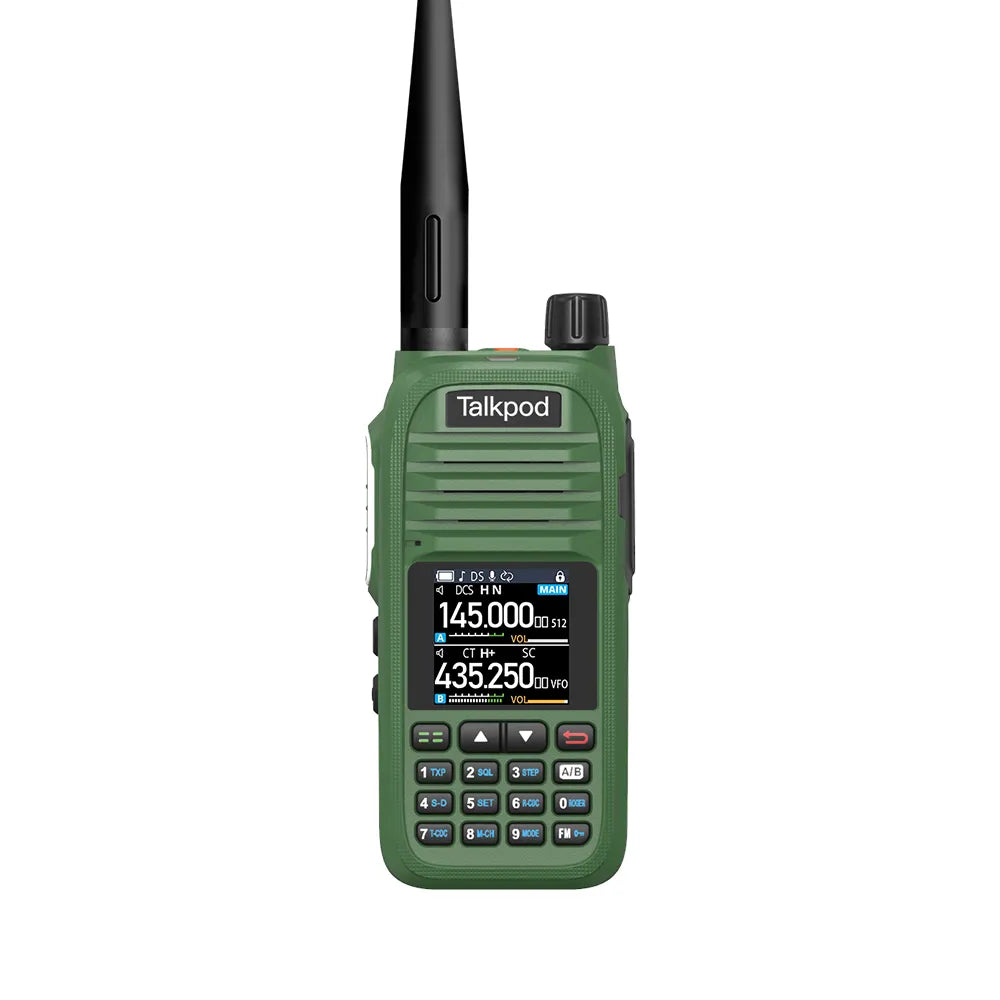
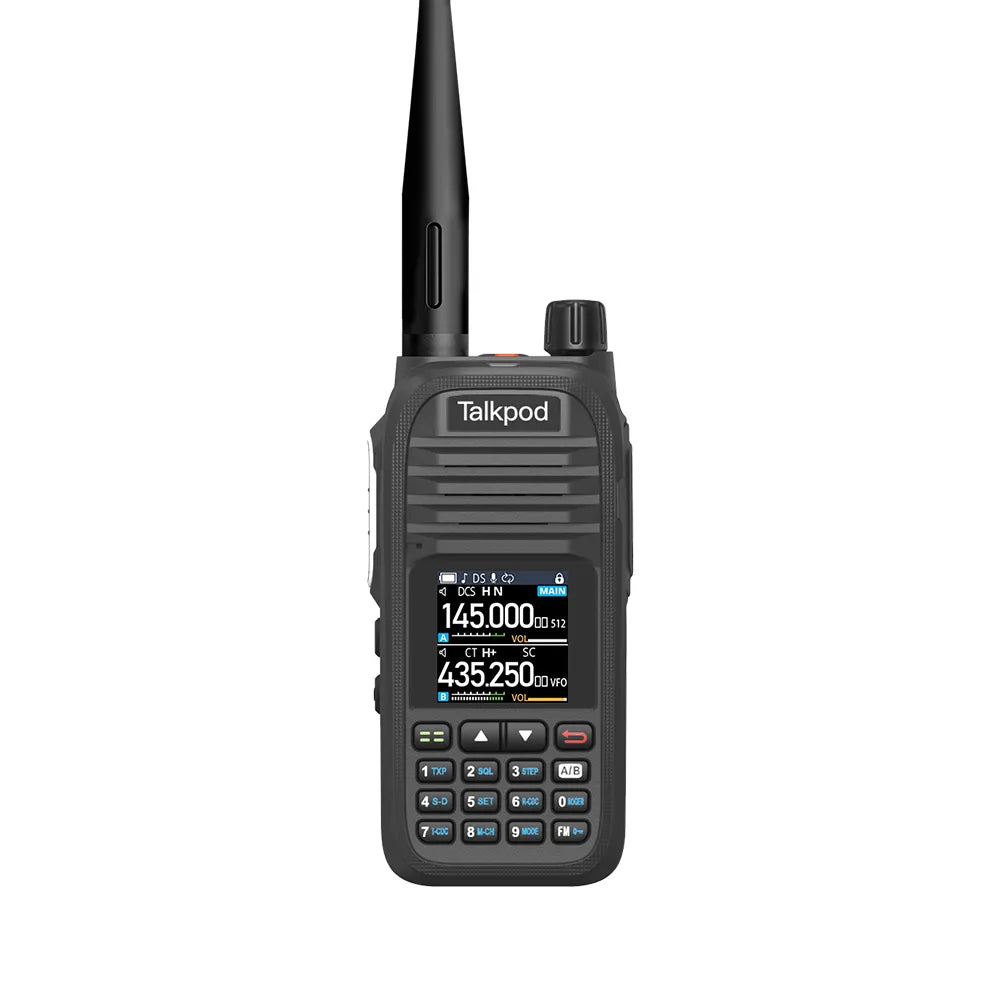
The Talkpod D50Ex explosion-protected digital radio provides a local communication option for these environments, combining digital and analog operating modes, programmable controls and industrial voice communication in a handheld device designed for demanding work sites.
Explosion protection begins with the work area
The most important specification for a radio in a chemical plant is not its transmit power or speaker volume.
It is whether the equipment is permitted in the location where the worker intends to use it.
Different production workshops may involve different chemicals and therefore different hazardous-area classifications. A radio approved for one gas group, temperature class or zone cannot automatically be assumed to be suitable everywhere in the facility.
The source states that the D50Ex complies with national explosion-protection requirements. Before deployment, the plant should still verify the exact certificate and product marking against the classification of each intended work area.
Only approved batteries and accessories should be used. Charging, maintenance and battery replacement should follow the manufacturer's instructions and the plant's hazardous-area procedures.
Explosion protection does not eliminate the presence of flammable material.
It is intended to prevent the radio from introducing an unacceptable ignition risk when it is operated within the conditions defined by its certification.
Connecting production teams without repeated trips to the control room
Chemical production generates a steady flow of small operational updates.
An operator may need to report that raw material has been charged, that a piece of equipment is behaving abnormally or that another team is required at a particular production line.
Without an effective local communication system, personnel may have to leave the work area, find a supervisor or return to a control room simply to pass that information.
The D50Ex gives frontline personnel a direct voice channel to the relevant team.
This can reduce unnecessary movement between workshops and shorten the first stage of the response when an abnormal condition is identified.
The radio carries the operator's observation.
It does not replace process instrumentation, DCS, SIS, gas detection or other systems responsible for measuring and controlling the chemical process.
Digital and analog operation can ease migration
One practical feature in the source is the D50Ex's ability to operate in both digital and analog modes.
For a plant that already has an installed radio fleet, this can make communication-system upgrades more manageable.
Existing analog channels may continue to serve part of the organization while newer digital communication is introduced to other teams.
Compatibility, however, depends on more than selecting “analog” or “digital.”
Frequency ranges, channel configuration, signaling and—in digital systems—protocol and system settings must also match.
The D50Ex should therefore be programmed and tested against the company's existing equipment rather than assumed to communicate with every legacy radio automatically.
Used correctly, dual-mode operation can provide a useful migration path without requiring an entire radio fleet to be replaced at once.
Industrial structures still affect radio coverage
Chemical plants contain difficult radio environments.
Steel vessels, production equipment, pipe racks, walls and separate workshops can all attenuate or reflect RF signals.
The source describes the D50Ex as using a dedicated antenna intended to improve communication performance through these environments.
That can help extend usable local coverage, but it should not be presented as a guarantee of uninterrupted communication throughout the entire plant.
Before deployment, the company should conduct radio tests in the actual locations where personnel work: production floors, tank areas, equipment rooms, corridors and routes between workshops.
If weak areas remain, the communication design may require adjusted antenna arrangements, additional infrastructure or another engineering solution.
Good coverage is something that should be measured, not assumed.
Clearer voice in noisy production areas
Production workshops can be dominated by pumps, motors, ventilation equipment and material-handling machinery.
This creates a different problem from coverage: even when the radio signal is good, the message may still be difficult to understand.
Digital voice communication can help improve speech intelligibility under these conditions, allowing operators to exchange short production messages without repeatedly stopping work.
For example, workers may use the radio to confirm that a material transfer has begun, report an equipment fault or request maintenance support.
Important operational instructions should still be repeated or acknowledged where required by the company's procedures.
A clearer radio does not remove the need for communication discipline.
Programmable keys reduce operating steps
Frontline operators may use radios while wearing gloves, protective clothing or other PPE.
That makes complicated menu navigation particularly unhelpful.
For the Zibo deployment, Talkpod customized shortcut-key configurations for personnel in different workshops.
Programmable controls can provide faster access to frequently used functions, including calling a defined work group or triggering an alert.
This allows the device to be configured around actual job roles rather than requiring every employee to use exactly the same operating layout.
A worker in one production area may need quick access to maintenance, while another group may primarily communicate with the control room.
The radio becomes easier to use when its controls reflect the workflow around it.
One-touch alerts can shorten the first response step
The D50Ex can also be configured with a quick alarm function.
If an operator identifies an abnormal condition, the ability to initiate an alert with fewer operating steps can shorten the time between detection and notification.
That is useful, but an alert function is not an emergency-response system by itself.
The company should define who receives the alert, how it is acknowledged and what action follows.
The radio should operate alongside fixed alarms, gas detection, emergency shutdown, evacuation procedures and the plant's established incident-management structure.
A button can send a message quickly.
The safety system determines what happens next.
Dust, splashes and chemical exposure need realistic limits
The source also describes workshops with heavy dust and occasional chemical splashes.
Those conditions require careful interpretation of the device's environmental specifications.
A rugged housing should not automatically be described as resistant to every chemical or capable of unlimited exposure to liquids.
Ingress protection, chemical resistance and material compatibility should be evaluated using the actual product specifications and the substances present in the plant.
If a radio is contaminated by process material, it should be cleaned and inspected according to approved procedures.
If the housing, seals or accessories are damaged, the radio should not simply continue to be used in a hazardous area without assessment.
For explosion-protected equipment, physical condition is part of safety.
A communication layer within chemical-process safety
The deployment at the Zibo new-materials plant included device configuration and customized shortcut functions for different production teams.
These measures can make routine communication more efficient: operators can report production status from the work area, contact the correct team more quickly and initiate an alert when an abnormal condition needs attention.
The D50Ex's digital and analog operating modes can also help the plant integrate newer radios with parts of an existing communication system where the technical configuration is compatible.
None of this creates a “second safety barrier” in the literal sense.
Chemical-plant safety continues to depend on process containment, gas detection, instrumentation, DCS and SIS functions, ventilation, emergency shutdown, PPE and disciplined operating procedures.
The D50Ex has a narrower role.
When its certification matches the hazardous location and the radio system has been properly engineered for the plant, it provides personnel with a practical communication layer around those safety systems—helping information move more quickly between the people responsible for keeping production under control.

Leave a comment
All comments are moderated before being published.
This site is protected by hCaptcha and the hCaptcha Privacy Policy and Terms of Service apply.