

A hotel may occupy one address, but its daily operation is spread across many different spaces.
Guest rooms are distributed across multiple floors. Housekeeping staff move continuously between corridors and service areas. Engineering teams may be working in equipment rooms, while security personnel cover entrances, public spaces and underground parking.
At Orange Hotel Chaozhou, those separated work areas create a simple communication problem: the employee who receives a request is often not the employee who can solve it.
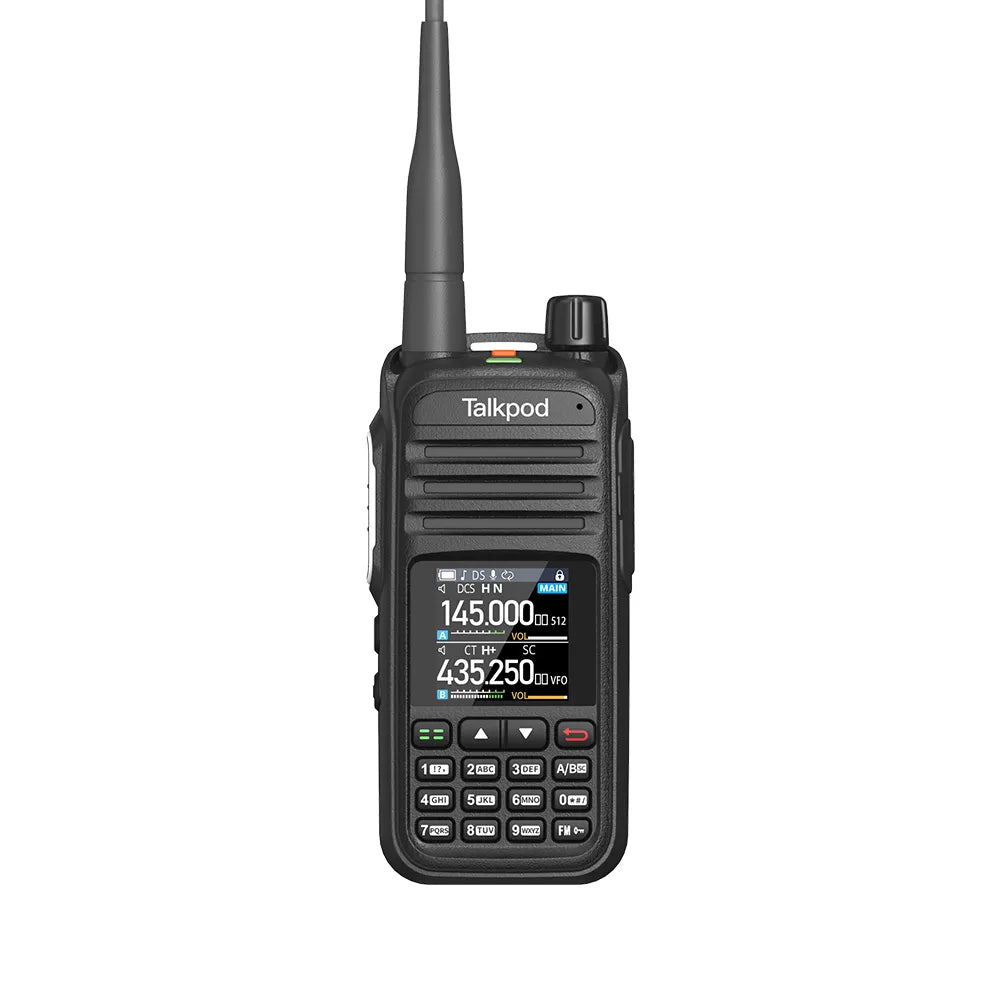
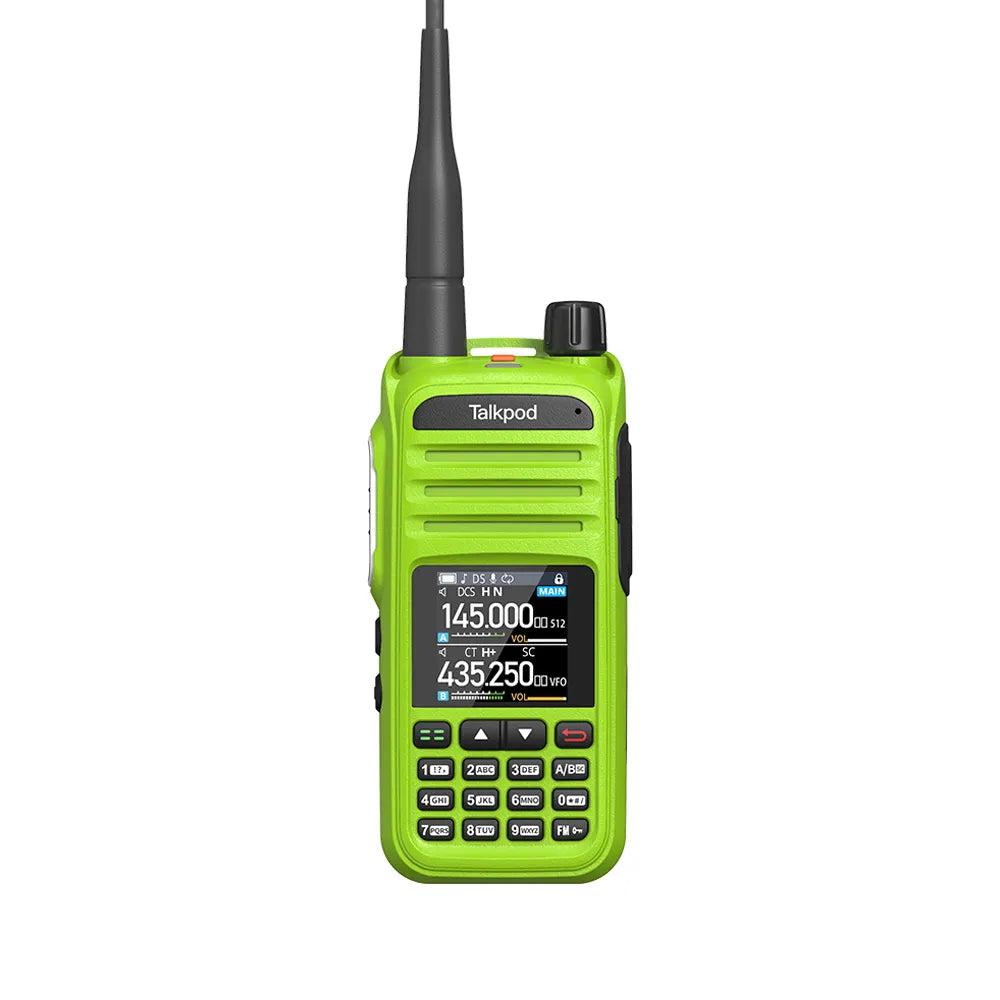
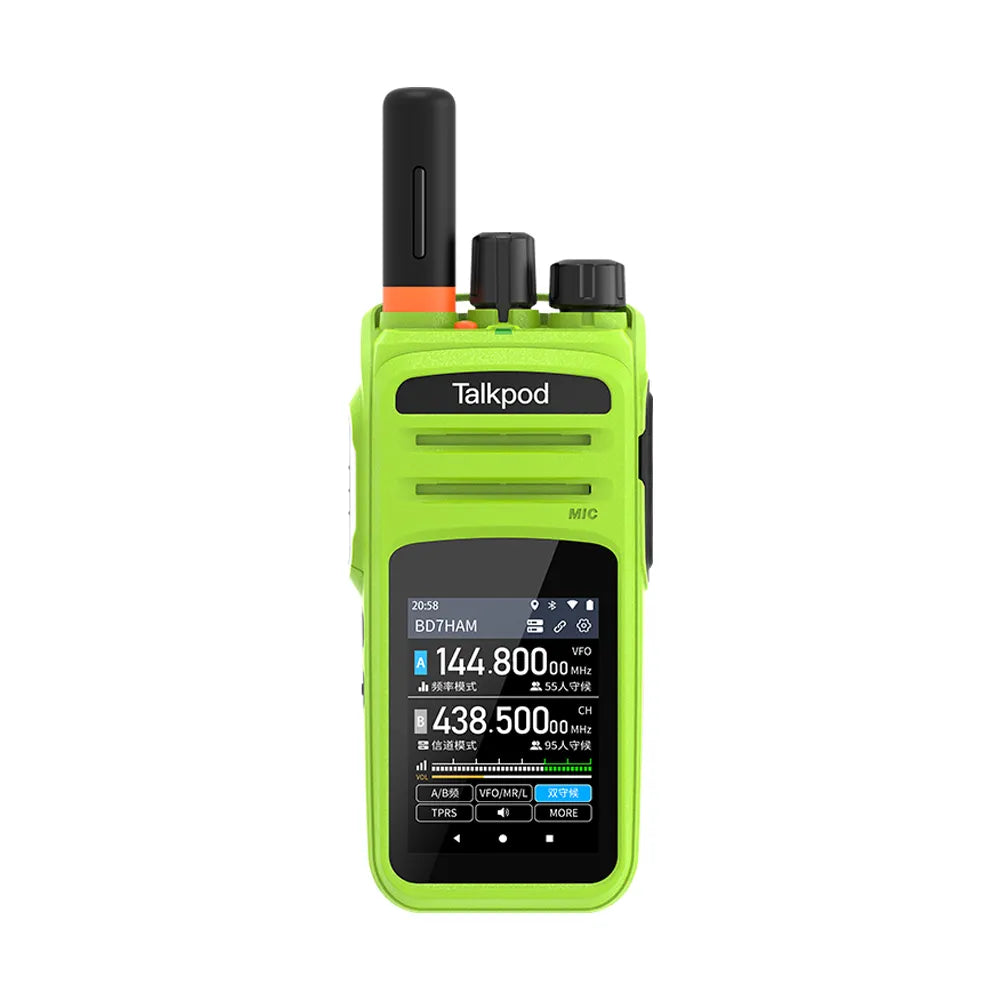
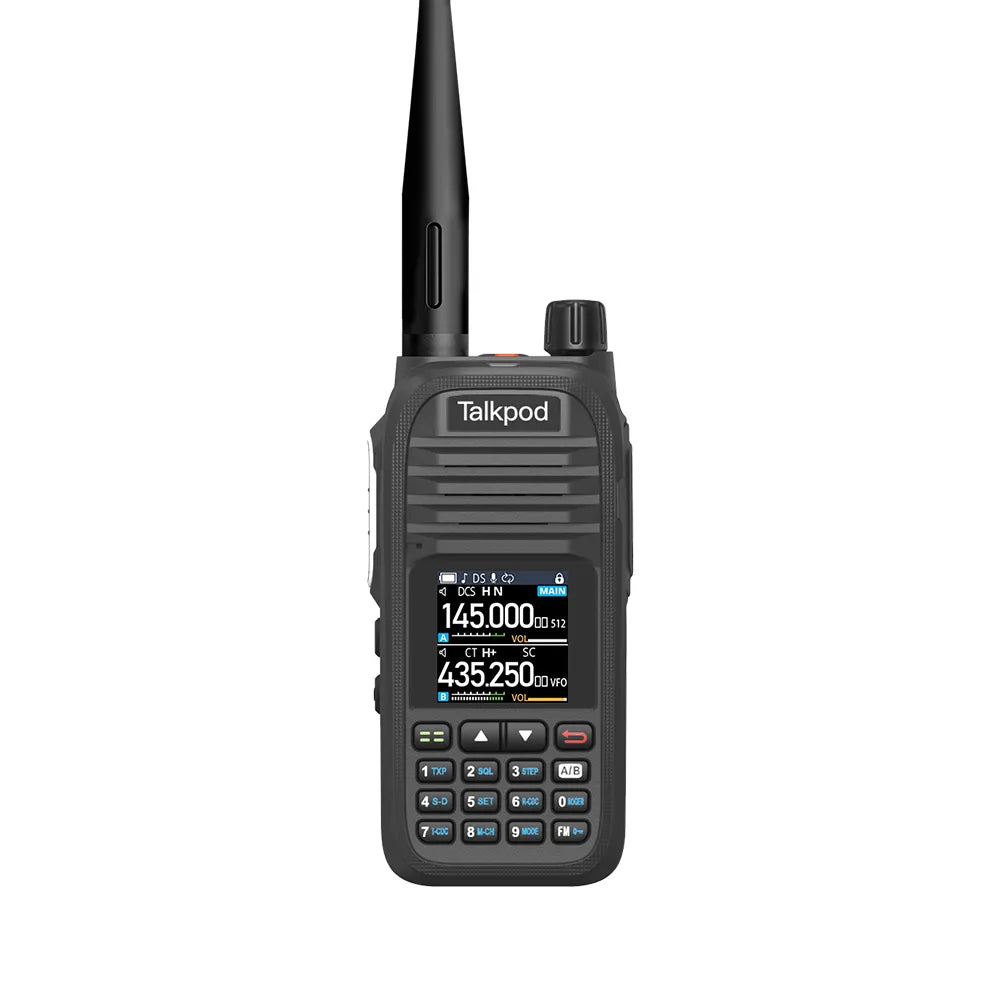
The Talkpod N37 public-network trunked radio provides a wider-area push-to-talk layer using compatible mobile networks. With a Chinese-language color display, configurable shortcut keys, a lightweight handheld design and centralized account management, it can help hotel teams coordinate routine service without relying entirely on the direct range of conventional handheld radios.
Multi-floor hotels create uneven radio conditions
Hotel buildings contain many of the structures that make conventional local radio coverage difficult.
Reinforced concrete floors, elevator shafts, fire doors, underground parking areas and service rooms can all weaken RF signals.
A direct handheld radio may work well on one guest-room floor but become less reliable several levels away or after a user enters the basement.
The N37 approaches the problem differently.
Instead of relying entirely on direct radio-to-radio range, it carries push-to-talk traffic through compatible public mobile networks.
Where suitable network service is available, housekeeping, engineering, security and management personnel can remain within the same communication system even when they are working in different parts of the property.
The advantage is broader operational reach.
It should not be described as guaranteed coverage everywhere.
Underground areas still need real-world testing
A public-network radio is only as available as the network supporting it.
Underground garages, enclosed plant rooms and heavily reinforced parts of a building may still have weak cellular reception.
For this reason, a hotel deployment should include testing in the locations where staff actually use the radios.
Guest corridors, elevators and lift lobbies, back-of-house areas, underground parking levels, front desk and service rooms should all be checked.
If a weak area is identified, the hotel can decide whether another communication method, network improvement or revised operating procedure is required.
Good coverage planning begins by finding the weak points rather than assuming they do not exist.
Faster coordination during group arrivals
Tourism peaks can place unusual pressure on hotel operations.
A large tour group may arrive within a short period of time, creating simultaneous demands on reception, housekeeping, luggage handling and security.
Rooms may need to be confirmed quickly. Additional amenities may be required. Public areas can become crowded while staff are already handling ordinary guest requests.
Using the N37, a duty manager can contact the appropriate teams through push-to-talk rather than making several individual phone calls.
That can reduce the time spent relaying the same information from one department to another.
For a chain hotel, this kind of coordination is particularly useful because service consistency depends on multiple teams following the same operational rhythm.
[Image]
Housekeeping, engineering and security do not need the same traffic
Putting every hotel employee into one large communication group quickly becomes inefficient.
Housekeeping may be coordinating room status while engineering is handling a minor equipment fault. Security personnel may be dealing with a completely separate situation at an entrance or parking area.
The N37 platform can be configured with groups according to actual hotel roles.
Routine housekeeping traffic can remain within the relevant team, while supervisors can contact engineering or security when a guest request requires cross-department support.
This keeps radio traffic more focused.
The purpose is not to make everyone hear everything.
It is to make sure the correct people receive the information they need.
Custom shortcut keys reduce operating steps
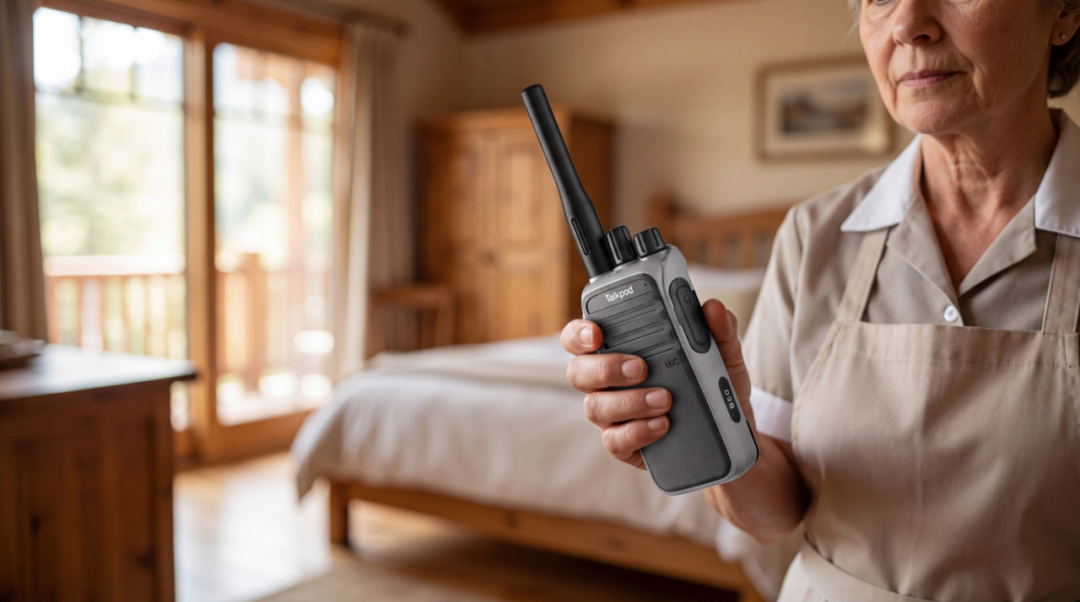
Hotel employees often use radios while carrying linen, tools, luggage or other service equipment.
Complex menu navigation adds unnecessary friction.
The N37 supports configurable shortcut keys that can be assigned to frequently used supported functions.
That allows the device to be adapted around the hotel's workflow rather than forcing staff to navigate the same menu structure for every task.
Combined with the Chinese-language color display, this can make routine operation easier for frontline employees who may not have extensive radio training.
The best shortcut configuration is usually simple.
A small number of frequently used functions is more useful than filling every key with rarely used options.
Lightweight equipment matters during a full shift
Hotel staff may carry a radio for many hours.
A compact, lightweight body therefore has practical value.
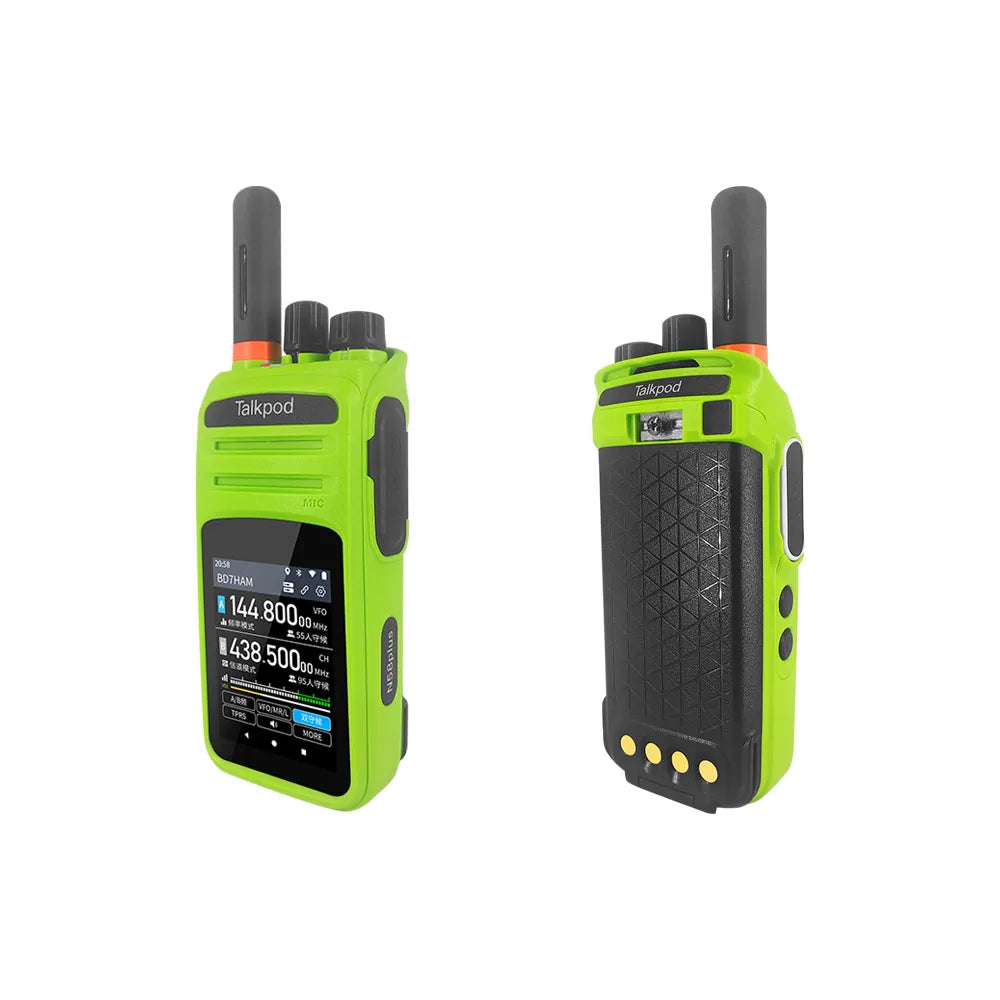
The source describes the N37 as using a matte handheld design intended to be easy to carry during daily operations.
That matters particularly for housekeeping, security and duty-management personnel who are constantly moving through the property.
The device should be present when needed without becoming another piece of equipment that staff prefer to leave behind.
In hospitality, portability is part of usability.
Longer operating time reduces charging pressure
Hotels operate beyond a conventional office schedule.
Front desk, security and service personnel may cover early arrivals, daytime operations and late-night shifts.
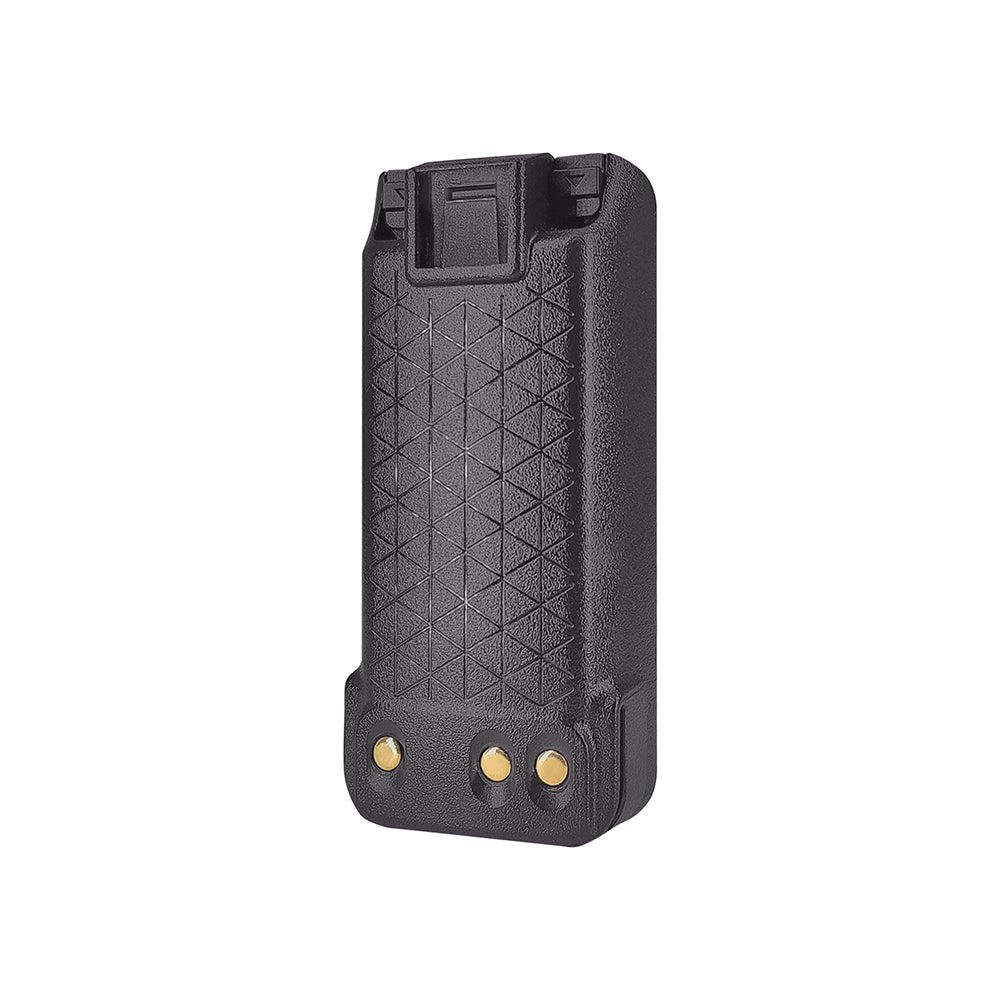
The source describes the N37 as providing extended battery endurance suitable for full-day duty.
Actual operating time will still depend on transmit frequency, network conditions, screen use, battery age and other factors.
For that reason, hotels should manage radios as a fleet rather than relying only on a maximum endurance claim.
Devices should be charged on a defined schedule, battery condition should be monitored and spare radios should be available during high-occupancy periods.
A long-lasting battery is most useful when charging discipline is already in place.
Account-based provisioning simplifies fleet management
Unlike a traditional radio that may require individual channel programming, a public-network radio can be managed through an account and platform structure.
The source describes Talkpod as assisting Orange Hotel Chaozhou with rapid device onboarding without traditional frequency programming, followed by ongoing account-maintenance support.
That can lower the administrative burden for a hotel that does not have a dedicated radio technician.
Once the necessary network access, device account and platform settings are configured, groups and contacts can be managed centrally according to the deployment.
This should not be interpreted as literally requiring no configuration.
Network access, accounts, group assignments and device provisioning still need to be set up correctly.
The benefit is centralized administration rather than zero setup.
Guest information should remain outside general radio traffic
Hotel communication can easily drift into personal information.
Room numbers, guest names, payment issues or other sensitive details should not automatically be spoken over a shared radio group simply because it is convenient.
A short operational message is often enough.
For example, staff can request engineering assistance on a floor without broadcasting unnecessary guest information.
Detailed records should remain in the hotel's authorized property-management or service systems whenever possible.
The radio should coordinate the people.
The hotel system should hold the guest record.
Public-network radios still need a fallback
The N37 depends on both mobile-network availability and the push-to-talk platform.
If the underlying service becomes unavailable, the radio connection may also be interrupted.
Hotels should therefore identify an appropriate backup communication method for situations in which radio service is temporarily unavailable.
That is especially important in known weak-signal areas such as underground spaces.
A reliable communication plan does not assume one technology will work perfectly at every moment.
Making routine hotel service easier to coordinate
The communication challenge at Orange Hotel Chaozhou is not one dramatic event.
It is the accumulation of hundreds of small service tasks.
A room needs additional supplies. A large tour group arrives early. Engineering is required for a minor fault. Security needs to check another area of the property.
Where suitable mobile-network coverage exists, the Talkpod N37 can give these teams a common push-to-talk layer across the hotel.
The Chinese-language display and shortcut controls make routine operation easier, while centralized account management can reduce the maintenance burden of a larger radio fleet.
Its value should not be described as eliminating every signal blind spot or providing literally unlimited communication.
A more useful measure is whether staff can reach the right colleague more quickly when a guest needs something.
For a hotel, that improvement is rarely visible to the guest—but it is often what makes the service feel faster.

Leave a comment
All comments are moderated before being published.
This site is protected by hCaptcha and the hCaptcha Privacy Policy and Terms of Service apply.