
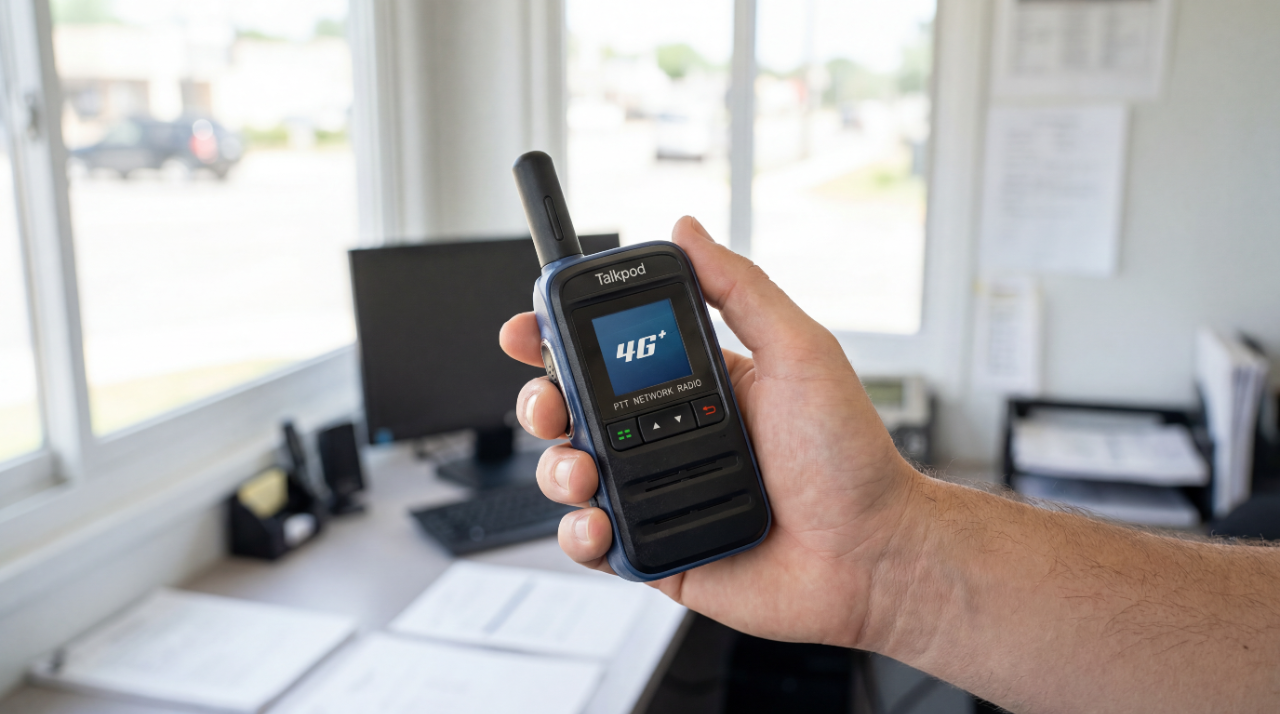
A police post is fixed in one place, but its responsibilities extend far beyond it.
Officers stationed there may monitor a busy street, respond to public requests, report suspicious activity or coordinate support during an emergency. Their work depends on remaining connected with the command centre and with patrol officers moving through the surrounding area.
Conventional radios provide an effective local link, but their range may become a constraint when several posts, patrol vehicles and operational units must work together across a wider district.
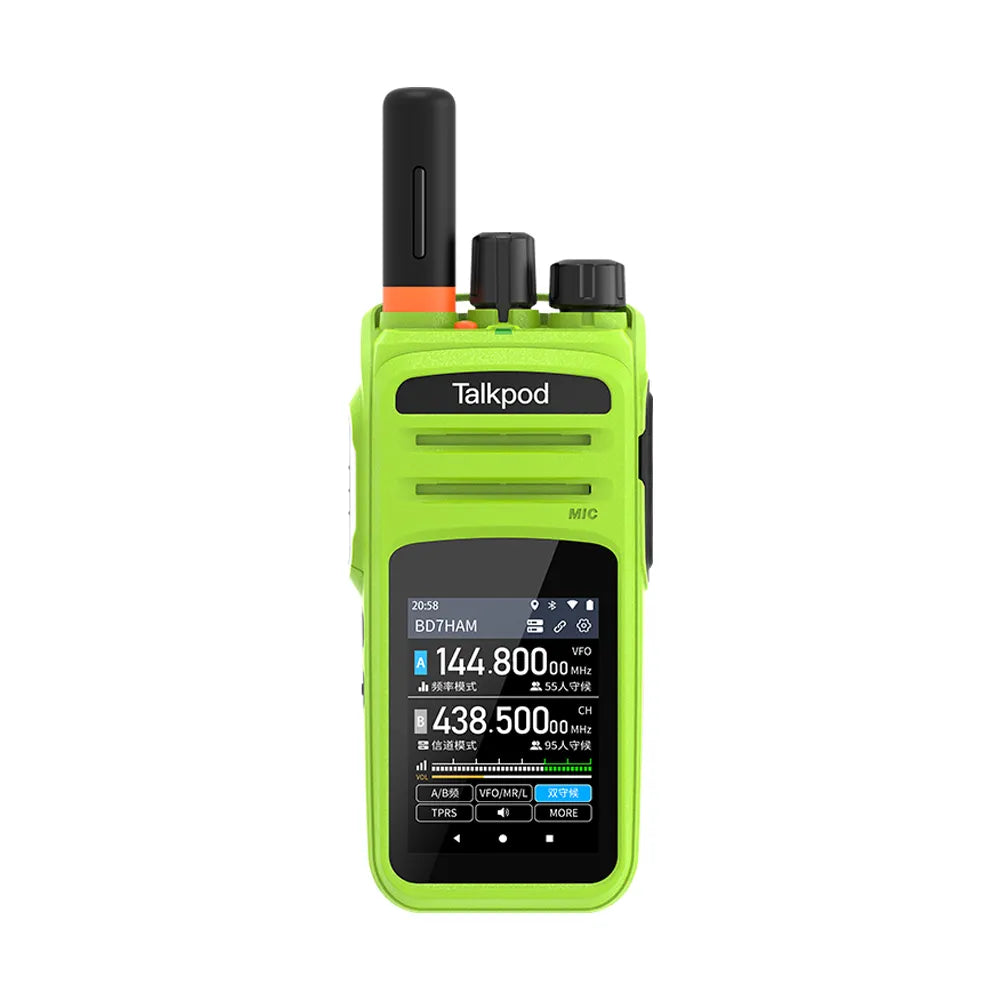
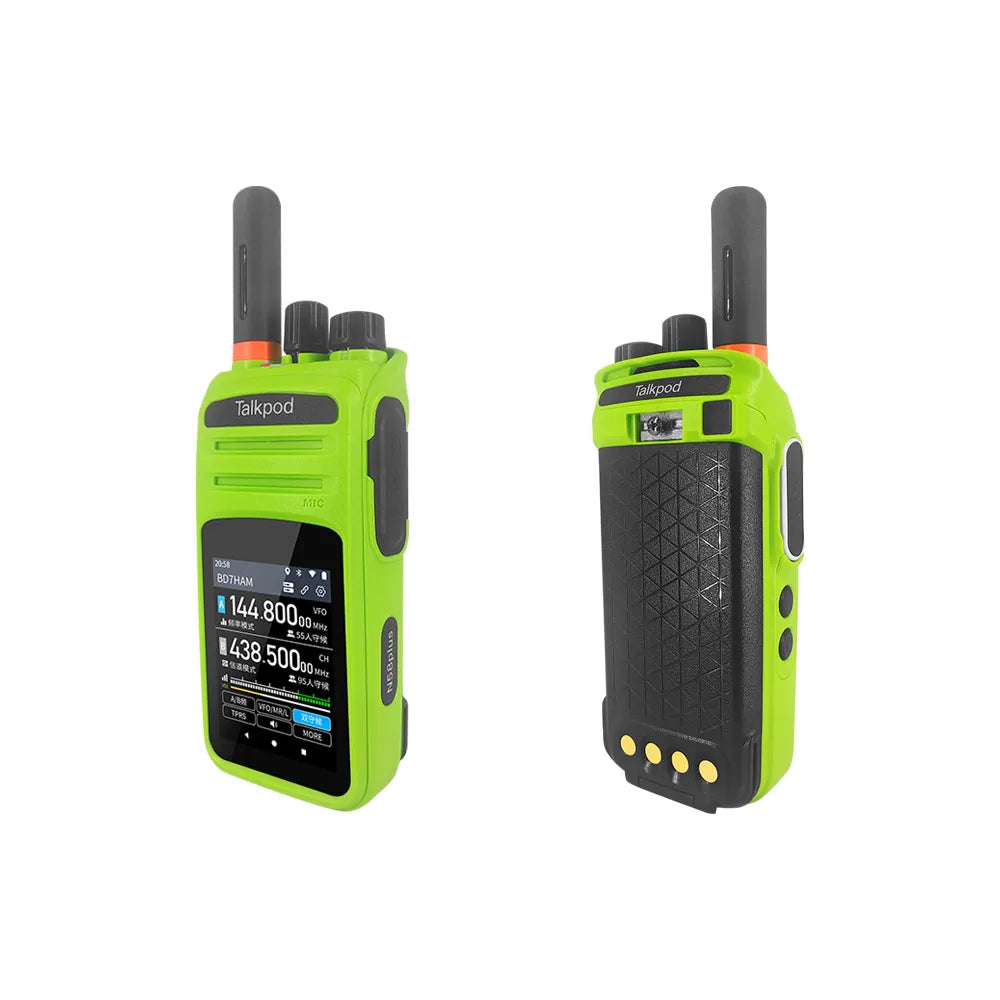
The Talkpod N15 public-network radio provides another way to connect these fixed and mobile positions. Using compatible public mobile networks, it supports wide-area push-to-talk communication and platform-based group management wherever suitable coverage is available.
Linking the post with the wider operation
A police post should not operate as an isolated point. An incident reported there may require a nearby patrol, support from another district or instructions from a central command unit.
The N15 allows officers at different posts and mobile patrol teams to be placed within the same communication structure. A duty officer can report a developing situation directly to command staff, while instructions can be distributed to the relevant patrol group without being relayed through several intermediaries.
This is useful during routine patrol coordination, large-event security and incidents involving several operating areas.
The system remains dependent on public-network availability. Its value lies in extending communication beyond the normal range of a direct local radio link when compatible coverage is present.
Clearer communication beside busy streets
Police posts are often located near roads, transport hubs and crowded public spaces. Traffic, wind and surrounding conversations can make voice communication difficult.
The N15 uses digital voice processing and a 1W speaker to provide louder and clearer audio. Officers can receive command instructions, report field conditions and exchange short operational updates with less need for repetition.
Clear speech matters because police communication is often brief and specific. A misunderstood location, vehicle description or support request can delay the response.
[Image]
Organising posts and patrols by task
Not every message needs to reach every officer.
Through the programming software and dispatch platform, authorised administrators can organise devices into groups based on police post, patrol area, assignment or command level. Routine communication can remain within the appropriate unit, while temporary groups can be created for events or developing incidents.
The N15 supports group and individual communication, allowing command staff to contact a defined team or a specific user according to operational need.
Optional GPS positioning can also display the location of equipped devices to authorised dispatchers. This may help supervisors identify the nearest available patrol and coordinate support more efficiently.
Optional remote monitoring may be available where permitted by law, agency policy and platform configuration. Such functions require strict access controls and should be used only within formally approved procedures.
Built for long periods of duty
Officers may carry a radio throughout an entire shift, both inside the post and while assisting outside.
Including its battery, the N15 weighs about 145g and measures approximately 30mm thick. Its compact, textured body is easy to carry without adding unnecessary bulk to other duty equipment.
The device is built to IP54 dust- and water-resistant standards, helping protect it against limited dust exposure and water splashes during routine outdoor work. It is not intended for immersion or severe environmental exposure, but it is suited to the everyday conditions found around roadside and neighbourhood police posts.
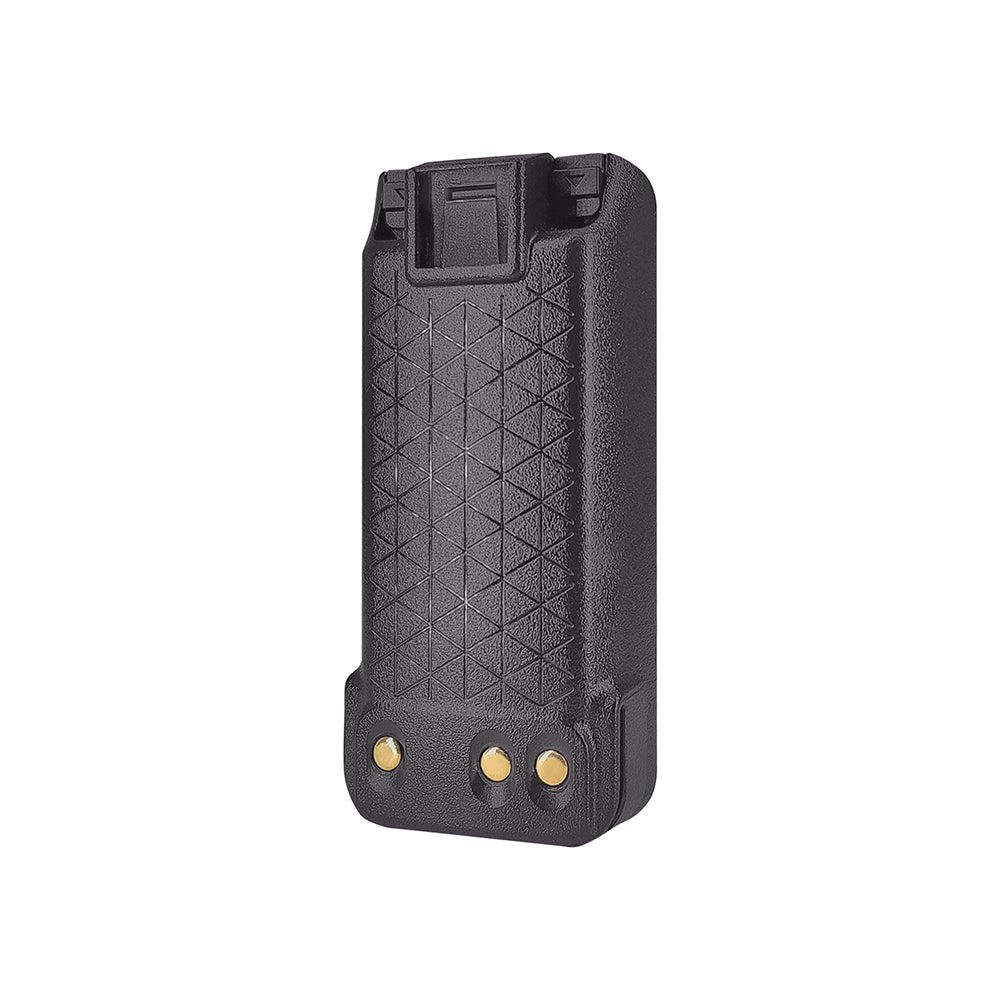
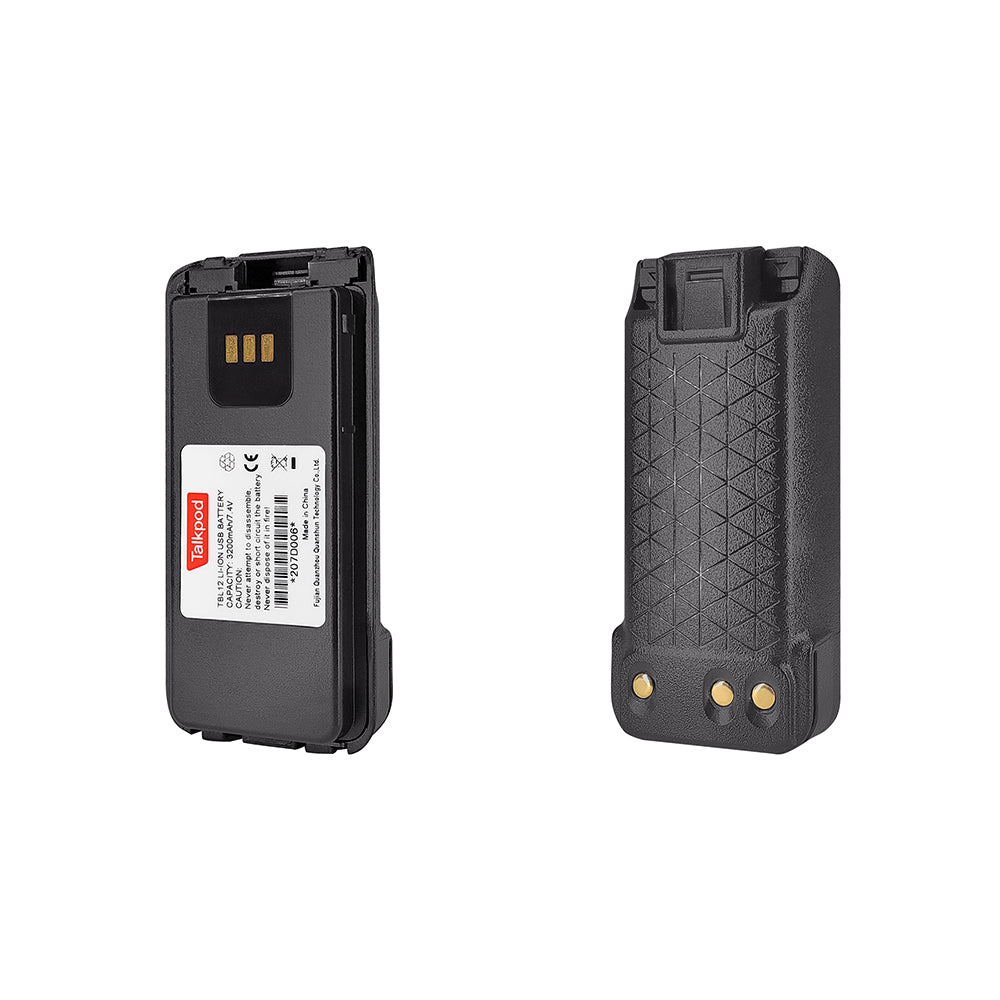
A 3000mAh battery supports extended use, while USB-C charging allows the radio to be recharged from compatible chargers or portable power banks during longer deployments.
[Image]
Turning a fixed post into part of a mobile network
The N15 does not replace police procedures, dedicated emergency systems or conventional local radio networks. It gives officers another channel through which those systems can be coordinated.
Wide-area push-to-talk connects fixed posts with mobile patrols. Platform-managed groups help direct information to the appropriate personnel. Optional location tools improve visibility over field resources, while the compact body and clear audio suit everyday duty.
For officers at a police post, the practical benefit is straightforward: a report can reach command sooner, a nearby patrol can be identified more quickly and instructions can move across several operating points with fewer delays.
The post remains fixed. The command network around it becomes more mobile.

Leave a comment
All comments are moderated before being published.
This site is protected by hCaptcha and the hCaptcha Privacy Policy and Terms of Service apply.