

An offshore oil and gas platform is a workplace where communication equipment has to satisfy more than one requirement at the same time.
Crews may be spread across drilling areas, process equipment, machinery spaces and service decks. Steel structures can obstruct radio signals. Wind, machinery and ventilation systems add constant background noise. At the same time, parts of the platform may contain flammable gas or vapor, which means any electronic equipment used there must be suitable for the hazardous-area classification concerned.
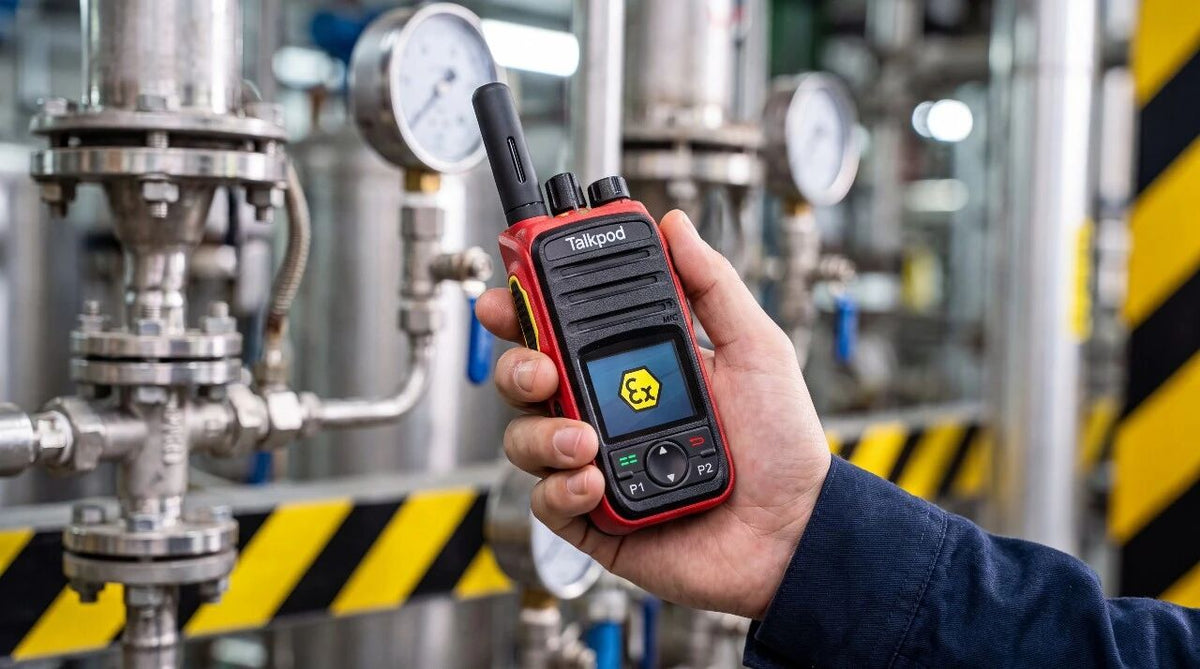
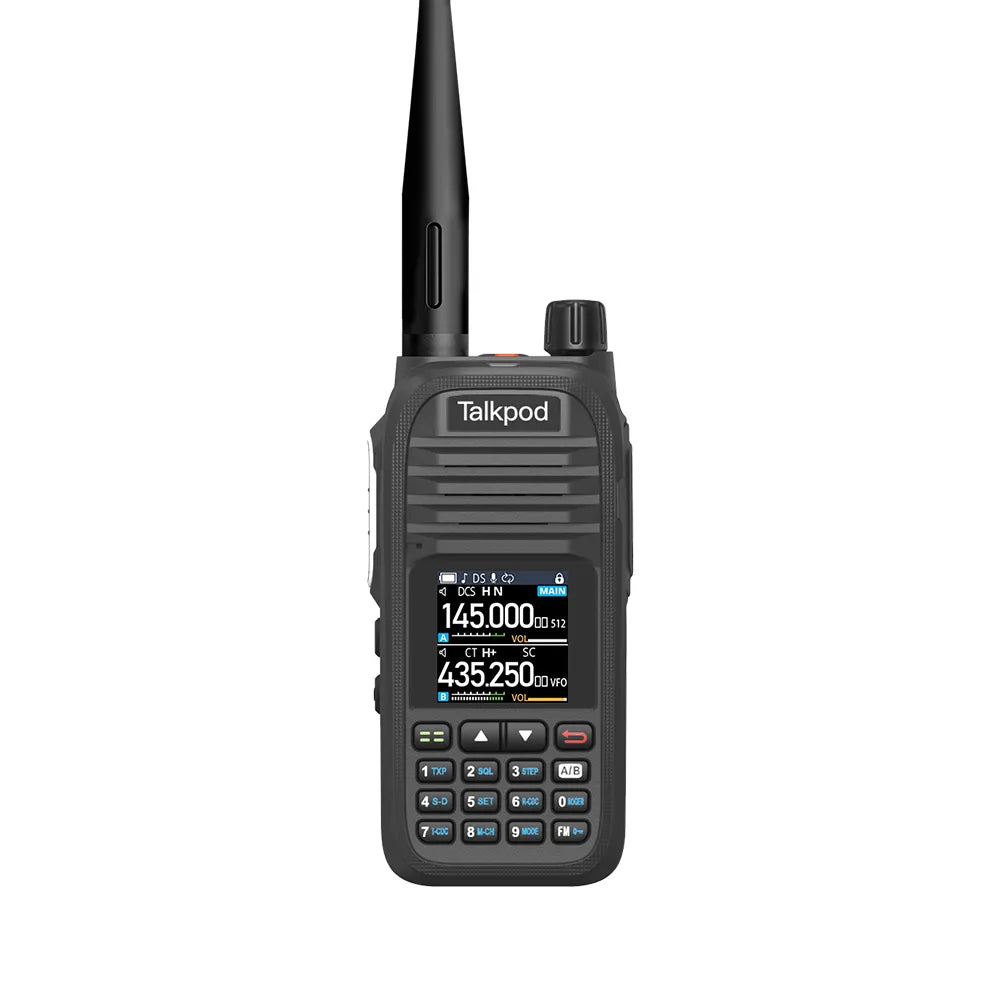
The Talkpod D50Ex explosion-protected digital radio is designed for communication in demanding industrial environments. On an offshore platform, its role is to provide a practical local communication layer for inspection, maintenance and operational coordination, provided that the exact certification of the radio matches the hazardous area in which it is used.
[Image]
Hazardous-area suitability comes first
The most important question on an offshore platform is not simply whether a radio is rugged.
It is whether it is approved for the specific hazardous location.
Oil and gas processing areas can differ in zone classification, gas group, temperature class and permitted ambient conditions. Before deployment, operators should therefore verify the D50Ex certification marking and documentation against the requirements of each intended work area.
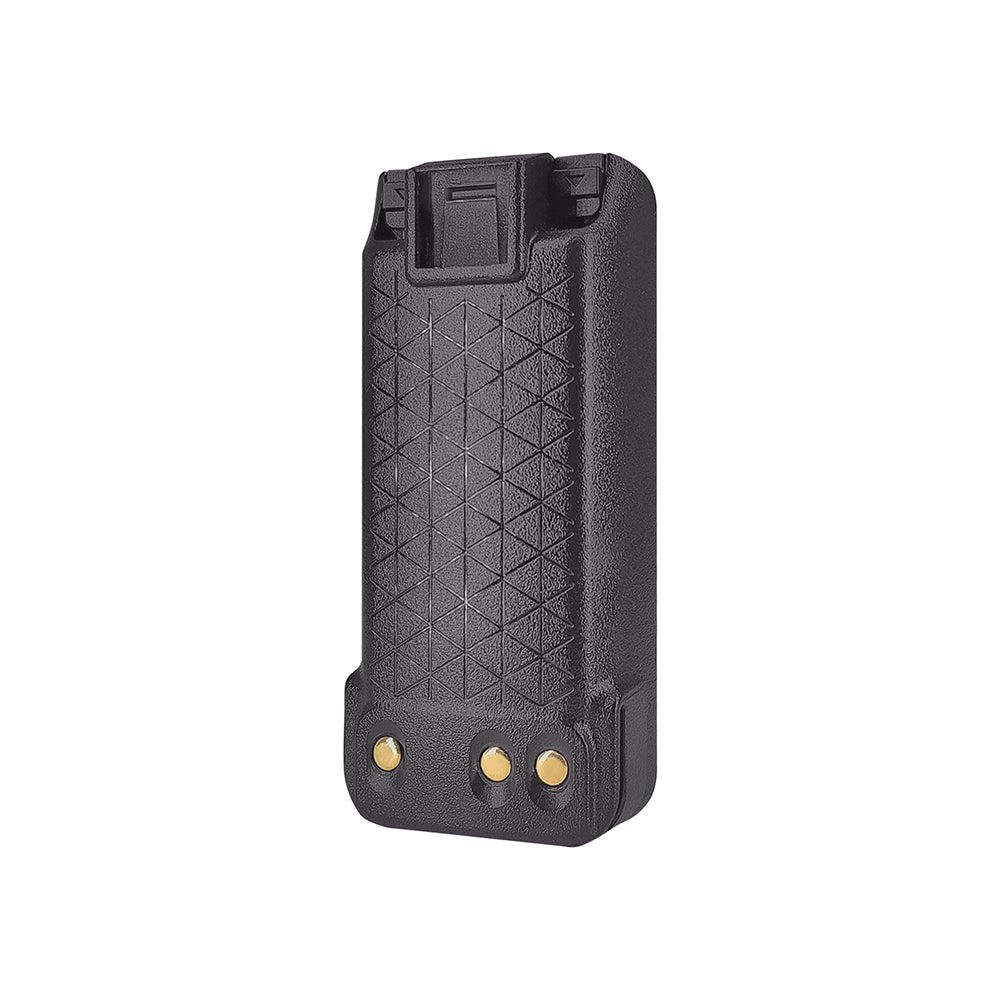
Only approved batteries and accessories should be used. Charging, battery replacement and maintenance should follow both the manufacturer's instructions and the platform's hazardous-area procedures, with charging normally carried out in an approved safe location unless the certification explicitly permits otherwise.
An explosion-protected radio does not make a hazardous atmosphere safe. Its purpose is to avoid introducing an unacceptable ignition risk when used within its certified limits.
Keeping inspection teams connected across the platform
Routine inspections can take personnel through several different sections of a platform.
A technician may begin near drilling equipment, continue through process areas and then inspect machinery or utility spaces on another deck. These routes can be long, and workers may remain away from a control point for extended periods.
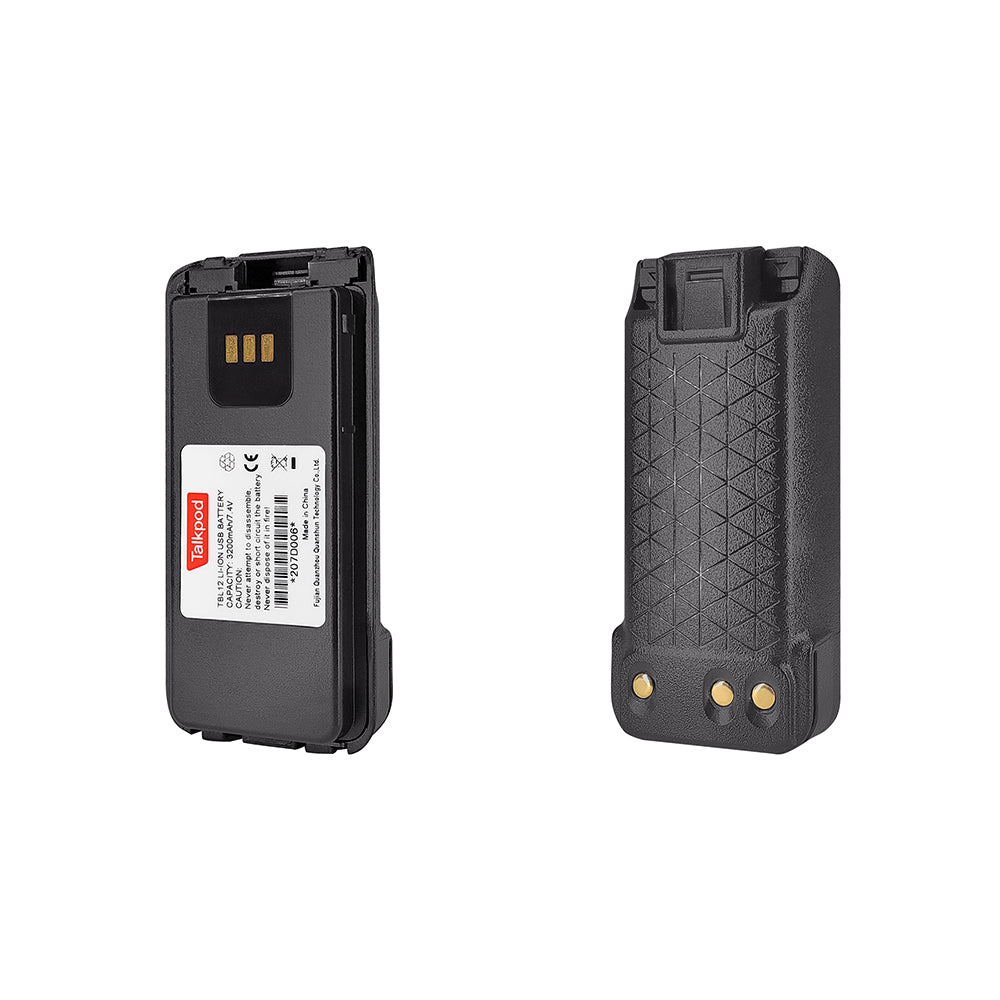
The D50Ex is designed for extended operating time, helping reduce the need for frequent charging during normal shift work.
For offshore operators, battery management is best treated as a fleet procedure rather than relying on a single radio to cover an undefined number of shifts. Spare approved batteries, charging schedules and pre-shift battery checks remain important parts of communication readiness.
The practical benefit is simple: inspection personnel can spend more time completing their assigned route without unnecessary returns solely to recharge a radio.
Communication through steel-heavy structures
Offshore platforms are difficult radio environments.
Steel decks, bulkheads, tanks, piping, drilling equipment and enclosed machinery spaces can all attenuate or reflect radio signals. A radio that performs well on an open deck may behave differently several levels below it.
The D50Ex uses a dedicated antenna design intended to support reliable local radio communication in industrial environments. This can help crews maintain contact between work areas, but no handheld radio can guarantee uninterrupted coverage throughout every compartment of a large steel structure.
Before operational deployment, communication routes should be tested in the actual locations where personnel work, including enclosed compartments, stair towers, lower decks and maintenance spaces.
Where weak areas are identified, operators may need alternative procedures, additional communication infrastructure or designated relay positions.
Clearer voice in noisy operating areas
Communication on a platform often takes place beside rotating machinery, ventilation systems, pumps and drilling equipment.
In these conditions, a radio message does not need to sound perfect. It needs to be understood quickly.
The D50Ex uses digital voice processing and a high-output speaker to improve speech intelligibility in noisy industrial environments. This helps technicians report equipment conditions, confirm task progress and request support without leaving the work area.
Critical instructions should still be repeated or confirmed when required by operating procedures.
A handheld radio supports communication, but it should not become the only channel for information that must be recorded, acknowledged or handled through the platform's formal control system.
Faster coordination between multiple teams
Offshore operations depend on several specialist groups working at the same time.
Drilling personnel, maintenance teams, safety staff and operations personnel may be located in different compartments and on different decks.
The D50Ex supports group, individual and all-call communication, allowing teams to organize radio traffic according to operational responsibility.
Programmable side keys can also provide quick access to frequently used functions, reducing the number of steps required when users are wearing gloves or other personal protective equipment.
This can make routine coordination more efficient: maintenance personnel can contact the relevant supervisor directly, while wider notifications can be sent to a defined group when several teams need the same operational update.
[Image]
Emergency communication is one layer of the safety system
When strong weather, equipment failure or an abnormal process condition occurs, fast communication becomes especially important.
The D50Ex can provide a local voice channel for personnel to report conditions and coordinate response actions.
But emergency preparedness on an offshore platform must never depend on a single handheld-radio system.
Public-address and general-alarm systems, fixed communication equipment, marine radio, emergency shutdown systems, gas detection, evacuation procedures and other required platform systems all retain their own roles.
The radio should complement these systems, not replace them.
If a worker reports a leak, equipment failure or another hazard over the radio, the response should still follow the operator's established emergency procedures.
Marine conditions require realistic maintenance
Offshore equipment is continuously exposed to moisture, salt-laden air, wind, vibration and temperature changes.
These conditions can accelerate wear on housings, seals, connectors and batteries.
Unless a specific salt-fog or corrosion-resistance test is documented for the product, general environmental durability should not be treated as proof of unlimited resistance to marine corrosion.
Radios should therefore be inspected regularly and maintained according to their stated ratings and the platform's equipment-management procedures.
If a radio has suffered significant impact, water ingress, enclosure damage or seal deterioration, it should be removed from hazardous-area service until its suitability has been assessed.
A practical communication layer for offshore work
The Talkpod D50Ex is most useful on an offshore oil and gas platform when it is treated as part of a larger communication and safety system.
Its explosion-protected design can support use in appropriately classified hazardous areas, while digital voice, multiple calling modes, programmable controls and extended operating time help personnel coordinate work across a complex industrial site.
Its value is not a promise of perfect coverage or absolute safety.
It is a purpose-built communication layer for crews working in an environment where both reliable coordination and hazardous-area compliance matter every day.


Leave a comment
All comments are moderated before being published.
This site is protected by hCaptcha and the hCaptcha Privacy Policy and Terms of Service apply.