

A gas-fueling station is a compact site with little room for communication delays.
Vehicles move through dispensing lanes throughout the day. Attendants operate around filling points, cashiers handle customers, supervisors manage traffic and safety personnel inspect storage and pressure equipment. During a busy period, several of these activities happen at once.
The operating environment also demands particular care. Where compressed flammable gas is stored and dispensed, a leak can create a hazardous atmosphere in which ordinary electrical equipment may be unsuitable.
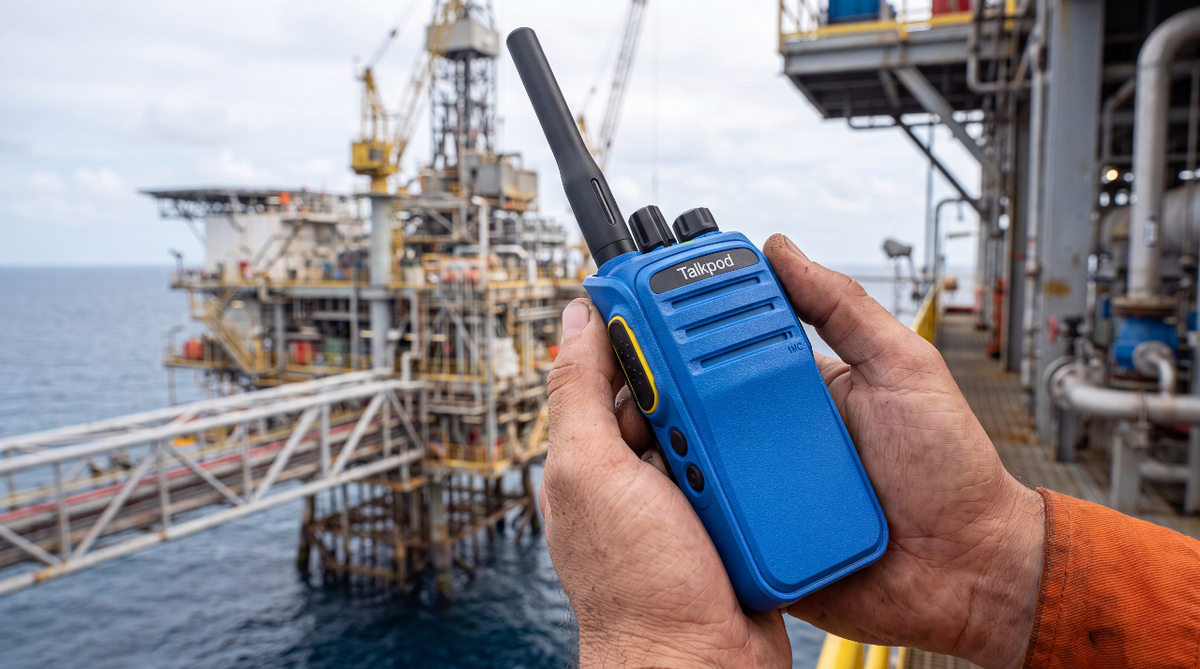
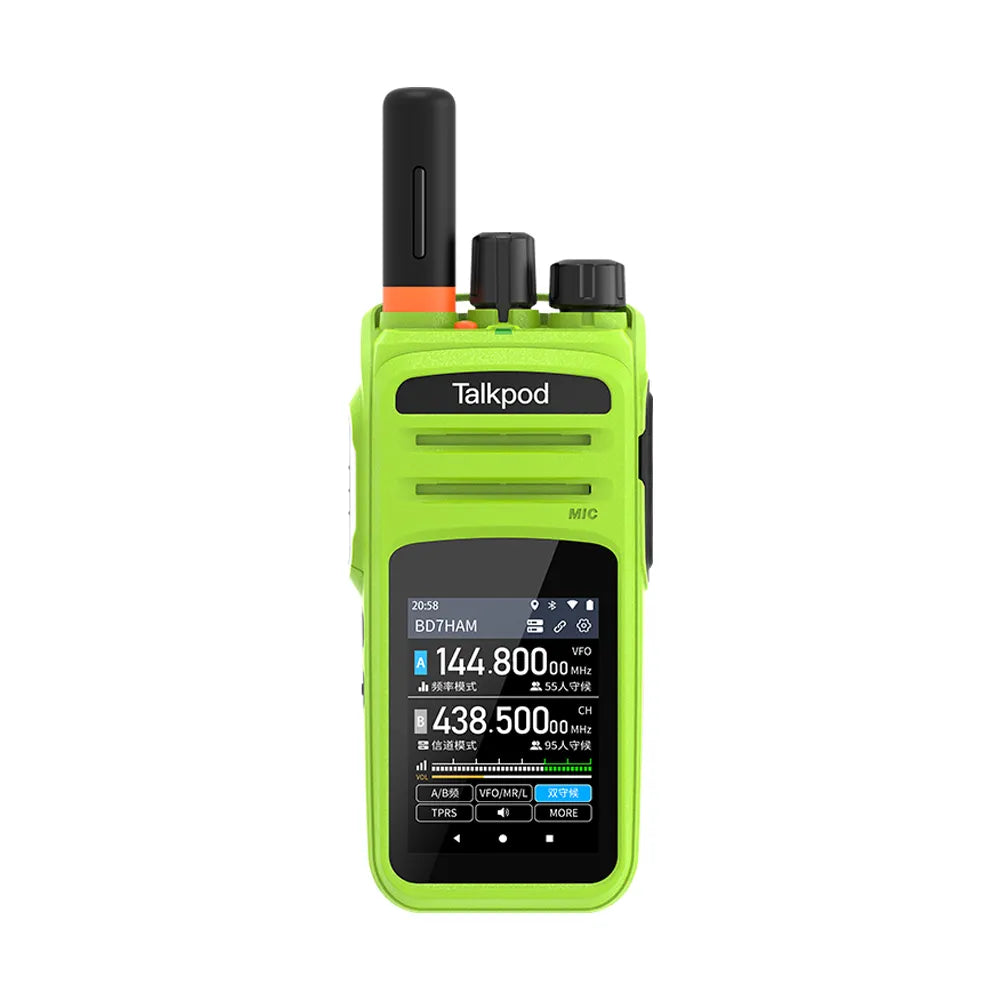
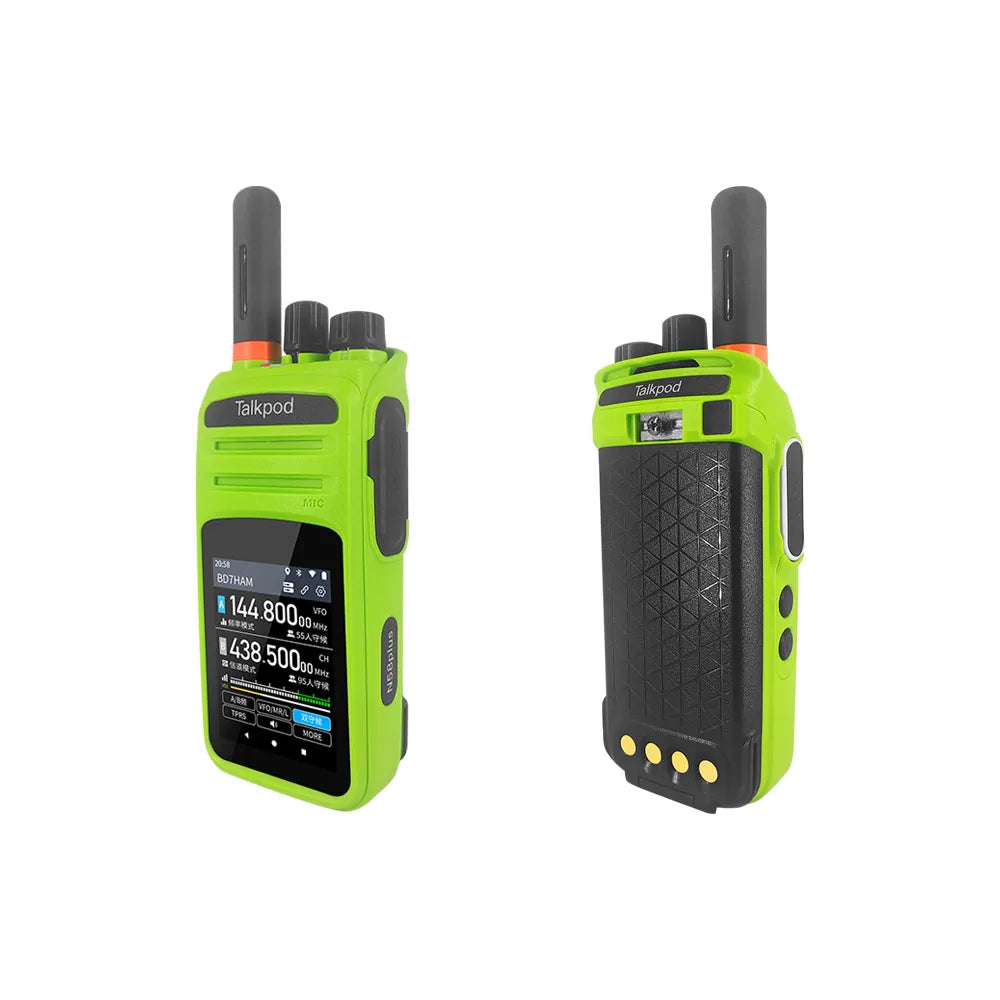
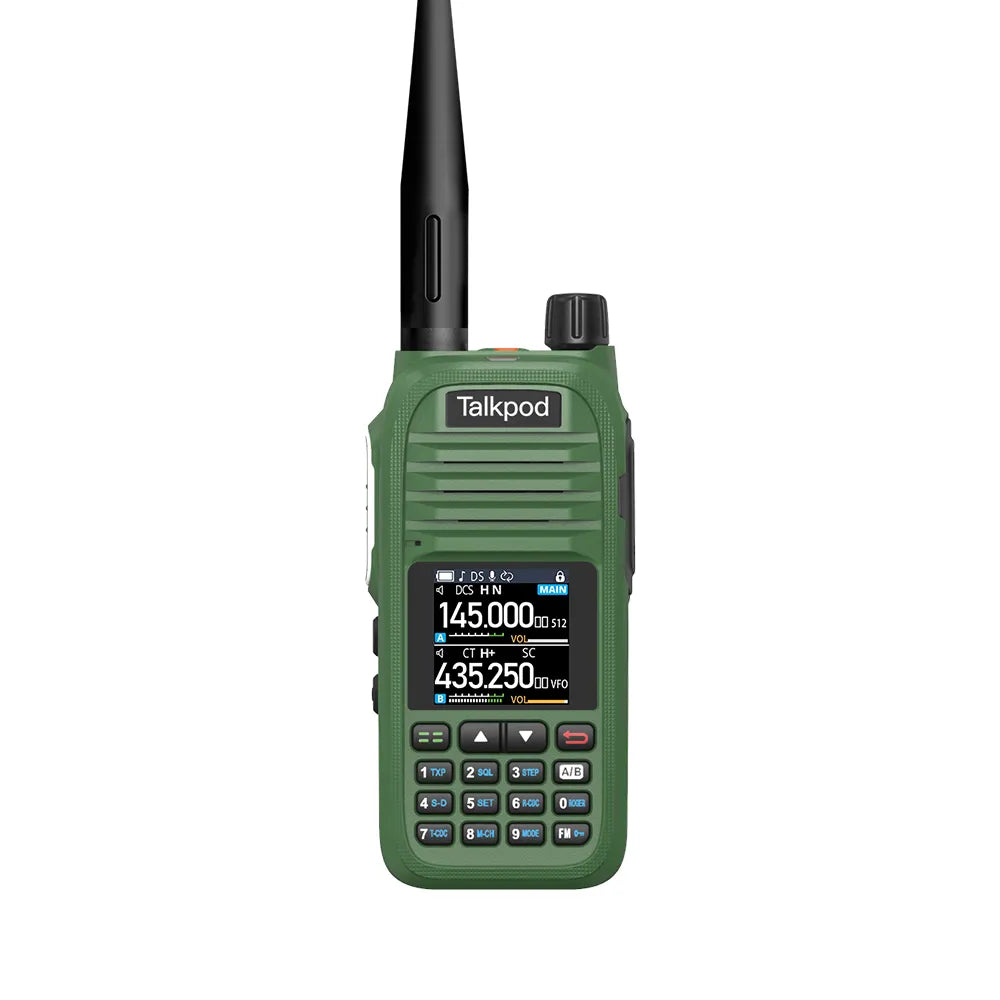
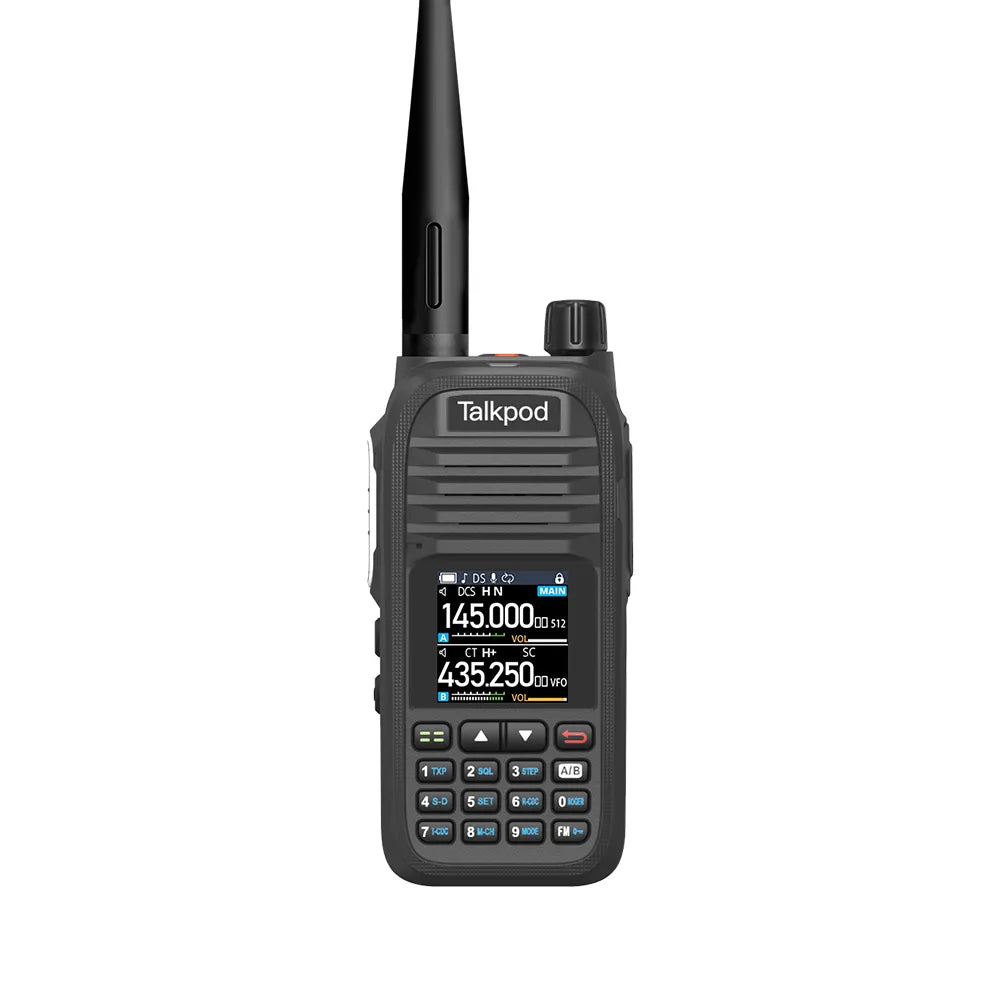
The Talkpod D50Ex is a digital explosion-protected radio designed to support local voice communication in specified hazardous environments, combining protected electrical construction with group communication, straightforward controls and extended operating time.
For a gas-fueling station, the first requirement is not simply reliable audio. It is making sure that the radio itself is approved for the area in which staff intend to use it.
Hazardous-area suitability around gas storage
Storage cylinder banks and related pressure equipment are among the locations where gas-station operators need to pay particular attention to equipment selection.
A leak may create a flammable atmosphere, while an unsuitable electrical device can introduce potential ignition sources through sparks, faults or excessive surface temperatures.
The D50Ex incorporates explosion-protection measures intended to limit these risks within the conditions specified by its certification.
That qualification matters.
Before deployment, operators should compare the radio's exact certification marking with the station's hazardous-area classification. The permitted zone, gas group, temperature class, ambient operating range and any restrictions stated on the certificate or product nameplate should all be verified.
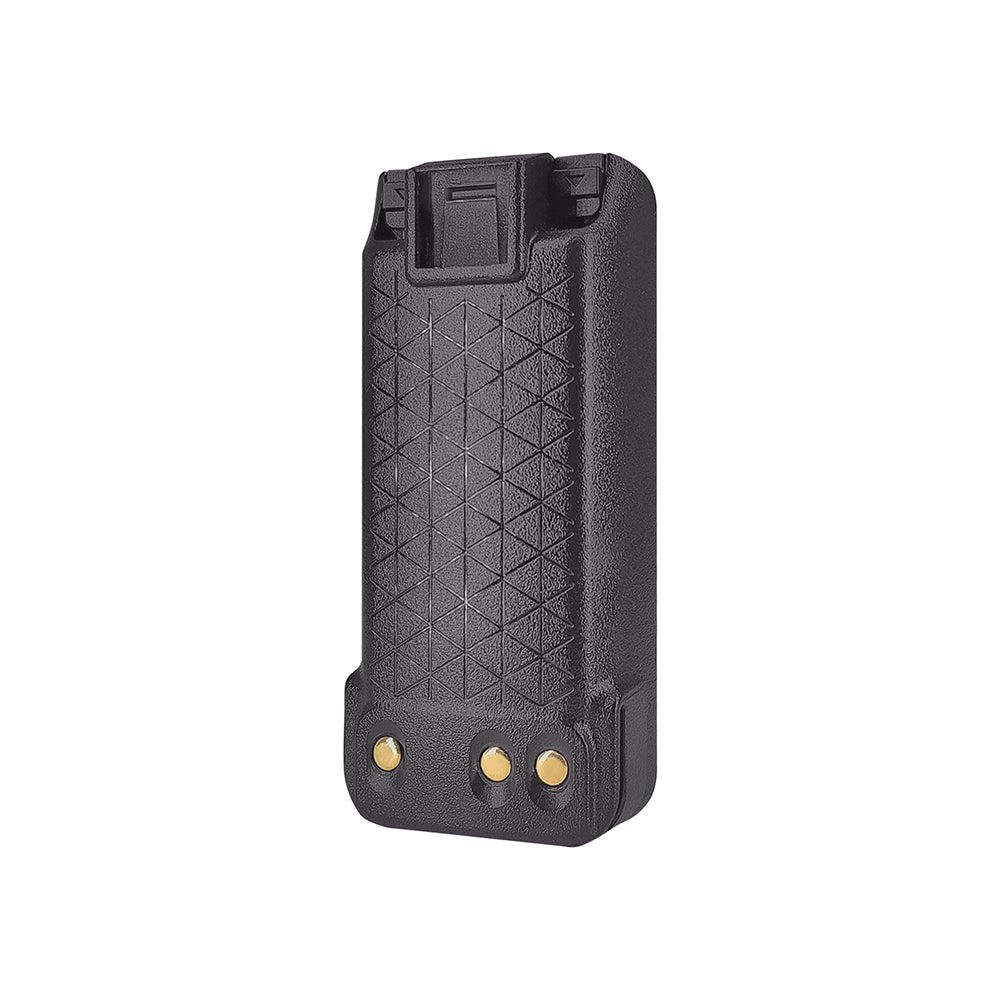
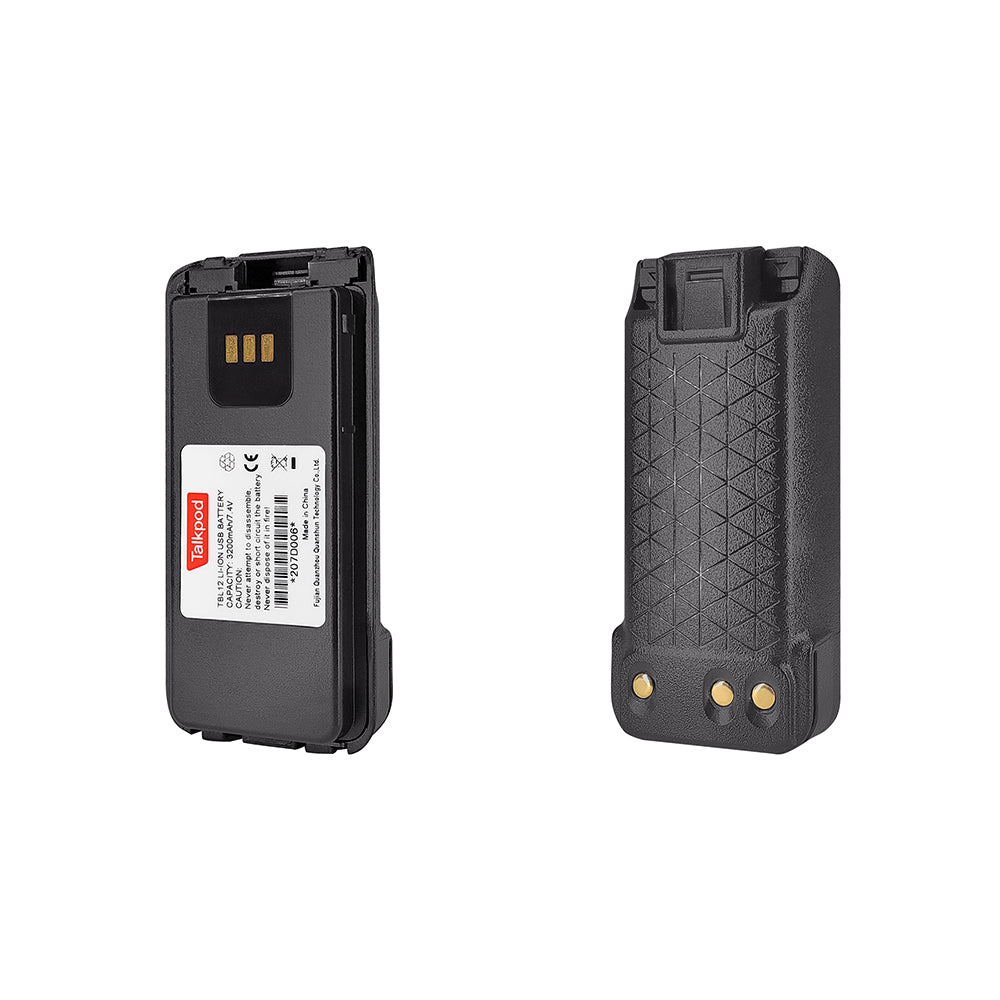
Approved batteries and accessories are also part of the protection concept. Unauthorized replacement components, modification or serious enclosure damage may affect hazardous-area suitability.
The D50Ex can therefore provide a more appropriate communication option for designated hazardous locations when correctly certified and maintained.
It does not make a leaking gas installation safe.
Keeping inspections connected
Routine inspection is one of the less visible parts of operating a gas-fueling station.
Personnel may check cylinder banks, pressure equipment, valves and other safety-related components before customers ever notice a problem.
If an abnormal condition is found, the inspector needs a quick way to report it without leaving the area simply to find another employee.
The D50Ex gives personnel a local push-to-talk link with supervisors or other operating staff.
An inspector can report an abnormal observation while colleagues prepare the appropriate response according to the station's procedures.
The radio does not replace pressure monitoring, gas detection or formal inspection records.
It helps move the observation from the person who finds it to the people who need to act on it.
Communication during an abnormal event
A minor gas leak, vehicle collision or fire can change the operating priorities of a station immediately.
Personnel may need to stop normal service, control vehicle movement, notify supervisors and activate the appropriate emergency procedures.
In these situations, several staff members need the same operational picture quickly.
The D50Ex uses a dedicated antenna configuration intended to support reliable local radio communication across demanding industrial sites. Digital voice communication can also make short instructions easier to understand in suitable radio conditions.
Actual coverage still depends on distance, steel structures, storage equipment, buildings and antenna position.
A dispensing canopy or cylinder bank can obstruct or reflect radio signals, so no handheld should be presented as providing uninterrupted communication in every part of the station.
Coverage should be tested around the locations where staff actually work.
The radio supports emergency procedures—it does not replace them
Communication is one part of gas-station emergency response.
Gas detection, alarms, emergency shutdown systems, ventilation, firefighting equipment, evacuation procedures and contact with external emergency services retain their designated roles.
If a leak is detected, continued radio communication does not mean personnel should remain in an unsafe area.
The appropriate action is determined by the station's approved emergency procedure and the atmospheric conditions at the site.
The D50Ex helps staff coordinate those actions.
That is more useful than treating the radio itself as the safety system.
Coordinating several roles during peak periods
Not every communication at a gas-fueling station concerns an emergency.
During peak periods, vehicles may queue across several dispensing positions while attendants, cashiers and safety personnel work in different parts of the site.
Relying on shouting and hand signals can become inefficient as traffic increases.
The D50Ex supports individual, group and all-call communication, allowing radio traffic to be organized around different needs.
A supervisor can contact one employee for a specific task, communicate with a working group or issue a wider instruction when several positions need to respond.
Programmable side keys can also provide faster access to frequently used functions.
This allows staff to spend less time navigating the radio and more time managing the vehicles and customers around them.
Keeping radio traffic orderly
A small site does not necessarily mean a simple communication environment.
Different employees may be handling vehicle flow, dispensing, cashier duties and safety inspections simultaneously.
If every message is broadcast to everyone, unnecessary radio traffic can become distracting.
Digital group configuration allows routine communication to be separated more deliberately.
Dispensing personnel can remain within the relevant group, while supervisors retain broader communication access when required.
The purpose is not to create a sophisticated dispatch network for its own sake.
It is to make sure an instruction reaches the people responsible for acting on it.
Clearer speech around vehicles and machinery
Gas-fueling stations can be noisy workplaces.
Engines, traffic, compressors and customer activity all compete with radio audio.
Digital voice processing can make short operational messages easier to understand, particularly when personnel need to communicate while remaining at their assigned positions.
Critical safety information should still be confirmed when necessary.
A radio may make a message clearer, but it cannot guarantee that every instruction has been understood correctly.
When an instruction concerns evacuation, shutdown or another safety-critical action, the station's established confirmation procedure should take priority.
Battery endurance for continuous operations
Many gas-fueling stations operate around the clock.
That makes battery management part of normal operations rather than an occasional maintenance task.
The D50Ex is designed to provide extended operating time compared with conventional alternatives under suitable usage conditions, reducing the frequency with which a radio needs to be removed from service for charging.
Actual endurance will depend on transmit time, audio volume, temperature and battery condition.
Rather than assuming one radio will always operate across several shifts, stations should manage radios as a fleet.
Charged approved units or batteries can be prepared for incoming personnel, while devices nearing the end of their available charge can be rotated out of service.
For explosion-protected equipment, charging procedures also matter. Radios and batteries should be charged, removed or replaced only under conditions permitted by the manufacturer and the site's hazardous-area procedures.
Simple controls matter during a busy shift
Staff working around dispensing lanes already have several things demanding their attention.
A radio should not add unnecessary complexity.
The D50Ex uses straightforward push-to-talk operation, with programmable side controls that can reduce the number of steps required for commonly used functions.
That simplicity matters during normal operations and even more during an abnormal event.
Under pressure, personnel should not need to remember a complicated menu sequence before they can reach the appropriate colleague.
Good communication equipment becomes familiar enough that using it requires very little thought.
Communication as one layer of station safety
The Talkpod D50Ex cannot prevent a gas leak, stop a vehicle collision or replace emergency shutdown and fire-protection systems.
Nor does an explosion-protection designation automatically make the radio suitable for every area of every gas-fueling station.
Its role is narrower.
When its certification matches the intended hazardous location, the D50Ex provides station personnel with a digital communication tool designed for that environment. Group communication helps organize busy shifts, local voice links support inspection and emergency coordination, and extended battery performance suits continuous operations.
At a gas-fueling station, the best radio is not the one that promises it will never fail.
It is the one whose limits are understood, whose certification matches the site and whose place in the emergency procedure has already been decided before it is needed.

Leave a comment
All comments are moderated before being published.
This site is protected by hCaptcha and the hCaptcha Privacy Policy and Terms of Service apply.