
A railway station is rarely managed by one team.
Passenger-service staff work on platforms and concourses. Freight personnel operate around loading areas and yards. Supervisors coordinate from offices or dispatch points, while different stations under the same railway section may be separated by considerable distance.
During ordinary periods, those teams can work largely within their own routines. During a passenger peak, a freight irregularity or another unexpected event, however, information may need to move across several teams at once.
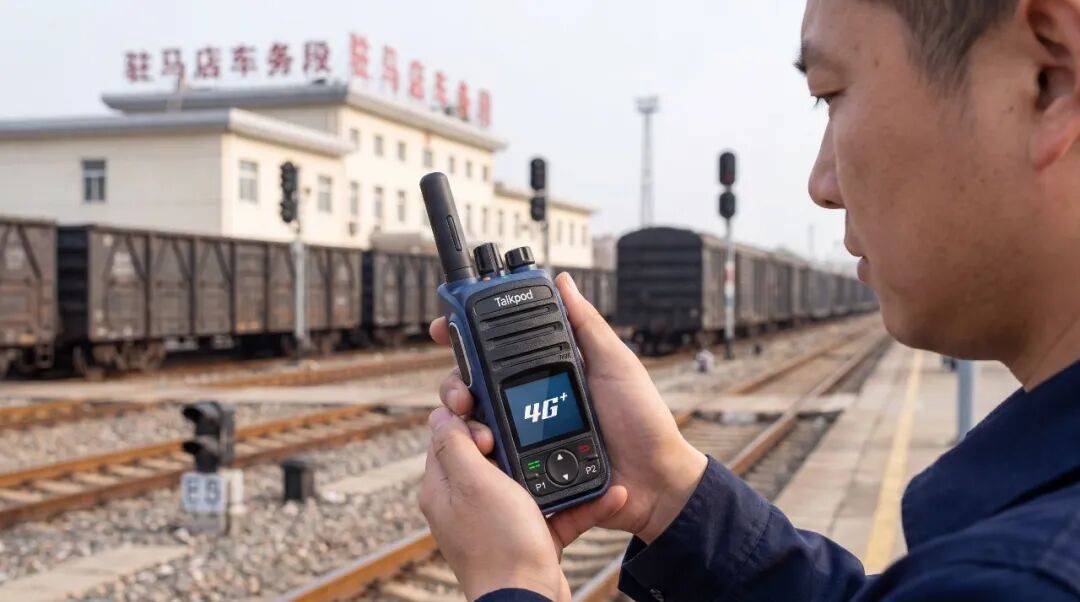
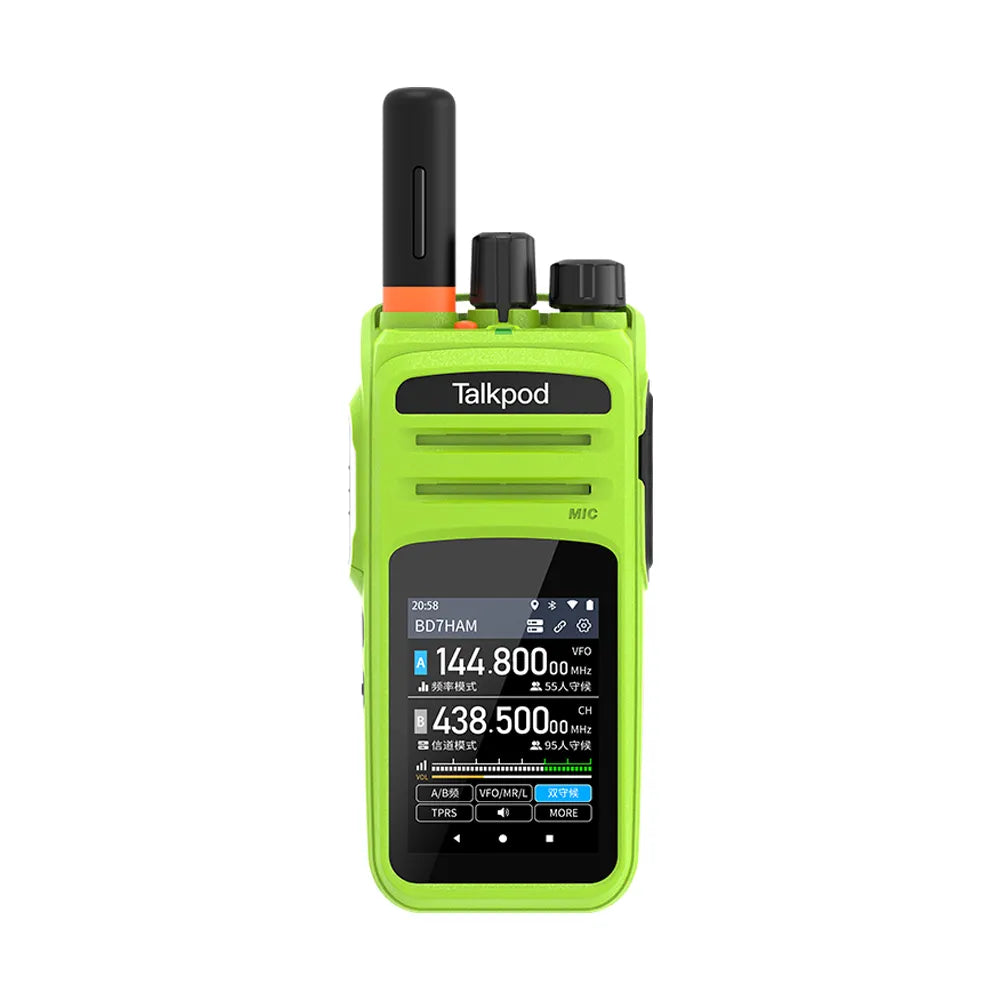
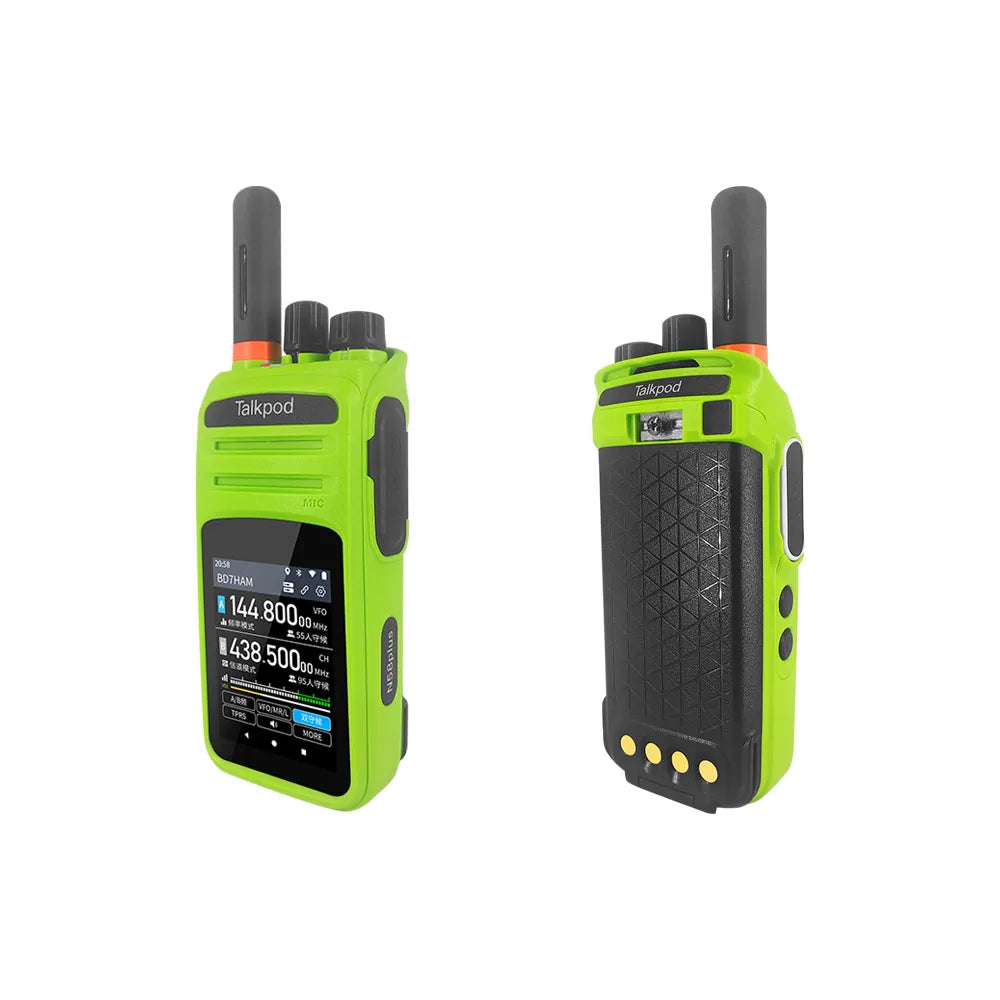
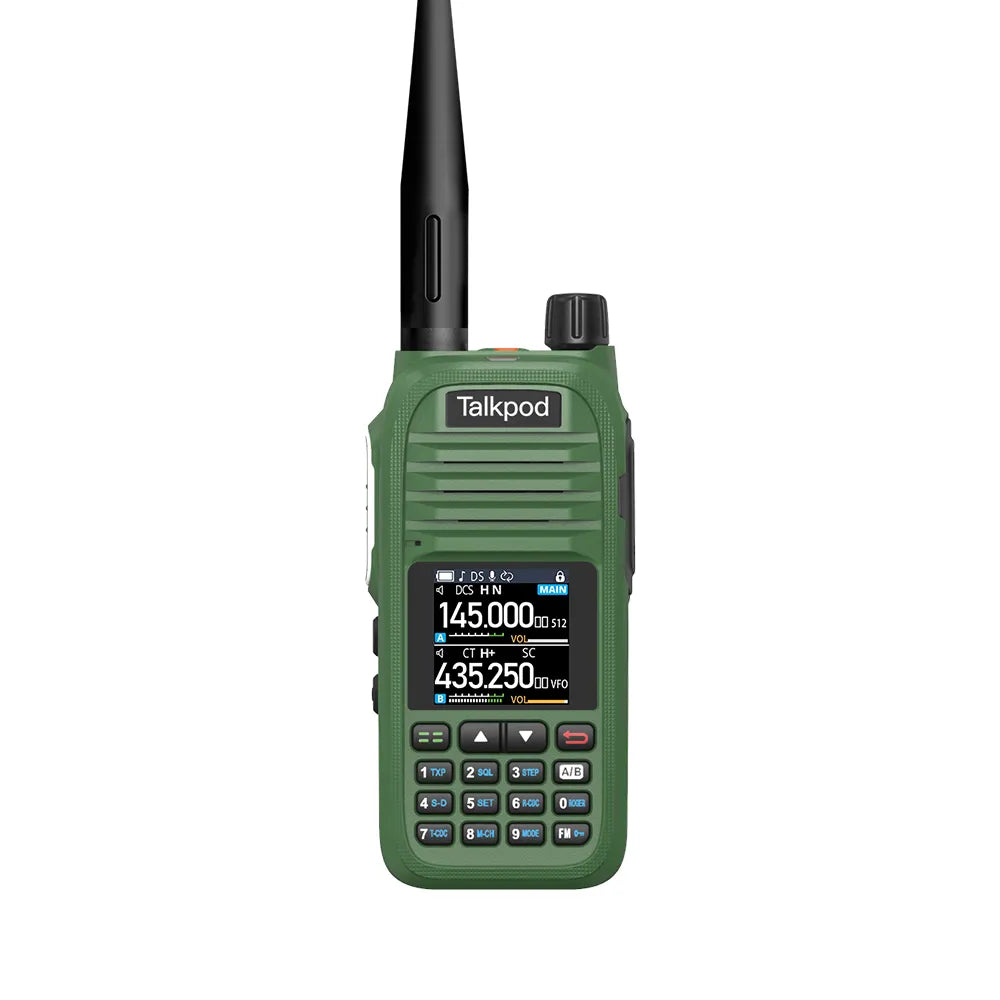
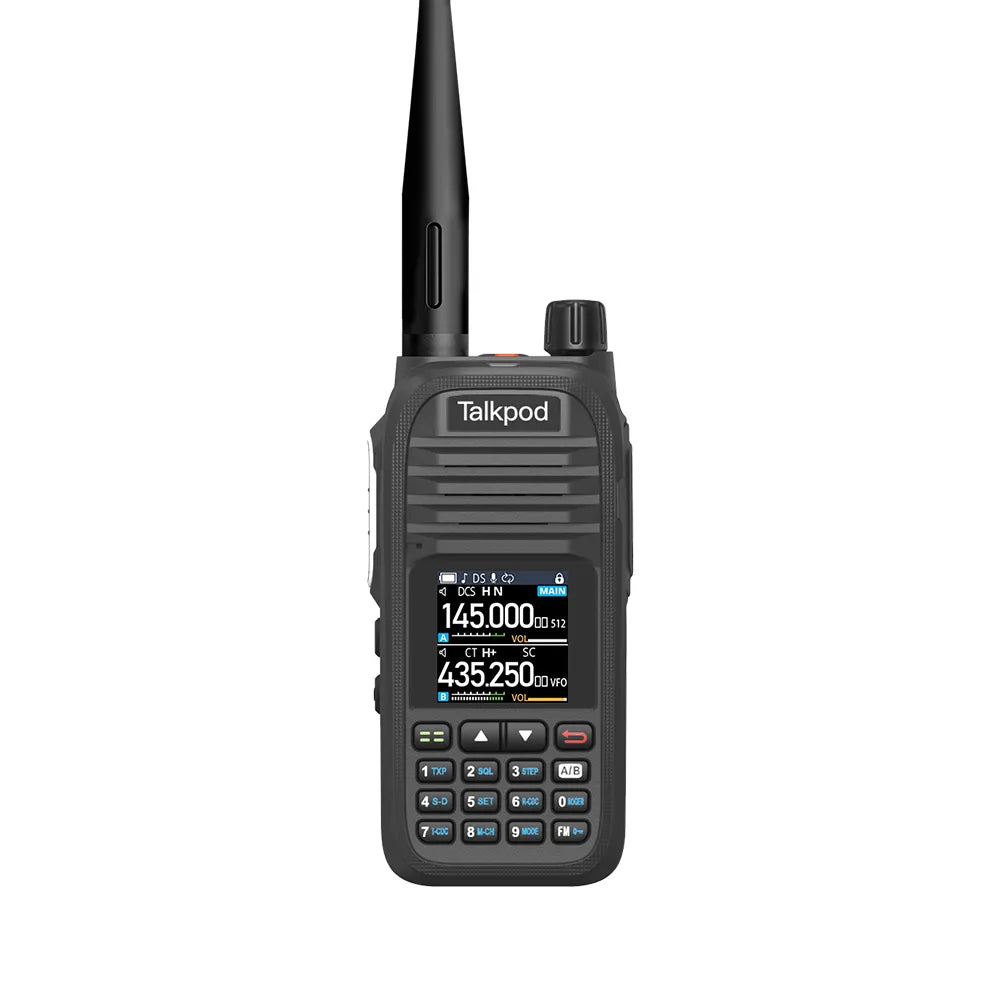
For the Zhumadian railway operations section, conventional handheld radios remained useful for local work but were constrained by direct communication range. The Talkpod N56 public-network radio was introduced as an additional wide-area communication and management tool, connecting personnel through compatible mobile networks wherever suitable coverage is available.
Connecting personnel across different stations and yards
Railway operations are geographically dispersed by design.
One group may be handling passengers at a station while another is working in a freight yard elsewhere. Supervisors may need to communicate with both without requiring every user to remain within the same local radio coverage area.
The N56 uses compatible public mobile networks to support wide-area push-to-talk communication.
Authorized personnel can remain within managed groups even when they are working at different stations or operational sites. A passenger-service team can receive an updated instruction, while freight personnel elsewhere can coordinate their own task through a separate group.
This reduces dependence on a direct handheld-to-handheld radio path and makes cross-site communication easier to organize.
The practical advantage is not literally unlimited range. Communication depends on the availability of the supporting mobile network and dispatch platform.
Keeping passenger-service teams coordinated during busy periods
Passenger peaks place particular pressure on internal communication.
Crowds may build quickly around entrances, ticketing areas, waiting halls or platforms. Staff may need to adjust passenger guidance, request additional personnel or respond to an individual requiring assistance.
When several teams are involved, relying entirely on individual phone calls can slow coordination.
With the N56, personnel can use push-to-talk communication to notify the appropriate group while remaining at their assigned position.
A staff member assisting passengers can request support without leaving the area. Supervisors can update several relevant users at once when staffing or operating arrangements change.
The radio does not replace station passenger-information systems or formal railway procedures.
Its role is to help the staff implementing those procedures communicate with one another more quickly.
Supporting freight operations without mixing every conversation together
Freight work creates a different set of communication requirements.
Personnel may be distributed across loading areas, warehouses, yards and other operational points. An abnormal shipment condition or change in working arrangements may require several employees to coordinate.
The N56 can be configured with multiple communication groups so that passenger and freight traffic do not all compete for the same channel.
Routine freight communication can remain within the relevant working group, while supervisors retain access to broader groups when cross-team coordination is required.
This makes the system easier to use during a busy shift.
The objective is not for everyone to hear everything.
It is for the people responsible for a task to receive the information that concerns them.
A backend platform for managing multiple teams
The N56 can operate with a client-based dispatch and management platform.
Authorized administrators can use the platform to manage users, configure communication groups and adjust the structure as operational requirements change.
For a railway section overseeing several stations and working teams, this provides a more organized approach than treating every radio as an isolated device.
Groups can be built around passenger service, freight operations, particular stations or other responsibilities.
Talkpod worked with the Zhumadian team to configure groups around the different passenger and freight workflows, while providing technical support for subsequent adjustments.
A communication system becomes more useful when its structure follows the organization already doing the work.
Recording operational voice where authorised
The platform can also support backend voice recording where permitted by system configuration, law and organizational policy.
For supervisors, authorized recordings may provide a way to review operational communication, reconstruct the sequence of an event or support training and service-quality analysis.
This function should be managed carefully.
Railway communications may contain operational or personal information, so access, retention and use of recordings should follow the organization’s approved policies.
Radio recordings should also not be treated as the authoritative record for formal railway instructions or safety-critical operational decisions unless the relevant railway procedures specifically provide for that use.
The communication platform can preserve a useful operational record.
It does not replace the railway's designated dispatch, logging or safety-management systems.
Clearer audio in a noisy station environment
Railway stations and freight yards can be difficult places to hear a handheld device.
Public-address announcements, passengers, vehicles, machinery and other background noise all compete with radio audio.
The N56 uses a high-output speaker intended to make short voice messages easier to understand in these environments.
This can help staff hear routine notifications while continuing to work around passengers or freight activity.
Critical operational information should nevertheless be confirmed according to established railway procedures.
A louder speaker can improve intelligibility.
It cannot guarantee that every instruction has been understood correctly.
Raising an alert when something changes
Passenger and freight operations can both produce unexpected situations.
A traveler may suddenly require assistance. A freight employee may encounter an abnormal condition. A staff member working away from colleagues may need support quickly.
The N56 supports an emergency-alert function that can provide a faster way to notify designated personnel when correctly configured with the platform.
An alert can help draw attention to the user or situation and begin the coordination process.
It should not be interpreted as an automatic rescue or dispatch system.
Its effectiveness depends on network availability, platform configuration and the railway organisation’s response procedures. Personnel need to know who receives the alert, how it is acknowledged and what actions follow.
The button becomes useful because a response process has been built around it.
Public-network coverage still needs to be tested on site
Large railway stations are complex radio environments.
Platforms, station buildings, warehouses, steel structures and enclosed operational spaces can all affect connectivity. Different mobile operators may also provide different levels of coverage across the same site.
The N56 cannot create a public-network signal where none exists.
Before deployment, important work locations should therefore be tested using the actual network and devices intended for service.
Weak areas should be identified in advance, with appropriate alternative communication procedures retained.
For safety-critical railway operations, public-network radios should complement rather than replace dedicated railway dispatch communication and other required operational systems.
Training around the real workflow
Introducing a new radio platform is partly a technical project and partly an organizational one.
Talkpod provided configuration and operating guidance based on the different passenger and freight workflows used by the Zhumadian railway section.
Training can cover which group should be used, how an emergency alert is handled, when a supervisor should switch between groups and how recorded voice functions are managed.
This matters because a radio that offers many functions can become less efficient if every user applies them differently.
The aim is for personnel to understand a small number of clear communication procedures and use them consistently.
Making separate railway teams work more like one operation
The Talkpod N56 does not move passengers, organize freight or make railway operating decisions.
It also does not replace the dedicated systems responsible for train operations and safety.
Its role is quieter.
Where suitable mobile-network coverage exists, the N56 gives personnel at different stations and working areas another way to communicate through the same managed structure. Passenger teams can coordinate during busy periods, freight staff can keep their own traffic organized, and supervisors can manage groups through a common platform.
For a railway section with dispersed sites, the value is not simply that a message travels farther.
It is that fewer operational boundaries get in the way before the message reaches the people who need it.


Leave a comment
All comments are moderated before being published.
This site is protected by hCaptcha and the hCaptcha Privacy Policy and Terms of Service apply.