

Large residential communities create a communication problem that is easy to underestimate.
Security personnel may be stationed at separate entrances while patrol teams move between residential buildings, hillside walkways, commercial areas and underground parking facilities. Property-management staff, meanwhile, need to coordinate those teams from another location.
At Nanjing Panlong Shanzhuang, the size and layout of the community make conventional direct handheld-radio coverage less predictable. Distance between buildings, dense structures and underground areas can all weaken local RF communication.
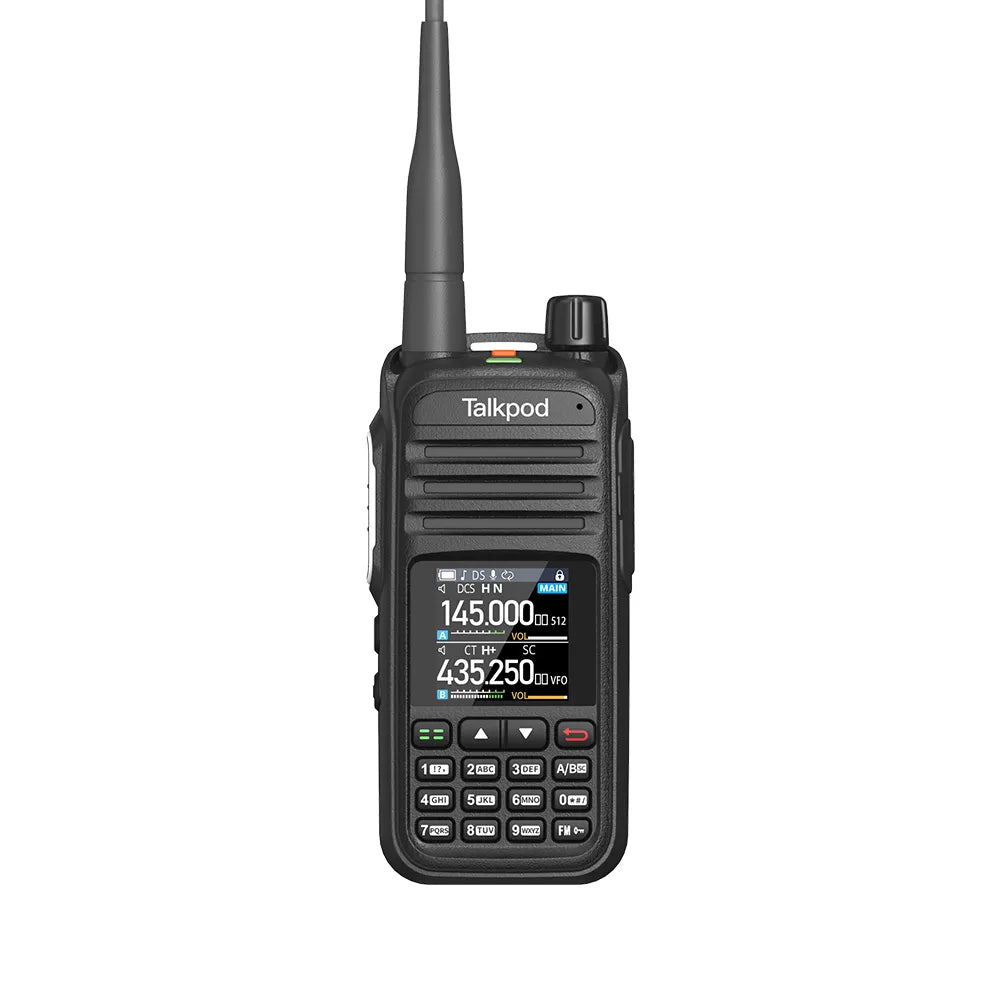
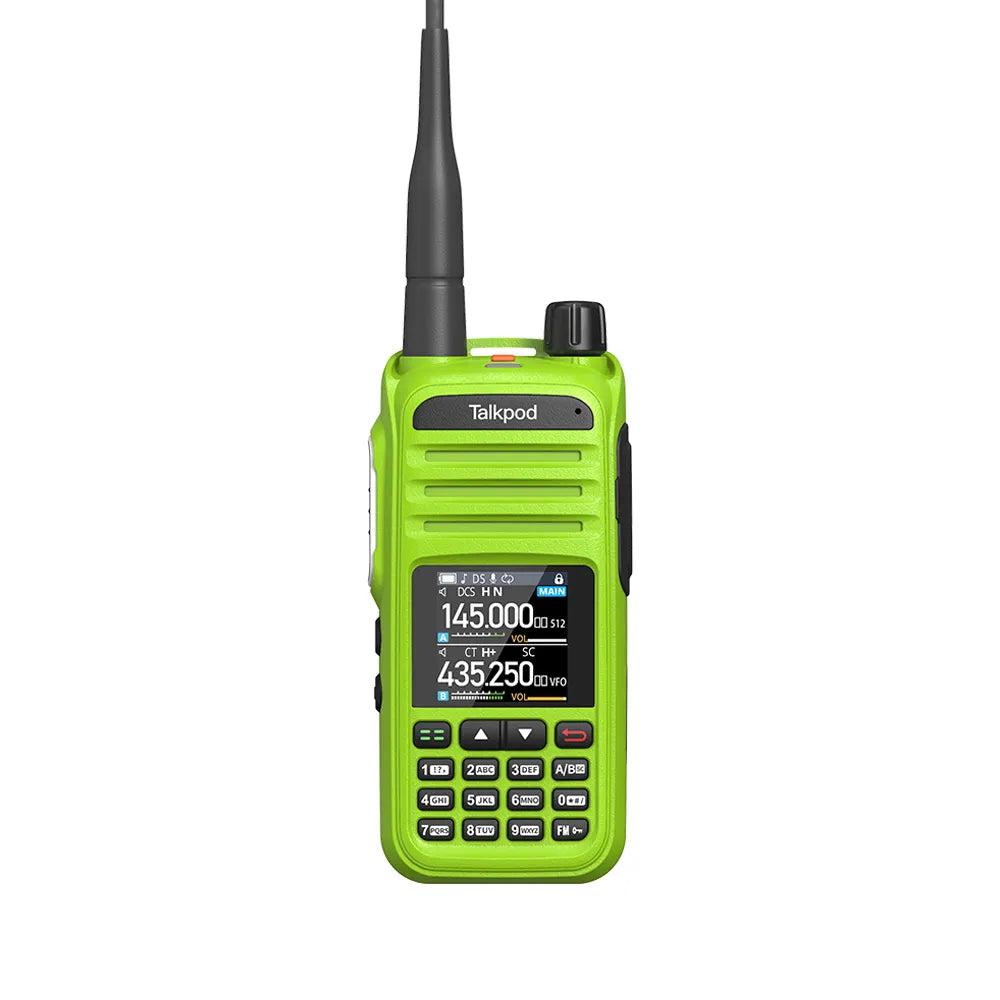
The Talkpod C11 public-network trunked radio uses compatible mobile networks to provide a wider-area push-to-talk layer, supported by centralized backend management. Where suitable network coverage is available, it can help gate personnel, patrol teams and property staff remain within the same managed communication environment across a large residential property.
[Image]
A large residential community is not one radio environment
Panlong Shanzhuang includes several different operating spaces.
Residential buildings are spread across a wide area. Patrol routes extend along hillside paths and outdoor sections, while underground parking areas and commercial facilities introduce a different set of structural obstacles.
A conventional handheld radio may perform well in an open courtyard but less reliably after a user moves behind several buildings or enters a basement parking area.
The C11 approaches the problem through public-network communication rather than depending entirely on direct radio range.
Where compatible mobile service is available, personnel in separated parts of the property can remain connected without needing to stay within a few kilometers of one another.
That broadens the practical operating area.
It does not guarantee coverage in every corner.
Underground garages still need field testing
Public-network radios solve the distance problem differently, but they still depend on the underlying network.
Underground garages, enclosed equipment rooms, reinforced walls and hillside terrain can all weaken cellular service.
For that reason, a community deployment should include real testing at the locations where security and maintenance personnel actually work.
Garage levels, stairwells, entrance gates, patrol routes, commercial areas and remote corners of the property should all be checked.
If a weak area is identified, the property team can determine whether network improvements, another communication method or a revised operating procedure is needed.
A realistic communication plan maps the weak points instead of assuming they do not exist.
Faster coordination between gate and patrol personnel
Residential security work involves constant small handoffs.
A gate officer may need a patrol team to check an unfamiliar situation inside the community. A patrol officer may identify a damaged facility and need property staff to arrange maintenance. A resident may request assistance that involves several positions.
With the C11, frontline personnel can pass that information directly to the relevant team without returning to a security office or making several separate phone calls.
That can shorten the first stage of the response.
The benefit is especially practical in a large community, where simply moving between two points may take several minutes.
Centralized dispatch gives the property team a clearer structure
The C11 can be managed through a backend dispatch environment rather than treating every handheld device as an independent unit.
For Panlong Shanzhuang, the source describes a customized dispatch-management backend together with long-term account maintenance and remote configuration support.
This can help administrators organize users around actual property roles.
Gate personnel, patrol teams and management staff can be placed into appropriate communication structures, while changes to accounts or groups can be handled centrally as staffing arrangements evolve.
That reduces the need to reconfigure every device manually whenever a shift structure or user assignment changes.
A well-managed backend is useful not because it adds complexity, but because it can keep a large device fleet consistent.
[Image]
A compact radio is easier to carry through a full shift
Property personnel may carry a radio throughout an entire patrol shift.
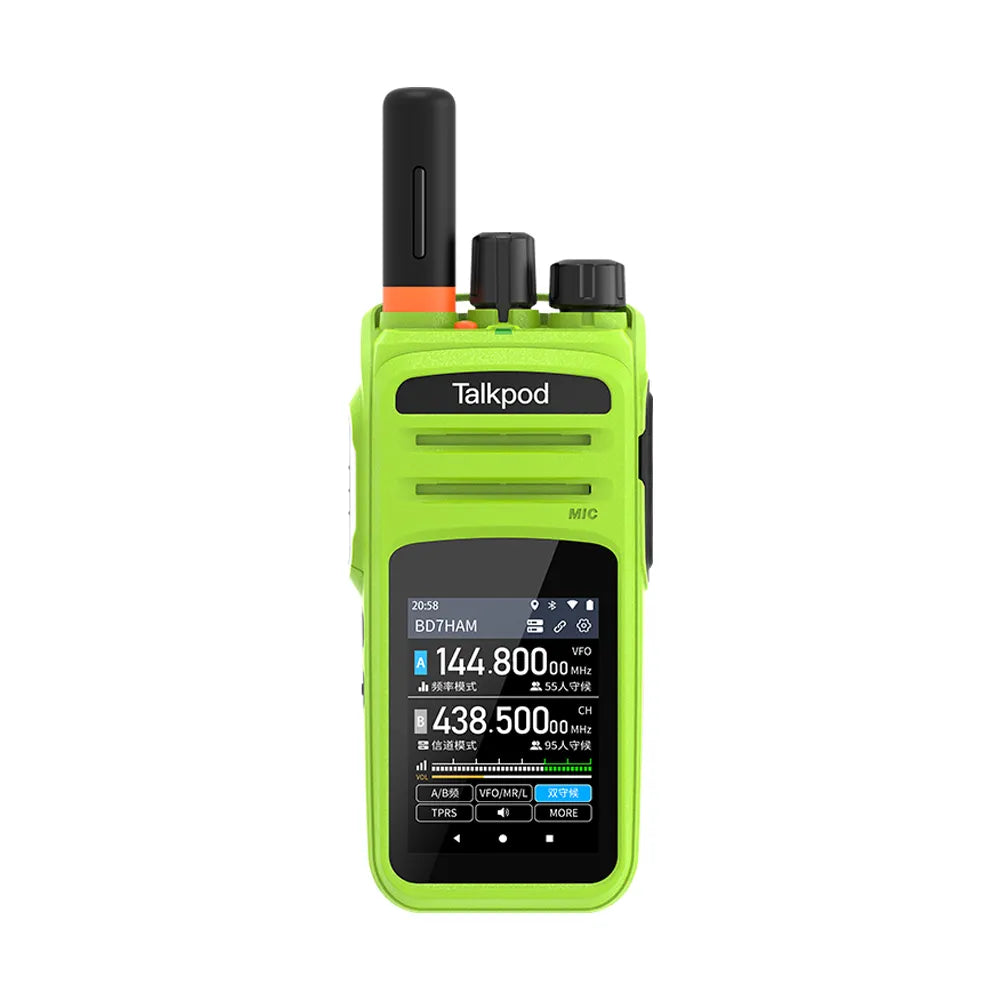
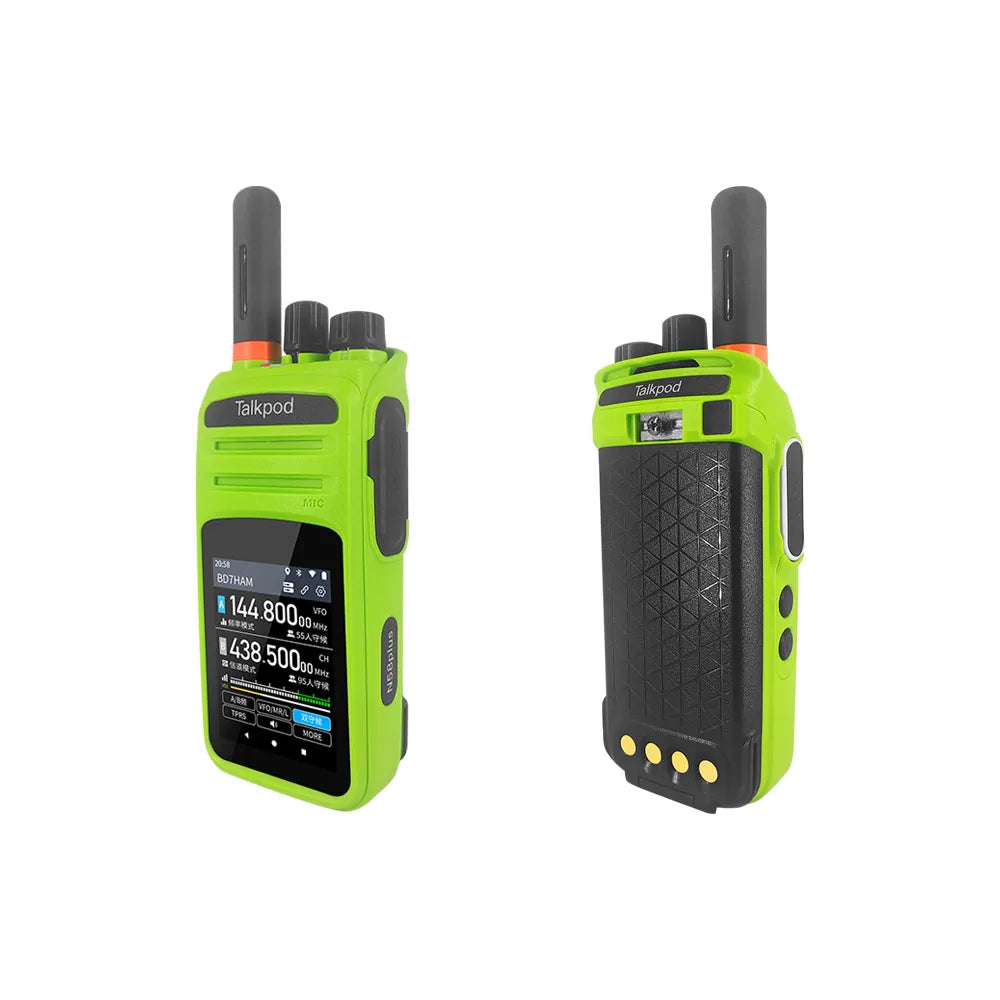
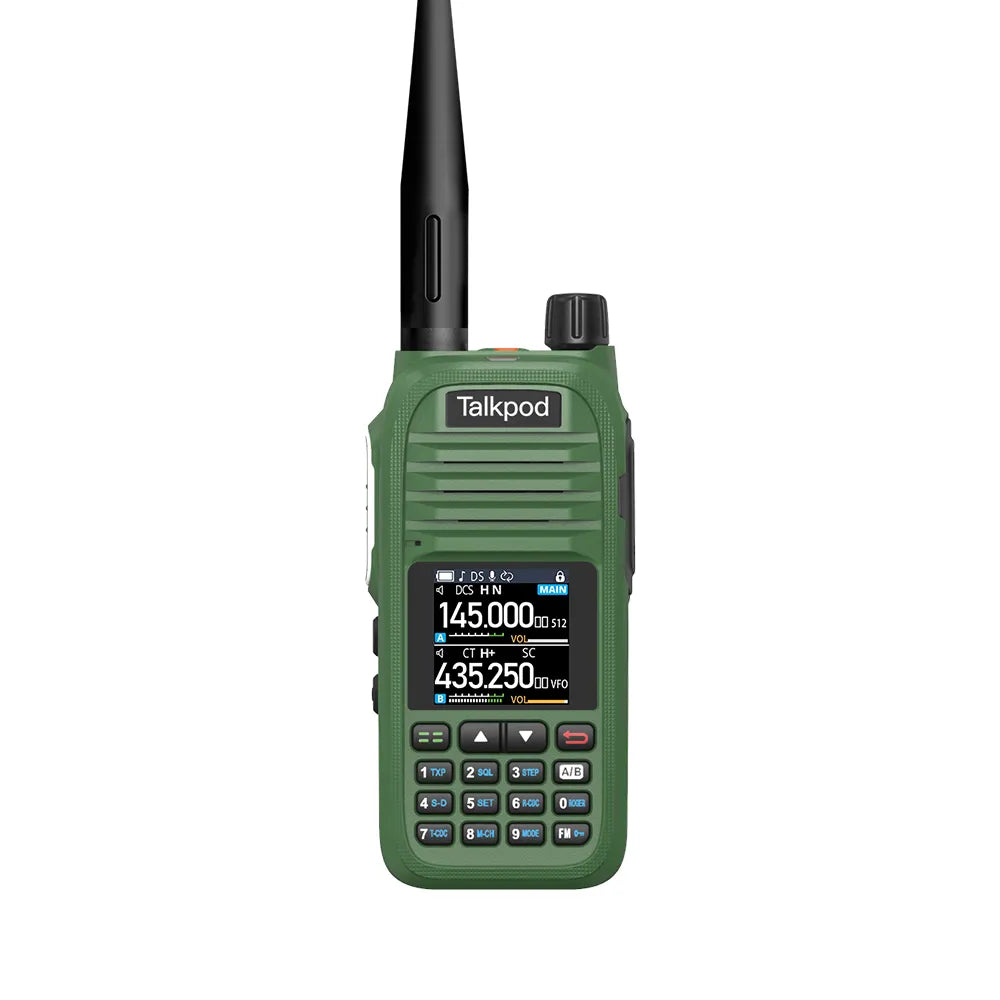
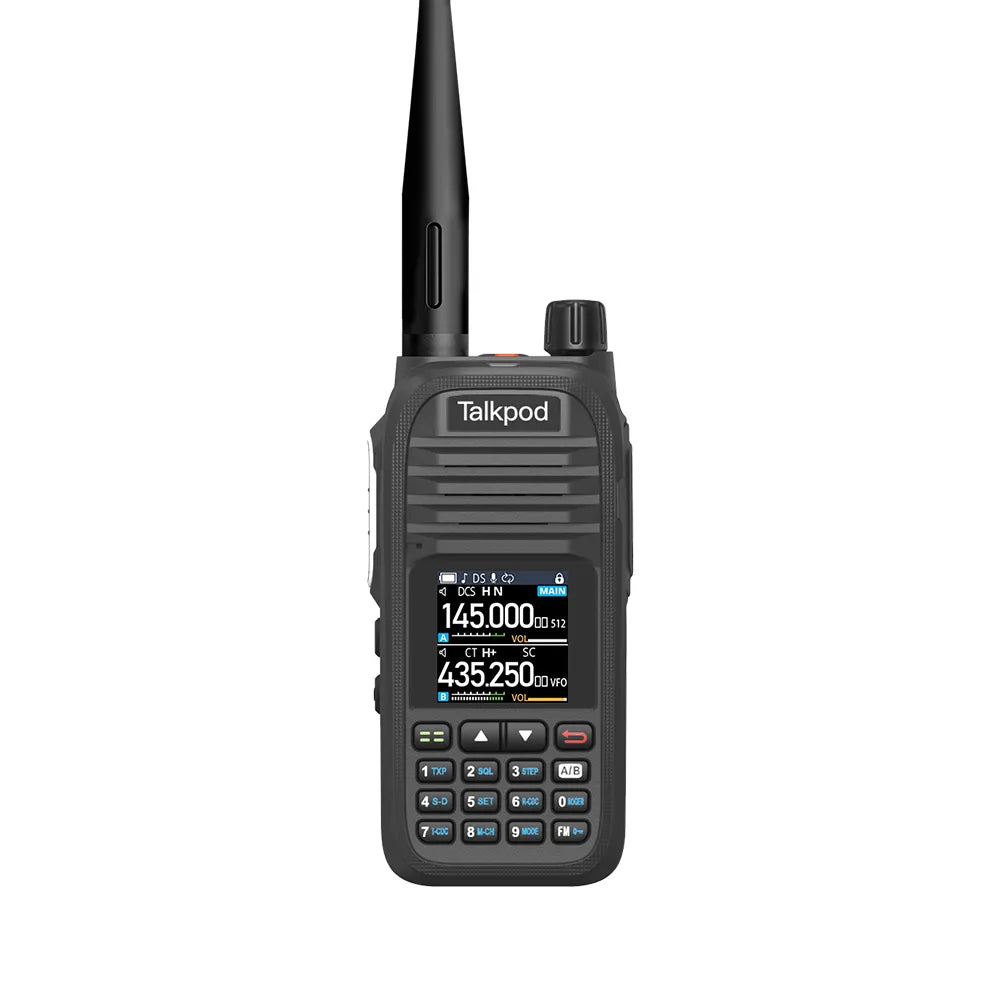
The C11 uses a compact, textured handheld body designed for frequent portable use.
That matters in a residential environment where personnel may also be carrying keys, access cards, flashlights or other equipment.
The illuminated PTT key provides an additional visual cue, making the primary transmit control easier to identify in darker environments such as evening patrol routes or underground parking areas.
The operational advantage is straightforward.
The device should be easy to carry and easy to use without demanding unnecessary attention from the person doing the patrol.
Communication groups can keep routine traffic focused
Not every message needs to reach every employee.
Gate staff may be handling visitor access while patrol personnel are checking another part of the property. Maintenance requests may need a different response from routine security calls.
A managed communication structure can keep these conversations more focused.
The goal is not to create as many groups as possible.
It is to reduce unrelated traffic so that when a message does arrive, the recipient is more likely to need it.
For larger communities, that can make the difference between a useful radio system and one that becomes background noise.
Security incidents still require defined procedures
A radio can help security personnel alert colleagues quickly when an abnormal situation is reported.
But communication speed is only one part of incident handling.
The property operator should still define who responds, who contacts emergency services where necessary, how CCTV information is used and when an incident must be escalated beyond the property team.
The C11 can help connect the people involved.
It does not replace surveillance systems, access control, fire alarms or formal emergency procedures.
That distinction is especially important when a situation goes beyond ordinary property management and requires police, fire or medical assistance.
Resident information should stay limited over voice
Property-service radio traffic can sometimes involve information about residents or visitors.
Names, phone numbers, access details or other personal information should not automatically be broadcast over a shared voice group simply because the radio is convenient.
A concise message may be enough to direct the appropriate team to a location.
Detailed resident records should remain in the property's authorized management or work-order systems whenever possible.
Good radio discipline improves both efficiency and privacy.
The radio should carry the immediate operational message—not the complete resident record.
Public-network communication needs a fallback
The C11 depends on mobile-network and platform availability.
If the underlying network becomes unavailable, public-network push-to-talk may also be interrupted.
For routine property operations, that may mean using phones or another available communication method until service returns.
For activities where communication is more important, the property team should define backup arrangements in advance.
This is particularly relevant for basement areas or other locations already known to have weaker mobile reception.
A resilient property communication plan assumes that no single technology works perfectly everywhere.
Making a large community easier to coordinate
The communication challenge at Nanjing Panlong Shanzhuang comes largely from scale and layout.
Gate personnel, patrol teams and property staff may be working far apart, while underground parking areas and buildings make conventional direct radio coverage difficult to maintain uniformly.
Where suitable mobile-network service exists, the Talkpod C11 can provide a wider-area communication layer across those separated locations.
Its compact form, illuminated PTT control and centrally managed backend make it practical for day-to-day property operations, while account maintenance and remote configuration can help keep the system aligned with changing staff assignments.
The value should not be expressed as “communication everywhere without dead zones.”
A more useful measure is whether the system reduces the time employees spend searching for one another and makes it easier for the correct team to respond when something requires attention.
For a large residential community, that quieter improvement in coordination is often what residents ultimately experience as better service.

Leave a comment
All comments are moderated before being published.
This site is protected by hCaptcha and the hCaptcha Privacy Policy and Terms of Service apply.