
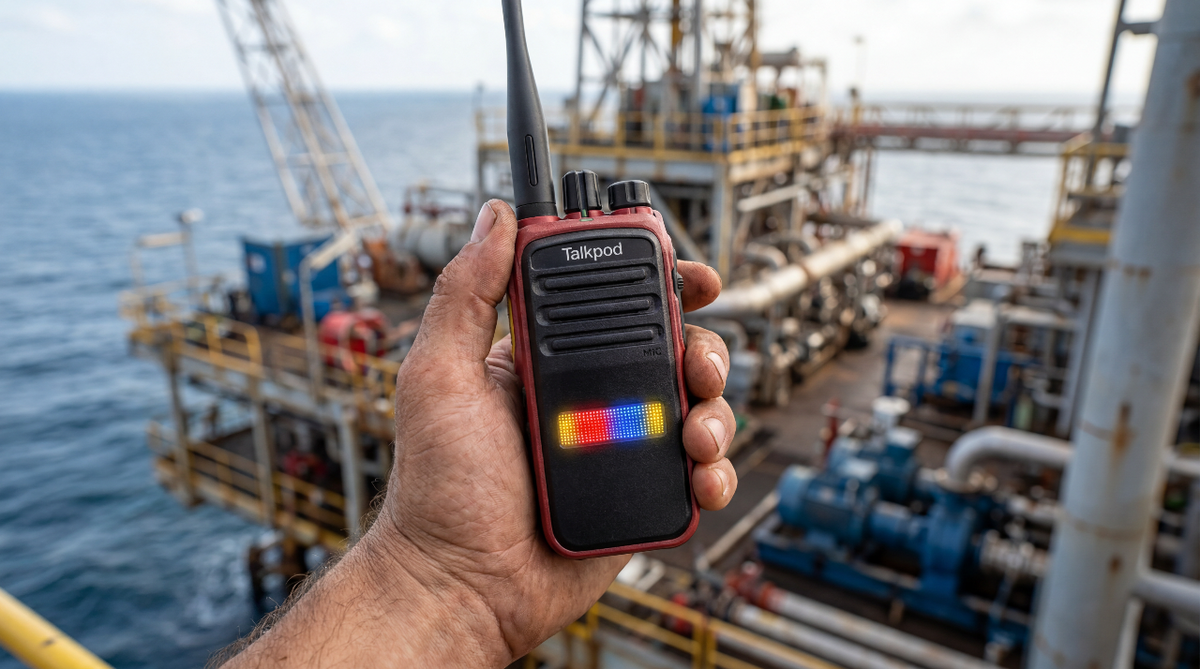
An offshore drilling platform compresses a large industrial operation into a relatively small structure.
Drilling crews work high above the sea. Maintenance personnel move through pipe racks and equipment decks. Other teams inspect machinery several levels below the main work area. Between them lie steel bulkheads, machinery, narrow passages and a constantly changing industrial environment.
The platform may also be far beyond reliable terrestrial mobile-network coverage. At the same time, parts of the installation may contain potentially explosive atmospheres associated with oil and gas operations.
Communication equipment used here must therefore satisfy two very different requirements: it must help crews remain connected across a complex offshore structure, and it must be suitable for the hazardous area in which it is carried.
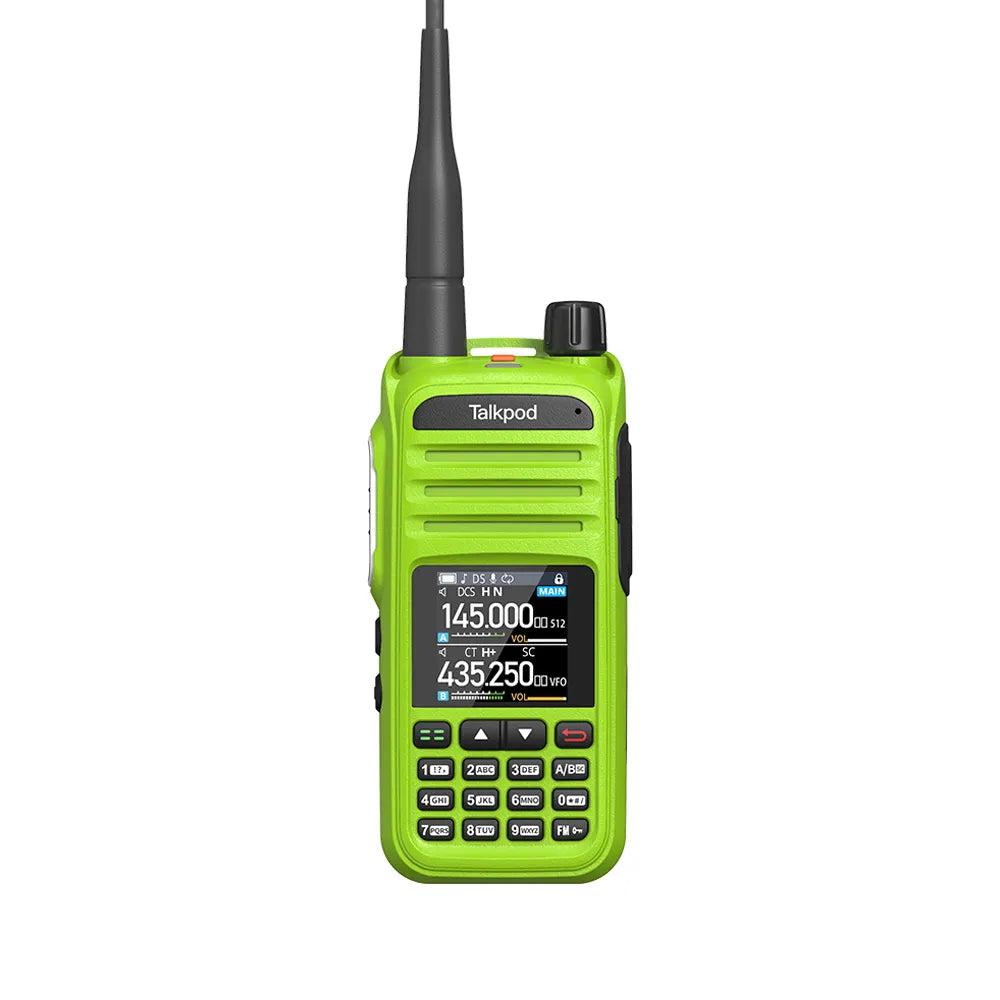
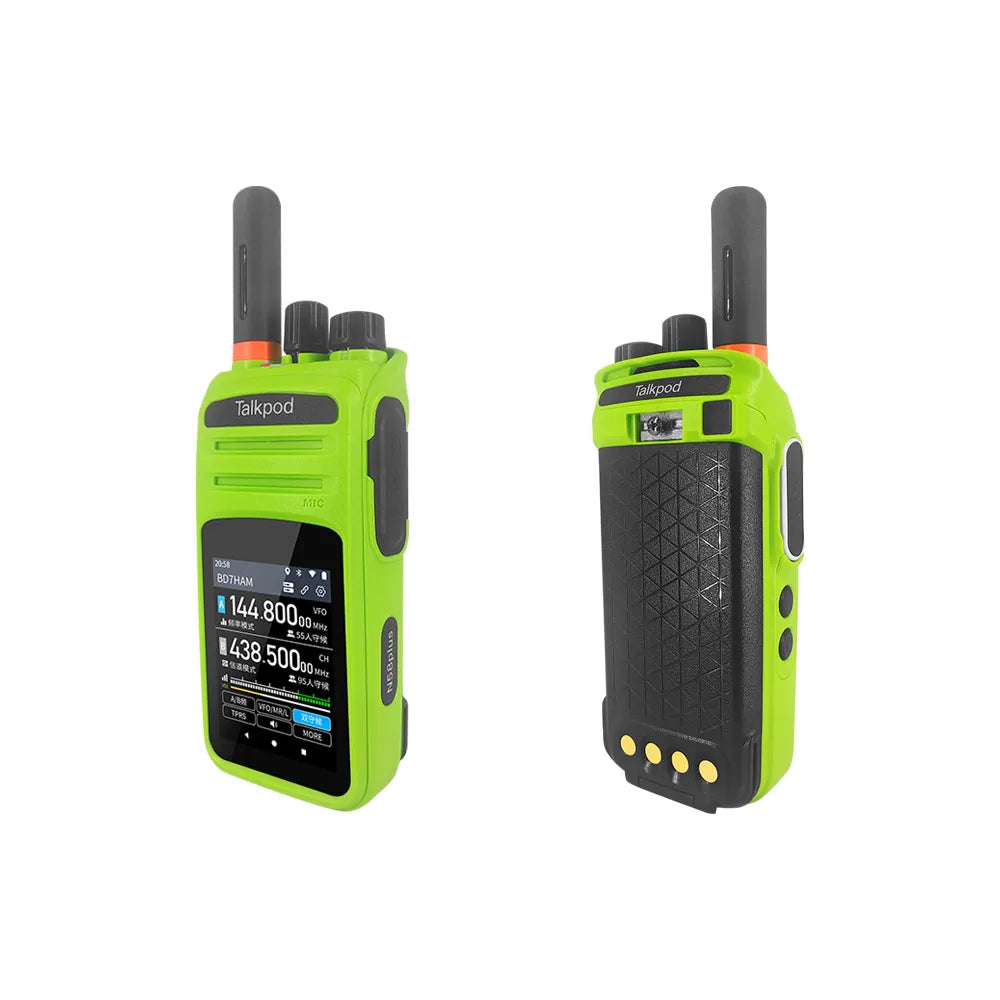
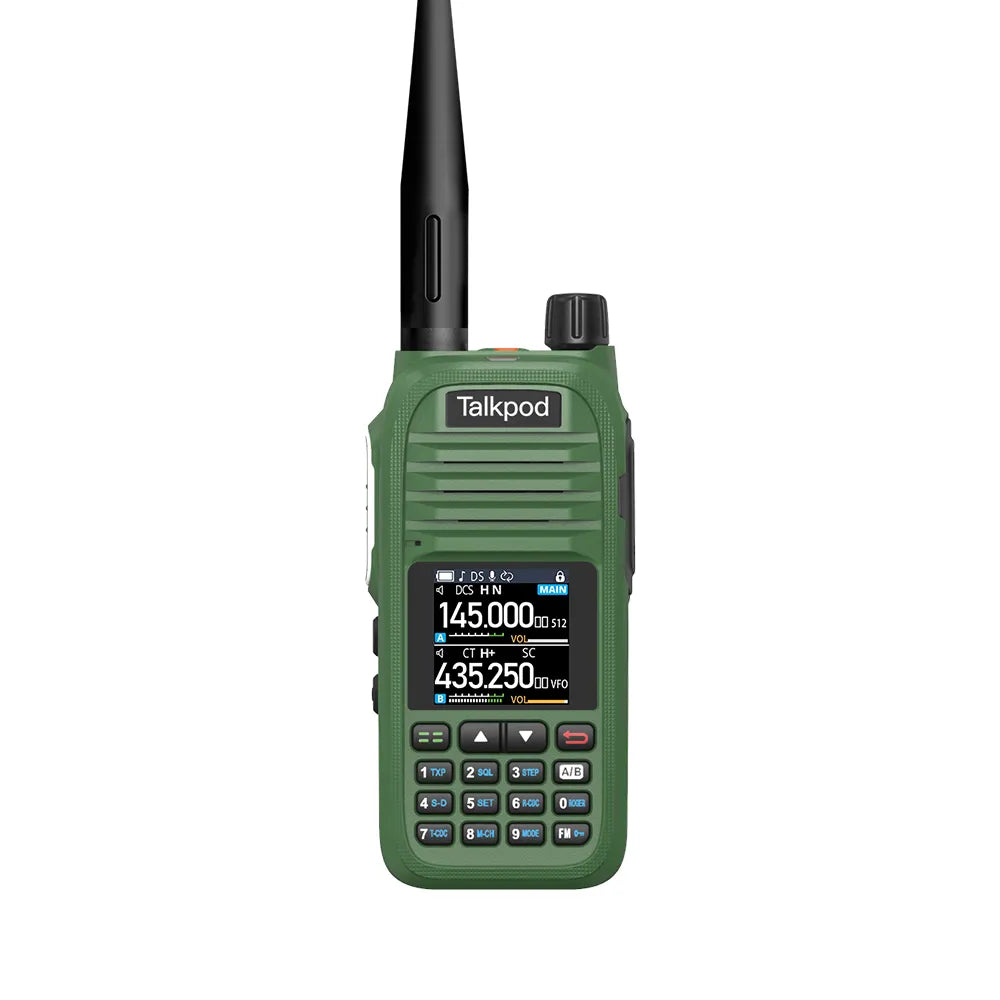
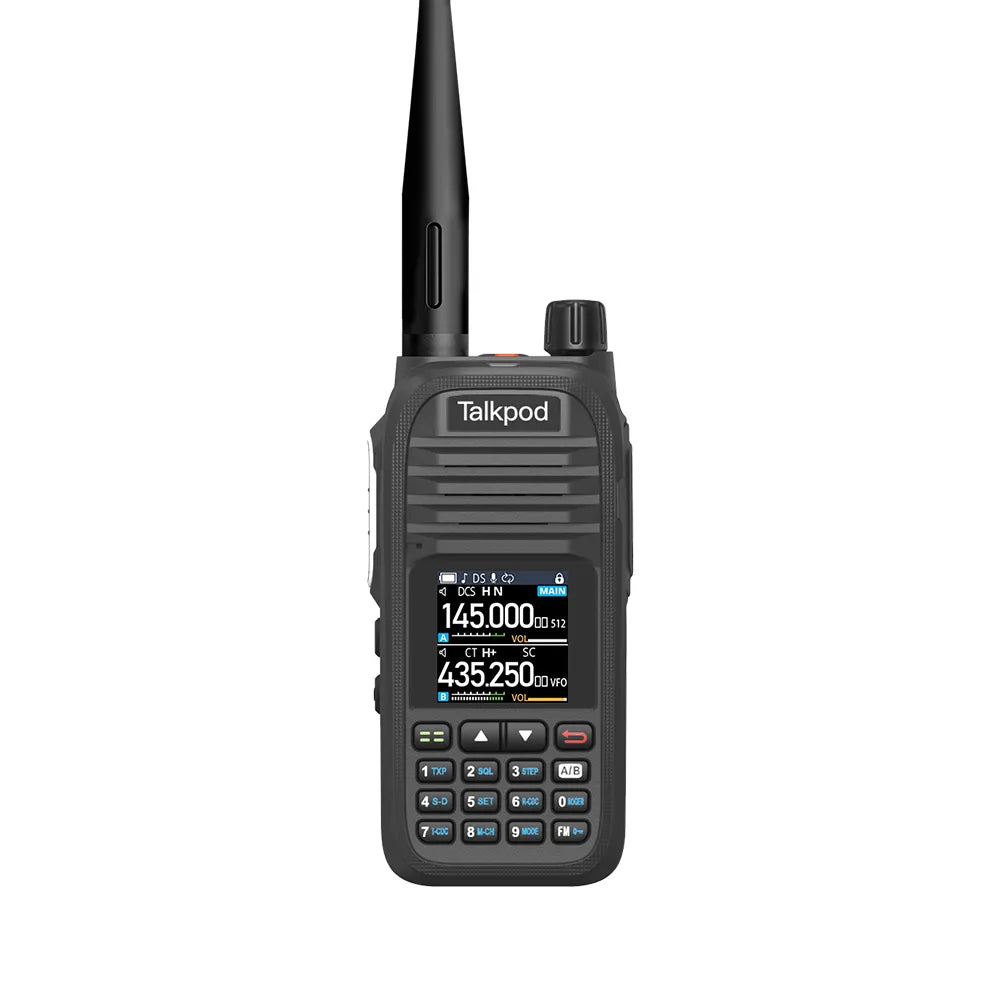
The Talkpod A50Ex combines explosion-protected design with automatic ad hoc networking to address both requirements, subject to its certified operating limits and the platform’s own hazardous-area procedures.
Hazardous-area compliance comes first
On an offshore platform, a radio is itself a piece of electrical equipment entering a potentially hazardous environment.
Flammable gas or vapour may be present around drilling, processing and storage areas. An electrical spark, excessive surface temperature or unsuitable battery can become an ignition source.
The A50Ex incorporates protective design measures intended for use in specified explosive atmospheres. But “explosion-proof” or “intrinsically safe” should never be treated as a universal permission to carry the radio anywhere on a platform.
Before deployment, operators must verify the exact certification marking on the device, including the permitted hazardous zone, gas group, temperature class and ambient operating range. Depending on the country and offshore installation, applicable national, IECEx, ATEX or other recognised certification requirements may also need to be satisfied.
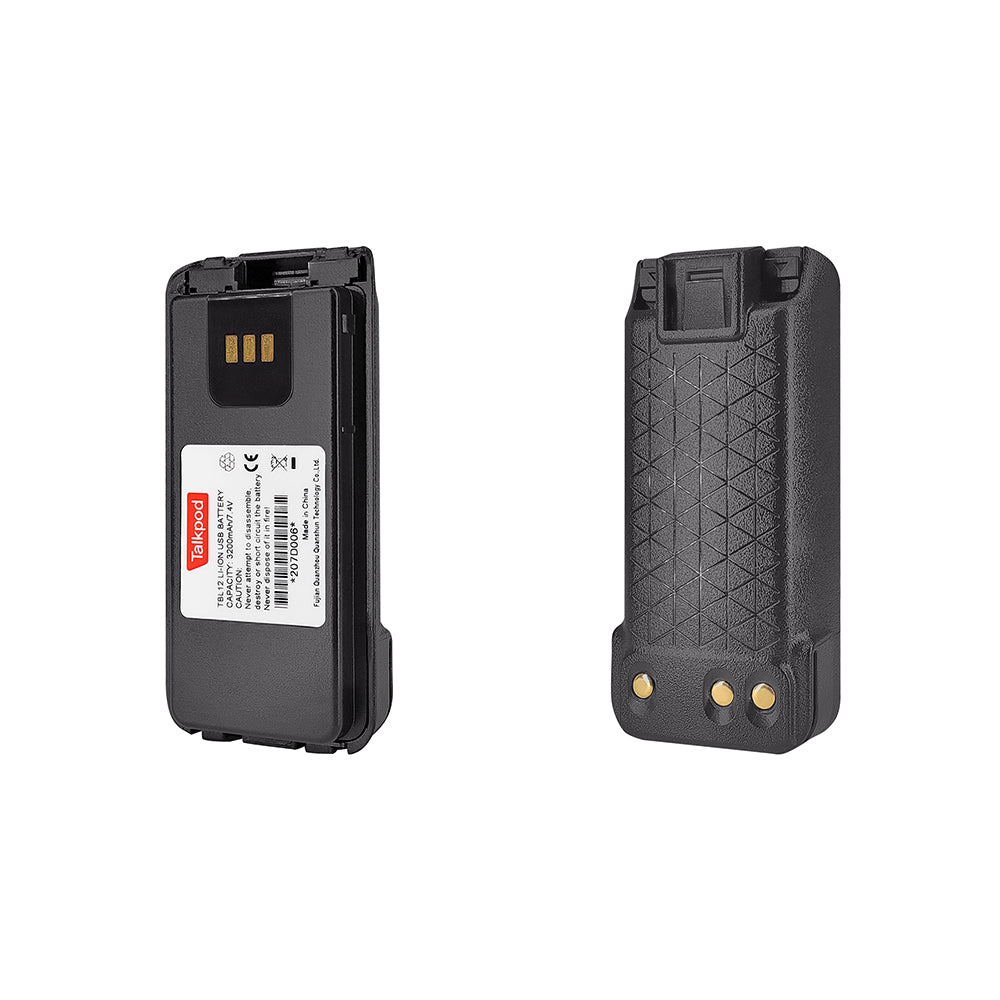
Only approved batteries and accessories should be used. Charging, maintenance and replacement procedures must follow both the product instructions and the platform’s hazardous-area rules.
The radio can reduce the ignition risk associated with communication equipment when used within its certified limits. It cannot make an explosive atmosphere itself safe.
Creating communication without a public mobile network
Offshore installations cannot assume that a terrestrial cellular network will be available.
The A50Ex therefore does not depend on a public mobile network for its core radio communication. Compatible units can automatically form an ad hoc network and use intermediate radios to relay voice traffic between users.
Chain, mesh and tree-type networking arrangements allow the communication structure to be adapted to the layout of the platform. A worker does not necessarily need a direct radio path to the control point if appropriately positioned units can provide intermediate relay links.
This can be particularly useful when personnel are distributed between drilling areas, pipe racks, machinery spaces and temporary work points.
No ad hoc network, however, provides unlimited range. Offshore platforms contain large amounts of steel, and metal decks, bulkheads, tanks and enclosed machinery spaces can strongly affect radio propagation.
Multi-hop networking can help reduce these communication gaps, but coverage should be planned and tested across actual working routes. Strategic placement of relay-capable units may be necessary in difficult areas.
Working across multiple decks
The challenge on an offshore platform is often vertical as well as horizontal.
A supervisor may be on the main deck while an inspection team is several levels below. Another crew may be working on a pipe rack at the opposite end of the installation.
Conventional direct radio links can become less reliable when several steel structures lie between users. With the A50Ex, intermediate radios can participate in the network and relay communication through the platform.
This gives offshore teams more flexibility when configuring communications around their actual work areas rather than relying only on a single direct connection.
It should not be assumed that a worker deep inside every enclosed compartment will automatically remain connected. Before an inspection or maintenance task begins, teams should verify communications for the intended route and establish procedures for locations where radio contact cannot be maintained.
Communication as part of offshore safety
Routine radio traffic on a drilling platform includes equipment status, maintenance coordination, personnel movements and work-area updates.
During an abnormal event, however, communication becomes part of a much larger safety structure.
A portable radio can help supervisors and work teams exchange immediate information, but it should complement—not replace—the platform’s approved emergency systems. Public-address and general-alarm systems, fixed communications, marine radio, emergency shutdown systems and other required safety equipment retain their designated roles.
The A50Ex is most useful as the communication layer carried by the people performing the work.
A technician can report a problem without leaving the equipment. A supervisor can coordinate another team. Personnel moving between decks can remain within the same operational communication structure.
That reduces the time between seeing a problem and getting the appropriate people involved.
Built around people who are constantly moving
Offshore personnel rarely remain at a desk.
They climb stairs and ladders, pass through narrow access points and carry tools while wearing protective clothing, gloves and other personal protective equipment.
The A50Ex uses a compact, ergonomic body intended to make the radio easier to carry during this kind of work. Straightforward controls also reduce the amount of attention required for routine push-to-talk communication.
In difficult weather or colder conditions, simplicity becomes more valuable. A worker wearing heavy gloves should not have to navigate a complicated interface merely to contact another part of the team.
Improving visibility in fog and low light
Visibility offshore can change quickly.
Fog, rain, darkness and spray may make personnel more difficult to identify across an open deck or work area. The A50Ex incorporates a multicolour flashing light that can provide an additional visual indication in suitable circumstances.
This can help make an equipped worker more noticeable, particularly during low-light operations or when teams are trying to identify one another around a work point.
It remains an additional aid rather than a primary personnel-safety system. Approved high-visibility clothing, personal lighting, fall protection and the platform’s established personnel-accountability procedures remain essential.
The marine environment adds another challenge
Offshore electronics face more than explosions and communication obstacles.
Salt-laden air, moisture, wind, vibration and temperature changes can place continuous stress on equipment. Radios used on deck should therefore be selected and maintained according to their specified environmental ratings.
After severe impact, water ingress, enclosure damage or deterioration of seals, an explosion-protected radio should be removed from hazardous-area service until its condition has been assessed according to the manufacturer’s procedures.
This is particularly important for certified equipment. A damaged housing or unauthorised component can affect the protection concept on which its hazardous-area approval depends.
Routine inspection is therefore part of communication reliability, not merely equipment maintenance.
Planning the network before it is needed
The strongest advantage of an ad hoc radio network is flexibility, but flexibility still requires planning.
Before deployment, an offshore team can identify drilling areas, machinery spaces, pipe racks, accommodation interfaces and other important work points. Radios or relay-capable users can then be positioned so that communication paths overlap.
The network should also be tested during realistic operations rather than only from an open deck. Steel doors may close. Personnel may move below deck. Machinery may start operating. Temporary equipment can alter the radio environment.
Testing these conditions helps identify where additional relay positions or alternative communication procedures are required.
The result is not a promise of “no dead zones”. It is a communication system designed to reduce them.
A specialised tool for a specialised workplace
The Talkpod A50Ex does not remove the inherent hazards of offshore drilling. It cannot guarantee radio coverage inside every steel compartment, and it cannot replace the certified emergency and marine communication systems required aboard an offshore installation.
Its role is more focused.
Explosion-protected design allows the radio to be considered for appropriately classified hazardous areas. Automatic networking helps teams communicate where public mobile infrastructure is unavailable. Multi-hop relay can extend communication around parts of a complex steel platform, while portable controls and visual signalling suit personnel who spend their shifts moving through demanding work areas.
On an offshore drilling platform, good communication is not simply about talking over a longer distance. It is about ensuring that the communication equipment itself fits the risks, structure and operating procedures of the site.
That is where the A50Ex matters most: not as a promise of perfect coverage or absolute safety, but as a purpose-built communication layer for teams working where both are difficult to achieve.

Leave a comment
All comments are moderated before being published.
This site is protected by hCaptcha and the hCaptcha Privacy Policy and Terms of Service apply.