
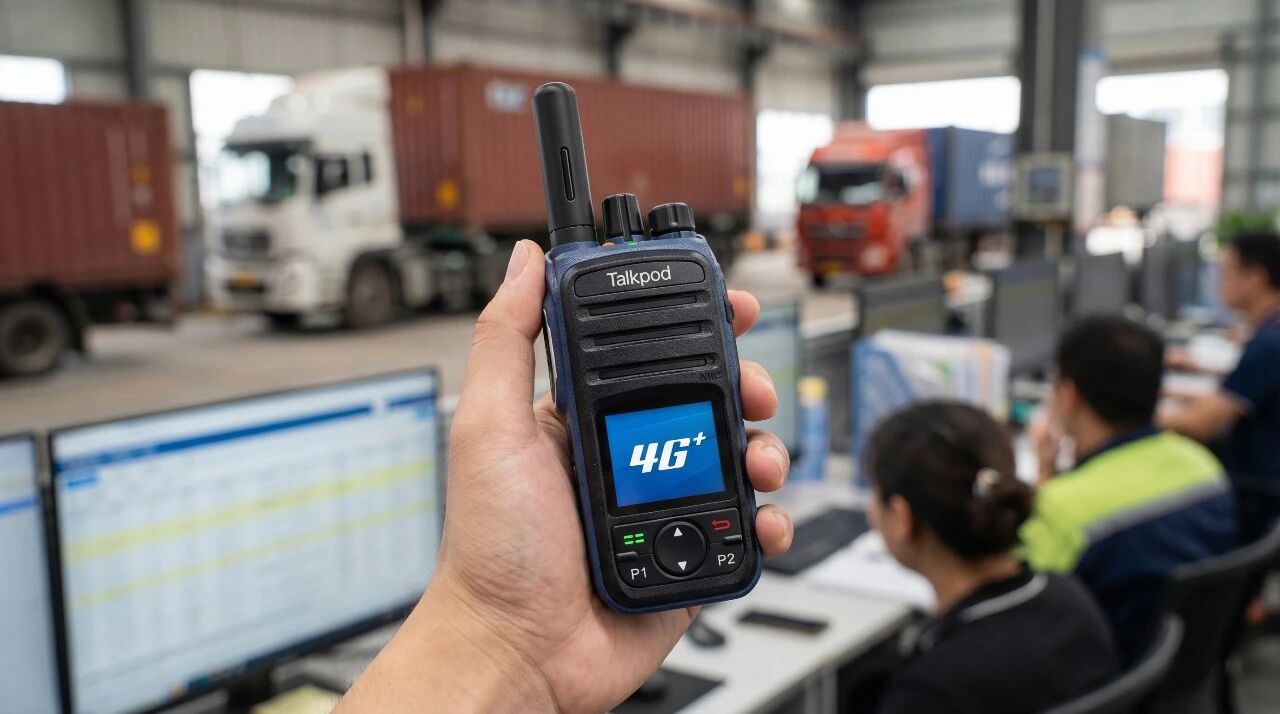
In modern logistics, the dispatcher is the nerve centre of the operation. Vehicles, drivers, cargo and delivery schedules may be spread across cities, highways and remote areas. To keep goods moving safely and on time, dispatchers need more than occasional phone calls. They need a communication system that provides reach, visibility and rapid command.
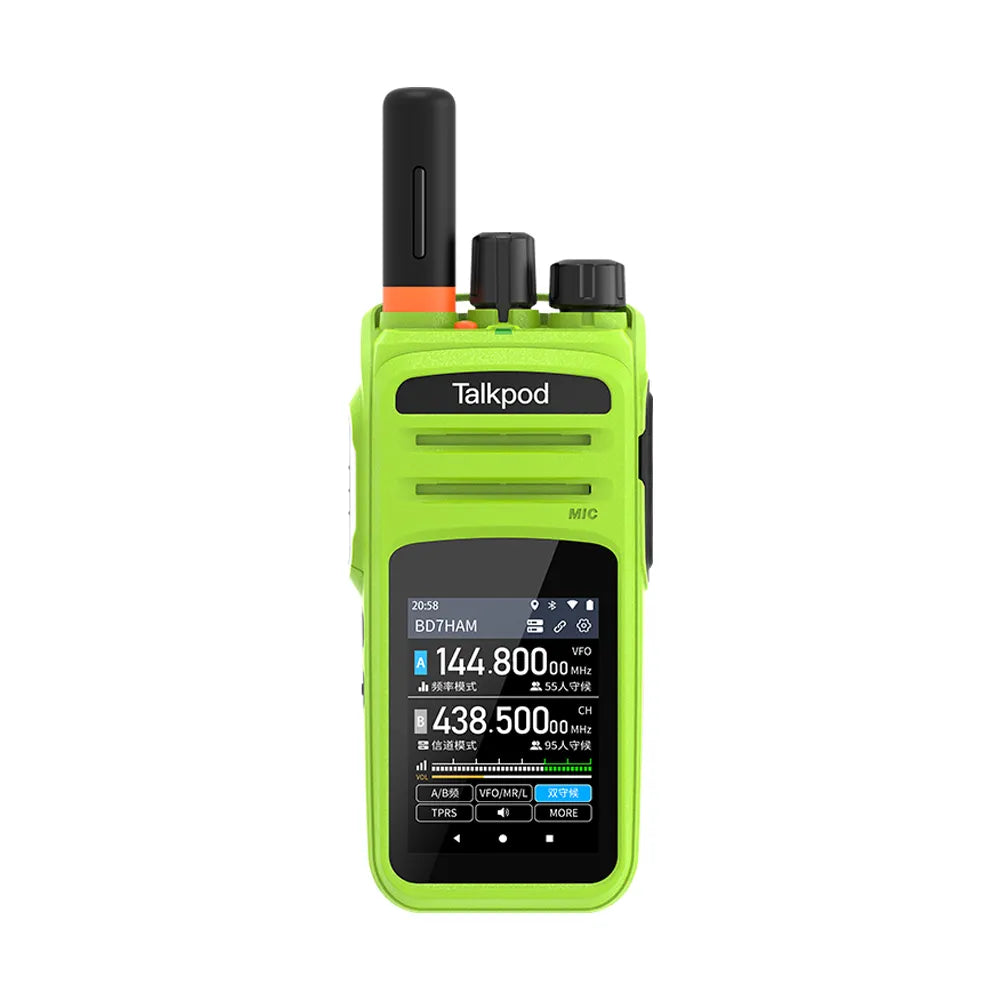
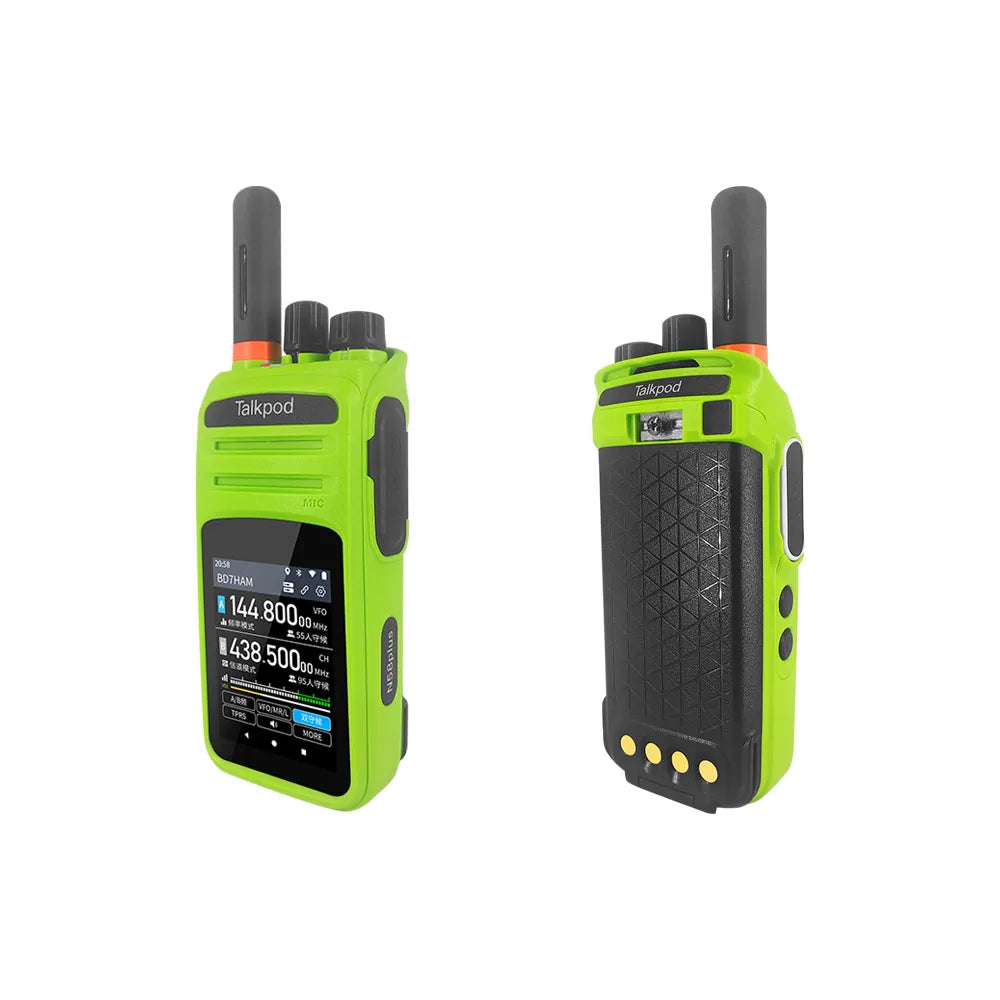
The Talkpod N56 public-network radio is designed for this role. Running on public mobile networks, it enables real-time push-to-talk communication wherever compatible coverage is available. Combined with back-end dispatch functions, GPS positioning and emergency alerts, it helps transport teams manage dispersed fleets with greater speed and precision.
Keeping drivers connected across long routes
Transport operations often cover long distances. Vehicles may move between cities, across provinces or along remote highway sections. Conventional radios are limited by range, while phone calls can be slow and inefficient for fleet coordination.
The N56 uses public mobile-network coverage to support wide-area voice communication. Dispatch centres can contact drivers, issue route updates, receive in-transit reports and coordinate support across different regions, provided network coverage is available.
This gives dispatchers a more flexible way to manage vehicles that are no longer within short-range radio distance.
Turning dispatch into a visible system
Large fleets generate complexity. A dispatcher must know where vehicles are, whether routes are running on time and how to respond when something goes wrong.
Through the client dispatch platform, the N56 supports remote group assignment, call recording and GPS positioning on supported models. GPS location and route-history functions allow dispatchers to view vehicle movement on a map, helping them monitor progress, optimise routes and review abnormal situations.
This turns transport dispatch from a largely voice-based process into a more visible and traceable system.
Faster response when incidents occur
Transport work is exposed to uncertainty: vehicle faults, traffic accidents, severe weather, cargo issues or sudden route changes. In such moments, the speed of communication matters.
The N56 includes a prominent orange SOS button, allowing drivers or field personnel to send an emergency alert quickly to the dispatch centre. P1 and P2 shortcut keys can be set for emergency contact groups, making it easier to switch channels or reach the right team without unnecessary steps.
Together with a channel selector and colour display, these features help dispatchers organise rescue, adjust routes or escalate incidents more quickly.
Clear voice and longer working time
Transport environments are noisy. Drivers may be in moving vehicles, while dispatchers may work in busy control rooms. Poor audio can lead to repeated instructions or misunderstood information.
The N56 uses voice-coding technology and a 1W speaker to keep communication clearer and louder in difficult environments. This helps reduce missed messages during route updates, emergency handling or daily reporting.
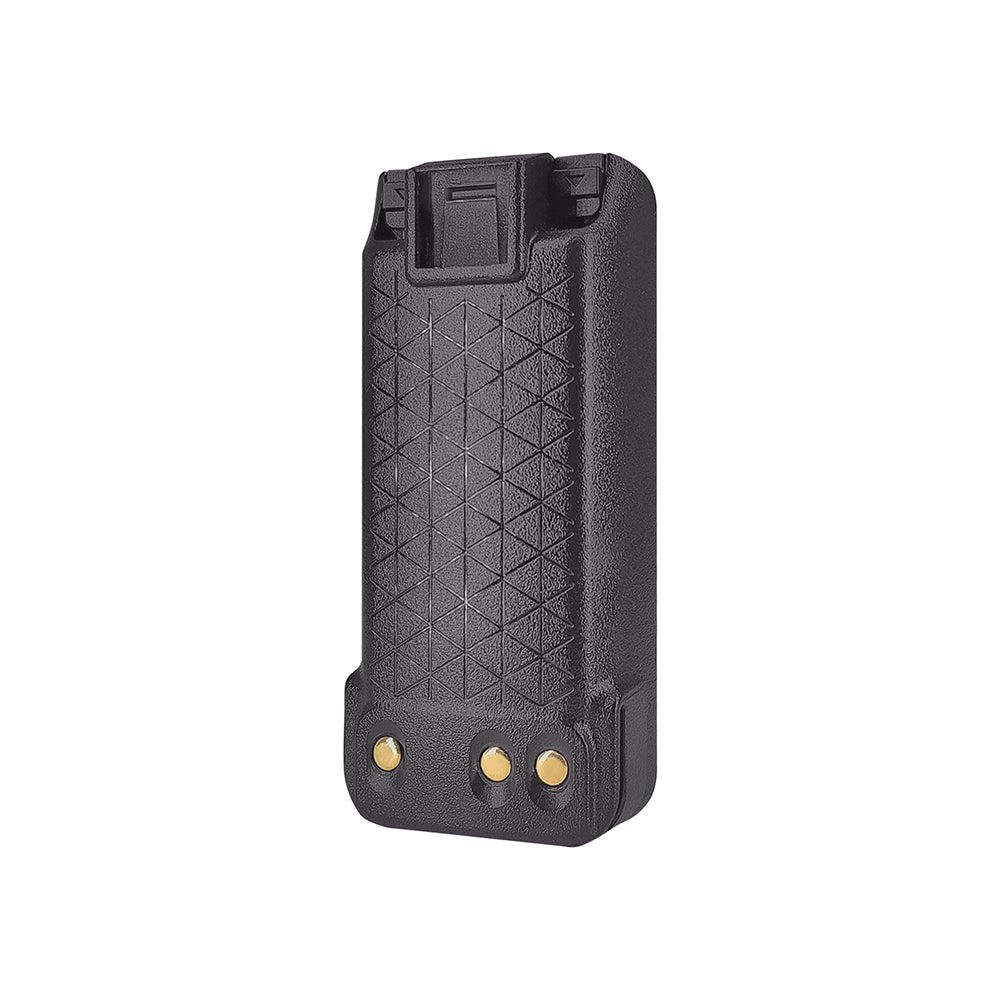
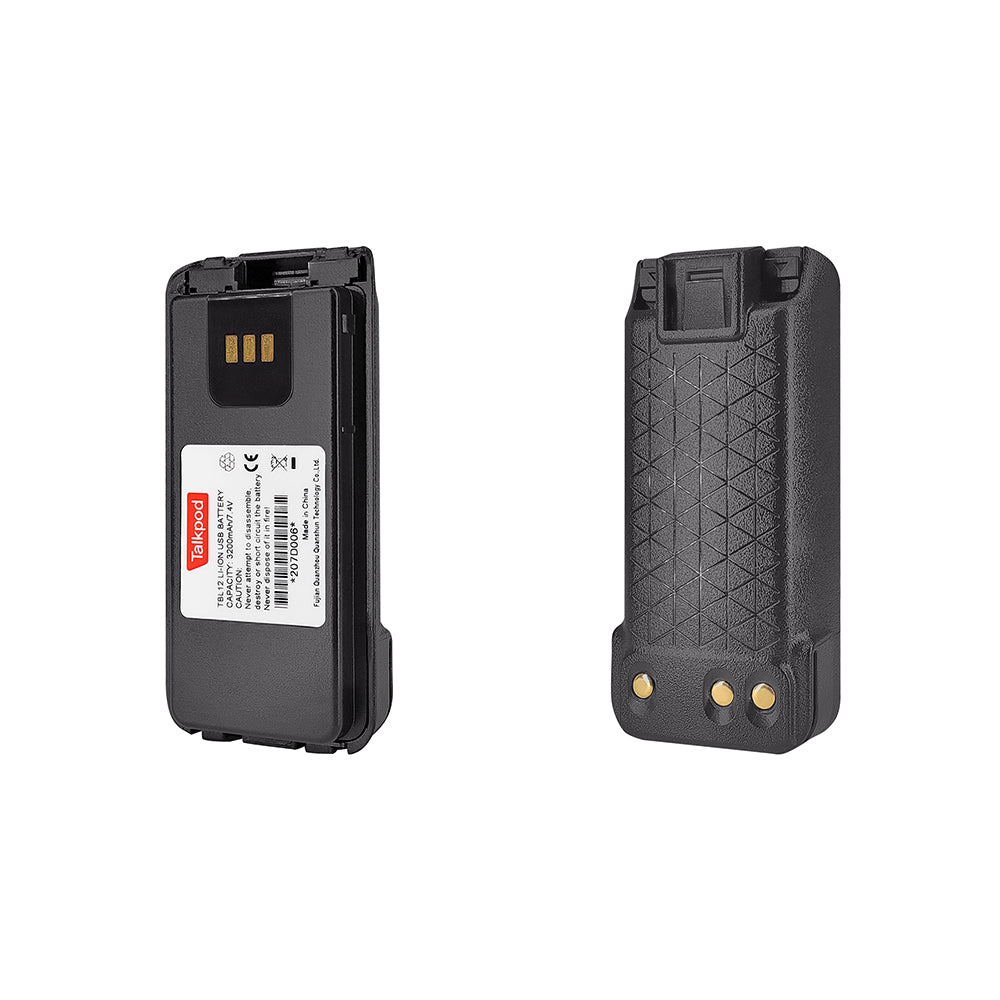
Battery life is also important for long shifts. The standard 7.4V 1800mAh battery supports up to 12 hours of work, while an optional 3200mAh battery can extend operating time to about 30 hours. For transport teams that need communication throughout the day, that endurance reduces the risk of downtime.
A practical tool for smarter logistics
For transport dispatchers, a radio is not simply a device for talking. It is a tool for keeping the whole operation visible and responsive. The Talkpod N56 connects drivers, vehicles and command staff through wide-area communication, platform management, location tracking and emergency alerts.
Its value lies in making dispersed resources easier to manage. Instructions can move faster. Vehicle positions can be tracked more clearly. Incidents can be reported with fewer delays. For logistics teams working across distance and uncertainty, that structure supports safer, more punctual and more efficient transport operations.
As logistics becomes more digital and time-sensitive, communication equipment must do more than carry a voice. It must help dispatchers see the field, act quickly and keep the transport chain moving.

Leave a comment
All comments are moderated before being published.
This site is protected by hCaptcha and the hCaptcha Privacy Policy and Terms of Service apply.