
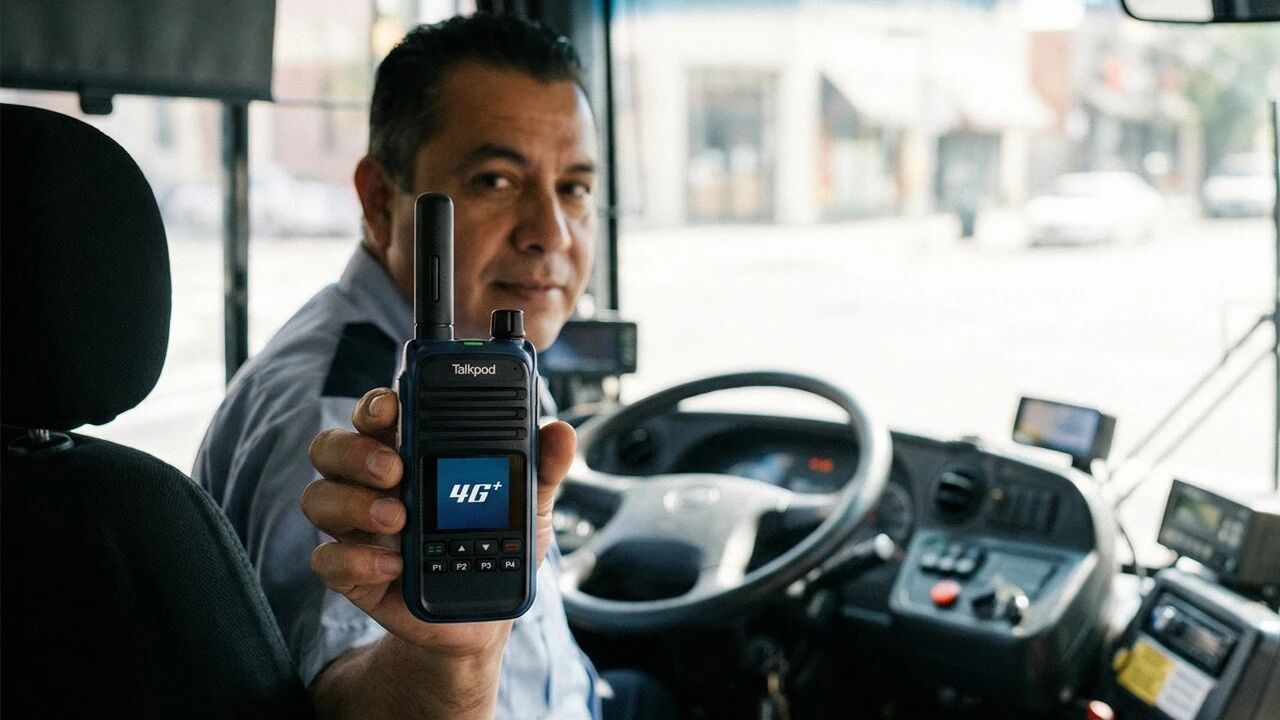
A city bus system runs on coordination. Vehicles move across districts, routes change with traffic, and unexpected incidents can quickly disrupt schedules. In this system, the dispatcher acts less like a speaker on the radio and more like the operating brain of the network.
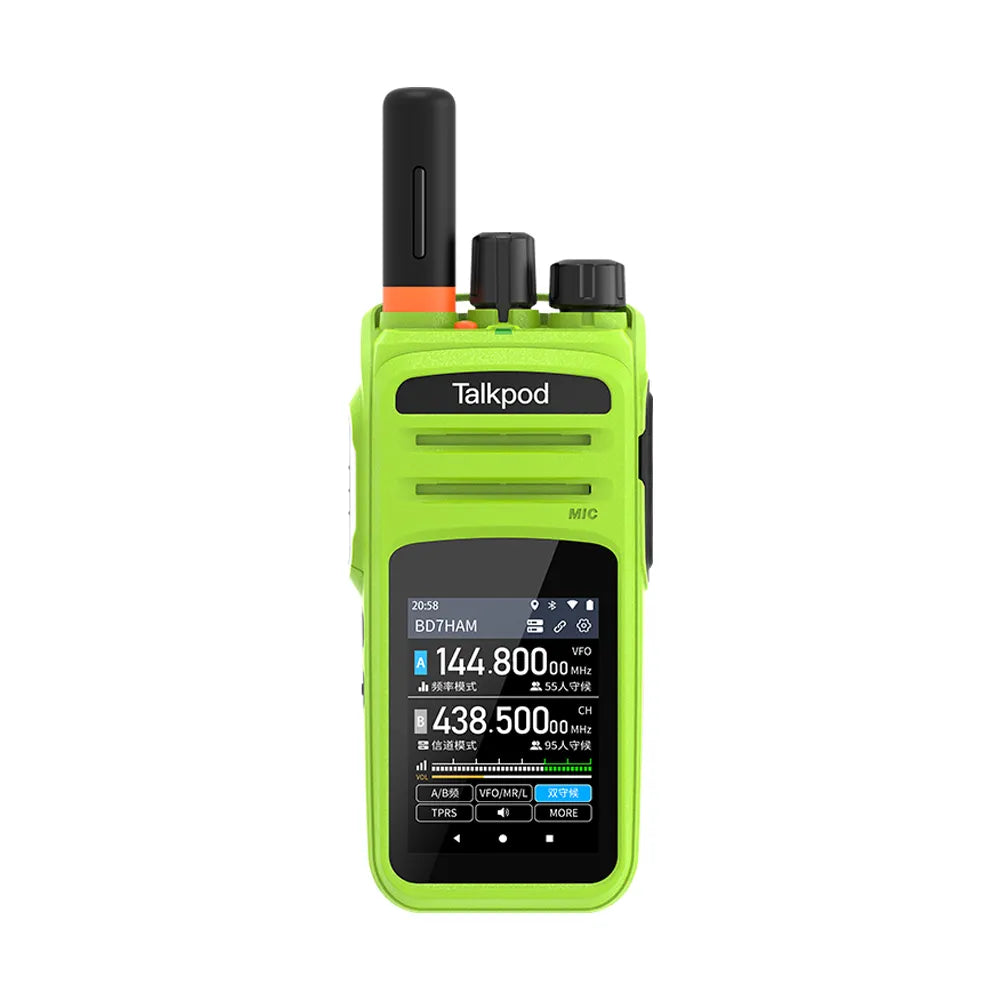
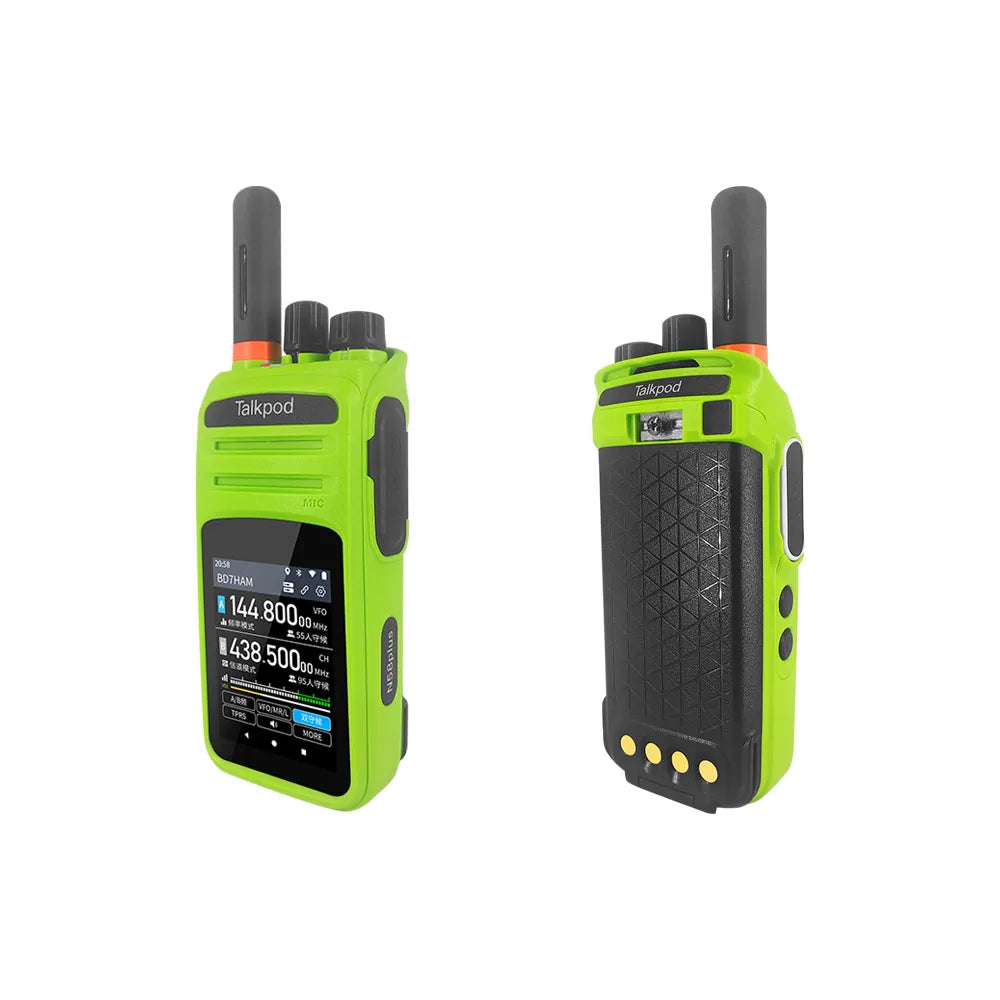
To do that job well, dispatchers need a communication tool that can reach drivers across the city, support quick instructions and provide better visibility over daily operations. The Talkpod N37 public-network radio is designed for that role.
Running on public mobile networks, the N37 enables real-time push-to-talk communication wherever compatible coverage is available. For bus operators, this helps connect the dispatch centre with vehicles on urban routes, suburban lines, cross-district services and emergency-support assignments.
Keeping routes connected across the city
Traditional radio systems can be limited by distance and base-station coverage. In a large bus network, this can make it harder to coordinate vehicles operating far from the depot or dispatch centre.
The N37 uses public mobile-network coverage to support wider-area voice communication. Dispatchers can issue instructions to drivers across different routes, receive updates from the field and coordinate support when traffic congestion, vehicle faults or route changes occur.
This helps bring dispersed vehicles into a single communication structure rather than leaving each route to operate in isolation.
[Image]
Turning dispatch into a more visible system
The N37 is more than a handheld terminal. It can function as part of a remotely managed dispatch system.
Through the client dispatch platform, dispatchers can assign groups, record calls remotely and use GPS positioning where supported. Groups can be created or adjusted by route, shift or operating team. Call records can be reviewed when incidents need to be traced. With GPS functions, dispatchers can view vehicle locations and movement more clearly, supporting dynamic scheduling and faster response to delays or disruptions.
This changes bus dispatch from simple voice communication into a more visible and traceable management process.
Faster operation in emergencies
Bus dispatchers often deal with sudden events: vehicle breakdowns, traffic congestion, passenger incidents or weather-related disruption. In these moments, communication equipment must be quick and simple to use.
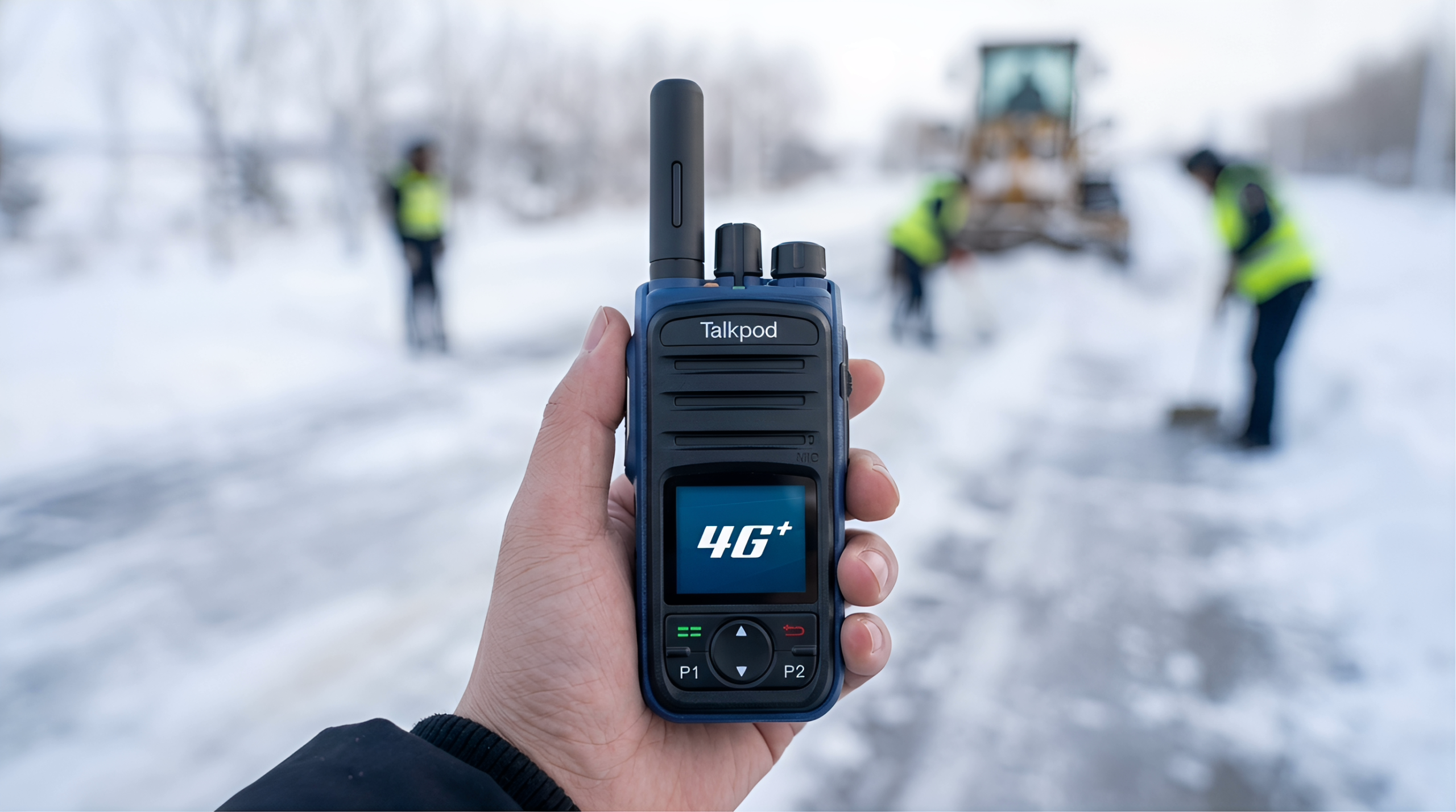
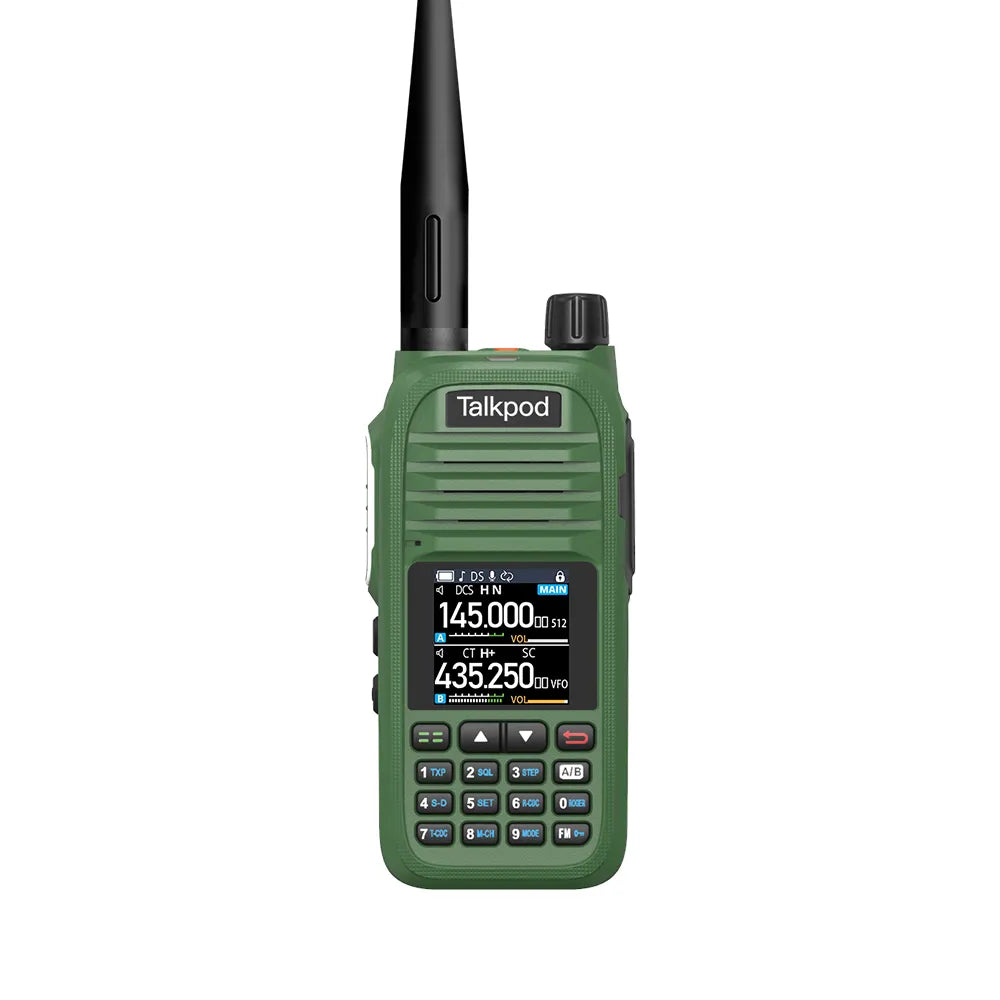
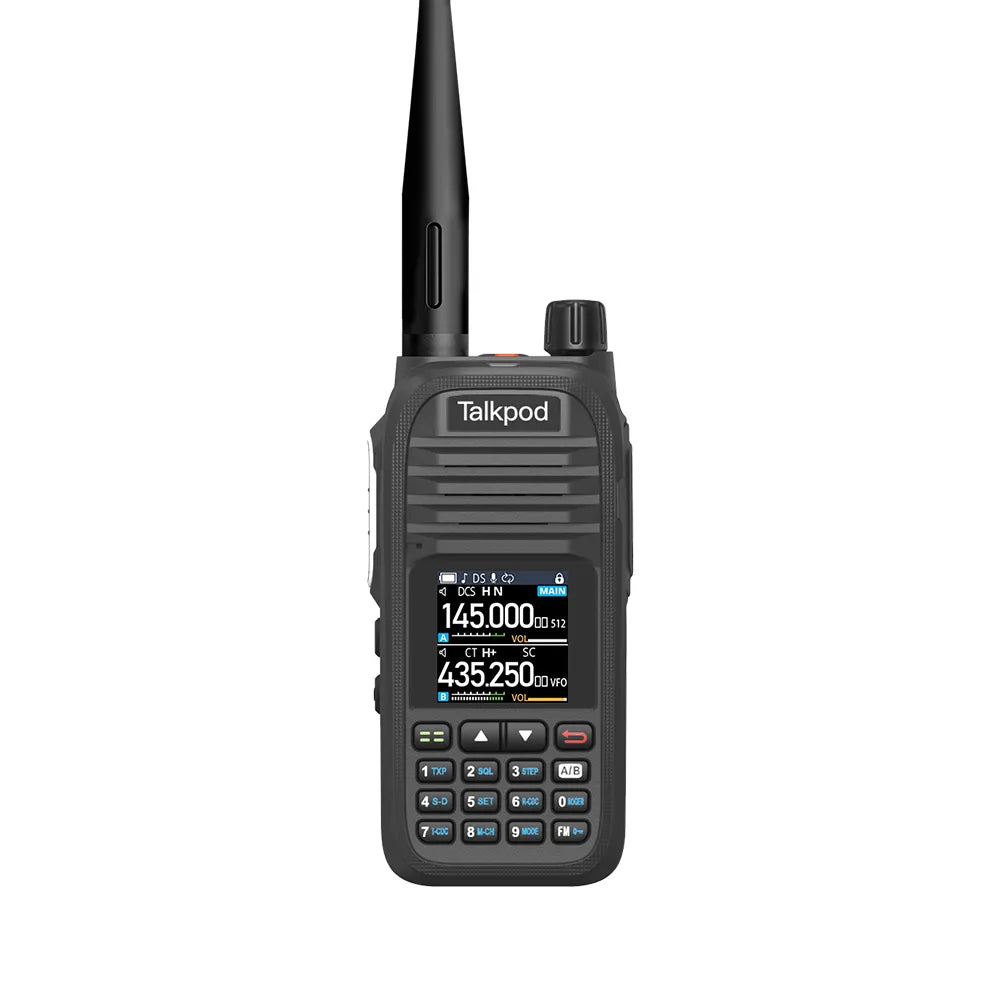
The N37 includes multiple shortcut keys, including P1 to P4, which can be configured for quick group switching, member selection or other frequently used functions. A colour display makes information easier to read during daily operation. In urgent situations, dispatchers can contact a specific driver, route group or wider team with fewer steps.
A clearer command structure for public transport
For bus dispatchers, a radio is not merely a device for making calls. It is a tool for extending command across the transport network.
The Talkpod N37 combines wide-area push-to-talk communication, platform-based management, optional GPS visibility, remote call recording and quick operation in a compact device suited to daily public-transport dispatch. Its value lies in connecting dispersed vehicles and staff into a more responsive, better-organised system.
In public transport, efficiency is measured not only by how many buses are on the road, but by how quickly the system can respond when conditions change. A clearer communication network helps make that response possible.

Leave a comment
All comments are moderated before being published.
This site is protected by hCaptcha and the hCaptcha Privacy Policy and Terms of Service apply.