
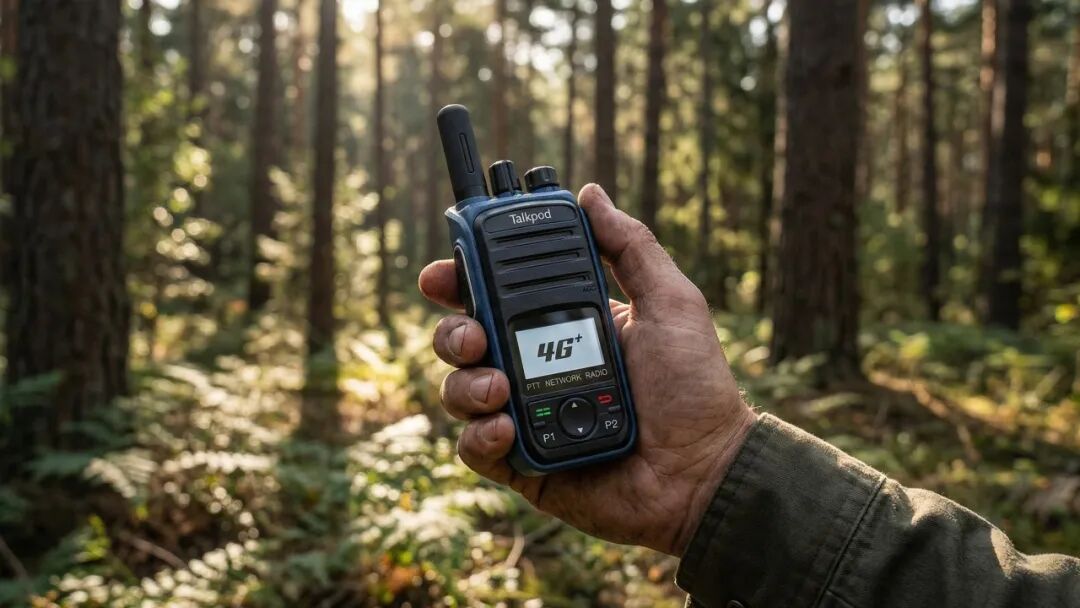
Forestry management in Yunnan is shaped by scale and terrain. Mountain ranges, dense forests and widely dispersed patrol areas make it difficult for conventional radios to provide consistent communication. Forest-fire prevention, wildlife patrols and action against illegal logging or poaching may involve teams working across different counties and administrative levels.
For forestry authorities, the problem is not simply distance. It is the need to connect patrol officers, forest stations, observation posts and mobile support teams within one coordinated command structure.
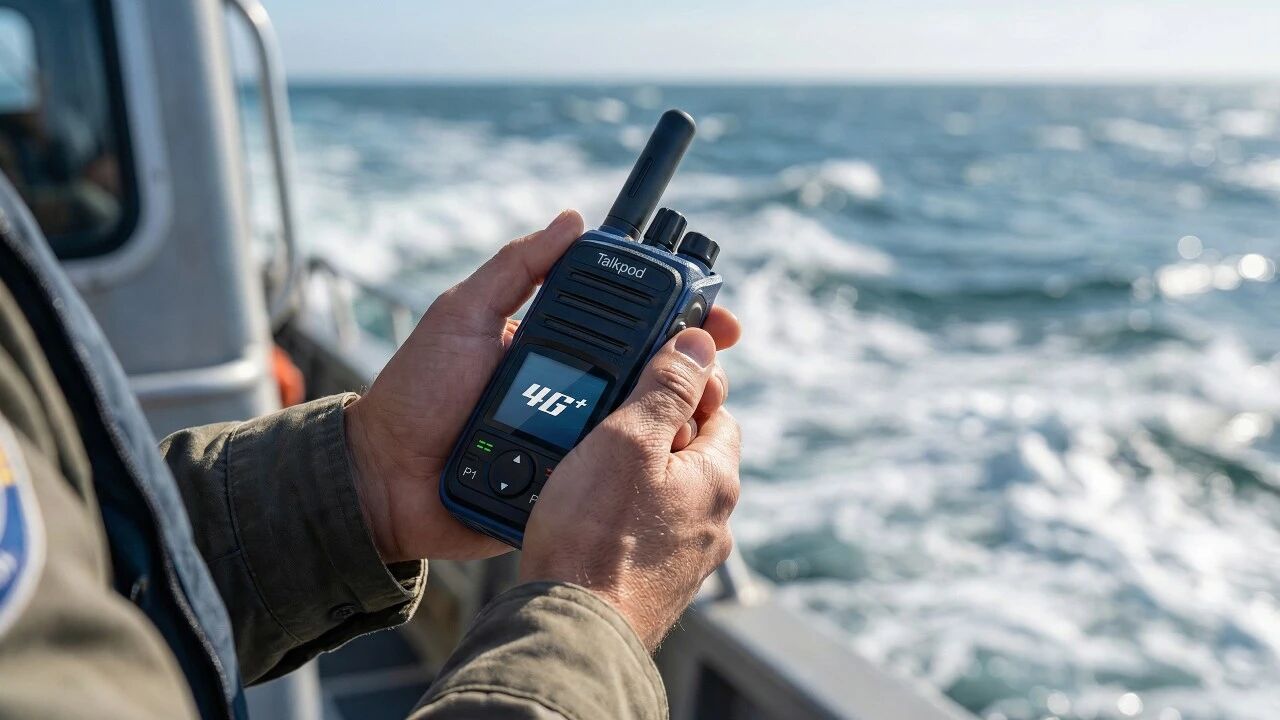
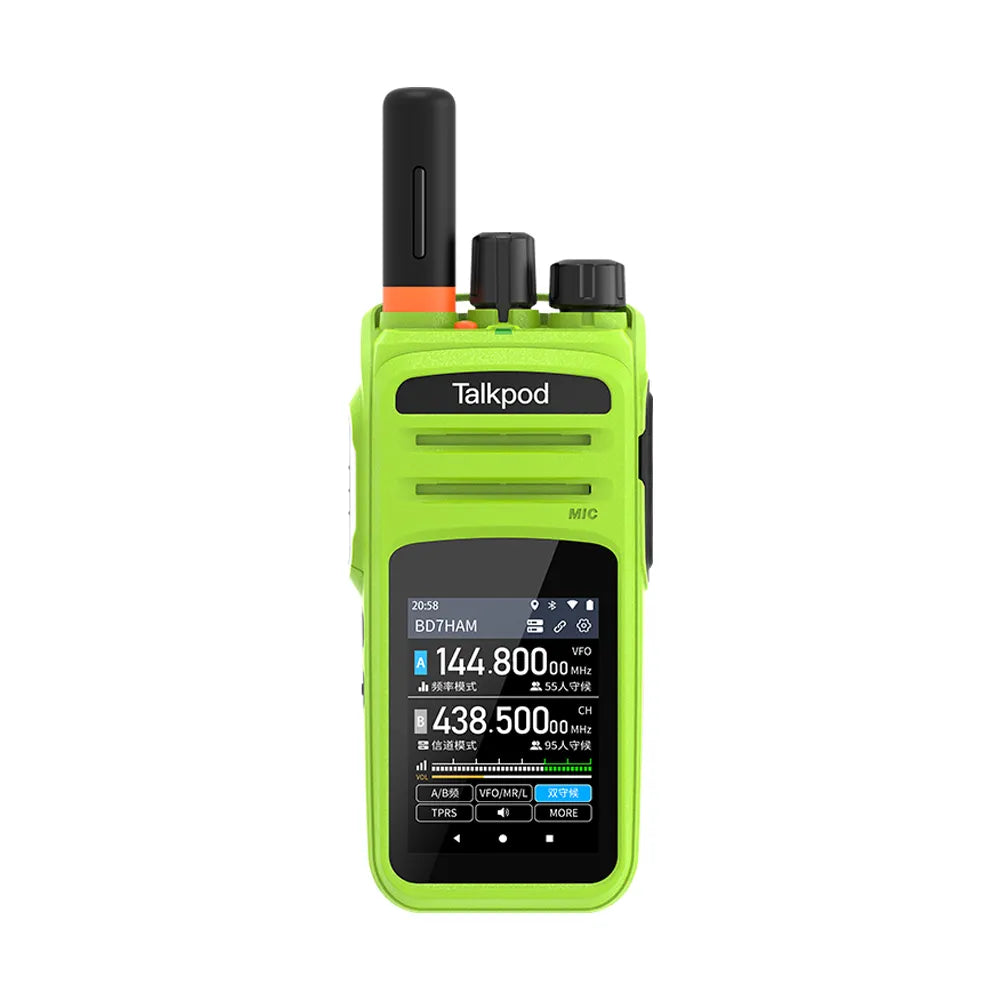
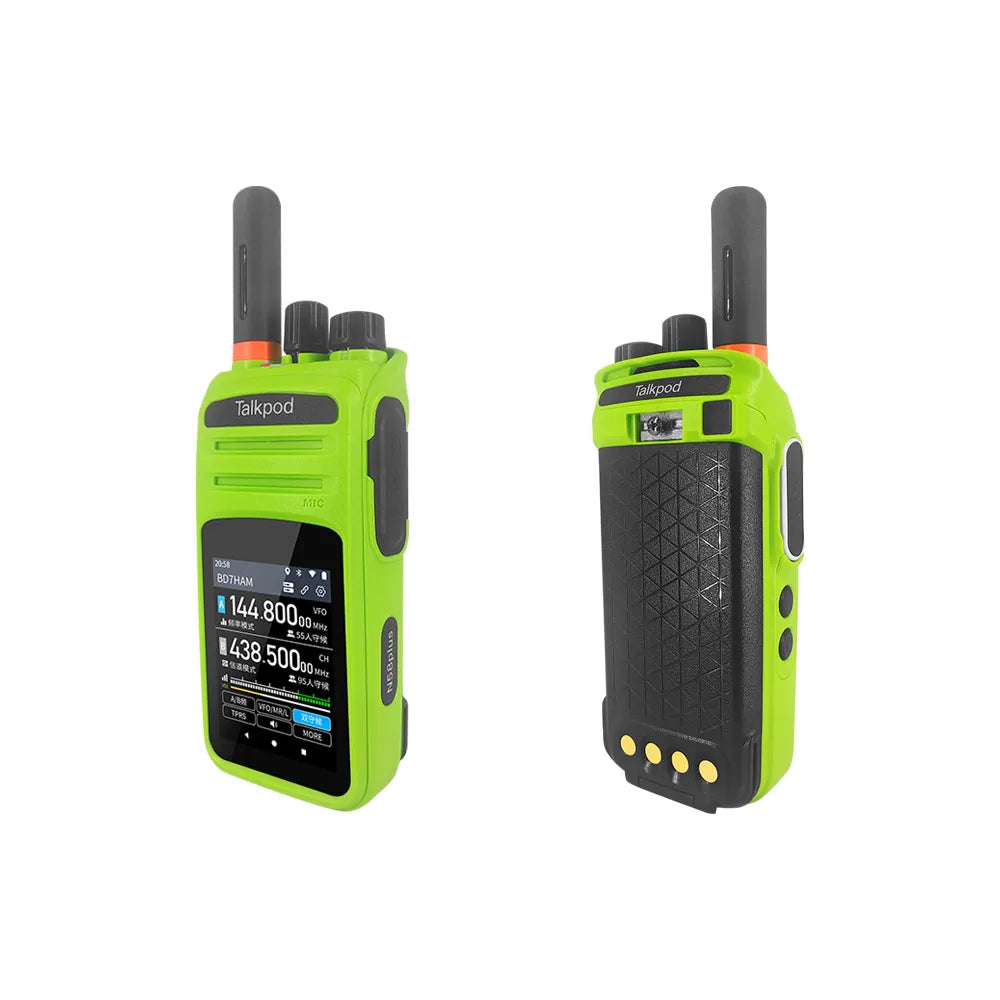
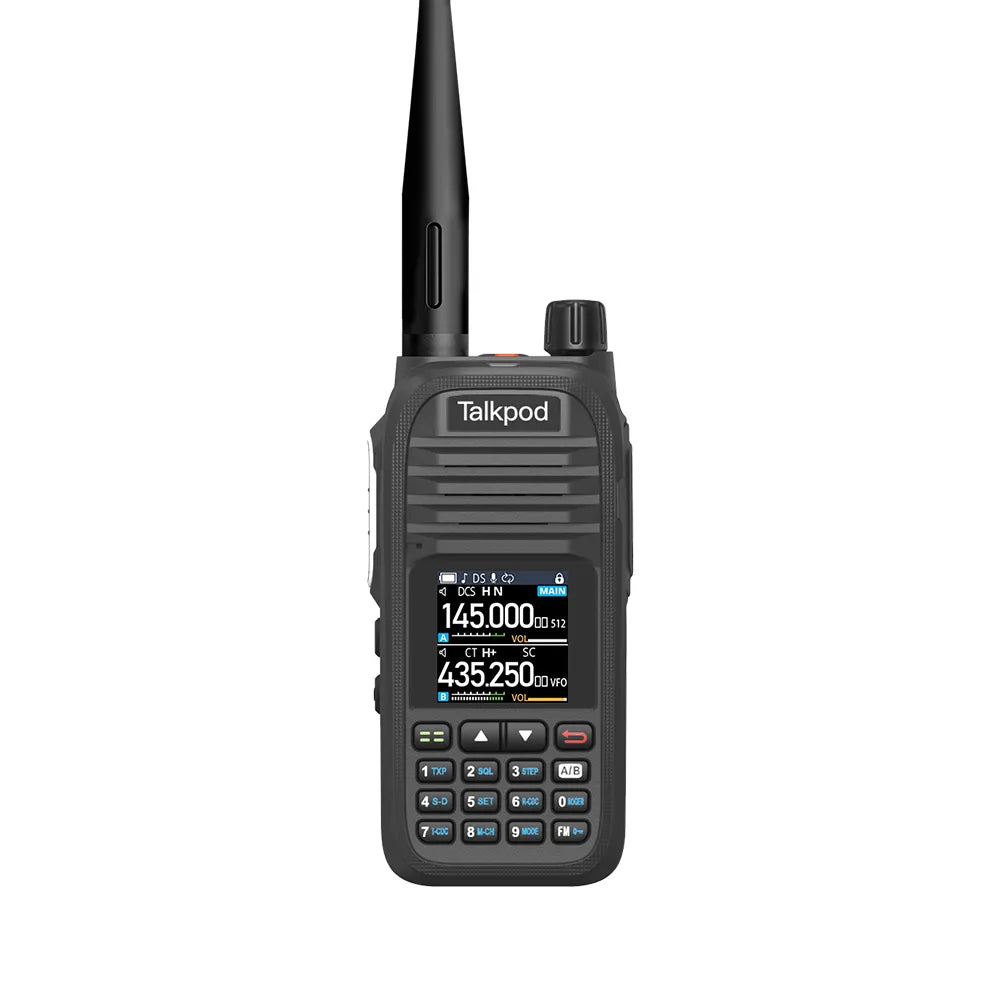
The Talkpod N55 public-network radio was introduced to support this work. Using public mobile networks, it enables wide-area push-to-talk communication wherever compatible coverage is available. Combined with GPS positioning and a back-end dispatch platform, the N55 helps forestry managers coordinate personnel across larger operating areas and maintain better visibility over field activity.
Connecting teams across forest regions
Forest protection involves several types of personnel. Patrol officers may be checking fire risks or signs of illegal activity. Observation posts may be monitoring smoke. Mobile teams may be waiting for deployment from a regional command point.
The N55 supports group and individual calling modes, allowing personnel to communicate within their own unit or contact a specific colleague when necessary. Forest stations, lookout posts and support teams can therefore remain part of the same communication structure without every message being sent to every user.
This is particularly useful when several forest areas are being monitored at the same time or when resources must be moved between districts.
Better visibility over field operations
Voice communication explains what a patrol has found. Location information helps commanders understand where the team is and how quickly support can reach it.
GPS positioning allows authorised dispatchers to view the location of field personnel through the management platform. During daily patrols, this can help supervisors understand area coverage and coordinate routes. During a fire or other emergency, it can support faster deployment of nearby teams and resources.
The platform also gives managers a more centralised way to organise accounts, groups and devices across a large forestry organisation.
A layered structure for provincial forestry work
Yunnan’s forestry system may involve provincial, municipal, county, township and local forest-management teams. Communication must reflect that hierarchy without making field coordination unnecessarily slow.
Talkpod assisted the forestry authority with layered account management and a nested group structure covering different administrative levels and forest areas. This allowed communication permissions and working groups to be organised according to role, region and responsibility.
The aim was to make routine communication more orderly while allowing information to move across levels when a larger response was required.
Supporting secure and disciplined coordination
The N55 supports encrypted communication, helping protect operational discussions during forest-fire response, resource protection and enforcement activity. Nested groups also make it easier to separate routine patrol traffic from higher-level command communication.
Talkpod provided dedicated training on the client dispatch platform, with particular attention to forest-fire emergency command. This helped dispatchers use location information, group structures and field reports more effectively during time-sensitive operations.
From scattered patrols to visible command
The result is a more connected forestry-management system. Patrol teams can report conditions more quickly. Commanders gain better visibility over personnel. Cross-county coordination becomes easier, while communication structures remain aligned with the organisation’s administrative responsibilities.
The N55 cannot remove the difficulties created by mountains, dense vegetation or uneven mobile coverage. Its role is to help forestry teams make better use of available networks and bring dispersed personnel into a more visible command system.
For Yunnan’s forestry authorities, that supports a broader shift: from isolated patrols and fragmented communication towards more coordinated forest protection, fire prevention and resource management.



Leave a comment
All comments are moderated before being published.
This site is protected by hCaptcha and the hCaptcha Privacy Policy and Terms of Service apply.