

Airport-area hotels operate to a different rhythm from many city properties.
Early departures can create a concentrated morning checkout period, while new guests may arrive throughout the day according to flight schedules rather than conventional travel patterns. Housekeeping teams need to turn rooms quickly, reception must track changing guest requirements, and supplies often need to move between floors without delay.
At JI Hotel Xingwei, these workflows extend across multiple guest floors and underground service areas where conventional handheld-radio coverage can become uneven.
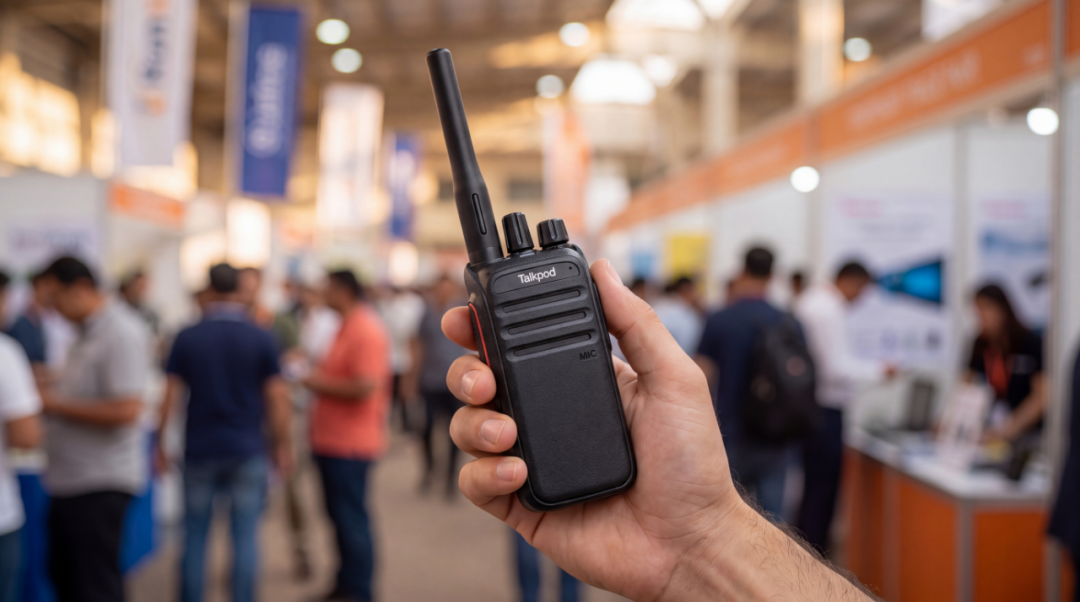
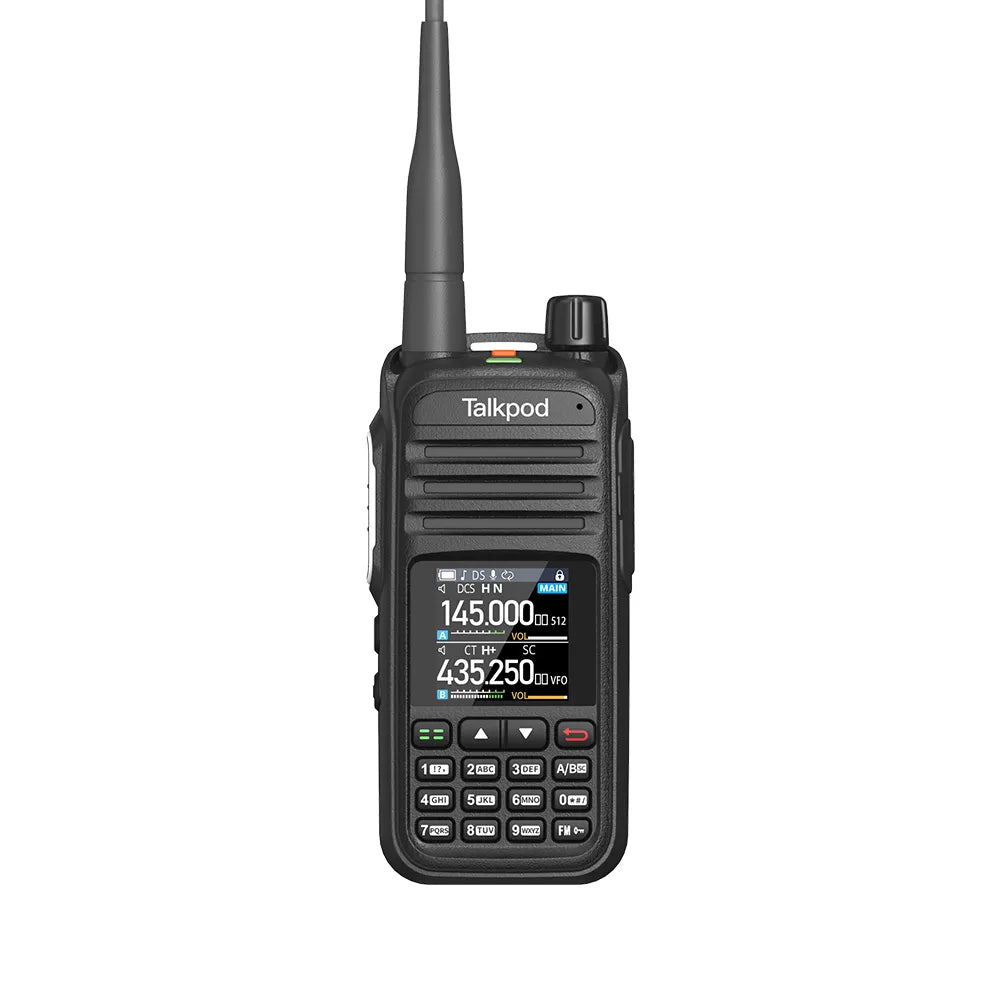
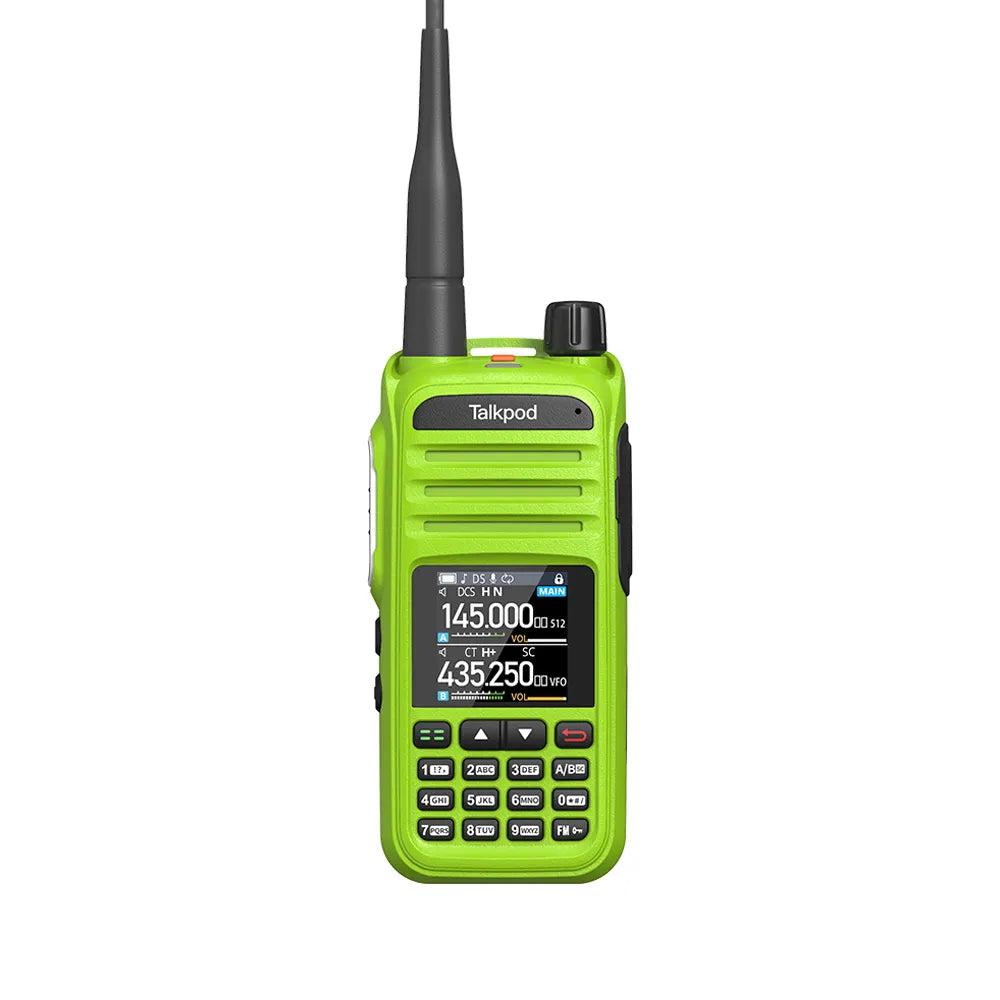
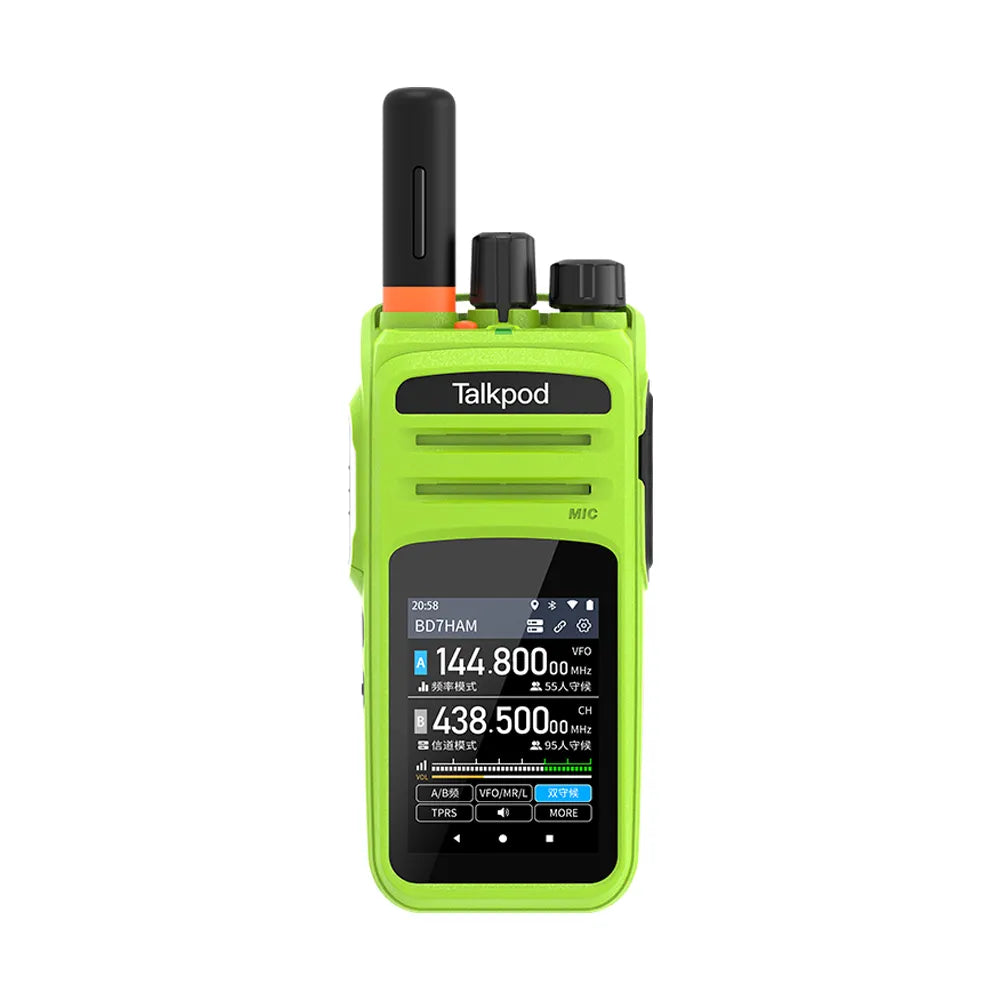
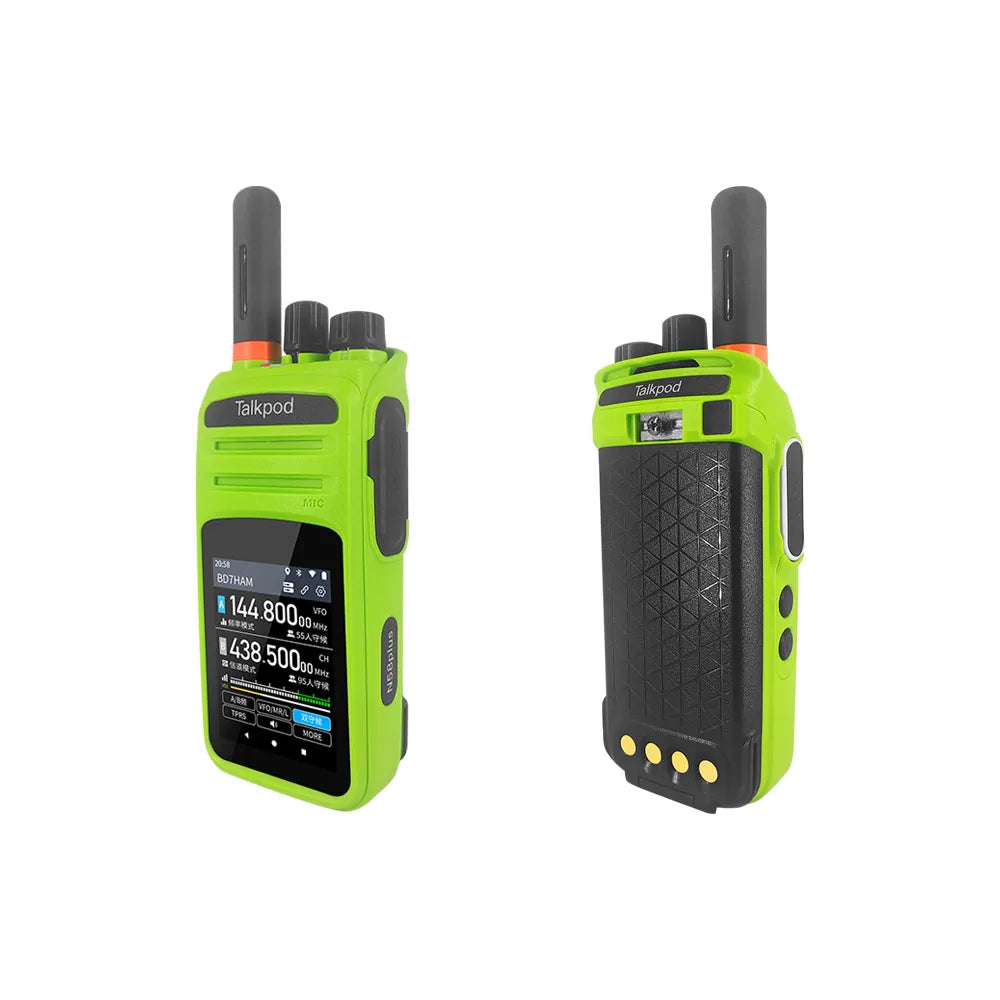
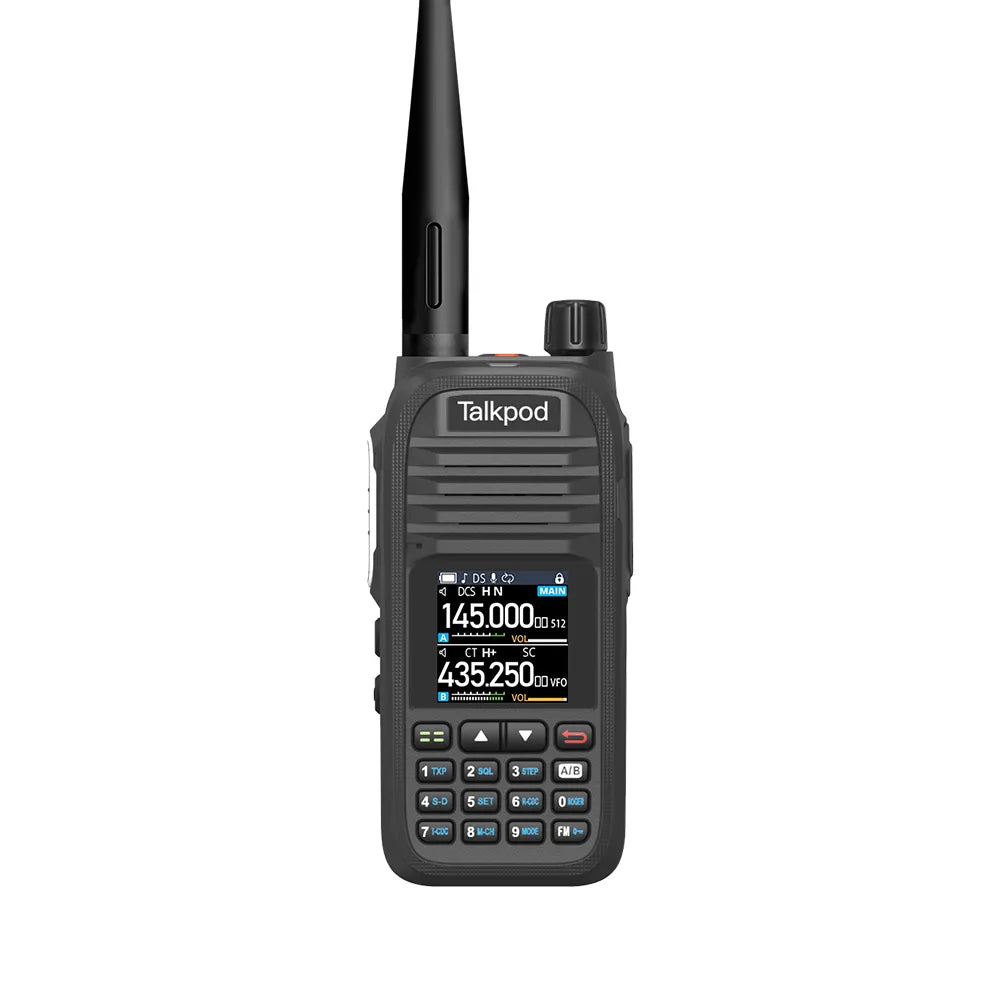
The Talkpod N15 public-network trunked radio provides a wider-area push-to-talk layer using compatible mobile networks. Its compact body, dual-SIM capability, managed communication groups and lightweight dispatch backend can help housekeeping and hotel managers coordinate across different parts of the property without relying entirely on direct radio-to-radio range.
Airport-area hotels face concentrated morning workloads
A hotel near an airport can experience an unusually sharp morning peak.
Several guests may check out within a short period because they are catching early flights. Housekeeping then needs to prioritize rooms, confirm which rooms have been vacated and prepare accommodation for subsequent arrivals.
When staff are spread across several floors, even a simple update can become inefficient if it requires repeated phone calls or someone returning to the service office.
With the N15, housekeeping personnel can send short operational updates from the floor.
A supervisor can adjust the cleaning sequence, request additional supplies or check whether a particular room has been completed without physically moving between each location.
The radio does not replace the hotel's housekeeping or property-management system.
It helps staff coordinate around it more quickly.
Public-network communication reduces dependence on direct RF range
Multi-floor hotel buildings are difficult environments for conventional local radios.
Concrete floors, elevator shafts, fire doors and basement structures can all weaken direct RF signals.
The N15 carries push-to-talk traffic through compatible mobile networks instead of relying entirely on a direct handheld-to-handheld link.
Where suitable service is available, staff on different floors can remain within the same managed communication environment.
That can be particularly useful when reception, housekeeping and support personnel are separated by several levels of the building.
The practical advantage is broader operational reach.
It should not be described as guaranteed coverage everywhere.
Underground service areas still need real-world testing
Public-network radios remain dependent on the underlying mobile network.
Underground parking, back-of-house rooms and heavily reinforced sections of a hotel may still have weaker reception.
For that reason, coverage should be tested in the places where employees actually work.
Guest corridors, housekeeping areas, elevators and lift lobbies, reception, storage rooms and underground service spaces should all be checked.
If one area remains unreliable, the hotel can define an alternative communication method or consider a network improvement.
A public-network radio can reduce traditional coverage limitations.
It does not eliminate the need to understand the building.
[Image]
Dual SIM adds network flexibility
The N15 supports dual-SIM operation.
For a public-network radio, this can provide additional flexibility when more than one compatible mobile-network service is available.
If one operator performs better in one part of the property while another provides stronger coverage elsewhere, dual-SIM capability can give administrators more options when configuring the fleet.
It may also provide a degree of redundancy depending on network availability and device settings.
But dual SIM does not guarantee uninterrupted communication.
Coverage, network switching behavior and platform availability can all affect the connection.
The benefit is additional network choice—not immunity from outages.
Room-cleaning priorities can change throughout the morning
Housekeeping rarely works through rooms in a fixed sequence.
A guest may request a late checkout. Another room may need to be prepared urgently for an early arrival. A supervisor may need to redirect staff when several rooms become available at the same time.
Push-to-talk communication allows those changes to be shared immediately with the relevant team.
That can reduce unnecessary walking between floors and make it easier to reorganize work while the morning turnover is already in progress.
The value is not complicated.
It is allowing information about the next task to reach the person who needs it without adding another trip through the building.
Guest requests become easier to hand off
A guest request often starts with one employee and ends with another.
Reception may receive a request for additional amenities, while housekeeping or another support team is responsible for delivering them.
The N15 can shorten that handoff.
Reception can contact the relevant group directly, while staff on the floor can confirm that the request has been received.
That helps reduce repeated phone calls and unnecessary follow-up.
For guests preparing to catch a flight, even small delays can feel more significant because their schedules are less flexible.
Faster internal coordination can therefore have a direct effect on how smoothly the stay ends.
Dedicated groups keep housekeeping traffic focused
Not every hotel employee needs to hear every message.
The source describes a dedicated housekeeping communication group configured for the Xingwei property.
That can help keep room-turnover, supply and guest-service traffic within the team that needs it.
If another department becomes involved, the appropriate supervisor or authorized user can coordinate the response.
This is more useful than placing the entire hotel on one constantly busy channel.
The objective is not to create more groups.
It is to reduce irrelevant traffic so that important operational messages are easier to notice.
Communication groups are not a privacy system
A managed group structure can limit routine traffic to selected users, but it should not be treated as proof of confidentiality.
Guest names, phone numbers, payment information or other personal details should not be transmitted unnecessarily over shared voice groups.
A short operational message is usually enough.
Staff can request assistance at a location or ask for an amenity delivery without broadcasting the complete guest record.
Detailed information should remain in the hotel's authorized property-management or service systems.
The radio coordinates people.
The hotel system should continue to hold guest data.
A slim radio is easier for housekeeping staff to carry
Housekeeping personnel already move through the hotel with carts, linen, amenities and cleaning equipment.
A bulky radio becomes another object to manage.
The source describes the N15 as using a mini, slim and lightweight body, making it easier to carry throughout a shift.
That matters because portability affects whether staff actually keep the device with them.
A radio sitting on a housekeeping cart several rooms away is far less useful than one that remains accessible to the employee.
For a high-mobility role, compact equipment is part of practical communication reliability.
Centralized provisioning reduces setup work
The source describes Talkpod as assisting with device onboarding without traditional frequency programming.
That reflects the way public-network radios are managed.
Once network access, device accounts and platform settings are configured, communication groups can be assigned centrally rather than manually programming a conventional RF channel plan into every unit.
This can simplify deployment for a hotel that does not have a dedicated radio technician.
But it should not be interpreted as zero configuration.
SIM service, account activation, group assignment and backend settings still need to be established correctly before the radio becomes part of the operational system.
The advantage is centralized provisioning.
Backend access supports day-to-day fleet management
The source also describes access to a lightweight dispatch backend together with ongoing account-maintenance support.
For hotel managers, centralized administration can make it easier to manage users and communication groups as staffing arrangements change.
Accounts can be added, reassigned or suspended according to operational needs, depending on the platform configuration.
That reduces the need to treat each radio as an independent device.
Backend management should still be limited to authorized personnel and used according to the hotel's own account-control procedures.
A centrally managed fleet is easier to maintain only when administration remains disciplined.
Public-network communication still needs a fallback
The N15 depends on both mobile-network availability and the push-to-talk platform.
If either becomes unavailable, communication can be interrupted.
Hotels should therefore define an alternative method for situations where the radio service is temporarily unavailable.
That is particularly important in underground or other weak-signal areas identified during testing.
For routine service, staff may fall back to phones or internal systems.
For security or emergency-related functions, the property should follow its established procedures rather than relying on a single public-network communication channel.
Helping housekeeping move at the pace of airport travel
The communication challenge at JI Hotel Xingwei is closely tied to its operating rhythm.
Early checkouts, changing room priorities and time-sensitive guest requests can place pressure on housekeeping and reception within a narrow part of the day.
Where suitable mobile-network coverage is available, the Talkpod N15 can provide a common push-to-talk layer across those teams.
Its slim body is practical for staff moving between rooms, dual-SIM capability provides additional network flexibility, and centrally managed groups can make housekeeping communication more focused.
Its value should not be expressed as perfect building coverage or guaranteed uninterrupted connectivity.
A more useful measure is whether staff can reorganize room cleaning, move supplies and respond to guest requests without repeatedly searching the hotel for the colleague they need.
For an airport-area property, that can help the operation keep pace with the guests who are already watching the clock.

Leave a comment
All comments are moderated before being published.
This site is protected by hCaptcha and the hCaptcha Privacy Policy and Terms of Service apply.