
Archive management depends on control. Documents must be stored correctly, retrieved by authorised personnel and returned without confusion. When sensitive materials move between storage rooms, offices and processing areas, each step must be recorded and coordinated.
The working environment presents an unusual communication challenge. Archive facilities are expected to remain quiet, yet staff must still exchange retrieval instructions, confirm document movements and report irregularities without delay.
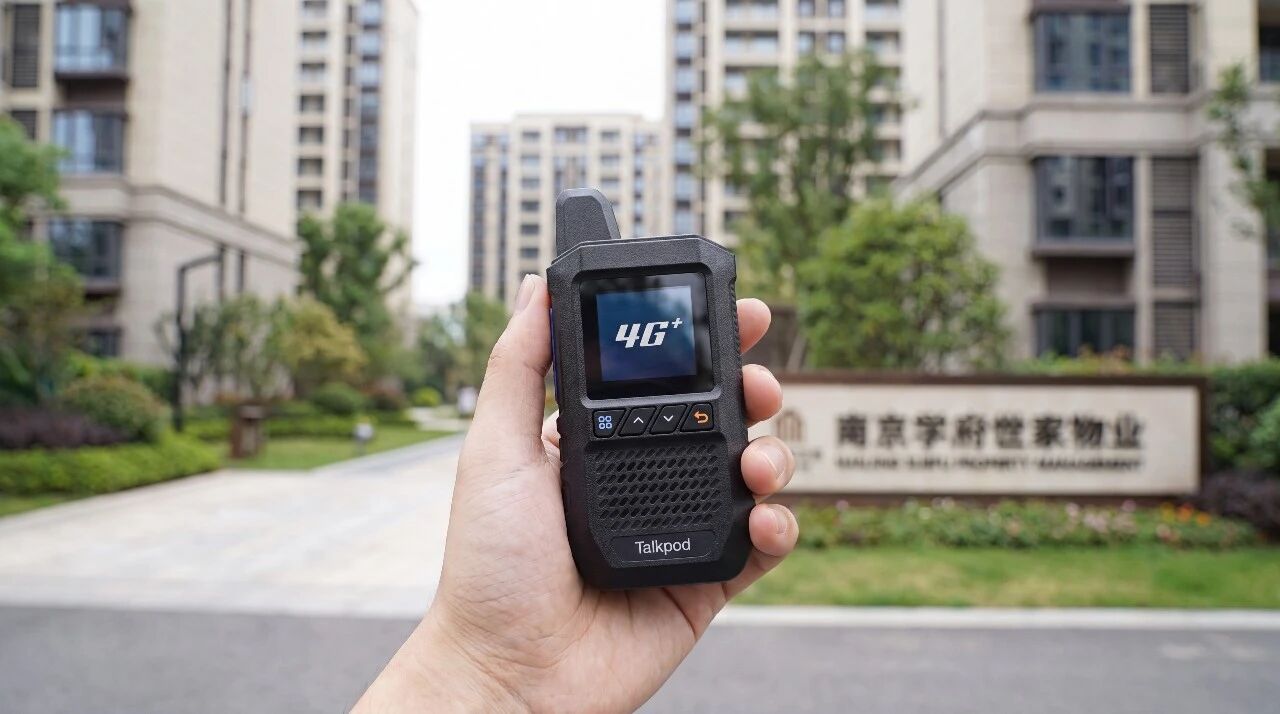
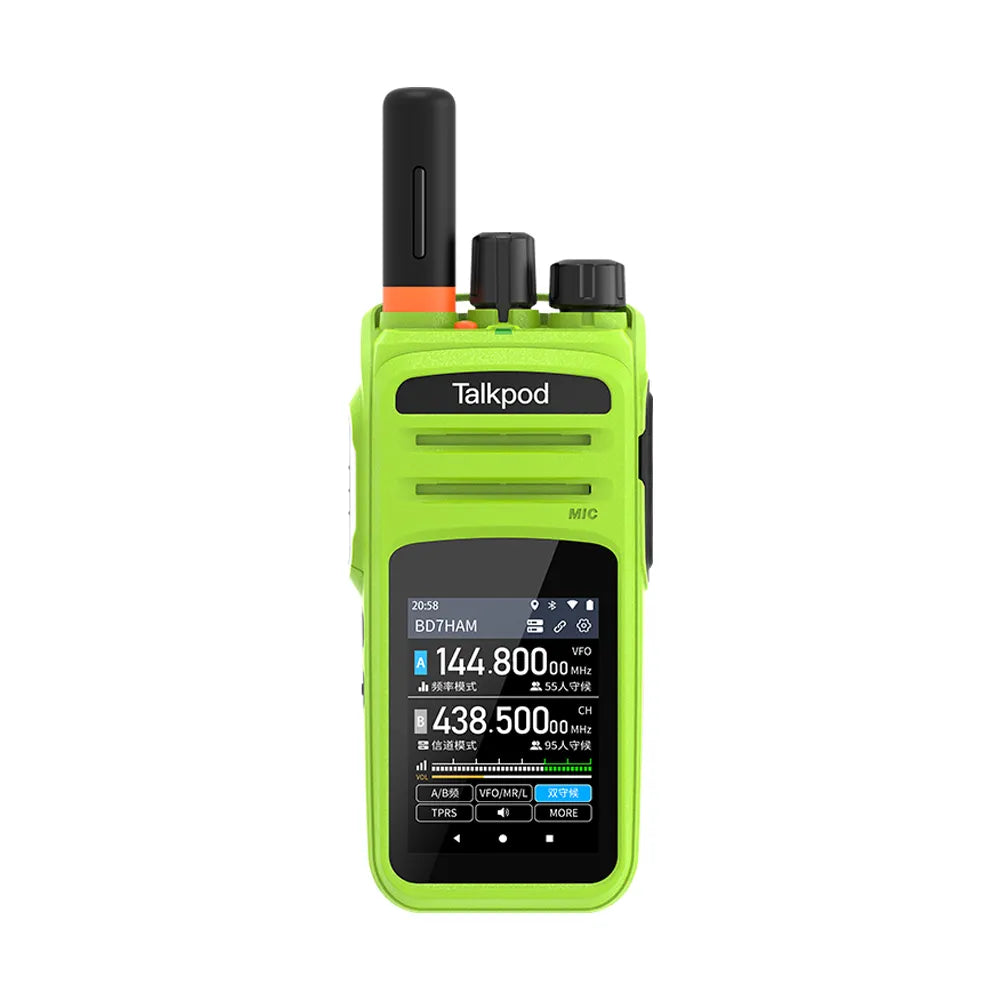
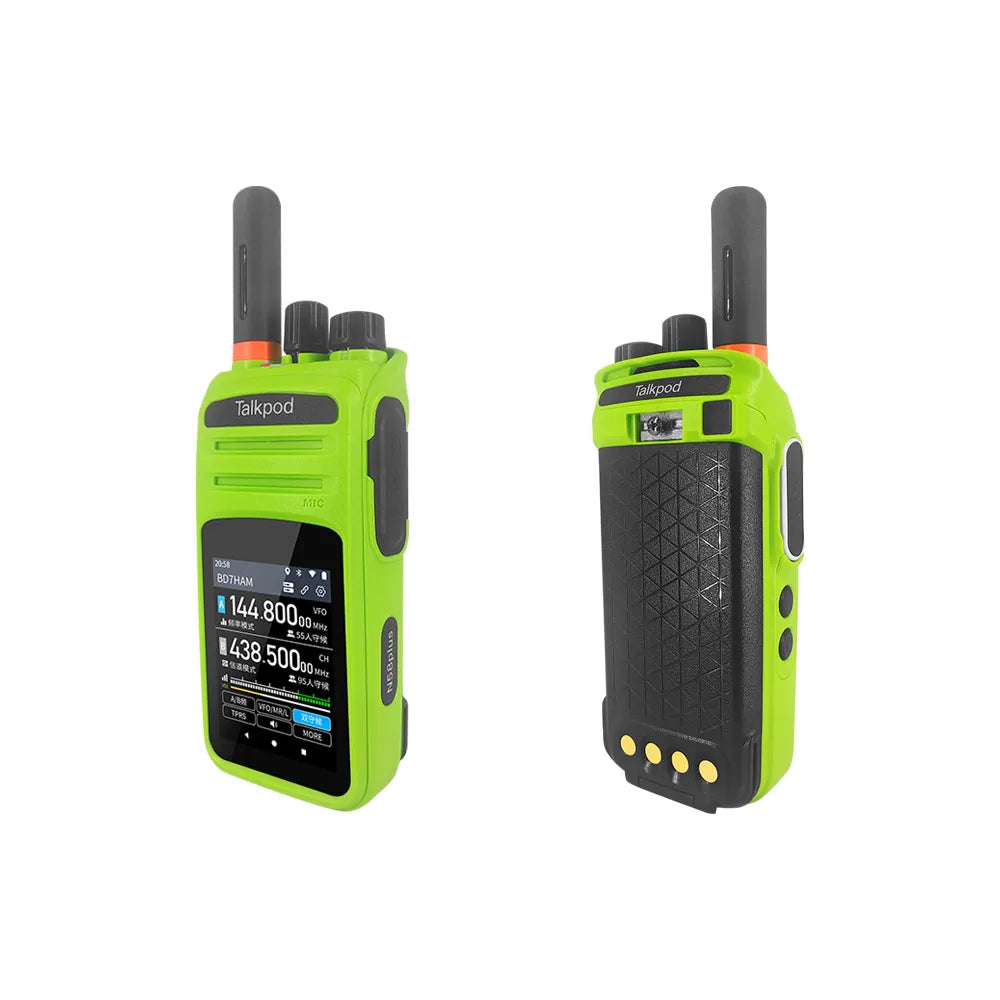
The Talkpod N15 public-network radio provides archive and records-management teams with a portable communication link that can be organised around different roles, locations and levels of responsibility.
Coordinating work without disturbing the archive
An archive facility may include secure storage rooms, public-service desks, digitisation areas and administrative offices. Each team handles different information, and not every message should be broadcast to every employee.
The N15 supports group and individual calls. Administrators can organise staff into working groups such as repository patrol, reception, digitisation and supervisory coordination. Routine messages remain within the relevant group, while an individual call can be used when one employee needs a specific instruction.
Call prompts and key tones can also be adjusted according to the working environment. Reducing unnecessary sounds helps staff use the radio without disrupting reading rooms, offices or quiet storage areas.
This allows an urgent retrieval request or return notice to reach the appropriate employee directly rather than being announced across the whole facility.
Managing communication permissions
Archive and confidential-records work often involves restricted information. Communication must therefore be managed according to role and operational need.
Through the client dispatch platform, authorised administrators can configure accounts, user groups and communication permissions centrally. Staff can be given access only to the groups required for their responsibilities, while changes can be managed without reconfiguring every device individually.
The N15 also supports protected platform-based voice communication. This can add a layer of security to operational calls, but it should not be treated as a guarantee that classified information can be discussed freely.
Overall protection will depend on platform architecture, account security, network configuration and the organisation’s own confidentiality procedures. Highly sensitive document details should still be handled through approved secure systems and policies.
Supporting document movement across the site
Archive work is not confined to one room. Staff may move between floors, buildings, loading areas and off-site storage facilities while transporting or checking materials.
The N15 uses compatible public mobile networks to support wide-area push-to-talk communication wherever suitable coverage is available. This can help employees remain connected when work extends beyond the effective range of a conventional direct radio system.
Public-network performance will vary inside thick-walled repositories, underground storage rooms and shielded areas. Indoor coverage should therefore be tested before deployment, and alternative communication procedures should remain available where mobile signals are weak.
Where optional GPS positioning is enabled, authorised supervisors may view the location and route history of equipped devices. This can support the coordination of personnel or vehicles involved in document transport.
GPS data does not directly track an archive box unless the radio remains with the employee or vehicle carrying it. It should therefore complement, rather than replace, formal chain-of-custody and asset-tracking records.
Designed for regular patrols and duty shifts
Archive staff may carry communication equipment while checking storage conditions, moving files or supervising deliveries.
The N15 has a compact body approximately 30mm thick and weighs about 170g with its standard battery. Its lightweight construction makes it easier to carry through long patrols without taking up excessive space.
The device is built to IP54 dust- and water-resistant standards and has undergone environmental-reliability testing associated with MIL-STD-810 requirements. This provides protection against routine dust exposure and water splashes, though it is not intended for immersion or uncontrolled hazardous environments.
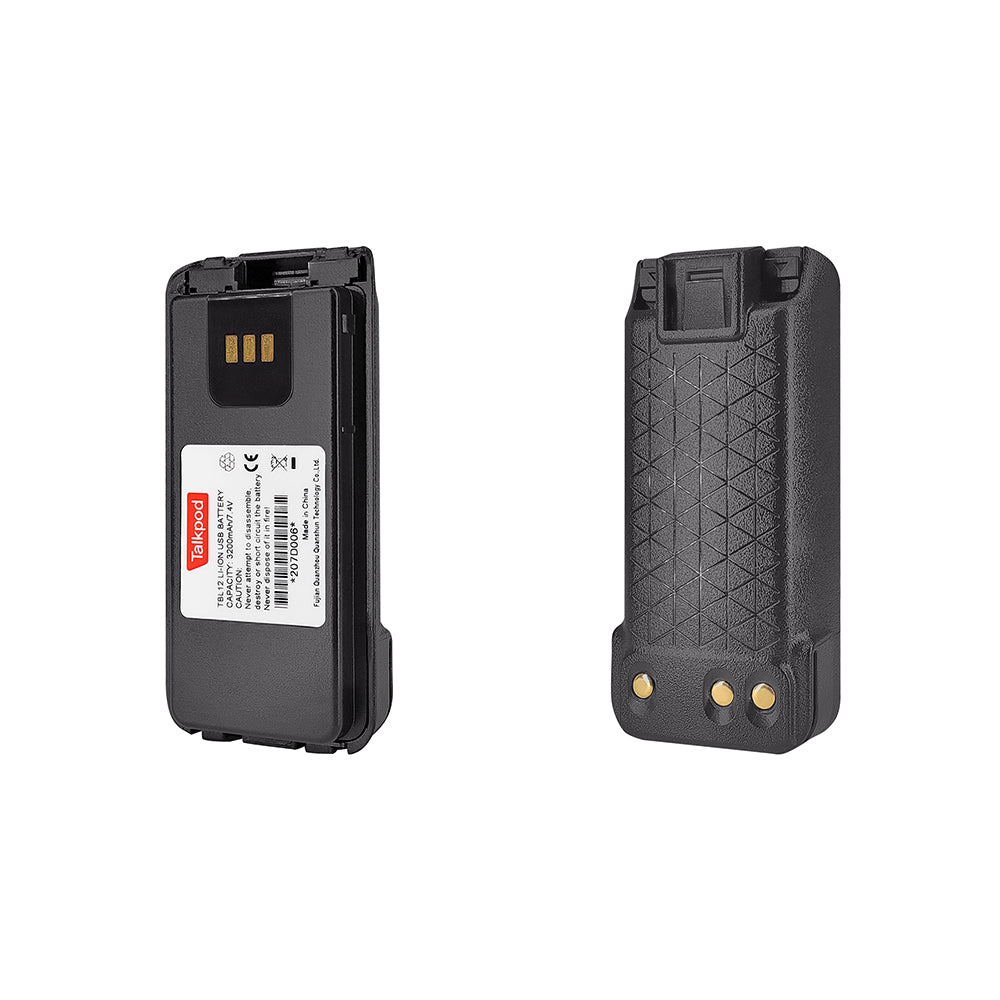
A 3000mAh battery supports up to approximately ten hours of operation under suitable conditions. USB-C charging allows devices to be recharged using compatible chargers or portable power sources. Actual battery life will depend on network conditions, call frequency and audio settings.
Greater flexibility through dual SIM support
Network conditions can vary between archive buildings, storage floors and outdoor transfer areas.
The N15 supports two SIM cards, allowing compatible services from different network operators to be configured. Where one operator’s signal is weak, the alternative connection may provide better service.
This gives archive teams additional flexibility, but it cannot guarantee continuous communication where both networks are unavailable or where building structures block mobile signals.
Keeping records work quiet, controlled and connected
The N15 does not replace archive-management software, access-control systems or formal document-handling procedures. It supports the staff responsible for carrying them out.
Group and individual calls reduce unnecessary broadcasting. Centralised permissions help keep communication organised. Wide-area connectivity supports work across different locations, while optional positioning can provide additional visibility during document transfers.
For archive managers, its value lies in helping instructions reach the appropriate person without disturbing the wider workplace.
An archive protects information by controlling where it goes, who handles it and how each movement is recorded. A well-managed communication system should follow the same principle: the right message, delivered to the right person, with no more exposure than necessary.

Leave a comment
All comments are moderated before being published.
This site is protected by hCaptcha and the hCaptcha Privacy Policy and Terms of Service apply.