
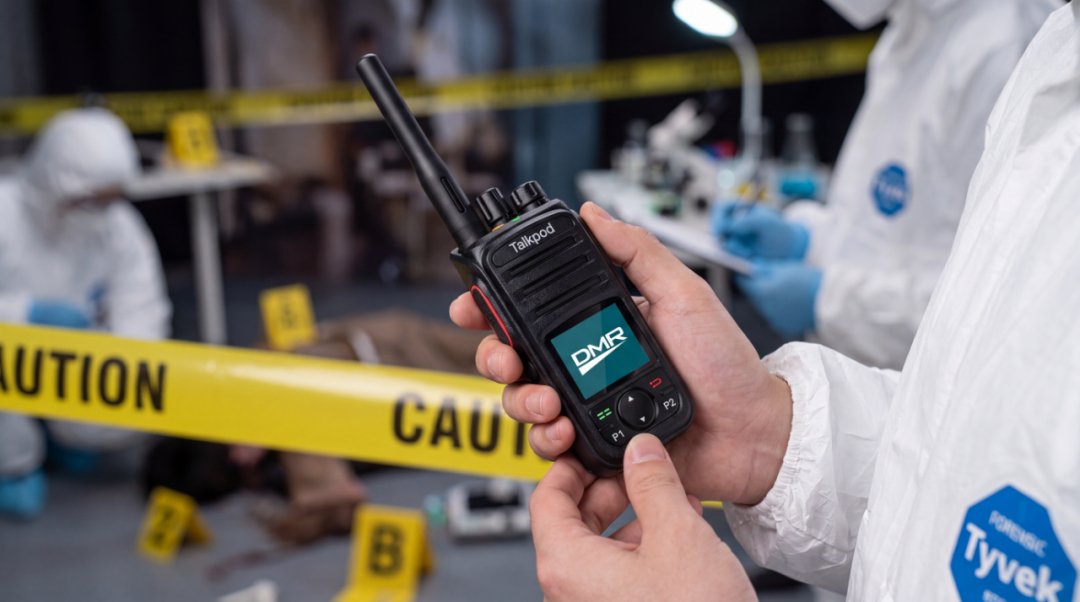
Criminal-investigation teams often need a radio system to do more than carry voice.
Personnel may be distributed between field locations and a command point, moving through buildings, vehicles and outdoor areas where local RF conditions can change quickly. Some communications may also contain operationally sensitive information, making access control and device management important alongside ordinary coverage.
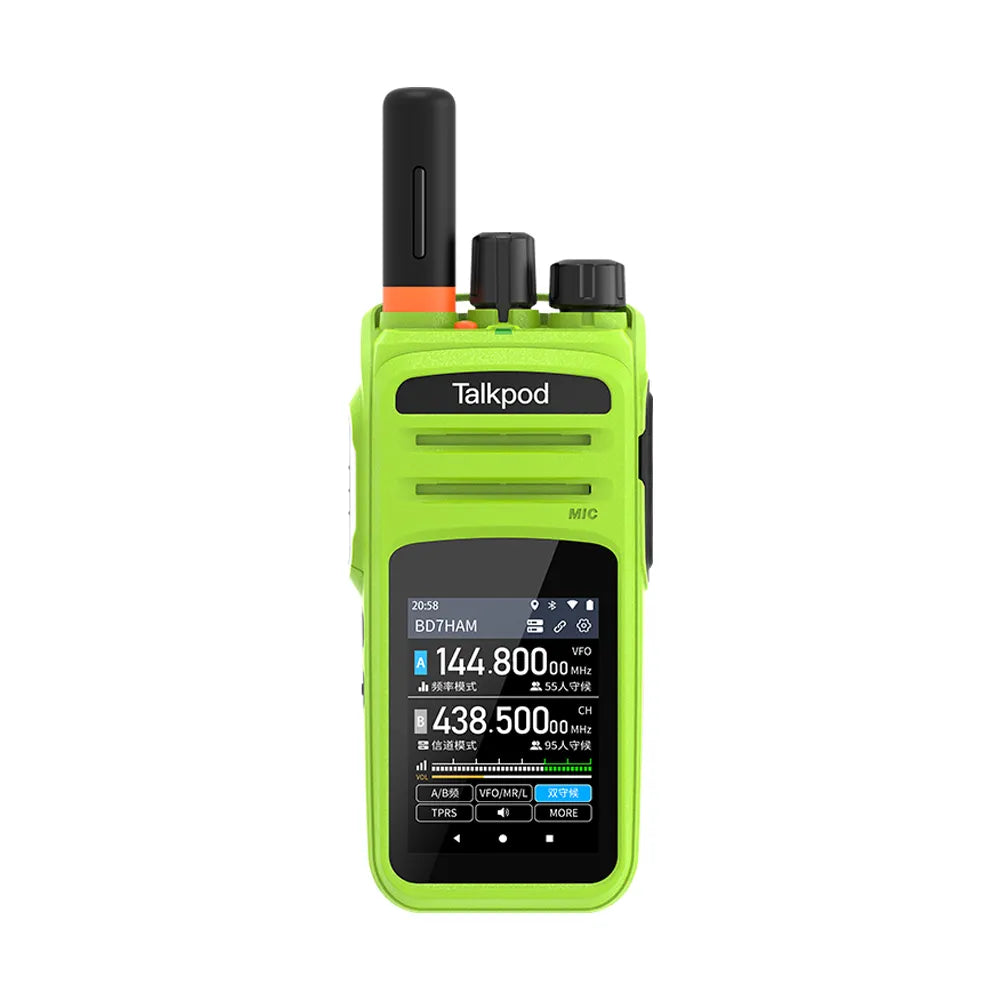
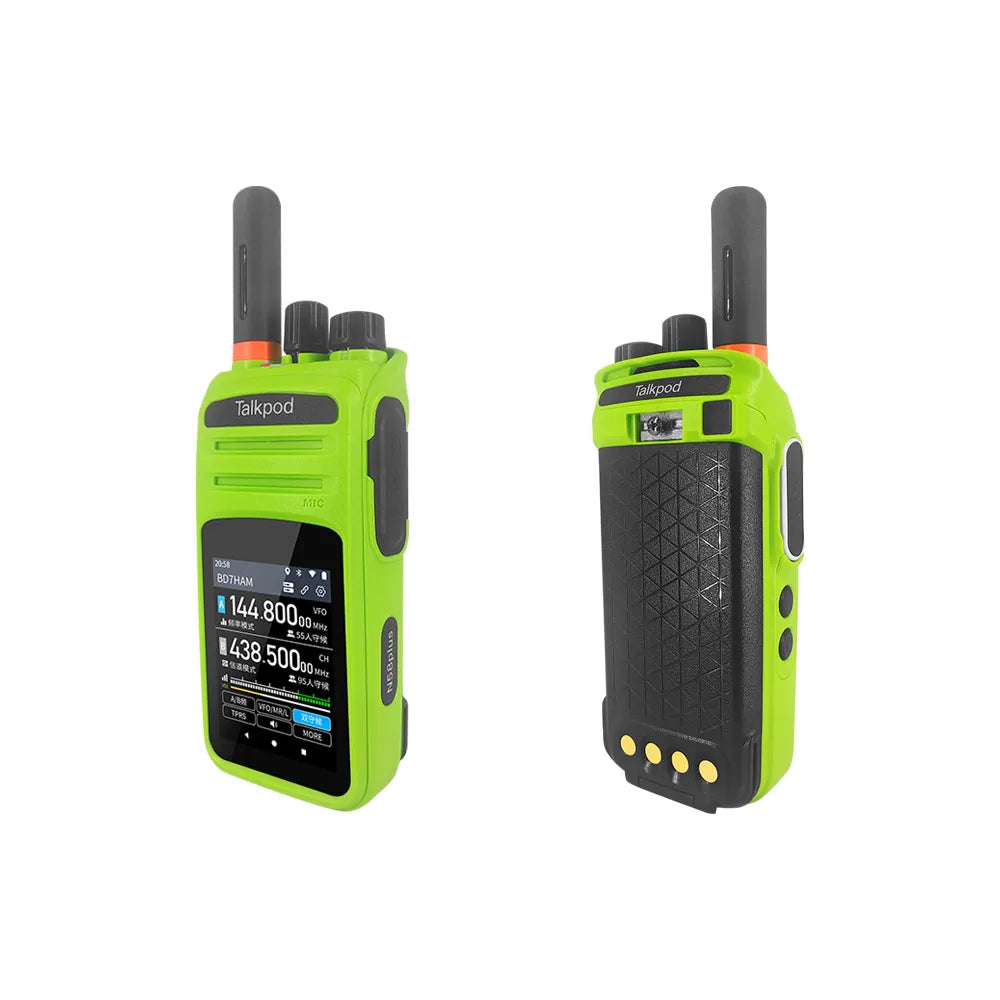
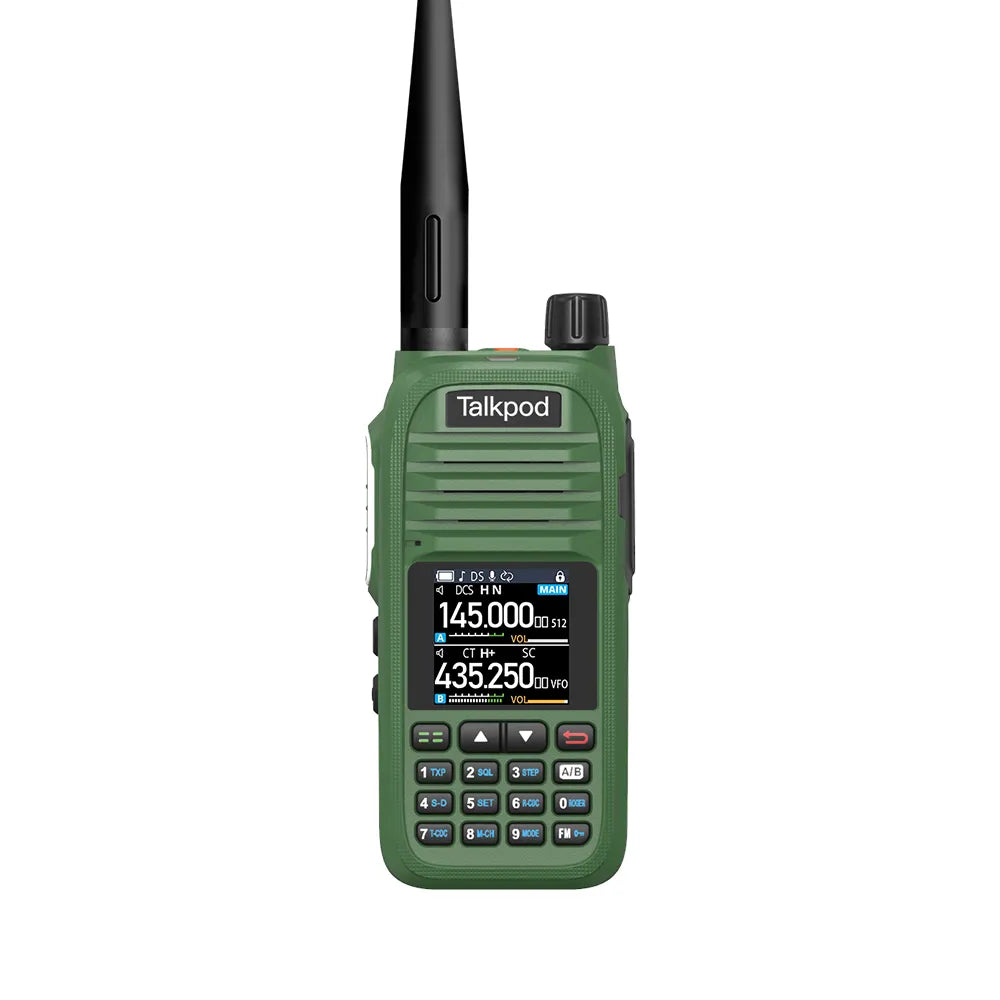
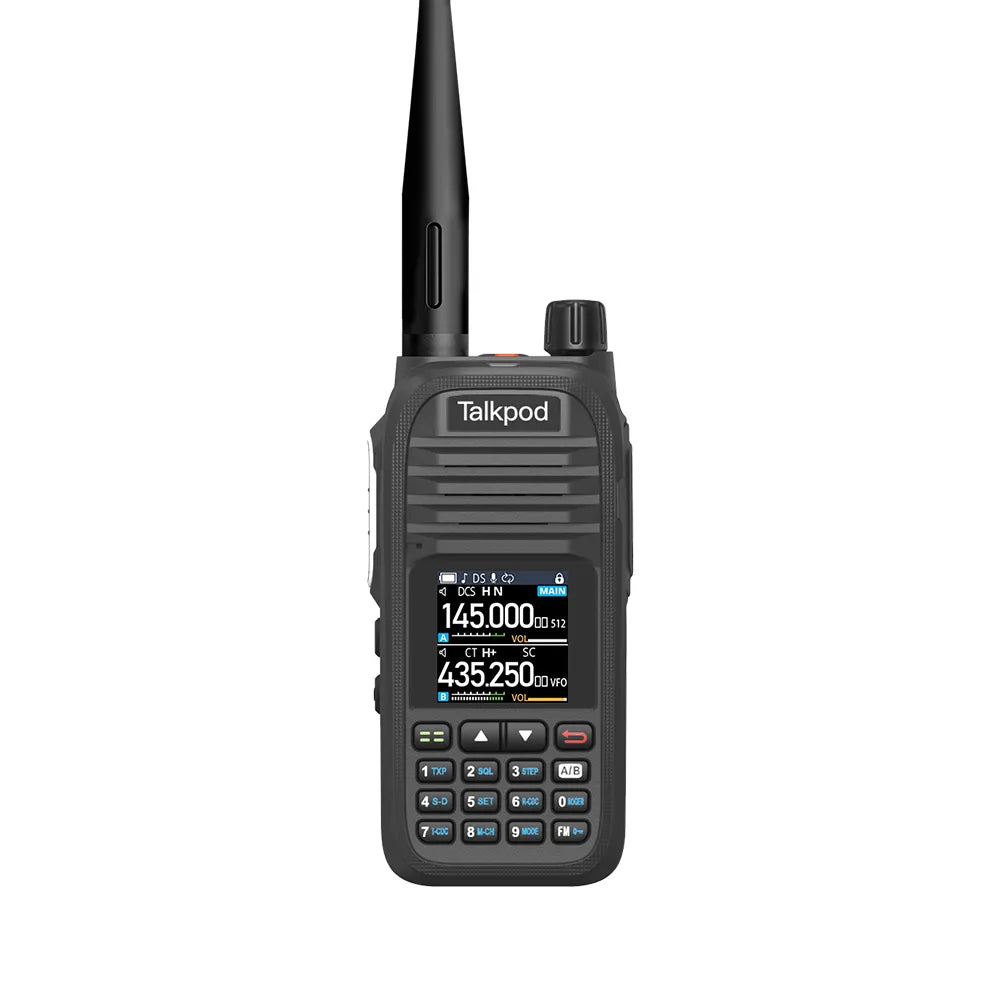
The Talkpod D56 digital radio combines configurable encryption functions, signaling features, remote radio-management functions and unique device identification within a local digital communication system.
Used under an agency's approved communications and information-security procedures, these functions can help investigators organize field communication more deliberately without treating the handheld radio itself as a complete secure-information platform.
Encryption can add protection—but Color Code is not encryption
The source describes the D56 as supporting 32 customizable enhanced-encryption settings.
When properly configured, encryption can make unauthorized interpretation of digital voice traffic more difficult and provide an additional layer of protection for sensitive operational communication.
That benefit should not be expressed as “impossible to intercept” or “zero risk of information leakage.”
The actual security of encrypted radio traffic depends on the encryption implementation, key management, programming discipline, device custody and the way radios are administered across the fleet.
The source also refers to 16 Color Codes as part of the encryption structure.
That distinction needs correcting.
In DMR, Color Code is not an encryption mechanism. It is a system-access and identification parameter that helps radios distinguish between appropriately configured digital systems.
Color Codes can help organize radio operation and reduce unwanted access or interference from differently configured systems.
They do not make voice content confidential.
Sensitive information still needs communication discipline
Technical encryption does not mean every investigative detail should be transmitted by radio.
Names, personal data, evidentiary information and other sensitive records should remain in the agency's approved case-management or secure information systems whenever possible.
Radio traffic is most useful for immediate operational coordination.
That also reduces the consequences if a device is lost, a configuration is compromised or a transmission is received outside its intended audience.
The strongest communication practice combines technical protection with restraint over what is actually transmitted.
Remote monitoring requires explicit authorization
The source describes a remote monitor function that allows an authorized system user to activate listening on a compatible field radio without requiring the local operator to initiate a voice call.
Such a function can provide additional situational information in specifically authorized circumstances.
But it raises important privacy, legal and governance questions.
Remote monitoring should only be enabled where permitted by applicable law, agency policy and the radio-system configuration. Access should be restricted to designated administrators or command personnel, and its use should follow documented authorization and audit procedures.
It should not be described as a routine means of secretly listening to personnel or surrounding individuals.
A technically available function still needs an appropriate legal and operational basis for each deployment.
[Image]
DTMF can carry predefined status signals
The D56 also supports DTMF signaling.
Instead of transmitting a spoken message, administrators can configure agreed signaling or status codes for compatible system functions.
That can be useful when personnel need to communicate a short predefined state without a longer voice exchange.
For example, an organization might establish standardized codes corresponding to routine operational states or a request for assistance.
The important point is consistency.
Users need to know exactly what each code means, and the receiving side needs a defined procedure for interpreting and responding to it.
DTMF should not be described as inherently secure or completely silent.
It is a signaling method, not an encryption system, and its behavior depends on how the radio network is configured.
Predefined status signaling can reduce radio congestion
Status signaling also has an administrative advantage.
A short standardized code can sometimes communicate information more efficiently than a full voice exchange.
This can reduce routine airtime and make the channel easier to manage when several teams are sharing the same local radio system.
But coded signaling should remain simple.
If operators need to memorize a complicated list of codes under pressure, the feature can create ambiguity instead of reducing it.
The most effective configuration is usually a limited set of clearly documented statuses that reflect the organization's actual workflow.
Unique device identification improves fleet accountability
The source describes each D56 as carrying a unique hardware serial number.
For a managed radio fleet, that provides a useful equipment-control reference.
Administrators can associate a specific device with its inventory record, assigned user, configuration and maintenance history.
If a radio is lost or transferred, the organization has a clearer way to identify exactly which unit is involved.
That supports accountability.
It does not, by itself, protect the communication network.
A serial number identifies a device; it is not a cryptographic credential and should not be treated as one.
Remote stun and kill can reduce the usefulness of a lost radio
The D56 supports radio-management functions commonly described as remote stun and remote kill, depending on system configuration.
These functions can allow an authorized controller to disable certain operation of a compatible radio after it has been reported lost or removed from service.
For a managed fleet, that can reduce the risk that a misplaced device continues to participate normally in the radio system.
But remote disable should not be described as making the radio impossible to recover, modify or misuse under every circumstance.
Its effectiveness depends on the system implementation, radio state, signaling path and configuration.
It should be one part of a broader lost-device procedure that also includes inventory control, credential or key changes where appropriate, incident reporting and device replacement.
Local digital radio still needs coverage engineering
Security functions do not solve coverage problems.
The D56 is a local digital radio system, so communication performance still depends on RF conditions.
Buildings, reinforced concrete, hills, vegetation, vehicles and indoor structures can all affect usable range.
If investigators operate across a larger area or inside difficult structures, appropriate repeater infrastructure or another communication system may be required.
A radio that supports encryption and remote management can still have a weak RF link.
For operational planning, coverage and information security should be treated as separate engineering questions.
Configuration security matters as much as radio features
A well-designed radio system can still be weakened by poor administration.
Programming access, encryption settings, administrator credentials and configuration files should be controlled according to organizational policy.
If multiple radios share sensitive system settings, changes should be managed consistently across the fleet.
Device issue and return records should also remain current so that administrators know which radios are active and who is responsible for them.
The D56 provides tools for controlled configuration.
The organization determines whether those tools are used in a controlled way.
Communication security is a layered process
The Talkpod D56 brings together several functions that can be useful in a managed criminal-investigation radio fleet.
Configurable encryption can add protection to digital voice traffic. DTMF signaling provides another way to communicate predefined states. Unique device identifiers support equipment accountability, while remote management functions can help administrators respond when a radio is lost or removed from service.
Remote monitoring may also provide situational information in specifically authorized deployments.
None of these features creates “absolute secrecy.”
Color Code is not encryption. A serial number does not prevent network compromise. Remote disable does not replace credential management, and technical monitoring functions require appropriate legal and policy controls.
Used as part of a properly administered radio system, however, the D56 can provide investigative field teams with a more controlled local communication layer—one in which voice security, device accountability and operational access are managed together rather than treated as separate afterthoughts.

Leave a comment
All comments are moderated before being published.
This site is protected by hCaptcha and the hCaptcha Privacy Policy and Terms of Service apply.