
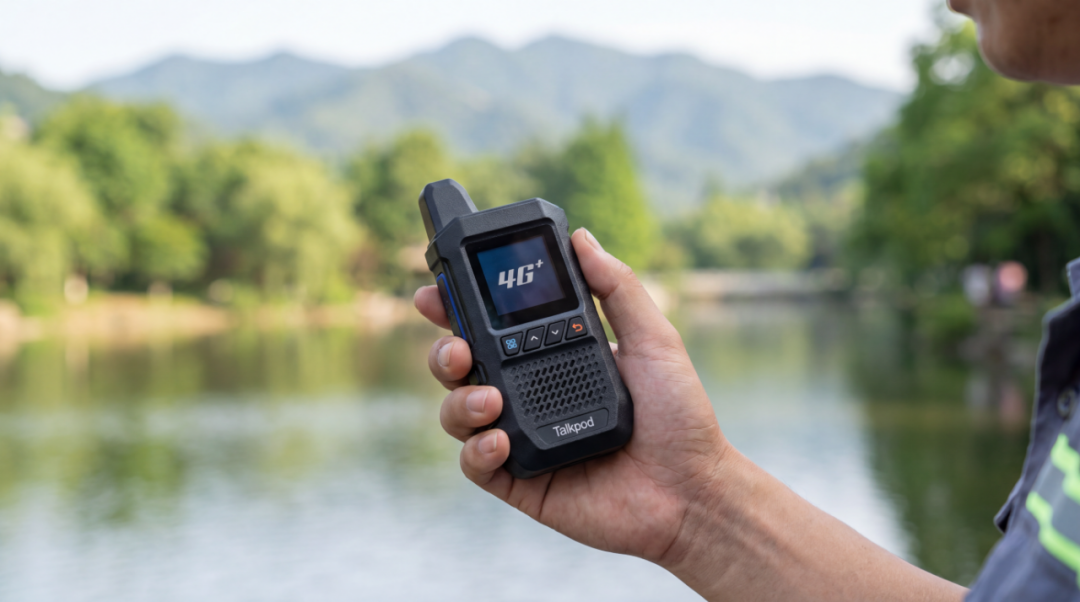
An open scenic area creates a very different communication problem from a single building.
Staff may be spread along lakeside greenways, wetland paths, exhibition spaces and parking areas, while visitors continue moving between those locations throughout the day. A guide who identifies a problem may be far from security or maintenance personnel, and walking back to a fixed office simply to pass a message wastes valuable time.
At Xishanyang Scenic Area, this dispersed layout makes conventional direct handheld-radio coverage less predictable.
The Talkpod C11 public-network trunked radio uses compatible mobile networks to provide a wider-area push-to-talk layer, supported by centrally managed groups and backend dispatch. Where suitable network service is available, it can help guides, security personnel, maintenance teams and customer-service staff remain connected across geographically separated parts of the attraction.
Open scenic areas create a distance problem
A lakeside attraction can cover far more ground than visitors realize.
One employee may be accompanying a tour group on a greenway while another is working inside an exhibition building. Security personnel may be patrolling a wetland path, and parking staff may be positioned some distance away from the main visitor area.
Traditional handheld radios remain useful within local coverage, but their direct range can become limiting once users move across a large open site.
The C11 carries push-to-talk traffic through compatible public mobile networks rather than depending entirely on direct radio-to-radio distance.
Where network coverage exists, staff in separate zones can remain within the same managed communication environment.
That makes cross-area coordination easier.
It should not be described as literally unlimited communication.
Vegetation, buildings and remote areas still need coverage testing
Public-network communication changes the distance problem, but it does not eliminate the underlying network.
Wetland vegetation, exhibition buildings, hills or low-lying terrain can all affect cellular reception.
An open lakeside path may have strong service while a building interior or remote parking area performs differently.
For that reason, scenic-area deployment should include testing along the actual staff routes.
Greenways, exhibition spaces, parking areas, service buildings and other frequently used points should all be checked.
If weak areas remain, the operator should identify an alternative communication method rather than assume that the public network will always be available.
Reliable service begins with knowing where coverage is strongest—and where it is not.
A compact radio is easier for guides to carry
Guides and frontline visitor-service personnel may already be carrying badges, tickets, informational materials or other equipment.
A large radio quickly becomes another item competing for space.
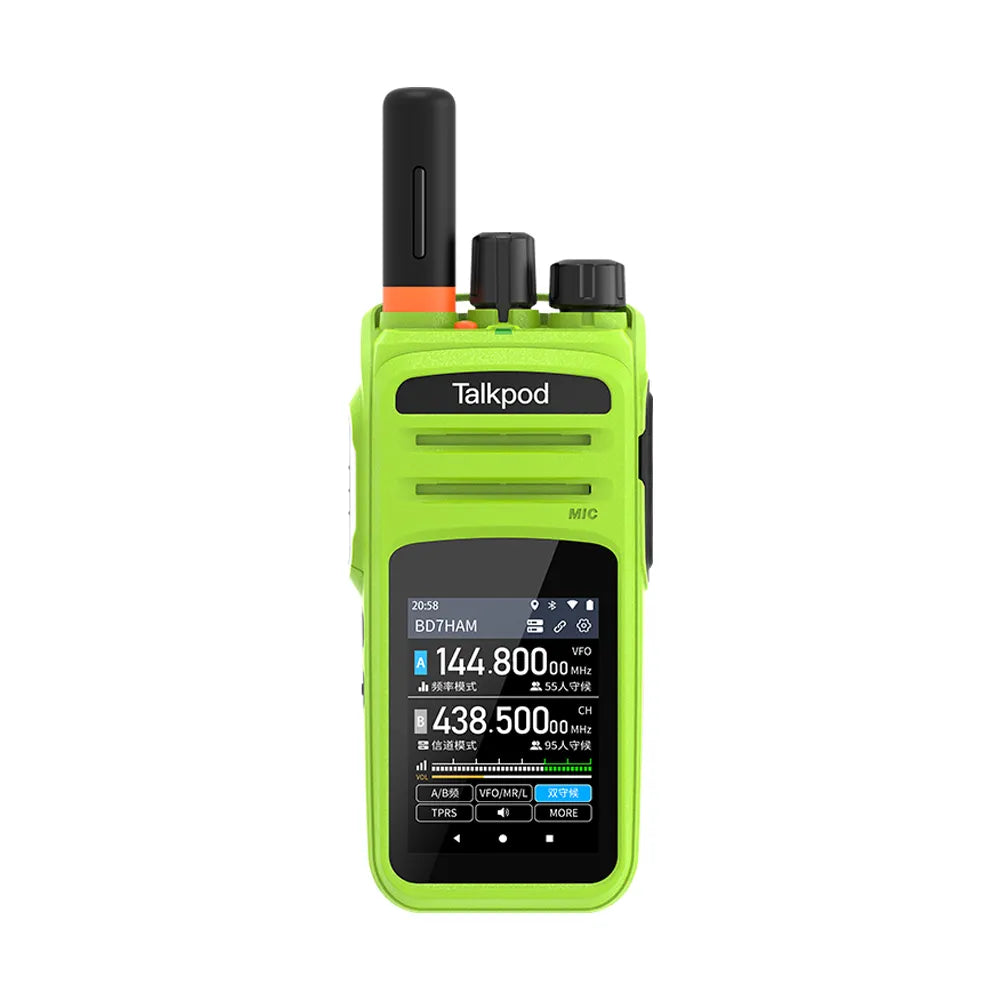
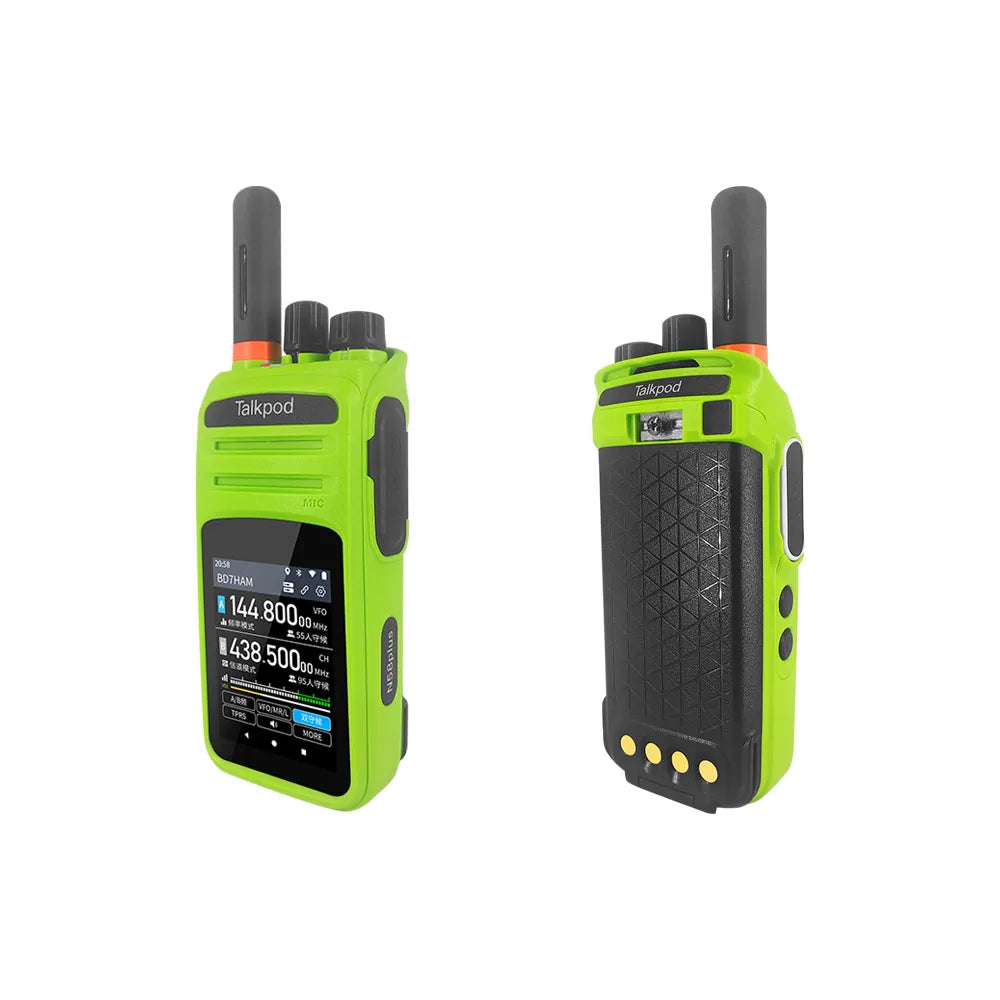
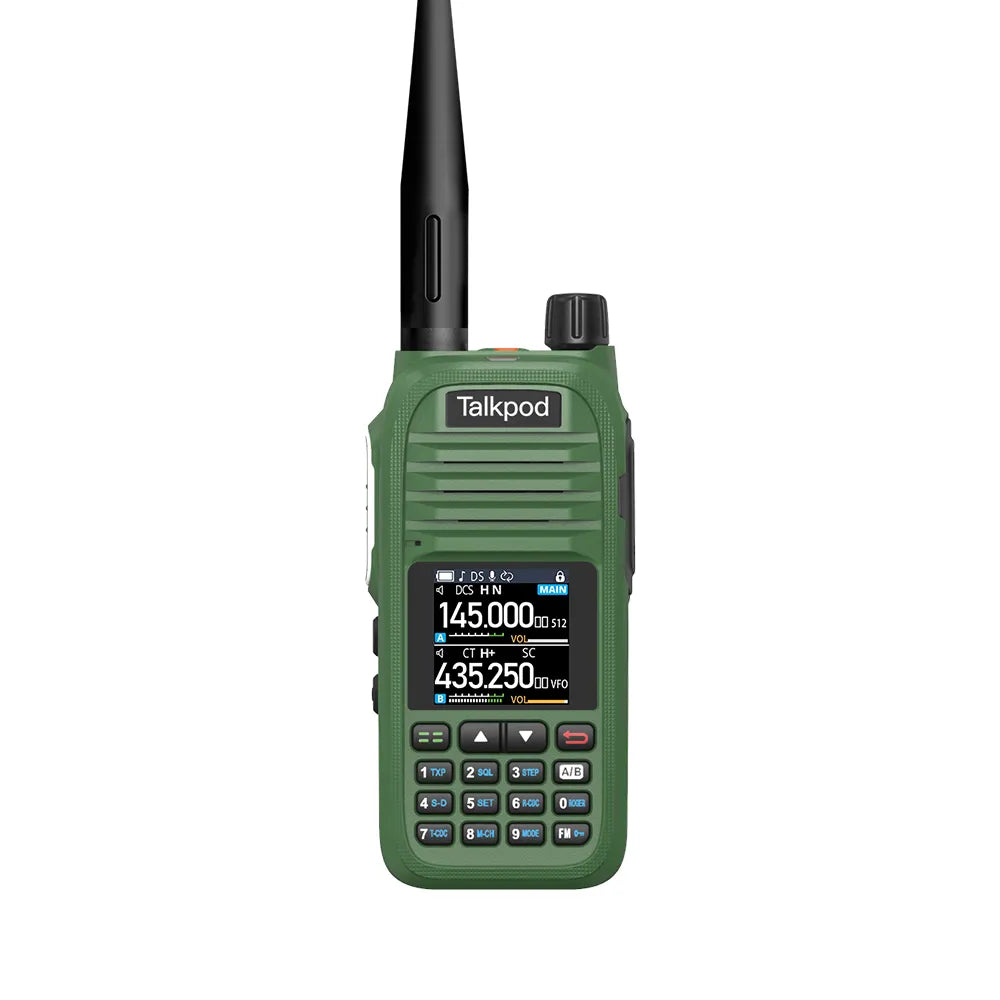
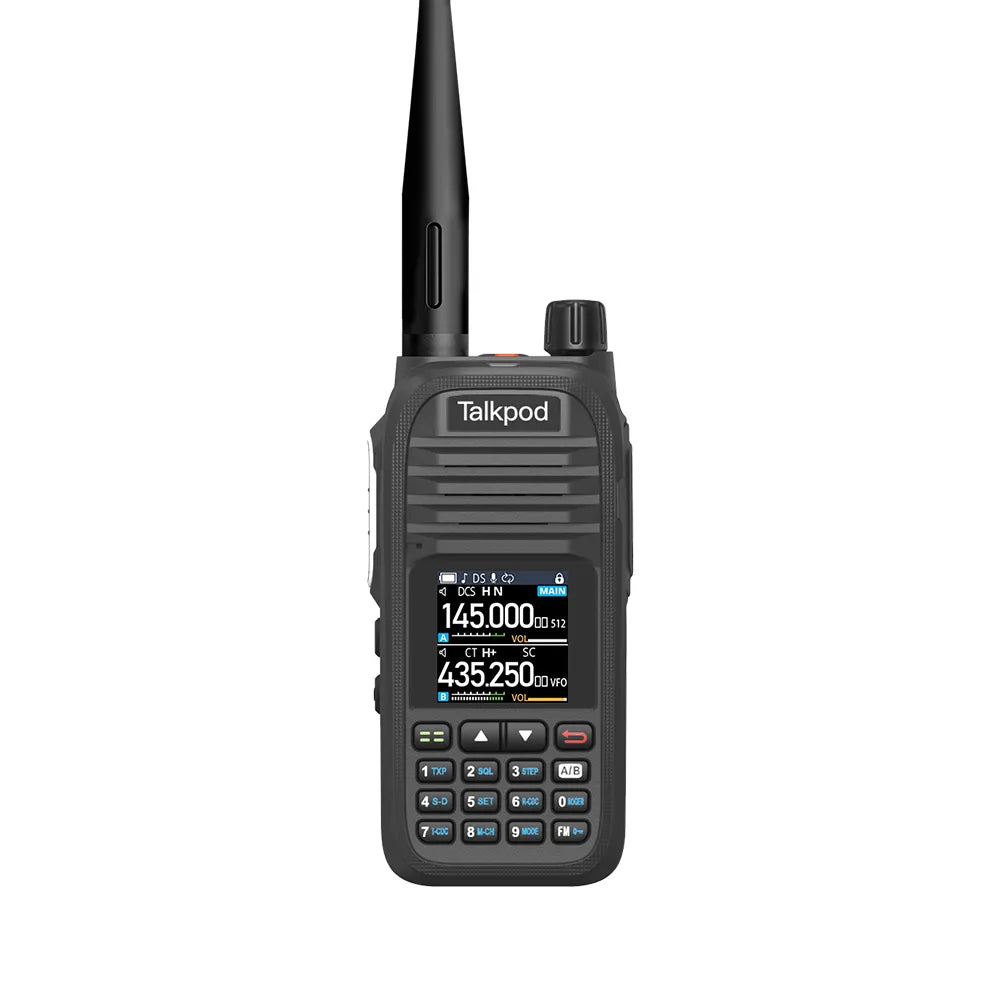
The C11 uses a compact, lightweight body designed for frequent portable use.
That makes it easier to clip or carry during long periods of walking around the attraction.
Simple physical controls also reduce the amount of attention required to operate the device.
For a guide moving with visitors, the best radio is often the one that can be used quickly without interrupting the interaction in front of them.
Louder audio helps in outdoor environments
Scenic areas are not always quiet.
Visitors, tour groups, wind, traffic around parking areas and outdoor events can all make radio messages harder to hear.
The C11 uses a high-output speaker intended to keep short voice communication intelligible in busier environments.
That can help staff hear operational messages without repeatedly asking for retransmission.
Actual intelligibility will still depend on surrounding noise, device position and network conditions.
The value is practical rather than absolute: making brief service calls easier to understand while staff remain on the move.
[Image]
Lost visitors require fast coordination across several teams
A report of a missing visitor can quickly involve more than one part of the scenic area.
A guide may receive the initial information, while security personnel check nearby routes and customer-service staff review other possible locations.
Public-network group communication allows these teams to coordinate without requiring everyone to return to one central point.
A guide can report the situation from the current location and bring the relevant teams into the response more quickly.
The radio can help accelerate that coordination.
It does not replace the scenic area's formal missing-person procedure.
Staff should still follow the approved process for collecting a description, checking known locations, escalating the search and contacting public authorities when necessary.
Medical incidents benefit from quicker handoffs
A visitor becoming unwell on a distant section of the greenway creates another communication challenge.
The first employee on scene may not be medically trained, while first-aid staff or external emergency services are located elsewhere.
The C11 can help frontline personnel notify the appropriate team and coordinate access to the location.
That may reduce the time spent searching for the right person by phone or walking back toward a service point.
But voice communication does not determine clinical treatment.
First aid, emergency assessment and ambulance activation should continue to follow the attraction's established medical-response procedures.
The radio helps the right people reach the situation faster.
It does not replace them.
Groups can reflect different scenic-area roles
Not every employee needs to hear every conversation.
Guides may need routine visitor-service traffic, while security personnel handle patrol issues and maintenance teams deal with facility faults.
The C11 platform can be configured with communication groups around those roles.
For Xishanyang Scenic Area, the source describes a dedicated coordination group structure designed around guide-led visitor service and related support teams.
That can reduce unnecessary radio traffic.
When a situation crosses departmental boundaries, authorized supervisors or designated users can bring the relevant groups into the same response.
The objective is not one large channel for everyone.
It is a communication structure that reflects how the attraction actually operates.
Account-based provisioning can simplify deployment
The source describes the C11 radios as being brought online without traditional frequency programming.
That reflects one of the practical differences between public-network radios and conventional channel-programmed handhelds.
Once devices have the appropriate network access, account authorization and backend configuration, predefined groups and contacts can be delivered through the platform according to the deployment setup.
That can simplify fleet rollout and later configuration changes.
It should not be interpreted as literally requiring no setup.
SIM or data service, account activation, group assignment and platform configuration still need to be completed before the radio becomes part of the operational system.
The advantage is centralized management rather than zero configuration.
Data-plan management is part of operating a PoC fleet
Unlike a conventional local handheld radio, a public-network device depends on data connectivity.
That introduces another operational task: keeping device accounts and data plans active.
The source describes long-term support for traffic-plan management.
For a scenic-area operator, that can reduce the administrative burden of monitoring multiple devices and maintaining service continuity across the fleet.
Account status should still be reviewed as part of normal equipment management.
A radio with a charged battery but an inactive data service is no more useful than a conventional radio outside its coverage area.
Connectivity is part of the fleet lifecycle.
Visitor information should remain limited over voice
Scenic-area staff sometimes handle personal information when responding to a lost visitor, medical issue or customer-service problem.
Shared radio groups are usually not the best place to discuss unnecessary personal details.
A concise message can direct the appropriate staff to the correct location, while names, contact details or medical information remain in the organization's approved service or incident-recording systems where possible.
This keeps radio traffic efficient and reduces unnecessary exposure of visitor information.
The radio should carry the immediate coordination message.
It does not need to carry the complete visitor record.
Public-network communication needs a fallback
The C11 depends on the availability of the mobile network and push-to-talk platform.
If that network becomes unavailable, radio communication may also be interrupted.
For routine visitor service, phones or another available method may provide a temporary fallback.
For emergency-related functions, the scenic area should define backup communication arrangements in advance.
This is particularly important for large outdoor attractions where staff may work far from the main visitor center.
A resilient communication plan does not assume that one technology will always be available.
Making a dispersed attraction easier to operate
The communication challenge at Xishanyang Scenic Area comes largely from its geography.
Greenways, wetland areas, exhibition buildings and parking facilities spread staff across a large operating area while visitors continue moving between those locations.
Where compatible mobile-network coverage is available, the Talkpod C11 can provide a common push-to-talk layer across those dispersed teams.
Its compact body makes it practical for guides to carry, louder audio supports use in busy outdoor environments, and centrally managed groups can help security, maintenance, customer service and guide teams coordinate more efficiently.
The value should not be expressed as “communication everywhere without dead zones.”
A more realistic benefit is reducing the time staff spend trying to find one another—and making it easier for the right team to respond when a visitor somewhere across the attraction needs help.

Leave a comment
All comments are moderated before being published.
This site is protected by hCaptcha and the hCaptcha Privacy Policy and Terms of Service apply.