
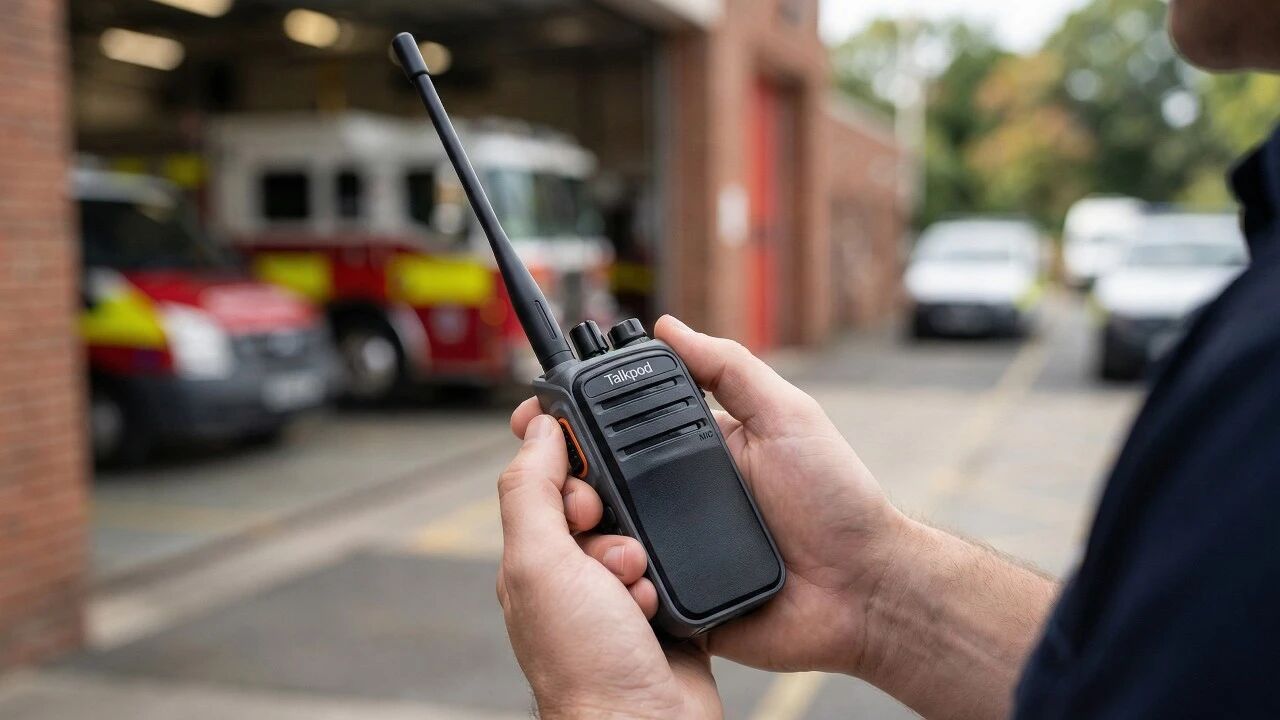
A long-distance bus station is a busy operating system. Passengers ask questions, schedules change, boarding gates need coordination and unexpected incidents require quick reporting. Ticket clerks are not only service staff at the window. They are also important nodes in the station’s information flow.
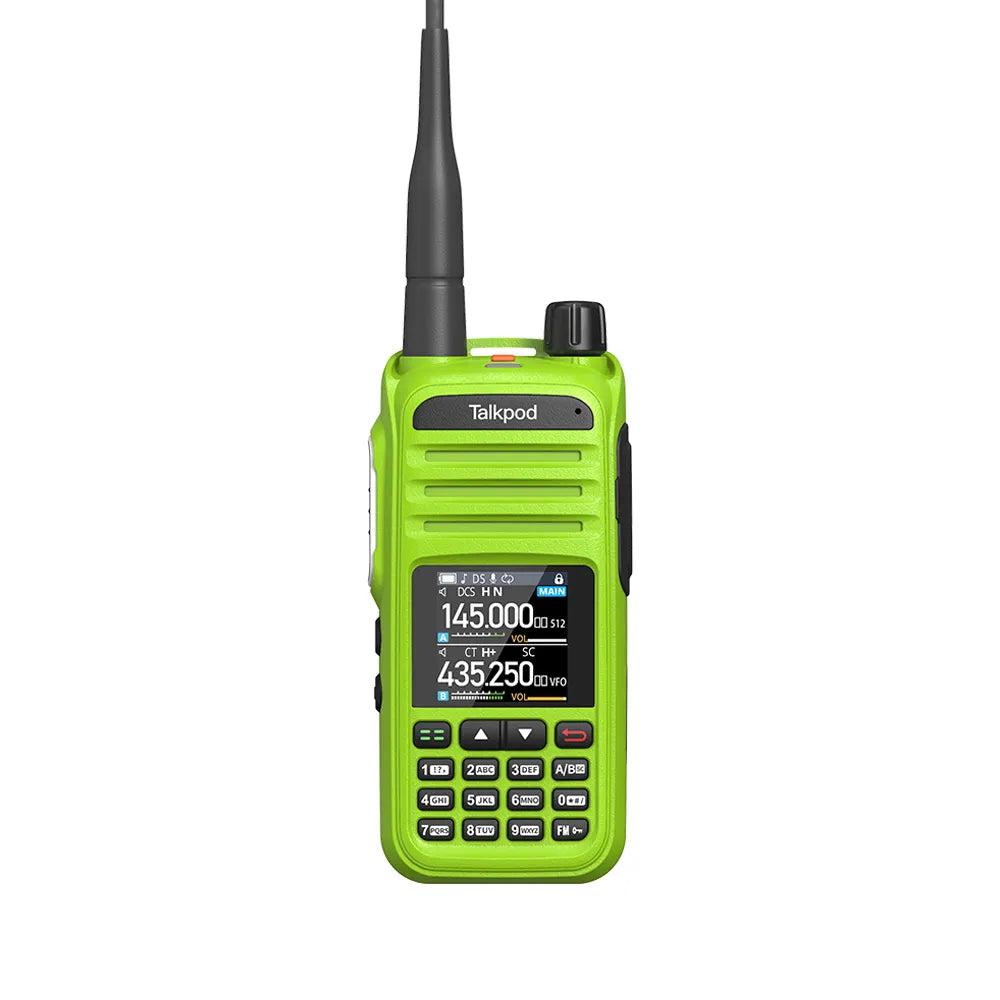
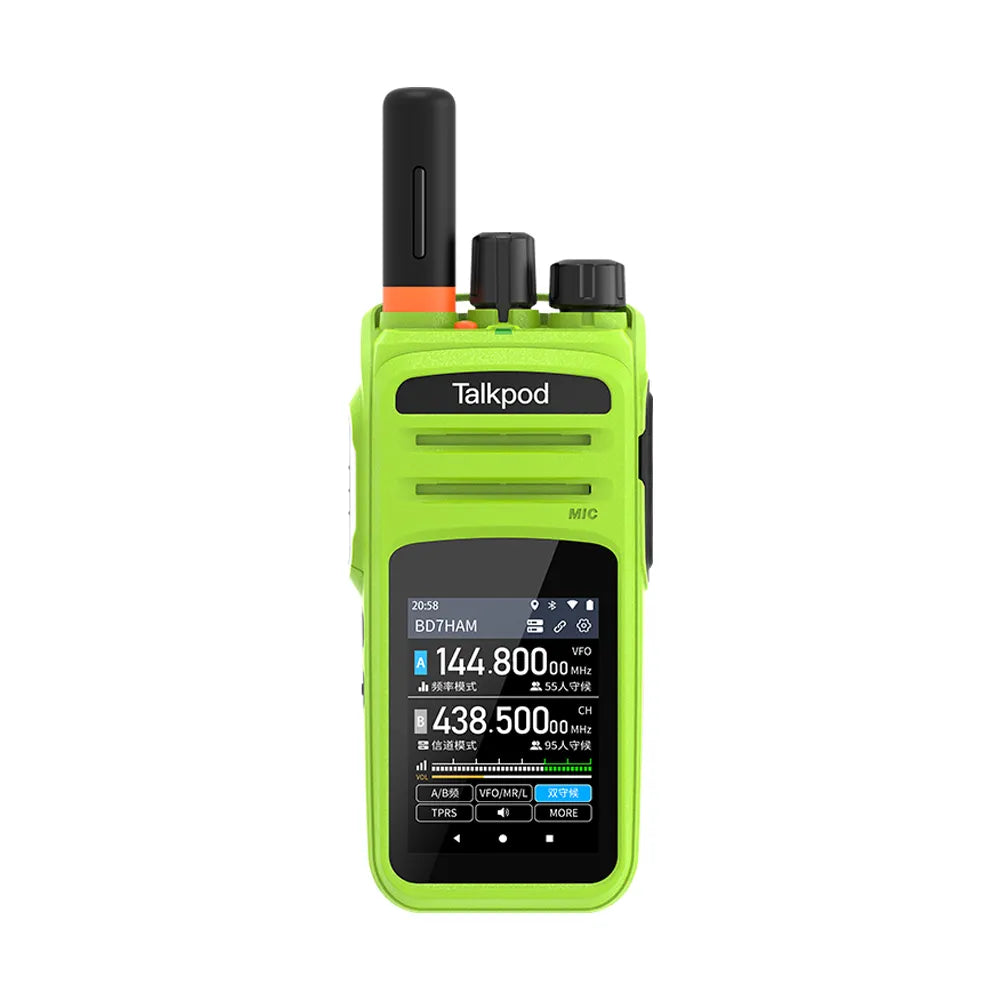
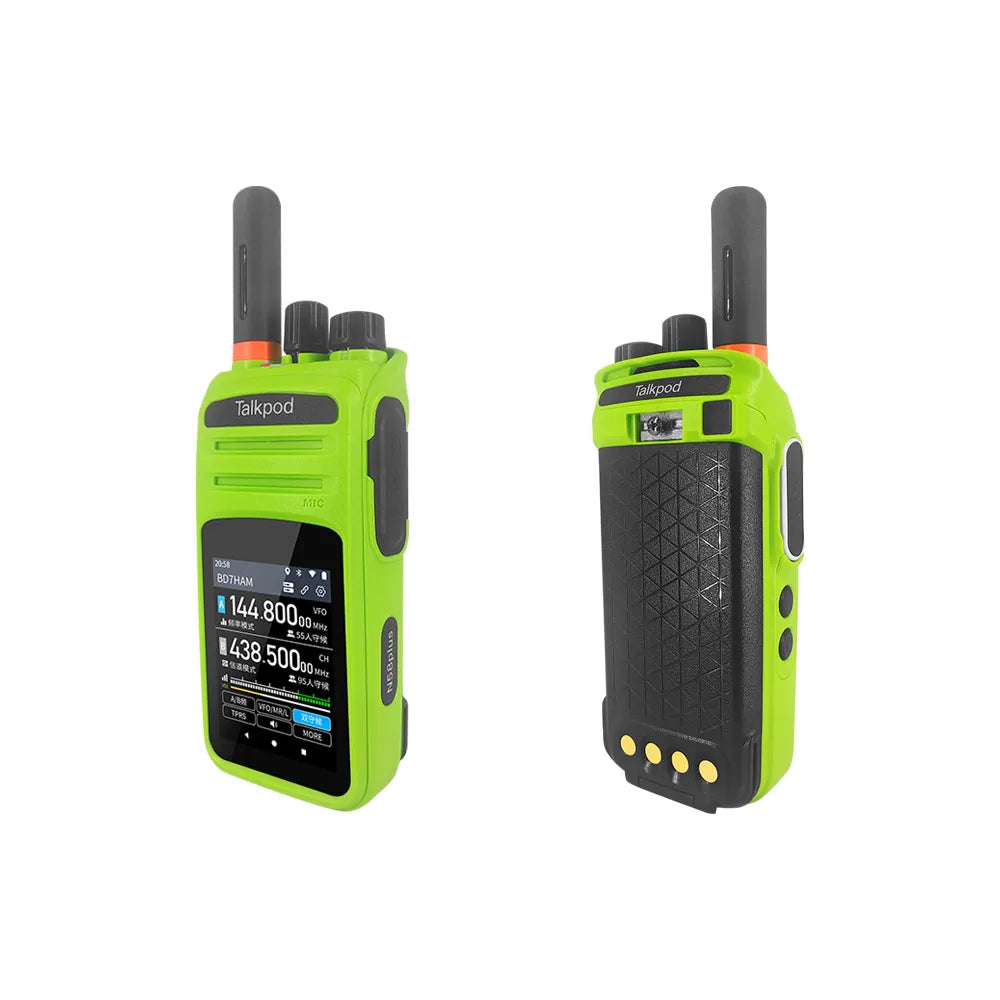
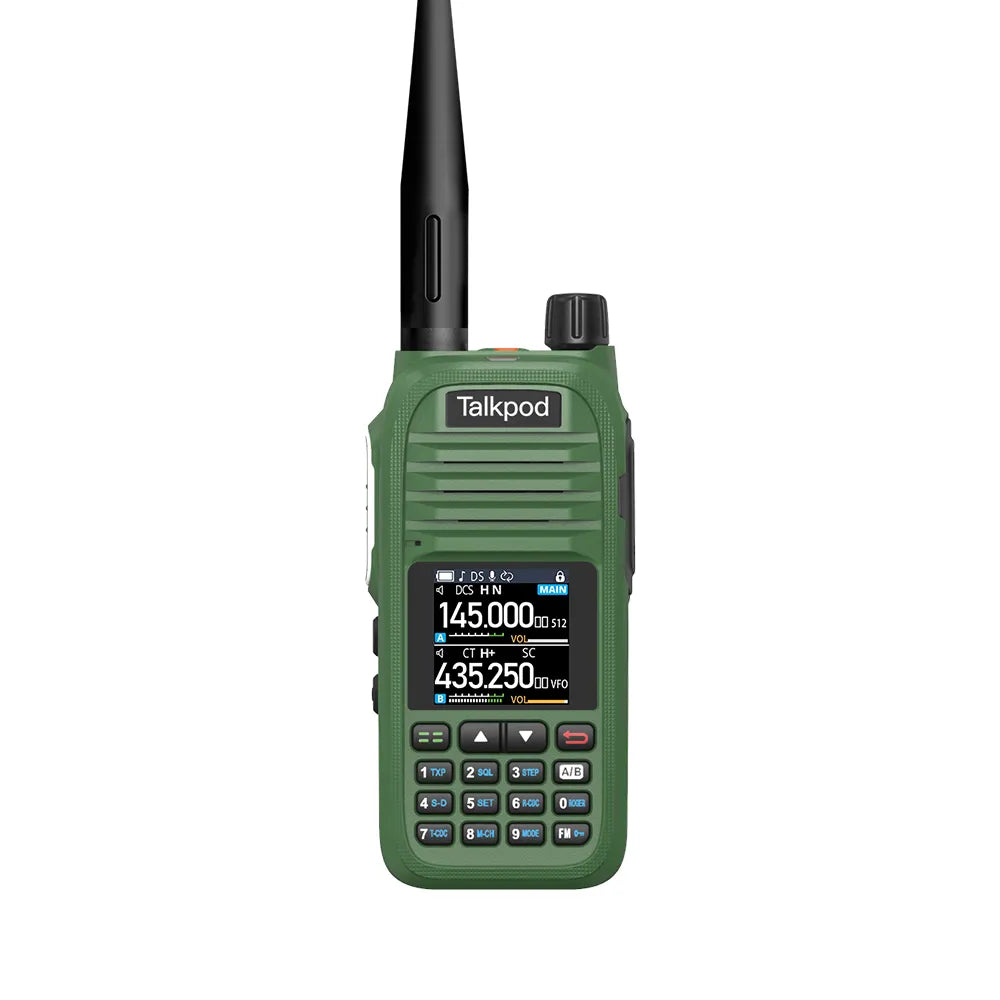
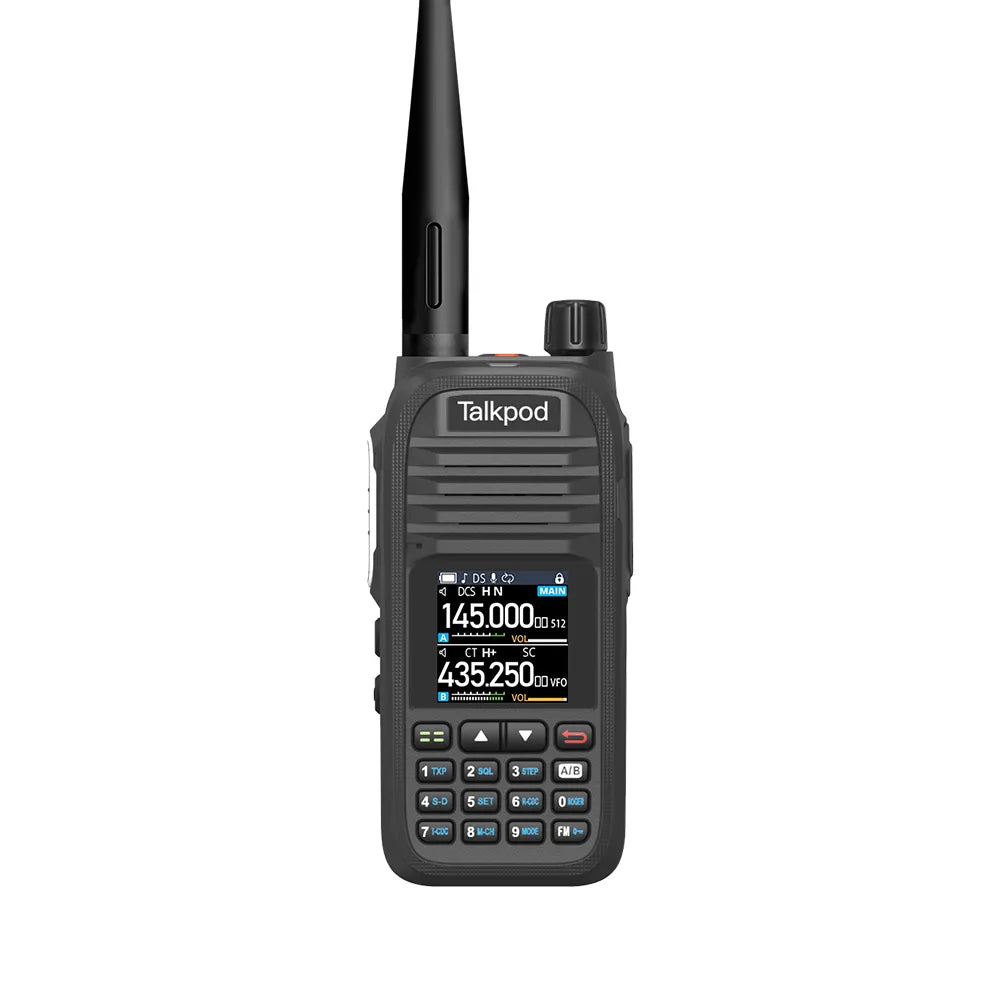
In such an environment, communication must be fast, clear and dependable. The Talkpod D56 digital radio is designed to support that need, giving ticketing staff a practical way to stay connected with dispatchers, gate staff, supervisors and other service teams.
Clear voice in a noisy station
Ticket halls are rarely quiet. Passenger conversations, public announcements and background movement can make ordinary communication difficult.
The D56 uses digital voice technology and narrowband voice-coding to help reduce environmental noise and improve speech clarity. Its built-in 1W speaker helps ensure that ticket clerks can hear instructions from the dispatch centre, boarding gate or colleagues more clearly, even during busy travel periods.
This reduces the risk of missed messages, repeated instructions and service delays caused by poor audio.
Faster coordination during daily service
Ticketing work involves more than selling tickets. Staff may need to check schedules, coordinate with gates, support passengers with special needs or report abnormal situations.
The D56 supports group calls, individual calls and all-call communication. With four programmable shortcut keys and side keys, users can quickly contact specific people or teams, such as a duty manager or boarding-gate staff. It also supports preset text messages, allowing simple information to be sent without a long voice exchange.
For ticket clerks serving passengers at the window, this matters. Communication can happen with fewer steps, without interrupting service more than necessary.
Records that support accountability
In passenger-service environments, disputes and exceptions are inevitable. Complaints, special ticketing arrangements or abnormal incidents may need to be reviewed later.
The D56 supports digital recording and local playback. Both transmitted and received calls can be recorded and stored on the device, with total recording time of up to 600 minutes, or about 10 hours, with automatic loop overwriting. This gives managers a clearer basis for checking instructions, reviewing incidents and improving service procedures.
Built for long operating hours
Long-distance bus stations often operate for extended hours, and communication devices must withstand frequent daily use.
The D56 uses a pure PC body and a robust structural design. It is built to IP65 dust- and water-resistant standards and has passed MIL-STD-810G-related reliability tests for demanding environmental conditions. This helps the device cope with dust, temperature changes and heavy handling in station environments.
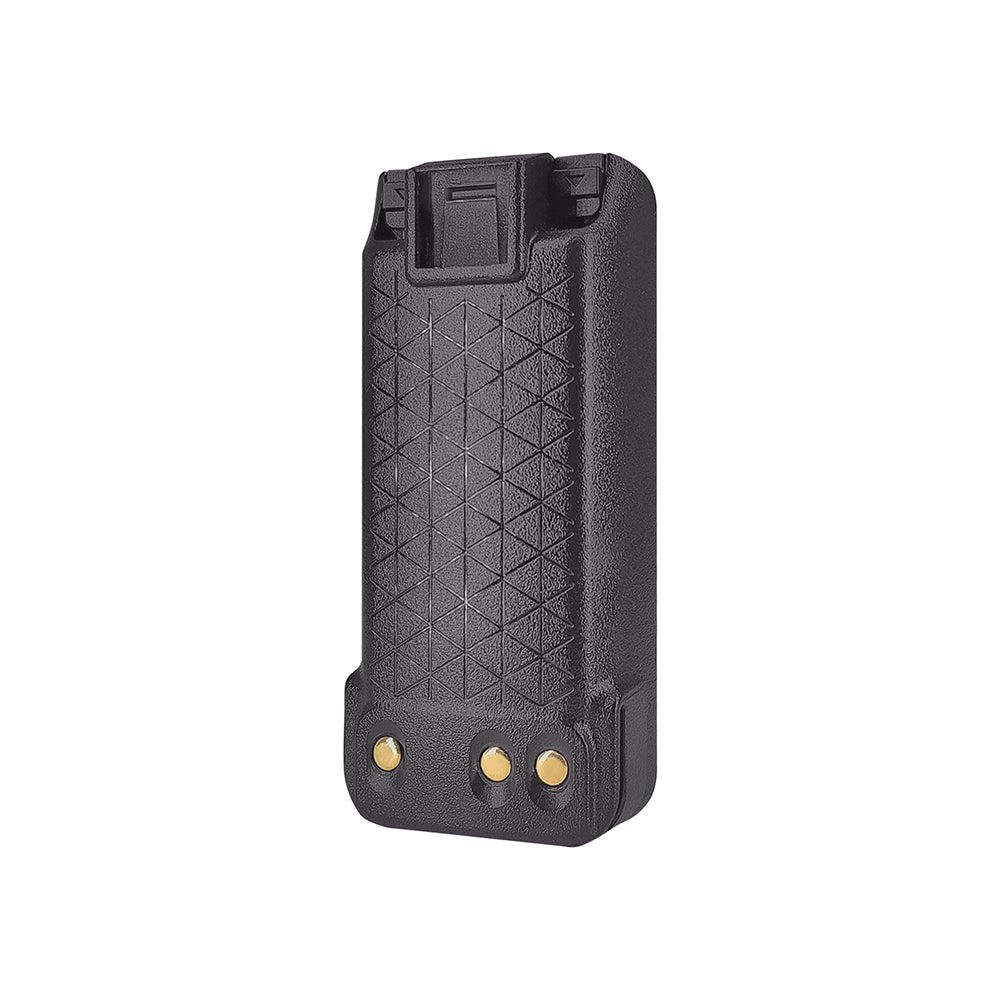
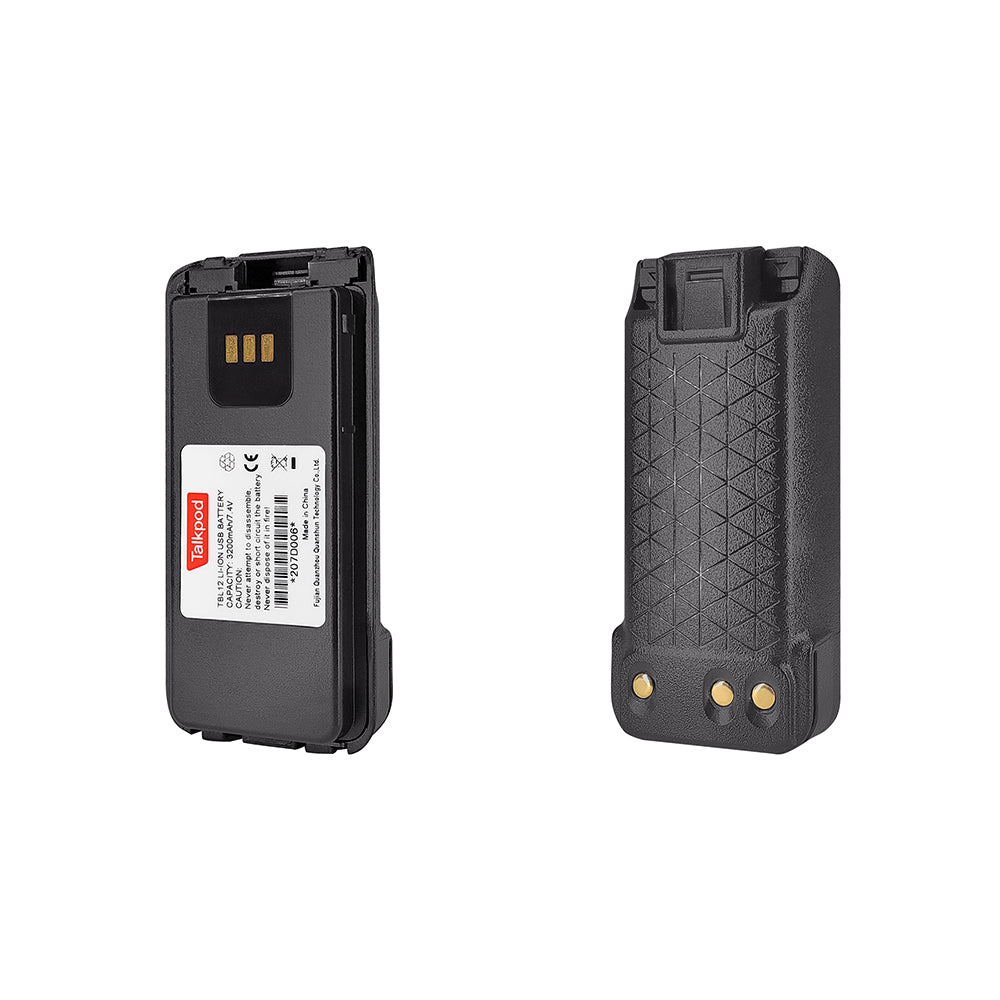
Battery life is also important. The standard battery supports up to 16 hours of operation, while an optional battery can extend working time to about 32 hours. For long shifts, this helps keep communication available without constant charging.
A digital assistant for the service window
For ticket clerks at long-distance bus stations, a radio is not just a device for speaking. It is a tool for keeping service, dispatch and emergency response connected.
The Talkpod D56 combines clearer digital voice, flexible calling, shortcut operation, call recording, rugged construction and long battery life in a radio suited to busy station work. Its value lies in helping staff move information as efficiently as passengers move through the station.
In public transport, good service depends on timing, coordination and trust. A reliable communication link helps support all three.

Leave a comment
All comments are moderated before being published.
This site is protected by hCaptcha and the hCaptcha Privacy Policy and Terms of Service apply.