

An oil drilling rig rarely stops because one team has finished its shift.
Drilling crews, mud-system operators, electrical and mechanical technicians, and safety personnel work around the clock, often across different levels and sections of the site. Heavy steel structures obstruct radio signals, machinery creates constant background noise, and parts of the operation may be classified as hazardous because flammable hydrocarbon gases can be released during drilling.
In such an environment, communication equipment has to do more than carry a clear voice.
It must also be suitable for the hazardous area in which it is used.
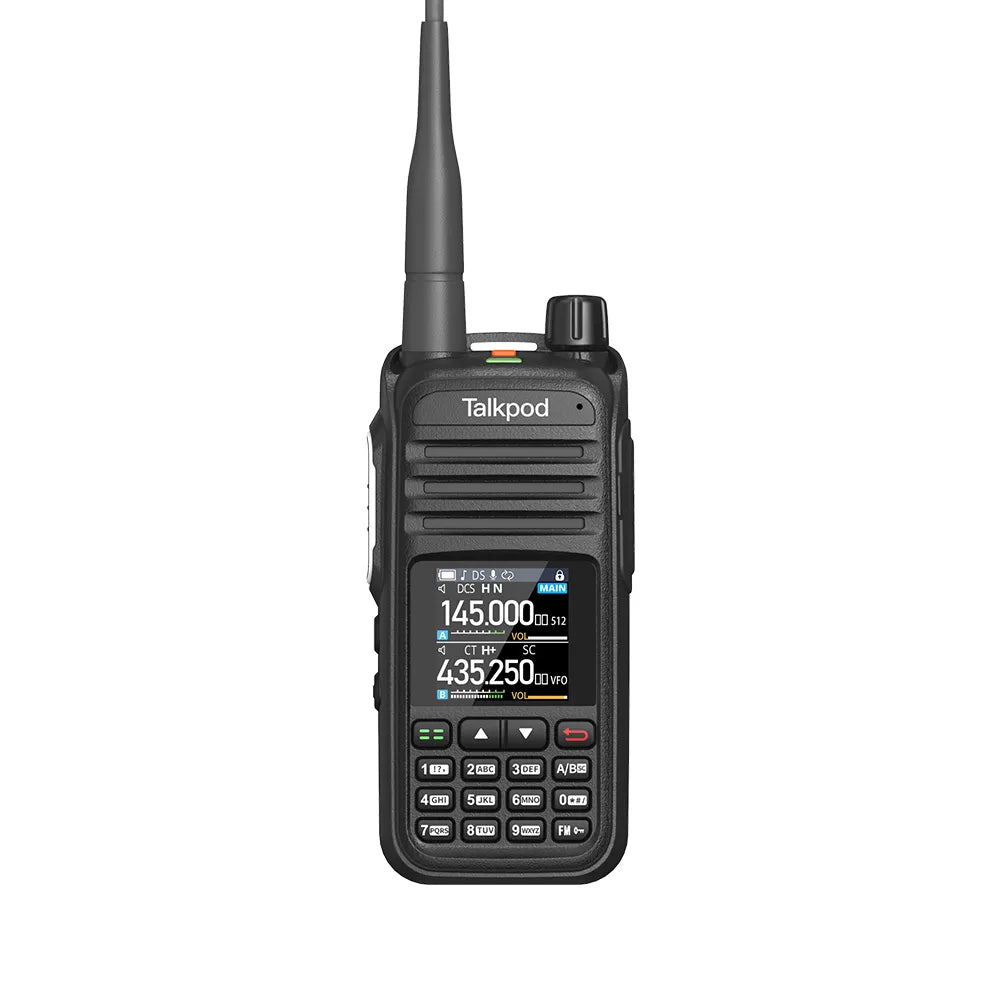
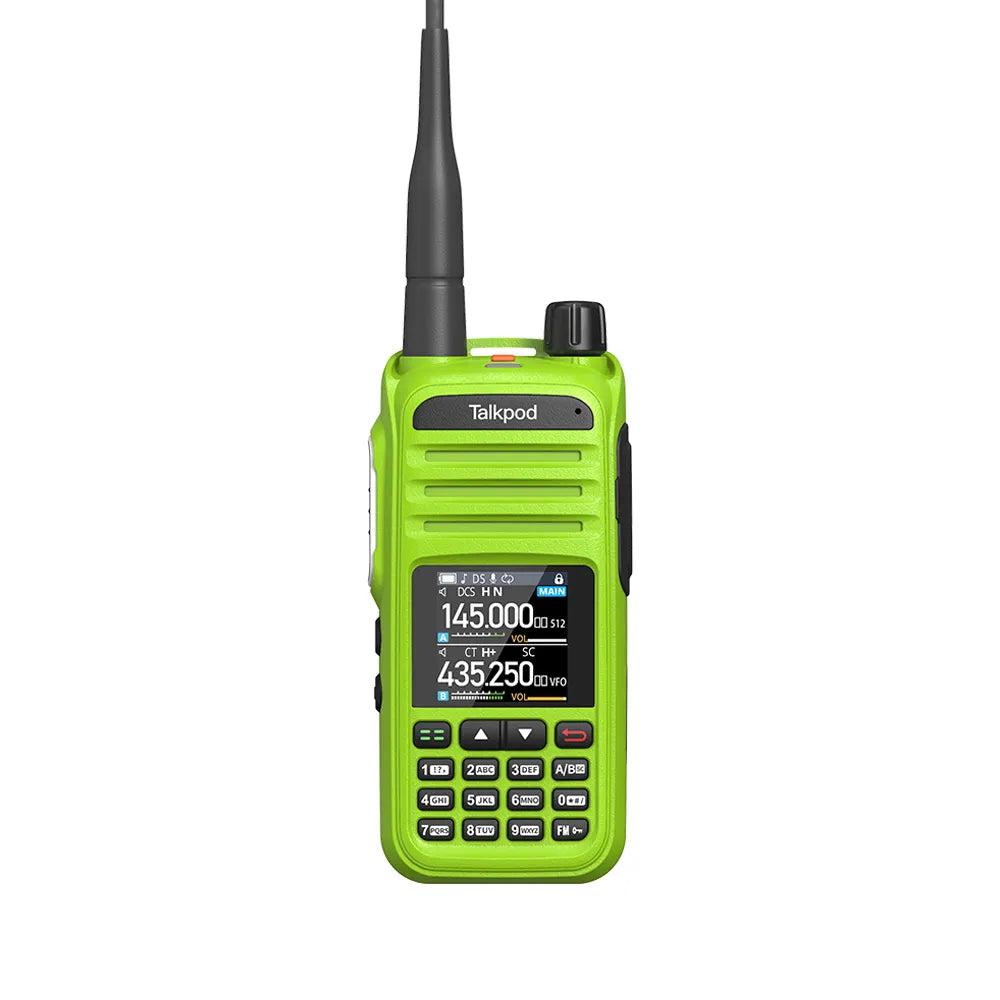
The Talkpod D50Ex explosion-protected digital radio provides a local communication option for drilling teams working in demanding industrial conditions, combining digital voice, multiple calling modes, programmable controls and extended operating time.
Hazardous-area suitability starts with the certification
The wellhead and surrounding process areas can present some of the highest communication risks on a drilling site.
During normal operations, hydrocarbons may be present around particular equipment. If abnormal well conditions occur, the potential for flammable gas release can increase rapidly.
Ordinary electronic equipment should not simply be brought into these locations.
Before a D50Ex is deployed, the operator should verify its exact certification marking against the hazardous-area classification of the intended work location, including the applicable zone, gas group, temperature class and permitted ambient range.
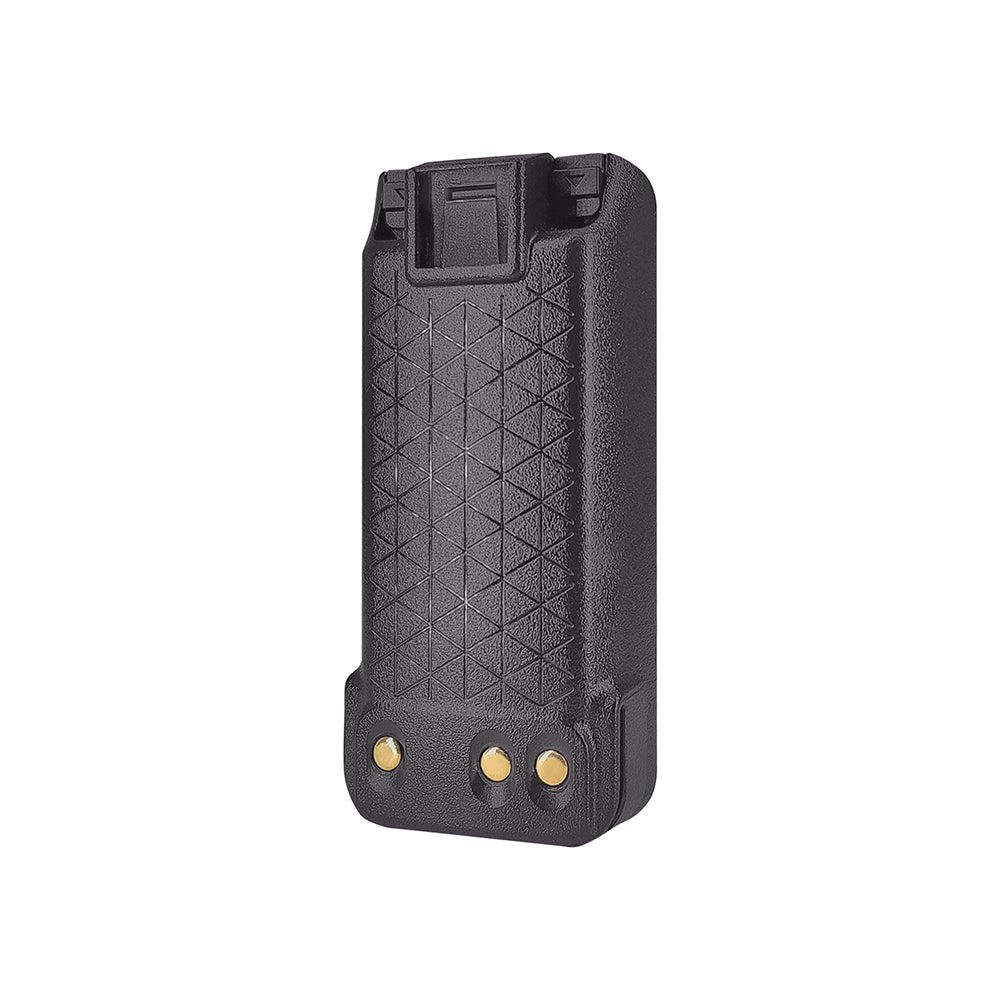
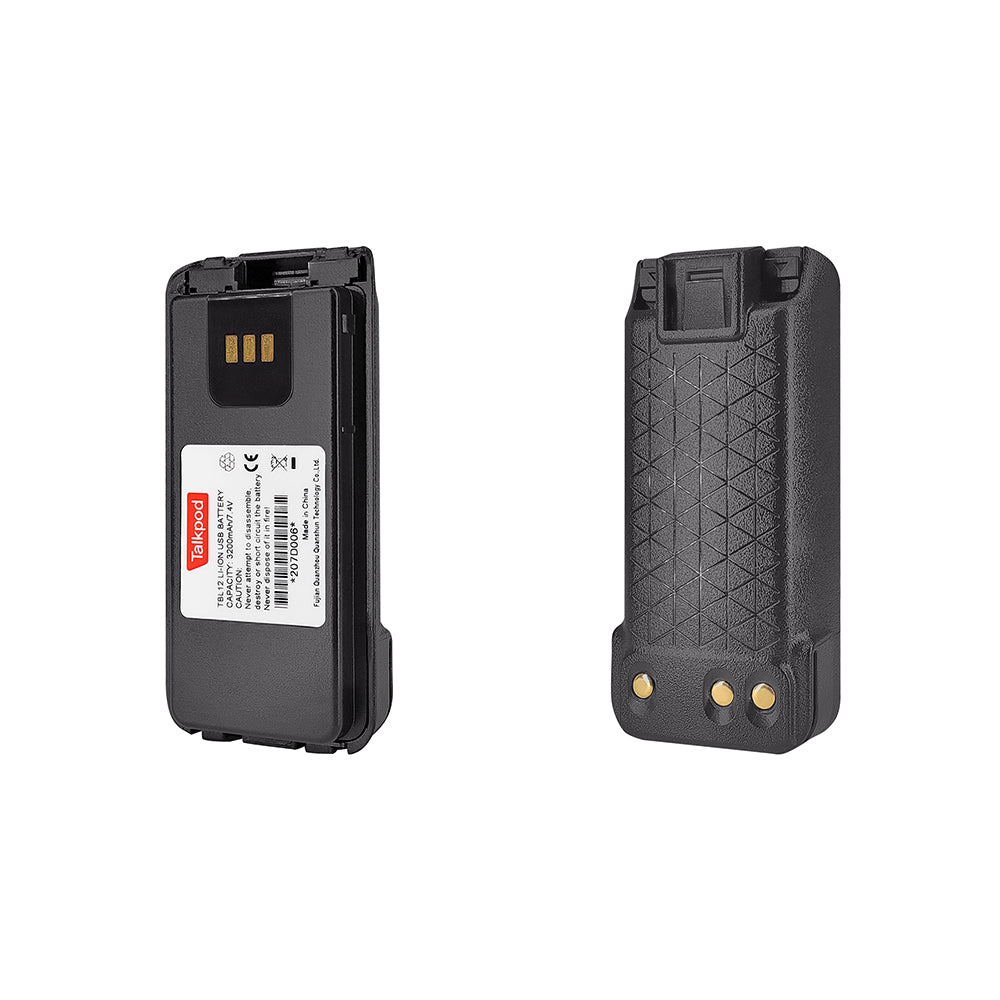
Only approved batteries and accessories should be used, and charging, battery replacement and maintenance should follow the manufacturer's instructions and the drilling contractor's hazardous-area procedures.
Explosion protection does not mean that a radio makes a hydrocarbon atmosphere safe. It means the equipment is designed to avoid introducing an unacceptable ignition risk when used within the limits defined by its certification.
Communication across a steel-heavy drilling site
A drilling rig is a difficult environment for radio propagation.
The derrick, pipe racks, tanks, machinery, platforms and other steel structures can attenuate or reflect radio signals. A position with good coverage on an open deck may behave very differently behind heavy equipment or several levels below the drilling floor.
The D50Ex uses an antenna system intended for industrial radio communication and can help teams maintain contact across the site.
But handheld-radio coverage should never be assumed to be universal.
Before operational deployment, communication should be tested along the actual routes used by drillers, mud-system personnel, maintenance teams and safety staff. Weak areas should be identified in advance and addressed through appropriate site planning or alternative communication arrangements.
Reliable communication comes from a tested system, not from the assumption that one radio can penetrate every obstruction.
Coordinating several crews at once
Drilling operations depend on several specialist teams working simultaneously.
A drilling crew may be focused on the well center while mud-system personnel monitor circulation conditions. Mechanical and electrical technicians may be responding to equipment issues elsewhere on the rig, while safety personnel conduct inspections across the site.
The D50Ex supports group calls, individual calls and all-call communication, allowing radio traffic to be organized around different operational responsibilities.
Programmable side keys can also provide faster access to frequently used functions.
That matters when workers are wearing gloves or other personal protective equipment and need to contact the right team without navigating through multiple menus.
Instead of relying on hand signals, shouting or several separate communication steps, personnel can use defined radio groups to keep routine coordination more structured.
Supporting communication during well-control emergencies
Few drilling scenarios demand faster coordination than an unexpected influx, well kick or blowout-related emergency.
If abnormal well behavior develops, personnel may need to carry out well-control actions, secure equipment, move to designated areas or evacuate according to the drilling program and emergency procedures.
The D50Ex can provide an additional voice channel for reporting conditions and coordinating personnel during these events.
Its value, however, should not be overstated.
A handheld radio does not control the well, operate the blowout preventer or replace the drilling site's formal alarm, well-control, shutdown and evacuation systems.
Safety-critical actions must continue to follow approved well-control procedures, the operator's emergency-response plan and the designated command structure.
Radio communication supports those procedures by helping people exchange information more quickly.
It does not replace them.
Clearer communication around drilling machinery
The drilling floor is rarely quiet.
Engines, pumps, rotating machinery, pipe handling and other equipment can make short voice messages difficult to understand.
Digital voice processing and the D50Ex's speaker output are designed to improve speech intelligibility in these environments.
This can help a worker report an equipment condition, request assistance or confirm progress without having to leave the immediate work area.
For critical instructions, normal operating discipline still matters. Important information should be repeated or acknowledged when required by site procedures rather than assuming that one radio transmission has been understood correctly.
Extended operating time for long shifts
Oil drilling projects can continue for weeks or months, with personnel working rotating shifts around the clock.
That makes battery management an operational issue.
The D50Ex is designed to provide extended operating time compared with conventional duty cycles, reducing the need for unnecessary charging interruptions during normal work.
It should not, however, be assumed that a single charge will cover an undefined number of shifts.
Actual endurance depends on transmission frequency, battery condition, temperature and operating pattern.
A more reliable approach is to manage radios as a fleet: check battery condition before each shift, maintain approved spare batteries where permitted, and establish charging routines in appropriate safe locations.
This helps ensure that the radio is ready when personnel begin work rather than discovering insufficient battery capacity during a critical operation.
Communication is one part of drilling safety
Oil drilling combines hazardous atmospheres, heavy machinery, complex well-control procedures and continuous multi-team operations.
No handheld radio can remove those risks.
What the Talkpod D50Ex can provide is a practical local communication layer: an explosion-protected design for appropriately classified areas, digital voice for noisy work sites, structured calling modes for different crews, programmable controls and operating time suited to extended industrial shifts.
Its effectiveness ultimately depends on how it is deployed.
The correct certification must match the work area. Coverage should be tested around the actual rig structure. Batteries and accessories must be managed correctly. Emergency radio procedures should fit within the site's broader well-control and safety systems.
On a drilling rig, good communication is not a substitute for safe operations.
It is one of the systems that helps those operations stay coordinated when conditions become difficult.



Leave a comment
All comments are moderated before being published.
This site is protected by hCaptcha and the hCaptcha Privacy Policy and Terms of Service apply.