

A golf course may appear open, but operating one requires staff to work across a surprisingly large and uneven area.
Caddies move between holes. Course marshals patrol fairways and access roads. Front-desk staff coordinate tee times, while maintenance and support teams may be several kilometers away from the clubhouse.
During busy periods, these teams may all need the radio system at once.
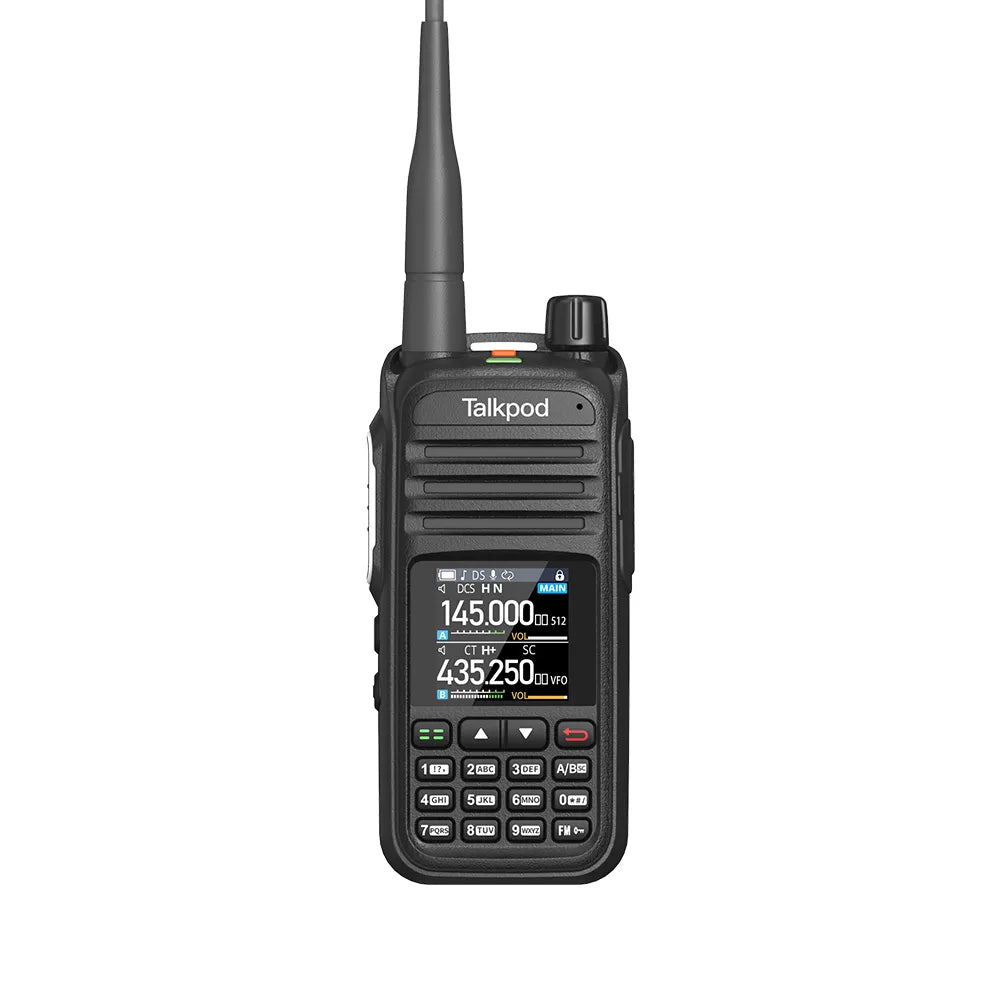
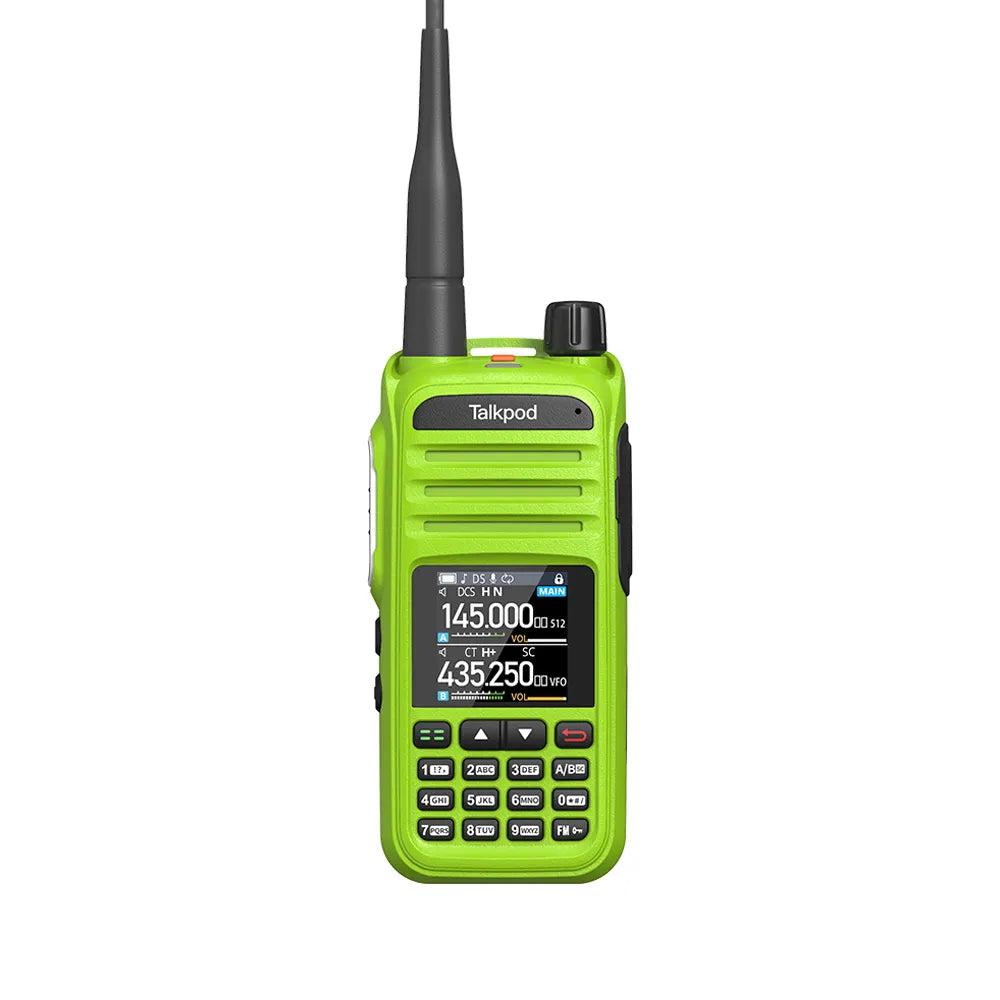
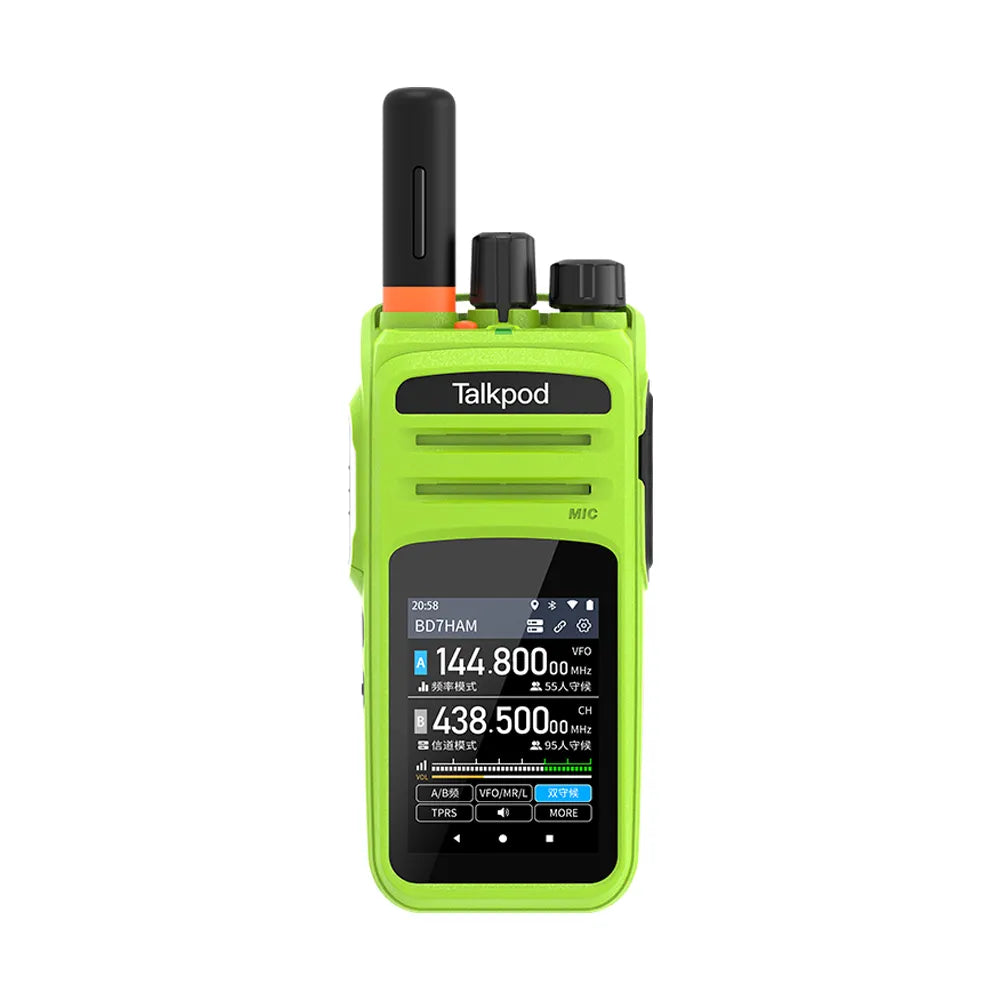
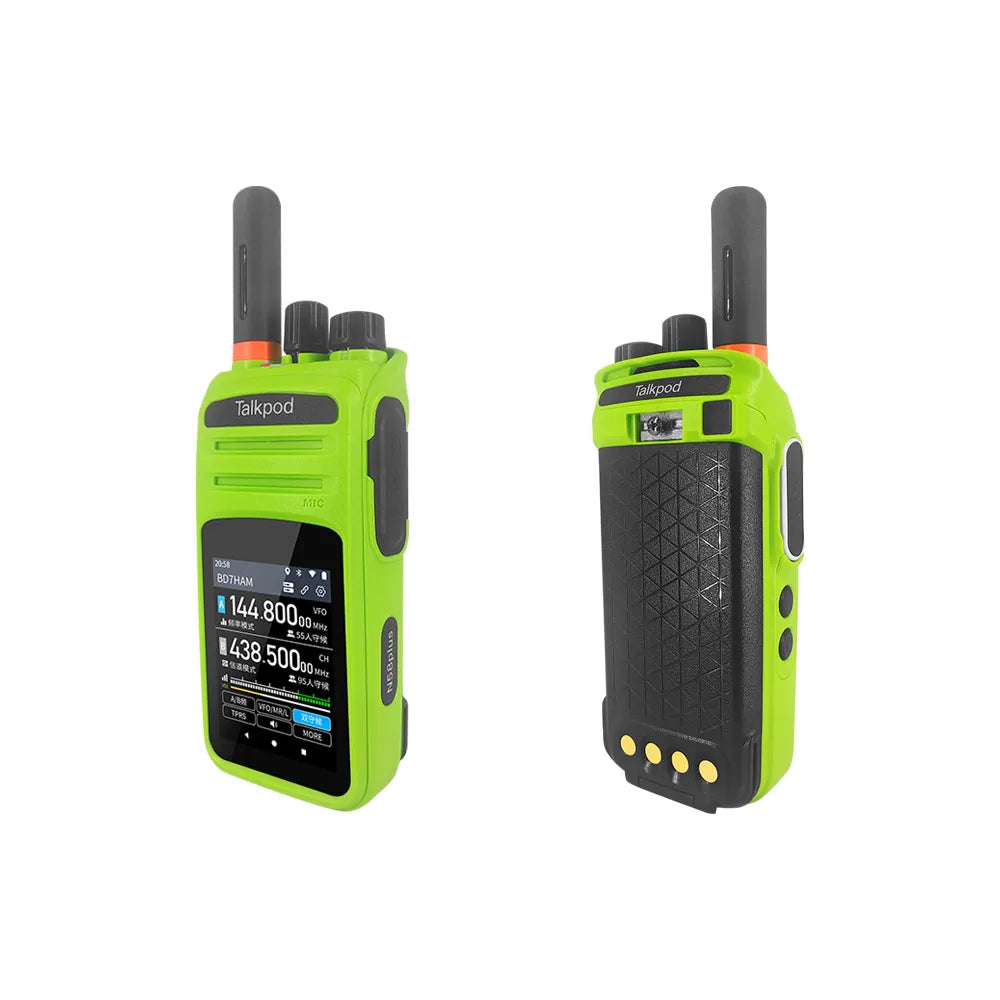
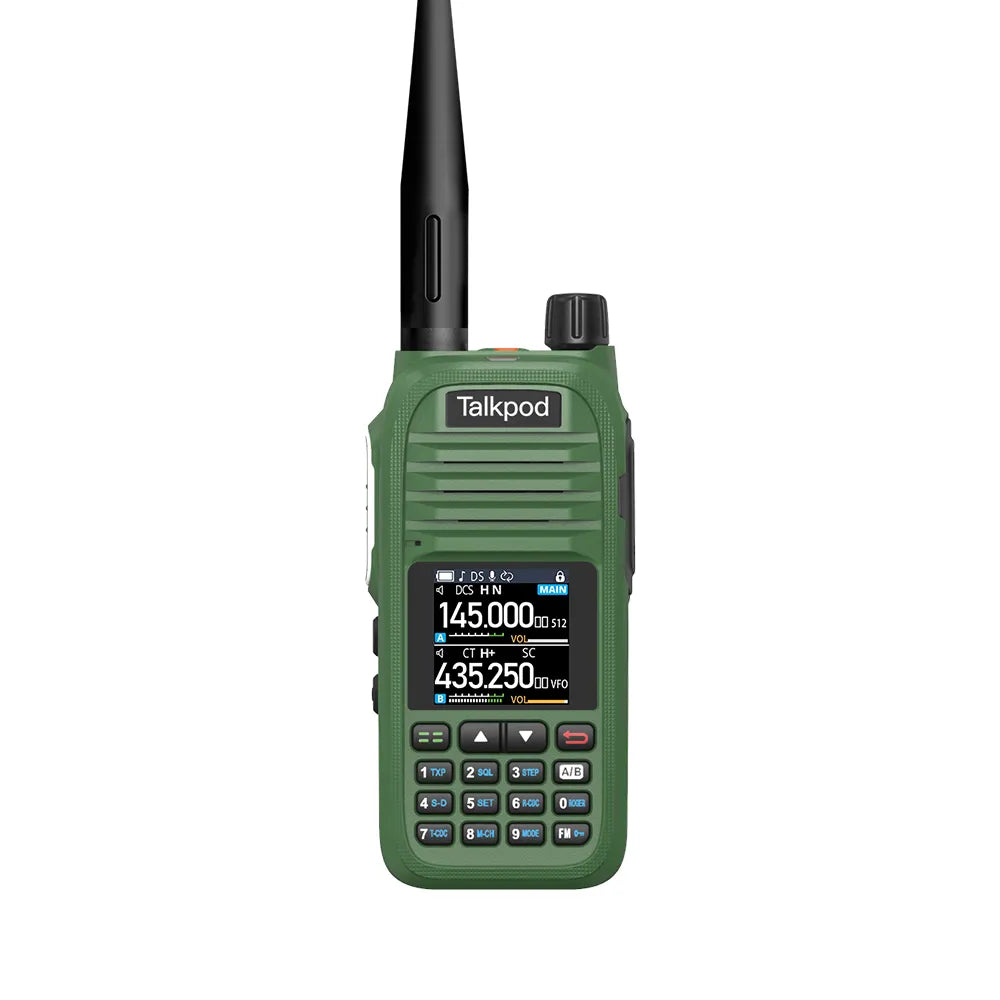
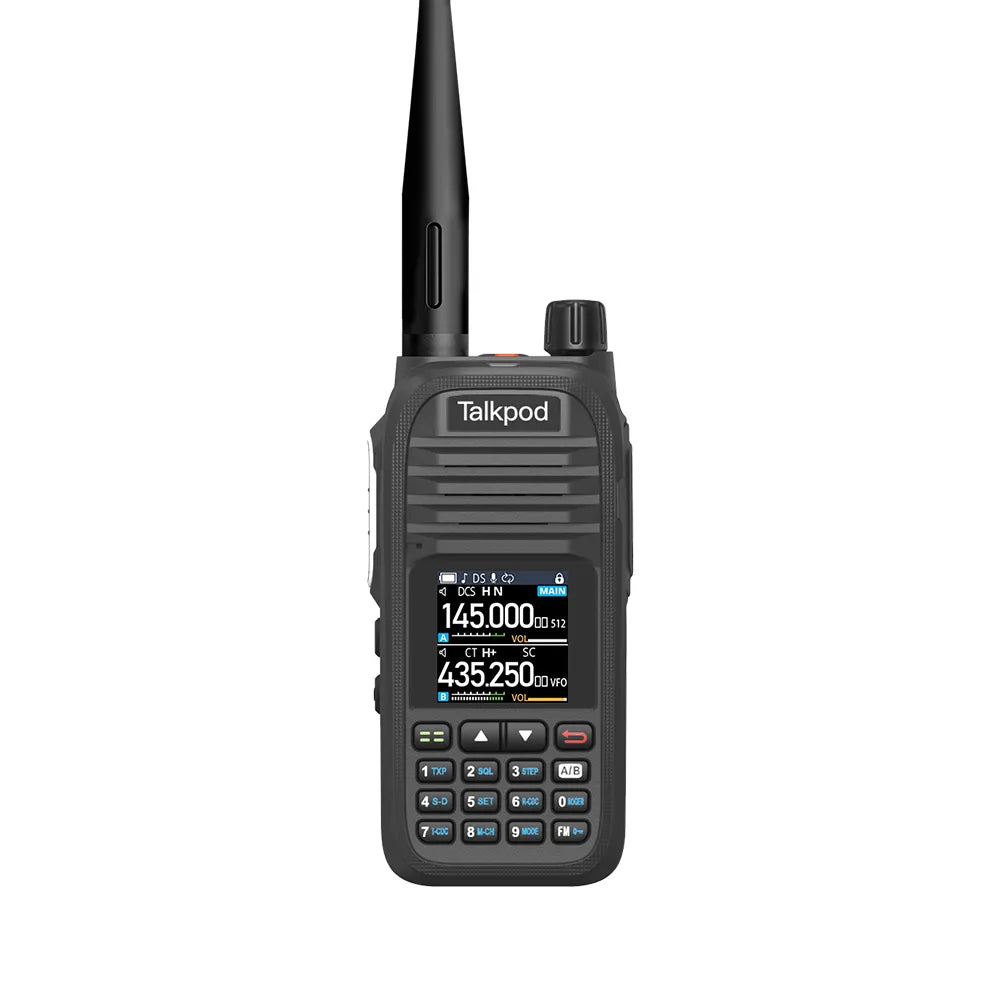
The Talkpod D30 digital radio provides a local communication layer for this type of operation, combining DMR digital voice, dual-timeslot capability, group and individual calling, configurable encryption functions and power-saving features.
Used with a practical channel plan and appropriate coverage testing, it can help golf-course teams coordinate without requiring every message to pass through the front desk.
[Image]
Large courses need more than simple point-to-point communication
Golf courses often cover large outdoor areas with significant distance between operating teams.
A caddie near a distant hole may need supplies. A marshal may need to report a blocked cart path. Front-desk staff may need to redirect personnel when several groups arrive close together.
Conventional handheld radios can support these workflows, but usable range still depends on terrain, vegetation, buildings and antenna conditions.
The D30 is a local digital radio.
It should not be treated as a nationwide or unlimited-distance communication system.
For larger courses, the operator should test actual coverage along fairways, cart routes, maintenance areas, parking zones and the edges of the property.
Terrain still matters in an open outdoor environment
A golf course is not necessarily a flat RF environment.
Hills, tree lines, clubhouse structures and changes in elevation can all affect radio propagation.
A link that works well across one fairway may become weaker after users move behind a ridge or into a heavily wooded section.
That means course coverage should be measured rather than assumed.
If a distant part of the property is consistently weak, the operator may need a repeater or another appropriate communication arrangement.
Open space can help radio performance.
It does not guarantee full-course coverage by itself.
[Image]
Dual-timeslot operation can improve channel efficiency
The source describes the D30 as supporting digital dual-timeslot communication, allowing two logical communication paths to share the same 12.5 kHz DMR carrier under an appropriately configured system.
That can improve spectrum efficiency and reduce congestion when several teams are active.
For a golf course, one timeslot might support routine service traffic while another carries a different operational group, depending on how the system is configured.
This can increase practical capacity without requiring a separate frequency for every conversation.
But dual timeslots should not be described as eliminating congestion completely.
Capacity still depends on the radio architecture, timeslot assignments, traffic volume and whether the relevant direct-mode or repeater configuration supports the intended operation.
High-traffic weekends still need a disciplined call structure
A full weekend schedule can generate considerable radio traffic.
Caddies may be requesting supplies while marshals report course conditions and staff at the clubhouse coordinate arriving groups.
Even with digital capacity, long conversations can still block access for other users.
For that reason, radio discipline matters.
Messages should be short, directed to the correct group and acknowledged when the instruction is important.
A well-structured radio system increases capacity.
It cannot compensate for everyone speaking at once.
Group, individual and all-call functions reduce unnecessary traffic
The D30 supports group calls, individual calls and all calls.
That gives course operators more flexibility than a single shared voice channel.
Routine caddie traffic can remain within the appropriate group, while a supervisor can contact one specific user when only that person needs the message.
An all-call function can be reserved for information that genuinely needs to reach a broader audience.
This helps reduce unnecessary interruptions.
The benefit is operational focus.
It is not complete communication isolation.
Communication groups can mirror the course organization
A practical deployment might separate staff according to function.
Caddies, marshals, maintenance personnel and front-desk operations may each have different routine communication needs.
The exact structure should remain simple enough that staff can remember it while moving around the course.
Too many talkgroups can create as much confusion as too few.
Supervisors may need access to several groups.
Most frontline employees only need the groups relevant to their work.
The purpose of digital calling is to make communication more targeted—not to create a complicated radio hierarchy.
An 8-digit key adds a security layer, but not absolute privacy
The source describes the D30 as supporting a customizable 8-digit encryption key.
This can add a layer of protection to compatible digital voice communication when radios are correctly configured.
The source also notes that an eight-digit decimal key space can represent up to 100 million numerical combinations.
That number should not be treated as a complete measure of cryptographic strength.
Actual security depends on the encryption implementation, key handling, device access and radio configuration.
An eight-digit key can make casual unauthorized listening more difficult.
It should not be described as making interception or information leakage impossible.
Member privacy still depends on what staff say over radio
Golf clubs may handle information about members, guests and service arrangements.
Even when encryption is enabled, staff should avoid transmitting unnecessary personal information over shared radio groups.
A caddie or front-desk employee usually needs to communicate the operational task, not a complete member record.
Names, contact information, payment details and other sensitive information should remain within the club's authorized management systems whenever possible.
The radio coordinates the service.
The club system should hold the customer data.
Digital radio can improve voice consistency, but coverage still has a threshold
Digital voice systems can maintain relatively consistent audio quality while the signal remains above the decoding threshold.
That can make short operational messages easier to understand than weak analog audio in some marginal conditions.
But digital communication also has a limit.
Once signal quality falls too far, audio can break up rapidly or disappear altogether.
This makes actual coverage testing important.
A radio that sounds clear at one position may lose the link entirely only a short distance farther behind a terrain obstruction.
Digital does not mean unlimited resilience.
Power-saving features can support long operating days
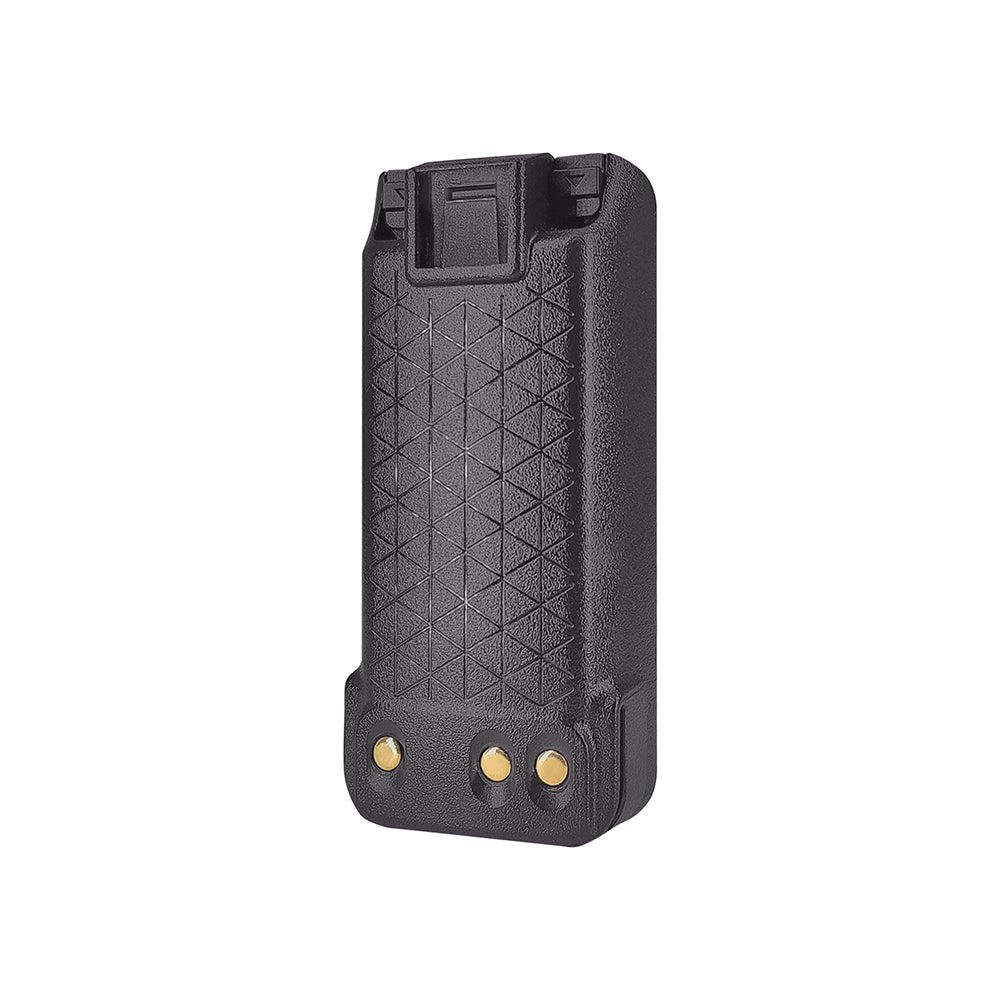
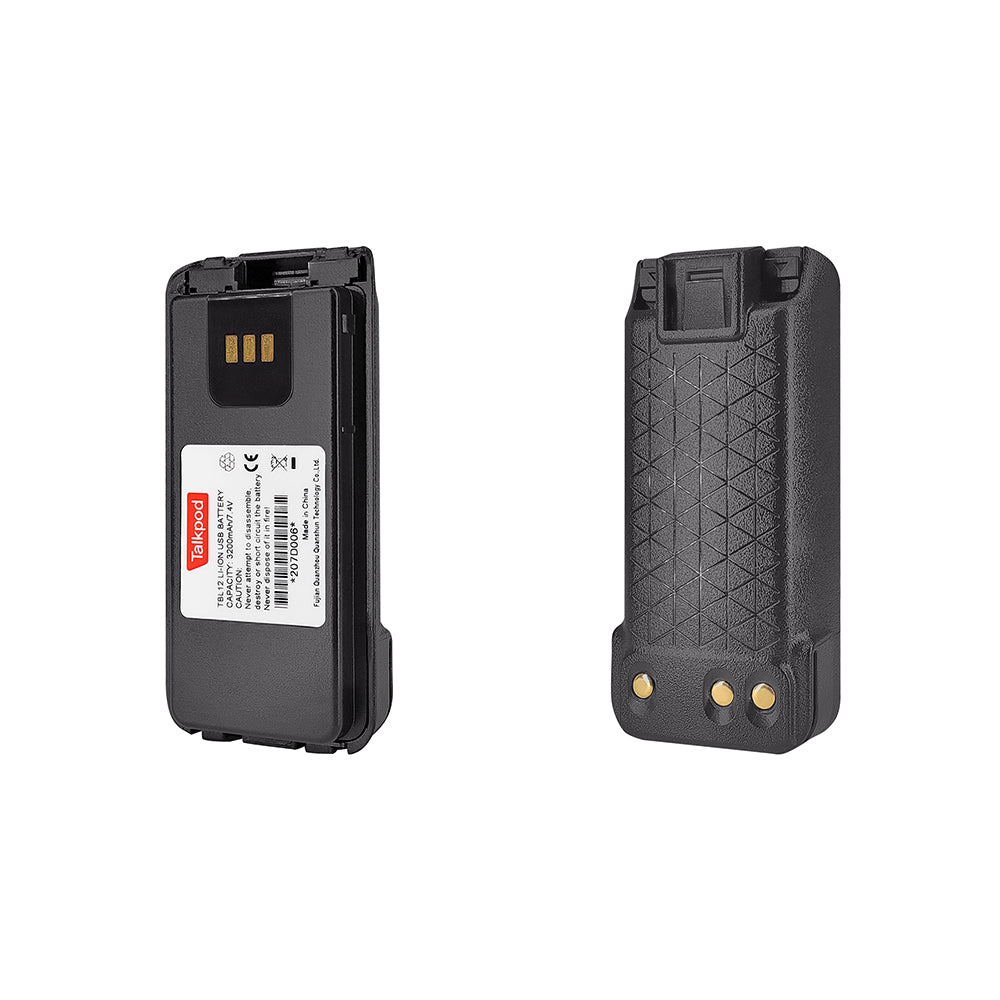
The source states that the D30 can use approximately 40% less power than a comparable analog operating mode under referenced conditions, together with a standard 1500 mAh battery and operating time of up to around 20 hours.
Those figures can be useful for a golf-course operation where radios may be issued early in the morning and returned after evening service.
But actual runtime depends heavily on duty cycle.
Frequent high-power transmission, audio volume, battery age, temperature and signal conditions all affect endurance.
The figures should therefore be treated as reference results rather than guaranteed shift duration.
A long day still needs battery management
An early tee time can begin around sunrise, while course operations continue well into the evening.
That makes charging discipline important even when the radio offers extended endurance.
Radios should begin the day fully charged.
High-use teams should have access to spare batteries, spare radios or an appropriate charging point.
Battery condition should also be monitored over time, because an aging battery will not provide the same runtime as a new one.
The safest assumption is not that the radio will always last the entire day.
It is that the fleet has a plan if one does not.
Service requests become easier to route
The practical benefit of a golf-course radio system appears in routine situations.
A caddie can request water or replacement equipment without leaving the group. A marshal can report congestion on a cart path. Maintenance staff can be directed toward a problem without returning to the clubhouse.
These are small communications, but they occur repeatedly.
Reducing the number of unnecessary trips can make the operation feel more responsive to both staff and golfers.
The radio does not replace scheduling, tee-time or maintenance systems.
It helps the people using those systems coordinate in real time.
Emergency communication still requires a defined procedure
Golf courses also face occasional medical or weather-related incidents.
A radio can help staff alert colleagues and direct assistance toward the correct location.
But emergency response should follow the course's established procedures.
Medical emergencies, lightning risks, severe weather and other safety events may require emergency services, evacuation or suspension of play.
The D30 helps personnel communicate around those procedures.
It does not replace them.
A practical local network for a large outdoor property
The Talkpod D30 can provide a useful communication layer for golf-course operations where caddies, marshals, maintenance teams and clubhouse staff need to coordinate over a wide area.
Dual-timeslot operation can improve spectrum efficiency, while group, individual and all-call functions allow communication to be directed more precisely. Configurable encryption can add a protection layer to compatible digital traffic, and the radio's power-saving design can support longer shifts under appropriate operating conditions.
Those capabilities should remain grounded in the realities of the course.
Dual timeslots do not eliminate congestion. Encryption does not guarantee absolute privacy. A 20-hour runtime is not a promise under every duty cycle, and a large outdoor property may still contain weak RF areas.
Used with coverage testing, a simple talkgroup structure and disciplined radio procedures, however, the D30 can help golf-course staff spend less time searching for one another—and more time keeping players, equipment and services moving smoothly across the course.

Leave a comment
All comments are moderated before being published.
This site is protected by hCaptcha and the hCaptcha Privacy Policy and Terms of Service apply.